Category Archives: Obesity treatment

protein powder weight loss

Health complications attached to being obese
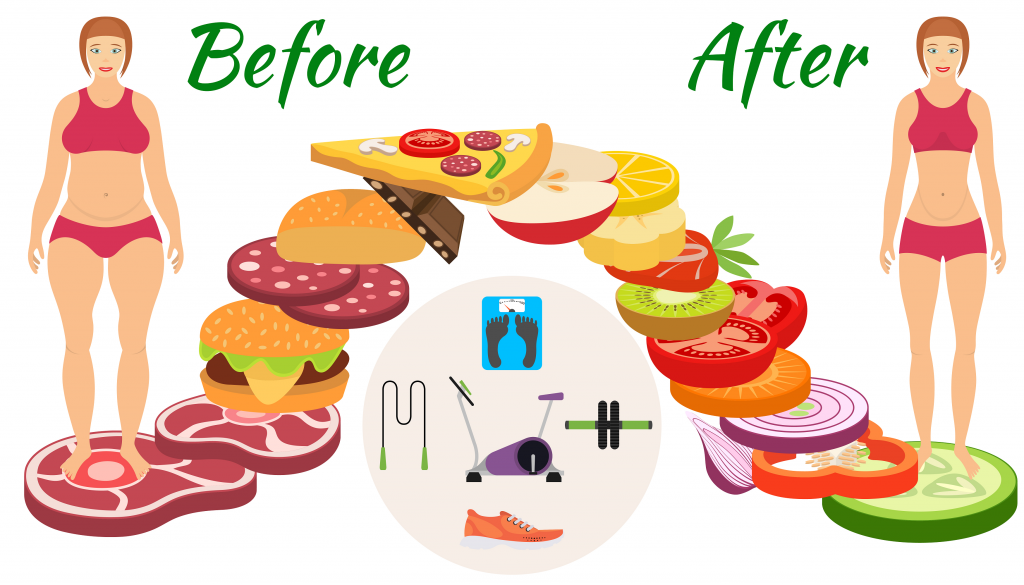
Health complications attached

Health complications attached to being obese and weight gain problems can be corrected easily by good feeding habits

Health complications attached to being obese: The eminent dangers of obesity

We have an opportunity to live only once on the surface of the earth and anything working against that needs to be corrected in good time. As a professional in weight-related discipline, doctor Dalal Akoury MD, who is also the founder of AWAREmed health and wellness resource center, registers that many at times living a comfortable life is often hindered by health complications attached to being obese. Because of this, the eminent dangers of obesity is going to be our focus progressively beginning with the health condition in relation to the circulatory system.

Circulatory system

  • Raised BMI increases the risk of hypertension (high blood pressure), which is itself a risk factor for coronary heart disease and stroke and can contribute to other conditions such as renal failure.
  • The risk of coronary heart disease (including heart attacks and heart failure) and stroke are both substantially increased.
  • Risks of deep vein thrombosis and pulmonary embolism are also increased.

Respiratory problems

  • Overweight and obese people are at increased risk of sleep apnea (interruptions to breathing while asleep) and other respiratory problems such as asthma.

Musculoskeletal system

  • Raised body weight puts a strain on the body’s joints, especially the knees, increasing the risk of osteoarthritis (degeneration of cartilage and underlying bone within a joint).
  • There is also an increased risk of low back pain.

Non-alcoholic fatty liver disease

  • Non-alcoholic fatty liver disease (NAFLD) refers to a range of conditions resulting from the accumulation of fat in cells inside the liver. It is one of the commonest forms of liver disease in most communities. If left untreated, it may progress to severe forms such as non-alcoholic steatohepatitis (NASH), fibrosis and cirrhosis. It has also been linked to liver cancer.
  • Obesity is an important risk factor for the condition: over 66% of overweight people and over 90% of obese individuals are at risk of Non-alcoholic fatty liver disease (NAFLD). As levels of obesity have risen, so has the prevalence of NAFLD.

Cancers

  • The risk of several cancers is higher in obese people, including endometrial, breast and colon cancers.

Reproductive and urological problems

  • Obesity is associated with greater risk of stress incontinence in women.
  • Obese women are at greater risk of menstrual abnormalities, polycystic ovarian syndrome, and infertility.
  • Obese men are at higher risk of erectile dysfunction.
  • Maternal obesity is associated with health risks for both the mother and the child during and after pregnancy.

Gastrointestinal disease

Obesity is also associated with:

  • Increased risk of gastro-esophageal reflux
  • Increased risk of gallstones

Psychological and social problems

  • Overweight and obese people may suffer from stress, low self-esteem, social disadvantage, depression and reduced libido.

Metabolic and endocrine systems

  • The risk of Type 2 diabetes is substantially raised: it has been estimated that excess body fat underlies almost two-thirds of cases of diabetes in men and three-quarters of cases of women. Diabetes currently affects nearly 200 million people worldwide and International Diabetes Federation predicts that this will increase to over 330 million by 2025, with a massive burden in developing countries. Worldwide, the number of people with diabetes has tripled since 1985.
  • There is a greater risk of dyslipidemia (for example, high total cholesterol or high levels of triglycerides), which also contributes to the risk of circulatory disease by speeding up atherosclerosis (fatty changes to the linings of the arteries).
  • Metabolic syndrome is a combination of disorders including high blood glucose, high blood pressure and high cholesterol and triglyceride levels. It is more common in obese individuals and is associated with significant risks of coronary heart disease and Type 2 diabetes.

Finally, dear reader, these are very dangerous problem and being obese can introduce one or a collection of them in your life. And when it happens timely action is a must. So waste no time and call doctor Akoury of AWAREmed Health Center now for help.

Health complications attached to being obese: The eminent dangers of obesity

http://www.awaremednetwork.com/

Facebooktwitterpinterestlinkedin
Weight loss

Health risks attachment to obesity and weight gain

Health risks attachment

Health risks attachment to obesity and weight gain can easily be eliminated through group weight loss

Health risks attachment to obesity and weight gain: Understanding why we must have leaner weight

The problems of obesity and in particular the health risk attachment it has are not new. This is not just a family or a nation problem but a global one. Experts from AWAREmed health and wellness resource center agrees that the epidemic of obesity cuts across all ages both children and adults in equal measure. The danger of this health condition is closely associated with other numerous co-morbidities like heart diseases (cardiovascular diseases), type 2 diabetes, hypertension, certain cancers, and sleep apnea or sleep-disordered breathing. The risks of obesity more so in relation to cardiovascular diseases (CVD) have been discussed in different forums and also documented in obese children cardiovascular diseases (CVD), it is also associated with reduced life expectancy.

Health risks attachment to obesity and weight gain: Cardiac structure and functions

A very important fact to note is that a variety of adaptations or alterations in cardiac structure and function do happen in the individual as adipose tissue accrues in excess volume. Therefore the general observation is that, overweight or obesity predisposes or is associated with numerous cardiac complications such as coronary heart disease, heart failure, and sudden death through its impact on the cardiovascular system. Having seen the over view of being overweight, we can observed that there is reasonable cause to worry that adult obesity is indeed associated with a wide range of health problems, and for the purpose of this article I will be making some brief highlight torching on some of the health conditions inclined with obesity to help you make your own self-evaluation and take the most appropriate action timely.

As we progress into the discussion, it is important that if you are struggling with overweight or obesity, your need for immediate medical attention is not just an option but a must. This must be done professionally with the experts and not just from your own imagination. You can therefore schedule an appointment with doctor Dalal Akoury for proper treatment. And as you consider doing that, it will interest you to note that, doctor Akoury practice focuses on personalized medicine through healthy lifestyle choices that deal with primary prevention and underlying causes instead of patching up symptoms making her best option for all your weight loss needs. Now let us consider some of the health complication associated with overweight.

  • Circulatory system
  • Respiratory problems
  • Musculoskeletal system
  • Non-alcoholic fatty liver disease
  • Cancer
  • Reproductive and urological problems
  • Gastrointestinal disease
  • Psychological and social problems
  • Metabolic and endocrine systems

Finally, the list above is just a preview of what obesity can do you your body system and we are going to study each condition progressively in our subsequent postings. In the meantime, for all your weight loss concerns, you can schedule an appointment with doctor Akoury for a one on one professional deliberations.

Health risks attachment to obesity and weight gain: Understanding why we must have leaner weight

http://www.awaremednetwork.com/

Facebooktwitterpinterestlinkedin
Autoimmune diseases no more

Vital behavioral change in fighting obesity

Vital behavioral change

Vital behavioral change in fighting obesity for a healthy living

Vital behavioral change in fighting obesity: Evaluate your behavior and progress

The journey of losing weight can be long or even shorter depending on your levels of commitment to the bigger objective. Many have started with high expectations hoping for an instant result but that is not how things work. There are vital behavioral changes that will be undertaken to have this successfully done. And so just as keeping a food diary can be helpful at the beginning of a weight loss program it can be useful as a way to monitor your eating during your weight loss. Professionally doctor Akoury advice that you can use the same diary to keep a track of your physical activity levels as well. It is also important to weigh yourself regularly to monitor your progress. Once weekly is recommended. While doing all this, be careful not to be discouraged by minor weight increases or leveling off for a few days instead focus on the overall trend over several months.

Vital behavioral change in fighting obesity: Keeping the weight off

Many people lose weight but at the end of their diet, the weight goes back on. The main reason this happens is because their weight-reducing diet was only a temporary change to their unhealthy diet and lifestyle. To keep your weight off, it is important that you make permanent changes. This usually means:

  • Keeping to a healthy diet.
  • Exercising regularly.
  • A change for the whole household. It is difficult for one member of a household to shop and eat differently to the rest. It is best that the whole household should eat a healthy diet.

It does not mean less enjoyment of food. However, it may take a while to learn to enjoy different foods, meals, and recipes. Some people need more support to keep to their new weight than when they were actually dieting and losing weight. A local support group may be able to help.

Vital behavioral change in fighting obesity: Prevention of overweight and obesity

You can help to prevent becoming overweight or obese by:

  • Following the healthy eating guidelines prescribed above.
  • Doing 150 minutes of physical activity according to the above prescription.
  • Spending less time being sedentary (for example, less time in front of your computer or watching TV).
  • Weighing yourself from time to time so that you become more aware of your weight and you can do something about your weight if you start to put some on.
  • Encouraging a healthy lifestyle for your whole family.

Finally for you to remain focus on all this, you will need the professional guidance to keep you on track from time to time and that is why doctor Akoury established this health facility to help in the transformation of each individual’s life through increasing awareness about health and wellness and by empowering individuals to find their own inner healing power. And alongside that, doctor Akoury’s practice focuses on personalized medicine through healthy lifestyle choices that deal with primary prevention and underlying causes instead of patching up symptoms making her one of the best professionals you can reach out for on telephone number 843 213 1480 for all your weight loss concerns.

Vital behavioral change in fighting obesity: Evaluate your behavior and progress

http://www.integrativeaddictionconference.com/wp-admin


Facebooktwitterpinterestlinkedin
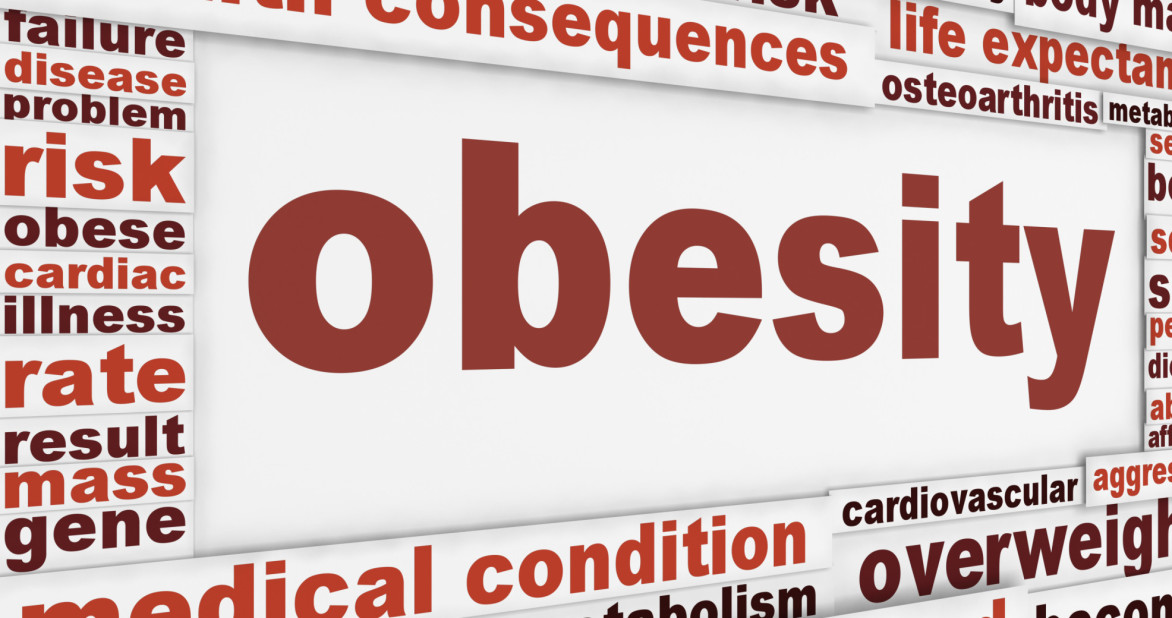
Obesity-medical-poster-design-37231081

Important diets eating skills for fighting obesity

Important diets

Important diets eating skills for fighting obesity delivers result

Important diets eating skills for fighting obesity: Assessing your eating habits

When it comes to weight management, people are always very first at pointing fingers at diet and physical activities. Of course, these are good elements when it comes to weight management but they are other things that need to be carried along the way. We spoke to doctor Dalal Akoury MD, President, and founder of AWAREmed health and wellness resource center and it was evident that besides having a well-balanced diet, the way you consume your meals is equally very important. Professionally doctor Akoury suggestion on how well we should conduct ourselves while eating. Like for instance:

  • Eat slowly.
  • Be careful that your food portion sizes are not too big but proportional.
  • Avoid second helpings when you are already full.
  • Switch unhealthy snacks and desserts to healthy ones.
  • Don’t skip meals.
  • Plan your meals ahead of time so that you can acquaint yourself with what you will be eating next.

Be selective on what you drink

Why are health officers insisting that we should be careful with the drinks we take? It is because many people use very unhealthy drinks full of calories to quench their thirst. While their thirst is being attended to, they are reciprocating that with adding more sugar. Many people may not know that sugary drinks like cola, tea, and coffee with milk and sugar, milk and alcoholic drinks, all contain calories and one of the best, economical and easiest ways to cut back on calories is simply by way of drinking water as your main drink say doctor Akoury.

Important diets eating skills for fighting obesity: Increase your physical activity levels

We had mentioned about being physically active and for sure, it is recommended that all adults should aim for 150 minutes of exercise a week.

  • One way to do this is to do 30 minutes of moderate-intensity exercise in bouts of 10 minutes for five days of the week.
  • Another method is to do 75 minutes of vigorous-intensity activity spread throughout the week or a combination of moderate and vigorous activity.

Remember that moderate physical activity includes:

  • Brisk walking
  • Jogging
  • Dancing
  • Swimming
  • Badminton
  • Tennis etc.
  • It is equally important that besides the list above try to do more in your daily routines. For example, use stairs instead of lifts, walk or cycle to work or school, etc.
  • Avoid sitting for too long in front of the television or a computer screen. Take regular breaks whilst working.
  • The good news is that you don’t have to do this physical activity all in one chunk.
  • You can break it up into blocks of 10-15 minutes. See separate leaflet called Physical Activity for Health, which gives more details.
  • Build your exercise levels up gradually. If you are not used to physical activity, try starting with a 30-minute brisk walk every day and then building up from there.

Finally, we are aware that being consistent with exercise is not always easy for many people owing to the kind of lifestyle they live. But facts will always remain that inactive people are politely inviting obesity in their lives and the consequences are well known. To avert that you can schedule an appointment with doctor Akoury for further professional guidance.

Important diets eating skills for fighting obesity: Assessing your eating habits

http://regenerativepotential.com/wp-admin

Facebooktwitterpinterestlinkedin
Cancer and weight

Heart functions and the threat of obesity

Heart functions

Heart functions and the threat of obesity demands that we must make all efforts of kicking obesity out of our lives

Heart functions and the threat of obesity: Overweight and Obesity

The heart is such a special organ in the body which needs lots of care. Anything affecting the heart leaves a scar and scare not just to the individual victim, but to the whole family. When this happens, the heart functions are hindered and the family programs equally come to a halt at times. Our focus in this article is going to be on poor weight management as a tool that can affect the heart functions badly. We are going to be seeking the professional input of doctor Dalal Akoury MD, President, and founder of AWAREmed health and wellness resource center over this so that we are precise and professional. We are all alive because we bear some weight. Weight is a component in life that we cannot ignore but like in any other good thing under the earth, when its application is done in excess it becomes dangerous. In the same way as human beings we must have the certain degree of weight from all the good reason however when weight is in excess, it becomes a problem to the human body and hence the saying “too much of something is dangerous”.

Like we have said the heart is such an important organ in the body and its functions must be perfect, regular and consistent all the times. Let’s, therefore, acquaint ourselves with the definitions of certain terms for a better understanding of our point of discussion. The terms “overweight” and “obesity” refer to body weight that’s beyond what is considered healthy for a given height. It is believed that in America alone, more than two-thirds of the adult population are overweight with about one-third of these adults being obese. Overweight and obesity are measured by the use of body mass index (BMI). For an adult, the normal weight is a BMI of 18.5 to 24.9 anything 25 to 29.9 is considered overweight while a BMI of 30 and more is obese.

Heart functions and the threat of obesity: Health risk involved

Being overweight or obese can raise your risk of CHD and heart attack. This is mainly because when it comes to the relationship between obesity and heart failure it’s always very complicated. Obesity is intimately interwoven with multiple health conditions that underlie cardiovascular disease including:

  • High blood pressure
  • Diabetes and
  • Abnormal blood cholesterol

Away from all this, being overweight is a common consequence of heart-damaging lifestyles like lack of exercise and a fat-laden diet. For some time now, scientists have suspected that excess fat tissue, especially around the waist, has a direct effect on heart structure and function, even without the association of other heart disease risks. In pursuing this philosophy, researchers evaluated some 950 older individuals of different weights for signs of left ventricular (LV) diastolic dysfunction a condition characterized by changes in the structure of the heart’s main pumping chamber (left ventricle), which prevent it from filling sufficiently between beats. Although LV diastolic dysfunction can be symptomless, it reliably predicts future heart failure. (Heart failure occurs when the heart muscle weakens or stiffens to the extent that it can no longer meet the body’s needs for blood and oxygen.)

In this study, the subjects were separated into three weight groups that are normal, overweight, and obese based on their body-mass index (BMI). Each subject underwent a noninvasive echocardiogram exam to measure the dimensions of the heart, muscle thickness and filling capacity of the left ventricle. It was then established that the overweight and obese participants were more prone to abnormal diastolic function than the normal weight individuals. Nonetheless when the researchers controlled for the effects of the other risks, the overweight, and obese subject still had up to a 60% higher chance of having LV diastolic dysfunction. It also made a difference how much extra body fat the person carried. The risk of abnormal heart function went up 4% for each point increase in BMI measurement. Looking at the dangers attached, timely professional help is highly recommended and scheduling an appointment with doctor Akoury should be your starting point.

Heart functions and the threat of obesity: Overweight and Obesity

http://regenerativepotential.com/wp-admin

Facebooktwitterpinterestlinkedin