Category Archives: Dr. Dalal Akoury

Understanding the bigger picture of Lung Cancer

Understanding the bigger picture of Lung Cancer: Is Smoking the bigger culprit?

Understanding the bigger picture of Lung Cancer

Understanding the bigger picture of Lung Cancer is very important for everybody since symptoms appear very late in life

In our quest of understanding the bigger picture of lung cancer, it is important to appreciate that cancer of the lungs like all cancers, results from an irregularity in the body’s basic unit of life, the cell. Under normal circumstances the body keeps records and controls the production of various cells in the body. This would ordinarily be referred to us having checks and balances. This is very important in the sense that the production or growth of cells is made possible only when new cells are needed. When this systems are disrupted then the production of cells will be uncontrollable resulting in proliferation of cell the consequences of which will be the formation of a mass commonly referred to us tumor. The experts at AWAREmed Health and Wellness Resource Center under the leadership of doctor Dalal Akoury says that since lung cancer tends to spread or metastasize very early after it forms, it is a very life-threatening cancer and one of the most difficult cancers to treat. While appreciating that lung cancer can spread to any organ in the body, however there are certain organs particularly the adrenal glands, liver, brain, and bone are the most common destinations for lung cancer metastasis.

Lung cancers can arise in any part of the lung, but 90%-95% of cancers of the lung are thought to arise from the epithelial cells, the cells lining the larger and smaller airways (bronchi and bronchioles); for this reason, lung cancers are sometimes called bronchogenic cancers or bronchogenic carcinomas.

Lung cancer is the top cause of cancer deaths in both men and women. But this wasn’t always the case. Before the widespread use of mechanical cigarette rollers, lung cancer was rare. Today, smoking causes nearly 9 out of 10 lung cancer deaths, while radon gas, pollution, and other chemicals play a smaller role. Newly developed drugs can offer hope for people diagnosed today.

Understanding the bigger picture of Lung Cancer: How Smoking Causes Lung Cancer

Lung cancer is the most common cause of death due to cancer in both men and women throughout the world. The incidence of lung cancer is strongly correlated with cigarette smoking, with about 90% of lung cancers arising as a result of tobacco use. The risk of lung cancer increases with the number of cigarettes smoked and the time over which one has been smoking. Besides that the available statistics indicate that today, smoking causes nearly 9 out of 10 lung cancer deaths, while other factors like radon gas, pollution, and other chemicals play a smaller role. The good news is that professionals are working round the clock to ensure that solutions are found for this problem. And at the moment a lot has been done and newly developed drugs can offer hope for people diagnosed today. Even though this is so a strong warning should go out there that cigarettes are not only packed with cancer-causing chemicals, but they can also disarm the lungs’ natural defense system. The airways are lined with tiny hairs known as cilia. These hairs protect the lungs by sweeping out toxins, bacteria, and viruses. Tobacco smoke stops the cilia from doing their job. This allows the cancer-causing chemicals to collect in the lungs. That now explains why cigarette smoking is the leading cause of lung cancer.

At AWAREmed Health and Wellness Resource Center we appreciate that it is not very easy to quit cigarette smoking owing to its addictive nature. That is why besides being the center for cancer treatment; we are also running a segment of drug addiction and substance abuse to help people get their lives back in totality. We want to help you have your life back and live it to the fullest. If you’re struggling with tobacco smoking or any other drug, you are facing greater risk of contracting this chronic disease (cancer) schedule for an appointment with doctor Akoury today and have your life back. In the meantime, keep reading to get more about understanding the bigger picture of lung cancer with the cancer treatment experts.

Understanding the bigger picture of Lung Cancer: Lung Cancer Symptoms

The reason why periodic checkup is very necessary is because lung cancer begins quietly without any warnings. There are usually no symptoms or warning signs in the beginning stages. If checkups are not done regularly then you will be suppressed to notice the following symptoms as the condition gets worse:

  • A cough that won’t go away
  • Fatigue
  • Wheezing or shortness of breath
  • Coughing up bloody phlegm
  • Chest pain, especially during deep breaths

Understanding the bigger picture of Lung Cancer: Diagnosing Lung Cancer

Because little is visible in the early stages of cancer formation, really will healthcare professionals be able to suspect lung cancer. Like I have said before the signs and symptoms do appear very late and therefore doctors will wait until it causes symptoms like a chronic cough or wheezing. At that point, your doctor is likely order for a chest X-ray or other imaging tests. You may also be asked to cough up phlegm for a sputum test. If either of these tests suggests cancer, you’ll probably get a biopsy. The delay in showing the symptoms should motivate you to register with AWAREmed Health and Wellness Resource Center for regular checkup. This way any suspicion will be detected in good time and the right cause of action taken immediately.

Understanding the bigger picture of Lung Cancer: Lung Biopsy

From the results of the diagnosis done, in the event that a suspected tumor is visible on an X-ray and is confirmed or a collection of cancer cells show up in a sputum test, then at this point a biopsy is used to confirm the validity of the diagnosis. The process would then involve the extraction of a small sample of the suspicious mass, this is usually done with a needle, and the healthcare professional will study it under a microscope. By carrying out the investigation of the sample, a doctor can learn whether the tumor is lung cancer or not, and if so, what kind.

In conclusion dear reader, this is very important and I want to bring it to you in the way you will understand best. It is said that the early bird catches the worm. This is a wise saying loaded with facts in our context. Don’t wait until you are 40 or 50 to go for the test. Schedule for an appointment with doctor Dalal Akoury today for that very important life changing journey which will make you know your true position in relation to lung cancer. Finally what we have shared in this article is only part one of our two parts articles of understanding the bigger picture of lung cancer. Be there in time for the second part in the next article.

Understanding the bigger picture of Lung Cancer: Is Smoking the bigger culprit?


Facebooktwitterpinterestlinkedin

Stem Cell Treatment for Autism Spectrum Disorders

Stem Cell Treatment for Autism Spectrum Disorders

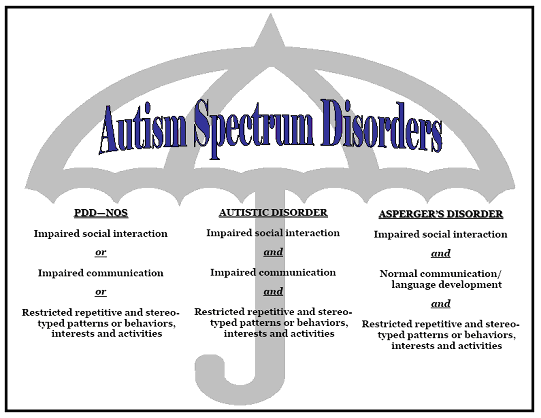
The medicinal properties of the stem cells have seen it being used for treatment of myriad ailments or as therapy for many diseases that are not even treatable. for the cases of these diseases that are not treatable the stem cell therapy helps to alleviate on the dangerous symptoms of the diseases and offer comfort as well as lengthen the lives of those who are victims of these diseases. needless the stem cell therapy has become a crucial component of regenerative medicine with many researchers still working around the subject to find out how its applicability can be useful in treating lifestyle diseases that have become a problem to this generation and many generations to come. The stem cell therapy has been proposed as an effective therapy in cases of autism. Autism spectrum disorders are complex neurodevelopmental disorders. This term refers to a heterogeneous group of varied conditions characterized by dysfunctions in social interactions, skills, and communication, restricted interests, and repetitive stereotypic verbal and non-verbal behaviors, influencing the ability to relate to others. Cognitive, emotional and neurobehavioral abnormalities characterize the core symptoms. The prevalence of these disorders has dramatically increased in the last years, with present rates of 1 in every 88 children aged 8 years in the United States, according to Centers for Disease Control.

Autism Spectrum Disorders

Autism Spectrum Disorders are presumed to be a lifelong disability with multiple impacts on child and adult health. Without a doubt, adult autistic individuals show limited independence because of their learning disability. Adult patients of autism spectrum disorders experience problems in communication. They are not able to read and write well. They’ve got poor comprehension of whatever they read. Apart from impaired communication, they also exhibit stereotyped behaviors and restricted interests. The children affected require special and intensive parental, school, and social support without which coping with the condition may become a nightmare. Autism Spectrum Disorders results in a substantial impact not only on the person’s quality of life but also that of their family. Autism Spectrum Disorders patients are not very easy to take care of, apart from their impaired social behavior, the cost of caring for them is so high. It is estimated that the cost of caring for a single person suffering from Autism Spectrum Disorders for a life time is $3.2 million, therefore this disease by all means is a global problem that should be prioritized and fought from all fronts.

Though the most salient symptoms of these diseases is seen in the cognitive, emotional and neurobehavioral abnormalities, Autism Spectrum Disorders are also characterized by a broad range of biochemical, toxicological and immune involvement, including oxidative stress, endoplasmic reticulum stress, decreased methylation capacity, limited production of glutathione, mitochondrial dysfunction, intestinal dysbiosis, increased toxic metal burden, and immune dysregulations including autoimmunity. Due to these complex problems there has never been any effective medication for autism spectrum disorders that has shown dependable level of efficacy. Today there are only few medications that are licensed by FDA for treating autism related disorders. Needless to emphasize these medications that are available in pharmacies such as anti-psychotics have failed to address the core symptoms of autism spectrum disorders. These medications are quite palliative and have potential adverse effects on the user. For this reason there are other alternative treatments of Autism Spectrum Disorders that have since surfaced. these may include; behavioral, nutritional, and biomedical approaches therefore this creates a vacuum that can be filled with effective therapies like the stem cell therapy but still there is need for more research that a better treatments for this disorder can be found. Despite medical technology advancements it is good to be blunt, Autism spectrum disorders are still untreatable pathologies. Mesenchymal stem cells possess the immunological properties which make them promising candidates as a novel therapeutic option but there is no single therapy that has been found that can treat autism spectrum disorders.

This is how stem cell therapy works for autism

Autism Spectrum DisordersAs mentioned earlier Stem cells are precursors of all cells and are capable of forming cells of other types hematopoietic, nervous and cardiovascular system, endocrine organs, bone, cartilage and muscle tissue. It is with this ability of stem cells to shift shape that it can be harnessed to help treat autism. Early animal studies have shown that stem cells isolated from umbilical cord blood can stimulate cells in the spinal cord to regrow their myelin layers, and in doing so help restore connections with surrounding cells. Autism is thought to result from impaired connectivity in the brain. Because of this, it is practical to apply this therapy on patients with autism spectrum disorders besides Mesenchymal stem cells can regulate the immune system. the mesenchymal stem cells can also help to reverse inflammatory conditions and perhaps this is why very many institutions in the US and across the globe have been doing trials on ability of the stem cells to treat even Cohn’s disease which is a condition resembling the gut inflammation in autistic children. Autism is a serious disease that should be prioritized by the public health stakeholders plus you also need information on how to leave with this disease, Visit us at AWAREmed Health and Wellness Resource Centre at Myrtle Beach, South Carolina. Dr. Dalal Akoury (MD) an expert in integrative and regenerative medicine will be able to help.

Stem Cell Treatment for Autism Spectrum Disorders


Facebooktwitterpinterestlinkedin

The Cancer Symptoms you must not ignore

The Cancer Symptoms you must not ignore: Be mindful of changes in your Body

The Cancer Symptoms you must not ignore

The Cancer Symptoms you must not ignore are many and common. Any changes must be taken seriously however small they may appear

In growth and development we are often faced with various changes in our bodies. Most of these changes are always positive and encouraging. However there are some changes which we must never ignore. In the advent of so many diseases moving around, it is advisable that we take keen interest in the changes taking place in our bodies however small they maybe. You may never know the cancer symptoms you must not ignore could be among those little changes. Health professionals recommend that nothing should be left to chance. Like for example, women’s bodies are always changing rapidly from time to time. It may not be clear, but occasionally those changes that appear normal and harmless could actually be the signs of cancer in the making. Therefore, the best remedy is to pay attention to your body consistently so that in the event you can notice something’s different, then speedy action can be taken. The experts at AWAREmed Health and Wellness Resource Center recommends that, every time a new symptoms appears, then that is an indication that something has changed in your body and you must by all standards get to know what that means. If you have not been keen in making observations to your body, then it is not too late to begin today. We will be here for you to help you establish what it really is. We must pool together to lock out all forms of cancer out of our lives and as professionals at this facility under the able leadership f doctor Dalal Akoury, that is what we want to help you achieve. Now the following are some of the changes you should watch out for:

The Cancer Symptoms you must not ignore: Breast changes

It is true that most breast lumps are not really an indication of cancer, but it is important that your doctor should always check them. Let your doctor also to know about these changes as well:

While at your doctor’s office, they may do certain physical exam and ask you a few questions about your medical history. You may also have tests like a mammogram or a biopsy this is when doctors remove a tiny piece of tissue for testing.

Bloating

Women are natural bloaters. It’s OK to wait a week or two to see if it goes away. If your symptoms don’t get better with time, or if they happen with weight loss or bleeding, see a doctor. Constant bloating can sometimes mean ovarian cancer. In this case you’ll have a pelvic exam as well as blood tests, and sometimes an ultrasound, to look for the cause of the problem.

Between Period Bleeding

Bleeding during your normal monthly cycle is okay, however bleeding which is not a part of your usual monthly cycle can have many causes. Your doctor will want to rule out endometrial cancer (cancer of the lining of your uterus). Bleeding after menopause is never normal and should be checked right away without any hesitation.

Skin Changes

A change in the size, shape, or color of a mole or other spot is a common sign of skin cancer. See your doctor for a thorough examination and perhaps a biopsy. This is one time you don’t want to wait.

The Cancer Symptoms you must not ignore: Blood in Your Pee or Stool

Talk to your doctor if you’re bleeding from a part of your body that normally doesn’t, especially if the bleeding lasts more than a day or two. Bloody stool is often from hemorrhoids, but it can also be a symptom of colon cancer. Bloody urine is usually the first sign of cancer of the bladder or kidneys.

Changes in Lymph Nodes

Lymph nodes are small, bean-shaped glands around the body. Most changes in them come from common infections. But some cancers, including leukemia and lymphoma, can also cause lymph nodes to swell. It’s a good idea to see your doctor if you have a lump or swelling anywhere in your body that lasts a month or more.

Trouble Swallowing

Occasional trouble swallowing is nothing to worry about. But when it happens often, especially with vomiting or weight loss, your doctor may want to investigate the possibilities of throat or stomach cancer. The health care professional will consider your symptoms with a throat exam and a barium X-ray. During a barium test, you drink a special liquid that makes your throat stand out on the X-ray.

Weight Loss without Trying

Most women wish extra pounds would magically melt away. But losing 10 pounds or more without a change in your diet or exercise habits could signal a problem. Most unintended weight loss is not cancer. It’s often caused by stress or your thyroid, but it can be a sign of pancreatic cancer. Stomach and lung cancers are also possible.

The Cancer Symptoms you must not ignore: Heartburn

Too much food, alcohol, or stress (or all three) can cause serious heartburn. Experts will suggest that you change your diet for a week or two to see if your symptoms get better. In the event that it persists seek medical treatment from your doctor. And remember that heartburn that doesn’t go away or gets worse could mean cancer of the stomach, throat, or ovaries.

Mouth Changes

Smocking may give you a very good indicator about the cancer symptoms you must not ignore. Ensure that if you’re a smoker, watch for white or bright-red patches inside your mouth or on your lips. Both can signal oral cancer.

Fever

A fever that doesn’t go away and can’t be explained could mean leukemia or another blood cancer. Your doctor should get the details of your medical history and give you a physical exam to check for the cause.

Fatigue

A lot of women are tired because they lead hectic lives. But extreme tiredness that won’t go away isn’t normal. Talk to your doctor if your fatigue never gets better or if you have other symptoms, like blood in your stool. Your doctor will ask for your complete medical history and give you blood tests.

Cough

Most coughs go away on their own in 3 to 4 weeks. Don’t ignore one that lasts longer than that, especially if you smoke or are short of breath. If you cough up blood, go to the doctor. A cough is the most common symptom of lung cancer.

Pain

Cancer doesn’t cause most aches. But ongoing pain can signal bone, brain, or other cancers. Ask your doctor about any unexplained aches that last a month or longer.

Belly Pain and Depression

It’s rare, but belly pain plus depression can be a sign of pancreatic cancer. Should you worry? Not unless pancreatic cancer runs in your family. Then you need a prompt [exam]. Finally were only highlighting some of the cancer symptoms you must not ignore and if you are very keen in this article, you must have noticed that a lot is pegged on doctor patient consultation. This is very important and we want to invite you schedule for an appointment with the experts at AWAREmed Health and Wellness Resource Center for direction so that no mistakes is done.

The Cancer Symptoms you must not ignore: Be mindful of changes in your Body


Facebooktwitterpinterestlinkedin

Understanding what breast cancer really is

Understanding what breast cancer really is: Discussing Various Cancer stages

Understanding what breast cancer really is

Understanding what breast cancer really is marks the beginning of finding lasting treatment solutions

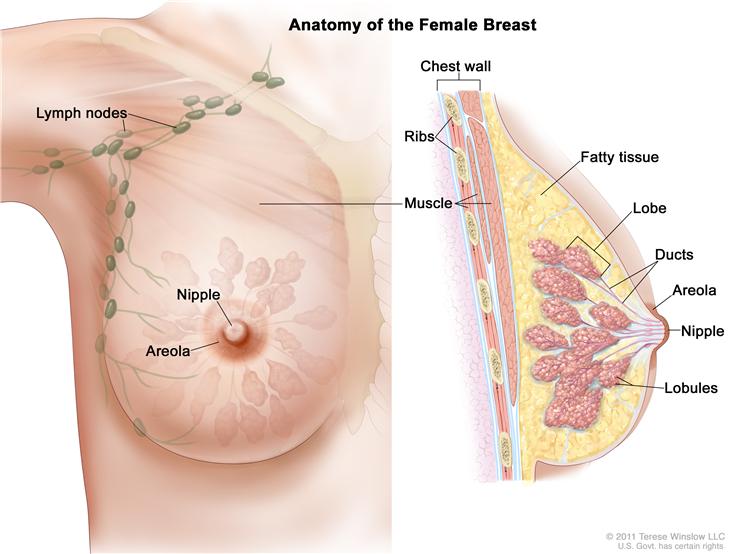
Before you can begin talking about cancer treatment or even prevention, you must first understand it. Cancer is not like any other disease that we can get it medication across the counter and without proper prescription. Therefore that communicates the importance of knowing what we are talking about. It will take the brains of experienced experts in this discipline for us to understand what cancer is all about. That is why this discussion is going to be delivered to base on the interaction we had earlier with doctor Dalal Akoury who is an expert in this line and also the founder of and the CEO of AWAREmed Health and Wellness Resource Center. She explains that breast tissue is made up of lobules that is to say milk-producing glands shaped in broccoli-like bunches and milk ducts which are tube-like structures that carry milk to the nipple. This is very important for all of us because about eighty percent of all breast cancer problems begin at the milk ducts.

Doctor Akoury continues to explain that under normal circumstances milk the ducts and lobules are lined with a single layer of cells. The moment these cells instigate abnormal growth by creating several layers known as atypical hyperplasia, such layers needs to be removed, examined and biopsied. If the layers are allowed to grow across the duct or lobule, it is diagnosed as a carcinoma in situ. The cells then become invasive when they break through the duct or lobule walls and invade surrounding tissue. These cells, now free of constraints, can enter the lymph system or bloodstream and invade other organs. When this happens, the cancer is said to have metastasized. This now brings us to the next point of concern which is at what age does one get cancer?

Understanding what breast cancer really is: But I’m too young to have breast cancer!

More than 11,000 women under the age of 40 will be told they have breast cancer this year. It is the leading cause of cancer death in women in this age group.

In the course of a lifetime, 1 in 8 women will fight breast cancer. Most breast cancer (60 to 70 percent) occurs in women over 50 years of age, but the incidence of breast cancer in young women is on the rise.

In her study of young breast cancer survivors doctor Akoury established that there are more than 200 cases of metastatic breast cancer in women tender age between 25 and 34. That was based on statistics gathered from National Cancer Institute data from 1973 to 2009. Today she says this number has gone up by 800 year after year. The implication of these results is that the type of breast cancer affecting the younger generation women is more aggressive. Therefore if you (a young woman) is to be diagnosed of breast cancer today, you are likely to have a better chance of surviving the ordeal if treatment is begun immediately within six weeks of the diagnosis.

It must be appreciated that breast cancer in young women often grows faster, spreads quickly, and usually requires aggressive treatment. Remember that careful attention must be taken so that in the process of treatment, no more harm is done because the chemotherapy and radiation therapy can increase the risks of other cancers, heart disease and infertility.

In her vast experience of over two decades doctor Akoury explains that besides the known facts, there are other special challenges that young or youthful breast cancer patients has to contend with. We are talking about social challenges, like for instance, many young women feel isolated as they wage war on the disease while watching their friends and family building lives and having children. This can be very hurting since there is no cure for breast cancer. It therefore impact heavily on young women that they have to remain committed to having breast cancer screenings and performing self-breast exams periodically.

While making effort in understanding what breast cancer really is, researchers across the globe are not sure why there has been an increase of breast cancer in young women. Nonetheless, there are theories that the increase may be due to:

  • Obesity
  • Lack of exercise
  • Overeating
  • Exposure to chemicals, viruses and environmental toxins
  • The increase may be due in part to the decision to delay child bearing until later in life.

These remain just theories however since yearly clinical breast cancer screenings are advised to commence at age 40, breast cancer in young women is usually found by self-breast exam in most cases. Therefore in the event that a young woman notices a mass in her breast that does not go away, this could be an indicator and therefore it is important that you seek medical attention immediately.

Understanding what breast cancer really is: Cancer stages are determined by the size and location of the cancer cells

Breast cancer is diagnosed in five stages ranging from 0 to 4. The definition of stages help surgeons and oncologists determine treatment based on the progression of the cancer.

Stage zero: This is the earliest stage of cancer. At this stage the cancer cells are still within the duct or lobule of the breast and have no ability to spread. When detected at this point treatment becomes very easy and economical.

Stage one: At this stage the cancer cells have invaded the walls of the duct or lobule, but are still less than 2.0 cm in size. Meaning that, the cancer cells are still in the breast and have not invaded the lymph nodes.

Stage two: the cancer cells at this stage are less than 5 cm in size. By this time, they have spread to one to three axillary (armpit) lymph nodes. Cancers that are over 2 cm may also be diagnosed as stage two.

Stage three: Cancer cells that invade four lymph nodes located in the armpit, collarbone and the nodes near the sternum or cancers that are over 5 cm that spread to any number of nodes; and tumors that have grown into the chest wall or skin are defined as Stage three.

Stage four: When cancer has spread beyond the breast and lymph nodes and has traveled or metastasized to distant nodes or the liver, lung, brain, bone or other organs, it is known as a Stage four cancer.

Finally in our interaction with the experts at AWAREmed Health and Wellness Resource Center under the able leadership of doctor Dalal Akoury, we realize that while prevention is the best, but if you’re already affected, the there is still hope for you. Early detection or diagnosis is the secrete. This is so because treatment becomes much easier and economical at this stage. Therefore if you’re a young lady don’t wait until you’re 40, make a point of scheduling for an appointment with doctor Akoury today to escape the pain and frustrations of cancer in the future years.

Understanding what breast cancer really is: Discussing Various Cancer stages


Facebooktwitterpinterestlinkedin

Applying Endocrine Therapy for Breast Cancer Treatment

Applying Endocrine Therapy for Breast Cancer Treatment: Not everyone is Eligible for Endocrine Therapy

Applying Endocrine Therapy for Breast Cancer Treatment

Applying Endocrine Therapy for Breast Cancer Treatment is one of the best treatment methods available today.

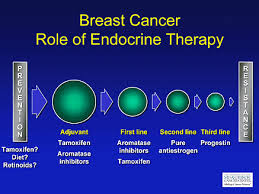
The treatment of cancer is one that makes so many people to panic in fear. Owing to the dangers associated with this disease people are often very worried of the outcomes of the treatment even as they hope for the best. We enquired from the experts at AWAREmed Health and Wellness Resource Center and doctor Dalal Akoury shared with us very useful information about endocrine therapy as a treatment option. Doctor Akoury who is also the CEO of this facility says that in applying endocrine therapy for breast cancer treatment careful attention should be taken not to confuse the hormones. There are certain hormones that can attach to breast cancer cells and affect their ability to multiply. The purpose of endocrine therapy, formerly called hormone therapy, is to add, block, or remove hormones. Doctor Akoury continues that with breast cancer, the female hormones estrogen and progesterone can promote the growth of some breast cancer cells. Therefore in some patients, endocrine therapy is given to block the body’s naturally occurring estrogen to slow or stop the cancer’s growth. There are two types of hormone therapy for breast cancer.

  • Drugs that prevent estrogen and progesterone from promoting breast cancer cell growth.
  • Drugs or surgery to turn off the production of hormones from the ovaries.

Take note, not to be confused between the hormone therapies applicable in treating women with breast cancer to that hormone replacement therapy that is typically used by postmenopausal women.

  • Hormone therapy for cancer treatment also known as endocrine therapy stops hormones from getting to breast cancer cells.
  • Hormone therapy for postmenopausal women without cancer called which is known as hormone replacement therapy adds more hormones to your body to counter the effects of menopause.

Applying Endocrine Therapy for Breast Cancer Treatment: Who can Get Endocrine Therapy for Breast Cancer

As part of the diagnosis process, tests are done to determine if the breast cancer cells have estrogen or progesterone receptors. If so, that means that growth of the cancer can be stimulated with these hormones. If a cancer is found to have these receptors, endocrine therapy is recommended as part of the treatment plan.

Applying Endocrine Therapy for Breast Cancer Treatment: Hormone Therapy Drugs Used for Breast Cancer

We have several common hormone therapy drugs used for breast cancer and they may include the following:

  • Tamoxifen
  • Arimidex
  • Aromasin
  • Femara
  • Zoladex/Lupron
  • Megace

Applying Endocrine Therapy for Breast Cancer Treatment: Breast Cancer and Tamoxifen

This pill has been used for over three decades now in treating breast cancer. Originally it was first used in metastatic breast cancer (cancer that spread) because it decelerate the development of cancer cells in the body. Tamoxifen also decreases the chance that some early-stage breast cancers will recur in premenopausal or post-menopausal women and it can reduce the risk of cancer developing in the unaffected breast. Besides that, it may offer an alternative to watchful waiting or prophylactic (preventative) mastectomy for women at high risk for developing breast cancer.

Tamoxifen is a type of drug called a selective estrogen-receptor modulator (SERM). At the breast, it functions as an anti-estrogen. Estrogen promotes the growth of breast cancer cells. Tamoxifen blocks estrogen from attaching to estrogen receptors on these cells. By doing this, it is believed that the growth of the breast cancer cells will be halted. Tamoxifen can also be considered as an option for the following cases:

  • Treatment of ductal carcinoma in situ (DCIS) along with breast-sparing surgery or mastectomy.
  • Adjuvant treatment of lobular carcinoma in situ (LCIS) to reduce the risk of developing more advanced breast cancer.
  • Adjuvant treatment of breast cancer in men and women whose cancers are estrogen-receptor positive.
  • Treatment of recurrent and metastatic breast cancer.
  • To prevent breast cancer in women at high risk for developing the disease.

Even though Tamoxifen is useful in cancer treatment, it is not applicable to everyone. The following people should not use tamoxifen:

  • Pregnant women
  • Women planning to become pregnant
  • Men or women with a history of blood clots or stroke

If the three points describe you then before considering this treatment mode, you will need to talk to your doctor to see if tamoxifen is right for you. Nevertheless as for women, the side effects of tamoxifen are similar to some of the symptoms of menopause. Two of the most common side effects are hot flashes and vaginal discharge. Other tamoxifen side effects in women may include:

  • Vaginal dryness or itching
  • Irregular menstrual periods
  • Headache
  • Nausea or vomiting
  • Skin rash
  • Fatigue
  • Fluid retention or weight gain

While some of its side effects are similar to menopausal symptoms, tamoxifen does not trigger or cause menopause in women. It’s (Tamoxifen) side effects in men may include:

While applying endocrine therapy for breast cancer treatment the question that many would be asking would be, “are there some risks involve for those people taking tamoxifen for treatment?” this is a valid concern, doctor Dalal Akoury agrees. In her response she gives a resounding YES. Therefore the following are some of the known risks involved when taking tamoxifen:

  • Fertility – Tamoxifen may affect fertility, so it is important to use some form of barrier birth control while you are taking it. However, do not use oral contraceptives like the pill since they may change the effects of tamoxifen and affect the breast cancer. Tell your doctor right away if you think you may have become pregnant while taking this medication.
  • Increased blood clots – Women taking tamoxifen may have a slightly increased risk of developing blood clots in the lungs or large veins. This risk is increased in smokers.
  • Increased risk of stroke
  • Uterine cancer/sarcoma – Tamoxifen may increase a woman’s risk of developing uterine cancer (cancer of the lining of the uterus) or uterine sarcoma. However, this risk is very small and needs to be balanced against the significant benefits of taking tamoxifen for breast cancer.
  • Cataracts – Taking tamoxifen appears to put some women at increased risk for developing cataracts, a clouding of the lens inside the eye. People have also reported eye problems such as corneal scarring or retinal changes.
  • Medications – Tamoxifen may affect the metabolism of other drugs.

Applying Endocrine Therapy for Breast Cancer Treatment: Tamoxifen and Breast Cancer Prevention

Over the years efforts has been made by different researchers with an objective of establishing whether tamoxifen would reduce the occurrence of breast cancer in healthy women known to be at high risk. The outcome of the trials indicated a 50% reduction in both invasive and non-invasive breast cancer in the women treated with tamoxifen. Besides that, tamoxifen has also been shown to significantly reduce the risk of developing invasive breast cancer in women who have had ductal carcinoma in situ (DCIS). We may not be able to exhaust everything in this article and I want to introduce you to the expert for further consultation. You can schedule for an appointment with doctor Akoury for all the concerns you may have about applying endocrine therapy for breast cancer treatment.

Applying Endocrine Therapy for Breast Cancer Treatment: Not everyone is Eligible for Endocrine Therapy


Facebooktwitterpinterestlinkedin