Category Archives: Dr. Dalal Akoury

Safe Autologous Stem Cell Transplant for Diabetes

According to a recent WHO report, diabetes is one of the top ten leading causes of death worldwide; in 2012 the global prevalence of diabetes was estimated to be more than 10% among adults. The most prevalent type of diabetes is the type 2 and it is rampant in adult population. It is reported that diabetes is the leading cause of renal failure and blindness in developed countries, a person suffering from diabetes also has high chances of having a limb amputated. The risk of limb amputation is 10 times higher in diabetic patients. It is also known that most diabetic patients develop hypertension and cardiovascular diseases, which account for high rates of morbidity and mortality among adult patients. Most patients receive treatment through oral medication but this is also dangerous since after sometime they become insulin dependent. Oral insulin medication is also not so effective since exogenous insulin cannot provide the tight glycemic control exerted by the pancreas-derived insulin secretion. Due to these myriad problems stem cell therapy can be very useful in replacing the affected cells and restore normal cell function normalizing insulin levels in the long run.

What is autologous stem cell transplant?

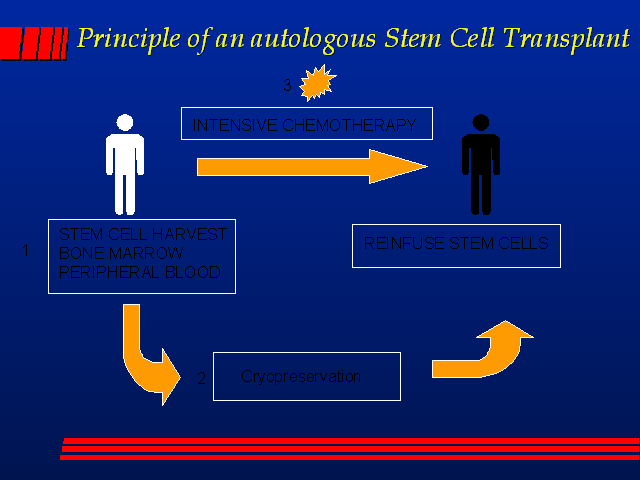
The body has stem cells in the bone marrow, in muscle tissues and also in the adipose tissues.  These stem cells turn into red blood cells, white blood cells, or platelets to help your body stay healthy. However there are situations when the amount of stem cells in the body is not enough to keep you healthy. This may be caused by some diseases like multiple myeloma or by aging. When this happens there will be need for supplementing the amounts of the stem cells so that they can be able to offer protection to your body. This calls for stem cell transplant which may be done by placing healthy stem cells in your body through an IV to restore the normal functions of the stem cells. at times the stem cells may be harvested from outside the body especially from placentas after successful normal delivery, however when this stem cells are sourced from within the body of the patient then it is referred to as autologous stem cell transplant. Autologous stem cell transplant is safer since the cells are from the body and therefore there is no risk of them getting rejected neither to induce unpleasant allergic reaction.
autologous stem cell transplant

How stem cells collected

In autologous stem cell transplants, the doctors use peripheral blood stem cell transplantation. With peripheral blood stem cell transplantation, the stem cells are taken from blood. The growth factor G-CSF may be used to stimulate the growth of new stem cells so they spill over into the blood. G-CSF is a protein that is produced naturally in the body. The blood is removed from a vein and passed through a machine that separates the stem cells. The machine then returns the remaining blood through a needle in the person’s arm or through a central venous catheter. This way of collecting stem cells is called apheresis. In adults, most autologous transplants use stem cells from blood. In a child, the decision whether to use cells from the bone marrow or the blood depends on the size of the child.

Mesenchymal stem cells work best for diabetes

In the past cell based therapy as used in treatment of diabetes began by use of islet transplantation have been successful in providing a source for insulin secreting cells. However this method has had its share of failures and disadvantages that created a vacuum that doctors hoped to be filled by a better cell based therapy. Some of the downs of the islet transplantations included; limited donors, graft rejection, the need for continued immune suppression and exhaustion of the donor cell pool. the search for a more reliable and sustainable source of insulin secreting cells made stem cell therapy a target as a promising alternative for islet transplantation in  diabetic patients who fail to control hyperglycemia even with insulin injection. Autologous stem cell transplantation may provide the best outcome for those patients, since autologous cells are readily available and do not entail prolonged hospital stays or sustained immunotoxic therapy. Among autologous adult stem cells, mesenchymal stem cells therapy has been applied with varying degrees of success in both animal models and in clinical trials.

autologous stem cell transplantCell-based therapies for diabetes mellitus had achieved lots of success with the application of islet transplantation from cadaveric donors, and the success of the Edmonton protocol back in 1999. Despite the success of islet transplantation in fighting diabetes more so for type 1, there were some drawbacks for example there was need to use immunosuppressive regime so as to favor graft acceptance and prevent rejection. It is with these loopholes that researchers sought to find better treatment with mesenchymal stem cells. Stem cell therapy is a solution to some of the drawbacks of islet transplantation especially the shortage of donors. Autologous stem cell therapy allows for a person’s on organs to be used in the transplant.

In autologous stem cell transplant the most effective mesenchymal stem cells are used to differentiate into insulin producing cells. The mesenchymal stem cells can be harvested in the bone marrows or in the adipose tissues where they are found in plenty. The mesenchymal stem cells have very many advantages when used as they have a high capacity to self-replicate and differentiate to bone and fat-forming cells and other tissue cells. They maintain the capacity of multilineage differentiation potential, both within and across lineage barriers. They are easy to cultivate and expand, and maintain pluripotentiality after prolonged culture conditions. For more information on diabetes, Visit us at AWAREmed Health and Wellness Resource Centre at Myrtle Beach, South Carolina. Dr. Dalal Akoury (MD) an expert in integrative and regenerative medicine will be able to help.

Safe Autologous Stem Cell Transplant for Diabetes

Facebooktwitterpinterestlinkedin

Alternative to Joint Replacement Stem Cell for Joint Diseases

Safe and Time-Proven Alternative to Joint Replacement Stem Cell for Joint Diseases

Joint diseases are common these days maybe because of poor eating habits that depletes the most important nutrients in the body. The most common joint diseases are osteoarthritis and rheumatoid arthritis. These joint diseases have maimed many people as they interfere with motion and movement around the joints. These diseases may occur as a result of wear and tear that happens around the joints. The bones in the joints are supposed to be separated from each other by cartilage however when there is wear on the cartilage the bones may begin grinding interfering with normal movements and leading to pain. there has been several ways through which the joint diseases were fought some pharmaceutical products have been in use for a good time some of which has yielded great results while some have not been very efficient . In cases of extremes a person may have a joint operated on, surgical treatments are mostly used after the pharmaceutical products have failed to yield any desirable fruits and the pain is unbearable.

Another promising approach to treatment of joint diseases is by utilization of the stem cells. The stem cells have become useful in regenerative medicine owing to the fact that they are able to differentiate into other types of cells that play crucial roles in the body. These stem cells can differentiate to give rise to daughter cells that are of their same type or give rise to even more differentiated cells forming bones, cartilage, tendons, and muscles among others. Due to this rare ability they have been targeted for treatment of not only joint diseases but also other diseases like cancer, diabetes, autism among other disorders. Mesenchymal stem cells that are found in large quantities in the adipose tissue and the bone marrow are useful in treatment of regenerative diseases. The treatment through stem cells is also safer with autologous mesenchymal stem cell transplant, which means that the stem cells are from the body of the patient and therefore there is no risk of the patient’s body rejecting the stem cells transplanted. With several research institutions working on the stem cells medicinal abilities there is hope that treatment of bone diseases will be much easier. however the technology that may make stem cell transplant a reality may not be available in some countries or worse still may not afforded by a particular patient therefore there are other natural ways that have been in use over the years to manage joint diseases.

Joint Disease

Here are some of the natural alternatives of treating joint diseases

Use of supplements

We eat foods that we may get essential nutrients that may help us to fight against certain diseases. When our body fails to acquire these nutrients in the foods we eat it is logical to seek the nutrients from the supplements. There are quite a number of supplements that have been used for joint diseases. A combination of glucosamine and chondroitin is believed to help reform and repair worn or torn cartilage. Omega-3 fatty acids found in fish oil or flaxseed oil are anti-inflammatory agents. Studies have found that SAMe (s-adenosyl-L-methionine) can help reduce osteoarthritis pain. Early evidence has shown that the natural vegetable extract called avocado soybean unsaponifiables (ASUs) could be an effective osteoarthritis treatment that might even slow progression of the disease. Therefore you may consider shopping for appropriate supplements that can help you in case you are suffering from this disease.

Practice Mind-Body Medicine

Body and mind medicine may help you to reduce the pain on the joints. There are practices that encourage stretching the muscles and straightening the joints while relaxing the mind and shifting the mind from the pain. These practices include yoga and Tai chi. Yoga can improve your flexibility and strengthen muscles important to the support of arthritic joints. Tai chi also can relieve osteoarthritis symptoms. There is not enough literature to show the benefits or the effectiveness of these practices but there is a study published in the British Journal of Rheumatology that found that people with rheumatoid arthritis who participated in a yoga program over a three-month period had greater grip strength than those who did not practice yoga. Another study published in the same journal reported that people who practiced yoga showed a significant improvement in pain, tenderness, and finger range of motion for osteoarthritis of the hands. The benefits of exercises are known and yoga and tai chi are exercises that are even more effective that they also emphasize body mind connection and wellbeing.

Use Acupuncture

stem cellAcupuncture has been in use for centuries now. This practice was common in the ancient Chinese medicine. It involves inserting thin needles into specific parts of the body to help relieve pain. Several clinical trials have shown that acupuncture can be very effective in relieving pain though most doctors believe that it cannot be used solely for long-term healing goals. Be it for short term pain management it is effective and so its use is encouraged.

Include anti-inflammatory foods in your diet.

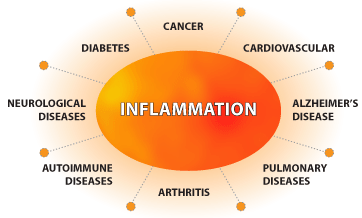
Joint diseases are characterized by persistent inflammations. It is these inflammations that mostly cause the unbearable pain. There are a number of foods that can help to reduce these inflammations and quell the pain that arthritic patients go through. Some of these foods include the following; horseradish, mustard, garlic, onions, watercress, parsley, celery, pickles, lemon, and rose-hip tea. The omega-3 fatty acids in nuts, seeds, and fish also can reduce inflammation. Using natural means to manage joint pains may be beneficial but again you need help of an integrative medicine expert, Dr. Dalal Akoury (MD) an expert in integrative and regenerative medicine will be able to help. Visit her at AWAREmed Health and Wellness Resource Centre at Myrtle Beach, South Carolina.

Safe and Time-Proven Alternative to Joint Replacement Stem Cell for Joint Disease


Facebooktwitterpinterestlinkedin

Understanding the Different Types of Skin Cancer

Understanding the Different Types of Skin Cancer: Why prevention is the best

Understanding the Different Types of Skin Cancer

Meet the professional who knows it all. Understanding the Different Types of Skin Cancer and offering real time solution

Over the past we have been posting informative articles about beauty and good health of your skin. In those articles we mention several elements that affect the skin negatively and those that support the good health of your skin. However in this article we want to look at one of the most chronic skin conditions that is threatening beauty and general health of humans. We want to explore the disease called cancer and in particular with a view of understanding the different types of skin cancer in our societies today. To help us get through this, doctor Dalal Akoury who is the CEO and founder of AWAREmed Health and Wellness Resource Center. Dr. Akoury made a decision to create a medical facility to primarily offer her professional skills to people with a view of transform each people’s lives through creating awareness about health and wellness and by empowering individuals through education into to finding their potential inner healing power.

By understanding the different types of skin cancer she will be able to pass the much needed information to the societies to take all precautions to be safe from the various attacks of cancerous conditions. Meanwhile in her leadership at this facility, Dr. Akoury’s practice focuses on tailored medication by way of encouraging patients to making healthy lifestyle choices that deal with the underlying primary prevention and root causes of such diseases as skin cancer instead of patching up symptoms. By reading through this article, you will not only get the valuable information about skin cancer, but also have an opportunity to seek for the direct professional help from the experts. This you can do by scheduling for an appointment with doctor Akoury today.

Nonetheless in view of our topic of discussion, the overview of common forms of skin cancer may include basal cell and squamous cell carcinoma alongside the potentially more deadly melanoma. It will interest you to know that the reason for understanding the different types of skin cancer is because even though many people know that skin cancer is something they should be concerned about, especially as it’s becoming increasingly common, little concern is actually shown. But while most have probably heard about the dangers of skin melanoma, they may not be as aware of the other skin cancer types, which can also be harmful and require prevention, screening, and treatment.

Understanding the Different Types of Skin Cancer: Skin Cancer Types

There are many different types of skin cancers however the most common forms of skin cancer may include the following:

  • Basal cell carcinoma
  • Squamous cell carcinoma
  • Melanoma

Understanding the Different Types of Skin Cancer: Basal cell carcinoma

This is the most common type of skin cancer, affecting about a million new people each year in the United States.

  • Is caused by too much exposure to the sun
  • Look like an open, oozing sore; a scar; shiny bump; or a red patch of skin.
  • Is easy to treat and is rarely fatal.
  • May cause significant scarring
  • Occurs most often in fair-skinned people whose skin is not likely to tan

Basal cell carcinoma is characterized by a chronic sore that doesn’t heal or a rapidly growing lesion.

Understanding the Different Types of Skin Cancer: Squamous cell carcinoma

This is the second most frequently diagnosed type of skin cancer, with 250,000 Americans being diagnosed each year. Squamous cell carcinoma affects the very top layer of the skin. Squamous cell carcinoma:

  • Is caused by too much exposure to the sun
  • May look like thick bumps in the skin, which may be open, lumpy, or crusty. They usually have elevated edges.
  • Is easy to treat and is not usually serious, but should be caught and treated early to prevent the spread to other organs.
  • Most often occurs on the head, shoulders and arms, but also on the edge of the ear and the lower lip.

Squamous cell carcinoma, like basal cell carcinoma, is characterized by sores that won’t heal or quickly growing lesions on the skin.

Understanding the Different Types of Skin Cancer: Melanoma

This is the least common of the three main skin cancer types, but it can be the most deadly. When skin melanoma goes untreated and spreads beyond the skin and into other parts of the body, the condition can become very serious. Melanoma:

  • Is caused by too much exposure to the sun
  • Is more common in people who have had bad (blistering) sunburns, have a lot of moles, have fair skin, and have a family history of melanoma
  • May look like an irregular mole (asymmetrical, irregular borders, different colors, large in diameter, evolving), or a mole that bleeds
  • May feel sore, hard, swollen, or itchy
  • Can appear anywhere on the body
  • May be cured when caught early, but could be fatal if caught in the advanced stages

Malignant skin melanoma is characterized by a rapidly growing lesion that is multi-colored, often with black and pink.

Understanding the Different Types of Skin Cancer: How to Help Prevent All Skin Cancer Types

They may all look a little different, but you can help to reduce your risk of all skin cancer types the same way: By reducing your exposure to the sun’s harmful rays using a high SPF sunscreen, wearing hats and long sleeves, and limiting how much time you spend out in the direct sun.

Besides that doctor Akoury says, it is important that you make effort to know your skin very well. Regular check of your skin is very important. Just by making keen observation of your skin and engaging a friend to help you look at those areas your eyes can not see properly. This should be done periodically and preferably every month. Remember also to always involve your doctor by visiting for regular checkups. This will enable you to make quick notice of any changes that may appear on your skin and corrective measures taken in good time. The good news is that as with other types of cancer, skin cancer has the best healing process that leaves the best outcome when early diagnosis is done followed by immediate treatment.

Understanding the Different Types of Skin Cancer: Why prevention is the best


Facebooktwitterpinterestlinkedin

Human Adipose-Derived Mesenchymal Stem Cells Reduce Inflammation

Human Adipose-Derived Mesenchymal Stem Cells Reduce Inflammation modulates Regulatory T Cells in Rheumatoid Arthritis

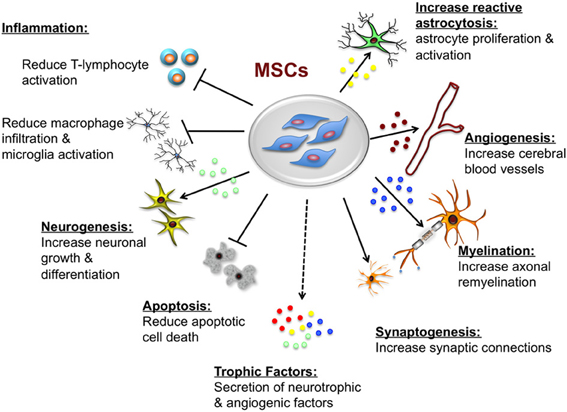
Mesenchymal stem cells are a rare type of cells that are multi-potent and can be isolated from the adipose tissues, bone marrow among other crucial sources.  These cells have very unique properties that have seen them become targets of very many medical therapies especially in treating degenerative diseases like aging and even joint diseases like arthritis. These cells have been found to be also very effective in modulating the functions of immune cells, including T cells, B cells, natural killer cells, monocyte or macrophages, dendritic cells, and neutrophils. T cells, activated to perform a range of different effector functions, are the primary mediators of many autoimmune and inflammatory diseases as well as of transplant rejection and graft-versus-host disease. Some of the well-defined T-Cell effector cells include; CD4+ (T helper cell) subsets Th1, Th2, and Th17 cells and cytotoxic T lymphocytes which are derived from antigen-specific activation of simple CD8+ precursors. In addition, naturally occurring and induced regulatory T cells represent CD4+ and CD8+ T-cell phenotypes that potently suppress effector T cells to prevent autoimmunity, maintain self-tolerance, and limit inflammatory tissue injury. The ability of adipose-derived mesenchymal stem cells to suppress the effector T-Cells and limit inflammation has made them very effective in treating rheumatoid arthritis which is characterized with inflammations around the joints. Typically, many immune-mediated diseases entail an imbalance between regulatory T cells and effector T cells of one or more phenotypes. Mesenchymal Stem Cells broadly suppress T-cell activation and proliferation in a controlled environment outside of a living organism via (Vitro) a plethora of soluble and cell contact-dependent mediators.  These mediators may work in two ways; first they can work directly on T cells or indirectly via modulation of antigen-presenting cells and other accessory cells. Mesenchymal Stem Cells administration has also been shown to be variably associated with beneficial effects in autoimmune and transplant models as well as in several human clinical trials. However, in a small number of studies Mesenchymal Stem Cells administration has been found to heighten T cell-mediated tissue injury. The multiple effects of Mesenchymal Stem Cells on cellular immunity may reflect their diverse influences on the different T-cell effector subpopulations and their capacity to specifically protect or induce regulatory T-cell populations.

Mesenchymal Stem Cells

 Mesenchymal stem cell modulation of T cell-mediated immune responses

To repeat for emphasis, the T cells are the primary cellular effectors of the adaptive immune system and their functional properties are central to antigen specificity and memory associated with cognate immunity, this therefore means that to a greater extent they are responsible for rejection of implanted cells of varied specificity.  Antigen-specific activation and differentiation of naïve T cells result in the generation of a range of T-cell phenotypes that may be defined by the acquisition of characteristic cytokine secretion profiles, cytolytic mechanisms, or counter-regulatory properties.

Following antigen-specific adaptive immune responses, a small proportion of activated T cells persist as memory cells and have the capacity to respond more rapidly and potently to secondary encounters with the same antigen. These memory cells may retain the effector phenotype imprinted upon them during primary activation. When these memory cells are appropriately coordinated and regulated, the diversity of T-cell effector phenotypes allows immune protection against a multitude of pathogenic microorganisms while maintaining self-tolerance and homeostasis. On the other hand, over exuberant pro-inflammatory T-cell responses may lead to auto-immune and allergic diseases, including multiple sclerosis, inflammatory bowel disease, type 1 diabetes mellitus, and asthma. Therefore it is crucial to have a modulatory strategy on the effector T-cells. Furthermore, life-saving treatments such as allogeneic bone marrow and solid organ transplantation may be complicated by alloantigen-specific T-cell immune responses, resulting in graft-versus-host disease (GvHD) or transplant rejection.

Study finding

Mesenchymal Stem Cells and InflammationIn a research study done at School of Medicine, University of Seville, Seville, Spain by Gonzalez-Rey E, Gonzalez MA, Varela N, O’Valle F, Hernandez-Cortes P, Rico L, Büscher D,  and Delgado M  it was found that human adipose-derived mesenchymal stem cells suppressed the antigen-specific response of T cells from patients with rheumatoid arthritis. Human adipose-derived mesenchymal stem cells inhibited the proliferative response and the production of inflammatory cytokines by collagen-activated CD4 and CD8 T cells. On the contrary, the numbers of IL10-producing T cells and monocytes were significantly augmented upon human adipose stem cell treatment. The suppressive activity of human adipose-derived mesenchymal stem cells was cell-to-cell contact dependent and independent. Human adipose-derived mesenchymal stem cells also stimulated the generation of FoxP3 protein-expressing CD4 (+) CD25 (+) regulatory T cells, with the capacity to suppress collagen-specific T cell responses. Lastly, human adipose-derived mesenchymal stem cells down regulated the inflammatory response and the production of matrix-degrading enzymes by synovial cells isolated from patients with rheumatoid arthritis.

The study had sought to find out the immunosuppressive activity of human adipose-derived mesenchymal stem cells on collagen-reactive T cells from patients with rheumatoid arthritis.  The method used involved investigating the effects of human adipose-derived mesenchymal stem cells on collagen-reactive RA human T cell proliferation and cytokine production as well as effects on the production of inflammatory mediators by monocytes and fibroblast-like synoviocytes from patients with rheumatoid arthritis. Stem cell therapy is a promising approach to treatment of degenerative diseases like arthritis but still you will need an expert in degenerative medicine. Dr. Dalal Akoury (MD) an expert in integrative and regenerative medicine will be able to help. Visit us at AWAREmed Health and Wellness Resource Centre at Myrtle Beach, South Carolina

Human Adipose-Derived Mesenchymal Stem Cells Reduce Inflammation modulates Regulatory T Cells in Rheumatoid Arthritis

Facebooktwitterpinterestlinkedin

Caring for Cancer Patients for their Comfort

Caring for Cancer Patients for their Comfort: Owing each other the duty of Care

Caring for Cancer Patients for their Comfort

Caring for Cancer Patients for their Comfort is every ones responsibility. To relieve them of certain burden giving a helping hand is necessary.

Some body once told me that love and kindness are the only language that everybody can see and hear. There is no boundary for this tow because they are the only languages that even blind and deaf can hear and see. What an opportunity we both have in caring for cancer patients for their comfort! The available statistics is worrying take for example medics estimates that about 3,400 people are diagnosed with cancer daily in the United States alone. Can you imagine what that would translate in one year? Do your mathematics. You may not be a medical doctor to give a helping hand to the many patients that come on board on a daily basis. The majority of these patients besides their cancerous condition must still cope with the demands of daily life while treating their illness. The home of solutions (AWAREmed Health and Wellness Resource Center under Doctor Akoury’s care) is very concern about this. We believe that this also concerns you as we do. Therefore if we share the same opinion and you are wondering what you can do to help a friend or relative who has become a cancer patient, doctor Akoury says that there are many ways you can lend a helping hand. Remember I begun that love and kindness can be seen by the blind and can also be heard by the deaf, in other words, we ore our friends the duty of care in this situation. As professionals in our undertakings at AWAREmed Health and Wellness Resource Center a medical facility founded by Doctor Dalal Akoury who is also the CEO of the establishment we suggest the following tips for providing medical, emotional, and practical support. The objective of these supports is to at least ease a loved one’s burden and show them some care.

Caring for Cancer Patients for their Comfort: Running Errands

You will agree with me that cancer patients need to preserve their strength and focus it on recovery yet the daily life contains so many chores that must be done. This is where you come in. you can actually help out by bearing some of your loved one’s daily responsibilities, like for instance you may:

  • Walk her dog
  • Refill her prescriptions
  • Pick up her kids after school
  • When you buy your groceries, offer to do her shopping as well
  • Suggest making phone calls for her or
  • Set up an online page if she’s overwhelmed by people concerned about her cancer condition.

These may look nothing of value but you will be surprised how helpful they will be if they are taken off their shoulders.

Caring for Cancer Patients for their Comfort: Doctor’s Appointments

Keeping one company is very healthy just by offering to drive someone to the doctor’s office is helpful, but it’s always good to have a second set of eyes and ears at doctor visits. You can provide invaluable caregiving assistance by accompanying your loved one to these appointments. Before the visit, write down all of his questions and concerns to discuss with the doctor, and while you are there make sure all of them are addressed. Take detailed notes so you have an accurate record of what was said, including any specific directions or recommendations.

Caring for Cancer Patients for their Comfort: Helping Hands

If you look at your own daily chores you will realize that the cancer patients also do have the same and maybe more. Therefore you can help them conserve the energy by doings some household duties like:

  • Doing there load of laundry
  • Cooking a nutritious meal
  • Washing the pots and pans
  • Run a vacuum cleaner and dust
  • Take out the garbage
  • Mow the lawn
  • Rake up fallen leaves and clean up the backyard

I appreciate that this may be too much for you alone and so the task can be shared. You can come with a schedule where you and your friends can take the duties in portions by creating a schedule to divide the tasks.

Caring for Cancer Patients for their Comfort: Lending an Ear

Some of the best care giving you can provide involves just sitting and listening to your loved one. That’s not as simple as it sounds. Let him open up about his emotions, fears, and concerns, but try not to automatically interject reassuring words or dole out advice. If you do that, you might interrupt his thought process or cause him to shut down. The best encouragement comes from reminding him of his special qualities or of other challenges he has bested. Rather than offer advice, discuss choices and allow the cancer patient to talk them through to reach the best decision.

Caring for Cancer Patients for their Comfort: Bookkeeping Services

Cancer is an expensive disease to treat, and an exhausting stack of bills will grow over time. You can help by organizing these bills and figuring out what is due when. You also can review the patient’s health insurance and make sure that she is getting all of the coverage she is entitled to. If she is behind on payments, you might call hospital administrators on her behalf to work out a payment plan. You also can help your loved one apply for financial assistance.

Caring for Cancer Patients for their Comfort: Keeping Up Morale

Loneliness and isolation is a common occurrence with cancer patients. Even though this is true cancer patients can also get exhausted with many visiting’s. feel isolated and lonely. You can help by coordinating visits of groups of friends or family, so the patient can remain connected without becoming overwhelmed. You also can arrange for people to write cards and letters of support or send flowers.

Caring for Cancer Patients for their Comfort: Finding More Educative Support

There are many forms of emotional support within your rich for cancer patients, some of this may not be known to by your loved ones. You can solicit them from by asking hospital social workers about cancer support groups in the area, or look for online support. If more help is needed, suggest an oncology social worker or counselor to help the patient cope with feelings and emotions. You may not personally be able to provide all the assistance the cancer patient needs, but you can help find additional resources by scheduling for an appointment on their behalf to doctor Akoury today for clarity where it is needed.

Caring for Cancer Patients for their Comfort: Owing each other the duty of Care


Facebooktwitterpinterestlinkedin