Category Archives: Dr. Dalal Akoury

PRP And Stem Cells For Facial Rejuvenation Seekers

Stem Cell and PRP Presents a Better Choice for Facial Rejuvenation Seekers

Looks are important part of the general appearance. You can dress modestly but still appear like some old zombie and that may affect your confidence levels greatly. But there are ways through which you can retain your confidence levels above the sea level and still look young even as ages pass. One of the ways through which you can regain or better yet maintain good looks and that young face is through facial rejuvenation. Being a new term to many readers, it is surely necessary to begin with it’s meaning; Facial rejuvenation is a cosmetic treatment or series of cosmetic treatments, which can restore a youthful appearance to the human face. Facial rejuvenation can be achieved through either surgical or non-surgical options and at times a facial rejuvenation may include both surgical and non-surgical procedures. The different types of facial rejuvenation vary in invasiveness and depth of treatment. A person will also have to put in consideration the possible side effects that may emanate from facial rejuvenation procedures that they choose. Surgical procedures can restore facial symmetry through targeted procedures and facial restructuring and skin alterations. Non-surgical procedures can target specific depths of facial structures and treat localized facial concerns such as wrinkles, skin laxity, hyperpigmentation and scars. As we age we lose some of the fine facial features, there might be loss of volume and skin integrity and this may result in such problems as; Dehydrated skin, Lip and frown lines, Deep depressions around the nose and mouth, Overall loss of healthy, youthful skin texture and tone, Volume loss in the cheeks, Sagging around the jaw line and even Crow’s feet. Aging is a natural process during which the face may become longer and rectangular as natural beautiful curves begin to deform. However aging process maybe hastened by genetic factors, facial expressions, poor diet and even smoking. Exposure to sunlight may also cause sunburn among other problems to the face.

Facial Rejuvenation

PRP for facial Rejuvenation

There are myriad ways that doctors have put in use before to try to help in facial rejuvenation. Some of these methods may offer temporary solutions but it is also important not to overlook some potential side effects that may emanate from the use of these methods. It is good to note that your body has the power of regeneration and healing of tissue in all parts of your skin including the face. Stem cells do this every day during your life. As stated in earlier articles, Stem cells are unprogrammed cells in the human body that have the ability to shift shape; they can be turned into different cells and used to replace the damaged cells causing problems. It is the ability of the stem cells to differentiate into other types of cells that have gave them the medicinal qualities that doctors are now using in facial rejuvenation as well as in treatment of other diseases. Through the use of stem cell therapy the face cells that have been exposed to oxidative stress resulting into wrinkles can be replaced with healthy ones restoring the natural aesthetic facial curves.

Platelet Rich Plasma (PRP) is very practical approach to facial rejuvenation. It involves rejuvenating the skin with your own blood. the effectiveness of the PRP facial rejuvenation is owed to the healing power which platelet have and growth factors in your blood to stimulate the response of stem cells. The procedure works by simply stimulating healing, growth and regeneration in the entire face region. Naturally, platelets have been known to play a critical role in the healing process. Therefore, their introduction to the damaged region triggers the natural healing process. Furthermore, the platelet-rich plasma that is introduced in the region stimulates the activity of stem cells, another important aspect of natural healing and regeneration. The stem cells assist in the formation of new collagen and blood vessels, regeneration and improvement of damaged skin and thus slow down and reverse the signs of aging.

facial RejuvenationUnlike surgical facial rejuvenation, Platelet rich plasma (PRP) is an extract of your own blood that contains three to five times more platelets, growth factors, and active proteins for tissue and injury healing. This in itself reduces the chances of them getting fought by antibodies; PRP is also safer than most surgical facial rejuvenation procedures. The medicinal properties of PRP are well known as it has been used for years now to hasten healing of wounds, repair damaged tendons and ligaments, healing diabetic ulcers and even to hasten the growth of muscles and bones. The PRP is introduced into the skin through injection and it initiates a localized stem cell response that results in production of fibroblasts which are collagen producing cells. These fibroblasts replace the damaged tissues through aging with healthy skin that is rejuvenated.

If you are interested in rejuvenating your face, PRP is a good way to go as it is safe and has few side effects that may last only for a week. These side effects may include mild swelling and bruising. Since the PRP is extracted from your own blood, there is no risk of disease transmission, allergic or immune reaction. As with all cosmetic procedures, however, there are certain health conditions, such as autoimmune and blood disorders, that may limit its use. Dr. Dalal Akoury (MD), founder of the AWAREmed Health and Wellness Resource Center Located at Myrtle Beach, North Caroline is an expert in the treatment of degenerative diseases. Call on her for help.

Stem Cell and PRP Presents a Better Choice for Facial Rejuvenation Seekers


Facebooktwitterpinterestlinkedin

Stem Cell Therapy Is Non-Invasive Safe and Gives Fast Results

Stem Cell Therapy Is Non-Invasive Safe and Gives Fast Results

Stem cell therapy is an option to patients with degenerative diseases but would rather have treatments that are non-invasive. in fact the very nature in which stem cells work makes it a better option to patients as it has few risks and side effects are rarely life threatening (if there is). The stem cell therapy is applicable to those fighting aging, autism, diabetes, orthopedic conditions among other diseases. autologous stem cell transplant allows the cells harvested from a patient to be used in the same patient in fact on the day, this is because the mesenchymal stem cells that have the ability to form more differentiated cells like bone cells , liver cells, heart cells, muscle cells among other are available in enough amounts in the adipose tissues as well as in the bone marrow therefore there is no need to keep the harvested cells in the petri dish in the laboratory to be cultured so as to be able to serve a desired purpose. They can be harvested on the same day and be reimpplanted into the target area in the patient’s body on the same day. Autologous stem cell transfer is a safe and effective procedure and strategy to treatment of diseases since the cells used are from the patient and therefore there is no risk of donor shortage, donor morbidity, cell rejection and even contacting diseases from the donor.

stem cell therapy

Autologous stem cell therapy is non-invasive and gives fast results

Autologous stem cell transplant refers to a case where the stem cells harvested are from the patient to be treated. Normally, the body has stem cells in the bone marrow, in muscle tissues and also in the adipose tissues.  These stem cells turn into red blood cells, white blood cells, or platelets to help your body stay healthy. However there are situations when the amount of stem cells in the body is not enough to keep you healthy. This may be caused by some diseases like multiple myeloma or by aging. When this happens there will be need for supplementing the amounts of the stem cells so that they can be able to offer protection to your body. This calls for stem cell transplant which may be done by placing healthy stem cells in the patients’ body through an IV to restore the normal functions of the stem cells. At times the stem cells may be harvested from outside the body especially from placentas after successful normal delivery, but mostly the stem cells are harvested from the patients’ body since autologous transplant is safer and time saving. Autologous stem cell transplant is safer since the cells are from the body and therefore there is no risk of them getting rejected neither to induce unpleasant allergic reaction. Autologous stem cell transplantation may provide the best outcome for patients, since autologous cells are readily available and do not entail prolonged hospital stays or sustained immunotoxic therapy. Among autologous adult stem cells, mesenchymal stem cells therapy has been applied with varying degrees of success in both animal models and in clinical trials.

Stem cell therapy tackles myriads of ailments

The medicinal properties of the stem cells have seen it being used for treatment of myriad ailments or as therapy for many diseases that are not even treatable. for the cases of these diseases that are not treatable the stem cell therapy helps to alleviate on the dangerous symptoms of the diseases and offer comfort as well as lengthen the lives of those who are victims of these diseases. needless to mention , the stem cell therapy has become a crucial component of regenerative medicine with many researchers still working around the subject to find out how its applicability can be useful in treating lifestyle diseases that have become a problem to this generation and many generations to come. The stem cell therapy has been proposed as an effective therapy in cases of autism, diabetes, arthritis and cancer among other diseases.

Mesenchymal stem cells holds key to regenerative medicine

Stem cell therapyResearchers have found a specific stem cell type to be very important in stem cell therapy to fight aging and other degenerative diseases as well as orthopedic conditions. These stem cells that are considered to be the most important are known as the mesenchymal stem cells.  The Mesenchymal stem cells are found in the bone marrow, the circulating blood as well as in adipose tissues. Mesenchymal stem cells are the most important stem cells for orthopedic purposes as they help to   repair and replace damaged tissues hence restoring the cell functions.

The Mesenchymal stem cells are very helpful, however as a person ages the number of mesenchymal stem cells in the bone marrow gets depleted and this is what results in aging and increases a person’s chances of suffering from joint diseases and other orthopedic conditions. It is therefore very logical to go through a stem cell therapy as an anti-aging procedure that will also help on mitigating on the adverse effects of aging. Today these stem cells have now become an integral part of regenerative medicine. there is a lot that can be done with stem cell therapy, Visit us at AWAREmed Health and Wellness Resource Centre at Myrtle Beach, South Carolina. Dr. Dalal Akoury (MD) an expert in integrative and regenerative medicine will let you know how you can benefit from stem cell therapy.

Stem Cell Therapy Is Non-Invasive Safe and Gives Fast Results


Facebooktwitterpinterestlinkedin

What are the functions of COX Enzyme inhibitors

What are the functions of COX Enzyme inhibitors: Inflammation Complications?

What are the functions of COX Enzyme inhibitors

What are the functions of COX Enzyme inhibitors

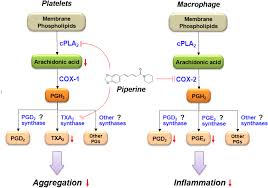
Before we get down to business, I want to bring to your attention that this article may be loaded with some strong medical terms. For this reason we are going to be relying on the expertise of doctor Dalal Akoury the MD and founder of AWAREmed Health and Wellness Resource Center for clarification when it becomes necessary. I want therefore to take this earliest opportunity to advice that you can schedule for an appointment with the experts and you will be home and dry with the facts about what are the function of COX enzyme inhibitors. Therefore to start us off let us try understanding what COX-2 selective inhibitor is. This is a form of non-steroidal anti-inflammatory drug that directly targets COX-2 which is an enzyme responsible for inflammation and pain. The benefits of this selective targeting for COX-2 is that it helps in reduce the risk of peptic ulceration. Nevertheless it must be noted that besides these functions, the following are the main features of celecoxib, rofecoxib and other members of this drug class.

Just to make further emphasis on this medication, COX-2 inhibitors are a subclass of non-steroidal anti-inflammatory drugs (NSAIDs). NSAIDs primarily work by reducing the production of prostaglandins, chemicals which promote inflammation, pain, and fever. Besides that the prostaglandins are also good at protecting the lining of the stomach and intestines from the damaging effects of excreted acid, promote blood clotting by activating platelets during injuries and also affect kidney function.

In our quest towards understanding what are the functions of COX enzyme inhibitors it would be very important that we get to know that the enzymes that produce prostaglandins are called cyclooxygenase (COX) and that has been the center of our discussion. There are two types of COX enzymes and they may include:

  • Cyclooxygenase – 1 (COX-1) and
  • Cyclooxygenase – 2 (COX-2)

Like we have said in the introduction both of these enzymes produce prostaglandins that promote inflammation, pain, and fever; however, it is only COX-1that produces prostaglandins which activate the blood platelets and protect the stomach and intestinal lining.

Doctor Dalal Akoury explains that NSAIDs blocks or obstructs the COX enzymes thereby reducing the normal production of prostaglandins. Therefore, the result of this action is that the inflammation, pain, and fever are reduced by all COX inhibitors. Since the prostaglandins that protect the stomach and promote blood clotting also are reduced, NSAIDs can cause ulcers in the stomach and intestines, and increase the risk of bleeding. Unlike older NSAIDs that block both COX-1 and COX-2, the newer COX-2 inhibitors only block the COX-2 enzyme. Since COX-2 inhibitors do not block COX-1 (which primarily produces prostaglandins that protect the stomach and promote blood clotting) they do not cause ulcers or increase the risk of bleeding as much as the older NSAIDs. Nevertheless, COX-2 inhibitors are as effective as the older NSAIDs for treating inflammation, pain and fever.

What are the functions of COX inhibitors: What are the side effects of COX-2 inhibitors?

Before we conclude this discussion, it will not be fear if we don’t highlight some of the possible demerits or the side effects of COX-E inhibitors. Such may include the following:

  • Abdominal pain,
  • Headache,
  • Nausea,
  • Diarrhea,
  • Flatulence, and
  • Insomnia

The above mentions are some of the most common side effects however, there are other side effects thought not very common and they include:

  • Fainting,
  • Kidney failure,
  • Aggravation of hypertension,
  • Ringing in the ears,
  • Bleeding,
  • Blurred vision,
  • Anxiety,
  • Light sensitivity,
  • Weight gain,
  • Water retention,
  • Drowsiness, and
  • Weakness.

For those who are allergic to various reactions, this is very important because with this kind of medication allergic reactions also can occur. Therefore if this describes your situation and you are one who can develops allergic reactions like rash, itching, difficulty breathing etc. from sulfonamides for example, trimethoprim and sulfamethoxazole Bactrim, aspirin or other NSAIDs may experience an allergic reaction to celecoxib and should not take celecoxib.

COX-2 inhibitors and other NSAIDs may increase the risk of heart attacks, stroke, and related conditions, which can be fatal. This risk may increase with duration of use and in patients who have underlying risk factors for disease of the heart and blood vessels. NSAIDs should not be used for the treatment of pain resulting from coronary artery bypass graft (CABG) surgery.

Other NSAIDs and, to a lesser extent, COX-2 inhibitors may increase the risk of serious and sometimes even fatal stomach and intestinal adverse reactions such as bleeding, ulcers, and perforation of the stomach or intestines. These events can occur at any time during treatment and without warning symptoms. Point to note is that the senior citizens or the elderly patients are at greater risk for these types of reactions.

What are the functions of COX inhibitors: The basic difference between traditional NSAIDs and COX-2 inhibitors?

  • COX-1 is an enzyme which is normally present in a variety of tissues in the body, including sites of inflammation and the stomach.
  • Some of the prostaglandins made by COX-1 protect the inner lining of the stomach.
  • Common NSAIDs such as aspirin block both COX-1 and COX-2.
  • When the COX-1 enzyme is blocked, inflammation is reduced, but the protection of the lining of the stomach also is lost.
  • This can cause stomach upset as well as ulceration and bleeding from the stomach and even the intestines.

On the other hand cyclooxygenase, COX-2, also produces prostaglandins, but the COX-2 enzyme is located specifically in areas of the body that commonly are involved in inflammation but not in the stomach.

When the COX-2 enzyme is blocked, inflammation is reduced; however, since the COX-2 enzyme does not play a role in protecting the stomach or intestine, COX-2 specific NSAIDs do not have the same risk of injuring the stomach or intestines.

Finally I mentioned in the introduction of the possible use of very strong medical terms which may not be very easy to understand. Now having read the article, it is our wish that you are able to make correct translation of the information we are passing to you. Therefore if you have any concern, something you need further clarity on, the doors of AWAREmed Health and Wellness Resource Center are open for you at your convenience. You can schedule for that very important appointment with doctor Dalal Akoury for more professional guidance today.

What are the functions of COX inhibitors: Inflammation Complications?


Facebooktwitterpinterestlinkedin

Stem Cells For Relieving Chronic Pain

Relieve Chronic Pain without Surgery with Stem Cell

Chronic pain can make your life unbearable. No one wants to be maimed by chronic pain. However there are conditions that may enslave you to chronic pain. Diseases such as cancer and arthritis are known to cause unbearable pains that must be mitigated failure to which the pain may beckon some other grievous conditions that may shorten your life in the long run. There has been various ways through which patients have been put on programs that help them mitigate on the effects of chronic pain. Some of the most common avenues through which chronic pain is managed are through the use of pain drugs such as the opioids. However the use of these drugs also poses a great challenge as the patient may become dependent on them and they can also be easily abused leading to addiction among other problems associated with narcotic drug use.  Apart from the use of these opioid to manage chronic pain there are also circumstances that a chronic pain patient may have to be put to surgery to help reverse the chronic pain and restore normal tissue functioning.

Well, today there are leading regeneration centers that have understood that there must be a better way of dealing with chronic pain. the frustrations that patients go through in search of a better treatment for their pain has put scientist on their heels, researching on better ways that are not only effective but also affordable. Today most regeneration centers dealing with chronic pain are focusing on providing innovative stem cell treatments to our patients in order to reinvigorate their quality of life without complex surgery that most patients maimed by chronic pain dread. With advanced technology, chronic pain patients are getting better treatment that is less invasive by the use of stem cell therapy.

chronic pain

Stem cell therapy can help in controlling your pain

Stem cell therapy is a highly beneficial treatment that aims to assist patients who typically suffer from chronic pain, take back control of their lives. Stem cells have contributed to the healing process of various patients with medical conditions that resulted in damage to the joints or nervous system. You will however need to find a reputable hospital or doctor who has experience in treating chronic pain with stem cell therapy to help you take back control of your life. Generally, the use of stem cell therapy in pain management has seen many patients of pain for example those maimed by osteoarthritis, back pain, rheumatoid arthritis, knee joint pain and rotator cuff syndrome get relief from pain and improve quality of their lives. Stem cell therapy is yet to replace the old ways of managing pain such as use of opioids that may make the patient addicted to them in the long run and surgery that is dangerously invasive and cause myriads of discomfort. Today, reputable doctors are utilizing stem cell therapy for patients suffering from osteoarthritis, neurological diseases and degenerative conditions. The pain treatment is now aimed at reducing pain, increasing strength, increasing flexibility, increasing mobility and energy of chronic pain patients that suffer from these conditions.

How is it done?

Chronic PainAs mentioned earlier, the stem cells are responsible for healing of the body, the body needs to have enough of these stem cells to be able to heal incases of acute pain. However the stem cells may get diminished as a person ages there by utilizing the power of stem cell therapy, the patient’s own stem cells can be harvested and injected right into the area where they are most needed. The process involves isolating these stem cells from a sample of the patient’s blood, bone marrow or adipose tissue and injecting them into the damaged body part to promote healing. Platelet-rich-plasma (PRP), a concentrated suspension of platelets (blood cells that cause clotting of blood) and growth factors, may also be used to assist the process of repair. The stem cell therapy works to repair the damaged tissues by utilizing the healing ability of undifferentiated cells that form all other cells in our bodies.

Before, the harvesting of the stem cells that are to be used in the treatment, a doctor will apply a local anesthetic in the area from which these stem cells will be harvested. After which, about 30-60cc of bone marrow stem cells or about 20cc of adipose-derived stem cells is extracted. What follows is separation of stem cells and the platelets from the rest of the body by the help of a centrifugal machine. Finally, the    Healthy stem cells and growth factors are then injected directly into the damaged area where they facilitate healing of the damaged tissues. After this stem cell injection, PRP injection may also be given after four to six weeks should there be need.

At AWAREmed Health and Wellness Resource Center we assist a wide variety of patients who suffer from chronic pain with our stem cell therapy. Chronic pain can be overbearing, draining, and leave you feeling hopeless. That’s why it’s important to remember that there is help available at AWAREmed Health and Wellness Resource Center. Our lead doctor, Dr. Dalal Akoury (MD) has a vast experience in the field of integrative medicine that pain patients can tap on for their own good. Call on her today at Myrtle Beach, South Carolina and find out how she can harness the power of stem cell therapy to help you win back control of your life.

Relieve Chronic Pain without Surgery with Stem Cell

Facebooktwitterpinterestlinkedin

Accepting the bigger picture of Lung Cancer

Accepting the bigger picture of Lung Cancer: Types of Lung Cancer

Accepting the bigger picture of Lung Cancer

Accepting the bigger picture of Lung Cancer and the major contributor is smoking. However exercise can be a very good treatment tool.

From various studies we are registering that lung cancer one that causes many deaths compared to other types of cancers. These findings has made us to go back to the drawing board thinking of just is not being done right. We have just posted an introductory article about this in the previous article, and now we want to continue with its part two under the title “accepting the bigger picture of lung cancer”. In very few but informative words, we are going to be relying heavily on the vast experience of over two decades of practice attained so far by doctor Dalal Akoury who is also the founder of AWAREmed Health and Wellness Resource Center.

It was the wise decision of Dr. Akoury to create a medical center whose main and primary objective is to transform each individual’s life across the globe through increasing awareness about health and wellness by empowering them to finding their own inner healing power. This is great however like it is said our people are perishing because of lack of knowledge. We want this statement to be wrong by providing for that information to you. Remember that Dr. Akoury’s practice focuses on personalized medicine through healthy lifestyle choices that deal with primary prevention and underlying causes instead of patching up symptoms. Previously we were informed that cigarette smoking is the biggest culprit for lung cancer, and you can imagine how many people are out there smoking ignorantly of the dangers surrounding them. What shall we do? It is all about accepting the bigger picture of lung cancer in our lives and the society at large.

Take note that there are two main types of lung cancer:

  • Small cell lung cancer is more aggressive, meaning it can spread quickly to other parts of the body in the early stages of the disease. Small cell lung cancer is strongly tied to cigarette smoking and is rarely seen in nonsmokers.
  • Non-small cell lung cancer grows more slowly and is more common. It’s responsible for almost 85% of all lung cancers.

Being diagnosed with lung cancer can be a shock, and if it’s linked to smoking, you may feel guilty as well. But don’t waste time blaming yourself. Instead, experts suggest looking forward. It’s never too late to make healthy changes to your lifestyle. There’s evidence that patients who quit smoking after learning they have lung cancer do better than those who keep smoking. And remember that when we make reference to smoking we are actually talking about secondhand smoking as well. We have mentioned that smoking is the top cause cancer however it is not the only risk factor. Breathing in secondhand smoke at home, at work or in social places are also considers to be enough risk factors. This even put those who are married to smokers at risk of developing lung cancer than the spouses of nonsmokers by between 20%-30%.

Accepting the bigger picture of Lung Cancer: Lung Cancer Stages

Staging describes how far a patient’s cancer has spread. There are different systems for the two main types of lung cancer.

Small-cell lung cancer is divided into two stages:

  • Limited means the cancer is confined to one lung and maybe nearby lymph nodes.
  • Extensive means the cancer has spread to the other lung or beyond.

Non-small-cell lung cancer is assigned a stage of 1

Accepting the bigger picture of Lung Cancer: Treating Early-Stage Lung Cancer

When non-small-cell lung cancer is detected in good time before it spreads beyond one lung, a simple surgery can sometimes help. The surgeon may opt for removing the part of the lung that has the tumor, or where necessary the entire lung. Upon removal of the tumor some patients may be taken through radiation or chemotherapy (after surgery) to kill any remaining cancer cells. Nonetheless in situations like this surgery is usually not very helpful to patients with small-cell lung cancer because it probably has already spread at the time of diagnosis.

Treating Advanced Lung Cancer

When lung cancer spreads too far to be cured, treatments can still help patients live longer and have a better quality of life. Radiation and chemotherapy can shrink tumors and help control symptoms, such as bone pain or blocked airways. Chemotherapy is usually the main treatment for small-cell lung cancer. This point is very crucial for us as professionals who are determine to make a difference. When we started, we stated that you don’t have to wait until you’re 40 or 50 to go for checkups. At AWAREmed Health and Wellness Resource Center, our doors are open for you in your twenties or even below that to start visiting for the regular checkups so that early detection can be done for effective and cost friendly treatment process.

Targeted Therapies

Targeted therapies are a newer form of cancer treatment that can be used together with chemotherapy or when other therapies don’t work. One type prevents the growth of new blood vessels that feed cancer cells. It may help people with advanced lung cancer live longer. Other targeted therapies interrupt the signals that cause lung cancer cells to multiply.

Lung Cancer Clinical Trials

Clinical trials help doctors explore promising new treatments for lung cancer. And they help patients get comprehensive care. To see the current list of lung cancer clinical trials, visit the National Cancer Institute’s site. And be sure to ask your doctor if there’s a local clinical trial that might be right for you.

Lung Cancer and Work Exposures

Some jobs can raise the risk of lung cancer in both smokers and nonsmokers. People who work with uranium, arsenic, and other chemicals should try to limit their exposure. Asbestos, which was once widely used in insulation, is a notorious cause of lung cancer. It is rarely used now, but workers who were exposed years ago are still at risk.

Accepting the bigger picture of Lung Cancer: Other Risk Factors for Lung Cancer

Risk factors for lung cancer are very many and what we have highlighted are just but a few. The list is endless and so you can schedule for an appointment with the experts at AWAREmed Health and Wellness Resource Center for further deliberation. But in the meantime other known risk factors for lung cancer may include the following:

  • Family history of lung cancer
  • Drinking water that’s high in arsenic

Lung cancer does happen to people with no well-known risk factors including those who’ve never smoked. Researchers don’t know the cause yet, but lung cancer in nonsmokers appears to affect more women than men. And one type, adenocarcinoma, is more common in nonsmokers than smokers. Finally even as you consider consulting with the experts, it is important to note that like any other health complications prevention is always the best approach. The best prevention approach is don’t smoke however, if you are already smoking, then all is not lost, you can still get help o quit. The benefits of quitting are enormous. If you quit now the in just 10 years of quitting you shall have dropped the risk of lung cancer by up to 50%

Accepting the bigger picture of Lung Cancer: Types of Lung Cancer


Facebooktwitterpinterestlinkedin