Category Archives: Dr. Dalal Akoury

Understanding the History of Gotu Kola

Understanding the History of Gotu Kola: The Magic of Gotu Kola
Understanding the History of Gotu Kola

Understanding the History of Gotu Kola as it was used then and the today’s application

Gotu kola is a kind of vegetation which has been instrumental in the traditional treatment of various diseases in most countries including India, China, and Indonesia. Scientifically it is known as Centella asiatica. Some of the major areas of applications included healing of wounds, improvement of mental clarity as well as treating skin conditions such as leprosy and psoriasis. This plant has been singled out to one of the most used herbs in providing alterative treatment for so many health complications. There is a lot being said about this herb and we want to get the clear understanding of the history of gotu kola as it was then and how it is beneficial currently. The roles of this herb are endless. Some people use it to treat respiratory infections such as colds and in the past China used it primarily for that among many other ways. And because of its ability to offer treatment solutions, it was nick named “the fountain of life”. The motivation of this nick name was because legend has it that an ancient Chinese herbalist lived for more than two centuries (200 years) and his long life was credited to gotu kola.

Archaeologically, gotu kola has also been used to treat some STI including syphilis, hepatitis, stomach ulcers, mental fatigue, epilepsy, diarrhea, fever, and asthma. Currently this herb is penetrating in to the American and Europe market where it is being used to treat varicose veins and chronic venous insufficiency. This is a health condition where blood pools in the legs. Besides that it’s also used in ointments to treat psoriasis and help heal minor wounds thereby keeping the good health of the skin. Experts at AWAREmed Health and Wellness Resource Center under Doctor Akoury’s care are reiterating that gotu kola should not be mistaken for kola nut (Cola nitida) because they are not the same. Doctor Akoury explains that unlike kola nut, gotu kola does not have caffeine and is not a stimulant.

Understanding the History of Gotu Kola: Plant Description

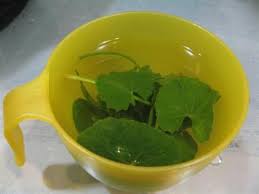
  • Gotu kola is a perpetual plant native to India, Japan, China, Indonesia, South Africa, Sri Lanka, and the South Pacific.
  • It is member of the parsley family it has no taste or smell.
  • It thrives in and around water.
  • It has small fan shaped green leaves with white or light purple-to-pink flowers, and small oval fruit.
  • The leaves and stems of the gotu kola plant are used as medicine.

Understanding the History of Gotu Kola: Medicinal Uses and Treatment Indications

Gotu kola has very good medicinal characteristics and can be very useful in treatment of so many health complications including the following:

Venous insufficiency and varicose veins – When blood vessels lose their elasticity, blood pools in the legs and fluid leaks out of the blood vessels. That causes the legs to swell (venous insufficiency). Several small studies suggest gotu kola may help reduce swelling and improve blood flow. In a study of 94 people with venous insufficiency, those who took gotu kola saw their symptoms improve compared to those who took placebo. In another study of people with varicose veins, ultrasound tests showed that people who took gotu kola has less leakage of fluid.

Wound healing and skin lesions – Gotu kola has chemicals called triterpenoids. In animal and lab studies, these compounds seem to help heal wounds. For example, some studies suggest that triterpenoids strengthen the skin, boost antioxidants in wounds, and increase blood supply to the area. Based on these findings, gotu kola has been applied to the skin, or used topically, for minor burns, psoriasis, preventing scars after surgery, and preventing or reducing stretch marks.

Anxiety – These same chemicals triterpenoids seem to decrease anxiety and increase mental function in mice. One human study found that people who took gotu kola were less likely to be startled by a new noise than those who took placebo. Since the “startle noise” response can be a way to tell if someone is anxious, researchers think that gotu kola might help reduce anxiety symptoms. However the dose applied for this study was very high making it impossible to say how gotu kola might be used to treat anxiety.

Scleroderma – A single study of 13 women with scleroderma found that gotu kola decreased joint pain and skin hardening, and improved finger movement.

Insomnia – Gotu kola acts as a sedative when given to animals in tests. Because of that, it is sometimes suggested to help people with insomnia. But no human studies have been done to see whether it works and whether it’s safe.

Understanding the History of Gotu Kola: Dosage and Administration

Gotu kola is available in teas and as dried herbs, tinctures, capsules, tablets, and ointments. Products should be stored in a cool, dry place and used before the expiration date on the label. At no given time should gotu kola be used for patients under the age of 18 years old. Nonetheless as for the adults, the standard dose of gotu kola (Centella asiatica) will fluctuate depending on what kind you use and what you use it for. Getting your doctor’s opinion would be highly recommended in choosing the right dose for you.

Understanding the History of Gotu Kola: Side Effects

Side effects are rare but may include skin allergy and burning sensations with external use, headache, stomach upset, nausea, dizziness, and extreme drowsiness. These tend to happen with high doses of gotu kola.

Pediatric use – Gotu kola is not recommended for children.

Geriatric Use – The dosage of 65 years old and above should take a lower dose of gotu kola. Your health care provider can help you determine the right dose for you, which can be increased slowly over time.

Understanding the History of Gotu Kola: Interactions and Depletions

Gotu kola may interact with the following medications:

Drugs that affect the liver – Gotu kola contain elements which are likely to injure the liver of the patient. It must therefore be noted that taking it along with some other medications that also can harm the liver may cause liver damage.

Cholesterol-lowering drugs (including statins) – In some studies where animal were involved it was established that gotu kola raised cholesterol levels of those animals. Therefore it can may also do the same (raise cholesterol levels) in humans. However this is still a hypothesis since it is yet to be confirmed.

Diabetes medications – While carrying out a study in animal it was established that, gotu kola seems to increase blood sugar levels. Individuals with diabetes should not take gotu kola without first talking to their doctor.

Diuretics (water pills) – Gotu kola seems to act like a diuretic, meaning it helps the body get of excess fluid. Taking diuretic medications and gotu kola could cause your body to lose too much fluid, upsetting the balance of electrolytes you need. The same is true of taking gotu kola with herbs that have diuretic effects, such as green tea, astragalus or gingko.

Sedatives – Because gotu kola acts like a sedative, it might make some drugs taken for anxiety or insomnia stronger. The same is true for herbs taken for anxiety or insomnia, such as valerian.

Understanding the History of Gotu Kola: The Magic of Gotu Kola


Facebooktwitterpinterestlinkedin

The Benefits of Stem Cell and PRP for Facial Rejuvenation

When women begin aging lots of things change about them. it is natural that these changes happen as some of the bodily processes also comes to a halt for example production of crucial hormones that make women be what they are stops. these hormones estrogen and progesterone are known to play very crucial roles in the general wellbeing of women but there production will stop during menopause, however I dint mention these hormones to highlight the effects of hormones on the appearance of the skin, no, just highlighted them to give examples of what happens before aging and what stops during aging. The body has its own mechanism of keeping itself young and rejuvenated. the stem cells has a crucial purpose in ensuring that the skin is in good health but as aging sets in the body will not have enough of these stem cells to help in keeping the skin younger and beautiful. Therefore it is necessary to supplement the amounts of the stem cells to ensure that the skin maintains its aesthetic properties even during aging. The supplementation of the stem cells in the body to help in facial rejuvenation can be done through platelet Rich Plasma therapy.

Platelet Rich Plasma for facial rejuvenation

Platelet Rich Plasma therapy is a safe and effective strategy of facial rejuvenation. It is safe since PRP is produced from your own blood; therefore there is no risk of an allergic reaction. In addition, PRP contains concentrated amount of white blood cells, your natural defenders against infections. As a result, infection is extremely rare with PRP treatment. Platelet rich plasma (PRP) is an extract of your own blood that contains three to five times more platelets, growth factors, and active proteins for tissue and injury healing. It has been used medically for years to accelerate wound healing; repair tendon, ligament and joint damage; heal diabetic ulcers; and help regrow muscle and bone. for facial rejuvenation, when PRP is injected beneath the skin it will cause a localized stem cell response, over a time the stem cell response recruits collagen-producing cells called fibroblasts. The fibroblasts replace tissue that has been damaged or lost through the aging process with healthy skin that looks refreshed, rejuvenated and aesthetic. PRP owes its effectiveness to the medicinal properties of blood platelets. Platelets are important for clotting our blood and repairing our body. They also release ‘growth factor’ which stimulates stem cells to repair and produce new healthy tissue. Platelet rich plasma is obtained by separating it from your blood with a centrifuge. Because your own blood is used there is no danger of disease transmission or allergies.

PRP

Benefits of Platelet Rich Plasma therapy

Platelet Rich Plasma has several medicinal qualities and has been used for quite a long time in healing certain diseases and it is these healing properties of PRP that has made it a target for healing degenerative diseases. Its properties as anti-aging agent have made it a target by cosmeticians. PRP has can be used in treating the following;

  • Reducing fine lines and wrinkles
  • Tightening and toning skin
  • Mild collagen and volume loss
  • Crow’s feet and dark under eye circles
  • Acne scarring
  • Dull dry skin
  • Creepy neck
  • Back of hands

Advantages of Using Platelet Rich Plasma in facial Rejuvenation

  • Low risk of disease transmission and allergic reactions because your own blood is used
  • Non-surgical with minimal side effects (bruising is really the only side effect)
  • Natural: uses your own platelet cells with high concentration of growth factor
  • Platelet Rich Plasma (PRP) injections are “bioactive” stimulators and not fillers and it will increase collagen providing a gradual increase in skin thickness.
  • The impact of treatment is seen within a short time i.e. visible results appear the first treatment session.

PRP facial rejuvenation therapy procedure

stem cellsPrior to your PRP treatment, your blood will be drawn, like taking a standard blood test, causing minimal pain and thereafter the blood will be separated into its ingredients. With advanced technology separation of platelet rich plasma can be easily done through a process of centrifugation. After separation of PRP from blood, the degree of skin aging will assessed. The doctor will perform a simple skin analysis, and recommend a sensible treatment with a reasonable outcome. After your skin is cleansed and prepared, local anesthetic cream may be applied. If the entire face is to be treated, PRP will be injected via a syringe and applied topically to the skin with a dermaroller. For treating specific areas such as around the eyes and laugh lines, PRP is carefully injected to the targeted area.

Possible side effects of PRP

PRP therapy for facial rejuvenation is an extremely safe procedure owing to the fact that nothing foreign that may cause an allergic or unfavorable immune response is not used.  The blood used in PRP is from the patient’s body and hence safe. However some of the side effects of PRP include; mild swelling and bruising. These can last only for a week and then everything is back to normal. Dr. Dalal Akoury (MD), founder of the AWAREmed Health and Wellness Resource Center Located at Myrtle Beach, North Caroline is an expert in the treatment of degenerative diseases. Call on her for help.

 The Benefits of Stem Cell and PRP for Facial Rejuvenation


Facebooktwitterpinterestlinkedin

Current Stem Cell Treatments for Orthopedic Conditions

Current Stem Cell Treatments for Orthopedic Conditions

The stem cells have a unique ability to divide and become more specialized cells forming cells like bone, blood, or muscle. It is this ability that makes them attractive agents in many areas of medicine.  They can therefore be used to fight very many diseases in the regenerative medicine. Another advantage of stem cell therapy treatments is that autologous stem cell transport is made possible. This means that a person may be treated by doctors harvesting the stem cells from the patient and having the stem cells reimplanted into the same patient after finding out what was lacking in the patient. This reduces risks of infection as well as rejection which are helpful to the patient.

Today the stem cell therapy has become the game changing approach to treatment of orthopedic conditions. The ability of these stem cells to differentiate into more specialized cells has made them a valuable target in treatment of musculoskeletal conditions. Particularly the use of bone marrow stromal cells has attracted the attention of researchers who are in pursuit of finding out how these stem cells can be applied to end human misery caused by some diseases.

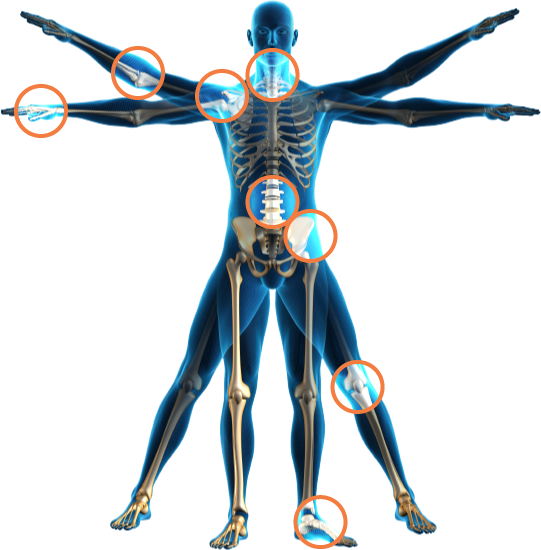
Stem cells are a unique type of cells, unlike the other cells in the body the stem cell have the ability to self-renew, they have the ability to divide several times giving rise to differentiated cells which are suited for specific functions hence can be used to replace or regenerate worn out cells in the body causing pain and discomfort. They can form cardiac, liver, fat, bone, cartilage, nerve, and connective tissue cells among other more specialized cells. Autologous stem cell therapy harnesses the regenerative power of your body’s own stem cells as a treatment option for degenerative orthopedic conditions.

body_skeleton

Today there are hospitals that have embraced the use of stem cells therapy in treating orthopedic conditions that were rather not easily treated in the past.  They offer this autologous stem cell therapy, which embraces the regenerative power of mesenchymal stem cells to give patients another treatment option for dealing with orthopedic conditions such as osteoarthritis and other degenerative joint conditions.  Patients who have the following diseases can benefit from stem cell therapy;

  • Degenerative Joint Changes, Including Osteoarthritis
  • Disc-related Back Pain
  • Meniscus Tears
  • Non-Union Fractures
  • Avascular Necrosis
  • Bone Loss
  • Cartilage Defects
  • Osteonecrosis
  • Tendonopathies

Orthopedic Areas in which Stem Cell Therapy is applicable

Spine – the stem cell therapy is applicable in treatment of the degenerated intervertebral disk which is known to cause pain and morbidity to many patients. The stem cell therapy brings into the field of regenerative medicine some bits of effectiveness.  In treatment of spine, patients who fail to respond to conservative medicine are left with one option-surgery that may have limited success and is also very invasive. Cell-based tissue treatments, including mesenchymal stem cell injections for degenerative disc subjects have been shown to diminish the incidence of low back pain, with clinical results noting improvement in back pain and regeneration of the disc tissue. In cases where spinal fusions are necessary, the use of stem cells through bone marrow aspirate has shown greater success in obtaining fusion through bone formation as compared to standard fusion techniques. Daily the number of institutions using the stem cell therapy to treat orthopedic conditions is increasing.

Articular Cartilage – when the articular cartilage is damaged, the potential to repair it are limited and this can often lead to arthritic diseases many years later. This damage may be caused by injury. The vulnerability of the articular cartilage makes it important for it to be well handled in cases of injury. studies that have been done on the applicability of the stem cell therapy to repair damaged articular cartilage have shown that stem cell therapy have favorable outcomes in this area than current techniques of micro fracture and autologous chondrocyte implantation. Most studies use mesenchymal stem cells derived from the bone marrow.

orthopedic therapyOsteonecrosis – Osteonecrosis or avascular ischemia of the hip can be associated with progression to an advanced arthritic joint. Standard treatment for osteonecrosis has included cord decompression with limited results. Stem cell therapy holds key to success in this area of orthopedic treatment. Studies on this area have shown that patients treated with mesenchymal stem cells improved than those treated with cord decompression.

 Bone – some damages on the bone may require transplantation of the bone plus other bone components. This is the effective way of restoring the bone structure. Being that the mesenchymal stem cells can be differentiated into bone cells and be used to replace the damaged bone components, stem cell therapy becomes the most appropriate treatment for bone damage.

Tendons and Ligaments –  Autografts, allografts, and resorbable materials have been used to repair defects in tendons and ligaments however these methods puts the life of the patient at risk which may include formation of scars, donor morbidity and even tissue rejection. With autologous stem cell transplant all these risks are alleviated plus the mesenchymal stem cells may also be used alongside tissue allografts as this gives better results by improving the biochemical properties of the tissue allografts.

Stem cell therapy is a promising treatment for orthopedic diseases; you may tap into the unique medicinal properties of the stem cells to help you beat orthopedic conditions. Visit us at AWAREmed Health and Wellness Resource Centre at Myrtle Beach, South Carolina. Dr. Dalal Akoury (MD) an expert in integrative and regenerative medicine will be able to help.

Current Stem Cell Treatments for Orthopedic Conditions

Facebooktwitterpinterestlinkedin

Stem Cell Therapy May Offer an Effective Parkinson’s Disease Treatment

Stem Cell Therapy May Offer an Effective Parkinson’s Disease Treatment

The Parkinson’s disease has affected many people in the past and it still startles to know that this disease is still affecting millions of people across the globe. Doctors have been treating only the symptoms of this disease as there is no known cure of the Parkinson’s disease. Recently there has been lots of research on the field of integrative regenerative medicine to help in treatment of this disease. The stem cell therapy is one of the ways that have been investigated by researchers to establish if there is a possibility of this disease having a known cure which is effective.

Despite the fact that the Parkinson’s disease has no known cure, the cause of this disease is known. This disease is caused by the continued loss of dopamine-producing cells in the brain. Dopamine is a crucial brain chemical that helps to regulate movement and emotional responses among other functions.

When a person is suffering from this disease, he will suffer deficiency of dopamine. The Parkinson’s disease is known to target and kill dopamine-producing nerve cells, or neurons, in part of the brain called the substantia nigra. The effects of Parkinson’s disease on the nerve cells of the brain may be the reason for such problems in sleeping, motivation and thinking that Parkinson’s disease is known for but also it has been linked to the linked to the formation of clumps of a protein called alpha-synuclein in the brain. These abnormal protein clumps are called Lewy bodies and are dangerous in the body.

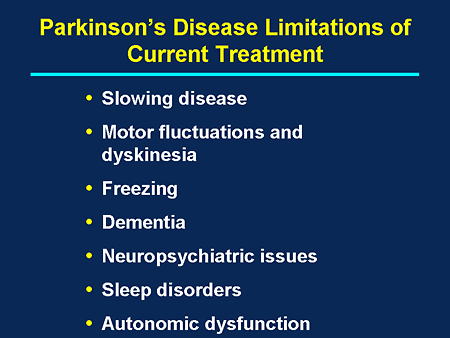
Continued death of the nerve cells results in Parkinson’s patients developing tremors and rigidity, as well as slowed movements. Other conditions that these patients will suffer from as a result of continued death of the nerve cells in the brain includes depression, sleeping disorders, dementia and even constipation. However dementia may be suffered at a much later stage when the damage on the nerve cells has spread widely. They may also lose their sense of smell.

Parkinson’s Disease

Due to the fact that depletion of dopamine causes Parkinson’s disease, doctors have been utilizing treatments that are useful in boosting the levels of dopamine din the brain. One of the most commonly used treatments is the use of a drug known as the Levodopa. This drug has been in use since 1960s when it was discovered. It works in a manner that supplements dopamine levels as it converts into dopamine while in the body. In this case the drug Levodopa stands in for the damaged neurons that ought to produce dopamine. Currently there are also other drugs that are used as dopamine to stimulate the nerve endings. Patients may also go through some therapies and put on special diets all aimed at improving the dopamine levels. In case the disease has advanced a patient may have to be treated through surgeries which may include deep brain stimulation with implanted electrodes. however, the treatments that have been mentioned above only work to mitigate on the effects of the symptoms of Parkinson’s disease but do not slow down or reverse the damage that the disease cause on the nerve cells in the brain. It has also been reported that even with the above treatments it reaches a time when the patient’s condition will deteriorate. There has also been a problem with early detection of the disease as mostly the disease is diagnosed lately after a patient has lost most of his dopamine and the nerve cells in the brain are already damaged. It is with the view of seeking a whole treatment for the disease that scientists began research on the ability of the stem cells to treat Parkinson’s disease.

The stem cell therapy may help

Parkinson’s disease is a dark medical field, its immediate cause isn’t known but scientists have today known which part of the brain is affected by this disease as well as the cells that are often affected by the disease. the stem cells which are known replicate several times giving rise to new cells are already being used to grow dopamine producing nerve cells in laboratories to aid the study of this disease. The stem cells are majorly used in the labs when the genetic cause of the disease is known. The disease destroys cells but through stem cells therapy, the damaged cells can be replaced by healthy new cells of the same type.

Research studies of 1980-90s bred hope

Parkinson's DiseaseIn 1980-90s researchers worked to find out if the cell replacement therapy could be used to quell the harmful effects of the Parkinson’s disease. The findings of these researchers have since been a foundation upon which current researchers increase the scope of their study on the effects of cell replacement therapy on the Parkinson’s disease. Particularly, Swedish, American and Canadian researchers have transplanted the developing nigral dopamine-producing neurons from human fetuses into animals and human patients with Parkinson’s disease. In these studies there were some great improvements while in other cases there were only modest changes.

A new study has since resurfaced. This study is much larger in scope and will include clinical trials. The study titled TRANSEURO aims at addressing the issues of consistency in efficacy as well as reduction in side effects associated with stem cell transplant. There is optimism that stem cell transplant to replace the damaged nerve cells could help in fighting this disease. Dr. Dalal Akoury (MD) is an expert in integrative medicine and a founder of AWAREmed Health and Wellness Center located at Myrtle Beach South Caroline. Visit her for more information on most lifestyle diseases.

Stem Cell Therapy May Offer an Effective Parkinson’s Disease Treatment


Facebooktwitterpinterestlinkedin

Stem Cell Therapy Used By Pro Athletes to Heal Injuries

Stem Cell Therapy Used By Pro Athletes to Heal Injuries

The intriguing medicinal abilities of the stem cell therapy seem to have got embraced by athletes.  today there are athletes who are using the stem cell therapy to help heal joint related injuries that they get in the course of playing their games and ultimately reduce their ability to play as well as they ought to. Stem cell therapy seems to be a game changing strategy in treating injuries that would rather be complicated treating with surgery alone. however despite the known benefits of the stem cell therapy and its exceptional relief it offers to patients given that it is the most versatile approach to treatment of diseases, It has not got into mainstream medical treatments for sports medicine and most of the time the teams do not pay for the costs incurred by athletes who opt to get treated through the stem cell therapy needless to mention it is still not recognized in the US. Despite these some athletes have chosen to tap into the immense potential of stem cell therapy to heal their respective injuries.

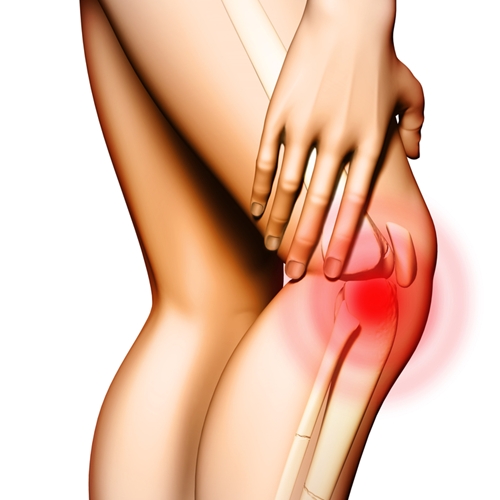
Chris Johnson, 28 is one of the many of NFL players who have opted to have their injuries a stem cell therapy treatment having heard of the amazing potential of the stem cell therapy when he visited orthopedic surgeon James Andrews in January, 2014 to fix his ailing left knee. Johnson had suffered a torn meniscus while in action for the Titans. When Dr. James Andrews presented him with the idea of stem cell therapy he decided to give it a try.

Knee injuries

“When I tore my meniscus and played the season out, through the wear and tear, I lost a lot of cartilage,” says Johnson, who was signed by the Jets to bring explosiveness to their offense. “When you put the stem cells in, it might be able to help rebuild that cartilage in your knee. Hopefully, it makes your knee better for even more years.” he adds.

Having agreed to have the therapy done, Johnson had stem cells siphoned from bone marrow with along needle from the iliac crest of his pelvis and had these stem cells injected directly on his injured knee. This was done with hopes that the stem cells will not only work as anti-inflammatory agents but also hasten the healing of the knee by repairing the torn meniscus.

Stem cell therapy is popular among NFL Players

Evidently, Johnson is not the only athletes who have used the stem cell therapy to heal his injury. Another Pro athlete, Peyton Manning is reported to have tried a stem-cell treatment in Europe in 2011, which was his final year with the Colts with an aim of fast-tracking his recovery from neck surgery.  another athlete, Prince Amukamara, Giants cornerback had a slow-healing broken metatarsal treated with stem cells by a foot specialist in North Carolina after his team’s Super Bowl XLVI run. One NFL linebacker paid $6,000 a pop for a 1-milliliter vial of donated placenta tissue containing stem cells to be injected into each of his beat-up knees this offseason but asked for his name not to be used in this story because he didn’t tell his team’s medical staff. This shows how amazing the stem cell therapy is in view of these pro-athletes.

It is reported that stem cell therapy has become more popular with NFL athletes, as it now stands, of the 32 teams, hundreds of the players have got stem cell treatment for their various injuries. This averages to six players per team which is impressive, however the stem cell therapy is still not a mainstream treatment and it still is somehow a shadow that is not understood by many. however, evidence of the stem cell therapy’s usefulness in treating athletes’ injuries is so far largely anecdotal, NFL teams often will not pick up the bill for players, and the overseas market for treatments not approved in the U.S. makes the whole field seem somewhat taboo but this has not discouraged the athletes which may mean that they have seen some benefits with the therapy.

Knee injuriesThe sports doctors have been recently pushing for the NFL teams to pick the bills that athletes incur while getting the stem cell therapy and to shun this view of stem cell therapy as farfetched. Dr. Andrews who is an expert in biologics – term refers to substances that are produced in living systems such as humans, animals and microorganisms, rather than manufactured like drugs is an important in this push. it is expected that when the US embraces the stem cell treatment for the athletes then the sport doctors like Dr. Andrews will be able to offer their star-studded clientele more of these treatments more effectively in the U.S. in this agenda the retired NFL players will be studied to prove how well the stem cell therapy works in treating arthritis of the knee, this is a more regenerating approach to treatment of injuries.

“We have had one big revelation in sports medicine over the last 50 years, and that was the arthroscope,” Andrews says. “I’ve been looking for the next wave, and I think the biologics, particularly stem-cell therapy and enhancement of the healing properties, will be it.”

“We’ve been saying that since the new decade of this new millennium, so we’re already behind.” he concludes.

Finally, Stem cell therapy is a promising treatment for orthopedic diseases; you may tap into the unique medicinal properties of the stem cells to help you beat orthopedic conditions. Visit us at AWAREmed Health and Wellness Resource Centre at Myrtle Beach, South Carolina. Dr. Dalal Akoury (MD) an expert in integrative and regenerative medicine will be able to help.

Stem Cell Therapy Used By Pro Athletes to Heal Injuries

Facebooktwitterpinterestlinkedin