Category Archives: Detoxification

Why are Stem Cells Important?

What are stem cells, and why are they important?

Stem cellStem cells are very special, powerful cells found in both humans and also in other animals. Stem cells are the precursors of all cells in the human body. What makes stem cells special is that they are regenerative and malleable. They have the ability to replicate themselves and to repair and replace other tissues in the human body. Some tissues, like skin, need constant renewal, which could not take place without skin stem cells. Other stem cells repair damage to the body’s tissues, for example, rebuilding damaged or degenerating muscle tissue. New research also indicates that stem cell malfunction or damage may be responsible for certain cancers and even muscular-degeneration diseases like Muscular Dystrophy.

Stem cells differ from other kinds of cells in the body. All stem cells have three general features that make them different from other body cells. These features are: they are capable of dividing and renewing themselves for long periods. They are unspecialized and they can give rise to specialized cell types. Stem cells are capable of dividing and renewing themselves for long periods. Unlike muscle cells, blood cells, or nerve cells which do not normally replicate themselves, stem cells may replicate many times, or proliferate.

The stem cells have a unique ability to divide and become more specialized cells forming cells like bone, blood, or muscle. It is this ability that makes them attractive agents in many areas of medicine. They can therefore be used to fight very many diseases in the regenerative medicine. Another advantage of stem cell therapy treatments is that autologous stem cell transport is made possible. This means that a person may be treated by doctors harvesting the stem cells from the patient and having the stem cells reimplanted into the same patient after finding out what was lacking in the patient. This reduces risks of infection as well as rejection which are helpful to the patient.

Importance of stem cells

the stem cells are very important cells in the body and have been since targeted for treatment of degenerative diseases. They have been called the center pieces of regenerative medicine. Medicine that involves growing new cells, tissues and organs to replace or repair those damaged by injury, disease or aging. there ability to proliferate into other cells of the body like the bone and muscle tissues have made them a priority in treatment of various degenative diseases like aging and even osteoporosis among others. here is how stem cells work in treatment of various diseases.

Rejuvenation– the stem cells can be used in rejuvenation process. through rejuvenation the bodies healing ability is boosted. Typically, the body is programmed to naturally repair itself that is why after you get a cut you can stay without going to hospital but still get healed within a very short time. However there other crucial organs that when damaged do not easily get repaired. When the body’s cells cannot get differentiated to give rise to new healthy cells and heal the damaged cell then there is a problem. According to Mayo clinic the cells that were once thought of as terminally differentiated including the heart, lungs and nerves which are more specialized are able to remodel as they possess ability to self-renew. However researchers are still working to come up with strategies through which the ability of these cells to self-heal can be enhanced.

Stem cellReplacement– here the stem cells can be used to replace the damaged cells.in degenerative diseases like osteoporosis the damaged tissues can be replaced with fresh stem cells that will proliferate into more functional bone issues and relieve the system of the damaged tissues. the stem cells can be transplanted in autologous manner where the stem cells will be harvested in the adipose or the bone marrow and be used to replace the affected cells in organ. with autologues stem cell transplant the issue of donor is not a problem neither are there issues of rejection nor the need for immunosuppression .

Regeneration- Through regeneration the stem cells are delivered to diseased tissues or organs, where they will ultimately restore tissue and organ function. This can be done through cell-based therapy or by using cell products, such as growth factors. Bone marrow transplants are an example of regeneration. Regeneration aims to awaken cells that are not functional or have malfunctions. With stem cell therapy there is hope for affordable healthcare solutions that heal the body whole without life threatening side effects.

Stem cells are a cutting edge

Stem cells are capable of self-renewing giving rise to several copies of themselves. They also have the capability of shifting shape and changing type, therefore they can be used to form the cells that are damaged and restore the functions of the damaged tissues. The stem cells can be used to replace the cells that have malfunctioned due to structural damage. The amazing part of the stem cell differentiation is that when a stem cell divides both the daughter cell and the parent stem cells have the potential to differentiate into different cells or to still remain as stem cells. Owing to this ability of stem cells to differentiate into more specialized cells, they can rebuild lost blood vessels, reverse scarring, regenerate damaged nerves, and bring back the healthy you.

conference

Stem cell therapy has a lot to offer to patients, Visit us at AWAREmed Health and Wellness Resource Centre at Myrtle Beach, South Carolina. Dr. Dalal Akoury (MD) an expert in integrative and regenerative medicine will be able to help.

What are stem cells, and why are they important?


Facebooktwitterpinterestlinkedin

Unique Properties of Stem Cells

What Are The Unique Properties Of All Stem Cells?

Stem CellsThe stem cells have been hailed for their efficacy in treatment of certain diseases especially those that are degenerative in nature like the Parkinson’s disease, osteoarthritis and even the Huntington’s disease. To accomplish all its medicinal capabilities the stem cells must have certain properties that are not present in other body cells. They therefore differ from other cells in the body. The stem cells are available majorly in the bone marrows and the adipose tissues but can also be harvested from placentas after a safe delivery. The stem cells have three general properties regardless of their source. These properties are; they are capable of dividing and renewing themselves for long periods; they are unspecialized; and they can give rise to specialized cell types. It is these distinct characteristics of the stem cells that make them effective in treatment of degenerative diseases.

The other cells found in the body like the nerve cells, the muscle cells and the blood cells are not able to replicate themselves unlike the stem cells that are able to proliferate after long periods of time. Typically, a starting population of stem cells that proliferates for many months in the laboratory can yield millions of cells. What is more is that the daughter cells are capable of long term self-renewal giving rise to more unspecialized cells.

Despite the vast research that has been done on the stem cells and their ability to treat certain diseases there are some information that are still required which we can only hope that researchers will one day find an answer to. These questions are as follows:

  • Scientists are trying to understand two fundamental properties of stem cells that relate to their long-term self-renewal:
  • Why can embryonic stem cells proliferate for a year or more in the laboratory without differentiating, but most adult stem cells cannot; and
  • What are the factors in living organisms that normally regulate stem cell proliferation and self-renewal?

When these answers are addressed there will be a valid explanation to how cell proliferation is regulated during normal embryonic development or during the abnormal cell division that leads to cancer. Such information would also enable scientists to grow embryonic and non-embryonic stem cells more efficiently in the laboratory to help in treatment of diseases.

The stem cells are unspecialized

Stem cells remain unspecialized even after long hours in the laboratory after getting harvested. The scientists have spent years of research trying to find out factors that make the stem cells unspecialized and differentiating into different cell types. It took two decades to learn how to grow human embryonic stem cells in the laboratory following the development of conditions for growing mouse stem cells. In a similar manner the scientists must first understand the signals that enable adult stem cell population to proliferate and remain unspecialized before they will be able to grow large numbers of unspecialized adult stem cells in the laboratory for medicinal use.

The stem cells are not specialized and hence are not able to perform specific functions. Unlike heart muscle cells, the stem cells are not able to pump blood through the body, they can neither carry oxygen molecules through the bloodstream like red blood cells nor can they kill pathogens like the white blood cells but they can give rise to more of all these cells; they can form bone, heart muscle cells, blood cells and even nerve cells. So they are then unspecialized cells that have the unique ability to give rise to specialized and more vital functional specialized cells.

Stem cellsThe process through which undifferentiated stem cells give rise to specialized cells is known as differentiation. It is through this process of differentiation that the stem cells become even more specialized. Scientists are just beginning to understand the signals inside and outside cells that trigger each step of the differentiation process. The internal signals are controlled by a cell’s genes, which are interspersed across long strands of DNA and carry coded instructions for all cellular structures and functions. In contrast, the external signals for cell differentiation include chemicals secreted by other cells, physical contact with neighboring cells, and certain molecules in the microenvironment. The interaction of signals during differentiation causes the cell’s DNA to acquire epigenetic marks that restrict DNA expression in the cell and can be passed on through cell division giving rise to more specialized cells.

There are however some questions that should be addressed and these may include; Are the internal and external signals for cell differentiation similar for all kinds of stem cells? Can specific sets of signals be identified that promote differentiation into specific cell types? Finding answers to these questions may help scientists to find new ways to control stem cell differentiation in the laboratory, thereby growing cells or tissues that can be used for specific purposes such as cell-based therapies or drug screening.

Integrative Addiction Conference 2015

With these distinct characteristics of the stem cells especially their ability to give rise to different specialized cell types, the stem cells are a cutting edge to treatment of diseases. Degenerative diseases have debilitated many people but it is treatable. Dr. Dalal Akoury (MD) is an expert in integrative medicine and a founder of AWAREmed Health and Wellness Center located at Myrtle Beach South Caroline. Visit her for more information on most lifestyle diseases.

What Are The Unique Properties Of All Stem Cells?


Facebooktwitterpinterestlinkedin

Understanding Alzheimer’s disease and The Healthy Brain

Understanding Alzheimer’s disease and The Healthy Brain

Alzheimer’s disease is the most common form of dementia that affects the older generation. Dementia is simply the loss or decline of thinking ability. People with dementia have problems thinking, internalizing information and remembering. The behavior of a person changes with dementia in such away the quality of their life is affected. A person may suffer from either mild or severe dementia. In mild dementia, the disease is in its starting stage and only affects a few aspects of their life. In severe dementia, the person’s functioning is completely affected to an extent that they rely on other people to complete even the basic tasks. Studies have it that Alzheimer’s disease affects over 70% of people who suffer from dementia.

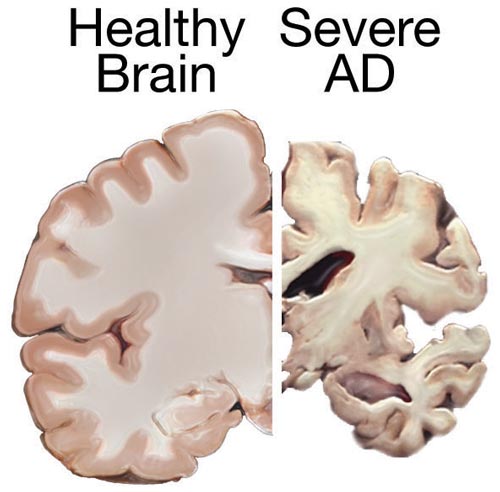
Alzheimer’s disease is characterized by a significant decline of brain cells also known as neurons and deposits of beta-amyloid in the blood vessels located in the brain. In the case of Alzheimer’s disease, plaques and neurofibrillary tangles develop in the brain area. These changes take place in three areas of the brain from the hippocampus, cerebral cortex as well as the mid and temporal lobes. These are accompanied by declined acetylcholine concentration which is a neurotransmitter in the brain. Studies reveal that antioxidant deficiency promotes to the acceleration of the Alzheimer’s disease. Change of diet and taking plenty of supplements reduces a person’s risk to Alzheimer’s disease.

Alzheimer’s disease

The Healthy Brain

Naturally the brain receives oxygen from veins, arteries and capillaries that network their way through it. The vascular system is controlled and it separates the brain form the rest of the circulatory system. This barrier keeps the brain from infections that may come along. If the brain however happens to be infected treatment is difficult since the antibiotics administered are too big to penetrate through this barrier. This is similar in the treatment of Alzheimer’s disease since the medication must be able to pass through the barrier.

One area that Alzheimer’s disease affects is the middle and temporal lobes. These lobes are located behind the ears and the temples. This region is responsible for speech and memory as well as emotions like empathy and molarity. The hippocampus is also an area that is affected by the disease. This area of the brain is responsible for creation of new memories.

The cerebellum is located in the brain and is responsible for the storage of memories of the muscles which makes it easier for us to do things without thinking. The mid brain together with the brain stem is the most sensitive part. This is because body functions such as digestion and the heart rate are controlled by these parts. They also act as a border between the spinal cord and the other parts of the brain.

The brain contains over 100 million cells which are interconnected to form one complex system. Each day a healthy brain makes new connections which keep the brain in function. These connections change every day and this makes it possible for storage of memories, shaping personalities, changing f habits and reinforcements of different brain activity patterns as others are lost. The cells receiving the neurotransmitters send them to other cells to complete communication and an impulse is achieved.

Communication in the brain is made possible through synapses. Signals are sent from one synapse to another. The signals are inform chemicals known as neurotransmitters. These neurotransmitters are received by receptors located in the synapses

Alzheimer ’s disease And the Brain

One characteristic of the Alzheimer’s disease is the death of brain cells. Patients with Alzheimer’s disease usually have plaque and neurofibrillary tangles are deposited in the brain. The plaque deposits cause the impairment of synapses so that signals do not effectively pass through the brain cells. On the other hand the neurofibrillary tangles kill the cells in the brain making it difficult for energy and food to be normally transported through the cells in the brain.

The area that is initially affected by Alzheimer’s disease is the outer brain part. This is the part that is responsible for storage of short term memory. Therefore, the first symptom in a patient suffering from the disease is the loss of short term memory. As the disease continues to eat its way through the brain, eventually even the long term memory is lost. Behavioral aspects of a person also change because other parts of the brain get affected and their functioning impaired. This also affects the neurotransmitter concentration.

Alzheimer’s disease

Alzheimer’s disease treatment

Lifestyle: a change in lifestyle will do you good by reducing the risk of getting the disease. Changing diet and taking regular exercises ensures that your brain and body remain healthy and strong.

Supplements: there are supplements available in the market known to reduce the risk of Alzheimer’s disease or cure it for example ginkgo biloba . Visit your physician for advice about such supplements.

Medication: currently there is no cure for Alzheimer’s disease. However, drugs like cholinergic provide temporary improvements in cognitive abilities of the brain. This improves memory and ability to retain things.

At AwareMed we believe that a healthy you is equal to a healthy society. We not only give you information about diseases but we help cure them. Dr. Akoury helps patients dealing with Alzheimer’s disease improve their life as well as lessen the symptoms.

Understanding Alzheimer’s disease and The Healthy Brain


Facebooktwitterpinterestlinkedin

Memory Loss Causes and Natural Treatment

Memory Loss causes and Natural treatment

We all experience forgetfulness at one time in our lives. That moment when you find that you don’t remember a conversation you had with someone you just met. When you can’t figure out the name of a person you just talked to minutes ago. This in some cases is normal memory loss that is temporary. Most of this is caused by something major happening in our lives, for example when you are undergoing mental stress or have too much on your plate to handle. This can make you forget simple things happening around you.

On the other hand, aging plays a role in our forgetfulness. It is absolutely normal to forget some things along the way as we become old. This is normal aging process which comes with a package of forgetfulness.

The Memory Loss Question

However, you have to be careful. When this memory loss is not as a result of aging, then there is a problem. In this case you could be experiencing abnormal memory loss also referred to as amnesia. Amnesia is an abnormal memory loss that manifests itself in a person. It is characterized by an abnormal ability to recall events that happened in the past which you would normally remember. This poses a lot of problems to not only the victim but also the people close to him or her.

Depending on what is causing the amnesia it could occur gradually or you may just wake up one morning and find that you are not remembering anything that happened in your past. Some memory loss may just be temporary but in some cases it may affect someone for the rest of their life. Amnesia can be limited to inability to recall past events or even those that happened recently or a manifestation of both.

Memory Loss

Aging brings with it some degree of forgetfulness as we have seen. This memory loss may result into difficulties in learning or retaining new knowledge. However, aging is not necessarily a cause of abnormal memory loss. In this case you will find that the victim has other factors causing the memory loss to be extreme like a disease.

This gives us three types of amnesia that people may experience in their lives. Transient global amnesia is a type of memory loss that results in the loss of all memory both from recent or past events. It’s like your entire memory is scrapped off. This kind of memory loss however is very rare and if it happens it is temporary and through medication a person is able to recover.

Anterograde amnesia on the other hand comes about after a person has experienced a trauma of some kind. It is characterized with inability to remember recent events that happened after a trauma but the distant past events remain unaltered.  Retrograde amnesia on the other hand is characterized by inability to remember events that may have occurred before a trauma. However, your ability to remember events afterwards is not affected in any way.

There are several factors which may cause memory loss like alcohol and drug abuse, depression, nutrition, medication, trauma, infections or psychological stress.

Aging and Hormonal Imbalances

Hormones are very important in the normal body functioning. However as we grow older some processes in our bodies begin to slow down. As we age hormone production decreases creating an environment of hormonal imbalances. Studies show that this decline in hormones is responsible for certain conditions that are as a result of the aging process.  Such conditions include cardio vascular infections, degenerative illnesses, memory loss as well as hair and muscle loss.

The endocrine system becomes ineffective with aging. The system which is responsible for secretion of all hormones becomes inefficient and hormones are not produced as they normally would. This ends up throwing hormones way off balance. Such hormones include insulin, sex hormones like testosterone among others.

Most anti-aging doctors recommend hormone replacement therapy to overcome these aging effects. The therapy involves replacing the hormones with artificial ones which are of similar molecular properties.

Memory Loss

Nutrition

You have heard that what you eat translates into your general health. This is the case with memory loss. It may be caused by the wrong diet and lack of exercise. Some foods inhibit the functioning of brain cells resulting in amnesia.

Alcohol

Prolonged alcohol and drug abuse results in amnesia. It works by damaging the cells in your brain leading to gradual memory loss. You find that your ability to learn or retain new information is impaired. You are also not able to recall recent and past events.

Depression

This is another causative factor of amnesia. Depression will naturally results in throwing your hormones off balance. When hormones are not balanced conditions such as memory loss and impaired concentration levels occur.

Natural Remedies for Memory Loss

Avoid stress: stressful situations will only result in depression which is a bridge to memory loss. Always try living on the positive side of life and avoid in as much as possible anything negative.

Diet: eating the right diet that is rich in omega-3 fatty acids and antioxidants works to prevent memory loss. These can be found in foods like vegetables, fruits, dark chocolate, tea, flaxseed, cold-water fish and walnuts.

Mind exercise: strive to keep your brain active in all ways. Things like mind games, crossword puzzles and reading all work to exercise the brain and keeps it active and strong.

Avoid alcohol: alcohol end ups damaging your brain cells inhibiting the functioning of neurotransmitters.

Avoid stress: depression is dangerous to your health. It ends up throwing your hormones off balance which results in memory loss. Avoid situations that are likely to stress you.

To find out more about this topic visit www.awaremednetwork.com today. For any questions you may have about this topic or any other health topic, Dr. Akoury will be more than happy to offer the assistance you require. She has many years of medical experience which has seen her help many patients recover from conditions like memory loss.

Memory Loss Causes and Natural Treatment


Facebooktwitterpinterestlinkedin

Gut Inflammation and Cytokines

Gut Inflammation

The digestive system plays a major role in food digestion as well as absorption of nutrients into the blood stream. It is important for the overall functioning of the body. When the digestive system is not working properly it can lead to development of gastrointestinal diseases and illnesses.

The bowel wall can be destroyed by conditions such as Crohn’s disease, inflammatory bowel diseases and ulcerative colitis. The conditions lead to poor absorption of nutrients, weight loss, abdominal pains, rectal bleeding among others. To correct the situation a patient is required to undergo surgery in most cases.

Cytokines

They are chemical messenger that act as signals for the immune system and neuromodulators. Cytokines can be either anti-inflammatory or pro-inflammatory. An imbalance in cytokines cause autoimmune disorders.

Cytokines are in form of proteins as well as glycoproteins that regulate immune functions and inflammation. They enhance the growth of cells as well as their differentiation and death.

Homeostasis in the intestines highly depends on the ability of the immune system of the intestines to withstand micro flora while at the same time providing protection against bacterial invasion. Normally, the dendritic cells of the gut induce T-cells differentiation.

Gut Inflammation

T-cells produce secretions that enhance suppression of cytokines that in turn prevent abnormal immune responses. Pathogens enhance a response that triggers activation of immune cells and this ends up causing inflammation.

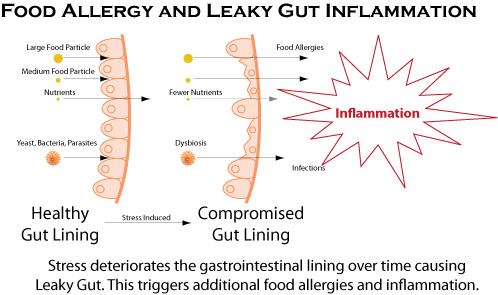
Inflammatory cytokines like IL-1ß, IL-2, IL-6, IL-15, IL-21 and TNFa stimulate T-cells that are cytotoxic. These are the ones that attack the gut mucosa. The mucosa is the lining of the small intestines. When cytokines attack the mucosa it can lead to conditions such as inflammatory bowel syndrome, Crohn’s disease. It can also lead to leaky gut syndrome.

The small intestines are useful not only in food digestion but absorption of nutrients from the digested food into the blood stream. When the small intestines re affected the digestive and nutrition functions are affected too.

Some immune system aspects aid in the suppression of inflammation aspects and thereby inhibiting destruction of tissues that is caused by active T-cells. This is made possible by T regulatory cells that work to counterbalance the active T-cells that attack the mucosa. T regulatory cells reduce the risks of getting immune diseases that end up attacking the tissues of the body like Crohn’s disease and rheumatoid arthritis.

Natural Compounds That Target Pro-inflammatory Cytokines

Besides the T-regulatory cells, there are several natural compounds that can also work to suppress the cytokines that cause gut inflammation.

Curcumin: studies have shown that curcumin acts as an agent of anti-inflammation. Curcumin works by targeting a number of cytokines that are responsible for gut inflammation. These cytokines include among others IL-1, IL-2, IL-6, IL-21 and TNFα. Curcumin combines with cyclosporine to bring about this effect.

Fish Oil: it contains properties of anti-inflammation. These properties have been shown to have the ability of suppressing cytokine that cause inflammation like IL-1, IL-2, IL-6, IL-15 and TNFα. The Omega-3 property in fish oil is responsible for this.

Studies have shown that Omega-3 suppresses these inflammatory cytokines that lead to gut inflammation. In addition to this, fish oil stimulates the body to produce anti-inflammatory cytokines that enhances a decrease of cytotoxic T-cells.

Resveratrol: just like the other natural compounds, resveratrol works by suppressing inflammation causing cytokines. Such cytokine include; IL-1β, IL-2, IL-6 and TNFa. It works by reducing the ability of the T-cells to reach the gut mucosa. This thereby inhibits gut inflammation.

Trans-Resveratrol: it is used to reduce the activation of T-cells in the body. This is by suppressing cytokines involved in activating inflammation agents.

Tea Polyphenols: both black and green tea contains compounds that have been shown to act as strong agents of anti-inflammation. The compound in the tea inhibits the activations of cytokines such as IL-1β, Il-2, IL-6 and TNFα which cause inflammation of the gut.

inflammation

Quercetin: this natural compound is found in things like onions, citrus fruits, apples and grapes. The compound inhibits the activation of inflammatory cytokines like IL-1β, IL-2, IL-6, IL-15 and TNFα.

Vitamin D3: Vitamin D3 works as an anti-inflammatory compound when it comes to gut inflammation. It has been shown to control inflammatory toxics like IL-1β, IL-6 and TNFα which affect the mucosa causing inflammation.

High Proanthocyanidin Grape Seed Extract: grape seed contain a certain compound that is used to reduce the level of Th17 in the body. It also controls immune responses that tend to be aggressive in nature. It controls the differentiation of active T-cells serving as an autoimmune disease and inflammatory agent.

N-Acetyl Cysteine: this compound when combined with vitamin B lowers the levels of homocysteine thus improving the functioning of endothelial. It also works by suppressing the active inflammatory cytokines like TNFα in patients who receive lung transplants. TNFa makes a patient’s body reject transplants but in combination with vitamin B this is no longer a problem.

Contact Dr. Dalal Akoury today, for more information about gut inflammation. For more wellness and awareness tips just visit www.awaremednetwork.com today. AwareMed is the place to be to find any information about health.

Gut Inflammation and Cytokines


Facebooktwitterpinterestlinkedin