
Chronic Fatigue and Mitochondrial Imbalances
Chronic Fatigue and Mitochondrial Imbalances
Chronic fatigue is a condition that affects 2.6% of the American population. It involves fatigue that tends to affect more than one part in the body and is worsened by mental or physical activity. Many people believe that chronic fatigue can be treated by bed rest but this is not the case. As you put yourself through physical and mental stress, fatigue becomes more severe leading to a condition known as chronic fatigue syndrome.
There has not been an official explanation as to what causes the disease. However several theories revolve around it which tends to explain its causes. Such include toxics, mitochondrial dysfunction, stress, hormonal imbalances, pathogens, allergens and many more.
Chronic fatigue not only affects your health but also the quality of your life. It can be a real issue to deal with when you find out that you are unable to carry out your duties because you feel tired all the time. Chronic fatigue can thereby be a risk factor for obesity. Since fatigue comes about because your body does not produce the necessary energy for normal body functions like breathing and blood circulation, you are unable to exercise.
Now we all understand that exercise is necessary for normal body functioning and general wellness. When we do not exercise, we are likely to start gaining weight a risk factor of obesity and other chronic illnesses. This is what chronic fatigue does. It renders you inactive and most of your time is spent in bed rest because you don’t have any energy to do anything not to talk about the muscle pains experienced.
Symptoms of chronic fatigue include depression, muscle aches and tenderness, anxiety, impaired mental ability, insomnia and general body weakness. Mitochondrial imbalances are among the factors that can cause chronic fatigue syndrome.

What are mitochondria?
To understand how chronic fatigue comes about, there is need to understand mitochondria and the role they play in the production of energy. Each and every cell in our body has mitochondria components that play the role of converting nutrients into energy. The foods we take consist of different nutrients which must be broken down to produce energy.
The mitochondria are present in each cell and they are responsible for giving cells the energy they require to carry out their functions. They supply the cells with energy in form of ATP. When the mitochondria are not functioning, this means that the cells are deprived of energy. Due to lack of ATP the cells are not able to function with the same speed they are used to. This translates then to slowing down of normal body functions.
Mitochondrial Imbalances
Since cells require ATP to function normally any factor that interferes with this process leads to fatigue of the body organs and muscle pains. When the mitochondria are not functioning properly the body ends up relying on anaerobic respiration in order to produce energy. This kind of respiration mostly causes fatigue, decline in concentration ability, muscle pains, gastrointestinal dysfunction, headaches and inability to recover energy lost during exercises.
Studies show that mitochondrial dysfunction is responsible for chronic fatigue syndrome as well as fibromyalgia. Studies have shown that this dysfunction is present in the leukocytes of patients suffering from chronic fatigue which explains the muscle aches experienced by such patients. The damage of the mitochondria can either be genetic or as a result of environmental changes. Studies show that mitochondrial dysfunction can be as a result of medications which inhibit the normal functioning of mitochondria, oxidation stress, toxic compounds, lack of enough nutrients and inheritance of genes that interfere with mitochondrial functioning.

Al these factors affect the ability of the mitochondria to produce ATP required by the cells. This then leads to a number of health problems such as chronic fatigue. Mitochondrial dysfunction not only leads to chronic fatigue but can cause tissue damage. A tissue is a mass of cell. When cells do not get the energy they require to function, the whole tissue can end up being destroyed and finally leading to organ dysfunction. This results in health disorders such as cardiovascular, metabolic, neurologic and immunologic problems.
The mitochondria are necessary for normal cellular activities. Basically our health depends highly on our diet and lifestyle. Adjusting these may prove a helpful way of treating mitochondrial dysfunction. This information can be found freely at www.awaremednetwork.com. Dr. Dalal Akoury restores the mitochondria to cure chronic fatigue. Many people who have been her patients bear witness to her good works. You too can be part of this by visiting AwareMed today.
Chronic Fatigue and Mitochondrial Imbalances
Related articles






 So when do things start going bad? It is common knowledge that too much or too little of something can wreak havoc in our bodies. In as much as adrenal glands are important especially during stress, too much pressure on then may lead to them wearing out. Cortisol as a stress hormone is produced by the adrenal glands. When you are constantly under pressure stress for a long time, the adrenal glands are under pressure to produce more cortisol. When this happens, hey become worn and therefore not able to function efficiently. What happens after that is that the production of the stress hormone reduces. This means that the body is not in the position of handling subsequent stress, pressure or illnesses as they occur. This is the point when you begin to feel tired even after doing so little. Furthermore, you find it difficult to recover after exercises. Al of a sudden, you frequently fall ill and take long to recover.


 Interfax: Russian officials deny transgender driving ban


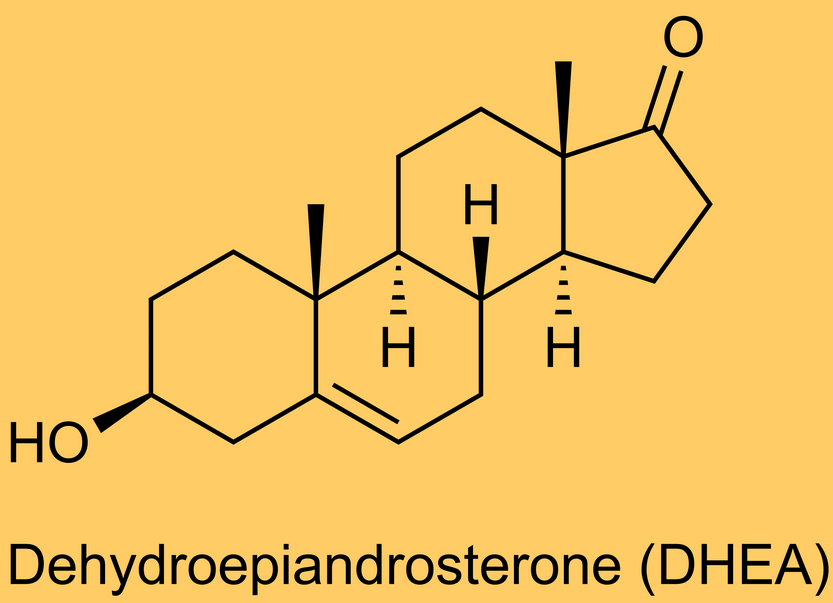
 DHEA replacement therapy is performed on patients with low levels of the hormone. When this level declines as we have seen the balance of other hormones is offset. Mostly patients will come in with symptoms of hormonal imbalances. The test is performed by an expert who runs a couple of tests to find out the level of DHEA. When done correctly, the replacement therapy helps restore the





 The Importance of Essential Fats for Brain Health