Category Archives: AWAREmed Health and Wellness Resource Center

Gut Inflammation and Cytokines

Gut Inflammation

The digestive system plays a major role in food digestion as well as absorption of nutrients into the blood stream. It is important for the overall functioning of the body. When the digestive system is not working properly it can lead to development of gastrointestinal diseases and illnesses.

The bowel wall can be destroyed by conditions such as Crohn’s disease, inflammatory bowel diseases and ulcerative colitis. The conditions lead to poor absorption of nutrients, weight loss, abdominal pains, rectal bleeding among others. To correct the situation a patient is required to undergo surgery in most cases.

Cytokines

They are chemical messenger that act as signals for the immune system and neuromodulators. Cytokines can be either anti-inflammatory or pro-inflammatory. An imbalance in cytokines cause autoimmune disorders.

Cytokines are in form of proteins as well as glycoproteins that regulate immune functions and inflammation. They enhance the growth of cells as well as their differentiation and death.

Homeostasis in the intestines highly depends on the ability of the immune system of the intestines to withstand micro flora while at the same time providing protection against bacterial invasion. Normally, the dendritic cells of the gut induce T-cells differentiation.
Gut Inflammation

T-cells produce secretions that enhance suppression of cytokines that in turn prevent abnormal immune responses. Pathogens enhance a response that triggers activation of immune cells and this ends up causing inflammation.

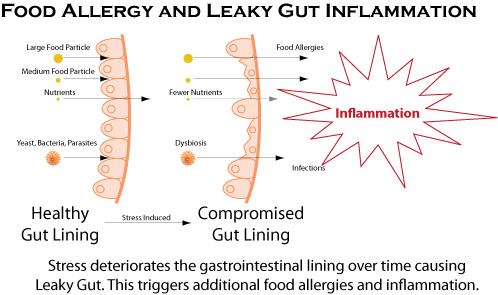
Inflammatory cytokines like IL-1ß, IL-2, IL-6, IL-15, IL-21 and TNFa stimulate T-cells that are cytotoxic. These are the ones that attack the gut mucosa. The mucosa is the lining of the small intestines. When cytokines attack the mucosa it can lead to conditions such as inflammatory bowel syndrome, Crohn’s disease. It can also lead to leaky gut syndrome.

The small intestines are useful not only in food digestion but absorption of nutrients from the digested food into the blood stream. When the small intestines re affected the digestive and nutrition functions are affected too.

Some immune system aspects aid in the suppression of inflammation aspects and thereby inhibiting destruction of tissues that is caused by active T-cells. This is made possible by T regulatory cells that work to counterbalance the active T-cells that attack the mucosa. T regulatory cells reduce the risks of getting immune diseases that end up attacking the tissues of the body like Crohn’s disease and rheumatoid arthritis.

Natural Compounds That Target Pro-inflammatory Cytokines

Besides the T-regulatory cells, there are several natural compounds that can also work to suppress the cytokines that cause gut inflammation.

Curcumin: studies have shown that curcumin acts as an agent of anti-inflammation. Curcumin works by targeting a number of cytokines that are responsible for gut inflammation. These cytokines include among others IL-1, IL-2, IL-6, IL-21 and TNFα. Curcumin combines with cyclosporine to bring about this effect.

Fish Oil: it contains properties of anti-inflammation. These properties have been shown to have the ability of suppressing cytokine that cause inflammation like IL-1, IL-2, IL-6, IL-15 and TNFα. The Omega-3 property in fish oil is responsible for this.

Studies have shown that Omega-3 suppresses these inflammatory cytokines that lead to gut inflammation. In addition to this, fish oil stimulates the body to produce anti-inflammatory cytokines that enhances a decrease of cytotoxic T-cells.

Resveratrol: just like the other natural compounds, resveratrol works by suppressing inflammation causing cytokines. Such cytokine include; IL-1β, IL-2, IL-6 and TNFa. It works by reducing the ability of the T-cells to reach the gut mucosa. This thereby inhibits gut inflammation.

Trans-Resveratrol: it is used to reduce the activation of T-cells in the body. This is by suppressing cytokines involved in activating inflammation agents.

Tea Polyphenols: both black and green tea contains compounds that have been shown to act as strong agents of anti-inflammation. The compound in the tea inhibits the activations of cytokines such as IL-1β, Il-2, IL-6 and TNFα which cause inflammation of the gut.

inflammation

Quercetin: this natural compound is found in things like onions, citrus fruits, apples and grapes. The compound inhibits the activation of inflammatory cytokines like IL-1β, IL-2, IL-6, IL-15 and TNFα.

Vitamin D3: Vitamin D3 works as an anti-inflammatory compound when it comes to gut inflammation. It has been shown to control inflammatory toxics like IL-1β, IL-6 and TNFα which affect the mucosa causing inflammation.

High Proanthocyanidin Grape Seed Extract: grape seed contain a certain compound that is used to reduce the level of Th17 in the body. It also controls immune responses that tend to be aggressive in nature. It controls the differentiation of active T-cells serving as an autoimmune disease and inflammatory agent.

N-Acetyl Cysteine: this compound when combined with vitamin B lowers the levels of homocysteine thus improving the functioning of endothelial. It also works by suppressing the active inflammatory cytokines like TNFα in patients who receive lung transplants. TNFa makes a patient’s body reject transplants but in combination with vitamin B this is no longer a problem.

Contact Dr. Dalal Akoury today, for more information about gut inflammation. For more wellness and awareness tips just visit www.awaremednetwork.com today. AwareMed is the place to be to find any information about health.

Gut Inflammation and Cytokines


Facebooktwitterpinterestlinkedin

Food Allergies Causing Weight Gain?

Food Allergies and Weight Gain

The digestive system plays an important role in our bodies. When something goes wrong with the digestive system, the whole body is seizes to function normally. When food is digested well, it gives you the energy to continue with day to day activities.

The digestive system and weight gain go hand in hand. Your digestion might be responsible for that additional weight you are experiencing. This is hard to believe but it is true. Food allergies affect your digestive system and this may be causing you to gain extra pounds.

Food allergies vary form one person to another. Some people are allergic to proteins like peanuts or meat. Weight gain comes in when the digestive system is dysfunctional. How? You may wonder.

Normally what you eat determines how your body reacts to it. It is common belief that only fats, sugars and carbohydrates contribute to excessive weight gain. So what do people do? They cut out their intake of these foods.

What you don’t know is maybe your gaining weight is not associated with your intake of carbohydrates or fats. If you have food allergies and you are noticing a change in your weight that may be the cause. Weight gain just like food allergies is very frustrating to live with.

Food Allergies

The Food Allergies Question

The connection between food allergies and weight gain is associated with the functioning of different systems in the body. I am talking about an association of the gut, detoxification system, immune system and hormones. All these are connected and work together for normal body functioning. When it comes to allergies they all play a part in enhancing weight gain.

Food allergies are causatives for inflammation. The relationship between inflammation, food allergies and weight gain is indispensable. Inflammation leads to the hormone that controls weight becoming less effective. This is what causes weight gain.

Not all people with food allergies will become fat. Others tend to lose weight because their food allergies mess up their digestive systems. This has impact on nutrition.

On the other hand people whose food allergies impact on their organs and not the digestive system are likely to be candidates of weight gain as a result of inflammation.

Sometimes inflammation manifests itself clearly. In this case you will experience signs such as pain, redness, sudden warmth among others. Like those people who experience soreness when they eat certain foods such as peanuts. Chronic inflammation on the other hand occurs silently and you can’t notice inflammation.

In case you are already obese, you may not realize that you are having silent inflammation. As we continue adding weight, the body does not reciprocate by adding more fat cells. This is because the fat cells in the body have already increased in size due to deposit of fat in them. The fat then leaks out due to too much stretching.

The body then produces macrophages which are immune related cells to clean up the fat that has leaked out. These cells produce inflammatory chemical substances which have an impact on overweight.

The food you eat may be the source of these inflammations leading to allergic reactions. The inflammation leads to weight gain. Some foods may cause bloating which is also a cause of weight gain. This is caused by the thriving of bad bacteria in the gut which could cause the good bacteria not to function properly to cater for nutrition functions and optimum body functioning.

Food Allergies

The Diet Question

The diet you are taking may contains some food which cause allergies. Silent allergies occur without you knowing. This means you might be taking foods which are causing an allergic reaction in your body but you don’t know. On the other hand some allergic reactions may manifest themselves openly. So what do you do to deal with weight loss when having food allergies?

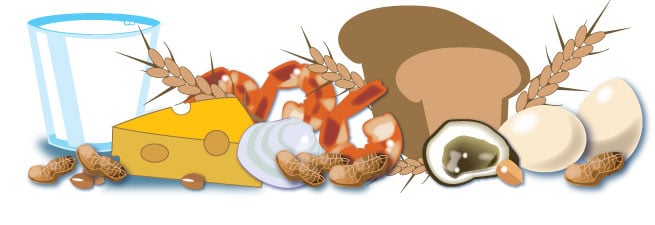
Cut out the suspects: Some foods automatically cause allergic reactions. Some people react in a certain way to some foods. Health experts advise on cutting out your intake of such foods for at least six weeks. Some common food allergens include peanuts, gluten, eggs, yeast, dairy and corn. Try cutting these out from your diet for some time. Studies show that weight loss will occur if you cut out these foods.

Avoid intake of polished foods: some bacteria survive in the gut. Both good and bad bacteria can affect the gut causing bloating. Eating whole meals and a diet rich in fiber will ensure the good bacteria are able to carry out their functions as they should.

Take a daily dose of probiotics: the work of probiotics is to boost the healthy bacteria thriving in the gut. When this happens they are able to boost nutrition.

At AwareMed we believe that healthy is wealth. The expertise of Dr. Dalal Akouri has led to many patients finding home and consolation in her health and awareness tips that she provides them. She has wide experience on this topic and more. To get her advice just visit www.awaremednetwork.com.

Food Allergies and Weight Gain


Facebooktwitterpinterestlinkedin

Weight Gain From Poor Digestion And Mal-absorption

Weight Gain: A Symptom of Poor Digestion and Mal-Absorption

When you start adding extra pounds, there are several things that come to your mind. Besides thinking about what could be causing the sudden weight gain, you will also be wondering about ways to facilitate weight loss. The first thing that comes to our mind when faced with this situation is that our diet is the source of the extra ponds.

We therefore cut out foods we suspect could be causing the weight gain. Most of the time these foods include; sugars, carbohydrates and fats. To most of us these are the main causatives of weight gain.

In cutting out these foods, we deprive our body of essential nutrients that can only come from such foods.

However there are other factors that cause weight gain. Lack of exercise is one of them. When you eat without exercising, then you will certainly add weight.

Some health conditions such as allergies, bacteria over growth, yeast infections, thyroid disease and insulin resistance among others can also cause weight gain. Mal-absorption and poor digestion can as well contribute to weight gain.

fat-malabsorption

Absorption disorders

They are also referred to as mal-absorption syndromes. It occurs when food is not properly digested and nutrients from the diet are not absorbed into the blood stream as they should. These nutrients include among others, minerals, proteins, vitamins, fats and carbohydrates in form of starch and sugars.

Mal-absorption syndrome is not in particular a disease but it results from other health conditions. Digestion involves the breakdown of food so that it can be in a form that can easily be absorbed into the blood for the overall wellness of the body. It takes place in the gastrointestinal tract.

During the break down of food, the nutrients are absorbed in the small bowel. The mucosa, which is the small intestine lining, facilitates absorption of nutrients due to the villi and micro villi that provide a large surface area for this absorption. There are also specialized cells that are used to enhance this absorption of nutrients.

Mal-Absorption and Digestive Disorders and Weight Gain

It is common knowledge that if you want to lose weight, then you have to burn more calories than what you take in your diet. One of the main reasons why weight gain is common among a number of folks is the fact that people eat a lot and refuse to exercise. Your diet contributes to most of the weight you add. Following that up with exercises will ensure that the more calories you eat the more are lost. Due to this, adding weight will not be a part of you.

As seen however, conditions such as poor digestion and mal-absorption can lead to weight gain. How does this happen?

Poor digestion means that food is not being digested properly. This is followed by poor absorption of nutrients from the food into the blood.

Body wellness depends on the general condition of the body. Nutrients are essential for the health of a person. You have heard that lack of nutrients can lead to weight gain. What most people believe is that lack of nutrients will make you thin. This is not the case.

Nutrients such as carbohydrates, proteins, fats and vitamins are necessary in the body. If there is poor absorption of these nutrients, they end up accumulating in the body and this causes you to gain weight.

Carbohydrates in particular are converted into fats which are deposited in the tissues. When combined with fats in the body, they end up causing immense weight gain. So as you see, mal-absorption will not necessarily make you lose weight.

weight gain

Poor Digestion and Mal-Absorption Natural Treatment for Weight Loss

When food is not properly being digested, it means that it will not be broken down into essential nutrients. This means that the body will not get the necessary nutrients form the diet. This results in weight gain.

In the same way mal-absorption disorders results in malnutrition and the result is weight gain. So how do you manage this?

The best way to induce weight loss is to do lots and lots of exercise. Don’t just eat. Eat and engage in plenty of exercises.

Also reduce your intake of carbohydrates and fats. Normally carbohydrates are broken down into sugars. When there is poor digestion and absorption, carbohydrates are converted into fats and these are deposited in the body. This leads to weight gain. So therefore why don’t you reduce the amount of carbs and fats you take into the diet?

This information can be found at www.awaremednetwork.com for free. Dr. Dalal Akoury will provide more information about absorption and digestive disorders and how they contribute to weight gain. She has for many years provided wise counsel to patients who bear testimony to her amazing works. Just visit AwareMed for more wellness and awareness tips.

Weight Gain: A Symptom of Poor Digestion and Mal-Absorption


Facebooktwitterpinterestlinkedin

Yeast Infection And Weight Gain

Yeast Infection Can Contribute To Weight Gain

Yeast infection is a common condition in women. Over 75% of women today have experienced at least one type of yeast infection in their lives. Not to say that men don’t get yeast infections. It’s just that women are affected by it more than men.

Today over 70 million Americans have yeast infections. Only 30% of these statistics are men. This clarifies that women are the victims of yeast infection in most cases.

Yeast infections starts with a fungus infestation. The fungus thrives in the gut. It produces toxins into the blood. These toxins are associated with fatigue and dizziness. They affect the thyroid causing a hormonal imbalance.

This hormonal imbalance is what causes cravings for things like sugar and alcohol. Well, it is common knowledge that these two are associated with weight gain.

Antibiotics are very common in our households. What you don’t know is that they cause yeast in your body to over grow. Eating a refined diet may also contribute to an overgrowth of yeast. Refined flour especially wheat flour and sugar feed the bacteria causing them to grow. Another bacteria overgrowth causing factor is the increase in stress hormones in your body.

yeast-infections

What is Yeast?

Normally yeast exists in the human bodies. Candida albicans is the common yeast that exists in our bodies. Yeast infection occurs when there is an over growth of Candida albicans.

It normally exists among good bacteria in the gut. They live together and maintain an optimum balance. The useful bacteria play a role in digestion of sugars and making of vitamins which are useful in human nutrition. Some bacteria form lactic acid which protect the body e.g. guts from yeast infection.

Candida thrives in the body in places like the digestive track, mouth, vagina and skin. It lives in harmony with other bacteria and yeast. Antibiotic are the major triggers of yeast overgrowth. The moment you start taking antibiotics disrupts this harmony and the balance that existed.

The useful and bad bacteria in the body are destroyed. However, antibiotics do not affect the yeast. When good and bad bacteria are destroyed by antibiotics it means the competition is over. Yeast can now thrive and this causes it to over grow.

The growth is facilitated by the refined sugars we take in our diets. They feed the yeast contributing to its growth. The antibiotics destroy even the bacteria responsible for production of lactic acid which counteracts the growth of yeast. The growing yeast therefore affects the tissues of where it thrives e.g. the intestinal walls.

Yeast Overgrowth and Weight Gain

The overgrowth of yeast has direct effect on weight gain. It leads to bloating that causes an increase in belly fat. This affects women most.

A woman may be cutting out calories in her diet and taking only a few yet she still gains weight. This may be hard for people to believe. However, she may be on a diet but the food she is eating containing sugars and carbohydrates may be contributing to this weight gain.

As seen refined carbohydrates and sugars act as food for the yeast. This causes an over growth of yeast in the body. Let’s take a case where she is on antibiotics. These destroy the good and bad bacteria that keep yeast in check. The yeast is therefore able to grow without competition. Adding a carbohydrate and sugar diet to this equation makes weight loss next to impossible even on the stickiest calorie diet.

The build-up of toxics combined with bloating causes a decline in the functioning of thyroid. This leads to a decrease in metabolism which eventually causes weight gain.

Yeast overgrowth creates a strong craving for sugars and carbohydrates. The carbohydrates in the body build up into fat that is stored in the tissues, a major cause of weight gain.

The yeast overgrowth also causes a considerable overworking of the immune system due to toxics. The toxic overload leads to chronic stress. Studies show that chronic cells lead to an increase in levels of cortisol. High levels of cortisol make it difficult to lose weight because of the chronic stress in the body.

yeast-infection

Managing Yeast Overgrowth

Diet: The best way of managing yeast overgrowth is to stay clear of refined sugars and carbohydrates. Also keep away from fermented foods and dairy product. These will only accelerate the yeast overgrowth.

Probiotics: these refer to good bacteria. They boost nutrition. When introduced into the body they enhance the balance of bacteria and yeast that had been lost and yeast growth is minimized.

Avoid Exposure to Chemicals and Medications: chemicals such as pathogens which are found in our homes in form of paints, perfumes, and paints should be avoided. Also stay away from medications such as antibiotics and birth control pills which cause yeast to over growth.

AwareMed is the best place to learn more about yeast over growth and its effect on weight gain. Dr. Dalal Akoury will provide more expert opinion on this and other health issues. This is the kind of knowledge you won’t find anywhere else. Just visit www.awaremednetwork.com and experience change today.

Yeast Infection Can Contribute To Weight Gain


Facebooktwitterpinterestlinkedin

Cancer Risk: Sugar and Insulin

Cancer Risk: Sugar and Insulin

Diabetes is a sugar disease. It is a disease in which the body does not produce insulin or make proper use of it. Insulin is useful in the body in utilization of blood glucose. It allows glucose to be absorbed in the cells to enhance the production of energy. In the condition of diabetes, insulin is not effective which results in the blood being saturated with glucose. This leads to high glucose levels in the blood.

Obesity is the major cause of diabetes. It induces the resistance of the body to insulin. When this happens, the body is not able to break down glucose into energy. This causes glucose to accumulate in the blood.

To make do with this insulin resistance, the pancreas ends up producing more insulin. This leads to a rise in insulin in the blood. This insulin production can go on for years but it is not indefinite. Eventually insulin production will wear out and this will result in blood sugar increase. When this happens, it is then that an individual is diagnosed with diabetes.

There are different kinds of diabetes in the world today. There is type 1 diabetes which results from the inability of the blood to produce the insulin hormone. Type 2 diabetes on the other hand comes about when the body is unable to properly utilize the hormone. Another type of diabetes is pre-diabetes. This results when the blood glucose levels in the blood are higher than normal although not high enough to become type 2 diabetes. The fact is that over 79 million Americans today are pre-diabetic.

Insulin and cancer

Diabetes and cancer

As is a link between sugar and cancer, there’s the same between diabetes and cancer. Diabetes has been linked to pancreatic cancer. It is in most cases a symptom of pancreatic cancer or a risk factor. Studies have shown pancreatic cancer can occur to patients who have heard diabetes for over five years. The research done on pancreatic patients who have had diabetes for less than five years was unclear if diabetes was in itself the cause of the cancer.

As a symptom for pancreatic cancer, studies have shown that onset diabetes in people who are over 50 years of age may be in itself a symptom. Abrupt changes in the levels of sugar in the blood in diabetics who had controlled sugar level is also a symptom of pancreatic cancer.

Insulin Resistance Link to Cancer

This link may be related to the high level of insulin compensation. Obesity causes the body to resists insulin and this causes the pancreas to produce more insulin. This leads to increase in insulin levels in the blood. Insulin contributes greatly to the growth of body tissues. It increases with increase in essential nutrients and reduces when the body is derived of these nutrients.

Insulin may cause cells to rapidly increase. This occurs when insulin causes an increase in insulin-like growth factors (IGF). It could also cause cells to become more sensitive to other factors of growth. One characteristic of cancer cells is their ability to uncontrollably grow and become resistance to agents of cell death.

Growth factors play a major part in the growth of cancer cells as well as their progression. Past studies have shown that people with high levels of insulin-like growth are in more risk of developing, breast, colon or prostate cancer.

Resistance to insulin is characterized by the cells losing their sensitivity to the effects of insulin to aid in the absorption of glucose into the cells. Although this is so, it continues to promote the growth of cells in the body. Only the ability of insulin to transport glucose is affected.

The resistant state of insulin promoted by diabetes may in this case promote the development of cancerous cells. As the amount of insulin increases in the blood, so does its ability to induce cell growth. When this happens it leads to a cancer characteristic of uncontrollable growth of cells. As the pancreas continues producing insulin an individual may not get diabetes but he/she increases the rate of getting cancer.

sugar and cancer

Sugar and Cancer

When most of us hear about sugar we instantly think about the white substance we take in our beverages. Sugar has been linked to causing cancer. So what do most of us do? We cut out the sugar in our body including those that are essential. We cut out eating fruits such as oranges that have natural sugars.

You end up depriving your body of essential nutrients such as fibers found in fruits. However, sugar does not necessarily mean what you take in your tea or in fruits or soft drinks. It is widely used to describe those sugars in our body. Sugar also called glucose is very necessary for a healthy you. It is broken down into energy hence you are able to do those daily task.

High blood levels in the blood cause diabetes. This results in the insulin not being produced or appropriately used. When this happens a person is said to be diabetic. Sugar goes back to the case of diabetes and as seen it can increase a person’s risk of cancer.

Dr. Dr. Dalal Akoury has had years of experience with patients with cancer as well as diabetes. She has vast knowledge about sugar and insulin and their link to cancer. Just visit www.awaremednetwork.com for more expert opinion on this topic and more health tips.

Cancer Risk: Sugar and Insulin


Facebooktwitterpinterestlinkedin