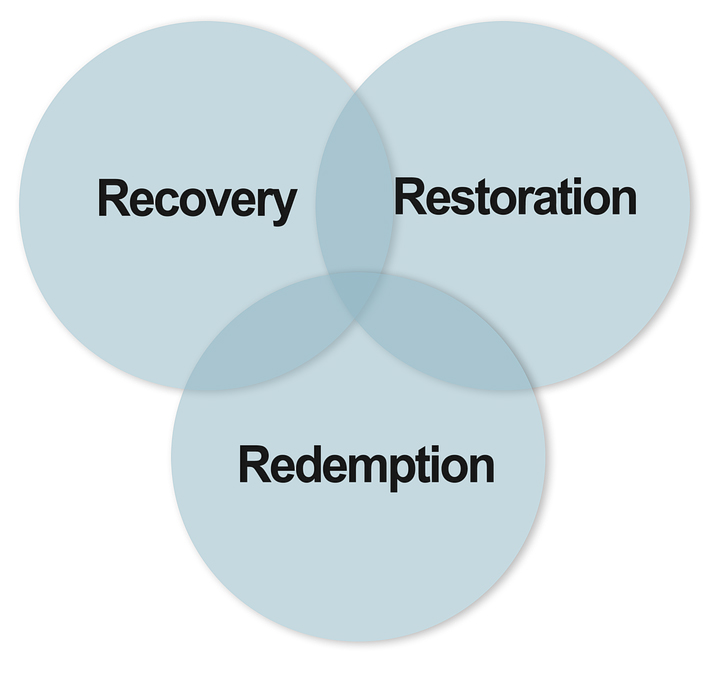
Tag Archives: Withdrawal

Asthma and Smoking

Asthma and Smoking – Drug Addiction

Smoking

It is never fan smoking your life into destruction. cigarette smoking has no place in human life

Have you ever heard someone speak about smoking in total praise of good result they get from smoking? When you listen to cigarette being marketed through the media do they scare you with their remarks of dangers of smoking? Do the cigarette packets communicate good nutrition to you? Will you be healthy after smoking? Get the answers to these questions for yourself and follow me on this article and I believe that together we can be of help to many people addicted to cigarette smoking. I want to believe that this is not the first time you are hearing of poor relationship between asthma and cigarette smoking. You may not have appreciated that abstinence or quitting smoking when diagnose with asthma is the most important way you can take to protecting your lungs, facilitating treatment and preventing of asthma symptoms. To be honest with you if you’re suffering from asthma yet you’re still smoking you are doing your health a lot of injustice.

Reasons for Quitting Smoking

I am persuaded that you have heard the effects of smoking to you or to individuals diagnosed with asthma and to the general health of smokers and to those around them. It is a pity that some of our actions make us cause injuries to the innocent people around us. It is because of the great dangers and our desire to help you get the best life can offer that I write passionately about addiction and possible solutions. If you are smoking or you know of a friend or somebody smoking you can be of help to them by sharing this link to them so that they can get the following tips to help them enjoy the benefits of quitting smoking which include the following:

  • Because of reduced health risks your life will be prolonged.
  • Attainment of good health; Smoking is associated with several increase of health risk like lung cancer, throat cancer, a lung disease called emphysema (also known as COPD), heart disease, high blood pressure, ulcers, gum disease quitting reduces these risks significantly.
  • Feeling healthier; quitting smoking will reduce and eventually eliminates coughing, poor athletic ability, and sore throats.
  • Good looking appearance; smoking can cause face wrinkles, stained teeth, and dull skin which will go away by quitting smoking?
  • Improve your sense of taste and smell
  • You will be saving money by quitting since you will no longer spend on cigarette.

Possibilities of Quitting Smoking

Cigarette smoking is an addiction that is not east to recover from, because of this it becomes a problem since there is not particular formula applicable in quitting smoking particularly to those suffering from asthma however a smoking cessation program may be helpful with the help of your doctor taking you through smoking cessation programs in your community. Before you choose to quit all at once (“cold turkey”) it is important that you set a plan which will help progress. The plan may incorporate the following:

  • Settle on a date to stop smoking, and work toward achieving it.
  • Document when and why you smoke this is helpful in identification of some of your triggers.
  • Have in record what you do when smoking and try doing the opposite like smoking at different times and different places to break the connections between your smoking habit and certain activities.
  • List down all your reasons for quitting and memorize them before and after you quit.
  • Engage in positive activities to take the place of smoking.
  • Always consult your doctor concerning using nicotine replacement products such as gum, lozenges, and patches. Some people find these aids very helpful.

Asthma and Smoking – Quitting Time

On your choice day of quitting, begin that morning without a cigarette. Then follow the following tips:

  • Never concentrate on what you are longing for instead think about what you are gaining.
  • Encourage yourself that you are a great person for quitting.
  • When you are tempted to smoke take a deep breath and hold it for about 10 seconds and then release it slowly.
  • Disengage from activities that were connected to smoking like taking a walk or read a book instead of taking a cigarette break.
  • Don’t carry a lighter, matches, or cigarettes.
  • Go to places that don’t allow smoking, such as museums and libraries.
  • Eat low-calorie, healthful foods when the urge to smoke strikes. Carrot and celery sticks, fresh fruits, and fat-free snacks are good choices. Avoid sugary or spicy foods that may lead to cigarette craving.
  • Drink a lot of fluids. Avoid alcoholic drinks. They can make you want to smoke. Select water, herbal teas, caffeine-free soft drinks, and juices.
  • Exercise. It will help you to relax.
  • Hang out with non-smokers.
  • Seek support for quitting. Tell others about your milestones with pride.
Benefits of Quitting Smoking
  • After twenty minutes stopping smoking: Your blood pressure and pulse rate begin to decrease. Circulation and the temperature of your hands and feet begin to increase.
  • After twelve hours of not smoking: The carbon monoxide level in your blood returns to normal.
  • After two weeks to three months of not smoking: Your chance of heart attack decreases and your lungs function better
  • After one to nine months of not smoking: Coughing and shortness of breath decrease
  • After one year of not smoking: Your risk of heart disease decreases to half that of a smoker’s risk
  • After five to fifteen years of not smoking: Your risk of getting mouth, throat, or esophagus cancer drops to half that of a smoker.
  • After ten years of quitting smoking: Your risk of dying from lung cancer drops to almost half that of a smoker and your risk of other cancers, such as cancer of the bladder, larynx, kidney, and pancreas decreases
  • After fifteen years of quitting smoking: Your risk of heart disease decreases to that of a nonsmoker.

It is important noting that the temptation of smoking again (relapse) will always come. If they do be encouraged that you are not alone many people who have successfully quitted relapsed three times before the success. It is because of these challenges that you will need to be in constant touch with addiction professionals all the way and therefore being at AWAREmed Health and Wellness Resource Center under Doctor Akoury’s care you will be professionally assisted overcome all your challenges by focusing on Neuroendocrine Restoration (NER) to reinstate normality through realization of the oneness of Spirit, Mind, and Body, Unifying the threesome into ONE. This way you will live a health life free from all elements of addiction.

Asthma and Smoking – Drug Addiction


Facebooktwitterpinterestlinkedin

Understanding Drug Addiction

Drug addiction treatment

Drug addiction is normally a very complex illness which is sometimes accompanied by intense craving which may be uncontrollable to the addict even when there is a direct danger posed by the substance.

Drug Addiction

The key principles to effective drug treatment

There are principles which have been proven to work effectively in ensuring that the patient regains normal life. These principles are:-

  • The first principle is to realize that addiction is by itself a complex which alters the normal functioning of brain but it is curable.
  • Secondly, it is important to understand there is never single treatment which is appropriate to everyone, and hence treatment of each individual should be examined and given independent treatment.
  • Counseling is very important, especially when treating individual or group from drug addiction.
  • Each individual’s treatment should be regularly assessed to know the patient’s progress and correct adjustments to the treatment made. This ensures suitability of medication to every patient.
  • Scientifically it has been proven that many drug addicts also have other mental disorders. Thus, the appropriate treatment should seek to address not only the addiction but also the mental problems.
  • Another important principal in drug treatment is that, the treatment doesn’t have to be voluntary to be effective. The patient doesn’t have to be left to make decisions on whether, when and how he/she should be treated. Since in many occasions drug addiction comes with mental disorders, it is vital not to leave decision making in the hands of the patient.
  • The patient’s drug taking during treatment should be monitored, since lapses do occur especially when the patient cannot withstand the craving of the drugs during withdrawal.
  • Another principle is that, treatment should be readily available and in the reach of the patient when need be. The patient will be faced with challenges such as craving and necessity of medication adjustments. Therefore, it is very important that medication can be accessed when need be.
  • Also another important principle is that, any effective drug treatment should address multiple individual’s needs and not just addiction. The medication should not only revolve around treatment of addiction itself, without looking to address the needs of the individual.
  • Treatment period- remaining in treatment for adequately appropriate time is vital. The patient should be maintained under medication until it is ascertained that he/she has fully recovered. Stoppage of medication before the patient fully recovers may result to resistance to future medication after relapse and obviously the craving symptoms may follow the patient leading the patient back to the consumption of the addicting substance.
  • Importantly also, the treatment should assess the patient’s presence of other diseases like arthritis, tuberculosis, hepatitis B and C and other infectious diseases. This will help in putting the patient under good conditions which will prevent the risk of contracting or even spreading an infectious disease.

Drug Addiction

Proven effective treatment approaches

For effective treatment, combination of both medication and therapy has worked well before. The process of treatment regularly begins with detoxification which aims at reducing or eliminating the effect of drug substance in the body. It is then followed by treatment and lapse prevention. The treatment process should be well monitored to ease the withdrawal symptoms and prevent lapse.

In any drug recovery program, medication is very important. It will help in different aspects of treatment process.

Medication importance on withdrawal – withdrawal under normal circumstances is accompanied by variety of symptoms which seek to return the patient to the consumption of addictive substance. These symptoms especially craving in some circumstances it may seem to be out of patient’s capacity to resist, especially when it is a drug related addiction. Medication in this case becomes important as it will try to suppress the withdrawal symptoms during detoxification. It is important to note that however, medically assisted detoxification in itself it is not a treatment but just the first step in the treatment process. The patient must complete the treatment process otherwise he/she will be similar to those never treated.

Medication vitality in Treatment treatment is an important aspect in drug addiction recovery. It can be used to re-establish normal brain functioning and to prevent relapse and to minimize cravings. This agent of drug recovery requires intensive examination of the patient, to establish the type of addictive drug substance the patent is addicted of, and hence streamline appropriate treatment procedure. It has been found out that, many of the drug addicts consume more than one drug and hence their addiction may sometimes not be as a result of just one drug. Treatment of this kind of addiction must seek to address each of these addictions based on the underlying cause. Treatment of these individual drugs addiction will look at the class of the substance, whether it is an Opioid, tobacco or alcohol etc. this will form a good foundation for treatment to be built on. For more details, call or visit AWAREmed and get a professional advice.

Drug addiction treatment

Facebooktwitterpinterestlinkedin

Restoring trust damaged by addiction

Restoring trust damaged by addiction-Drug Addiction

Addiction

The best thing you can do for yourself is to seek help and free yourself from addiction to drugs. Restoration is possible

Relationship is often the major casualty in the life of the addicted person and his or her family, friends and other associates. It normally goes un noticed that the family and those who care about the victim of addiction are is great psychological problems and sometimes even the problem graduates to being physical. The society is also not left out in essence when an individual is seriously suffering from drug addiction everybody is suffering. This collectiveness in suffering is what is going to form the basis of this article we want to discuss this problem with a view of restoring the trust and relationship damaged by addiction. I believe you  would also want to seek this answers and I want therefore invite you to stay on the link and keep reading for real and informative piece of information.

Restoring trust damaged by addiction-Honesty and Open Communication

Trust is the foundation in which any meaningful relationship stands. Any relationship built on trust will always stand the test of time and weather all storms that may come on the way but those without trust normally fails even before they pick up. Trust can be infringed and completely ruined by an addiction. Take for example an addict in the family may excuse him/herself shortly to perform a 5minutes task and only surface back 5 hours later because they went to indulge in drugs this is an act of dishonesty that brings lots of mistrust. Secretiveness and hiding are common to those suffering from addiction and often lead them to doing things uncharacteristic of their true nature which is why rebuilding relationships requires trust.

During the process of addiction recovery addicts normally achieve higher level of awareness and clearer thinking. The desire is to regain the lost times and opportunities due to addiction and also to restore the relationships which were injured by addiction. The key to proper restoration of relationships is restoring trust between the recovering addicts and their loved ones. It is important that both parties here appreciate that trust is earned and once broken will take time to rebuild. Doing this can take several dimensions to achieve therefore both the addicts and their loved ones can chose to start the journey or regaining trust by taking the following steps which will be full of love and les turmoil.

Once a person enters recovery, they achieve a higher level of awareness and clearer thinking.  They want to regain the things in life that were lost due to the addiction and often most important is the restoration of relationships that were harmed by the addiction.  Central to rebuilding relationships is restoring trust and both the recovering addict, as well as their loved ones, must begin to recognize that regaining trust takes time.  There are several steps the addict and their loved ones can take to begin to restore trust with more love and less turmoil.

  • Open communication
  • Honesty

Restoring trust damaged by addiction-Recovering Person

At the early stages of recovery the addict may experience acute and post-acute withdrawal symptoms that affect their moods, emotions and psychological balance as well as how they relate with the society.  This is a time of transition meaning letting go of unhealthy relationships and environments and creating new sober associations and healthy sober leisure activities.  The transition period help the addict heal and reinvent themselves and should be encouraged and shared. However sharing can sometimes be difficult owing to the fact that some of the addicts may have been secretive, dishonest and hiding things for many years

Restoring trust damaged by addiction-For Loved Ones

Loved ones who have been under consistent assault and emotional decay will often remember past experiences and behaviors of the addiction and so changes made by the recovering person and by the loved one can be challenging because of mistrust. But all the same the lives of loved ones will definitely change once recovery begins. For sometimes they may feel upset, overwhelmed or left behind by the changes, even though the changes are desirable they may also not be used to sharing frequently because the effects of addiction kept the addict and the loved one separated.

Restoring trust damaged by addiction-Open, Frequent Communication

It is important for the recovering addict and their loved ones to talk freely of what each person is experiencing as changes begins to take shape. Increased communication and sharing the progress and challenges each person is facing during this recovery process helps everyone better understand each other and be more supportive. Here are some examples:

  • If the recovering addict feels ill due to withdrawal. They may begin to isolate, become distant or withdrawn.  Those closest to them may suspect a return to using. If the recovering person instead shares their physical challenges, loved ones will have less cause for alarm.
  • A loved one may struggle with how to reorganize their life and responsibilities now that the recovering person is taking care of themselves. Sharing these feelings and concerns allow for the loved one and the recovering person to manage these changes together, which builds mutual trust.

In addition to increasing overall communication, it is vitally important that both the recovering addict and their loved ones discuss the fears and concerns driving any feelings of mistrust. Discussing fears and concerns take them from unknown and overwhelming to being manageable.  Some fears may be unfounded, some may be based on years of past interactions, and some may be realistic only by expressing and dealing with the fears and concerns openly can they be handled well or dismissed as unnecessary worry.

Restoring trust damaged by addiction-Honesty

Lack of honesty is a primary reason for distrust. People are dishonest for many reasons but generally it is to avoid being confronted, to avoid disappointing others, to hide their true behavior, or to avoid hurting others.  Unfortunately, dishonesty eventually leads to the very thing sought to be avoided.  If loved ones make it safe and beneficial for the recovering person to tell the truth (and vice versa), there will be more honesty.  If honesty is met with appreciation, truthfulness will continue while at the same time if the truth is met with arguments, penalties, and no chance for a healing discussion, honesty will not continue.  Communicating with honesty takes courage, so everyone should show appreciation and gentleness in order for the honesty to continue and grow.

Seek Help at AWAREmed Health and Wellness Resource Center under Doctor Akoury’s care where focus is on Neuroendocrine Restoration (NER) to reinstate normality through realization of the oneness of Spirit, Mind, and Body, Unifying the threesome into ONE. This will be helpful to you if you or your loved one is already suffering from addiction and you need an immediate recovery from whatever addiction you may be suffering from.

Restoring trust damaged by addiction-Drug Addiction


Facebooktwitterpinterestlinkedin

NTR Brain Restoration, Neurotransmitters restoration for drug abuse

NTR Brain Restoration-Substance Abuse

Neurotransmitter Restoration

Neurotransmitter Restoration (NTR) therapy is a rapid, effective form of detox that promotes rapid healing of the neurotransmitter system and restores brain function

The use and abuse of drugs has a great negative impact to the brain. The damage caused by these substances must be avoided by all means to safe guard the effective functionalities of the brain which is very crucial to human life. The use of Neurotransmitter Restoration (NTR) in restoring any damage that may have been inflicted in the brain by consistent use of drugs the damage in many cases will interfere with the systems associated with neurotransmitters and receptors which send and receive information into the brain. The damage can heal over time when one stops using the substance even if it is not rapid, however it must be noted that during this process of detoxification there will be the possibility of cravings and discomfort from the withdrawal a painful moment that can also lead into relapse.

In an attempt to speed up the withdrawal process and eliminated where possible cravings research has established that nutrition and detoxification treatment program can work using amino acid vitamins and other substances which promotes healing of any damages inflicted in to the brain by the substances used over time. The body uses Nicotinamide adenide dinucleotide (NAD) to transform vitamin B3 stimulating cells to be more active thereby speeding up the brain restoration process. A drug-free intravenous drip of a mixture of these nutritional substances known as Neurotransmitter Restoration (NTR) therapy is a rapid, effective form of detox that promotes rapid healing of the neurotransmitter system and restores brain function.

More research is being done and currently about 100 neurotransmitters have been identified among them is dopamine and serotonin. The nerve cells sends signals across small gaps known as synapses to the receptor sites on other neurons stimulating or inhibiting feelings and activities. The natural way of producing neurotransmitters is partly distorted in the addicts because of the substances the use which imitates the actions of neurotransmitters and the symptoms of withdrawal are revealed when consumptions of substances is interfered with and at the point of interference the body has not regained its natural production.

NTR Brain Restoration-The NAD Health Difference

  • Infusion IV therapy of nicotinic acid supplements and other nutritional substances eases the discomfort of withdrawal and detox.
  • The nutritional needs of substance abuse patients are met through an infusion of amino acids, vitamins, minerals, and NAD, a coenzyme that is used in the body to create naturally-occurring vitamin B-3.
  • It is a coenzyme because it occurs in two different forms (NAD+ or NADH) in cells, depending on whether it gains or loses hydrogen in a process by which cells release energy, known as cellular respiration.
  • NAD binds with amino acid receptors in the brain to stimulate the healing process.
  • The natural IV therapy saturates the brain bathing it in nutritional substances that promote optimum energy and shift the body’s cells into repair mode.
  • This speeds up the healing process while supporting the body during the elimination of drugs and alcohol.
  • Neurotransmitter Restoration (NTR) directly results in a decrease in the time and intensity of withdrawal symptoms and the elimination of cravings even for heroin or Suboxone.
  • This treatment takes 10 to 14 days, determined by a physician’s assessment based on the drug that was abused and the person’s condition.
  • The all-natural detox treatment program, which includes orally-administered amino acid supplements, alleviates fatigue, anxiety and depression, normalizes stress levels, restores mental clarity, and renews a sense of well-being or optimism about engaging in the next steps of a larger recovery program.
  • It also jumpstarts the restoration of cognitive function lost through substance abuse.

NTR Brain Restoration-Infusion Therapy

NAD rapid drug detox program and NTR program should include:

  • Access to traditional addiction recovery support
  • Cutting-edge detox technology with a nutritional approach
  • With a normal detox process, healing of the brain is left up to time and chance.
  • NTR works directly to repair the damage done to the brain’s neuroreceptors systems by chronic substance use.

The medically-supervised NAD/NTR detox program should consists of both intravenous and oral administration of supplements by experienced professionals especially a registered nurse working under the direction of a medical doctor’s orders.

NTR Brain Restoration Features

  • 10- to 14-Day Nutrition assisted Detox
  • All natural no addictive medications used
  • Minimized withdrawal and elimination of cravings
  • Relief from anxiety, depression and stress
  • Restoration of mental clarity and optimism
NTR Brain Restoration-Reasons for choosing NTR

The NAD/NTR IV detox therapy enables rapid detox of drugs or alcohol from the patient’s system, and elimination of withdrawal symptoms and cravings without the use of drugs or other addictive substances. Other detox approaches usually use potentially addictive medications, which prolong the process and put people at risk of exchanging one addiction for another. There is no need for anxiety about drawn-out withdrawal using IV nutrient infusion therapy.

  • At the same time it supports your body and brain nutritionally during the detox process
  • NAD/NTR also speeds up the healing process by initiating repair to the neurotransmitter and receptor systems of the brain, accelerating the withdrawal process while reducing cravings and in many cases completely eliminating them.
  • The NAD/NTR process also provides neurotransmitter therapy, rebalancing the brain’s neurochemistry so that it can recover from the damage that has occurred.
  • It is effective with alcohol and illegal drugs, as well as prescription medications such as Methadone, Suboxone and other opiates.

In conclusion all these points discussed will only be useful to you when you are seek advice from qualified medical experts who have had experience in the same discipline over period of time. Doctor Dalal Akoury who is also the founder of AWAREmed Health and Wellness Resource Center has been administering treatment to all kinds of addicts globally for over the last two decades and together with her team of experts you will get the very best you need to have your life back. Dear reader if you or anybody you know is having any problem related to addiction of whatever kind then this is the place to be.

NTR Brain Restoration-Substance Abuse


Facebooktwitterpinterestlinkedin

Heroin Addiction

Heroin Addiction-The hard facts about Heroin

Heroin

Heroin is an addictive drug and has great negative effects on human life

One of the most addictive substances in our streets today is heroin it’s appropriate to make emphasis that is an extremely addictive opioid synthesized from the opium poppy, morphine. It is currently categorized with other narcotics under the Schedules I and IV of the Single Convention on Narcotic Drugs and internationally UN estimates that there are over 50 million regular heroin users today thereby confirming its extreme addictiveness throughout the globe. Because of this addictive nature heroin addicts normally register an intense rush on the first use of the drug and after the rush the can describe the feelings of euphoria, ambition, drowsiness, relaxation and nervousness.

Nevertheless the short-term effects will come down after the initial use. There are three major ways of intake of heroin, it can be injected, smoked or snorted irrespective of the method used when used in greater units to reach the desired limit/high and users begin to develop tolerance to heroin then addiction takes place. Long-term effects of heroin include:

  • Substance addiction
  • Collapsed veins
  • Heart infection
  • Pneumonia
  • Decreased liver function
  • Systemic abscesses.

These effects can result to an opioid withdrawal syndrome can begin within 6 to 24 hours of discontinued drug use.

Heroin Addiction-Psychological symptoms

  • Anxiety
  • Depression
  • Lack of motivation
  • Decreased libido

Physical withdrawal symptoms are numerous and can be extremely dangerous.

Heroin Addiction-Physical withdrawal symptoms

  • Vomiting
  • Fever
  • Insomnia
  • Severe muscle and bone aches
  • Diarrhea

In order to minimize heroin withdrawal symptoms, some addicts look to methadone treatment. Methadone is a synthetic opioid used for moderate to severe pain management. It is also used to appease physical heroin withdrawal symptoms and its maintenance stops the rapid cycling between intoxication and withdrawal. However methadone itself can be addictive and its use for treatment can only be recommended to people who have tried to detox numerous times from heroin with little success. It is important that during methadone maintenance the patient should be under observation by a medical professional to reduce the risks of further addiction.

After a medically monitored detoxification, people who are addicted to heroin can seek treatment. A heroin addict can check into a residential treatment center specializing in substance addiction. In a rehab facility, the addict works with professional therapists and psychiatrists on the issues surrounding their addiction. Issues can include family problems and childhood difficulties. Often heroin addicts are dual diagnosed by a psychiatrist meaning that along with their substance abuse, they also have an emotional disorder.

Heroin Addiction-Emotional disorders

  • Depression
  • Obsessive-compulsive disorder
  • Eating disorders

In addition to individual therapy sessions, patients participate in group therapy. Group therapy can include topics of relapse prevention, codependency, and anger management. In these groups a heroin addict can interact with fellow addicts. They learn to share their stories and experience a common bond beyond chemical dependency.

Although there is no cure for addiction, heroin addicts learn a new freedom to live free of chemical dependency. With the help of therapists, 12-step programs, and sober fellowship, heroin users can recover from their addiction and lead happy, sober lives.

Heroin Addiction-Heroin Overdose

As with all narcotics, when an individual uses heroin, they are running the risk of overdose. A heroin overdose is simply when the user takes too much of any one, or any combination of substances into their body, causing a shutdown of normal body function. Heroin is very dangerous with many fatally overdosing from use. The lethal range of heroin is from 200 to 500 mg, but habitual users can survive doses of over 1800mg.

Yet, a very common misconception is in how easily it is to overdose on heroin. Many believe that it is very easy to overdose on heroin alone. But the fact is that an individual, who is addicted to heroin and uses habitually, is very unlikely to overdose by accident. The user generally knows and manages the amounts that are taken in. The majority of overdoses involving heroin are usually because the opiate had been mixed with either sedatives or alcohol.

When a heroin overdose is sparked by heroin alone, usually it was during a relapse, in which the addict went back to an old dose that they no longer have the tolerance to handle. The reason that a heroin overdose can be so deadly is because the overdose simply provides an over the top effect of the opiate. Heroin is a pain killer derived from morphine. Its most basic effect is that it attacks opioid receptors in the brain resulting in a flood of endorphins. But what causes heroin to be potentially deadly is its effect on the repertory system. Opiates slow breathing, and when an opiate overdose occurs, the lungs slow to an almost nonexistent rate, and sometimes stop completely. So essentially when someone dies of a heroin overdose, they suffocate under the weight of their own chest. And the user is too numb from the pain killer to recognize that they are suffocating. The basic symptoms of a heroin overdose are unconsciousness and skin turning blue from lack of oxygen

Heroin Addiction-How to kick Out Heroin Addiction

As had been mention above heroin is a semi-synthetic substance derived from the opium poppy, is powerful and extremely addictive opiate. It can be taken orally, as a suppository, intravenously, smoked, and snorted. Although different methods create different highs, heroin is invariably addicting and tolerance-building. By the time one is dependent upon or addicted to heroin, they generally have a great struggle attempting to quit by themselves.

Quitting heroin causes withdrawal symptoms, some of which seem unbearable to its user.

  • A detoxification program is often the best chance an addict has of cleansing their body.
  • In most cases, heroin withdrawal requires medical attention.
  • Trained professionals may prescribe medications lessen the pain of detoxification, as well as drugs like Naltrexone, which inhibits the opioid from binding to their receptors, preventing the user from being able to get high from heroin.
  • After detox and in order to maintain their sober body, a treatment program is recommended.
  • Residential programs are the safest environments as there are no drugs to tempt the recovering addict.
  • Professionals are available at every hour to assist patient needs.
  • There is also outpatient programs, in which people only partake in activities for a portion of the day, and are allowed to leave during the remainder.
  • Generally, in treatment programs, recovering addicts might attend group therapy sessions, individual counseling sessions, family counseling, and learn how to live life sober.

Transitional living, such as a halfway house or a sober house, is a great way to ease back into real life. Transitional livings allow recovering peers to work together, find camaraderie, and learn how to take on everyday tasks with a new attitude. All this put together with the help of a team of experts from AWAREmed Health and Wellness Resource Center under the able leadership of Doctor Akoury’s will go a long way into helping you get better and better. Doctor Akoury will focus on Neuroendocrine Restoration (NER) to reinstate normality through realization of the oneness of Spirit, Mind, and Body, Unifying the threesome into ONE

Heroin Addiction-The hard facts about Heroin


Facebooktwitterpinterestlinkedin