Category Archives: sugar

Restoring trust damaged by addiction

Restoring trust damaged by addiction-Drug Addiction
Addiction

The best thing you can do for yourself is to seek help and free yourself from addiction to drugs. Restoration is possible

Relationship is often the major casualty in the life of the addicted person and his or her family, friends and other associates. It normally goes un noticed that the family and those who care about the victim of addiction are is great psychological problems and sometimes even the problem graduates to being physical. The society is also not left out in essence when an individual is seriously suffering from drug addiction everybody is suffering. This collectiveness in suffering is what is going to form the basis of this article we want to discuss this problem with a view of restoring the trust and relationship damaged by addiction. I believe you  would also want to seek this answers and I want therefore invite you to stay on the link and keep reading for real and informative piece of information.

Restoring trust damaged by addiction-Honesty and Open Communication

Trust is the foundation in which any meaningful relationship stands. Any relationship built on trust will always stand the test of time and weather all storms that may come on the way but those without trust normally fails even before they pick up. Trust can be infringed and completely ruined by an addiction. Take for example an addict in the family may excuse him/herself shortly to perform a 5minutes task and only surface back 5 hours later because they went to indulge in drugs this is an act of dishonesty that brings lots of mistrust. Secretiveness and hiding are common to those suffering from addiction and often lead them to doing things uncharacteristic of their true nature which is why rebuilding relationships requires trust.

During the process of addiction recovery addicts normally achieve higher level of awareness and clearer thinking. The desire is to regain the lost times and opportunities due to addiction and also to restore the relationships which were injured by addiction. The key to proper restoration of relationships is restoring trust between the recovering addicts and their loved ones. It is important that both parties here appreciate that trust is earned and once broken will take time to rebuild. Doing this can take several dimensions to achieve therefore both the addicts and their loved ones can chose to start the journey or regaining trust by taking the following steps which will be full of love and les turmoil.

Once a person enters recovery, they achieve a higher level of awareness and clearer thinking.  They want to regain the things in life that were lost due to the addiction and often most important is the restoration of relationships that were harmed by the addiction.  Central to rebuilding relationships is restoring trust and both the recovering addict, as well as their loved ones, must begin to recognize that regaining trust takes time.  There are several steps the addict and their loved ones can take to begin to restore trust with more love and less turmoil.

  • Open communication
  • Honesty

Restoring trust damaged by addiction-Recovering Person

At the early stages of recovery the addict may experience acute and post-acute withdrawal symptoms that affect their moods, emotions and psychological balance as well as how they relate with the society.  This is a time of transition meaning letting go of unhealthy relationships and environments and creating new sober associations and healthy sober leisure activities.  The transition period help the addict heal and reinvent themselves and should be encouraged and shared. However sharing can sometimes be difficult owing to the fact that some of the addicts may have been secretive, dishonest and hiding things for many years

Restoring trust damaged by addiction-For Loved Ones

Loved ones who have been under consistent assault and emotional decay will often remember past experiences and behaviors of the addiction and so changes made by the recovering person and by the loved one can be challenging because of mistrust. But all the same the lives of loved ones will definitely change once recovery begins. For sometimes they may feel upset, overwhelmed or left behind by the changes, even though the changes are desirable they may also not be used to sharing frequently because the effects of addiction kept the addict and the loved one separated.

Restoring trust damaged by addiction-Open, Frequent Communication

It is important for the recovering addict and their loved ones to talk freely of what each person is experiencing as changes begins to take shape. Increased communication and sharing the progress and challenges each person is facing during this recovery process helps everyone better understand each other and be more supportive. Here are some examples:

  • If the recovering addict feels ill due to withdrawal. They may begin to isolate, become distant or withdrawn.  Those closest to them may suspect a return to using. If the recovering person instead shares their physical challenges, loved ones will have less cause for alarm.
  • A loved one may struggle with how to reorganize their life and responsibilities now that the recovering person is taking care of themselves. Sharing these feelings and concerns allow for the loved one and the recovering person to manage these changes together, which builds mutual trust.

In addition to increasing overall communication, it is vitally important that both the recovering addict and their loved ones discuss the fears and concerns driving any feelings of mistrust. Discussing fears and concerns take them from unknown and overwhelming to being manageable.  Some fears may be unfounded, some may be based on years of past interactions, and some may be realistic only by expressing and dealing with the fears and concerns openly can they be handled well or dismissed as unnecessary worry.

Restoring trust damaged by addiction-Honesty

Lack of honesty is a primary reason for distrust. People are dishonest for many reasons but generally it is to avoid being confronted, to avoid disappointing others, to hide their true behavior, or to avoid hurting others.  Unfortunately, dishonesty eventually leads to the very thing sought to be avoided.  If loved ones make it safe and beneficial for the recovering person to tell the truth (and vice versa), there will be more honesty.  If honesty is met with appreciation, truthfulness will continue while at the same time if the truth is met with arguments, penalties, and no chance for a healing discussion, honesty will not continue.  Communicating with honesty takes courage, so everyone should show appreciation and gentleness in order for the honesty to continue and grow.

Seek Help at AWAREmed Health and Wellness Resource Center under Doctor Akoury’s care where focus is on Neuroendocrine Restoration (NER) to reinstate normality through realization of the oneness of Spirit, Mind, and Body, Unifying the threesome into ONE. This will be helpful to you if you or your loved one is already suffering from addiction and you need an immediate recovery from whatever addiction you may be suffering from.

Restoring trust damaged by addiction-Drug Addiction


Facebooktwitterpinterestlinkedin

Leaky Gut Syndrome

Leaky gut syndrome-Alcohol abuse and Drug addiction

Leaky gut syndrome

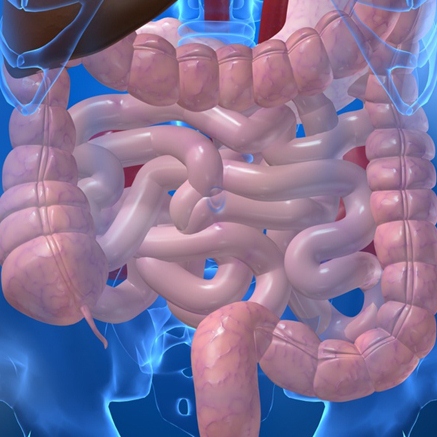
Leaky gut syndrome is term used to describe a collection of symptoms that center on damage in the lining of the large intestine.

Leaky gut syndrome is an unofficial term used to describe a collection of symptoms that center on damage in the lining of the large intestine. This damage apparently gives undigested food particles and toxins access to the bloodstream by producing minute gaps in the intestinal wall. While there is controversy regarding some of the purported effects of leaky gut syndrome, most doctors believe that unusual permeability in the large intestine can cause real health problems. People who abuse alcohol commonly experience significant changes in their intestinal function. These changes can potentially support the onset of leaky gut syndrome, or worsen its effects once it appears.

Leaky Gut Syndrome Basics

When looking at these terms medically there is great difference between syndromes and diseases. The difference is that diseases portray specific collections of symptoms with unique and distinguishable underlying causes while syndromes portrays symptoms which normally appears at the same time and have a number of potential known or unknown underlying causes. The symptoms associated with the presence of leaky gut syndrome include:

  • Diarrhea
  • Excessive flatulence
  • Unexplained fatigue
  • Unexplained fever
  • Heartburn
  • Ongoing or recurrent abdominal pain
  • Recurrent bladder infections
  • Hemorrhoids, food allergies
  • Frequent hunger
  • Joint pain
  • Muscle cramps
  • Lymph gland swelling
  • Psychological problems such as memory impairment and depression.

Normally, the bowel wall is sealed tight with the help of cell structures called desmosomes, which overlap the cells in the wall and stop them from tearing. Under certain circumstances, irritation or damage in the desmosomes can loosen their grip on the bowel wall and lead to the formation of tiny gaps that make the wall abnormally porous or permeable. The development of leaky gut syndrome begins when materials pass through these gaps and enter the bloodstream. Since these materials don’t belong in the bloodstream, immune system cells identify them as invaders and attack them. In turn, this immune response can produce increasing levels of inflammation that further damage the bowel wall, and thereby provide passage for larger molecules of undigested food and various toxins.

Leaky gut syndrome-Alcohol’s Effects

Alcohol consumption damages normal function in the intestinal tract in one of two ways:

  • The presence of alcohol appears to reduce the level of activity in key substances in the body called prostaglandins. Among their many functions, these substances help the body control the amount of inflammation that occurs at the site of any injury. Alcohol-related suppression of prostaglandins essentially allows inflammation to increase in an uncontrolled manner. While the effects of any single drinking session will produce only a temporary suppressing effect on prostaglandin levels, the type of habitual, heavy drinking commonly associated with alcohol abuse can produce ongoing prostaglandin suppression that contributes significantly to inflammation in the large intestine (and other areas of the body). In turn, this inflammation can trigger or support the development of leaky gut syndrome.
  • Heavy alcohol consumption also damages the body’s ability to pull nutrients from food and digest them in the small intestine. Ways in which this damage occurs include a reduction in the output of substances, called enzymes, required for digestion of certain types of nutrients; direct impairment of the cells in the small intestine responsible for absorbing nutrients into the bloodstream; and the creation of nutritional deficiencies that further disrupt the absorption of important nutrients. In people with preexisting cases of leaky gut syndrome, nutritional deficiencies and lack of effective nutrient processing can contribute to a worsening of the syndrome’s symptoms.

Leaky gut syndrome-More Women Affected

Women who abuse alcohol may develop more leaky gut-related problems than men. Part of this disparity stems from the fact that, compared to men, women have relatively small amounts of an enzyme called alcohol dehydrogenase, which is required for the breakdown and elimination of alcohol. This means that alcohol tends to stay in women’s bodies longer because of this deficiency. Women also have a reduced ability to effectively process alcohol during certain portions of the menstrual cycle.

Leaky gut syndrome may play a role in the onset or worsening of recognized gastrointestinal ailments such as irritable bowel syndrome, Crohn’s disease, and celiac disease, as well as a number of other ailments. Some alternative medical practitioners make unsubstantiated claims for the syndrome’s role in illnesses such as autism and multiple sclerosis. Since leaky gut syndrome is not a distinct, recognized medical disorder, physicians don’t diagnose the condition in their patients; instead, they usually consider its symptoms in a larger medical context as they work toward diagnosis of a recognized disorder.

Finally leaky gut syndrome has a way of making one’s life uncomfortable irrespective of gender. It is everyone’s desire to be healthy and be comfortable this is the reason why Dr. Dalal Akoury founded AWAREmed Health and Wellness Resource Center, is offering exclusive NER Recovery Treatment to other physicians and health care professionals through training, clinical apprenticeships, webinars and seminars.  This program is also open to any other qualified professional nonetheless individual are also not left out if you or any of your friends or colleague is suffering from any kind of addiction or you just want to get the detailed information about addiction treatment, preventions and control then this is the place to be. You will be attended to by a team of experts lead by doctor Dalal Akoury in administering treatment to your condition in a more natural way with majorly natural means to get you recovered completely and have your life back and live it to the fullest.

Leaky gut syndrome-Alcohol abuse and Drug addiction


Facebooktwitterpinterestlinkedin

Sugar Addictions; the Psychology behind Sugar Addictions

Psychology behind Sugar Addictions-Drug Addiction

Sugar addictions

Sugar hides itself between cookies, cakes, sodas because these are what we use daily, be careful of sugar addictions

Who doesn’t like sweet things? This is a question whose answer would probably be the same across the divide in our global society today. I am almost attempted to believe that you have a positive answer to my introduction. But all the same we all need sugar to make our food staff much tasty and we can find sugar nearly everywhere in our homes, supermarkets, social places and even in the religious setups. You may be wondering how sugar finds its way nearly in all places, to help you on that, sugar hides itself between cookies, cakes, sodas and other foods you may be thinking of. Now all this food stuff is found everywhere and that is how we are surrounded with sugar which in itself is an addictive substance.

Food molecules enter the body in three different ways that is through fats, carbohydrates and protein. Of this sugar is categorized as carbohydrates which are composed of hydrogen, carbon and oxygen. Sugar is relatively a simple molecule and it is easier to break down in the body intestinal system. This element sugar can be found in many different forms today. This forms can include anything from simple white cane sugar (what we usually use in baked goods) to the more exotic sugars like agave nectar or molasses. All of these substances contain the same mixture of simple sugars, which are glucose, fructose, and sucrose. These three types of sugars can be mixed and matched in order to create a unique combination.

Saying that sugar is addictive then what is addiction? It is something that causes psychological dependence, addiction can be classified as dependence which is characterized by compulsive, sometimes uncontrollable, behaviors that occur at the expense of other activities and intensify with repeated access. Looking at addiction in relation to sugar would mean that consumption of sugar consistently and without any form of control can cause injure the operations of daily activities.

Psychology behind Sugar Addictions-Signs of Sugar Addictions

For one to be diagnosed with a sugar addictions, most likely the psychologists and doctors would look at three different signs:

  • Bingeing
  • Withdrawal
  • Craving

Anyone of these symptoms can be an indicator of initial stages of an addiction but all the three combined together points to a serious dependence on a certain substance. Ordinarily we would think of alcohol and other drugs as addictive substances, but for sure sugar is a very real addiction too. The consumption of sugar increases the serotonin levels in the body which is a calming and mood elevating neurotransmitter. Serotonin is an anti-depressant and regulates pain levels and sleep cycle. When sugar levels increase, serotonin levels rise and individuals can feel better about themselves both physically and mentally. Many times we think of cookies and ice cream as comfort food, so this could be one reason why some people have a hard time staying away from these sweets.

Ingesting sugar can also increase dopamine levels. Studies have proven that addictive substances like cocaine and heroin cause elevated extracellular dopamine levels in the nucleus accumbens. This same process occurs when foods rich in sugar are ingested. It has also been found that the dopamine receptors are critical for people to experience pleasure for normal life events like watching movies, exercising, or reading books. A deficiency in this receptor can lead to depression, so many times those who are deficient in the dopamine receptors may turn to drugs or sugar for pleasure. A deficiency in the receptor has also been linked to a variety of disorders like alcoholism, bulimia, or binge eating.

Psychology behind Sugar Addictions-Effects of Sugar on the brain

Intermittent sugar access can also act through the opioids in the brain.  The changes in the opioid systems of the brain caused by eating sugar lead to the addiction-like signs of withdrawal. “Intermittent, excessive intake of sugar can have dopaminergic, cholinergic, and opioid effects that are similar to psycho-stimulants and opiates, albeit smaller in magnitude” (Avena, 2008). Even though the effects of sugar on neurochemicals are mild, it can lead to a dependency or addiction over time.

In addition to the neurochemical reasons for sugar addictions, there is also an area in the brain that shows signs of sugar addictions. In a study where participants consumed sugar and brain activity was analyzed, it was found that the orbitofrontal cortex was active after sugar consumption. The orbitofrontal cortex is an area in the front of the brain where human’s process rewards. This means that eating sugar is a rewarding activity, so we are likely to continue to eat sugar in order to feel reward and pleasure.

Psychology behind Sugar Addictions-Who is affected the most by sugar addictions

Those at risk for sugar addictions include:

  • Those with bulimia, binge eating disorder, obesity, alcohol dependent, smokers and those with chronic pain. This is because sugar addiction is comparative to these disorders, and many times these disorders may occur congruently with sugar addictions.
  • Healthy, normal weight individuals, by definition, do not suffer from food addiction; however, overweight and obese individuals could meet clinical criteria. The reason for sugar addictions is not because sugar tastes good, but rather it is in the way it is consumed with alternating binging and restricting.

Environmental factors can also trigger sugar addictions for example watching a commercial about candy, smelling cinnamon rolls come out of the oven, or simply being around sugar can cause someone to start eating it uncontrollably.  Eating sugar can also become a learned response by simply eating sugar when hungry, bored, or tired so that someone craves it whenever they feel this way. Overtime it will be a habit to simply reach out and eat sugar when these cues arise.

Psychology behind Sugar Addictions-Summary-Why is Sugar Addictive?

Sugar addictions, or sugar dependence, is based off the three basic stages of bingeing, withdrawal, and craving. Sugar can cause the neurochemicals dopamine, tryptophan, and serotonin to increase. All of these are involved with pleasure, reward, and pain tolerance that can make sugar irresistible. These neurochemicals are also released with other drugs of addiction, which links sugar addictions to any other addiction. Finally sugar is addictive because:

  • We Feel Better When We Eat It. Eating sugar increases the serotonin levels in the body, which is a calming and mood elevating neurotransmitter. Serotonin plays an important part in regulating pain levels and sleep cycles, and it is an anti-depressant. When sugar levels increase, serotonin levels rise and individuals can feel better about themselves both physically and mentally.
  • It’s as Addictive as Drugs like Cocaine. Ingesting sugar can also increase dopamine levels, which also happens when someone ingests cocaine or other addictive drugs. This can cause a binge and withdrawal cycle and lead to a dependence on the substance.
  • The Brain thinks it Is Rewarding. The orbitofrontal cortex is an area in the front of the brain where humans process rewards, and this is activated when someone consumes sugar. Therefore, sugar is seen as rewarding to the body.

We can never conclude without offering an avenue for help in case you or your loved ones are suffering from sugar addiction. The over two decades experience of doctor Akoury in helping people suffering from addiction is an experience you would want to be part of. She is also the founder of AWAREmed Health and Wellness Resource Center where emphasis is made on Neuroendocrine Restoration (NER) as a means of treating addiction to reinstate normality through realization of the oneness of Spirit, Mind, and Body, Unifying the threesome into ONE. This is a resource you would not want to miss.

Psychology behind Sugar Addictions-Drug Addiction


Facebooktwitterpinterestlinkedin

Types of Addictions

Types of Addictions-Drug Addiction

Addiction

Because addiction is not a respecter of anyone you must take the bold step of getting help.

When you mention the word addiction to anyone they will probably and definitely think of drugs abuse because addiction has been time immemorial been associated with drug abuse. This notion is well guided due to the fact that abused drug may lead to addiction and so this theory is just right. However it is not just the drugs that one can be addicted to there are a whole range of things that we can become addicted to as a society. Some of these may include gambling, exercise, ‘retail therapy’ (shopping), sex, food, alcohol, the Internet, and the list goes on and on. Those many elements of addiction will form our discussion in the coming articles but for the purposes of this article we are focusing the obvious one in many people’s mind that is drug addiction which majorly includes the following:

  • Alcohol
  • Nicotine (smoking)
  • Drugs (cocaine, heroin, amphetamines etc.)
  • Caffeine (coffee, chocolate etc.)

Addiction has been associated with crime, untidiness and reckless behavior among many other behaviors. This school of thought portray drug addicts as people with mental problems and a picture of a pale, skinny individual with needle marks down their arms who lives in the streets and commits crime to feed their habit. This description may be a stereotype but like all stereotypes, it contains an element of truth because for sure there are addicts who look and behave in this way, but then a gain there are also a great many addicts who do not. There are good populations of people who hide their addiction signs so well that no one would notice or detect that they have addiction problem. In our previous postings we have repeatedly stated that addiction is respecter of person. It doesn’t matter who you are or what you do whether you are working class or middle class; young or old; male or female, or married or single, rich or poor addiction can affect anyone of us and the way they do varies between individuals.

Types of Addictions-Alcohol addiction

The substance alcohol is one which legally allowed in the society and besides its addictive nature it is majorly used socially. Many people enjoy a drink and are able to control how much they consume. These are the group that may be referred to as responsible alcohol consumers but the opposite of this are those who will find that alcohol become more than a pleasant social activity and take it excessively these are the group we call addicts who suffer alcoholism and are addicted to alcohol.

Types of Addictions-Nicotine addiction

Nicotine which is present in cigarette smoke is a highly addictive substance and is very difficult to break away from. There are many people who have confessed that they became addicted after their first cigarette puff although smoking experts tend to disprove this. It may take only a few cigarettes for someone to become addicted to the ‘high’ experienced as nicotine affects every area of your body and brain.

The moment you are addicted automatically your body will craves more and more nicotine and that is why there is no such thing as ‘social smoking’. Your body adjusts to a certain level but then requires ever increasing amounts of this to satisfy the urges which mean that you smoke more and more cigarettes.

Types of Addictions-Drug addiction

This includes addiction of both ‘hard’ and ‘soft’ drugs, and examples of these include marijuana, ecstasy, crack cocaine and heroin. There are also hallucinogenic drugs such as LSD, solvents such as glue or ‘poppers’ and prescription drugs such as anti-depressants or tranquillisers.

Another category of drugs are those which are often used to improve athletic performance anabolic steroids. Dear reader this is a wide ranging subject so in order to help our understanding we will have discussions of the individual drugs in our subsequent postings so you don’t want to miss this stay tuned for more information on these drugs on an individual basis.

Types of Addictions-Caffeine addiction

This is very interesting because many of us are ignorant of its effects on our life. I can almost be sure that this morning you took a quick cup of coffee before you left for work and since we are almost using it daily you may be surprise to know that it causing an addiction, caffeine is a powerful stimulant and can cause more problems than you can ever imagine. We know that caffeine is commonly present in tea and coffee but it is also found in cola, chocolate and some types of medication. Caffeine is useful a ‘pick me up’ but like many things in life, if used to excess then it can damage your health.

In conclusion as I said in the introduction of this article addiction is wide and covers a lot but we only dwelt on the drug addiction as a segment and the four forms the greater titles in drug addiction. It is the nature of addiction to negatively re-arrange one’s life, adequate information about addiction is very necessary for you to help you make informed decisions and timely. If you ever notice any of these types of addiction in your life, family member, friend or colleague then you can be of help to them by referring them to doctor Dalal Akoury who is an expert on this and has administered treatment for over two decades now. She is also the founder and the chief executive of AWAREmed Health and Wellness Resource Center. Visiting this facility will be the best thing you can do for yourself when in problems of addiction, her team of experts will focus on Neuroendocrine Restoration (NER) to reinstate normality through realization of the oneness of Spirit, Mind, and Body, Unifying the threesome into ONE and your life will positively change forever.

Types of Addictions-Drug Addiction


Facebooktwitterpinterestlinkedin

Social use or an Addiction

Social use or an Addiction-Drug Addiction

Addiction

whether you take drugs for social reasons or otherwise drug addiction is real and treatment must follow immediately.

We have been talking about addiction and its effects not just in articles posted online but also in many different forums across the globe. The intensive discussion about this topic is a clear indication that it is no one’s cup of tea. Ironically some of the suspect drugs are not just legally accepted by different authorities but a great source of revenue for major economies. Take for example of alcohol which is believed to be the leading abuse drug globally is used immensely for social purposes and at the same time it is addictive and its addiction is very injurious not just to the alcoholic but to the greater society in many ways, begging the question are drugs for social use or an addiction? It can be difficult deciding between something (drug) which is used on a casual basis or has become an addiction. As difficult as it may be when you look and evaluate the merits of drug use and the demerits, the demerits outnumber the merits greatly.

Social use or an Addiction-A glass of wine or two

There is an old saying that ‘everything in moderation’  still holds true and it is the case that a small amount of something, for example alcohol or a couple of cups of coffee per week is not likely to cause any harm. In fact it may do you some good. One example of this is red wine which is considered to be good for your heart and health in general. Taking this further, there is the case of the ‘French Paradox’. This expression arose from a research study carried out in 1992 which reported upon the fact that the French diet was high in fats yet they had a relatively low rate of heart disease.

Social use or an Addiction-A cup or several cups of coffee a day

Caffeine is another substance which is fine in small amounts but not if taken to excess. It is a stimulant enjoyed by many people who like the fact that it acts as a ‘pick me up’ especially first thing in the morning! But excessive amounts of coffee will have a negative effect on your health. We have discussed in details the effects of caffeine addiction in our earlier posting. A cup of coffee again is used quite often in social places and for social objective however as started in the earlier posting if used excessively then it is addictive and can cause addiction.

Social use or an Addiction-Nicotine and other drug use

Smoking and drugs in general are not considered good for your health irrespective of the dose.

The dangers of smoking are well documented in fact all adverts of cigarette globally are mandatory required to publicly inform the ultimate smoker of the dangers associated with its smoking and its addictiveness and yet nicotine addiction is very difficult to break despite all these information and restrictions aligned to it. Many smokers argue that it helps them to relax justifying the social aspect of its use yet the long term problems associated with it cannot be ignored.

Drugs such as cannabis or cocaine may ‘help’ it consumer in terms of an instant ‘high’ and an escape from reality but they are highly the bottom line is that irrespective of the insignificant social benefits they are addictive and dangerous to your health.

Social use or an Addiction-Performance enhancing drugs

What about substances such as anabolic steroids or other performance enhancing drugs which are taken for purposes of increasing muscularity or athletic performance?

If for instance someone does not use these drugs regularly will it be okay to brand such persons addicts? We know that these drugs have side effects and in some cases, are fatal yet people still and willingly continue to take them. A new trend has recently appeared in which women use drugs such as testosterone in order to boost their assertiveness and confidence at work in the hope of furthering their career. Anyway testosterone is a male hormone which is responsible for muscle mass, lower body fat levels, sex drive, confidence and assertiveness.

This can be tempting to women who are trying to reach the top-the boardroom in male-dominated jobs.

Social use or an Addiction-At what point does casual use turn into an addiction?

If you use a substance on a social basis, are in control and don’t need it to function as a normal human being then it is safe to say you are not addicted. But if you need a particular substance to satisfy cravings, prevent unpleasant withdrawal symptoms or as a means of coping with daily life then you need help.

It is often the case that an addiction develops from casual use. It may be that you have strong enough willpower to stop your addiction but this is easier said than done. Some drugs such as cocaine, heroin or amphetamines are highly addictive and can lead to an addiction the first time they are used even if in small quantity. They are dangerous as well as powerful and it takes more than willpower to stop taking them. The first step is realizing that you have a problem of addiction and then seeking treatment for it.

Finally we may not have the opportunity to put in writing all the social usage of drugs but keep note must be taken when comparing the social benefits and addiction, the open truth is that these drugs are addictive and can cause addiction in no time. Because of their addictive nature Dr. Dalal Akoury, has in the past decades working on the best addiction treatment and she in line with this need Founded of AWAREmed Health and Wellness Resource Center, at this facility she is offering her exclusive NER Recovery Treatment to all people irrespective of their background. Among the beneficiaries here are physicians and health care professionals. Doctor Akoury is passing her experience to people through training, clinical apprenticeships, webinars and seminars. Everybody is welcomed to be a part of this truly successful and fast addiction recovery treatment.

Social use or an Addiction-Drug Addiction


Facebooktwitterpinterestlinkedin