Category Archives: Dr. Dalal Akoury

The Anti-Aging Skin Contributing Factors

The Anti-Aging Skin Contributing Factors – Extrinsic Factors in Premature Skin Aging

The Anti-aging Skin

The Anti-aging Skin contributing factors – skin aging is associated with so many things including loss of fibrous tissue, slower rate of cellular renewal, and a reduced vascular and glandular network.

The skin being the biggest organ of the body is not just offering the defense mechanism for the body but also serves to regulate excretion of metabolic waste products, regulates temperature, and includes receptors for pain, tactile sensation, and pressure. I dearly the good health and complexion of your skin is as important as that of the other organs associates with the lifestyle and the quality of your nutrients you choose alongside age related factors like hormonal imbalance. The skin is the focal point in the social and visual experience since it is the skin that reflects the consequences of aging. Therefore the skin is influenced by various anti-aging skin contributing factors including ultraviolet radiation, excess alcohol consumption, tobacco abuse, and environmental pollution. Alongside with that as body weight increases and blood sugar levels rise, biochemical reactions disrupt the very structural framework skin. All these put together will lead to cumulative deterioration in skin appearance and function. To keep the beauty of your skin effectively it will be very important that you consult with the experts at AWAREmed Health and Wellness Resource Center under Doctor Akoury’s care. Doctor Akoury is passionately involved in offering quality, affordable, reliable and dependable skincare solutions to people from all walks of life across the globe. She has been in practice for well over two decades making her to be highly experience for the job. Scheduling for an appointment with her for all your skin related conditions will be very beneficial to you and your loved ones.

Remember that skin aging is associated with so many things including loss of fibrous tissue, slower rate of cellular renewal, and a reduced vascular and glandular network. Barrier function that maintains cellular hydration also becomes impaired. The subcutaneous tissue (hypodermis) flattens, particularly in the face, hands and feet.

Depending upon ones genetic makeup and lifestyle, normal physiological functions within the skin may decline by 50% by middle age.

Unless you take action to support your skin’s intrinsic defense systems, the youthful qualities of your skin will rapidly deteriorate. Fortunately, by harnessing insights garnered through the latest scientific innovations, you can dramatically slow, and potentially reverse, the signs and symptoms of accelerated skin aging.

Throughout this article, you will learn about internal and external strategies to combat accelerated skin aging, including topical interventions containing scientifically advanced ingredients that help support youthful skin structure and function, and targeted nutritional supplements that fortify your skin form the inside out.

The Anti-Aging Skin Contributing Factors – Skin Anatomy and Function

Like we had distinctively discussed in our previous article that the skin is comprised of three layers namely: the epidermis which is the outer layer comprising of keratin which strengthens the skin, the dermis which is directly below the epidermis providing a kind if scaffold for strength and support and the hypodermis which is the bottom layer of the skin containing fat cells which insulate the body and help to preserve heat, as well as other connective tissues. Remember that the skin contains the sebaceous glands and sweat glands (eccrine and apocrine), which help to prevent dryness, protect skin against bacteria, and maintain core body temperature (thermoregulation).

The Anti-aging Skin Contributing Factors – Skin Aging Contributing Factors

Premature skin aging is the result of several factors such as intense physical and psychological stress, alcohol intake, poor nutrition, overeating, environmental pollution, and UV exposure.

The Anti-Aging Skin Contributing Factors – Intrinsic Factors in Skin Aging

Intrinsic skin aging is determined primarily by genetic factors, hormonal status and metabolic reactions, such as oxidative stress. Skin is at risk for similar degenerative effects seen in other organs, yet due to its visibility, the skin outwardly discloses many aspects of our inner health.

The Anti-aging Skin Contributing Factors – Genetics

Cellular aging is the process by which a cell becomes old and can no longer replicate. Known as “replicative senescence”, this phenomenon can be the result of DNA damage induced by factors such as UV radiation, toxins, or age-related deterioration. A hallmark of replicative senescence is the shortening of telomeres the “caps” at the ends of DNA strands that help ensure chromosomal stability.

Skin cells are some of the most rapidly dividing cells in the body. However, as DNA damage accumulates with age, the rapid replication of skin cells causes them to be intrinsically vulnerable to replicative senescence, especially if efforts to protect skin cells from damage are not taken.

The Anti-aging Skin Contributing Factors – Hormones

With aging, there is a decline in the level of sex hormones (estrogen, testosterone, dehydroepiandrosterone sulfate), and growth hormone. These particular hormones have great influence on the skin. Balance is critical in the realm of hormones, and while escalating sex hormones during puberty increase the incidence of skin acne, declining hormonal levels with aging accelerate skin deterioration.

The Anti-Aging Skin Contributing Factors – Oxidative Stress

As the outermost barrier separating internal tissue from the environment, the skin is regularly exposed to UV radiation and air pollution. These exposures induce the production of highly volatile molecules called free radicals, which go on to wreak havoc in the cellular environment of the skin. Chronic free radical assault leads to the appearance of uneven, blotchy pigmentation, and subverts the structural framework of the skin, giving rise to wrinkles and sagging skin. Free radicals also arise from internal, metabolic reactions like glycation from elevated blood sugar, so simply avoiding exposure to UV light is not adequate for optimal protection.

Oxidative stress plays a central role in initiating and driving events that cause skin aging at the cellular level. Oxidative stress breaks down protein (collagen), alters cellular renewal cycles, damages DNA, and promotes the release of pro-inflammatory mediators (cytokines), which trigger the generation of inflammatory skin diseases. It is also established that free radicals participate in the pathogenesis of allergic reactions in the skin.

In addition to the skin’s antioxidant defense, epidermal immune cells called Langerhans cells help protect the skin by recognizing antigens (foreign substances) and inducing antibody defense responses. As observed in aging skin there is a reduced number of immune Langerhans cells, thereby affecting skin’s ability to ward off stressors or infection that may impact its health. This is critical, because with advancing age, skin immunity declines, increasing the incidence of infection, malignancies and structural deterioration (skin aging).

The Anti-aging Skin Contributing factors – Elevated Blood Sugar Levels and Glycation

While external factors such as sun exposure can accelerate extrinsic skin aging, scientific evidence points to another culprit:

Glucose-driven intrinsic aging – Glucose is a vital cellular fuel. However, based on the accelerated rate of aging seen in diabetics, chronic glucose exposure has long been known to affect how the body ages by a process called glycation. Besides that there is very strong scientific evidence that glycation reactions are promoted by oxidative stress which lead to the production of reactive oxygen species in the skin.

This attack on the skin’s structural support system underwrites to the aging of tissues and when accelerated by hyperglycemia, to the gradual development of diabetic complications. Not surprisingly, collagen abnormalities with aging and in diabetes share similar roots and have widespread consequences for the skin, such as thinning, discoloration, loss of elasticity, and tendency to rashes and infections. It is because of these known complications, that the anti-aging skin is the concern of many. Therefore if this concerns you too then you need to schedule for an appointment with doctor Dalal Akoury today for further and more professional medication.

The Anti-aging Skin Contributing Factors – Extrinsic Factors in Premature Skin Aging


Facebooktwitterpinterestlinkedin

Protecting the Skin Structures for beauty

Protecting the Skin Structures for beauty – Skin Anatomy and Physiology

Protecting the Skin Structures for beauty

Protecting the Skin Structures for beauty. To uphold beautiful skin, and derail the rate at which it ages, the structures and functions of the skin must be enhanced and protected.

The beauty of any person is reflected on the radiance of the skin. If the skin is not glowing the whole body is faint and sad. That is why it is always a concern to everyone to keep their skin healthy. In the process of doing this a few people have succeeded while majority have failed because they made certain mistakes that caused them the beauty of their most exposed organ. This article is going to address the measures we need to take towards protecting the skin structures for beauty. Remember that matters to with the skin are very delicate and very little mistakes can be very disastrous to the skin and general health of the body. Therefore to help the situation from getting out of hand, doctor Akoury founded a health facility called AWAREmed Health and Wellness Resource Center where skin care is done professionally and anybody with any skin related complication can get solutions. It is therefore advisable that you don’t take chances with the beauty of your skin, if you have any concern however little, schedule for an appointment with doctor Akoury today.

Now back to the business of protecting the skin structures for beauty. We all know that the beautiful healthy skin is determined by the healthy structure and proper function of components within the skin. To uphold beautiful skin, and derail the rate at which it ages, the structures and functions of the skin must be enhanced and protected. In order to do this, doctor Akoury advices that we must fast get the knowledge of enhancement and protect the skin and most importantly the basic anatomy and composition of the skin. The skin has three major components:

Protecting the Skin Structures for beauty – Hypodermis

The hypodermis is the deepest section of the skin. The hypodermis refers to the fat tissue below the dermis that insulates the body from cold temperatures and provides shock absorption. Fat cells of the hypodermis also store nutrients and energy. The hypodermis is the thickest in the buttocks, palms of the hands, and soles of the feet. As we age, the hypodermis begins to atrophy, contributing to the thinning of aging skin. This therefore makes it to be one of the structures to be protected if we’re to attain beauty.

Protecting the Skin Structures for beauty – Dermis

This is flanked by the hypodermis and the epidermis. It is a fibrous network of tissue that provides structure and resilience to the skin. While dermal thickness varies, it has an average thickness of about 2 mm. The major components of the dermis work together as a network. This mesh-like network is composed of structural proteins (collagen and elastin), blood and lymph vessels, and specialized cells called mast cells and fibroblasts. They are surrounded by a gel-like substance called the ground substance, composed mostly of glycosaminoglycan. The ground substance plays a critical role in the hydration and moisture levels within the skin.

  • Collagen – This is the most common structural component within the. It responsible for forming a framework that gives the skin strength and flexibility. The glycosaminoglycan moisture binding molecules enable collagen fibers to retain water and provide moisture to the epidermis.
  • Elastin – this is also found in the dermis and it is responsible for giving the skin its ability (skin elasticity) to return to its original shape after stretching.

In protecting the skin structures for beauty both collagen and elastin proteins are produced in specialized cells called fibroblasts, located in the upper edges of the dermis bordering the epidermis. Alongside with these are the intertwined blood vessels, lymph vessels, nerves, and mast cells. Remember that mast cells are specialized cells that play an important role in triggering the skin’s inflammatory response to invading microorganisms, allergens, and physical injury. The blood vessels in the dermis help in thermoregulation of the body by constricting or dilating to conserve or release heat. They also aid in immune function and provide oxygen and nutrients to the lower layers of the epidermis. These blood vessels do not extend into the epidermis. Nourishment that diffuses into the epidermis only reaches the very bottom layers. The cells in the upper layers of the epidermis are dead because they do not receive oxygen and nutrients.

The junction between the dermis and epidermis is a wave-like border that provides an increased surface area for the exchange of oxygen and nutrients between the two sections. Along this junction are projections called dermal papillae. As you age, your dermal papillae tend to flatten, decreasing the flow of oxygen and nutrients to the epidermis.

Protecting the Skin Structures for beauty – Epidermis

This is the outermost layer of the skin. Categorized into five horizontal layers, the epidermis actually consists of anywhere between 50 cell layers (in thin areas) to 100 cell layers (in thick areas). The average epidermal thickness is 0.1 millimeters, which is about the thickness of one sheet of paper. The epidermis acts as a protective shield for the body and totally renews itself approximately every 28 days.

  • Stratum basal – it is the first and deepest layer of dermis sitting directly on top of the dermis. New epidermal skin cells, called keratinocytes, are formed in this layer through cell division to replace those shed continuously from the upper layers of the epidermis. The regenerative process is referred to us skin cell renewal which decreases as we age.
  • Stratum spinosum – it is also known as the prickle cell layer and is composed of 8-10 layers of polygonal keratinocyte which then begins to flattened.
  • Granular – it is composed of 3-5 layers of flattened keratin (a tough fibrous protein giving the skin its protective properties).
  • Stratum lucidum – This layer is present only in the fingertips, palms, and soles of the feet. It is 3-5 layers of extremely flattened cells.
  • Stratum corneum – This is the top, outermost layer of the epidermis and is 25-30 layers of flattened, dead keratinocytes. This layer is the real protective layer of the skin. Keratinocytes in the stratum corneum are continuously shed by friction and replaced by the cells formed in the deeper sections of the epidermis. In between the keratinocytes in the stratum corneum are epidermal lipids that act as a cement between the skin cells. This combination of keratinocytes with interspersed epidermal lipids forms a waterproof moisture barrier that minimizes trans-epidermal water loss (TEWL) to keep moisture in the skin. This moisture barrier protects against invading microorganisms, chemical irritants, and allergens. If the integrity of the moisture barrier is compromised, the skin will become vulnerable to dryness, itching, redness, stinging, and other skin care concerns.

Finally with this information of protecting the skin structures for beauty, you can now make informed decisions knowing all the components of the skin. This is very scientific and calling doctor Akoury to guide you in the resuscitation of the health of your skin would be very important. I will encourage you to make that effort of scheduling for an appointment with doctor Dalal Akoury today for the commencement of your journey of restoring the beauty of your skin.

Protecting the Skin Structures for beauty – Skin Anatomy and Physiology


Facebooktwitterpinterestlinkedin

Gut Inflammation and Cytokines

Gut Inflammation

The digestive system plays a major role in food digestion as well as absorption of nutrients into the blood stream. It is important for the overall functioning of the body. When the digestive system is not working properly it can lead to development of gastrointestinal diseases and illnesses.

The bowel wall can be destroyed by conditions such as Crohn’s disease, inflammatory bowel diseases and ulcerative colitis. The conditions lead to poor absorption of nutrients, weight loss, abdominal pains, rectal bleeding among others. To correct the situation a patient is required to undergo surgery in most cases.

Cytokines

They are chemical messenger that act as signals for the immune system and neuromodulators. Cytokines can be either anti-inflammatory or pro-inflammatory. An imbalance in cytokines cause autoimmune disorders.

Cytokines are in form of proteins as well as glycoproteins that regulate immune functions and inflammation. They enhance the growth of cells as well as their differentiation and death.

Homeostasis in the intestines highly depends on the ability of the immune system of the intestines to withstand micro flora while at the same time providing protection against bacterial invasion. Normally, the dendritic cells of the gut induce T-cells differentiation.

Gut Inflammation

T-cells produce secretions that enhance suppression of cytokines that in turn prevent abnormal immune responses. Pathogens enhance a response that triggers activation of immune cells and this ends up causing inflammation.

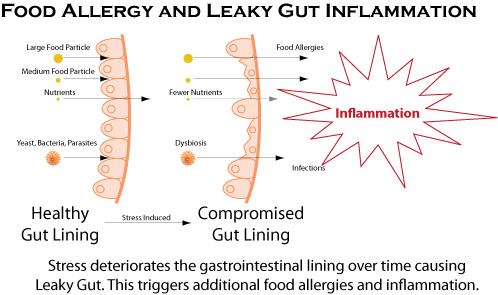
Inflammatory cytokines like IL-1ß, IL-2, IL-6, IL-15, IL-21 and TNFa stimulate T-cells that are cytotoxic. These are the ones that attack the gut mucosa. The mucosa is the lining of the small intestines. When cytokines attack the mucosa it can lead to conditions such as inflammatory bowel syndrome, Crohn’s disease. It can also lead to leaky gut syndrome.

The small intestines are useful not only in food digestion but absorption of nutrients from the digested food into the blood stream. When the small intestines re affected the digestive and nutrition functions are affected too.

Some immune system aspects aid in the suppression of inflammation aspects and thereby inhibiting destruction of tissues that is caused by active T-cells. This is made possible by T regulatory cells that work to counterbalance the active T-cells that attack the mucosa. T regulatory cells reduce the risks of getting immune diseases that end up attacking the tissues of the body like Crohn’s disease and rheumatoid arthritis.

Natural Compounds That Target Pro-inflammatory Cytokines

Besides the T-regulatory cells, there are several natural compounds that can also work to suppress the cytokines that cause gut inflammation.

Curcumin: studies have shown that curcumin acts as an agent of anti-inflammation. Curcumin works by targeting a number of cytokines that are responsible for gut inflammation. These cytokines include among others IL-1, IL-2, IL-6, IL-21 and TNFα. Curcumin combines with cyclosporine to bring about this effect.

Fish Oil: it contains properties of anti-inflammation. These properties have been shown to have the ability of suppressing cytokine that cause inflammation like IL-1, IL-2, IL-6, IL-15 and TNFα. The Omega-3 property in fish oil is responsible for this.

Studies have shown that Omega-3 suppresses these inflammatory cytokines that lead to gut inflammation. In addition to this, fish oil stimulates the body to produce anti-inflammatory cytokines that enhances a decrease of cytotoxic T-cells.

Resveratrol: just like the other natural compounds, resveratrol works by suppressing inflammation causing cytokines. Such cytokine include; IL-1β, IL-2, IL-6 and TNFa. It works by reducing the ability of the T-cells to reach the gut mucosa. This thereby inhibits gut inflammation.

Trans-Resveratrol: it is used to reduce the activation of T-cells in the body. This is by suppressing cytokines involved in activating inflammation agents.

Tea Polyphenols: both black and green tea contains compounds that have been shown to act as strong agents of anti-inflammation. The compound in the tea inhibits the activations of cytokines such as IL-1β, Il-2, IL-6 and TNFα which cause inflammation of the gut.

inflammation

Quercetin: this natural compound is found in things like onions, citrus fruits, apples and grapes. The compound inhibits the activation of inflammatory cytokines like IL-1β, IL-2, IL-6, IL-15 and TNFα.

Vitamin D3: Vitamin D3 works as an anti-inflammatory compound when it comes to gut inflammation. It has been shown to control inflammatory toxics like IL-1β, IL-6 and TNFα which affect the mucosa causing inflammation.

High Proanthocyanidin Grape Seed Extract: grape seed contain a certain compound that is used to reduce the level of Th17 in the body. It also controls immune responses that tend to be aggressive in nature. It controls the differentiation of active T-cells serving as an autoimmune disease and inflammatory agent.

N-Acetyl Cysteine: this compound when combined with vitamin B lowers the levels of homocysteine thus improving the functioning of endothelial. It also works by suppressing the active inflammatory cytokines like TNFα in patients who receive lung transplants. TNFa makes a patient’s body reject transplants but in combination with vitamin B this is no longer a problem.

Contact Dr. Dalal Akoury today, for more information about gut inflammation. For more wellness and awareness tips just visit www.awaremednetwork.com today. AwareMed is the place to be to find any information about health.

Gut Inflammation and Cytokines


Facebooktwitterpinterestlinkedin

Natural exfoliants treatment techniques available

Natural exfoliants treatment techniques available – Why use the natural exfoliants

Natural exfoliants treatment techniques

Natural exfoliants treatment techniques available. Honey and yogurt will unglue the proteins holding those dead skin cells in place delivering good and healthy looking skin.

In our previous article we introduced and discussed a few natural exfoliants like honey, yogurt and baking soda as some of the most natural homemade exfoliating treatments available and we want to further the discussion from where we left further highlighting some natural exfoliants treatment techniques available within your reach. As we progress with this discussion, it would be very necessary that if you’re having any skin related problem, you must not suffer in silence. There is help around you and just a phone call away. You can schedule for an appointment with the experts at AWAREmed Health and Wellness Resource Center under Doctor Akoury’s care who is also the founder of this facility. The beauty of your skin is our priority and we will be glad to help you regain your lost glory in the most professional way using harmless natural exfoliants treatment techniques available. In the meantime, let’s continue with the discussion about the natural exfoliants treatment techniques available.

Natural exfoliants treatment techniques available – Ground Fruit Seeds and Nuts

Unlike honey and yogurt, which unglue the proteins holding those dead skin cells in place, ground fruit seeds like raspberry or blackberry seeds and ground nuts like ground almonds are both popular additions to exfoliating skin care products because they loosen and remove dead cells when massaged onto the skin in a gentle, circular motion.

It’s important when using a friction-based exfoliants scrub to avoid products that contain sharp-edged ingredients such as ground stone-fruit pits (such as peach or apricot) and nut shells (such as ground walnut shells). It’s not the ingredient itself that’s too harsh but rather it’s the way it’s prepared those crushed pits and shells often have jagged edges that can cause micro-tears in your skin, leaving skin vulnerable to blemishes and an uneven skin tone.

If you have a sweet tooth, it may show on your face sugary diets may be increasing your risk of premature aging. But when you apply sugar to your skin, it’s a different story no matter what your skin type.

Sugar is made from sugar cane, which is a natural source of glycolic acid, an alphy hydroxyl acid. Glycolic acid is good at breaking down the protein the glue that keeps dead skin cells from sloughing off, as well as boosting new skin cell production and smoothing and softening skin. Mix one-half cup of with enough olive oil (or grape seed, jojoba or whatever your favorite oil may be) to make a paste. Using circular motions gently massage the mixture into your skin and rinse well. It’s one of the safe natural exfoliants treatment techniques available to use on both the face and the body.

Natural exfoliants treatment techniques available – Oatmeal

Oatmeal is a great food for lowering your cholesterol, but it’s also a cheap natural exfoliants rich in anti-inflammatory properties and acts as a natural moisturizer. And it’s gentle enough not to tear or injure sensitive skin. It is recommended for hydrating honey oatmeal facial. This how you can make the solution at home:

  • Tenderly grind one cup of oatmeal in a blender or food processor
  • Stir together with one cup of plain yogurt or buttermilk and two tablespoons of honey in a small bowl
  • Mix thoroughly until it becomes a smooth paste, and then apply the mixture to your face
  • Leave it on for 15 minutes, and then rinse with warm water

The end product is a perfect natural exfoliants treatment technique.

Natural exfoliants treatment techniques available – Lemon Juice

The lemon tree is very pretty, and the lemon flower is sweet. But the fruit of the poor lemon — well, you know the rest of the lyrics. But lemon juice, like other citrus juices, also contains ,alpha hydroxyl acid which penetrates and removes the protein glue that causes dead skin cells to stick to your epidermis. You can actually make your own citrus exfoliating mask as follows:

  • Mix one-quarter-cup each of lemon juice, apple juice, grape juice and cane sugar in a glass jar, making sure the sugar completely dissolves
  • Then apply the mixture to your face with a cotton ball, and leave it on for 10 minutes before rinsing it off. It will surprise you what the outcome will be.
Natural exfoliants treatment techniques available – Papaya

Papaya contains the enzyme papain, which dissolves old, dead skin cells without harming the younger, live cells beneath much like the prescription medication tretinoin (Retin-A), but without the potential side effects of skin flaking and irritation. It’s also believed that the enzyme can help heal the skin and cause lines and brown age spots to vanish. Papain is most potent in young fruit, so be sure to get green papayas at the local organic supermarket for your skin care regimen. It is recommended that mashing a green papaya and using it to make a facial mask which will deliver very good results.

Natural exfoliants treatment techniques available – Ground Coffee

Not only does coffee perk you up, but it can serve as a potent natural exfoliants treatment as well, provided that you rub the ground-up coffee beans on your skin instead of using them to brew a steaming cup of hot drink. It helps tone the skin as well. It would work well when used as the main ingredient in a body scrub therefore:

  • Mix two cups of coarsely ground coffee with a cup of sea salt and two-to-three tablespoons of massage oil
  • Take a hot shower to moisten your skin and open your pores, and then, using wide circular motions, rub the mixture onto your skin with strong, even pressure
  • Then rinse off the scrub, pat the skin dry with a towel and apply your favorite lotion.

Natural exfoliants treatment techniques available – Sea Salt

Finally while sea salt doesn’t always provide a miracle cure, it does have medicinal value in treating skin conditions such as psoriasis, and its gentle abrasive properties make it a great natural exfoliants, especially for people with dry skin. Now after the discussion of various natural exfoliants treatment techniques available let me pose a question to you. How much can you save by doing all this treatment at home versus taking the other direction? Well, you have the answer and I hope that you will constantly stay in touch with the professionals at AWAREmed Health and Wellness Resource Center under Doctor Akoury’s care for maintenance of beautiful skin.

Natural exfoliants treatment techniques available – Why use the natural exfoliants


Facebooktwitterpinterestlinkedin

Natural Exfoliants works for Skin beauty

Natural Exfoliants works for Skin beauty – For those who want good looking skin

Natural Exfoliants

Natural Exfoliants works for Skin beauty sometimes even better than the artificial ones.

To make and maintain the beauty of your skin, you must allow the skin to regenerate as often as possible. Exfoliation is the process through which dead skin cells are removed from the largest organ in the body for the new ones to form. It is this continuous formation of new skin cells that helps in rejuvenation of a healthy skin. Therefore if you ever want to look good both from inside out, the natural exfoliants works for beauty. This is what experts at AWAREmed Health and Wellness Resource Center under Doctor Akoury’s care does best. This article is going to be discussing some of these natural exfoliants that works well to keep the skin glowing and beautiful. I encourage you to keep on the link so that you can get more informed of certain things you can do on your own at home to maintain the beauty of your skin for a very long time.

Doctor Akoury says that if you want to have good-looking skin, you need to get rid of some of it. Particularly it is needless to keep those old dead cells that have migrated from the deep layers of your skin to the epidermis which is the skin’s top layer. Under normal circumstances the skin will shed off those dead cells after they’ve reached the epidermis and a new skin cell remains part of our skin for about a month before it flakes off but what doesn’t flake away can make your complexion look dull and rough, and even interferes with the secretion of oil from your pores, causing blemishes. This is what we want to address and you can also schedule for an appointment with doctor Akoury for a more in-depth and professional opinion. In the meantime you can solve this problem by applying natural exfoliants which are substances used to eliminate or to scrub away the compiled debris. Remember that regular exfoliation can:

All these will give your skin a healthy, more youthful glow. Exfoliation also helps your moisturizer and skin care treatments penetrate better. When it comes to exfoliation, we have a wide variety of choices. Like for instance:

  • You can make an appointment at a dermatology clinic
  • A trendy spa for a pricey skin-shedding regimen
  • You can buy top-shelf designer skin treatments that retail for more than $100 per tiny tube
  • You can spare your pocket by giving yourself an exfoliating treatment at home, using natural ingredients that you can find at your local supermarket, health-food store or even online

By the way, did you know that some of these ingredients, in fact, are the same ones used in pricy, brand-name exfoliants? Why spend more if you have an alternative? We will help you make some savings by looking at some of the natural exfoliants available around you and which you can easily make at home. The following homemade natural exfoliating treatments are recommended by beauty experts and dermatologists all over the world. We will discuss just a few in this introductory article then proceed with the others in the next article to be entitled “natural exfoliants treatment techniques” so stay tuned on the link because we have more in store for you. Now let’s get started with one of the world’s oldest beauty secrets “honey”.

Natural Exfoliants works for Skin beauty – Honey

Honey is one of the best natural exfoliants ever used in history. It is also one of the oldest natural gift given to the nation of Israel by God as part of the inheritance in the promised land of Canaan (that is for those who believe in the bible). Therefore honey is not just good for sweetening your cup of chamomile it also makes a sweet addition to your skin care routine. Raw, unprocessed honey for instance is the best topical antiseptic because it has anti-bacterial, anti-viral and anti-fungal benefits thereby, necessitating the reduction or elimination of certain occurrence of skin infections, and it also helps in fighting acne.

Honey is packed full of antioxidants, which enables your skin to better protect and repair itself, and it’s been shown to reduce inflammation, too. Honey helps to speed up the natural exfoliation process and it has humectant qualities, as well, meaning that it attracts moisture to your skin, making it great for a hydrating facial scrub. This is therefore one of the best known homemade natural exfoliants in history of creation and now in beauty.

Natural Exfoliants works for Skin beauty – Yogurt

When a child is born, its main food is milk. When we talk of getting a glowing youthful skin we are simply saying that we need that skin as tender as that of a baby. Now yogurt is a product from milk and so you can begin to see the benefit of milk to your skin. Back to the product “yogurt” it may be good for staple in your kitchen, but did you know it’s also good for your skin? Yogurt contains lactic acid, which is an alpha hydroxyl acid (the same kind you’ll find in prescription skin care treatments) but at a concentration so mild it’s gentle enough to use on any skin type, face and body.

Yogurt (and milk, too) hydrates and exfoliates, has skin-smoothing and soothing benefits, and the lactic acid may also help to even out your skin tone as well. Apply plain yogurt as a facial or to larger areas of your body and allow it set for about 20 minutes, then rinse. As you do the rinsing all the debris will also be rinsed away leaving you with that desired glowing skin.

Natural Exfoliants works for Skin beauty – Baking Soda

I can guarantee that you’re having a baking soda in your house in the form of a box of baking soda in your fridge for odor control and in your pantry for baking. It may even be in your toothpaste and in eco-friendly cleaners. In brief it’s an all-purpose, non-abrasive gal Friday. However what you might not have known is that you should be using it to clean and exfoliate your skin as well. In fact, some of the expensive in-office microdermabrasion treatments contain sodium bicarbonate. And sodium bicarbonate is nothing more than baking soda. Adding a teaspoon and if you have a sensitive or mature skin, then you will reduce the quantity, to your everyday facial cleanser to turn your morning wash into a spa-worthy treatment. Finally as I had indicated earlier, these are just but a few and I encourage you to stick with the link to get more in the next article. In the meantime you can schedule for an appointment with doctor Akoury to help you keep your beauty through the use of natural exfoliants.

Natural Exfoliants works for Skin beauty – For those who want good looking skin


Facebooktwitterpinterestlinkedin