Category Archives: Dr. Dalal Akoury

Application of Antioxidants for Cancer Prevention

Application of Antioxidants for Cancer Prevention: Taming the unstable Free Radicles

Application of Antioxidants for Cancer Prevention

Application of Antioxidants for Cancer Prevention is just the beginning, a lot more can be done

The human health is always in danger of attacks from all manner of diseases. People literally spend more than half and sometimes all their lifetime saving on medication. This trend if not addressed may render economies of many states to a halt. For every state to be productive they need to produce and there will be no production without man power. When the citizens are sick the economy is also sick. Cancer is one of the major life threatening health conditions today that needs to be addressed. Therefore we want to help you in this article with some tips you can use to be safe and healthy. Our focus is going to be on the application of antioxidants for cancer prevention. This is a very interesting discussion that you don’t want to miss. The experts at AWAREmed Health and Wellness Resource Center under the able leadership of doctor Dalal Akoury gives the following attributes and definitions of antioxidants:

  • Antioxidants are substances that may protect cells from the damage caused by unstable molecules known as free radicals. Free radical damage may lead to cancer.
  • Antioxidants interact with and stabilize free radicals and may prevent some of the damage free radicals may have caused. Examples of antioxidants include beta-carotene, lycopene, vitamins C, E, and A and other substances.
  • Antioxidants are chemicals that interact with and neutralize free radicals, thus preventing them from causing damage. Antioxidants are also known as “free radical scavengers.”
  • Antioxidants are chemicals that block the activity of other chemicals known as free radicals. Free radicals are highly reactive and have the potential to cause damage to cells, including damages that may lead to cancer.
  • Free radicals are formed naturally in the body. In addition, some environmental toxins may contain high levels of free radicals or stimulate the body’s cells to produce more free radicals.
  • Some antioxidants are made naturally by the body. Others can only be obtained from external (exogenous) sources, including the diet and dietary supplements.
  • Laboratory and animal research has shown that exogenous antioxidants can help prevent the free radical damage associated with the development of cancer.
  • Research in humans has not demonstrated convincingly that taking antioxidant supplements can help reduce the risk of developing or dying from cancer, and some studies have even shown an increased risk of some cancers

From the briefs above it is evident that we deal expeditiously with free radicles if we are to be safe. Therefore in many cases the body will make some of the antioxidants it uses to neutralize the free radicals. These antioxidants are called endogenous antioxidants. However, the body relies on external (exogenous) sources, primarily the diet, to obtain the rest of the antioxidants it needs. These exogenous antioxidants are commonly called dietary antioxidants. Fruits, vegetables, and grains are rich sources of dietary antioxidants. Some dietary antioxidants are also available as dietary supplements. Examples of dietary antioxidants include beta-carotene, lycopene, and vitamins A, C, and E (alpha-tocopherol). The mineral element selenium is often thought to be a dietary antioxidant, but the antioxidant effects of selenium are most likely due to the antioxidant activity of proteins that have this element as an essential component (i.e., selenium-containing proteins), and not to selenium itself.

Application of Antioxidants for Cancer Prevention: Can antioxidants prevent cancer?

The question that lingers in everybody’s mind is “can antioxidants prevent cancer?” Considerable laboratory evidence from chemical, cell culture, and animal studies indicates that antioxidants may slow or possibly prevent the development of cancer. However, the findings according to recent clinical trials were non-committal. Which then brings us to the next point of concern and that is “should people already diagnosed with cancer take antioxidant supplements?”

Application of Antioxidants for Cancer Prevention: Should people already diagnosed with cancer take antioxidant supplements?

Experts in several randomized controlled trials have investigated whether taking antioxidant supplements during cancer treatment alters the effectiveness or reduces the toxicity of specific therapies. Even though their findings were not consistent, there was evidence that people who took the antioxidant supplements during cancer therapy had worse outcomes. This result was very evident especially with those patients who were smoking. With the inconsistency it leaves room for more studies to be done to get the clear scientific evidence about the potential benefits or harms of taking antioxidant supplements during cancer treatment. In the meantime patients opting for the use of antioxidant supplement needs to consult with their doctors for direction.

Application of Antioxidants for Cancer Prevention: Which foods are rich in antioxidants?

As a matter of guidance, it is very important that you are aware of some of the food stuff that is rich in antioxidants. Most of such food stuff are in various kinds of fruits and vegetables besides other foods like nuts, grains and some meats, poultry and fish. The following are just but a small collection of such food:

Beta-carotene is found in many foods that are orange in color, including sweet potatoes, carrots, cantaloupe, squash, apricots, pumpkin, and mangos. Some green leafy vegetables including collard greens, spinach, and kale are also rich in beta-carotene.

Lutein, best known for its association with healthy eyes, is abundant in green, leafy vegetables such as collard greens, spinach, and kale.

Lycopene is a potent antioxidant found in tomatoes, watermelon, guava, papaya, apricots, pink grapefruit, blood oranges, and other foods. Estimates suggest 85 percent of American dietary intake of lycopene comes from tomatoes and tomato products.

Selenium is a mineral, not an antioxidant nutrient. However, it is a component of antioxidant enzymes. Plant foods like rice and wheat are the major dietary sources of selenium in most countries. The amount of selenium in soil, which varies by region, determines the amount of selenium in the foods grown in that soil. Animals that eat grains or plants grown in selenium-rich soil have higher levels of selenium in their muscle. In the United States, meats and bread are common sources of dietary selenium. Brazil nuts also contain large quantities of selenium.

Vitamin A is found in three main forms: retinol (Vitamin A1), 3, 4-didehydroretinol (Vitamin A2), and 3-hydroxy-retinol (Vitamin A3). Foods rich in vitamin A include liver, sweet potatoes, carrots, milk, egg yolks and mozzarella cheese.

Vitamin C is also called ascorbic acid, and can be found in high abundance in many fruits and vegetables and is also found in cereals, beef, poultry and fish.

Vitamin E, also known as alpha-tocopherol, is found in almonds, in many oils including wheat germ, safflower, corn and soybean oils, and also found in mangos, nuts, broccoli and other foods.

Finally cancer is not a disease you would want anywhere near you by all means. If you have never gone for checkup for cancer it is never too late to do it right now. Your health is worth the effort and for any pending concern you may have, you can call doctor Akoury today for assistance.

Application of Antioxidants for Cancer Prevention: Taming the unstable Free Radicles


Facebooktwitterpinterestlinkedin

Endocrine Therapy for Premenopausal and Postmenopausal for Women

Endocrine Therapy for Premenopausal and Postmenopausal for Women: Breast Cancer

Endocrine Therapy for Premenopausal and Postmenopausal for Women

Endocrine Therapy for Premenopausal and Postmenopausal for Women are very essential in the cancer treatment for all women of all ages

At the mention of the disease cancer people frown and frustration follows almost immediately. Knowing how the kind of pain and suffering the cancer patients go through, a painless treatment solution would be highly recommended. Unfortunately as things stand now this is not the case further complicating the painful lives of cancer patients. Even though cancer does not discriminate on gender or otherwise, women are hard hit by this unhealthy condition. A lot of treatment procedures are being used including the endocrine therapy for premenopausal and postmenopausal for women. Speaking to doctor Dalal Akoury MD and founder of AWAREmed Health and Wellness Resource Center about this condition, she states that women who have been diagnosed with estrogen receptor-positive breast cancer will often most likely be prescribed for daily oral medication after all other treatment ends. However, it is important to note that for endocrine therapy prescription will be done differently for each patient depending on whether they are premenopausal or postmenopausal.

Endocrine Therapy for Premenopausal and Postmenopausal for Women: Endocrine Therapy for Premenopausal Women

Under normal circumstances premenopausal women with breast cancers that express the estrogen or progesterone receptor (ER or PR-positive) will in most cases advised to take tamoxifen for sometimes normally up to five years. This drug impacts the effects of estrogen in cancer cells and helps reduce the risk that the breast cancer will recur in women of any age by almost 50 percent.

Remember that this medication (Tamoxifen) can also be helpful in the reduction of the risk of developing a new breast cancer in the portions of the breast not affected yet. In some cases, women who are younger than 35-40 may also be considered for combined endocrine therapy with medications that temporarily stop ovarian function.

Doctor Akoury registers that in many cases majority of women stop menstruating after receiving chemotherapy, often for several months even though this may extend to a few years. It is also possible that these women despite this changes they are experiencing could still have functioning ovaries and premenopausal hormonal levels despite the absence of their menstrual periods. Besides, the ovarian function could still return unexpectedly. That said, women who are premenopausal, regardless of whether they experience temporary menopause because of treatments, should not be prescribed aromatase inhibitors (unless they are participating in specific clinical research studies). Aromatase inhibitors are typically reserved for postmenopausal women with breast cancer.

Endocrine Therapy for Premenopausal and Postmenopausal for Women: Side effects of tamoxifen

Like with all other drugs the side effects of tamoxifen are generally mild and decreases with time. They include:

  • Hot flashes
  • Decreased interest in sexual activity
  • Weight changes
  • Insomnia or trouble sleeping
  • Vaginal discharge
  • Fertility issues
  • Memory loss
  • Fatigue
  • Joint pain
  • Headaches
  • Hair loss
  • Skin changes
  • Menstrual irregularity
  • Increased sweating
  • Nausea
  • Mood swings

Note that some side these effects can be alleviated through symptom management and other positive lifestyle changes.

Endocrine Therapy for Premenopausal and Postmenopausal for Women: Risk Factors

Serious complications with tamoxifen are rare, especially in women below the age of 50. Some of the complications may include blood clots (deep venous thrombosis or pulmonary embolism) or uterine (endometrial) cancer.

Endocrine Therapy for Premenopausal and Postmenopausal for Women: Ovarian Suppression or Ablation

For premenopausal women with estrogen receptor-positive breast tumors, ovarian ablation or suppression (stopping ovary function) may be an option. Since a premenopausal woman’s ovaries are the main source of estrogen production, temporarily or permanently shutting off their function has been shown to be effective (when used alone) in reducing the chances of a breast cancer recurrence. Studies are now confirming their usefulness when given with tamoxifen instead of chemotherapy or after chemotherapy. This is called ovarian ablation or suppression and can be done through surgery (permanently) or monthly hormonal injections (temporarily). The injection of medication will prevent you from ovulating or menstruating and will put you in temporary menopause. Surgery will prevent you from having to undergo monthly injections, but will put you in irreversible menopause. You should speak to your doctor regarding any plans to conceive children so that together you can decide which option is best for you and your family.

Endocrine Therapy for Premenopausal and Postmenopausal for Women: Ovarian Ablation

A bilateral oophorectomy or ovarian ablation is the surgical removal of your ovaries. This procedure is sometimes recommended if you have been identified as carrying a BRCA1 or BRCA2 genetic mutation and have an increased risk of developing ovarian cancer.  The surgical removal of your ovaries will reduce circulating estrogens in your body down to postmenopausal levels. This surgery is permanent and cannot be undone. For premenopausal women, an oophorectomy will prevent you from conceiving children and will cause permanent menopause.

Endocrine Therapy for Premenopausal and Postmenopausal for Women: Ovarian Suppression

Ovary suppression can be achieved by hormonal drug injections known as gonadotropin-releasing hormone (LH-RH or GnRH) agonist. This works by temporarily suppressing ovulation and, as a result, limiting the amount of estrogen circulating in your body. Estrogen levels usually are reduced to postmenopausal levels within two weeks. Treatment is generally administered by monthly injections. Although you will be in a temporary menopause while taking this drug, it is important to note that this is generally reversible and menstruation often begins shortly after treatment stops. This is not a fail-proof birth control method so you should use a non-hormonal form of contraception too, like an IUD or barrier methods such as condoms or a diaphragm. Side effects are similar to menopausal symptoms and include decreased sex drive, hot flashes, weight gain and bone pain. And to maximize on its effectiveness, ovarian suppression drugs and tamoxifen can be prescribed alongside.

Endocrine Therapy for Premenopausal and Postmenopausal for Women: Drug interactions

Antidepressants – It is estimated that as many as 30 percent of all breast cancer patients in the United States are prescribed an antidepressant at some time during their treatment. However some of these antidepressants may interfere with how tamoxifen works and therefore should be avoided. The following are some of the antidepressants which are expected to interfere with tamoxifen:

Paxil® (paroxetine)
Prozac® (fluoxetine)
Wellbutrin® (bupropion)

In conclusion the endocrine therapy for premenopausal is conclusively addressed in this article and we are going to be concentrating on the postmenopausal in the next article. We want to request you to stay on the link for more health information. But in the meantime, if you have any concern you can about such treatments, you can schedule for an appointment with doctor Akoury for more professional clarification.

Endocrine Therapy for Premenopausal and Postmenopausal for Women: Breast Cancer


Facebooktwitterpinterestlinkedin

Getting active to Solve Heart Disease Problem

Getting active to Solve Heart Disease Problem: There is Health in Exercise

Getting active to Solve Heart Disease Problem

Getting active to Solve Heart Disease Problem is just the starting point. A lot more can be done to prevent since prevention is better than cure

It is always said that there is health in exercise but many people do see it that way. Many people are 50-50 is appreciating this fact and that is why even though they know, they are still not handling matters to do with physical activities with the seriousness it deserve. Looking at the gap and how it impacts to the societies across the globe doctor Dalal Akoury resolved to offer her contribution by establishing a health facility (AWAREmed Health and Wellness Resource Center) which promotes getting active to solve the heart disease problems and many other diseases related to being inactive. Physical activities is applicable to all ages and therefore whatever your age, you’re a candidate of exercise and being active now will make an immediate impact on your health and protect it in the future too.

Being physical active helps control your weight, reduce blood pressure and cholesterol and improve your mental health and thereby helping you to look and feel great. Many health problems can easily be avoided or solved by regular engagement in physical activities. Doctor Akoury says that the importance of being active is full of health and therefore even if you have a physical health problem which you feel interferes with your ability to be active, you must not stop there consoling yourself that because of that health condition you can’t be active. Everybody needs to be actively involved in the physical activities and so it is advisable that you consult with your doctor about your condition. By doing this you doctor will be able to help you recommend the amount and type of activity that is right for you after all there is health in exercise.

And for those who have a heart condition, or are at high risk of developing heart disease for example because you have high blood pressure, you must ensure that you act in speed and consult with the expert at AWAREmed Health and Wellness Resource Center under the able leadership of doctor Dalal Akoury today for immediate action. Remember that since there is health in exercise, you should aim to be active every day and build up to a minimum of 150 minutes of moderate intensity aerobic activity on a weekly basis. And just points of reminder do not forget that every 10 minute counts. Even as you consider starting if you have not been doing so, it is necessary that you begin slowly and gradually, like for instance you may start with sessions of at least ten minutes in a day. From there you can graduate by building up the number of sessions you do each day as you get adopted to the exercise.

Getting active to Solve Heart Disease Problem: Where do I start?

You must have realized that I have already begun responding to this concern, however the benefits of being more active is derived from all kinds of physical activity. Whatever you settle on will add more value to you and the more you increase your time being active the better for your health says doctor Akoury. Back to the question “where do I start?” you could start from anywhere like for instance the traditional activities like swimming, exercise classes or playing a sport all count. Physical activity also includes the normal daily activities or duties you are doing like walking, gardening, climbing stairs and even the household duties like cleaning.

To keep on the objective, it is important that you choose such activities that you enjoy, helping you achieve your goals and keep you motivated. Are you a fun of ballroom dancing, tennis, trampolining, yoga or Pilates a try? You could try them nonetheless you should also do something that helps in strengthening your muscles at least twice a week. This could be exercising with weights, working with resistance bands, heavy gardening or carrying shopping.

Getting active to Solve Heart Disease Problem: Build on what you’re already doing

You might not realize just how active you already are. Can you take a moment and think about the activities you’re already doing and the ones you’d like to do in the future. Download and fill in your own activity diary sheet to find out how much you’re already doing. The easiest way to get active is to build it into your everyday life. It need not be a big change to your daily habits, but it could have a big impact on your health. Just some little tips on what you could incorporate:

  • Walking more each day. You don’t need to dress up in sportswear to get active.
  • Climb the stairs more often.
  • Avoid sitting down for long periods.
  • Meet your friends more regularly. Walk or cycle to and from local places whenever you can.
  • Do more activity in your leisure time. Exercising in a class or with a group is a good way to meet new people and make new friends

Getting active to Solve Heart Disease Problem: Your weight and heart disease

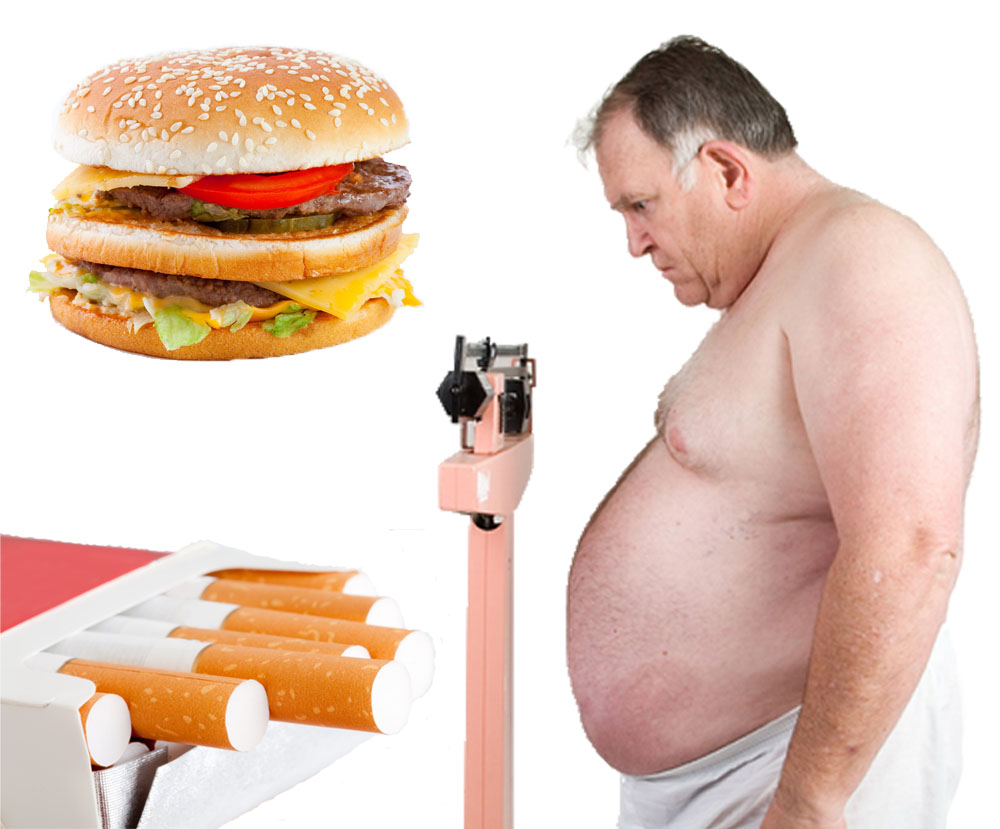
If you are overweight or obese you are more likely to develop coronary heart disease than someone who is having a healthy weight. The heart diseases can be very devastating and the sooner they are dealt with the better. As you consider taking on physical activities to prevent heart conditions, remember to consult with your doctor since not everyone with a heart condition can do exercise the same way. In this regard doctor Dalal Akoury will be very instrumental in advising you professionally if only you can schedule for that much deserving appointment with her today.

Getting active to Solve Heart Disease Problem: How does my weight affect my health?

There is no doubt that being overweight or obese is a serious factor in causes of heart diseases and other health complications. This has been established by the various research findings that being overweight or obese:

Doctor Akoury says that because these are risk factors for coronary heart disease, your weight can have a big impact on your long-term health. Remember that even if you don’t have any of these conditions, it’s still very important to keep to a healthy weight so you don’t develop them in future.

The good news is that if you’re overweight or obese, you can reduce your risk of coronary heart disease by reaching and keeping to a healthy weight. You can make a real difference to your heart health with small lifestyle changes, by eating healthily, keeping active, and being aware of what affects your risk.

Getting active to Solve Heart Disease Problem: There is Health in Exercise


Facebooktwitterpinterestlinkedin

Diabetes and Coronary Heart Disease

Diabetes and Coronary Heart Disease: Understanding the Effects of Diabetes

Diabetes and Coronary Heart Disease

Diabetes and Coronary Heart Disease. The many risks of heart diseases can and must be avoided. Health must come first

Diabetes is a serious factor in causing coronary heart diseases. If you have diabetes for instance, you are more likely to develop coronary heart disease than someone without diabetes. It is therefore very important that you understand the relationship between diabetes and coronary heart disease for you to be able to take the appropriate action in keeping healthy. Experts have established that diabetes causes high levels of glucose in the blood and when this happens, it impacts negatively on the walls of the arteries causing them to be more likely to develop fatty deposits commonly known as atheroma. If this atheroma is allowed to build up in the coronary arteries (the arteries that supply oxygen-rich blood to your heart) the individual affected is likely to develop coronary heart disease which can eventually cause heart attack and angina says doctor Dalal Akoury MD and founder of AWAREmed Health and Wellness Resource Center. Now let us try to understand diabetes better in the context of causing coronary heart disease.

Diabetes and Coronary Heart Disease: Types of diabetes

We have two common types of diabetes the type 1 diabetes and type 2 diabetes. Type 1 diabetes happens when the body lucks the capacity to produce insulin. This type of diabetes is very common with the children and young adults. Type 2 diabetes occurs when your body can’t produce enough insulin or the insulin doesn’t work properly. Type 2 diabetes is more common and tends to develop gradually as people get older usually after the age of 40. This type of diabetes is closely associated with being overweight, being physically inactive and having a family history of diabetes. Like most people in the south Asia origin and African Caribbean are associated with higher rates of diabetes. Nonetheless when diabetes is present, the most important thing is how to eliminate it and reduce the risk of other complications that come with it. Therefore you can effectively reduce your risk of developing diabetes by controlling your weight and doing regular physical activity.

The great news is that doing these things will also make you less likely to develop other cardiovascular diseases such as coronary heart disease and stroke as well as being great for your general mental and physical wellbeing. Whenever we mention engagement in physical activities many people do wonder how and whether they will achieve their set objectives. If this describes you then you need ton to worry for you are not alone. The most important thing to do is to resolve to take the first step of acknowledgement and willingness to lose. When this is done doctor Dalal Akoury will take you through the best and natural weight lose exercises in the most professional way that will leave you much healthier. Remember that by losing weight and being active, you will be succeeding in solving several health complications as already mention.

Diabetes and Coronary Heart Disease: How can I protect my heart if I already have diabetes?

If you have diabetes, it’s very important to make sure that you control your blood sugar, blood pressure and cholesterol levels to help reduce your risk of coronary heart disease and other cardiovascular diseases. To do this you can chose to:

  • To more physical activity
  • Eat a healthy, balanced diet
  • Control your weight, and
  • Stop up smoking.

If you are diagnosed with diabetes, you may also need to take a cholesterol-lowering medicine such as statins to help protect your heart.

Diabetes and Coronary Heart Disease: Family history

If you have a family history of cardiovascular disease, you have an increased risk of developing cardiovascular diseases such as coronary heart disease, angina, heart attack, heart failure and stroke. Ideally you will be considered to have a family history of cardiovascular disease if:

  • Your father or brother was under the age of 55 when they were diagnosed with cardiovascular disease or
  • Your mother or sister was under the age of 65 when they were diagnosed with cardiovascular disease.

Doctor Akoury says that if you have family history of cardiovascular disease, it will be very important that you consult with your doctor in good time for professional evaluation which may include checking on your blood pressure and cholesterol.

Diabetes and Coronary Heart Disease: How does family history affect me?

Genes can pass on the risk of cardiovascular disease, and they can also be responsible for passing on other conditions such as high blood pressure or high cholesterol levels. There’s no single gene that increases your risk of getting heart disease. It’s likely that several genes are responsible. Lifestyle habits, such as smoking or poor diet passed on from one generation to the next can also increase the risk of cardiovascular disease.

Diabetes and Coronary Heart Disease: Can I do anything about my family history?

This is very important but unfortunately there is nothing you can do about your family history. Having a family history of cardiovascular disease is sometimes called a ‘non-modifiable’ risk factor meaning that it’s a risk factor that you can’t change. However, whilst you can’t change your family’s background, you can choose your lifestyle.  So even if you have a family history, you can reduce your risk of getting cardiovascular disease by controlling other risk factors by:

  • Being physically active
  • Eating well
  • Keeping to a healthy weight and body shape
  • Not smoking
  • Managing high blood pressure
  • Managing high cholesterol, and
  • Controlling diabetes, if you have it.

Finally your risk of developing cardiovascular disease also depends on other things including your age. According to the several research findings, it has been established that the older you are, the more likely you are to develop cardiovascular disease. Therefore it is advisable that you be on top of everything when it comes to protecting your health. Talking to the experts is one way of being in the know. I would want to beseech you to call the experts at AWAREmed Health and Wellness Resource Center and schedule for an appointment with doctor Dalal Akoury for a comprehensive review of your health and treatment where is applicable.

Diabetes and Coronary Heart Disease: Understanding the Effects of Diabetes


Facebooktwitterpinterestlinkedin

High Cholesterol and Cardiovascular diseases

High Cholesterol and Cardiovascular diseases: Causes of Heart Complications

High Cholesterol and Cardiovascular diseases

High Cholesterol and Cardiovascular diseases. The cardiovascular diseases could be prevented with proper control of cholesterol intake

Cholesterol is a fatty substance normally found in the blood. Whereas cholesterol is useful in human life, when it is in excess, it becomes chronic and can cause very devastating health conditions. Therefore if you have too much cholesterol in your blood, you stand a greater risk of contracting heart diseases and other cardiovascular diseases. To help us understand better the impact of high cholesterol and cardiovascular diseases, we spoke to doctor Dalal Akoury the MD and founder of AWAREmed Health and Wellness Resource Center and she is going to help us bring certain health matters into perspective. To begin with, let us first of all understand what cholesterol is in human life. Cholesterol is a fatty substance carried around the body by proteins. A combination of cholesterol and proteins will make a substance known as lipoproteins. With this combination come two types of lipoproteins:

  • Low-density lipoproteins (LDL) are known as the bad type of cholesterol. LDL carries cholesterol from your liver to the cells that need it.
  • High-density lipoprotein (HDL) is known as the good type of cholesterol. HDL carry cholesterol away from the cells and back to the liver to be broken down.

Doctor Akoury says that too much bad cholesterol (LDL) in your blood can cause fatty material to build up in your artery walls. This becomes even more risky if the concentration of bad of bad cholesterol is higher than that of the good cholesterol. It must be noted that cholesterol is measured in millimols per liter of blood (mmol/l) and the recommended levels is always under 4mmol/l, this is particularly necessary if you are at risk of or even if you already have heart and circulatory disease. With that done, it is also important that you aim to have your LDL under 2mmol/l and your HDL above 1 mmol/l.

High Cholesterol and Cardiovascular diseases: What are triglycerides?

Triglycerides are another type of fatty substance in the blood. Like LDL cholesterol (the bad type), triglycerides are also bad. They’re found in foods such as dairy products, meat and cooking oils. They can also be produced in the body, either by the body’s fat stores or in the liver. Ideally, your triglyceride level should be less than 1.7mmol/l. If you have high triglyceride levels, you may have a greater risk of developing cardiovascular disease than people with lower levels. If you are very overweight, eat a lot of fatty and sugary foods, or drink too much alcohol, you are more likely to have a high triglyceride level.

High Cholesterol and Cardiovascular diseases: Causes high Cholesterol

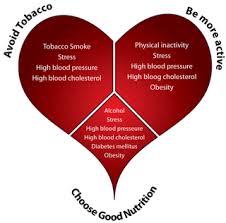
There is no one single cause for high cholesterol. Many different factors can contribute to high cholesterol such as:

Having an inherited condition known as familial hyper-cholesterolaemia (FH) can also cause exceptionally high cholesterol even if you have a healthy lifestyle.

High Cholesterol and Cardiovascular diseases: What works in the reduction of cholesterol level?

Eat a healthy balanced diet Eating lots of fruit, vegetables, and wholegrain is better than eating foods high in saturated or Tran’s fats. You can replace saturated fats with the healthy monounsaturated and polyunsaturated fats such as olive, rapeseed or sunflower oils and spreads. It is interesting to note that food stuff that people often ignore is actually the best in keeping the good health we all desire. Therefore only settle for foods that are high in soluble fiber like the beans, oats, lentils, nuts, fruits and vegetables. Soluble fibers are very effective and can help in lowering the levels of cholesterol.

Regular exercise – Regular physical activity can help increase your HDL cholesterol (the good type of cholesterol). Staying active is great way to keep your heart healthy. While this can be very simple to do, many have failed in maintaining the consistency of exercise. If you too is a candidate of inconsistency, then scheduling for an appointment with the experts at AWAREmed Health and Wellness Resource Center will be very helpful to you. This facility was established by doctor Dalal Akoury primarily to help people with such difficulties.

Quit smoking – Quitting smoking can help to lower your cholesterol and improve your heart health. Actually there is nothing good about smoking when it comes to your health. Even if it was not about cholesterol smoking generally is harmful and life threatening in all dimensions.

Patients who visit my office in relation to cholesterol often ask this question, “Will I need to take medication?” medication is necessary; however whether yes or no taking cholesterol medication is not a matter to decide on the street. It will depend on your overall risk of cardiovascular disease. Like for instance, cholesterol medications like statins are only prescribed to patients who are at greatest overall risk of cardiovascular disease.

When it comes to the roles of sterol-enriched foods in helping in the reduction of cholesterol level the effect varies between individuals, there is evidence to show that plant sterols and stanols can help to reduce LDL cholesterol by levels up to 10-15% when 2g per day is regularly consumed as part of a healthy balanced diet. It must be noted that even though there is an expectation that this would lead to fewer heart attacks, scientifically no clinical trials have been undertaken to show this. Nonetheless sterols and stanols is a common ingredients in several food products we use some of which may include margarines, spreads, soft cheeses and yoghurts.

High Cholesterol and Cardiovascular diseases: Will eating too many eggs raise my cholesterol?

For most people, the amount of saturated fat they eat has much more of an impact on their cholesterol than eating foods that contain cholesterol, like eggs, liver, kidneys and shellfish. Unless you have been told otherwise by your doctor or dietician, if you like eggs, they can be included as part of a balanced and varied diet. Finally in whatever you chose to do always make wide consultations with the experts before you proceed with the action. The experts opinion will help you avoid mistakes before they happen. Remember that with health there is no trial and error, everything has to be done well to perfection. This perfection you can only get at AWAREmed Health and Wellness Resource Center only if you can make that very important call today.

High Cholesterol and Cardiovascular diseases: Causes of Heart Complications


Facebooktwitterpinterestlinkedin