Category Archives: Dr. Dalal Akoury

Treatment for Attention Deficit Hyperactivity Disorder

Treatment for Attention Deficit Hyperactivity Disorder: The two Components of ADHD

Treatment for Attention Deficit Hyperactivity Disorder

Treatment for Attention Deficit Hyperactivity Disorder Symptoms include difficulty staying focused and paying attention, difficulty controlling behavior, and hyperactivity (over-activity

The joy of being healthy cannot be compared with anything and cannot be quantify into monetary value. The problem we have today is that such important assets are seriously under immense threat and is being attacked by diseases from all directions and in all ages. Some of the diseases can begin even before conception and by the time one is born, the magnitude of the problem is unbearable. This link is objectively design to bring to your attention the health information from various health conditions and today we want to look at the available treatment for attention deficit hyperactivity disorder (ADHD). Attention deficit hyperactivity disorder (ADHD) is one of the most common childhood disorders and can continue through adolescence and even into adulthood. Symptoms include difficulty staying focused and paying attention, difficulty controlling behavior, and hyperactivity (over-activity). This condition has two important components to look at it from; the psychological interventions and medications. Doctor Akoury says that there are adequate evidences from various studies that medication alone may not effectively help the primary issues affecting the patients whether they are children or adult. Therefore it is very important that the patients’ needs to know more about this condition inside out to be able to successful while living with the disorder. That now introduces into understanding the symptoms of ADHD.

Treatment for Attention Deficit Hyperactivity Disorder: Signs and Symptoms

Inattention, hyperactivity, and impulsivity are the key behaviors of ADHD. It is normal for all children to be inattentive, hyperactive, or impulsive sometimes, but for children with ADHD, these behaviors are more severe and occur more often. To be diagnosed with the disorder, a child must have symptoms for 6 or more months and to a degree that is greater than other children of the same age. Children who have symptoms of inattention may demonstrate the following:

  • They can easily be distracted, miss details, forget things, and frequently switch from one activity to another
  • Have difficulty focusing or concentrating on one assignment
  • Become bored with a task after only a few minutes, unless they are doing something enjoyable
  • Have difficulty focusing attention on organizing and completing a task or learning something new
  • Have trouble completing or turning in homework assignments, often losing things (e.g., pencils, toys, assignments) needed to complete tasks or activities
  • Not seem to listen when spoken to
  • Daydream, become easily confused, and move slowly
  • Have difficulty processing information as quickly and accurately as others
  • Struggle in following given instructions.

Children who have symptoms of hyperactivity may demonstrate the following:

  • Fidget and squirm in their seats
  • Be talkative
  • Dash around, touching or playing with anything and everything on sight
  • Have trouble sitting still during dinner, school, and story time
  • Be constantly in motion
  • Have difficulty doing quiet tasks or activities.

Children who have symptoms of impulsivity may demonstrate the following:

  • Be very impatient
  • Blurt out inappropriate comments, show their emotions without restraint, and act without regard for consequences
  • Have difficulty waiting for things they want or waiting their turns in games
  • Often interrupt conversations or others’ activities.

Treatment for Attention Deficit Hyperactivity Disorder: Treatments

Because of the nature of this condition treatment is very important to be administered in good time after evaluating the symptoms for the six months. Interestingly at the moment doctor Akoury says that the available treatments is majorly focusing on the reduction of the symptoms of ADHD and improving functioning. When you pay a visit to any health facility where ADHD treatment is offered like at AWAREmed Health and Wellness Resource Center a facility established by doctor Dalal Akoury, when the relevant test have been done, treatments will include medication, various types of psychotherapy, education or training, or a combination of treatments. It is however very important to note that, these treatments will relieve many disorders symptoms even though there is no cure. When treatment is done effectively, many patients are able to get better and be successful in there academics for a better life in the future. A lot of studies are currently being done to establish the actual treatment and interventions of ADHD.

Treatment for Attention Deficit Hyperactivity Disorder: Medications

Stimulant is the most common type of medication used for treating ADHD. Although it may seem unusual to treat ADHD with a medication considered a stimulant, it actually has a calming effect on children with ADHD. Many types of stimulant medications are available. A few other ADHD medications are non-stimulants and work differently than stimulants. For many children, ADHD medications reduce hyperactivity and impulsivity and improve their ability to focus, work, and learn. Medication also may improve physical coordination. And even though medication will work better in offering solutions to ADHD patients and more so in children, it is important to note that the same medication may not work in the same manner with every child patient. In other words what works for one patient may not really work for the other. One child might react with the medication negatively and yet another may not. For effectiveness it may necessitate that different medications or dosages must be tried before finding one that works for a particular child. Therefore any child taking medications must be kept under close observation by their health professionals during this period.

Finally stimulant medications come in different forms including the pills, capsule, liquid or skin patch. Some medications also come in short-acting, long-acting, or extended release varieties. In each of these varieties, the active ingredient is the same, but it is released differently in the body. Long-acting or extended release forms often allow a child to take the medication just once a day before school, so they don’t have to make a daily trip to the school nurse for another dose. Parents and doctors should decide together which medication is best for the child and whether the child needs medication only for school hours or for evenings and weekends too. ADHD can be diagnosed and medications prescribed by medical doctors who are usually practicing psychiatrist though in some states the prescription could also be done by clinical psychologists, psychiatric nurse practitioners, and advanced psychiatric nurse specialists.

Treatment for Attention Deficit Hyperactivity Disorder: The two Components of ADHD


Facebooktwitterpinterestlinkedin

Quitting Smoking without fear of Gaining Weight

Quitting Smoking without fear of Gaining Weight: How to kick the habit without packing on the pounds

Quitting Smoking without fear of Gaining Weight

Quitting Smoking without fear of Gaining Weight include seeking for help, advice and support from the family

You have been in a weight loss class and your instructor noticed that you are smoking. He tells you that smoking is not only harmful to your health but will also rearrange your facial appearance. And because you want to look good you desire to quit is primarily to look good both on the body and on appearance. But wait a minute you missed appoint and you have just remembered, that he also said that while quitting you will gain a little more as a result of losing. This point sends you thinking of the great contradiction. You registered to lose and not to gain, the instructor tells you to quit smoking which is going to work against your desire to lose weight. You are in a dilemma and I totally agree with you. This dilemma is what I want to address in this article. Our focus is going to be on quitting smoking without fear of gaining weight.

We spoke to doctor Dalal Akoury who is a medical doctor specializing on addiction, obesity and weight gain and also the MD and founder of AWAREmed Health and Wellness Resource Center to help us in unlocking certain all your concerns. Doctor Akoury has been in the medical practice for more than two decades and has help many people deal with their addiction alongside weight gain and yours will not be a problem if only you can schedule for an appointment with her today. Doctor Akoury says that if you are a smoker, the best thing you can do for your health which is the most valuable asset you have is to eliminate and completely kick out the smoking habit from your life.

Quitting Smoking without fear of Gaining Weight: Smoking and weight gain

Even though cigarette smoking is addictive and difficult to quit, it is not impossible either. The challenges will always be there including the dilemma we are focusing on. Eliminating cigarette smoking often goes hand in hand with weight gain. Is it possible to be both slimmer and smoke-free so long as there is a resolve commitment to do so in the right way with the guidance of professionals? While appreciating the likelihood of gaining some weight when you stop smoking, the gain will not be that threatening as you may passive. Yes it is true that cigarette activates your metabolism and that you will burn about 250 calories because of smoking and quitting will mean that your metabolism rate will slow down leaving you with a pack of 250 calories to deal with resulting in weight gain for many people. Doctor Akoury says that under normal circumstances majority will gain some two pounds on quitting the first time in a few weeks. This is likely to cause a concern to people that what would be the impact in a few month is in just two weeks you add two!

The feeling is mutual in this case however this should not motivate you to go back to smoking to have you metabolism reactivated. Doctor Akoury advices that you need to hung on because the increase will not escalate to unhealthy weight. Your focus should be on the end result not the temporal obstacles. In this case you could compare the benefits of quitting with not quitting and the negligible weight gain and you will be able to see that the gain is a lesser sin. The benefits of a smoke-free lifestyle both inside and out to those few extra pounds means nothing. Take for instance the possibilities of your vital organs like the lungs, heart, and the arteries start repairing themselves almost immediately after the last puff. And not only that, your skin clears up and starts to look smoother, your fingernails stop looking yellow, your breath improves, and your teeth can be bright again. All these less-obvious benefits of smoking will have you looking great, even if you put on a few. If this has convinced you to take the worthy challenge then you can schedule for an appointment with the experts at AWAREmed Health and Wellness Resource Center for professional assistance. But in the meantime, let us consider the best approach to go about it the whole exercise.

Quitting Smoking without fear of Gaining Weight: The Right Approach

People will often take the quitting challenge differently with some people just opting to stop by making up their mind and literally disposing off the cigarette. This is fine however experts recommend a systematic approach to be the most effective. Therefore it is important than up on the resolve to quit, you need to set a quite date and prepare for it by setting aside some extra time to start a regular physical activity, like walking. And do your best to bypass the buffets and start eating healthier.

During this time ensure that you make improvement on your diet, make it healthy and this will help in the minimizing weight gain.

Next, start to pinpoint what situations which may trigger the urge to smoke and get ready to deal with them.

The urge for a cigarette tends to be the most pronounced the first few days after quitting for most people. After the fifth day, the number of urges starts to decrease.

While it varies from person to person, the urges will typically continue although less frequently for several weeks or even months. But they are still as annoying as when you first quit, so be prepared to tackle them head-on. With this mechanism in place, you are now ready to quit.

Quitting Smoking without fear of Gaining Weight: Quitting Time

When it comes time to quit, the following are tips to help you minimize cigarette cravings and weight gain:

  • Drink more water at least 8-ounce glasses of water a day. This will keep you hydrated, help you feel full, and give you something to do with your hands.
  • Make smart choices when snacking. Quitting smoking will increase your snacking appetite. While you should avoid substituting food for cigarettes, you should plan healthy snacks, like cut-up veggies, fruit, or almonds or pistachios (in limited amounts.) Try to avoid sugar and unhealthy starches. If you feel you must have sweets, go for sugarless and fat-free ones. But keep in mind that fat-free snacks often have just as many calories due to the added sugar.
  • When a craving for a cigarette strikes, be prepared. If you want certain snacks around, make sure they’re handy and healthy. Have water around. Take a walk, have a soda. Think these things through so when an urge hits, you are prepared. It’s all about careful planning.
  • Keep up the physical activity and the healthy eating. This will help you quit smoking as well as trim your waistline, explains Purcell.
  • Be ready for challenges. You have to have the right mindset and be prepared for challenging times. If you can get through the first two weeks, chances are you’ll make it.
  • Most importantly, even if the needle on the scale starts to creep upward, don’t reach for that cigarette! Just stick it out and let your metabolism even off. It’s only temporary, and you can address the weight later after you’ve quit.

Quitting Smoking without fear of Gaining Weight: How to kick the habit without packing on the pounds

Facebooktwitterpinterestlinkedin

Benefits of Gotu kola leaves and the Stems

Benefits of Gotu kola leaves and the Stems: Understanding the Herb Gotu Kola

Benefits of Gotu kola leaves and the Stems

Benefits of Gotu kola leaves and the Stems

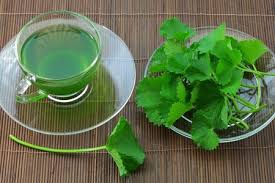
Over the years people have often embraced traditional medications for various types of illness. The practice is becoming acceptable even to the mainstream scientific medication. One of the ancient herbs that have been in use for decades is gotu kola and it is going to form part of our focus in this discussion. We want to look at the benefits of Gotu kola leaves and the stems in the treatment of various health conditions we do have today and even in the past. But before that Gotu kola is a swamp plant that originated and grows naturally in Madagascar, India, Sri Lanka, Indonesia, and many parts of South Africa. Its dried leaves and stems are medicinal and are used in herbal remedies. The active compounds in gotu kola are called saponins, or triterpenoids. Gotu kola is also used in Ayurvedic and Chinese medicine to treat skin wounds. It is important to note that Gotu kola is not in any way related to the kola (cola) nut and doesn’t contain caffeine or stimulants.

Some clinical trials have looked at the use of gotu kola and its compounds in people with poor blood flow, usually in the legs. These limited studies suggest that gotu kola may help reduce swelling in the legs and feet, although more scientific studies are needed. Other research that has looked at gotu kola in humans has been limited by small numbers of patients and problems in study methods. Although at least one laboratory study of tumor cells showed reduced cell growth with gotu kola, available scientific evidence does not support claims of its effectiveness for treating cancer or any other disease in humans. Therefore to help us get the answers to some mostly asked questions, we are going to be talking to doctor Dalal Akoury the MD and founder of AWAREmed Health and Wellness Resource Center a facility whose primary objective is to transforms people’s lives through increasing awareness about health and wellness and by empowering individuals to find their own inner healing power. As we progress into the discussion, if you have any concern about your health and the medications you are using whether herbs or scientific, you may want to schedule for an appointment with this great medical professional who has been in practice for over two decades and she will be of great help to you professionally and in confidence.

Benefits of Gotu kola leaves and the Stems: How is Gotu kola promoted for use?

A lot of theories are being used when it come to the application of gotu kola. Some experts who support it use have reported that gotu kola possesses numerous curative qualities. At the same time some physicians maintain that gotu kola eases fever and relieves congestion caused by colds and upper respiratory infections. It is also reported that some women have used gotu kola for birth control, and some herbalists claim that gotu kola is an antidote for poisonous mushrooms and arsenic poisoning. Some believe that it can be applied externally to treat snakebites, herpes, fractures, and sprains. It is evident that gotu kola has several opportunities through which its application is being promoted. Like for instance in some folk medicine traditions, gotu kola is used to treat syphilis, rheumatism, leprosy, mental illness, and epilepsy. It is also used to stimulate urination and to boot out physical and mental exhaustion, high blood pressure, eye diseases, diarrhea, asthma, liver disease, dysentery, urinary tract infections, eczema, inflammation and psoriasis. Some manufacturers of the herbal supplement claim gotu kola can be used to treat cancer as well. That is a testimony of a host of applications opportunities and this introduces us to our next point of concern “what does it involve?”

Benefits of Gotu kola leaves and the Stems: What does it involve?

Over the years this herb has been evolving and each time new development for it applications is being discovered. A lot of improvement has been made on it and today gotu kola is available in capsules, eye drops, extracts, powder, and ointments from health various food stores across the globe and over the online market (Internet). Doctor Dalal Akoury states that dried gotu kola can be made into dust form and be used as tea. She continues to state that if you are purposing to use this herd in whichever form, it would be advisable that you consult with your healthcare provider for advice on the right dosage. This is because the right and recommended dosage depends on the condition being treated and there is no general agreeable dosage. Now that you are up to date with its usage, let us walk you through the history journey of gotu kola herb.

Benefits of Gotu kola leaves and the Stems: What is the history behind it?

Like we have already stated in the introduction, this herb (Gotu kola) has a long history in the folk medicines of India, Indonesia, Sri Lanka, and Madagascar including South Africa and is still widely used in these countries to date. For a very long time this herb has been used for generation to generation in India to promote relaxation, improve memory, and aid meditation. In traditional Chinese medicine, the herb is believed to promote longevity. The Chinese name for gotu kola translates to “fountain of youth.” A Sri Lankan legend says that elephants have long lives because they eat gotu kola. It therefore means that gotu kola has a very rich history and anyone wishing to join the history can do so.

Finally when opting to use gotu kola or any herb for that matter, it is not just enough to get information from the internet and by reading books and without further finding more go ahead and start using these herbs. Majority of herbal medications may not pose any threat but the fact that no tangible scientific evidence has been established about them, makes them only applicable on the instruction of the professional. Therefore I will advise you that before opting for gotu kola, seek for more information with the experts at AWAREmed Health and Wellness Resource Center under the able leadership of Doctor Akoury’s care.

Benefits of Gotu kola leaves and the Stems: Understanding the Herb Gotu Kola


Facebooktwitterpinterestlinkedin

Clear Evidence of benefits of Gotu Kola

Clear Evidence of benefits of Gotu Kola: Gotu kola leaves and Stems

Clear Evidence of benefits of Gotu Kola

Clear Evidence of benefits of Gotu Kola is seen in its delivery in treatment result

Scientifically for clear evidence of benefits of Gotu kola to be established, it has to be from the laboratories. While appreciating the fact that in the ancient times this was not the case and the applications still worked, it would be very important that some scientific evidence be established. To that effect, a lot is being done and currently, some animal and laboratory studies of gotu kola have shown promising results for some uses. Nonetheless a lot more needs to be done and research carried out to determine its benefits in human life. Doctor Dalal Akoury acknowledges that one group of gotu kola compounds that has been extracted and tested in clinical trials is called total triterpenic fraction of Centella asiatica (TTFCA). And that a few clinical trials in humans have suggested that extracts of gotu kola and TTFCA, when taken by mouth, were more helpful than a placebo at reducing swelling of the legs and feet due to varicose veins and poor circulation, a condition called chronic venous insufficiency.

Even though these findings appeared to have shown the reduction of the “leakage” of blood vessels that seems to contribute to swelling, doctor Akoury recommends that further research is needed to determine whether these results will hold true. It is also important to remember that extracted chemicals such as TTFCA are not the same as the herb itself. Studies of extracts may not show the same results as studies using the raw plant. Like for instance one study in India reported that gotu kola extract slowed the development of tumors in mice and increased their life span. Other studies with rats showed that gotu kola extract had calming effects and prevented ulcers. Animal studies have shown that gotu kola, when applied to the skin or taken by mouth, seems to promote collagen production in wounds, which contributes to healing.

Clear Evidence of benefits of Gotu Kola: Scientific Findings

In the quest to finding clear evidence of benefits of gotu kola, laboratory studies when analysed have showed that fresh gotu kola juice was able to slow the growth of tumor cells, but not as much as more purified extracts from the plant. The findings from the laboratory studies have also suggested that extracts of gotu kola could be useful in the treatment of scleroderma and for the prevention and treatment of Alzheimer disease. And according to a small number of laboratory studies conducted in India and Europe, the findings suggested that an ointment or gel made from gotu kola is likely to speed up wound healing. However none of these studies have been done on humans, although some of the wound-healing studies also looked promising in rodent tests.

Although animal and laboratory studies look promising for some of these uses, further studies are necessary to determine whether the results hold true for humans. More well-controlled research is needed to understand whether gotu kola will play any role in cancer treatment. And with such finding being established, let us now respond to the next point of concern which is “are there any possibilities of complications?”

Clear Evidence of benefits of Gotu Kola: Are there any possible problems or complications?

Currently this product is sold as a dietary supplement in the United States and many other states across the globe. Unlike pharmaceutical companies that produce drugs (which must provide the FDA with results of detailed testing showing their product is safe and effective before the drug is approved for sale), the companies that make supplements do not have to show such evidence of safety or health benefits to the FDA before selling their products. Supplement products without any reliable scientific evidence of health benefits may still be sold as long as the companies selling them do not claim the supplements can prevent, treat, or cure any specific disease. Some such products may not contain the amount of the herb or substance that is written on the label, and some may include other substances (contaminants).

Though the FDA has written new rules to improve the quality of manufacturing processes for dietary supplements and the accurate listing of supplement ingredients, these rules do not address the safety of supplement ingredients or their effects on health when proper manufacturing techniques are used.
Majority of such supplements have not been tested to find out if they interact with medicines, foods, or other herbs and supplements. Even though some reports of interactions and harmful effects may be published, full studies of interactions and effects are not often available. Because of these limitations, any information on ill effects and interactions below should be considered incomplete.

As for the Gotu kola, even though it is generally considered safe, there are no large clinical studies in humans to fully document side effects, however:

  • When used on the skin, possible side effects may include the burning sensation, itching, or allergic rash.
  • Stomach irritation and nausea have been observed when the herb is taken by mouth.
  • Drowsiness has been reported, especially when the herb is taken in larger doses.
  • High doses of gotu kola have been reported to increase blood sugar and raise cholesterol levels.
  • A few cases of hepatitis (liver inflammation) have been reported in people taking gotu kola.
  • It may increase sensitivity to the sun therefore it may be necessary that if you are using gotu kola then avoiding sunlight or use of sunscreen becomes appropriate.
  • This herb can cause allergic reactions in some.
  • Gotu kola impairs fertility in mice, but human effects are less well known.

In addition, the potential interactions between gotu kola and other drugs and herbs should be considered. Some of these combinations may be dangerous. Always tell your doctor and pharmacist about any herbs you are taking. This herb is not recommended for women who are pregnant or breast-feeding. Relying on this type of treatment alone and avoiding or delaying conventional medical care for cancer may have serious health consequences. Experts at AWAREmed Health and Wellness Resource Center under the able leadership of doctor Akoury’s care are very much available to help you with any concerns you may be having about the use of not just gotu kola, but also other herbal medications. You can schedule for an appointment with doctor Akoury today for the commencement of treatment where possible.

Clear Evidence of benefits of Gotu Kola: Gotu kola leaves and Stems


Facebooktwitterpinterestlinkedin

Endocrine Therapy for Postmenopausal Women

Endocrine Therapy for Postmenopausal Women: Positive Early Breast Cancer

Endocrine Therapy for Postmenopausal Women

Endocrine Therapy for Postmenopausal Women

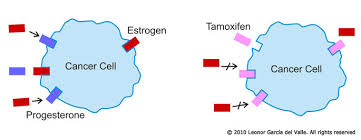
Endocrine therapy is an important systemic treatment for all stages of hormone receptor-positive breast cancer and has seen significant advances since Beatson first made the link between the endocrine system and breast cancer more than 100 years ago. In the past few decades, modern endocrine therapies, such as the orally administered selective estrogen receptor modulator (SERM) tamoxifen, have revolutionized early breast cancer therapy, offering a real improvement in terms of both disease-free (DFS) and overall survival. Treatment guidelines now call for the determination of estrogen and progesterone receptor status in all primary breast tumors and endocrine therapy for postmenopausal women. Nonetheless it is important to note that these therapies are only recommended for women with known hormone receptor-positive disease.

Experts at AWAREmed Health and Wellness Resource Center under the able leadership of Doctor Akoury’s care are stating that unlike advanced disease, early detection of breast cancer is hypothetically curable. However treatment of early breast cancer may involve adjuvant therapy consisting of systemic endocrine therapy, chemotherapy or both. This can be done after initial surgery to remove the tumor to prevent or delay tumor recurrence. The ultimate goal of adjuvant endocrine therapy is to increase the chances of curing invasive early breast cancer, with as low a level of adverse side-effects as possible.

Historically, tamoxifen was the first successful hormonal treatment and became the ‘gold standard’ adjuvant endocrine therapy in postmenopausal women. It has been shown to be more effective than chemotherapy in women of over 50 years of age with hormone receptor-positive early breast cancer. These findings have prompted its investigation as a chemo-preventive agent in women at risk of breast cancer. Bearing in mind that this study had a short follow-up, tamoxifen was found to be associated with almost 50% reduction in new tumors compared with placebo. As a result, Nolvadex™ (tamoxifen citrate) was approved by the US Food and Drug Administration (FDA) for reducing the incidence of breast cancer in women at high risk of developing the disease. However, despite its proven effectiveness, tamoxifen therapy is still linked to a number of serious side-effects including an increased risk of endometrial cancer and sarcoma and thromboembolic disorders all of which are potentially life-threatening. This clearly limits its use both as adjuvant therapy (where it is usually recommended for up to 5 years) and in particular, as a preventative therapy. This shortcoming has prompted the search for, and development of, new agents with equal or improved efficacy and fewer side-effects.

Alternatively postmenopausal women with hormone receptor positive breast cancer may be offered adjuvant therapy with either tamoxifen or with an aromatase inhibitor. Aromatase inhibitors belong to a class of drugs that work by reducing the levels of estrogen in the body. Even if you have stopped menstruating, your body may still produce small amounts of estrogen in the adrenal glands, fat tissue and even breast tissue. These drugs for over two decades have been shown to reduce the risk of breast cancer recurrence in postmenopausal women with early stage breast cancer. Such drugs include anastrozole (Arimidex®), exemestane (Aromasin®) and letrozole (Femara®).

Postmenopausal women with hormone-positive tumors may do just as well or perhaps a bit better with an aromatase inhibitor when compared to tamoxifen. It is not recommended for these women to undergo ovarian suppression as adjuvant treatment since their ovaries are not producing estrogen. Oophorectomy would be considered in this case in women who are BRCA 1 or 2 mutation carriers or have a strong family history of ovarian cancer as a preventive measure. Experts recommend that patients who are diagnosed with early stage non-invasive breast cancer (DCIS) may be given tamoxifen to prevent breast cancer from occurring in the unaffected breast. But in all this, it is important to understand that the use of aromatase inhibitors in postmenopausal women with DCIS is under investigation.

Many women stop menstruating after receiving chemotherapy, often for several months or even a few years. This does not necessarily mean they are postmenopausal. It is possible that these women could still have functioning ovaries and premenopausal hormonal levels despite the absence of their menstrual periods. Also, ovarian function could still return unexpectedly. That said, women who are premenopausal, regardless of whether they experience temporary menopause because of treatments, should not be prescribed aromatase inhibitors (unless they are participating in specific clinical research studies). Aromatase inhibitors are typically reserved for postmenopausal women with breast cancer.

Endocrine Therapy for Postmenopausal Women: Side effects of aromatase inhibitors

Like in all other medications aromatase inhibitors are also having their side effects which are generally mild and well-tolerated. They may include the following:

  • High cholesterol – You may need routine screenings. If cholesterol becomes a problem, you may be asked to reduce your intake of fat from meats and other animal products.
  • Hair thinning
  • Hot flashes
  • Decreased interest in sexual activity
  • Mood swings
  • Joint stiffness and pain, including carpal tunnel symptoms – In a small number of patients, this can be quite severe. If you develop severe symptoms your doctor may recommend that you temporarily stop taking it and then try another kind of aromatase inhibitor or tamoxifen.

Endocrine Therapy for Postmenopausal Women: Complications

The use of aromatase inhibitors may trigger complications where the patient loses the bone density. It is therefore advisable that all women who are considering using aromatase inhibitors to consult with their doctors about having a bone density study (DEXA scan). Besides that such patients should also take at least the minimum recommended daily allowances dose of calcium and vitamin D. and for those patients with some evidence of bone loss, your doctor may recommend that you increase your exercise level or take a calcium supplement. However if you are still experiencing problems with bone loss, a prescription of bone building drugs like a class of medications called bisphosphonates may be recommended. The drug Evista® (raloxifene) is quite similar to tamoxifen and in general should be avoided by women who were previously diagnosed with breast cancer.

Endocrine Therapy for Postmenopausal Women: Positive Early Breast Cancer


Facebooktwitterpinterestlinkedin