Category Archives: Dr. Dalal Akoury

Cocaine and Stimulant Induced Skin Picking

Cocaine and Stimulant Induced Skin Picking: Why you must consider quitting

Cocaine and Stimulant Induced Skin Picking

Cocaine and Stimulant Induced Skin Picking and this is not working for the beauty of your skin at all.

For quite sometimes now we have been addressing the issues surrounding substance abuse. We have dealt with various effects of drugs and so far we are not seeing anything good about drugs. And what is worrying is that even though this piece of information is now consumable by many people, drug related conditions are still on the rise. One of the most disturbing conditions is the way cocaine is rearranging peoples’ faces and transforming their lives negatively. Even though this is very evident and the victims themselves can see for themselves the damage caused by cocaine addiction on the mirror, they are still very much hooked into their addiction. This is what we have been addressing and for the purpose of this article, we are going to focus on beauty and how cocaine and stimulant induced skin picking. Before we settle into the discussion, I want to share with you an experience one of the patients went through and this is also a representation of what many addicts are also going through.

For the purposes of confidentiality I will refer to the patient as GK. After abusing cocaine for some time, one day he stood before his mirror and he dint like what he saw. What was before him was an increasingly common and distressing indicator of excessive cocaine and stimulant use. Skin picking was the problem. He spent several hours before the mirror squeezing and tweezing as the smallest of spots becomes a painful wound. Hair pulled out, bugs under the skin, insects or mites in his clothes and house. We are going to rely on GK experience to shed some light on this extremely upsetting, hidden behavior, examining the chemistry behind it, why it happens and the role cocaine and other stimulants have to play. This is a discussion you don’t want to miss but in the meantime you can schedule for an appointment with doctor Dalal Akoury the MD and founder of AWAREmed Health and Wellness Resource Center. She will be of greater help to you in all matters relating to addiction and beauty. And now back to the discussion of Cocaine and stimulant induced skin picking…

Cocaine and Stimulant Induced Skin Picking: Skin Picking
Skin picking due to excessive crack cocaine use has become more common as more people use crack disorderly and because of this there is sudden increase in negative health issues linked to this habit. Professionally in the medical understanding skin picking is seen as a compulsive foraging response (CICF – ‘cocaine induced compulsive foraging’) but the compulsion to skin pick has also been called psychogenic excoriation, delusional parasitosis, self-inflicted dermatoses, dermatillomania, formication, or hypoesthesia; which is quite surprising considering that there has been so little research on the subject.

The features of skin picking may include excessive scratching, picking, gouging, lancing, digging and squeezing of normal or slightly marred skin. Even though the whole body can be involved, commonly the most picked areas include; fingernails, face, lips, scalp, arms and legs. This is made possible because drugs like cocaine, methylephenidate, phenelzine amphetamine and anticholinergic drugs often produce increased nerve activity tactile sensations like burning, tingling and crawling (worms under the skin) that can lead to skin picking. So while it is clearly a chemical reaction to the drugs you’re taking, it can be closely linked with psychological issues such as extreme anxiety or childhood trauma. So why do some people skin pick excessively, where others don’t?
Studies suggest that it’s a coping mechanism for dealing with emotional pain. Physical pain distracts the individual and can help to alleviate feelings of guilt through self-punishment. Many S-P’s (skin pickers) report increased levels of tension prior to skin picking and a sense of relief or satisfaction following the picking. Some experience an altered state of consciousness whilst picking resembling a dissocialized state. However, lack of pain during picking episodes may also be related to opioid dysregulation. We can see elevated levels of B-endorphin in S-Ps, because pain, in this case through self-injurious behavior, leads to the release of B-endorphins, which in turn leads to the release of tension.

Victims of childhood abuse often have elevated levels of B-endorphins too, in their CSF (cerebrospinal fluid) in the brain, because of repeated exposure to pain, or from being prohibited to reacting to the infliction of pain. Women with a history of childhood abuse also exhibit increased pituitary adrenaline and automatic heart rate responses to stress. So in many cases, skin picking is a chemical reaction that has been built up from past trauma, where a person’s elevated b-endorphins or ACTH response is reacting with the drug they’re taking: crack cocaine.

Cocaine increases the activity of dopamine, a neurotransmitter in the automatic nervous system associated with pleasure which is important for reinforcement of behaviour.However, for reasons we don’t have the space to go into, too much use of cocaine can lead to a lack of dopamine in your system, which in turn leads to mood and anxiety disorders.

S-Ps often suffers from one or more of the following conditions:

  • Major depression
  • Bipolar disorder (manic depression)
  • Dysthymia (depression tendencies)
  • Panic attacks
  • Agoraphobia
  • Post-traumatic stress
  • Obsessive compulsive disorder
  • Eating disorders
  • Trichotillomania (hair /eyelash/body hair pulling)
  • Kleptomania (compulsive stealing of objects) and
  • Body dysmorphic disorder (hated self-image).

Beside the mention conditions, some studies have also established that more than half of the individuals with serious skin picking conditions also reported a history of body rocking, thumb sucking, knuckle cracking, cheek chewing and head banging. Along-side with all these, skin picking also causes a lot of anguish. Like for instance, the victim can feel embarrassed and this may lead to shame and even impaired social functioning and in some cases people withdraw altogether from social activities and confine themselves to their home. Some people also experience medical complications as a result of skin picking, like ulcers, infections, permanent discoloration and scarring. Remember that too much scratching leads to open wounds and sores and when this is combined with injecting, infection can travel from the skin to the blood, causing serious illnesses such as septicemia or endocarditis.

Cocaine and Stimulant Induced Skin Picking: Cocaine Induced Psychosis & ‘Foraging’

Chronic cocaine or crack use can result in cocaine induced paranoia (CIP) and coke-induced compulsive foraging (CICF) type behaviors. ‘Compulsive foraging’ covers a cluster of cocaine induced behaviors of which skin picking is just one. Another ‘foraging disorder’ is when coke users hunt for hours for specs of cocaine around a place where it was once used (also called ‘surfing’). Food deprivation or hunger increases the probability of foraging responses and because it’s an appetite suppressant, coke can make users vulnerable to malnutrition thus continuing foraging behavior. Skin picking is a foraging response.

Cocaine and Stimulant Induced Skin Picking: Why you must consider quitting

Facebooktwitterpinterestlinkedin

How cocaine can destroy your body parts

How cocaine can destroy your body parts: What you need to know about Cocaine

How cocaine can destroy your body parts

How cocaine can destroy your body parts. this crystal dust is no respecter of anyone. Seek for help immediately and be safe

Of all substance of abuse cocaine abuse is the fastest growing drug problem among the middle classes communities. According to a report released by a Police Foundation recently it was stated that there are 120,000 regular users and 360,000 occasional users of cocaine, with 180,000 taking crack cocaine the report concludes. This drug is no respecter of any one and social status is not a factor when it comes to drug addiction. Everyone is vulnerable and we must face the problem boldly without fear. Doctor Akoury is taking the initiative to help you get the best of your life in this article by focusing on the discussion topic which is “how cocaine can destroy your body parts. The chilling revelations doctor Akoury is about to share with us are just but a very small portion of what this drug is capable of doing in your life. It would be appropriate that even as you go through this article, you may want to schedule for an appointment with the experts at AWAREmed Health and Wellness Resource Center, a health facility founded by doctor Akoury to give her contribution towards eliminating cocaine addiction and other addictive elements. Let us now get to the business of understanding the impact of cocaine in human health.

How cocaine can destroy your body parts: Mental problems

Although cocaine is used because it causes excitement, those addicts who use this drug regularly in high doses can develop short-term sessions of uncontrolled behavior, impaired judgment, impulsive behavior and hyper-sexuality. Besides that, other users are also likely to develop persecutory delusions and hallucinations which often cause them problems with the authorities. When addicts use this drug, it causes them to lose sense of control and occasionally become violent. Yet alongside that muscle twitching and convulsions (fits) are also a risk with heavy use, more so in adolescents who smoke crack, a pure and highly addictive form of the drug. Coma, breakdown of muscles and kidney failure can also occur.

How cocaine can destroy your body parts: Liver

Users of cocaine often combine it with alcohol to deliver more excitement. To them this combination gives them the feeling of the ‘high’ to satisfaction as opposed to when cocaine is used on its own. With this combination, the effect of cocaine is given a boost and the reason behind it is that a new chemical is formed in the liver which has similar effects to cocaine but which last longer in the body. Doctor Akoury sounds a warning that this practice is chillingly dangerous. It is highly associated with liver damages and risk of premature death is 18 times greater with this combination.

How cocaine can destroy your body parts: Chest pain

One of the most common reasons for requiring emergency treatment is the enormous tightening of blood vessels, in the coronary arteries and the rest of the body. Cocaine deprives the heart of its normal blood supply, increasing the risk of a heart attack or a heart rhythm disturbance which might cause the user to drop dead suddenly. The shape of the pattern on the electrocardiogram (heart trace) can look worrying to the doctor, especially as it can change from minute to minute. But in most cases it settles down and no major harm results.

How cocaine can destroy your body parts: Blood pressure

Cocaine releases massive amounts of noradrenaline from the nerve endings, which causes blood vessels right through the body to narrow. This leads to a major surge in blood pressure. To the onlooker, the user looks pale and staring, but there may be no other outward signs of the enormous rise in blood pressure. However the rise in blood pressure is not permanent, but may still cause a heart attack or stroke and repeated use causes long-term damage to the blood vessels.

Blood vessels

One of the most vulnerable organs from the abuse of cocaine is the heart aorta which is the main blood vessel in the body. A surge in blood pressure following cocaine use forces the blood between the inner and outer casings of the aorta and each time the heart pumps this false passage becomes longer and more liable to block off a branch vessel or to burst, with possibility of fatal results.

Brain

Regular cocaine use can lead to a bulging weakness in the wall of a branch point of the arteries in the brain. This is often called a berry aneurysm. Eventually this aneurysm bursts, and blood pouring out of the leak is known as a subarachnoid hemorrhage. If not corrected, it can cause major damage to the brain. This damage can be permanent leading to difficulties in thought, speech, sight and movement.

How cocaine can destroy your body parts: Nose

Cocaine powder is ‘snorted’ into the nostrils, and although it is rapidly absorbed into the bloodstream, the drug also causes the blood vessels in the lining of the nose passages to shrink. Shortly after use, the blood vessels widen again, and the red, runny stuffed-up nose of the recent user can be a telltale sign. Repeated cocaine use leads to loss of blood supply to the septum that is the thin bony element dividing wall between the nostrils. This will cause damage to the nose leaving a hole in between the two nose passages. The consequence of this may be the collapse of the nose.

Heart

Consistent use of cocaine causes massive stresses and strains on the blood vessels in the coronary arteries and the rest of the body. This leads to a build- up of cholesterol in the walls of arteries, especially the coronary arteries. A regular cocaine user aged 30 might have blood vessels as old as one at 60-year-old. This may lead to a sudden and unexpected heart attack in a long-term user.

Skin

During treatment and the recovery process, some people may experience some unfriendly crawling feelings beneath the skin as they are withdrawing from cocaine. They may describe cocaine bugs as biting, creeping, burning or itching, and may scratch their skin until it bleeds. Although this sensation can be treated to some extent by tranquillizer type drugs, in most cases the user has to wait until it settles down and goes away of its own accord. Finally cocaine is not any drug you would want to flow in your system. It is highly addictive and life threatening. If you are struggling with this drug, you may have noticed that from this article, very vital organs of the body are all affected by this drug. Your health cannot be compared with anything. You must make a U turn to redeem your life back. Doctor Dalal Akoury will help in every step of the way. All you need to do is to schedule for an appointment with her today.

How cocaine can destroy your body parts: What you need to know about Cocaine


Facebooktwitterpinterestlinkedin

Cocaine and Crack Abuse are great Threats

Cocaine and Crack Abuse are great Threats: The Dangers it brings on your Health

Cocaine and Crack Abuse are great Threats

Cocaine and Crack Abuse are great Threats. It can be administered to the body either through injection, snorting or smoking.

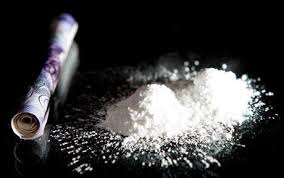
The history of cocaine is well known and how it affects the good health of our societies. Cocaine is a very powerful addictive stimulant drug that when allowed to settle in anyone’s life, then devastations and frustrations will follow as the immediate consequences. Whichever way you look at it, cocaine is not good. No single advantage can be attached to this drug. As a matter of fact cocaine and crack abuse are great threats of life. The powdered hydrochloride salt form of cocaine can be snorted or injected as a solution of water. And when we talk of crack cocaine, it means that, this cocaine base has not been neutralized by an acid to transform it into a hydrochloride salt. When that is done, this form of cocaine comes in a rock crystal which can be heated to produce vapors, a product which can be smoked. The term “crack” therefore refers to the crackling sound produced by the rock as it is heated.

Cocaine and Crack Abuse are great Threats: How is Cocaine Abused?

According to the experts at AWAREmed Health and Wellness Resource Center, cocaine abuse is in most cases considered in relation to the mode of its administration. There are three main routes that are commonly used and they may include the following:

  • Snorting – this is the process of inhaling cocaine powder through the nose, where it is absorbed into the bloodstream through the nasal tissues.
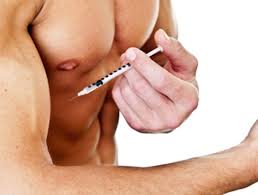
  • Injection – in this case cocaine in mixed with water and the solution is then injected into the body using the needle to release the drug directly into the blood streams.
  • Smoking – this involves inhaling cocaine vapor or smoke into the lungs, where absorption into the bloodstream is as rapid as by injection.

Irrespective of which method you choose, the dangers remain the same and in all the methods of administration can lead to addiction and other chronic and severe health problems, including increasing the risk of contracting HIV and infectious diseases says doctor Akoury MD and also the founder of AWAREmed Health and Wellness Resource Center.

  • The intensity and duration of cocaine’s effects, which include increased energy, reduced fatigue, and mental alertness, depend on the route of drug administration.
  • The faster cocaine is absorbed into the bloodstream and delivered to the brain, the more intense the high.
  • Injecting or smoking cocaine produces a quicker, stronger high than snorting.
  • On the other hand, faster absorption usually means shorter duration of action.
  • The high from snorting cocaine may last 15 to 30 minutes, but the high from smoking may last only 5 to 10 minutes.

In order to sustain the high, a cocaine abuser has to administer the drug again. For this reason, cocaine is sometimes abused in binges taken repeatedly within a relatively short period of time, at increasingly high doses.

Cocaine and Crack Abuse are great Threats: Effects of Cocaine to the Brain

Without missing the words, cocaine is a strong central nervous system stimulant that raises the levels of dopamine. This is a brain chemical which is associated with pleasure and movement, in the brain’s reward circuit. And because dopamine facilitates communication in some brain cell commonly known as neurons, therefore dopamine is released by neurons to respond to signals like the smell or taste of good food and then it is recycled back into the cell that releases it which in return will shut off the signal between neurons.

Cocaine acts by preventing the dopamine from being recycled, causing excessive amounts of dopamine to build up, amplifying the message, and ultimately disrupting normal communication. It is this excess of dopamine that is responsible for cocaine’s euphoric effects. With repeated use, cocaine can cause long-term changes in the brain’s reward system and in other brain systems as well, which may eventually lead to addiction. Further to this with repeated use, tolerance to the cocaine high also often develops. This has been confirmed from various reports that many cocaine addicts often seek to get high by consuming more but they fail to achieve as much pleasure as they use to from their first exposure. This means that some users choose to increase their dose in an attempt to intensify and prolong the euphoria, but this can also increase the risk of adverse psychological or physiological effects.

Cocaine and Crack Abuse are great Threats: The Adverse Effects of Cocaine on Health

There is no doubt that cocaine abuse impact on health negatively, like for instance:

  • Cocaine compresses blood vessels
  • Dilates eye pupils
  • Increases body temperature
  • Heart rate
  • Blood pressure

It can also cause headaches and gastrointestinal complications such as abdominal pain and nausea. And because cocaine tends to decrease appetite, chronic users can become malnourished as well.

Cocaine and Crack Abuse are great Threats: Effects based on the mode of administration

Like I had indicated before that, cocaine is administered in to the body primarily in there different ways. These methods of taking cocaine can produce different adverse effects. like for instance:

  • Regularly snorting cocaine, for example, can lead to loss of the sense of smell, nosebleeds, problems with swallowing, hoarseness, and a chronically runny nose.
  • Ingesting cocaine can cause severe bowel gangrene as a result of reduced blood flow.
  • Injecting cocaine can bring about severe allergic reactions and increased risk for contracting HIV and other blood-borne diseases.
  • Binge patterns of use may lead to irritability, restlessness, anxiety, and paranoia.
  • Cocaine abusers can suffer a temporary state of full-blown paranoid psychosis, in which they lose touch with reality and experience auditory hallucinations.

Doctor Akoury emphases that it doesn’t matter how it is administered or how frequently cocaine is used, in all these users can experience acute cardiovascular or cere-brovascular emergencies, such as a heart attack or stroke, which may cause sudden death. Remember that most cocaine-related deaths are often as result of cardiac arrest or seizure followed by respiratory arrest. All these can be brought to manageable levels if we all pool together and begin doing the right things. You may not know conclusively what to do and that is why doctor Akoury founder this health facility to help you stay healthy. You can schedule for an appointment with doctor Dalal Akoury and together with her team of experts they will professionally offer lasting solution to your individual conditions.

Cocaine and Crack Abuse are great Threats: The Dangers it brings on your Health


Facebooktwitterpinterestlinkedin

Medications for Heroin and Pain Pill Addiction

Medications for Heroin and Pain Pill Addiction: Their Effectiveness and Side effects

Medications for Heroin and Pain Pill Addiction

Medications for Heroin and Pain Pill Addiction begins with detoxification.

The best way of handling substance abuse is primarily to prevent it from happening. Treatment cannot be an option if we all did the right things and prevented it from happening. But because of the short comings we have as a society, we have found ourselves with this problem and so we have to take the next appropriate cause of action. When one is already addicted to any drug, treatment must take place immediately. For this reason, we want to explore into this discussion some of the medications for heroin and pain pill addiction to help us restore our life back to normalcy. It is however important to note that when we are talking about treatment, everyone is involved. This is not something that is left to the medical professionals only. Family members, friends and relatives have a major role to play in the recovery process of their loved ones. Doctor Dalal Akoury is going to take us through some of the available medications for this purpose.

Experts at AWAREmed Health and Wellness Resource Center a facility founded by doctor Akoury are in agreement that unlike in the past, today there are so many types of medications that are applicable to heroin addiction and other substance abuse. Such treatment options may including medications, behavioral therapies and support groups. We are privileged that there are very many health facilities across the globe that are professionally handling matters relating to addiction. However doctor Akoury says that when settling for one, you must seek for more information to establish whether your needs will be handled professionally and with great confidentiality.

Under normal circumstances treatment often begins with medically assisted detoxification, the reasons for this is to help patients withdraw from the drugs they are addicted to safely. Nonetheless it is important to note that detoxification alone is not enough treatment and has not been shown to be effective in preventing relapse. This is merely the starting point. Therefore after detoxification, cognitive behavioral therapy, psychotherapy, marriage and family counseling or any other form of psychotherapy that fits the patient’s needs will follow. The next step would be procedures of reintegration into the society and most importantly is getting a lifestyle that is abstinent from heroin and any other drug for that matter says doctor Dalal Akoury.

Medications for Heroin and Pain Pill Addiction: Heroin Withdrawal

Ordinarily the withdrawal syndrome from heroin may begin within 6 to 24 hours of cessation of the drug; whereas this is the procedure, this time frame may fluctuate depending on the degree of tolerance and the quantity of the last dose of drugs consumed. This can be identified easily by the following symptoms: sweating, malaise, anxiety, depression, priapism, extra sensitivity of the genitals in females, general feeling of heaviness, cramp-like pains in the limbs, excessive yawning or sneezing, tears, sleep difficulties (insomnia), cold sweats, chills, severe muscle and bone aches, nausea and vomiting, diarrhea, cramps and fever.

Besides those symptoms, many addicts also complain of a painful condition, commonly referred to as “itchy blood”, which often results in compulsive scratching that causes bruises and sometimes ruptures the skin, leaving scabs. Abrupt termination of heroin use often causes muscle spasms in the legs (restless leg syndrome). The intensity of the withdrawal syndrome is variable depending on the dosage of the drug used and the frequency of use. Very severe withdrawal can be precipitated by administering an opioid antagonist to a heroin addict.

Medications for Heroin and Pain Pill Addiction: Physical Opioid withdrawal

Three general approaches are available to ease the physical part of opioid withdrawal and they include the following:

The first is to substitute a longer acting opioid such as methadone or buprenorphine for heroin or occasionally another short acting opioid and then slowly taper the dose.

In the second approach, benzodiazepines such as diazepam (Valium) may be recommended for opiate withdrawal especially if there is comorbid alcohol withdrawal. Benzodiazepines may temporarily ease the anxiety, muscle spasms, and insomnia associated with opioid withdrawal.

The use of benzodiazepines must be carefully monitored because these drugs have a high risk of physical dependence as well as abuse potential and have little or no cross tolerance with opiates and thus are not generally recommended as a first line treatment strategy. Although heroin withdrawal is very unpleasant, it is rarely fatal.

Medications for Heroin and Pain Pill Addiction: Medications to Assist in Heroin Detox and Help Prevent Relapse

Methadone – this has been used for more than 30 years to treat heroin addiction. It is a synthetic opiate medication that binds to the same receptors as heroin; however, when taken orally, it has a gradual onset of action and sustained effects, reducing the desire for other opioid drugs while preventing withdrawal symptoms. Properly prescribed methadone is not intoxicating or sedating, and its effects do not interfere with ordinary daily activities. At the present time, methadone is only available through specialized opiate treatment programs. And like any other medication, it also has some side effects including the following: Drowsiness, weakness, nausea, constipation, headache and loss of appetite.

Buprenorphine – this medication was recently approved to be one of the options for heroin treatment including other substances as well. The difference between this and methadone is that it has lesser risk factors for overdose and withdrawal effects and most importantly, it can be prescribed in the privacy of a doctor’s office. Its side effects may include; Headaches, flu-like symptoms, dizziness, constipation, upset stomach, sleep problems.

Naltrexone – even though naltrexone is recommended for treating heroin addiction, it has not been widely utilized because of compliance issues. It is an opioid receptor blocker which has been confirmed to be effective in highly motivated patients. It should only be administered to patients who have gone through detoxification in order to prevent severe withdrawal symptoms. Its side effects may include nausea, vomiting, diarrhea, constipation, headache, dizziness.

Naloxone – this is a shorter acting opioid receptor blocker used to treat cases of overdose.

Finally when you are opting to using any of these medications, it will be very important that you consult with your doctor from time to time. Remember that prevention is very key in sustaining good health. Therefore you can talk to doctor Akoury today for professional guidance in handling medications for heroin and pain pill addictions in your life.

Medications for Heroin and Pain Pill Addiction: Their Effectiveness and Side effects


Facebooktwitterpinterestlinkedin

The best treatment solutions for cocaine abusers

The best treatment solutions for cocaine abusers: Taking Cocaine head on

The best treatment solutions for cocaine abusers

The best treatment solutions for cocaine abusers may include group therapy and counseling

Of the societal challenges we are faced with drug addiction is becoming one of the most disturbing one. When one member of the family is struggling with substance abuse, the whole family is concern and a lot of emotional and even physical frustrations are felt. What is worrying is the rate at which the population abusing drugs is increasing. There are several factors that can explain this but the sing denominator is that the increase is getting out of hand if something is not done to correct this. Looking at the impact of substance abuse in our neighborhoods doctor Dalal Akoury made a decision to form a health center whose objective would be to offer solutions to people abusing drugs. At this facility (AWAREmed Health and Wellness Resource Center) doctor Akoury together with her team of experts are offering the best treatment solutions for cocaine abusers among other drug related cases. Therefore if you are struggling with drugs of whichever kind, then you can schedule for an appointment with doctor Akoury today for treatment. In the meantime, let us consider some of the treatment options we have.

Information available indicates that just a few years ago in 2007, cocaine alone accounted for about 13 percent of all admissions to drug abuse treatment programs. The report also revealed that majority of these people sought treatment were mainly cocaine addicts and were also struggling with other drugs other than cocaine meaning that they were poly drug abusers. Doctor explains that the prevalence of cocaine has necessitated renewed efforts to develop treatment programs for cocaine across the globe. And just like with other drugs, cocaine is one of the complex diseases that involve biological changes in the brain as well as myriad social, familial, and other environmental problems. Therefore, a good treatment of cocaine addiction must be comprehensive, and strategies need to assess the neurobiological, social, and medical aspects of the patient’s drug abuse. Moreover, patients who have a variety of addictions often have other co-occurring mental disorders that require additional behavioral or pharmacological interventions.

The best treatment solutions for cocaine abusers: Cocaine Detoxification

For us to have better modes of treatment of cocaine addiction, we must first appreciate and acknowledge that we have a problem that needs to be fixed. No treatment can be successful if the patient is still in denial. It is a fact that patients addicted to cocaine or even other drugs will have a lot of toxic deposit in their systems. These toxics are the biggest problem that detoxification will be addressing in this article. Therefore medical detoxification is a process that systematically and safely withdraws people from addictive drugs. This is usually done under the care of trained physician. Drinking alcohol or using drugs can cause physical dependence over time and stopping them can result in withdrawal symptoms in people with this dependence. The detoxification process is designed to treat the immediate bodily effects of stopping drug use and to remove toxins left in the body as a result of the chemicals found in drugs or alcohol.

Even though as things stand now there is no proven pharmacologic therapy for cocaine addiction, so many kinds of medications have been used in the past in the detoxification of cocaine. It is however worth noting that withdrawal from chronic cocaine use may also result in anxiety, depression and intense cravings for the drugs you are trying to eliminate from your systems. Several types of medications address these issues in different ways. Like for instance:

  • Antidepressant drugs such as desipramine or a combination of phentermine and fenfluramine have been used to reduce cocaine withdrawal symptoms such as anxiety and depression.
  • Benzodiazepines, tranquilizers such as Diazepam, have been used to reverse anxiety induced by cocaine withdrawal.
  • Amantadine, a drug used to treat Parkinson’s disease, may be an effective treatment for cocaine-dependent patients with severe cocaine withdrawal symptoms and may reduce cocaine craving.
  • Bromocriptine, a drug that works on the brain’s dopamine system, has been used to decrease the craving for cocaine during detoxification and to reduce mood disturbance.
  • Propanolol, a beta-blocker drug used to treat high blood pressure, may be useful for severe cocaine withdrawal symptoms, as it slows down the effects of adrenaline, thereby calming the body’s “fight or flight” response to stressful situations.
  • This type of drug has been used to treat general anxiety and anxiety associated with alcohol withdrawal.
  • Propranolol’s lessening of symptoms such as palpitations and sweating has helped reduce cocaine craving. Its use, however, is not risk free in patients who have taken cocaine and can be associated with decreased blood flow to the heart and other changes that predispose patients to arrhythmia and a severe increase in blood pressure that can lead to a stroke.
  • Delayed toxic effects are possible. Any use of beta-blockers in this setting requires careful monitoring and caution.

The best treatment solutions for cocaine abusers: Behavioral Interventions

Many behavioral treatments for cocaine addiction have proven to be effective in both residential and outpatient settings. Indeed, behavioral therapies are often the only available and effective treatments for many drug problems, including stimulant addictions. However, the integration of behavioral and pharmacological treatments may ultimately prove to be the most effective approach. Presently, there are no proven medications to treat cocaine addiction. Nonetheless a lot of efforts are being made by NIDA to identify and test new medications.

One form of behavioral therapy that is showing positive results in cocaine-addicted populations is contingency management, or motivational incentives (MI). MI may be particularly useful for helping patients achieve initial abstinence from cocaine and for helping patients stay in treatment. Programs use a voucher or prize-based system that rewards patients who abstain from cocaine and other drug use. On the basis of drug-free urine tests, the patients earn points, or chips, which can be exchanged for items that encourage healthy living, such as a gym membership, movie tickets, or dinner at a local restaurant. This approach has recently been shown to be practical and effective in community treatment programs.

Finally it is important that patients receive only services that match all of their treatment needs. For example, if a patient is unemployed, it may be helpful to provide vocational rehabilitation or career counseling along with addiction treatment. If a patient has marital problems, it may be important to offer couples counseling. These and more are some of the services we offer at AWAREmed Health and Wellness Resource Center. When you schedule for that appointment with doctor Akoury, up on carrying out an evaluation on you, she will put you on a tailored treatment program that will directly meet your addiction needs.

The best treatment solutions for cocaine abusers: Taking Cocaine head on


Facebooktwitterpinterestlinkedin