
Category Archives: Dr. Dalal Akoury

Body inflammation causes obesity

Body inflammation causes obesity-How it happens
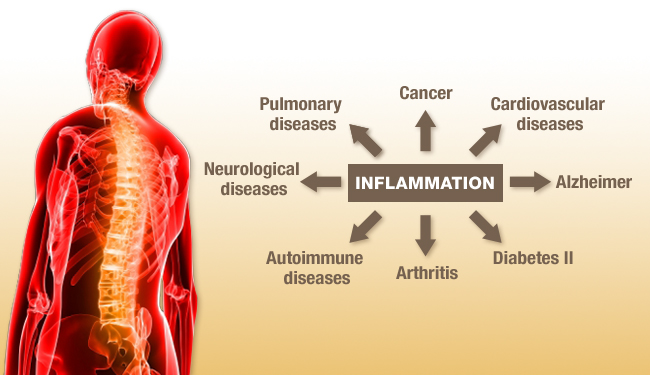
Inflammation

When inflammation becomes chronic, as is the case with obesity, chemical mediators, derived from different cellular activities, change in dynamics causing a progressive state of decline

A common theme that links many diseases and chronic illness is uncontrolled cellular inflammation. It is a factor in diseases including cardiovascular disease, diabetes, cancer, arthritis and many autoimmune-related conditions. Obesity has recently been added to this group of diseases as it is now known to present a low grade inflammatory response within many of the body’s tissues, which cause deleterious effects, often leading to the development of cardiovascular and metabolic disease. It is well known that being overweight is detrimental to one’s health, but until recently the known mechanisms were limited. Scientists over the last decade have started to unravel the mystery of why obesity leads to premature death. Although there is still much to learn, it is valuable to comprehend the known effects of chronic inflammation, as the prevalence of obesity continues to be a rising problem among the American population, particularly in children.

Inflammation and obesity-What is the meaning

Inflammation is, by design, a protective response leading to the repair of tissue. When inflammation becomes chronic, as is the case with obesity, chemical mediators, derived from different cellular activities, change in dynamics causing a progressive state of decline. Fat cells are now considered an immune organ that secretes numerous immune modulating chemicals. Visceral fat, in particular, is associated with the low grade inflammation that seems to be a contributing pathologic feature for metabolic disease through insulin resistance and the promotion of atherosclerotic build-up in circulatory vessels. When high levels of visceral fat are combined with physical inactivity, over nutrition, and advancement in age, the effect becomes more pronounced. Visceral fat is highly metabolic and contributes to cytokine hyperactivity. Adipokines secreted from fat tissue influence the metabolic process and contribute to proper function. The consequent low grade inflammation associated with obesity causes disturbance in the secretion and function of adipokines. Research has identified changes in adiponectin, leptin, and resistin that exhibit harmful effects upon the body in obese individuals. Adiponectin is an antiatherogenic agent, meaning it helps prevent the development of atheroschlerotic plaque in blood vessels and slows the progression of atherosclerosis in coronary vessels. It does this by acting directly upon the vessel wall, inhibiting adhesive molecules from contributing to plaque formation and acts as a blocking agent to the formation of foam cells. In the skeletal muscle and the liver, adiponectin serves to promote insulin sensitivity and a positive blood lipid profile. Visceral adiposity reduces adiponectin concentrations. Lowering the adiponectin concentrations lessens the cardio protective effect, leading to increased cardiovascular risk.   Leptin regulates energy metabolism and balance in conjunction with the brain’s hypothalamus. Leptin is currently being touted as having cardioprotective benfits among its others roles in metabolism Leptin concentrations adjust in response to obesity and contribute to insulin resistance. The changes in leptin concentration have also been recognized as a risk factor for coronary heart disease. Likewise increased resistin concentrations correlate with obesity related inflammation and may be associated with the initiation and progression of atherosclerotic lesions. Resistin also promotes insulin resistance, although the actual mechanism is not known. Insulin resistance due to adipokine dysfunction is further influenced by free fatty acids liberated directly into the liver from visceral fat tissue. Visceral fat releases chemicals and fatty acids into the portal system where they act on the connecting organs. The portal circulation system is a specialized network of blood vessels that connect the visceral organs to the liver.   The excess fat in portal circulation has detrimental effects on insulin action, which is worsened by sympathetic hyperactivity in response to obesity. Sympathetic hyperactivity causes heightened lypolytic action resulting in excess free fatty acids in the blood. These actions combined with beta cell hypersecretion and reduced insulin clearance resulting in hyperinsulemia, lead to early stage diabetes.

Inflammation-Interleukin-6

Interleukin-6 (IL-6) is possibly another factor associated with inflammatory detriment within the portal system. High levels of IL-6 are a marker for inflammation and vascular pathology. Obese subjects demonstrated a 50% greater portal vein IL-6 concentration, demonstrating, again, the profound effect visceral fat has on pathogenic indicators. Portal vein IL-6 correlates with systemic C-reactive protein concentrations. C-reactive protein is associated with cardio- and peripheral vascular disease. C-reactive protein and oxidative stress are now presumed to interact in the early inflammatory processes of atherosclerosis. This is significant for young obese individuals. Although more research is necessary for conclusive association, C-reactive protein may be a new risk factor for CAD in individuals under 25 years of age.

Inflammation-imbalances

inflammation

If your immune system and its ability to quell inflammation in your body are impaired, watch out. You are headed toward illness and premature …

The imbalance between increased inflammatory stimuli with a concurrent reduction in anti-inflammatory activity may be the foundation for the accelerated endothelial dysfunction and insulin resistance associated with obesity and the comorbid disorders of metabolic disease.   More research is needed to clearly delineate the particular relationships, but it seems evident that the low grade inflammation caused by obesity and visceral adiposity lead to the premature development of disease. This, more so than ever before, identifies the importance of weight management during the developmental years and ongoing efforts to control weight throughout one’s lifespan.   For individuals that are currently obese, there is still plenty of hope. Weight loss is related to reduction of oxidative stress and inflammation, and these beneficial effects likely translate into reduction of cardiovascular risk in obese individuals.   Likewise, exercise and dietary management, along with pharmacologic intervention can lead to atherosclerotic reversal in the earlier stages of CAD. Individuals with central adiposity, poor blood lipid profiles, hypertension, and/or insulin resistance should seek immediate professional assistance to prevent further health detriment.   The recent inclusion of obesity among chronic diseases makes Dr. Akoury of AWAREmed Health and Wellness Resource Center very resourceful for you. She will help you achieve optimal weight loss, the Dr. focus on Neuroendocrine Restoration (NER) to reinstate normality through realization of the oneness of Spirit, Mind, and Body, Unifying the threesome into ONE. What an opportunity, try and relieve yourself of this problem for good.

Body inflammation causes obesity-How it happens
Facebooktwitterpinterestlinkedin

Female hormones and weight loss

Female hormones and weight loss-what you need to know

Female hormones and obesity

Female hormones and their sites

A quick observation at a male versus a female body tells you right away something is different. While we can certainly recognize the obvious, we ignore these differences when we talk about diet and exercise for fat loss. The standard health and fitness advice of eat less and exercise more often does not work once people get out of their twenties and into their thirties, forties and beyond, and women are especially impacted.

So what are the difference between men and women, what determines where women store fat, and what can women do to address the fitness and fat loss issues that are unique to them?

The differences between men and women:

Women usually have smaller waists and more fat storage on the hips, thighs, and breasts. Estrogen and progesterone have much to do with this.

Estrogen is largely responsible for greater fat storage around the hips and thighs while both estrogen and progesterone impact larger breasts.

Because wom en experience monthly hormone fluctuations through the menstrual cycle, they know from experience that hormones impact how they feel, function, and look. They seem to intuitively get the fact that hormones play a role in determining whether they store fat or burn fat and where on the body it is lost or gained. To understand why women are so different, you have to understand their hormones.

Brief review of the menstrual cycle.

No discussion of female fat loss can take place without understanding the normal female menstrual cycle. The first day of bleeding for a woman represents day one of the menstrual cycle.

The menstrual cycle can then be divided into two phases, the follicular phase (named for the maturing of the ovarian follicle) and the luteal phase (named for the corpeus luteum which ovarian follicles become after ovulation). Ovulation, the release of an egg from the ovaries separates these two parts of the cycle.

The follicular phase is associated with higher estrogen levels compared to progesterone, while the luteal phase is the reverse. The relative ratios of these two hormones can have an impact on female related fat loss and health.

Estrogen and progesterone balance

A key fat loss measure in women is the estrogen and progesterone balance and how those hormones interact with other hormones like cortisol or insulin. Bigger hips and thighs on a women suggest greater estrogen levels relative to progesterone. The reverse of that, larger breasts and smaller hips and thighs, MAY indicate the opposite balance of these hormones.

The menstrual cycle is another key indicator of hormone balance. Since the time just before menses is usually a progesterone dominant time, PMS is a strong indication there is a progesterone deficiency relative to estrogen.

A woman can have higher than normal progesterone levels but still have a relative deficiency if estrogen levels are much higher in comparison. Many women with low progesterone relative to estrogen will report feeling like a completely different person before ovulation (the first two weeks of cycle) vs. after ovulation (last two weeks of cycle), where they feel much worse. This ill feeling usually manifests as depression, breast tenderness, moodiness, fatigue, lack of motivation, bloating, and other complaints.

Female fat distributions

Progesterone & estrogen both play a role in keeping the waist of women smaller. This is because estrogen works against the action of insulin (and testosterone a belly fat storing hormone in women) while both estrogen and progesterone oppose the action of cortisol.  Insulin and cortisol, together with testosterone and low estrogen, are implicated in belly fat deposition in women.

Estrogen is the biggest factor in increasing fat storage at the hips and thighs providing the hour-glass shape. Progesterone with estrogen halts the storage of fat around the waist, but stress can have more of a negative impact on progesterone’s action. High stress has been shown to negatively impact progesterone, so women who see fat accumulating around the waist may want to work to reduce stress and raise progesterone.

Estrogen is a little different. Estrogen works to increase fat storage by up-regulating what is known as alpha-adrenergic receptors in female fat depots around the hips and thighs. Adrenergic receptors are like the gas and brake peddles on your car and work to accelerate or decrease fat usage. Beta-adrenergic receptors increase fat burning while alpha adrenergic receptors block it. The hips and thighs of a woman have higher amounts of alpha adrenergic receptors compared to men. This is also the major reason it is so difficult for some women to lose fat from the hips and thighs.

It is interesting to note here that one of the best ways to decrease the action of these alpha receptors is by using a low carb diet. This is why many women find fantastic results when they switch from the standard high carb diets and adopt more low carb eating patterns.

Many women have plenty of fat to spare in the hips and thighs but instead of burning it, they will become smaller in the torso and breast first and remain bigger on the bottom. This is a very frustrating scenario for many. Estrogen increases alpha-adrenergic receptor numbers while progesterone decreases it. Progesterone, like testosterone in men, MAY increase beta-adrenergic receptors. In this way, estrogen and progesterone work to influence the ability to burn fat and determine from which areas it will be taken from. This is an issue of hormone balance not calories.


Female hormone changes: age, lifestyle, and the environment

Female hormones and weight loss

Female hormones have a great contribution to loosing weight

Women are often duped into believing the low calorie diet and aerobic exercise myth. This approach to weight loss rarely works and often creates damage to their body as a consequence. As a woman ages, as a consequence of stress, or because of environmental estrogen mimicking compounds several things begin to occur. The ovaries decrease their production of estrogen and progesterone. This exacerbates estrogen and progesterone balance, further pushing the body more towards estrogen dominance.

There are also many estrogen mimickers in our food and environment. At the same time, fat cells continue to produce estrogen through an enzyme called aromatase present in fat cells. This also leads the estrogen/progesterone balance to shift more towards estrogen. At the same time slimming and muscle building hormones, like human growth hormone (HGH) and DHEA, decline. Together this creates the perfect storm for female related fat gain and most of it occurs in the mid-section.

DHEA, HGH and progesterone are all hormones that act to keep a woman lean and block the storage of fat in the middle of her body. The tricky part is that a low calorie diet and a focus on aerobic exercise makes this worse because they do nothing to restore these powerful hormones and may actually worsen the estrogen progesterone imbalance in the long run.

Solutions to the problem:

Women should be focused on eating more of the right things and exercising smarter. This means eating higher amounts of vegetables and “estrogen free protein as well as engaging in weight training over cardio. There are only three ways to reliably restore HGH in the body: sleep, adequate protein, and intense exercise using weights.

Weight training is perhaps the most important aspect of this and is critical for female health especially to stop the belly fat that accumulates during aging. HGH is to women what testosterone is to men. It keeps them looking young, lean, and firm. Once progesterone levels fall due to stress, menopause, or other factors, HGH is all that is left to keep belly fat in check

Women falsely believe less intense exercise like walking and yoga will give them the desired “look” of their younger years. While these activities are exceedingly healthy, they will not be adequate to generate the hormonal effect needed to raise HGH. However, they will work synergistically with more intense exercise to lower the negative impact of cortisol.

Female hormones and weight loss-what you need to know

Enhanced by Zemanta
Facebooktwitterpinterestlinkedin

Adrenaline, Stress and Obesity-All you need to know

Adrenaline, Stress and Obesity-Introduction and background

stress and obesity

Obesity can be avoided by having the right lifestyle!

The prevalence of obesity has increased dramatically in the last several decades. Obesity, particularly upper body obesity (UBO), is associated with type 2 diabetes (T2DM), dyslipidemia, and hypertension. These associations describe the metabolic syndrome, a clustering of symptoms with insulin resistance as a core cause. Currently, the prevalence of obesity and metabolic syndrome is above average deeming both conditions important public health issues, requiring immediate efforts to understand these diseases and reduce their occurrence.

Stress response:

Role of hypothalamic–pituitary–adrenal axis

Stress is a challenge to the natural homeostasis of an organism. Animals react to stress by producing a physiological stress response to regain equilibrium lost by the stressor. The stress response is characterized by acute behavioral and physical adaptations, including increased cognition, analgesia, gluconeogenesis, lipolysis, and inhibition of reproduction.

There are two major components of the stress response: the autonomic nervous system (ANS), which encompasses the sympathetic and parasympathetic nervous system, and the HPA axis. These systems work centrally and peripherally to produce several responses. The ‘fight or flight response’ is an active reaction to either confront the stressor or escape confrontation.

The ‘defeat response’ is when the individual does not engage in either the fight or flight response and ultimately ‘loses’ the confrontation; this is the primary stress response in modern society and is associated with HPA axis changes. Although the ANS is a key element of the stress response, the purpose of this review is to discuss the role of the HPA axis in obesity and metabolic disease.

Stress can be caused by external stressors such as employment or social strains or by intrinsic stressors such as sleep deprivation. Although an acute short-term stress response is necessary for homeostasis recovery, chronic or prolonged stress responses can be harmful and may cause several disease states. A study on women reported that history of depression was associated with hyperactivity of the HPA axis and decreased bone mineral density. In the past 30 years, numerous studies have shown that obesity and other metabolic risk factors are associated with lower socioeconomic status, job strain, sleep deprivation, and depression

Hypothalamic–pituitary–adrenal axis

The HPA axis is one of two major neuroendocrine systems associated with the stress response. Corticotrophin-releasing hormone (CRH), secreted from the Para-ventricular nucleus (PVN) of the hypothalamus, stimulates the synthesis of adrenocorticotropic (ACTH) from the anterior pituitary gland. Other hypothalamic ACTH secretagogues are arginine vasopressin and oxytocin, also produced in the PVN. Physical stressors such as hypoglycemia, hemorrhage, and immune stimuli activate PVN neurons expressing arginine vasopressin and CRH. ACTH stimulates cortisol production from the adrenal cortex.

The first evidence that cortisol levels may be related to obesity and metabolic disease was based on clinical observations of Cushing’s syndrome; the pathological hypercortisolemia in Cushing’s syndrome is associated with UBO, glucose intolerance [impaired glucose tolerance (IGT)], and hypertension. Adrenalectomy in Cushing’s syndrome patients reverses IGT and obesity.Studies in the field of obesity research in the past 10 years have demonstrated that obesity and metabolic syndrome are characterized by chronic inflammation.

Genetic polymorphisms of hypothalamic–pituitary–adrenal axis in obesity

Currently, there are few genetic polymorphisms that present with both functional alterations in the HPA axis and obesity. Several polymorphisms at the level of ACTH synthesis, and in genes associated with glucocorticoid receptor or local cortisol metabolism (11β-HSD1 and 11β-HSD2), which may predict UBO, have been described. The variability in the heritability of obesity makes it difficult to determine the role of these polymorphisms in common obesity.

Fetal programming, stress, and obesity

Stress experienced in early life may also be a risk factor in the development of obesity and metabolic syndrome. A recent study on nonhuman primates reported that juvenile bonnet macaque monkeys exhibit greater weight, BMI, waist circumference, and insulin resistance if their mothers are exposed to food insecurity when the monkeys are young (age 3–5 months).

Sleep deprivation and obesity
stress and obesity

Obesity Effects

In the past 30 years, the average nightly sleep duration has decreased from 8–9 to 7 h per night. Currently, 30% of all adults in the USA sleep less than 6 h per night. Sleep deprivation has been linked to both increased risk for obesity. Epidemiological studies have reported a negative association between BMI and sleep duration in adults and, children. In laboratory studies, insulin sensitivity was reduced in sleep-restricted individuals.

Sleep deprivation is suggested to be a chronic stressor that may contribute to increased risk for obesity and metabolic diseases, possibly in part through HPA axis dysregulation, although the data are inconsistent. Sleep deprivation resulted in decreased night-time and morning plasma cortisol levels, or increased night-time plasma cortisol levels in other studies. To date, there have been no reported studies on the effect of sleep deprivation on salivary cortisol or UFC.

Conclusion

The present review provides basic support for the relationship between chronic stress, alterations in HPA activity, and obesity. Although animal models provide evidence of the association of stress, HPA axis, and metabolic diseases, human studies have proven to be more challenging, with more understated changes in the HPA axis.

In modern society, where over nutrition, sedentary lifestyle, and sleep deprivation are typical traits, chronic exposure to environmental stress potentially contributes to the development of obesity. This may be at least partially mediated through the HPA axis, although this relationship is complex and many factors, including genetic polymorphisms, tissue-specific cortisol metabolism, chronic inflammation, leptin, ghrelin, and sex hormones, influence the strength of this association. Future studies should address the mechanisms that HPA activity dysregulation contributes to obesity and other metabolic complications. Changes in food intake appear to be a primary target. These actions may be related to effects of leptin and other central signals such as NPY and insulin.

HPA axis dysregulation in obesity is subtle and difficult to assess clinically. Continued research in this field is imperative to define a causal role for chronic stress and obesity, and ultimately develop effective treatment or preventive interventions.

Adrenaline, Stress and Obesity-Introduction and background


Facebooktwitterpinterestlinkedin

Take Charge Lose Fat Weight Fast With Knowledge

Lose Fat Weight smartly

Lose Fat Weight

Take Charge Lose Fat Weight Fast With Knowledge! Understand the Causes of obesity and you win the Game!

Allergy causes obesity

Food sensitivities causes craving to the food you are allergic to. Just like those people who are addicted to certain drugs face withdrawal symptoms, allergic people experience the same when they don’t have access to certain foods. You will find that compulsive eaters continue to have craving for allergic foods which they are addicted to day in day out. The obese individuals are ignorant that their cravings for food are based on a physiological need aimed at stopping withdrawal symptoms as a result of food allergy addiction.

Functional Medicine and Metabolic Medicine doctors who are specialized in the diagnosis and treatment of allergy conditions have come to accept the phenomenon of simultaneous addiction and allergy to both food and chemicals. These Food allergy and cravings cause Obesity and weight gain. You will find that Functional Medicine and Metabolic Medicine Doctors believe that many chronic health problems such as depression, migraine, fatigue and arthritis come as a result of allergies to chemicals and foods. This problem affect approximately one-third of the population living in industrialized countries.

It is commonly observed among different people that the same food may cause different reactions in their bodies. A person’s genetic predisposition towards allergies is a determinant of the part of the body that will become venerable. Edema or in simple reference water retention, is a condition that is particularly common among those individuals affected by allergies. This is actually important factor that contribute to obesity in some individuals. Doctors advise that the removal of those foods that are offending will result into rapid water loss of 5 to 10 pounds  that helps the person to Lose Fat Weight within a short period, without the use of diuretic therapy.

This phenomenon of water retention is often observed among allergic patients who are admitted in various clinics. Various doctors face the dilemma of approaching the issue because their attempt to initiate the patient’s body water loss, the patient tends to Lose Fat Weight and fat more easily without ant dieting. This proves that some food sensitivities that allergic people have can cause water and fat retention in their body. Therefore you will find some doctors suggesting that the big weight loss that come as a result of low-allergen diet is not related with the quantity of calories that one takes in a diet Patient Lose Fat Weight when they eliminate food that they allergic to.

To support the above notion, some studies show that food sensitivity brings more effect on the limbic portion of the brain. Why limbic portion of the brain and not any other parts of the brain? This is actually a part of the brain that contain the control centers of our emotions as well as vegetative and memory functions sexuality, including body temperature, blood pressure, hunger, sleep and thirst. The premise here then is that food allergies seem to affect most of these important functions in our body.

Take Charge Lose Fat Weight Fast With Knowledge and understand the role of Hormones in obesity

Hormonal Imbalance as a cause of addiction and Obesity

Thyroid

The imbalance of thyroid in our body system is very common in many individuals and more common in many women compared to men. There are two forms of thyroid imbalances and these are hypothyroidism and hyperthyroidism. Both of these thyroid imbalances can bring some shifts in the body metabolism and as a result cause weight gain. Addiction to some foods is one of the effects that can be brought by this kind of imbalances in our body. Although, in some cases hyperthyroidism thyroid imbalance can lead to a person losing weight more often than gaining weight. Gaining weight is major a concern for those individual who are suffering from a thyroid disorder. For those people who are adjusting to new thyroid medication or who are undergoing thyroidectomy, it can be very frustrating. Adjust your Thyroid with a skilled Functional Medicine Physician to Lose Fat Weight safely and Fast.

Adrenals

To understand a simple mechanism of any kind of addiction is that many addictive substances, foods or any chemicals stimulate the activities of adrenal glands.  This stimulation of the adrenal glands leads to the secretion of some hormones that provide euphoric or high feelings that addictive people crave for.

To explain more on adrenal imbalances, the adrenal high occurs as a result of increased blood sugar levels and metabolic rate in our body. Most people who are addicted to certain food chemicals have weak adrenal glands. You will find them having craving for euphoric feeling that usually common in a more active type of adrenals. These can range from sugar, to anger, depression, fear, cocaine, heroin or even loss of a job or marital problems.  Any stimulant that the body receives as a result of these stressors weakens the adrenals, causing addiction to deepen. If you want to Lose Fat Weight you need to fix your adrenals. Ask Dr. Dalal Akoury how to Fix your adrenals.

Female hormones

Studies have shown how hormonal change during menopause can cause a person to have higher appetite and weight gain in some women who are aging. You will find that estrogen receptors that are situated in brain specifically in the hypothalamus control food intake, body fat and energy waste distribution. The impairment of these receptors in the hypothalamus makes some individuals to take more food, while their body burn less energy and store large amounts of fat. In other word when your female hormones are off balance you cannot Lose Fat Weight easily.

Male hormones

To Lose Fat Weight check your Testosterone. The distribution of fats in the body is regulated by androgen that is in men. Androgen hormones are produced in tests especially in cells. These hormones allow for fat distribution to the lower body parts. The imbalances of these hormones in the body change in individuals who are obese thus change the fat distribution in the body.

Insulin

Insulin is a hormone produced by the pancreas found in the lower abdomen in the body. It helps regulate fat and carbohydrates metabolism and reduces the levels of blood glucose immediately after a meal. This hormone stimulates the uptake of glucose from the bloodstream by the liver, fats, muscles and tissues for utilization. In those people who are obese, the signals of insulin hormone are lost and the levels of blood glucose are high despite the normal levels of insulin. In times of insulin imbalance I the body, people crave for certain foods.

Metabolic syndrome and insulin resistance

If you are suffering from diabetes or pre-diabetes, chances are that you have heard about metabolic syndrome or insulin resistance syndrome. This is actually a type of syndrome that describes a combination of health complications that have a common link. For example you will find a person having an increased risk of heart disease and some risks of diabetes. The phenomenon of these medical conditions that make up this syndrome places a person at risk of not only developing some health conditions but also developing food addiction.

Enhanced by Zemanta
Facebooktwitterpinterestlinkedin

Healthy Rapid Weight Loss Begins with Safe Detox

Healthy Rapid Weight Loss Begins with Safe Detox

Effect of toxins and neurotoxicity in pathogenesis of obesity

Healthy Rapid Weight Loss Begins with Safe Detox; Obesity is a metabolic disorder that can be characterized by abnormal accumulation of fat with associated co-morbidities. According to World Health Organization (WHO, 2010), over 300 million adults and 12 million children are obese, globally. Obesity is a complex disorder that involved several causatives including genetic, environmental and other factors. Obesity results in impaired energy homeostasis that is regulated by the higher centers. Studies have confirmed the role of hypothalamus in obesity (Kennedy 1953). However, the complete role of hypothalamus on fat regulation is unknown. Environmental toxins could contribute to neuronal damage, neurotoxicity and obesity in humans (Chung and Yoon 2008; Edwards and Myers 2008). Obesity due to environmental toxins is often less studied by the research community.

Industrial heavy metals and biotoxins exposure could cause obesity in humans. A study conducted by Turunen et al (2008) has suggested that increased marine fish consumptions are linked with higher exposure to environmental toxins and obesity risk. Obesity could increase the susceptibility of metal-induced cardiovascular effects (Chen et al. 2007; Lant and Storey 2010). Neuronal control is the main component of fat regulation and energy homeostasis maintenance. Gross anomalies in the frontal lobe could contribute to obesity (Pannacciulli et al. 2006; Taki et al. 2008; Ward et al. 2005). Experimental studies have demonstrated the direct association between increased adiposity and exacerbated neurodegeneration (Chen and Lipton 2006; Moroz et al. 2008; Sriram et al. 2002). Diabetic experimental animals fed with high-fat diet have exhibited symptoms of obesity with reduced brain weight and brain substrates including tau proteins (Moroz et al. 2008).

In experimental animals, methamphetamine induce dopaminergic neurotoxicity with reduced levels of striatal dopamine, dopamine transporter and tyrosine hydroxylase (Deng and Cadet 1999; Kogan et al. 1976; Sonsalla et al. 1989) and marked degree of neurodegeneration. When compared to lean experimental animals, the neurotoxic insult effects of methamphetamine were exaggerated in obese animals. Administration of methamphetamine could result in up-regulation of mitochondrial uncoupling protein-2 in the obese animals. These effects reduce ATP yield and cause obesity. Increased adipocyte apoptosis was reported in obese individuals with progressive neurodegeneration (Bharathi et al. 2006; Hirata 2002; Koh 2001; Ong and Farooqui 2005). In experimental animal studies, neurotoxins induced polyQ aggregation that was mediated by daf-16 and insulin-signaling pathway that contributes to obesity (Voisine et al. 2007; Ayyadevara et al. 2008; Gami et al. 2006; Grad and Lemire 2004; Inoue et al. 2005; Tullet et al. 2008). These studies have confirmed that obesity aggravates or induce neurodegeneration with impaired release of neurotransmitters such as norepinephrine (Belsare et al. 2010).

Healthy Rapid Weight Loss Begins with Safe Detox. Addictive substances such as MPTP are highly lipophilic in nature that readily cross the blood-brain barrier and cell membranes. The neuroactive chemical is metabolized intra-cellularly into MPP+. Due to polarity, the xenobiotic is released and taken up by dopamine metabolizing cells via the DAT ((Russ et al. 1996; Javitch et al. 1985). MPP+ inactivates complex I of mitochondrial respiratory chain in the dopaminergic neurons (Mizuno et al, 1988) and reduce ATP levels with increased free radical generation. These molecular changes contribute to neurodegeneration of dopaminergic neurons and obesity.

Healthy Rapid Weight Loss Begins with Safe Detox; * Detoxification and weight loss

Proper detoxification is vital for prevention of obesity and to promote weight loss among obese individuals. Detoxification process significantly reduces white adipose tissue storage in the vital organs and prevents generation of excessive fatty acids which are toxic to biological membrane.

Exposure to fat soluble toxins such as mold, PCB’s, formaldehyde, alcohol, pesticides and acetaldehyde due to digestive toxicity or overgrowth of intestinal candida could increase the risk of neurotoxicity and obesity. In low levels of toxicity, these environmental toxins cause thyroid dysfunction, liver degeneration and cellular health (Koob GF & Volkow ND, 2010; Spooren W et al, 2010; Purzycki CB & Shain DH, 2010; Hiestand PC et al, 2008).

Excessive exposure to these toxins could cause rapid weight gain with impaired defense mechanisms. Toxic challenges could contribute to neurotoxicity and metabolic crash. The role of fat-soluble toxins on neurotoxicity is mediated by activation of immune system and brain cell damage. These changes contribute to obesity and addictive behaviours with risk of Parkinsonism and Alzheimer’s disease (Russell L et al, 1991; Barone R et al, 2007).

Healthy Rapid Weight Loss Begins with Safe Detox under the supervision of a trusted qualified physician who understands proper and safe detox. Dr. Dalal Akoury the Founder of AWAREmed can coach through Healthy detox. Call 843-213-1480

The aim of the detoxification is to reduce the accumulation of fat-soluble toxins in the vital organs and circulation that contributes to obesity. Detoxification process promotes weight loss in a natural way by preventing neurotoxicity associated with dopaminergic and leptin pathways. Generally, detoxification includes tailored diet such as Leptin diet with moderate exercise regimen to meet the individualized needs and to relive stress. Detoxification programmes could be organ-specific including liver, bowel or general. Healthy weight loss programme should include proper detoxification with healthy and balanced diet.

Healthy Rapid Weight Loss Begins with Safe Detox * Liver detox and its effect on weight loss

 Modern lifestyle with stress is a major contributing factor for obesity and unhealthy lifestyle. In the recent days, detoxification as a potential weight loss method is gaining steam among the health conscious individuals. Detoxification programme includes healthy diet with balanced nutritional supplements to flush out the toxins. Liver detoxification process includes drinking of adequate levels of water with organic foods such as fresh fruits, raw and nutritious vegetables to aid liver health.

During active liver detox process, consumption of alcohol, caffeinated beverages, refined and/or processed food or tobacco are not allowed. These changes could improve the liver health; help the tissues to purge the toxin and to regenerate.

Liver detox diet mostly comprised of antioxidants, fiber rich diet with lifestyle changes and exercise. Physical activity including moderate exercising is recommended to aid toxin elimination via the sweat and stools. Liver cleansing diets generally promote intestinal health with proper elimination of the waste substances including urine and stools.

Liver detox aids weight loss by reducing the stress mechanisms and negative neural feedback mechanisms that are linked with obesity. Liver detoxification cleanses the liver toxins and aids proper functioning including normal synthesis of enzymes, optimization of food assimilation and cholesterol regulation.

Healthy Rapid Weight Loss Begins with Safe Detox * Proper elimination of stool, urine, skin to achieve weight loss

Proper detox programme should aid complete elimination of stool, urine and sweat to improve weight loss among obese individuals. In addition with body’s own natural detoxification process, detox diets comprised of high-fiber diet, complex carbohydrates, proteins, vitamins and minerals improve the excretory system to function properly.

Adequate water consumptions regulate the renal system and aids elimination of waste substances including urea, salts, creatinine and uric acid. Normal fluid elimination could optimize fluid retention/balance and prevents obesity. Proper elimination of urine and sweat prevents edema and improve weight loss among obese individuals. Daily defecation is vital for weight loss. Weight loss diet should promote colonic microbiome that detoxify food wastes and strengthen intestinal walls against the entry of pathogenic microorganisms.

Liver aids detoxification process and converts lipid-soluble chemicals into water-soluble compounds and promotes renal excretion. Lipid-soluble toxins are the main contributors of neurotoxicity and obesity. Some toxins are also eliminated via the lungs and skin during moderate physical activities including exercise.

Proper elimination of waste substances as urine, sweat and stools acts a natural detoxification process and reduce the effects of naturally-derived toxins in the body. To promote proper elimination of urine, sweat and stools it is important to consume required levels of water with balanced, fiber-rich diet. These steps can increase satiety and maintains optimal blood glucose with proper elimination of waste substances. Normal blood glucose homeostasis with balanced food could reduce the obesity risk in humans.

 Healthy Rapid Weight Loss Begins with Safe Detox What is *The Proper detoxification and mechanisms that facilitate weight loss?

 Proper detoxification is important for balance of body mechanisms to lose weight. Some processes including treatment of hormonal imbalances, neutralization or enzyme potentiated desensitization with exercise could facilitate weight loss.

Treatment of hormonal imbalances, particularly adrenal and thyroid functions could improve the metabolic rate. Hormonal imbalances could delay the metabolic rate and also the detoxification process

 Neutralization or Enzyme Potentiated Desensitization could reduce the sensitization against harmful chemicals and to reduce toxic load in the body. Decreased free radicals generation could prevent the onset of metabolic syndrome, a key causative of obesity. Normalization of glucose and other metabolic pathways could facilitate weight loss among obese individuals. (McEwen LM, 1973; McEwen LM, 1975)

When combined with patient-specific exercises, the metabolic rate could be increased with reduced gut transit time. These mechanisms lower the food clearance rate from the gut and increase satiety. Improved glucose metabolism with food control could facilitate weight loss.

Healthy Rapid Weight Loss Begins with Safe Detox addresses the* Links between detoxification pathways and weight loss

 Detoxification promotes healthy weight loss by intake of nutrients with less calories, sugar and salt which are addictive in nature that contributes to obesity. Detoxification reduces dopaminergic cellular neurotoxicity and obesity.

Detoxification processes directly affects the leptin, insulin and dopamine pathways that contributes to food addiction and cravings. Fiber-rich diets with nutrients increase plasma ghrelin levels that regulate insulin and leptin pathways. Controlled and healthy weight loss can be achieved by regulation of white adipose tissue formation which depends on insulin and leptin pathways. Ghrelin controls satiety and appetite and promotes weight loss among obese individuals.

Healthy Rapid Weight Loss Begins with Safe Detox under the supervision of a trusted qualified physician who understands proper and safe detox. Dr. Dalal Akoury the Founder of AWAREmed can coach through Healthy detox. Call 843-213-1480

Healthy Rapid Weight Loss Begins with Safe DetoxEnhanced by Zemanta

Facebooktwitterpinterestlinkedin
