Category Archives: Dr. Dalal Akoury

Outpatient addiction treatment naturally

Outpatient addiction treatment naturally

Outpatient Addiction Treatment

Outpatient addiction Treatment

addiction must be fought hard and addiction outpatient treatment in one way

There are many types of addiction treatments available in the market, outpatient addiction treatment being one of them. It must be noted that for one to realize positive recovery the problem of addiction must be fought as hard as is practically, some type of treatment are absolutely crucial. There are certain people of whom outpatient treatment can be the best choice, but there are others who run the risk of relapsing if they try this type of treatment.  I will therefore throughout this article, take a keen look not only just at the fundamentals of outpatient treatment, but also the kinds of people who will be the most successful with this particular method of treatment.

Outpatient Addiction Treatment-Natural treatments

Users who are thinking about an outpatient course of treatment absolutely should have a strong sense of absolute commitment. There are levels of freedom and independence attached to this type of treatment, and it requires a certain amount of self-discipline. However, any person thinking about outpatient care has to be able to remain abstinent for an absolute minimum of seventy two hours, or three days. Having a lot of support from friends, family members, and so on, is also necessary. If you have a lot of responsibilities in your day to day life, this type of treatment may also be the best choice for you.

Patients who are considering this type of treatment will have to be extensively evaluated. Their condition must be studied to make sure that this treatment will help them and that they will be able to be successful at it. No matter how much you might want to take advantage of outpatient care, it may not be right to you. An evaluation might determine that you will do better with inpatient care, which is often more intense and offers less independence. However, depending on your circumstances, that might be a good thing.

Naturally, when you are an outpatient, you get to stay at home. However, you have to realize that a lot of things will still be expected of you. Outpatients still have to go to rehabilitation programs, meetings, and so on, and they have to do some of their treatments within a facility. Not everything can be done at home, and even outpatients will be required to do some things at a facility. Also – it’s sometimes extra tough to fight your addiction at home. Can you imagine an alcohol addict looking for alcohol rehab treatment, staying at home, alone, with beer in the fridge? Outpatient treatment means surrounding the patient with people, and making sure he’s in a position where he can FIGHT his temptations.

Outpatient Addiction Treatment

There are many advantages associated with outpatient addiction treatment centers. For one thing, no break from work or schooling will be required. As well, outpatient care tends to be significantly less expensive than inpatient care. As well, patients will be surrounded by their support network of supportive friends and family members, which can make all the difference during treatment.

As mentioned, however, not every patient will be able to benefit from this type of care. If you need more than counseling, then this might not be the right kind of care. It really all depends on personal needs, addictions, will power, and so on. That is why an examination and evaluation is so important, to make sure that the right patients go to the right places. This increases every patient’s chances of success.

Outpatient Addiction Treatment-Drug Addiction

Drug addiction is a scourge which has taken hold of the entire world and certainly something that a lot of people are dealing with right here and now. It affects millions upon millions of people and it might come as a surprise that teenagers are typically the ones that fall into drug addiction. There are many questions about treatment options when someone is dealing with someone they know who is addicted to drugs or even if they are addicted to drugs themselves. That is what we are to explore and discuss in this article.

Firstly, understanding exactly what triggered the drug addiction is a very important step in the treatment process and it is something that a lot of treatment centers actually focus on.

What causes someone to get hooked on drugs, why would they choose that path versus another? These are just a few questions that doctors ask in treatment centers.

Speaking of treatment centers, there are many different options to choose from in the way of a treatment center.

There are inpatient treatment centers as well as outpatient and it all depends on how severely the addiction runs and what types of drugs the patient might have been addicted to.

The outpatient addiction treatment centers

In outpatient treatment centers, both adult drug treatment and teen drugs rehabilitation is administered. This is where addicts can go to gain support, however they do not live there. Typically, these types of treatment centers are designed to give the addict support in the form of meetings and a support buddy.

Recovering from an addiction is a very long process especially for someone who has never been through it, this can be very difficult to understand, however there are many ways through which you can support someone suffering from addiction. Being there for the addict and certainly allowing them to talk about their experience is just a milestone and will make a great difference in their treatment process. These patients’ needs to be full accommodated and feel the sense of belonging to the society during and after the treatment period.
Curing an addict is something that is never going to happen, as the old saying goes, ‘Once an addict, always an addict’, however with the many different treatment options out there to assist you in managing your addiction. It takes more than just support; it takes a complete overhaul of your mind and body. Going through addiction treatment is going to be difficult in the beginning, as there are many different withdraws which their  bodies will goes through when they are in treatment for drugs. However, once the withdraws are finished, the therapy starts and the support system is in place, the addiction will slowly but surely decrease and life will take its place.

Outpatient addiction treatment naturally


Enhanced by Zemanta
Facebooktwitterpinterestlinkedin

Leaky gut Syndrome and Inflammation will make weight loss impossible

Leaky Gut and Inflammation

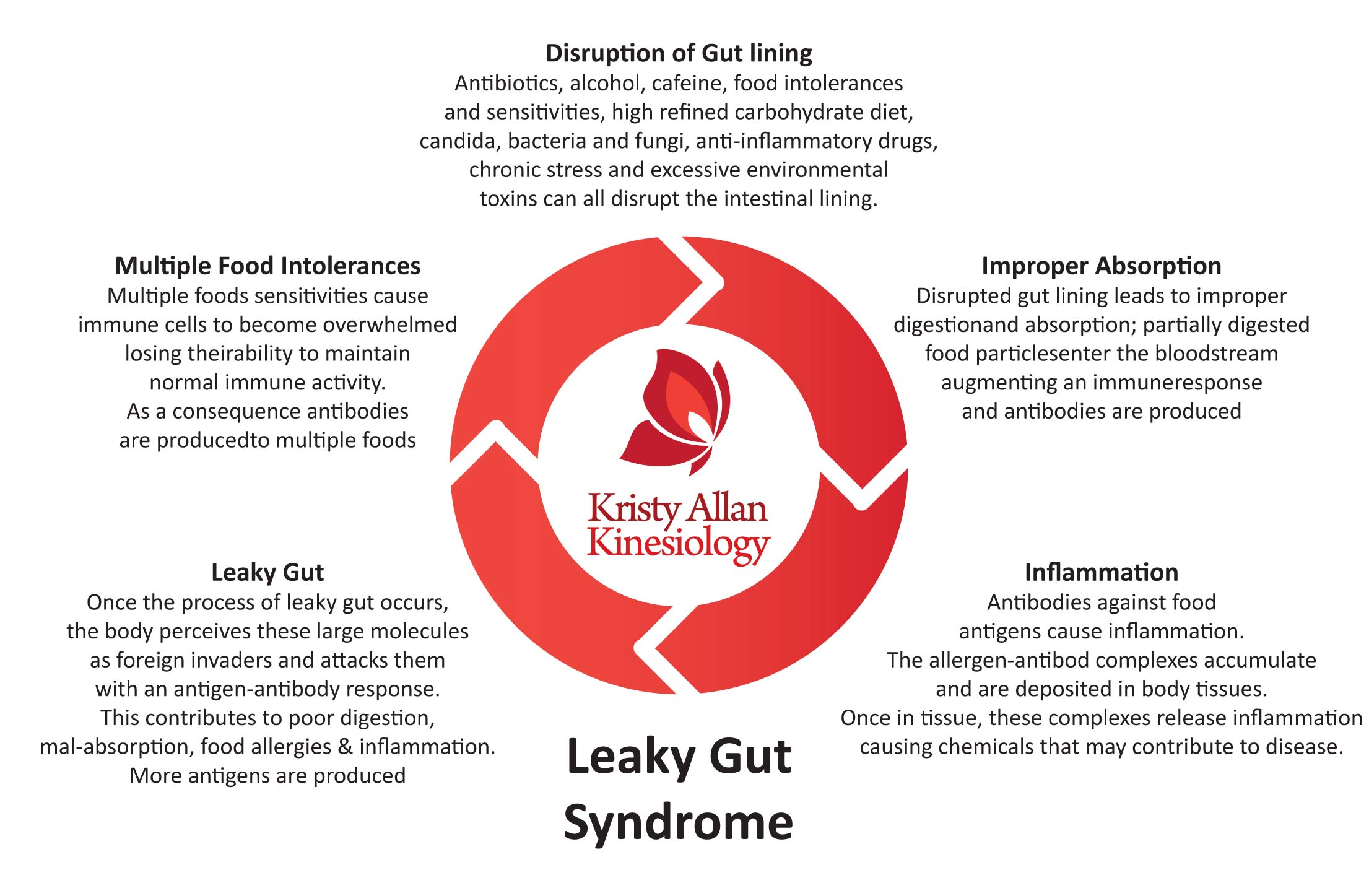
With leaky gut not only is the digestive lining more porous and less selective about what can get in, but normal absorption can also be affected


Leaky gut Syndrome and Inflammation will make weight loss impossible-How?

With leaky gut not only is the digestive lining more porous and less selective about what can get in, but normal absorption can also be affected

Leaky gut Inflammation can be a difficult diagnosis to establish for a number of reasons: It’s associated with a wide range of seemingly unconnected symptoms; it has a lot of different causes; there’s no specific test to confirm it; and evidence tying it to other conditions can be murky. As a result, there’s a fair amount of skepticism in the mainstream medical community about the legitimacy of leaky gut as a diagnosis. But as the evidence that this is indeed a real and recognizable condition grows, opinions are slowly changing. That’s a good thing, because leaky gut is likely to emerge as one of the most significant medical concepts of our time.

Leaky gut Syndrome and Inflammation-How Leaky Gut Affects You

The digestive lining serves is an important barrier function. It’s like a sieve with very tiny holes allowing only small substances to go through, while keeping out larger undesirable particles. With leaky gut, also known as increased intestinal permeability, the net becomes damaged, resulting in bigger holes that allow more things to pass through that ordinarily couldn’t.

When the barrier function becomes compromised, then bacteria, viruses, undigested food particles and toxic waste products can leak from the inside of your intestines through the damaged digestive lining into your bloodstream, where they’re transported throughout your body and can trigger your immune system to react. The end result is inflammation in various parts of your body, leading to a wide variety of symptoms of Inflammation like bloating, cramps, fatigue, food sensitivities, flushing, achy joints, headache and rashes.

With leaky gut not only is the digestive lining more porous and less selective about what can get in, but normal absorption can also be affected. Nutritional deficiencies may develop as a result of damage to the villi – the finger-like projections in the small intestine that are responsible for absorbing nutrients.

Multiple food sensitivities are another hallmark of leaky gut, because partially digested particles of protein and fat may leak through the intestinal wall into the bloodstream and cause an allergic response as a result of inflammation. Increased intestinal permeability may potentially cause or worsen a number of other conditions, including Celiac disease, inflammatory bowel disease (IBD, which includes Crohn’s disease and ulcerative colitis), irritable bowel syndrome (IBS), arthritis, psoriasis, eczema and asthma.

Leaky gut Syndrome and Inflammation –Causes

So what causes increased intestinal permeability? There’s still much to be learned, but diet, chronic stress, certain medications and bacterial imbalance seem to play important roles. Eating a diet high in refined sugar can lead to overgrowth of yeast species, which has been associated with leaky gut. Preservatives and chemicals in processed foods can damage the lining, and so can consumption of gluten – a protein found in wheat, rye and barley.

Chronic stress can lead to a weakened immune system, affecting your ability to fight off invading bacteria and viruses and worsening the symptoms of leaky gut. Medications like aspirin and non-steroidal anti-inflammatory (NSAIDs) that can damage the lining of your gut, as well as antibiotics that kill off your essential good bacteria are also associated with increased intestinal permeability. In fact, an imbalance between beneficial and harmful species in your gut called dysbiosis is one of the leading theories about what causes increased intestinal permeability. Excessive alcohol consumption, infection with parasites, radiation and chemotherapy can damage the lining of the intestine and are also risk factors.

In addition to bloating and digestive distress, a lot of the patients I see with leaky gut have a combination of other symptoms like food allergies, chronic sinus infections, achy joints, fatigue, brain fog or unexplained rashes. Typically they’ve been to multiple doctors trying to make sense of their symptoms, and conventional tests and imaging studies have been unrevealing. There can be a feeling of hopelessness and despair, because the symptoms seem so unrelated. With all these infections cropping in it becomes clear that the body becomes sick and as a result weight loss becomes practically impossible.

When you think of leaky gut not so much as a disease, but as a mechanism by which a number of different conditions can develop, it starts to make sense. A leaky gut is the pathway for how toxins enter the body through the GI tract and create all kinds of mayhem once they’re in, sort of like party crashers who slip through security and proceed to make a mess of the venue.

Leaky gut Syndrome and Inflammation-Solutions?

There’s no miracle cure for treating leaky gut, but there are things you can do if you’re suffering from it that can help heal inflammation and restore the integrity of your gut lining.

An anti-inflammatory diet that eliminates refined sugars, dairy, gluten, alcohol and artificial sweeteners – some of the biggest offenders when it comes to inflammation – can be very helpful. Consuming lots of anti-inflammatory essential fatty acids in fish and nuts, and filling up on green leafy vegetables, high-fiber and fermented foods that help to promote the growth of good bacteria is also crucial.

A robust probiotic that contains large amounts of good bacteria can help heal a damaged intestinal lining by restoring balance in the gut flora.

Supplements like glutamine have been shown in some studies to help with intestinal injury after chemotherapy and radiation and may be beneficial in leaky gut.

Most people will notice improvement within 6 weeks, although it may take several months and even years to heal a damaged intestinal lining in extreme cases of leaky gut. Because we’re still learning about leaky gut, many of the treatment guidelines are drawn more from anecdotal observation than from rigorous scientific studies. But they’re sensible recommendations that can lead to improvements in your overall health, whether or not you have increased intestinal permeability.

Leaky gut is one of those diagnoses that bridges the gap between conventional and alternative medicine, between what we can see and touch and what we can feel in our bodies. I refuse to believe that the hundreds of patients I see in my office with unusual and seemingly unrelated complaints are crazy, or just stressed out.

I believe them when they say they feel like they’re being poisoned, or that they think there’s a connection between all their symptoms, even though they don’t know what it is. My hunch is that as our knowledge grows, the theories behind leaky gut will become the foundation for lots of diseases that are widely prevalent in our society, and millions of people will be in a better position to find relief from their suffering.

Leaky gut Syndrome and Inflammation will make weight loss impossible-How?

Enhanced by Zemanta
Facebooktwitterpinterestlinkedin

Poor sleep insomnia and Depression will cause obesity

Poor sleep insomnia and Depression will cause obesity-But why

Many people don’t know that Poor sleep insomnia and Depression will cause obesity

Obesity has reached epidemic proportions in the world over and especially more developed countries. The problem is so common among adolescents. A substantial impact on public health could be achieved if other factors causing obesity besides the conventional ones of diet and physical activity could be identified and acted upon.

The present study investigates whether there is a link between low sleep quality and obesity in a cross-sectional sample of male and female adolescents ages 11–16 years old (Heartfelt Study). Sleep quality was expressed as two variables that is total sleep time and sleep disturbance time within 24-hour wrist actigraphy. A percent of body fat and body mass index (BMI) were used together to define obesity.

The potential influence of demographic and behavioral confounders was considered in models that described the relation of sleep to obesity occurrence. Obese adolescents experienced less sleep than no obese adolescents (P < 0.01). For each hour of lost sleep, the odds of obesity increased by 80%. Sleep disturbance was not directly related to obesity in the sample, but influenced physical activity level (P < 0.01). Daytime physical activity diminished by 3% for every hour increase in sleep disturbance. The above observations were independent of potential confounding variables. Inadequate and poor sleep quality in adolescents may be important factors to consider in the prevention of childhood obesity.

Poor sleep insomnia and Depression will cause obesity -What is Insomnia?

Insomnia is a sleep disorder that millions of people all over the world have to live with. Individuals with insomnia find it difficult to either fall asleep or stay a sleep. Its commonly leads to daytime sleepiness and general feeling of being unwell both physically and mentally.

Although insomnia can affect people at any age, it is more common in adult females than adult males. The sleeping disorder can undermine school and work performance, as well as being a cause of obesity, anxiety, depression, irritability, concentration problems, memory problems, poor immune system function, and reduced reaction time. Insomnia has also been associated with a higher risk of developing chronic diseases.

Poor sleep insomnia and Depression will cause obesity-What Causes Insomnia?

Insomnia can be caused by physical factors as well as psychological factors. There is often an underlying medical condition that causes chronic insomnia, while transient insomnia may be due to a recent event or occurrence.

 Disruptions in circadian rhythm: jet lag, job shift changes, high altitudes, noisiness, hotness or coldness

 Psychological issues: people with mood disorders, such as bipolar disorder or depression, as well as anxiety disorders or psychotic disorders are more likely to have insomnia.

  Medical conditions: brain lesions and tumors, stroke, chronic pain, chronic fatigue syndrome, congestive heart failure, angina, acid-reflux disease (GERD), chronic obstructive pulmonary disease, asthma, sleep apnea, Parkinson’s and Alzheimer’s diseases, hyperthyroidism, arthritis

 Hormones: estrogen, hormone shifts during menstruation

 Other factors: sleeping next to a snoring partner, parasites, genetic conditions, overactive mind, pregnancy

 Media technology in the bedroom – researchers from the University of Helsinki, Finland, reported in the journal BMC Public Health that media technology in the bedroom disrupts sleep patterns in children. They found that children with TVs, computers, video games, DVD players and mobile phones in their bedrooms slept considerably less than kids without these devices in their bedrooms.

Poor sleep insomnia and Depression will cause obesity -How is insomnia treated?

Some types of insomnia resolve themselves when the underlying cause is removed or wears off. In general, treating insomnia focuses on determining the cause of the sleeping problems. Once identified, this underlying cause can be properly treated or corrected. In addition to treating the underlying cause of insomnia, both medical and non-pharmacological (behavioral) treatments may be employed as adjuvant therapies.

Natural approaches to treating insomnia include:

  • Improving “sleep hygiene” – don’t over- or under-sleep, exercise daily, don’t force sleep, try to maintain a regular sleep schedule, avoid caffeine at night, do not smoke, do not go to bed hungry, make sure the environment is comfortable
  • Using relaxation techniques – such as meditation and muscle relaxation
  • Cognitive therapy – one-on-one counseling or group therapy
  • Stimulus control therapy – only go to bed when sleepy, refrain from TV, reading, eating, or worrying in bed, set an alarm for the same time every morning (even weekends), avoid long daytime naps
  • Sleep restriction – decrease the time spent in bed and partially deprive your body of sleep so you are more tired the next night.
 Poor sleep insomnia and Depression will cause obesityWhat is Depression?
  • Many people are depressed but don’t know it. Others may seem depressed to friends but really aren’t. It seems that we all have stereotypes of what depression is, but they aren’t always accurate in reality. One way to understand depression is to see it as consisting of two factors, or primary components. They are the psychological or “cognitive” component which affects mood, and the physical or “somatic” component which influences areas such as sleep and appetite. Viewing depression in this way sometimes helps to determine the primary cause of the problem.
Poor sleep insomnia and Depression will cause obesity -Natural solutions of Depression

Exercise – There is no doubt that regular physical exercise and activity is the cheapest and most efficient way to control your mood. Not only do exercise release brain chemicals which fight depression, it also gives a person a greater sense of control over his or her life.

Get rid of anger – Remember, an old definition of depression is “anger turned inward.” Unresolved resentment can damage both your relationships and health. Chronic anger and hostility can be your worst enemies. If anger is a problem, try taking an anger or stress management class to learn techniques to ward off long-standing angry feelings.

Keep a positive attitude – There is an entire field called “positive psychology,” which has grown from research that indicates the people with positive attitudes fight disease better and live healthier lives. I know it’s easier said than done, but remember the famous saying of Abraham Lincoln… “Most folks are about as happy as they make up their minds to be.”

Don’t take yourself too seriously – This is a tip that I’ve learned both from my own life and many of my patients. Humor is an important part of life. Some people have the ability to laugh at themselves, while others don’t. And each day, everything changes anyway. Laughing is good for all of us. Seeing the silly parts of life may give you a fresh point of view and change your mood.

Stay motivated – Try to set a goal for yourself, and then develop a plan of simple, small steps to get to the goal. Perhaps exercise is a good place to start. The keys to motivation are to not get overwhelmed with a goal that is too big or unrealistic, and to write things down to keep track of progress.

Talk to someone – If you were seeing a mental health professional before treating your obesity, keep in touch with them after as well. Remember, treating your obesity has a major emotional impact, and your life will change. Although these changes are mostly for the better, it is a good idea to have someone other than family or friends to talk to as you adjust to your new life.

If poor sleep insomnia and Depression is causing obesity in your life, help is on the way with doctor Akoury of AWAREmed Health and Wellness Resource Center. In this facility Doctor Akoury focuses on Neuroendocrine Restoration (NER) to reinstate normality through realization of the oneness of Spirit, Mind, and Body, Unifying the threesome into ONE.

Poor sleep insomnia and Depression will cause obesity-But why

Enhanced by Zemanta
Facebooktwitterpinterestlinkedin

Diet pills as an obesity treatment

Diet pills as an obesity treatment-Is your diet pill a miracle?

Obesity often requires long-term treatment to lose weight and keep it off. Prescription weight loss drugs may help. Keep in mind that these drugs are not a cure-all for obesity. Weight loss drugs should be combined with physical activities and a healthy diet to lose and maintain weight over long period of time.

Using prescription weight loss drugs to treat obesity is an option for the following people:

  • People with a body mass index (BMI) of 30 or above
  • People with a BMI of 27 or above with obesity related, such as diabetes or high blood pressure

Diet pills as an obesity treatment-Types of Prescription Weight Loss Drugs

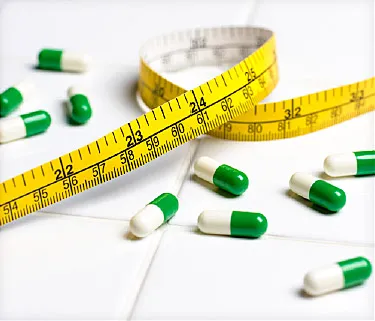
diet pills

diet pills can be helpful in management of obesity, correct usage may offer the required solution

Most weight loss drugs are for short-term use, meaning just a couple of weeks.

One type of weight loss medication is “appetite suppressants.” Appetite suppressants promote weight loss by tricking the body into believing that it is not hungry or that it is full. They decrease appetite by increasing serotonin or catecholamine, two to brain chemicals that affect mood and appetite.

These drugs come in the form of tablets or extended release capsules (pills that release medication over a long period of time). Appetite suppressants can be obtained by a doctor’s prescription or bought over the counter. One common prescription appetite suppressant is phentermine. The FDA has also approved the appetite suppressant Belviq for long-term use in treating obesity. Side effects include dizziness, headache and tiredness.

The drug Qsymia combines phentermine with the migraine drug topiramate. Topiramate causes weight loss in several ways, including increasing feelings of fullness, making foods taste less appealing, and increasing calorie burning. Qsymia is designed to be taken long-term. However, it cannot be taken by pregnant women and is only sold through certified pharmacies.

Another type of prescription weight loss drug is a fat absorption inhibitor. They work by preventing your body from breaking down and absorbing fat eaten with your meals. This unabsorbed fat is eliminated in bowel movements.

Orlistat is the only drug of this type in the U.S. Orlistat works by blocking about 30% of dietary fat from being absorbed. Orlistat is available by prescription as Xenical and over-the-counter as Alli.

Diet pills as obesity treatment-Does Xenical Really Work?

Xenical is moderately effective, leading to a 5% to 10% weight loss when taken along with a low calorie/low-fat diet. Most of the weight loss happens in the first six months.

Over the short term, weight loss from prescription drugs may reduce a number of health risks in obese people. But studies are needed to determine the effects of these medications over the long term.

Diet pills as an obesity treatment-The Risks of Prescription Weight Loss Drugs

When considering long-term weight loss drugs for obesity, the following concerns and risks should be discussed with your doctor:

  • Addiction: All prescription weight loss drugs except orlistat are “controlled substances.” This means that doctors are required to follow certain restrictions when prescribing them since they could be addictive.
  • Tolerance: Most people’s weight tends to level off after six months while taking a weight loss medication. This leads to a concern that the person has developed a tolerance for the medication, but this is unclear.
  • Side effects: Most side effects of weight loss drugs are mild (although some can be unpleasant) and usually improve as your body adjusts to the medication.

Which Diet Pills is really Right for Me?

What if there would be a weight loss product out there which can help you get thin no matter what kind of life you have? I know what are you thinking, keep on dreaming. Well let me assure you that this is reality finally there’s a way that you can get leaner without sacrificing anything. Matter of fact the study group has shown amazing results from many working environment..

Garcinia Cambogia is one of the newest South Indonesian fruits to enter into the United States market. Americans from all around the country are struggling to lose weight and keep it off. Not that we can blame it on our demanding schedules or lack of nutritional food available at fast food joints, but these surely don’t help us achieve our goals. Demanding work schedules rarely leave us with much time for exercise after a long exhausting day.

Well, we here at Consumers’ Health were a little skeptical of this Garcinia Cambogia Extract. Even after pouring though mountains of research. While I had an educated opinion, I still had no personal proof that the Garcinia Cambogia option was worth the time. So, with my editors blessing, I decided to go out and put the product to the test myself. What better way to find out the truth that to conduct my own study?

To get started, I volunteered to be the guinea pig. I applied online for a bottle of Garcinia Cambogia. Pure Garcinia Cambogia is one of the most credible and trustworthy diet supplement suppliers on the market. It included a 100% Money Back Guarantee of the product and it did not try to fool me into agreeing to additional hidden offers…. Another reason why I chose Pure Garcinia Cambogia is because it is the most concentrated and purest Garcinia Cambogia on the market. This would give me the most accurate results for my tea

These extracts are not only able to make you slim but have got the tendency to maintain those lost pounds. The main component present in Garcinia Cambogia is hydroxycitric acid or HCA, a compound that is able to enhance mood as well as to sculpt the body. How do the Ingredients in this Pills Work?

For purposes of obesity we achieve optimal weight loss at AWAREmed Health and Wellness Resource Center under Doctor Akoury’s care. The center focuses on Neuroendocrine Restoration (NER) to reinstate normality through realization of the oneness of Spirit, Mind, and Body, Unifying the threesome into ONE.

Diet pills as an obesity treatment-Is your diet pill a miracle?


Enhanced by Zemanta
Facebooktwitterpinterestlinkedin

Stress and Obesity the Missing Link!!!

Stress and Obesity-Not a Union

Stress

Research has found that stress leads to specific reactions in the body that cause induced cravings and lead to obesity

Obesity is a burgeoning problem in the developed world, and certain behaviors, such as increased portion sizes and reduced physical activity, can help explain why the obesity epidemic is spreading. Job strain might also contribute to the prevalence of obesity, and the current study addresses this issue in a cohort of civil servants followed over time. Obesity continues to be one of the largest public health concerns of the developed world. Analysis of data from the 2001-2002 National Health and Nutrition Examination Survey (NHANES) found that the prevalence rates of overweight and obesity among US adults were 31.5% and 30.5%, respectively. The prevalence of overweight in children was 16.5%. Compared to the previous NHANES survey (1988-1994), the body mass index (BMI) greater than 30 among adults had doubled. (Of note, the prevalence of overweight and obesity were fairly stable between the 1999-2000 and 2001-2002 examination periods.)

Stress and Obesity-Understanding obesity

While the problem of obesity has been well publicized, clinicians should also understand that societal factors play a prominent role in obesity. In research sponsored by the World Health Organization involving 26 different populations worldwide, surveys of over 30,000 subjects found an inverse trend between BMI and highest educational level attained. Women with lower educational attainment were significantly more likely to be obese compared with men with similar educational backgrounds, although lower educational levels in both sexes were associated with higher obesity. Moreover, the negative association between educational attainment and obesity increased over the 10-year study period, indicating that the obesity gap between well-educated and poorly educated individuals was increasing. To reinforce these data, another study limited to developed countries found that increased income disparity was associated with not only higher rates of obesity, but also diabetes mortality as well among subjects at the lower end of the income scale. Other societal trends can affect obesity as well. In the United States, more individuals are choosing to eat at restaurants than at home, and the easiest and least expensive option in dining is often preferred. Such choices can increase the risk of developing obesity. Ecological research from 21 developed countries found that girls who ate fast food at least twice a week were more likely to become obese compared with those who ate fast food less frequently. Unfortunately, the assimilation of other cultures into American society may not help improve the obesity problem. In one study, while regularly eating at fast food restaurants increased the risk of overweight in adults and children in Mexican-American families by a factor of 2.2, the risk of overweight associated with eating at buffet-style restaurants was slightly worse (odds ratio = 2.8). Families who ate food at Mexican restaurants, however, were less likely to be overweight.

Stress and Obesity-The Environment

The work environment can contribute to obesity as well. In a study of 208 male workers in Japan, obesity was associated with psychological tension and anxiety, much of which was derived from high demands and poor decision latitude at work. The authors also found that higher degrees of stress negatively affected subjects’ diets, which contributed to higher rates of obesity. The current study examined the 10,308 civil servants from the Whitehall II study, all of whom were between the ages of 35 and 55. Work stress was assessed by the Job Strain Questionnaire and defined by poor work social support, high job demands, and low job control. Overall, work strain was associated with increased risk of BMI obesity by a maximum odds ratio of 1.73, and of waist obesity by a maximum odds ratio of 1.61. There was a dose-response relationship between the number of reports of stress and obesity. There were some interesting nuances related to the study’s main finding. Men were more likely than women to suffer the negative effects of job strain in terms of obesity, to the point that women did not experience a significant increase in waist obesity with stress. Overall, poor social support at work was the most important singular factor of job strain in increasing the risk of obesity in this study. The study was strengthened by analyzing individuals prospectively over time and employing repeated measures of job stress as participants advanced through their careers. However, the study was limited by examining a very specific group of employees — civil servants — in a first-world country.

Stress and Obesity-Health Risk

Obesity may just be a part of the overall increased health risk associated with work stress, with the sum of these risks being an increased prevalence of cardiovascular disease. In a study of nearly 7000 individuals, the prevalence of smoking was elevated among subjects with greater job strain, while men with low degrees of decision latitude were also more likely to be sedentary. However, no job environment factor in this study was independently related to increase BMI. A case-control analysis of 609 workers in France found that job strain increased the risk of developing hypertension. The odds ratios for hypertension associated with job strain were 3.20 in women and 2.60 in men. Low social support at work was not related to hypertension, and, moreover, higher levels of social support did not mitigate the effects of job strain on hypertension. Another study of female nurses and male factory workers generally corroborated these results. Researchers found that increased duration of shifts during work was associated with increased systolic blood pressure among men over age 30. Both BMI and waist-to-hip ratio increased with increasing shift duration among nurses. The study of nurses and factory workers failed to find an association between blood glucose levels and the duration of shift work. In another analysis of the Nurses’ Health Study II cohort, working overtime was associated with an increased risk of developing type 2 diabetes, while women who worked less than 20 hours per week had a lower risk of diabetes. There is also evidence that serum markers associated with an increased risk of cardiovascular disease may increase with job stress. A study of adults in Sweden found that men reporting high effort and low reward at work had increased levels of total cholesterol and the total cholesterol/high-density lipoprotein cholesterol ratio after adjustment for possible confounders. Women whose jobs required more effort had higher levels of low-density lipoprotein cholesterol. The association between stress at work and cardiovascular risk factors such as BMI, hypertension, and lipid levels points to a possible larger relationship between work stress and cardiovascular disease. The researchers of the Whitehall study have previously examined this issue in their study cohort. They demonstrated that the hazard ratio for coronary heart disease was increased with low decision latitude among men (adjusted hazard ratio 1.43), but low decision latitude did not significantly increase the risk of coronary heart disease among women. However, both men and women experienced increased risks of coronary heart disease with higher demands at work. This increased risk of coronary heart disease was increased with job stress at all employment grades in the organization. This research echoed previous studies in that greater social support at work failed to improve cardiovascular outcomes associated with significant job stress.

Stress and Obesity-Effects
Stress

The harmful health effects of stress-induced obesity.

The effects of stress at work constitute a major public health issue. As clinicians, the best we can do is counsel patients about the potential cardiovascular and metabolic events associated with high levels of stress and encourage healthy life choices for patients at risk. While it may be unrealistic to ask employers to reduce job stress at all levels in our competitive economy, these same employers should understand that their employees’ health is critical to their success. There is a dearth of data regarding stress reduction programs at work and cardiovascular outcomes, and future researchers should address this issue. The phenomenon of obesity being among chronic diseases makes Dr. Akoury of AWAREmed Health and Wellness Resource Center very resourceful for you. She will help you achieve optimal weight loss, the Dr. Focus on Neuroendocrine Restoration (NER) to reinstate normality through realization of the oneness of Spirit, Mind, and Body, Unifying the threesome into ONE. With the help of Dr. Akoury your problem is sorted out for good.

Stress and Obesity-Not a Union

Enhanced by Zemanta
Facebooktwitterpinterestlinkedin