Category Archives: women’s libido supplements

Understanding weight gain and cancer risk

Understanding weight gain and cancer risk: Why this is very necessary
Understanding weight gain and cancer risk

Understanding weight gain and cancer risk is the starting point for total elimination of both obesity and cancer in our lives

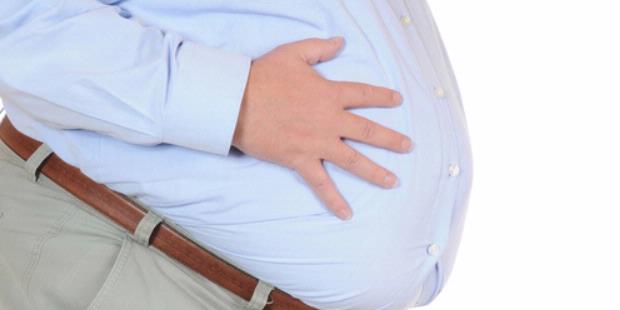
For a while now we have been in serious discussion about effects of being overweight to our general health.  It was very evident that being overweight and obese are not friendly at all to human health. For the purpose of this article we want to progress with that but on specific diseases. Therefore our focus is going to be focusing on the understanding weight gain and cancer risk in our lives. Doctor Dalal Akoury who has been very helpful to us is taking us through this discussion and if you have any disturbing concerns, then you can schedule for an appointment with her today for professional guidance about all your weight related concerns as well as those touching on cancer as a disease. The truth is being overweight or obese is a risk factor for several types of cancer (check on types of cancer segment). Although a higher weight may not necessarily cause cancer, the associated problem is maintaining a healthy weight is thought to be connected with a lower risk of many chronic diseases and cancer is one of the chronic diseases known. Doctor Akoury says that there are so many resources out there which can be very useful in helping you keep and maintain a healthy weight. You can talk to your doctor or dietitian to help you develop an appropriate weight loss program that can be friendly to you. In the meantime if you are with reach then you can easily call doctor Akoury for assistance. All that you need is well packaged at AWAREmed Health and Wellness Resource Center a facility founded by this great professional (doctor Akoury) to impact positively on people’s lives. The magnitude of the problem can be seen from the available statistics which indicate that more than two-thirds of American adults are overweight or obese which can either be substantial or extreme overweight. Just for purposes of jogging up your mind, when a person is overweight or obese, it means that they have too much body fat in relation to lean body tissue, such as muscle. Being overweight or obese are conditions caused by several factors including:

People who are overweight or obese have a higher risk of many serious health conditions, including type II diabetes, high blood pressure, and heart disease. Being overweight or obese is also associated with an increased risk of cancer which is our point of focus in this discussion.

The need of Understanding weight gain and cancer risk

Several studies have been conducted and an overwhelming number have actually established that being overweight or obese may increase cancer risk and growth. Like for instance, people who are obese have more fat tissue that can produce hormones, such as insulin or estrogen, which may cause cancer cells to grow. How your weight changes throughout your life may also affect your risk for cancer. Although more research is needed, studies have shown that the following factors can affect your cancer risk of cancer:

  • High birth weight is associated with higher cancer risk.
  • Weight gain during adulthood is consistently associated with an increased risk for several types of cancer.
  • Weight cycling (losing and regaining weight repeatedly) may also be a risk factor.

Research suggests that maintaining a healthy weight is associated with a lower risk of cancer and a lower risk of cancer recurrence (when cancer comes back after treatment) in cancer survivors.

Understanding weight gain and cancer risk: Types of cancer linked to overweight or obesity

We have probably discussed this before but all the same, some types of cancer appear to be closely linked to weight, although this relationship has not been proven for all cancers. Some cancers in which overweight has been found to be consistently associated with increased risk are:

Take note that even though further evidence is needed, being overweight has been associated with other cancers like:

  • Prostate
  • Ovarian
  • Multiple myeloma
  • Liver
  • Cervical
  • Non-Hodgkin lymphoma

Understanding weight gain and cancer risk: Weight loss and weight management tips

To control weight gain, it is first very important to get the professional information about what you eat, how much you exercise and to make healthy choices about what you eat and drink. This may not be easy and can be quite challenging because eating a high-calorie diet is typical in most nations including the United States today. The reasons for this include a plentiful, relatively low-cost food supply and large portions. The following are some of the guidelines that can be very helpful:

  • Eat more vegetables, fruits, lean protein, and whole grains. Some types of food, such as broth-based soups, also help a person feel full faster.
  • Limit foods and beverages that are high in sugar, such as juice and soda.
  • Eat and drink only as many calories as you need to maintain a healthy weight and support your level of physical activity.
  • Increase levels of physical activity. Most people should aim for 30 to 60 minutes per day of moderate-to-intense exercise on most days. However, even a small increase in physical activity has benefits.
Understanding weight gain and cancer risk: Suggestions for people who are overweight or obese

If you are currently overweight or obese, it is best to start by taking steps to lose weight through nutrition and exercise. Aim to lose 5% to 10% of your body weight as your first goal. Most hospitals and health-care organizations have professionals on staff that can provide weight management treatment. For instance, individualized counseling provided by a dietitian can help people lose weight and provide support. If nutritional changes and increasing physical activity aren’t enough, there are other steps you can take. In the event that you are facing difficulties in managing your weight effectively in spite following the professional guidelines given then you may want to seek for a one on one appointment with the experts at AWAREmed Health and Wellness Resource Center. Up on the receipt of your appointment, doctor Akoury will evaluate your individual conditions and administer treatment as is professionally require. Meanwhile the following are some of the options you will have at your disposal: A change in lifestyle behaviors – Behaviors that both reduce the amount of food eaten and increase physical activity should be changed before other weight loss treatments are considered. A registered dietitian, exercise physiologist, clinical psychologist, or doctor who specializes in weight loss can help. Medications – The use of drugs can help a person lose weight if changing diet and increasing exercise do not work.

Understanding weight gain and cancer risk: Why this is very necessary


Facebooktwitterpinterestlinkedin

Healthy Holiday Food and Diet Guidelines

Healthy Holiday Food and Diet Guidelines: Little by little Weight gain

Healthy Holiday Food and Diet Guidelines

Healthy Holiday Food and Diet Guidelines are very important when followed to the letter as they are very informative on healthy feeding habits and exercise.

The primary reason why we get time off away from our busy schedule is to relax and rest in comfort and fun. The common time that majority has for holiday season is towards the end of the year escalating to the first two weeks of the New Year. I want to believe that by now you are done with the hang overs of the last year’s holiday and probably you have started saving for the same this year. All these efforts are meant to make you happy refreshed and ready to get back to your normal daily assignments. However, as much as we look forward to holiday parties and dinners, many people are getting concerned about enjoying it too much for fear of packing on pounds in the whole process. It is this concern that we want to deliberate on in line with the healthy holiday food and diet guidelines. Take for instance one of the world largest economy America. It is estimated that its individual citizens consumes on average 4500 calories and 229 grams fat from eating a traditional thanksgiving dinner. Take note that, this doesn’t include breakfast, lunch, dinner or late-night snacking on leftovers. If this is the quantity they consume, what does it communicate to you? It means on average the Americans gain up to 2 pounds during each holiday season. If this is allowed to continue for years then those extra pounds definitely will become permanent baggage. Year after year, those pounds can add up, and contribute to overweight or obesity later in life. Doctor Akoury says that the health complications associated with being overweight or obese are not friendly at all. She goes on to say that we may not all gain weight during the holidays but the one common denominator is that, we all tend to eat and drink a lot and engaging in very little or no exercise at all. Healthy eating and exercise then gets to the back seat. The motivation of this is coined on the fact that no one wants to be on a strict diet during the holidays after all it is time to let loose. Yes I agree that we want to enjoy the abundance of traditional favorite foods. The question I through back to you is how can you enjoy the holidays responsibly without gaining weight? Experts at AWAREmed Health and Wellness Resource Center argue that it is not so hard, with good and proper planning. Doctor Dalal Akoury who is the CEO and founder of this facility shares with us some very important healthy holiday food and diet guidelines as follows: Smart shopping for Healthy Holidays – Consult with the experts with a view of purposing to include plenty of fruits, vegetables, lean meats, seafood, whole grains, and low fat dairy products in your holiday menu plan. Also ensure that careful consideration is taken when adding calories rich contents in your menu. Go slowly at the Party – Not all that passes before you should finds its way to your mouth. Majority appetizers tend to be loaded with calories. Make it easier on your guests by offering light and satisfying appetizers which can only be found at the healthy holiday food and diet guidelines produced by doctor Akoury. Harness the Diet Power of Produce – Add more simple vegetable and fruit dishes to your menu instead of heavy dishes with sauces. For example, green bean almandine with a squeeze of lemon is healthier than traditional green bean casserole. Simple peas or corn are healthier than creamed peas or corn. Go Frozen in winter – Go for fresh fruits and vegetables especially during their season nonetheless you can also opt for fresh frozen fruits and vegetables which are very economical and can be more nutritious because they are picked at their peak ripeness and frozen immediately. Honor Special RequestsAs you plan your holiday menu always consult for a healthy holiday food and diet guidelines. Even though you may not succeed in pleasing your entire guest, it is important that you ask if guests have any food preferences or intolerances. This way you can include a wide variety of healthy foods. Then, your guests can pick and choose, filling their plate with a satisfying meal no matter their food issue. Shave Calories with Simple SwapsCreate healthier versions of your holiday favorites by shaving calories wherever you can. Simple swaps of lower-fat ingredients are easy ways to save calories and no one will even notice the difference. Use chicken stock, fat-free yogurt, light cream cheese, and low-fat milk in place of high-fat ingredients. Substitute non-fat yogurt or applesauce for oil in baked goods. Roast or Grill for Rich Flavor with Fewer CaloriesRoasting or grilling meat, seafood, vegetables, and potatoes, is a simple, low-calorie cooking style that brings out the natural sweetness and flavor in foods. Roasted sweet potatoes with a sprinkle of cinnamon sugar and a spritz of butter spray are delicious substitutes for the traditional calorie-laden casserole. Serve Healthier DessertsFor dessert, try chocolate-dipped strawberries for a colorful and delicious finale. If you want to offer pie, choose the healthier pumpkin pie. Make it with non-fat evaporated milk. Top it with fat-free whipped topping. Spritz Your DrinksEggnog and other holiday beverages can add a huge number of calories. It is important that you consider adding beverages such as diet soda, sparkling water, or a low-calorie punch. Remember that alcohol releases inhibitions and can increase hunger. Therefore where possible don’t serve alcoholic drinks.

Healthy Holiday Food and Diet Guidelines: Plan and audit carefully to Avoid Holiday Weight Gain

Because we know that there is going to be lots of eating and drinking during the holiday, it is therefore very important that you work towards trimming your calories and making sure that you fit in fitness everyday so you can enjoy a controlled feast without the guilt. Even in doing all these it is still worth noting that the holidays are marked with many luring traditions, however the real meaning is about spending time with family and friends. Finally never go for any feast on an empty stomach. This will be a motivating factor for you to eat without control which can be very discouraging on weight loss. This healthy holiday food and diet guidelines will not be useful if you don’t put them into practice. I appreciate that it may not be easy, but the consequences of not following can be very fatal. If you’re in anyway experiencing any difficulties in whatever nature, you can seek for help by scheduling for an appointment with doctor Akoury for more one on one professional advice.

Healthy Holiday Food and Diet Guidelines: Little by little Weight gain


Facebooktwitterpinterestlinkedin

Weight Loss Recommendations for Children

Weight Loss Recommendations for Children: Do you have an Obese Child?

Weight Loss Recommendations for Children

Weight loss recommendations for children are not the same as those of adults. Children are still in the process of growth and development.

To begin with losing weight is healthy for everybody irrespective of the age or status. However, the approach given is completely different when it comes to adults and children. Like for instance, the weight loss recommendations for children are not the same with those of adults. Why is this so? Doctor Dalal Akoury explains that children are still in the process of growth and development unlike adults and therefore they need calories to achieve this besides the calories that their body requires for daily metabolism and physical activity. It is believed that children who eat too little may not have enough calories to grow in height. Guided by these reasons, it is only fair that a child’s calories should not be interfered with too much and weight loss recommendations for children should be quite modest. In view of this the current recommendations for weight loss in children have two main objectives:

  • To ensure that the child grows and develops normally and
  • To help the child reach a healthy weight

Experts in the field of pediatric weight management have developed broad treatment recommendations with these two objectives as the guiding factors.

Weight Loss Recommendations for Children: When to Maintain Weight

Maintaining weight allows children to “grow into” a healthy weight as they get taller. Children who are encouraged to develop healthy eating and activity patterns without “dieting” can stop excess weight gain and maintain their weight while growing taller. Specific recommendations for maintaining weight in a healthy range include:

  • Eating at least five daily servings of vegetables and fruits
  • Eating breakfast daily
  • Limiting portion sizes
  • Minimizing or eliminating sugar-sweetened beverages
  • Limiting screen time to no more than two hours per day
  • Not putting a television in the child’s bedroom and
  • Getting at least one hour of daily physical activity.

Weight maintenance strategies can be used with children as young as two years of age. For children whose height is increasing, weight should be held steady as the child grows and until the child’s Body Mass Index (BMI) drops down into the normal range, that is, below the 85th percentile. Under these circumstances you can choose to maintain the weight

Weight Loss Recommendations for Children: When to Lose Weight

Weight loss may be recommended for children over two years of age if their BMI progressively continues to increase after three to six months of weight maintenance efforts and if medical conditions associated with weight gain like hypertension, high blood cholesterol, or high blood glucose, as well as sleep apnea, asthma, and gastrointestinal problems, persist. Children at or above the 99th percentile for weight may require a comprehensive, multidisciplinary weight management program that is designed specifically for children and has a track record of lasting results. Emphasis should be made that children will always be children and adult-based weight-loss programs are not appropriate for them.

It is important to appreciate that before a child is 12 years, children’s weight loss should be at an average of 1 pound per month. This gradual weight gain will allow them (the children) to continue growing in height (taller) and building their muscle. Children can be successful at losing weight gradually, a goal that rewards parents and children with a sense of accomplishment. In addition, the type of healthy eating that promotes slow weight loss is easy to sustain over time.

Weight Loss Recommendations for Children: Weight loss options

Parents have a seemingly endless number of options when it comes to deciding their child’s summer plans. With so many traditional summer camps and “fat camps” to choose from (not to mention the temptation of simply hoping your child’s weight issue will resolve itself, continuing along the same path of diets, gyms and personal trainers), it’s important to choose your child’s summer plans carefully. And because of the many options at your disposal, you are likely to get confused in the process. Just for the avoidance of doubt, seeking for professional help will not harm in anyway. The good health of our children should come first and therefore, we must not gamble with the lives of our children. I want to encourage you to schedule for an appointment with the experts at AWAREmed Health and Wellness Resource Center under Doctor Akoury’s care. Up on doing so, doctor Akoury who is also the founder of the facility will help you shed off any doubt or concerns you may be having.

“Fat camp” is a term used in popular culture to describe a camp where a child is sent to lose weight. The term ‘fat camp’ is one that we don’t use at AWAREmed Health and Wellness Resource Center because it is the antithesis of what we represent. In fact, we wish the term ‘fat camp’ would go away altogether from the vocabularies of weight and weight related concerns. But given the popularity of ‘fat camps’ as a descriptor, and the reality that there are many traditional fat camps in existence still, we want you to understand what makes AWAREmed Health and Wellness Resource Center different.

Weight Loss Recommendations for Children: Fat Camps Do Not Promote Long Term Weight Loss

AWAREmed Health and Wellness Resource Center is renowned for equipping both young and old clients with the skills they need to make healthy choices for the rest of their lives. Unlike fat camps which restrict food, boot camps that demand activity, or diet camps which simply put clients on a short-term diet, AWAREmed Health and Wellness Resource Center exposes clients to a range of exciting activities and provides them with a safe environment in which to learn to regulate their food intake and activity levels. This is actually guided by the vision of Dr. Akoury which made her to create this medical center whose main objective is to transform each individual’s life through increasing awareness about health and wellness and by empowering individuals to find their own inner healing power. The motivation of Dr. Akoury is seeing people both young and old have their lives back. That is why her practice focuses on personalized medicine through healthy lifestyle choices that deal with primary prevention and underlying causes instead of patching up symptoms. The health of your children will be safe with her and all you need to do on your part is to schedule for an appointment with her today and start the worthy journey of hoe and good healthy weight for you and your children.

Weight Loss Recommendations for Children: Do you have an Obese Child?


Facebooktwitterpinterestlinkedin

Obesity and Sleep Deprivation Effects

Obesity and Sleep Deprivation Effects: The resulting complications

Obesity and Sleep Deprivation Effects

Obesity and Sleep Deprivation Effects. Never take sleep for granted. the effects of not having adequate sleep can be very dangerous.

There are very many things which we often take for granted in our daily lives yet they impacts seriously on our general health. If you study carefully causes of being overweight or obesity, you will be surprised to note that nearly all those causes can easily be avoided. One of those is sleep deprivation, when a normal human being should be having at least eight hours of uninterrupted sleep, majority of us hardly sleep for four hours. The result of these in abilities to prevent such causes is now causing us to make obesity and sleep deprivation effects as a topic of discussion. Even though the obesity is affecting people across the globe, some nations are feeling the pinch than others. For instance America has very alarming statistics about the penetration of obesity probably it is the worse hit country globally with about 65% of its citizens being overweight.

This is not something to be proud of and we need to investigate ourselves to find out why are we as a nation getting fatter? In fact collectively our levels of physical activity have dropped, along with our caloric expenditure, yet our caloric intake has not declined. When caloric expenditure declines and caloric intake does not decline, weight gain occurs. Besides that we’re also getting less sleep than we used to. If you were to add all of those features together, you can only make a worthy conclusion that we have a perfect model for obesity. Let us now look at sleep as a factor in this problem of obesity and sleep deprivation effects.

It is true that everyone is bound to experience sleep deprivation at one time or another and it will still be fine. However when this becomes persistence sleep deprivation can lead to serious problems. Sleep deprivation causes excessive daytime sleepiness and decreases your ability to perform your regular activities. Ongoing sleep deprivation can lead to a host of medical complications and an increased risk of vehicle crash or injury. There are many causes of sleep deprivation ranging from medical conditions, medications, sleep disorders, and lifestyle factors. The type of treatment for sleep deprivation depends on the cause and that is a point of discussion for another day.

Obesity and Sleep Deprivation Effects: Causes of sleep deprivation

Like I have said sleep deprivation can come as a result of not receiving  adequate amount of sleep during the night, resulting in excessive daytime drowsiness, irritability, depression, poor thinking skills, and decreased functioning during the day. Ongoing sleep deprivation can lead to medical conditions, such as heart disease, breast cancer, colon cancer, and diabetes, as well as lead to an increased risk of vehicle crashes or accidents. Severe sleep deprivation can cause hallucinations and even death.
There are many causes of sleep deprivation. Your lifestyle can influence how much sleep you get and the quality of your sleep. Parents of a new baby, students studying for exams, or people traveling across time zones may be susceptible to temporary sleep deprivation. Shift workers are vulnerable to ongoing sleep deprivation.
Medical conditions, such as chronic pain or asthma, and certain medications can impair sleep. People with untreated sleep disorders, such as sleep apnea, restless legs syndrome, or insomnia, can experience sleep deprivation. Women may experience sleep deprivation because of hormone fluctuations that occur with premenstrual syndrome, pregnancy, perimenopause and menopause.

Obesity and Sleep Deprivation Effects: Complications

The available statistics indicate that the obesity epidemic is rapidly getting children off foot. CDC estimates that one in three children born in America is overweight. Frustrating further is that many of these children are already catching some chronic complications diabetes, and with those (children) under 10 years of age are already developing type 2 diabetes which is primarily seen in adults is usually not until past the age of 40.

Uncontrolled diabetes can lead to hypertension and increased risk of heart attack. It also damages the eyes, kidneys and other vital organs. The earlier one develops the disease, the greater the potential for long-term damage, especially if the diabetes isn’t diagnosed and brought under treatment.

Nevertheless the problem is no less serious for adults. It is estimated that some 18 million Americans have sleep apnea, which is often associated with people who are overweight. As the person gains weight, especially in the trunk and neck area, the risk of sleep-disordered breathing increases due to compromised respiratory function.

If a person is overweight and suffering from sleep-disordered breathing, he/she may not be as motivated to exercise or to diet. When apnea leads to daytime sleepiness, it may be that much harder to begin or sustain an exercise program, which has been shown to help people begin or maintain weight loss. Not only does obesity contribute to sleep problems such as sleep apnea, but sleep problems can also contribute to obesity. In one of the studies it was established that building up a sleep debt over a matter of days can impair metabolism and disrupt hormone levels. After restricting 11 healthy young adults to four hours’ sleep for six nights, researchers found their ability to process glucose (sugar) in the blood had declined in some cases to the level of diabetics.

A further research also established that people who don’t sleep adequately have physiologic abnormalities that may increase appetite and calorie intake. The level of leptin an appetite stimulating hormone falls in subjects who are sleep deprived, which promotes appetite. It suggests that at least one factor in obesity can be sleep deprivation. Poor sleep and sleep deprivation may increase appetite. Because the psychological manifestations of fatigue, sleep and hunger are similar, as adults, we sometimes confuse them. We often eat when we’re actually sleepy, because we think fatigue is a sign of hunger.

Obesity and Sleep Deprivation Effects: Treatment

Sometimes the best way to treat obesity can be to treat the underlying sleep problem. Successful treatment of sleep apnea, usually with nasal continuous positive airway pressure (CPAP), may reduce sleepiness and then motivate patients to effectively lose weight, which will in turn help the obesity and the sleep apnea. Most experts say that even with as little as a 10% decrease in weight can lead to significant clinical improvement in the severity of sleep apnea. However, in the more severe cases of apnea, CPAP is a necessary first step to better sleep and feeling motivated to embark on a weight loss program. Finally like I had mention above, things which are making us gain weight can easily be avoided if only we can do the right things. However if this has caused you to gain weight and you’re finding it an uphill to climb, the help is on the way at AWAREmed Health and Wellness Resource Center under Doctor Akoury’s care. You can schedule for an appointment with doctor Akoury today for further consultations that will help you eliminate obesity and sleep deprivation effects from your life.

Obesity and Sleep Deprivation Effects: The resulting complications


Facebooktwitterpinterestlinkedin

Is it Diet or Exercise for Overweight

Is it Diet or Exercise for Overweight: Which One Will Help You Lose Weight Faster?

Is it Diet or Exercise for Overweight

Is it Diet or Exercise for Overweight. this should not confuse you, they are both very beneficial in weight loss

In your desire to lose weight, there is no doubt that you will meet these two weight loss components. Diet and exercise, and at some point of time you will be wondering between the two which one may work well for you. This is a genuine concern not just for you right now but to many people struggling with weight related complications. Therefore as we get into the discussion, I want to pose the same to you that “is it diet or exercise for weight in your case?” I believe that by asking that question your mind is moving in all direction trying to find the best answers whether it is the exercise or diet. But even as you battle with weight and all it accompaniments, these two words will continue to be here with us every day in our quest to lose weight and stay healthy.

It can be very frustrating to commit to an exercise schedule or diet plan working very hard to get in shape and when you evaluate your effort on the scale you discover that you haven’t done much and your weight is still intact or you have only managed negligible ounces. You then take your frustration to the mirror and in that influence of disappointment you brand yourself a failure and relapse immediately by ordering for a piece of pizza. This discouragement brings me back to the question is it diet or exercise for overweight? What exactly should you put your focus on in order to meet your goals? The answer to this riddle is both simple and complicated as we will find out in the discussion following.

Is it Diet or Exercise for Overweight: Listen to the professional’s opinion?

Doctor Dalal Akoury a re-known weight lose expert and also the founder of AWAREmed Health and Wellness Resource Center states that it  is all about cutting down on calories. And in fact this is the most effective way of losing weight all over. Therefore the key is to eat and drink less calories than you burn. Take for instance 3,500 units of calories equals approximately one pound of fat. If you were to cut down calories by 500 daily from your diet you will succeed in shedding off a pound of fat in a week much faster as oppose to trying to burn it off by engaging in physical activities. While appreciating the effect of cutting calories through healthy eating, doctor Akoury says that exercise is still very important in maintaining weight loss. As a matter of fact those who succeed in losing weight gradually with a calorie controlled diet be able to maintain their weight better be getting regular exercise. However when dieting is done in crash without exercise, the result may be increase in weight gain especially when the diet is stopped.

Is it Diet or Exercise for Overweight: Recognize where the difficulty is and find solutions

If you and your family are overweight, then you need to give it a different approach. The best approach would be a collective one where you sit in a round table to discuss and come up with a common working solution for all the group members. This should be an incentive for you especially if you and your partner have a family history of diabetes. This will give you an opportunity to talk about the effects of diabetes and educate yourself and your family about the risks of being overweight pointing out how being overweight can affect social activities, confidence, and energy. You can also highlight the benefits of eating healthier. Make a list of consequences of good eating verses bad eating.

Sugar and processed foods are probably two of the biggest obstructions in the effort to maintain a healthy weight. If you want to get in shape you’ve got to quit incapacitating yourself with the consumption of these two. It would be good if you cut out as much sugar and processed foods as you possibly can. If you can get your family on board (with your sales pitch at the family meeting), you can clean out your pantry and throw away the junk food that is making you unhealthy. The truth is the human body responds better to unprocessed foods that are low in fat, salt and sugar. It may be difficult but it will pay high health dividends in better health and greater happiness.

It is easier (and more permanent) if you do it gradually. If the family gathers around the TV to watch Sunday football with chips, sodas and greasy hamburgers, start by substituting leaner hamburgers, or substituting soda sweetened with stevia. Gradually work your way toward whole grain hamburger buns, chips that aren’t fried and adding a veggie tray to the whole spread.

Remember that in doing all these, not all the time will things go as planned and therefore you should expect some relapse. When this happens you may be tempted to give up but I want to encourage you not to. Such relapses are normal and are bound to happen. The only thing you need to do is to keep the spirit of losing weight. The focus should not change therefore keep trying to do a little better overall than you have done in the past year.

A final key to a healthy diet is portion size. Even though unprocessed foods tend to be lower calorie, they do still have calories. You will need to re-educate yourself about what a real serving size is. It is an excellent idea to buy a food scale and measure out your food at least until you get a good feel of how many calories are in the portions you are eating.

Is it Diet or Exercise for Overweight: But what about exercise

Getting regular exercise is an important part of a healthy lifestyle. It keeps your metabolism going as you seek to cut out the calories from your diet. It may be quicker to cut calories to lose weight, but if you are continually cutting calories without keeping your metabolism ramped up the calories you do eat will be with you for a longer duration.

A regular cardio workout helps to strengthen heart muscles, reduces the risk of heart attack, increase lung capacity, lowers cholesterol and blood pressure and can help control diabetes. Another surprising result will be that you will sleep better.

Some other important benefits of exercise is that it will help you stay on your diet by reducing stress that might cause you to eat things you shouldn’t, it acts as a reminder of the connection between what you eat and how you feel, the increase of oxygenated blood to the brain helps you think more clearly, and exercise releases endorphins. Therefore if you’re still wondering whether it is diet or exercise for overweight, they schedule for an appointment with doctor Akoury today for further and more professional one on one evaluations and training.

Is it Diet or Exercise for Overweight: Which One Will Help You Lose Weight Faster?


Facebooktwitterpinterestlinkedin