Category Archives: women’s libido supplements

Expectations from Your Doctor’s Office about Obesity

Expectations from Your Doctor’s Office about Obesity: Medical Treatment for Obesity

Expectations from Your Doctor’s Office about Obesity

Expectations from Your Doctor’s Office about Obesity can be very high however, your determination and acceptance of the condition is very important for progress to be made

When your efforts to losing weight are not working to your expectations, you may need to seek the expert’s opinions on the best way to go. Weight loss is a process and will take some time for it to be convincing to the patients. However when you visit a specialist, it is only natural that the expectations from your doctor’s office about obesity will be very high owing to the fact that your own efforts have not been pleasing. In that case certain prescription medications may be necessary for weight related health issues. While appreciating the fact that many people relay on over the counter supplement to lose weight, the best way to ensuring long term solutions will be based on behavioral weight loss measures which are readily available at AWAREmed Health and Wellness Resource Center under the able leadership of doctor Dalal Akoury. At this facility, our strategy when talking about behavioral weight loss measure is to target unhealthy dietary habits and incorporate physical activity into daily life. Remember that obesity associated eating disorders require treatment by a qualified therapist and may also require medication. When you visit this facility, we will explore all the treatment options for obesity professionally guided by the following:

  • Your age, overall health, and medical history
  • Extent of the condition
  • Your tolerance for specific medications, procedures, or therapies
  • Expectations for the course of the condition
  • Your opinion or preference

After evaluating your condition and determining the accuracy of your BMI, it will also be very necessary to measure your blood pressure and percentage of body fat and order for further blood tests to check cholesterol levels and determine how well your thyroid is functioning.

Expectations from Your Doctor’s Office about Obesity: Treatment Options

A good treatment for obesity is that which will not only target losing weight but also maintaining a healthy weight thereafter. The success of will involves a blend of diet, exercise, and other lifestyle modifications. Although some medications, herbs, and supplements may help you lose a little weight, you still must eat fewer calories and exercise more to see any real effect. And you must make those behavioral changes stick to keep weight off. For severe obesity, bariatric surgery (which physically restricts the amount of food a person can eat) may be a better option says doctor Akoury.

Lifestyle

Calories are the major culprit to losing weight. Therefore to effectively do this, you must eat fewer calories and increase your physical activity to burn more calories. The key to losing and keeping off weight is to set realistic goals, and incorporate effective lifestyle changes into your daily routine.

Exercise

Exercise can help you lose weight, especially in the first 6 months, and maintain your desired weight in the long term. Exercise not only contributes to weight loss, it also decreases abdominal fat and improves heart health, lowers blood pressure, and helps keep blood sugar levels in check. However if you are not used to exercising, you can start this gradually in small bits like 30 minutes daily consistently for at least five days in a week. Activities like swimming, walking or biking, strength training and stretching are ideal for a start. Nevertheless if you are extremely obese or have other medical problems, it will be very important that before the commencement of these activities, your doctor’s opinion would be highly recommended.

Expectations from Your Doctor’s Office about Obesity: Drug Therapies

It is important to note that while it is true that some medications may help in promoting weight loss, there are no drugs to cure obesity. Weight loss medications should be used in addition to diet, exercise, and other lifestyle modifications. Many of these drugs are available by prescription only and some have serious side effects.

Expectations from Your Doctor’s Office about Obesity: Prescription Medications

  • Sibutramine (Meridia) boosts metabolism, enhances energy level, and promotes a feeling of fullness. Meridia is moderately effective; studies show that people who take Meridia lose about 10 pounds more than those who just followed a low calorie diet. Side effects include dry mouth and insomnia. Meridia cannot be taken by people with a history of stroke, seizures, or heart, liver, or kidney diseases.
  • Orlistat (Xenical) reduces the absorption of fat from foods; side effects include oily stools, flatulence, and diarrhea. It is approved for over the counter sale in the U.S. as Alli.
  • Phentermine suppresses appetite; serious potential side effects include pulmonary hypertension and heart valve defects. Phentermine is similar to an amphetamine and should not be taken by people with high blood pressure, heart disease, glaucoma, or those taking antidepressant medications.
Expectations from Your Doctor’s Office about Obesity: Surgical Procedures

Bariatric or weight loss surgery may be considered in cases where people are severely obese and lifestyle changes have not worked. It uses bands or staples to create a small pouch at the top of the stomach. The pouch reduces the amount of food that can be taken into the stomach. Physicians carefully select individuals for surgery, and patients must undergo psychological testing and counseling. It is important that patients who have had bariatric surgery must be monitored by their doctor afterward to make sure they get enough essential nutrients. Procedures include:

  • Roux-en-Y procedure (gastric bypass) permanently reduces the size of the stomach; vomiting is the most common side effect.
  • Gastric banding an adjustable silicone band is placed around the stomach, decreasing the amount of food that can be eaten. The band can be adjusted or removed.
  • Laparoscopic vertical sleeve gastrectomy. The stomach is restricted by stapling and dividing it vertically and removing more than 85% of it. The stomach that remains is shaped like a very thin banana.
Expectations from Your Doctor’s Office about Obesity: Complementary and Alternative Therapies

In this arrangement diet plans are often very popular. They range from traditional low-fat, high-carbohydrate diets to high-protein, high-fat, and low-carbohydrate diets. The truth is, no specific diet works for everyone, and no diet works without the other essential components of weight loss exercise and stress management. The U.S. Department of Health and Human Services says a healthy diet:

  • Emphasizes fruits, vegetables, whole grains, and fat-free or low-fat dairy products
  • Includes lean meats, poultry, fish, beans, eggs, and nuts
  • Is low in saturated fats, trans fats, cholesterol, salt, and added sugar

Among many weight loss plans available, the ones that generally result in a balanced diet include the Weight Watchers plan, the South Beach Diet, and the American Heart Association No Fad Diet. In everything you do concerning diet, professionalism is very ideal. Therefore beware of diets that promise quick, substantial weight loss because they often don’t contain adequate nutrients your body needs to stay healthy, and you’re more likely to go off the diet and engage in binge eating, gaining the weight back. Weight loss of about 1 – 2 pounds per week is considered safe and sustainable. Finally before you get into any diet, it is important to consult widely with your practitioner to determine which plan is right for you. If you are within reach then you can visit doctor Akoury in her office or schedule for an appointment with her for more in depth information that will be suitable for you.

Expectations from Your Doctor’s Office about Obesity: Medical Treatment for Obesity


Facebooktwitterpinterestlinkedin

The risks causes and prevention of Obesity

The risks causes and prevention of Obesity: Why Obesity is still a threat

The risks causes and prevention of Obesity

The risks causes and prevention of obesity are very realistic. Obesity can be prevented and weight loss is also very possible.

This are not new thing to you about obesity. We have made effort to talk about the risks causes and prevention of obesity nearly in all the weight related articles we have posted in this link. And despite the efforts we are making together with many other weight concern institutions, the reported statistics is very worrying. American being one of the biggest casualties several reports have indicated that overweight and obesity are becoming epidemic. Not once but may times we have posted useful information that being overweight or obese puts you at risk for various chronic diseases including heart disease, diabetes, high blood pressure, cancer, stroke, gallbladder disease, osteoarthritis, and respiratory disorders. I believe that at the mention of these diseases your eye brows rises in amazement. I can tell that am being honest with you on this because the risk of developing these diseases is even higher when weight is concentrated near and around the waist line (the belly fat). If this describes your situation, I want to encourage you to talk to the experts at AWAREmed Health and Wellness Resource Center and doctor Dalal Akoury who is also the MD and founder of the facility, will be able to address all your concerns diligently and professionally.

In the meantime let me take a moment to draw to your attention to some of the available statistics about obesity and more so in America. Obesity is a growing problem. In view of the National Institutes of Health report, 60% of American adults are overweight and 35% are considered obese, while about 25% of American children are overweight or obese. The sad news is that the escalation of the problem is on a fast high way late at an abnormal high speed. There is great fear that if current trends continue, more than half of American adult population are likely to be confirmed obese inside the next 15 years. We appreciate that taking weight off and keeping it off, is difficult and despite the difficulties, many people who have made effort to lose weight, later relapse and gain it back either in small portion or in its entirety.

Despite continuing research on obesity, there are no medications, herbs, or supplements that can help you lose a significant amount of weight, and all have some side effects. The only way to lose weight is to reduce the amount of calories you eat and increase your activity level. These actions improve your health in many ways in addition to helping you lose weight.

The risks causes and prevention of Obesity: Signs and Symptoms

The most immediate indicator of the presence of obesity is usually determined by body mass index, or BMI. If your BMI is 25 or 30 or 40 then you are overweight, obese and extremely obese respectively. Doctor Akoury states that a high waist-to-hip ratio increases the risk for developing serious, even life threatening conditions associated with obesity. Some of the conditions that may accompany obesity include:

  • High cholesterol
  • Diabetes
  • High blood pressure
  • Heart disease
  • Stroke
  • Sleep apnea
  • Osteoarthritis
  • Gallstones
  • Cognitive dysfunction
  • Depression
  • Cancer
  • Asthma

The risks causes and prevention of Obesity: What Causes It?

Researchers know that obesity is the result of eating more calories than we burn off through activity, but a number of factors contribute to obesity some of which are listed below:

  • Diet and good nutrition – I will pose this question to you, what do you eat? If your food is rich in high-fat, high-calorie foods causes weight gain.
  • Living an inactive life without exercise – I would say that don’t try this at home because it has been established that sedentary people don’t burn as many calories as active people.
  • Genetics and relationships – Your genes may influence how much fat your body stores and where it is stored. However this alone may not mean that you will be obese.
  • Age particularly the old age – As we get closer to our sunset days, our rate of being active in life goes down gradually because at this stage, we often ignore physical activities and eventually lose muscle mass.
  • Psychological issues – Food is very interesting and how people behave with it. Did you know that some people overeat when they are upset or stressed? And you can imagine the consequences of stress and over eating put together.
  • Medications – Some drugs, such as corticosteroids, blood pressure medication, and tricyclic antidepressants, can cause you to gain weight.
  • Medical problems – Hardly will you find that people are becoming overweight or obese and in the contrary obesity is as a result of a medical conditions like Cushing syndrome (where the adrenal glands produce too much hormone) or hypothyroidism (where the thyroid gland doesn’t produce enough hormone). Conditions such as osteoarthritis cause people to be less active, which can lead to weight gain.
  • Prenatal environmental factors – Several studies show that adult men and women who were born small for their gestational age are more likely to be overweight or obese than those who were of normal size at birth. Maternal smoking and excess weight gain is also associated with offspring obesity.

The risks causes and prevention of Obesity: Risk Factors

The kind of lifestyle we live can impact on us either positively or negatively. For us to be on the safe side of life free from all weight related issues, we all have a duty to shun away from the following factors may increase your risk for becoming obese:

  • Living in an industrialized country, especially the United States where natural activities like walking has been taken over by escalators and high locomotives among many others
  • Genetically having family members who are overweight or obese
  • Not being physically active
  • Overeating
  • Eating a high-fat diet
  • Taking certain prescription medications
  • Having a hormone disorder, such as Cushing syndrome or hypothyroidism (underactive thyroid)
  • Being emotionally stressed (from the death of a loved one, for example), which may cause overeating
  • Prenatal exposures, such as smoking
  • Low-income individuals the most inexpensive foods tend to be high in fat and sugar
  • Early sexual or physical abuse
The risks causes and prevention of Obesity: Preventive Care

The best way to prevent weight gain is to eat a healthy diet and exercise daily. Keeping a food and exercise journal, where you record what you eat and how long you exercise, is an excellent way to get started. This is one of the best preventive measures we can easily adapt. And of course this will go hand in hand with good nutrition and a well-balanced diet. We advocate for prevention because it is easier to prevent than to treat the weight related complications. Therefore we would want to encourage you to schedule for an appointment with doctor Dalal Akoury for more professional insight.

The risks causes and prevention of Obesity: Why Obesity is still a threat


Facebooktwitterpinterestlinkedin

The best Processes of Losing Weight

The best Processes of Losing Weight: Physiological and Psychological Process

The best Processes of Losing Weight

The best Processes of Losing Weight include being actively involved in physical activities

Many of us are becoming used to gaining weight to the extent that it is becoming part of their lives. This is a very dangerous way of seeing this condition which is not only bad for your health but is related to very chronic life threatening disease. It is true that the prevalence of overweight and obesity is worrying across the globe but this should be a motivation to all of us to face the problem head on. That is why experts at AWAREmed Health and Wellness Resource Center are taking the lead role to update us about the best processes of losing weight for the best health we can ever have. Losing weight is categorized      majorly in two forms the physiological and psychological weight loss processes. This is what we want to discuss in this article with the help of doctor Dalal Akoury who is also the MD and founder of AWAREmed Health and Wellness Resource Center, we all weight loss solutions are professionally stationed for those who want to lose and be healthy.

The best Processes of Losing Weight: Physiological Process

The simplest way of understanding weight loss is that it occurs when the body uses more calories than you consume. That is to say your body burns calories at rest, purposely to keep your various physiological systems functioning correctly. Ordinarily we burn calories through engagement in various activities and using the muscles. The other way of burning calories is by way of digestion and metabolizing the food we eat. It may surprise to know that even thinking, which requires cellular communication between the neurons in your brain, burns calories. All these calories actually gets into the body through the foods we consume and therefore, the process of losing weight will always begin with minimizing the quantity of calories you eat and increasing the quantity of calories you burn which would then result in caloric deficit. And just like we have mention before, being actively involved in the physical activities like exercise will be the most readily variable method of burning calories. Besides this when you talk of exercise it often goes hand-in-hand with healthy nutrition in losing weight.

When your body faces a caloric deficit, it must turn to stored sources of energy to meet its caloric needs. Most of the body’s excess calories are stored as fat, and the goal of most people in losing weight is to lose fat. As the body needs more energy than it takes in through food, it turns to these reserves (in addition to glycogen/sugar and sometimes protein reserves), and fat stores begin to deplete. As a rule of thumb, the body must have a caloric deficit of about 3,500 calories to lose one pound of stored fat. This translates to one pound fat loss per week if your daily caloric deficit through decreased intake and increased output is 500 calories.

Fat is stored in many individual cells, called adipocytes. The body usually maintains the same number of adipocytes, regardless of the amount of fat stored in each one. When weight gain occurs very quickly, however, the body may create more adipocytes to accommodate the drastically increased need for storage space. As weight loss occurs, the amount of fat in each adipocyte decreases, but the body usually doesn’t destroy adipocytes once they have been created.

The best Processes of Losing Weight: Effects of Exercise

Physical activity is usually the easiest way to increase the body’s demand for calories. A workout itself burns a significant number of calories. An aerobic workout such as walking or jogging usually burns more overall calories than a strength (resistance) workout, but both are important for various reasons. Combining them, as in many forms of circuit training, can be a very effective way to get the best of both worlds.

There is evidence that exercise causes an after-burn effect (known as excess post-exercise oxygen consumption), which continues to keep the body’s caloric demands slightly elevated after the workout is over. This is due to the tissue repair that occurs when the muscles are recovering from exercise. It’s much more pronounced following a resistance training workout than an aerobic workout. It’s also more pronounced in deconditioned people. Once you become more fit, your body needs less additional energy to recover.

Exercise, especially resistance training, also increases the amount of muscle tissue in the body. Muscle tissue is very metabolically active; this means it takes a lot of energy (calories) for the body to keep the tissue alive, healthy and functioning correctly. Therefore, if you increase your muscle mass through exercise, your body burns a few extra calories, even at rest. Be careful, however, not to take exercise as a license to eat more. Remember, you are creating a caloric deficit. Furthermore, losing weight can actually reduce your metabolic rate because your body doesn’t have to work as hard to move around and function correctly when it carries less weight.

The many other health benefits of exercise also help with weight loss. For instance, less stress, better immunity, better overall organ function, better sleep and more resistance to injury all help avoid the typical obstacles to an effective weight-loss program.

The best Processes of Losing Weight: Psychological Process

Weight loss is as much a mental process as physical. The various cultures we represent provides plenty of opportunities to take in excess calories, and enough of excuses alongside endless distractions that hinder us from burning them off. Experts at AWAREmed Health and Wellness Resource Center under the able leadership of doctor Dalal Akoury advices that we all need to reconsider our various positions especially those that deals with the mindset. Our thinking has to change about our consumption of food and our physical activity level. This is very crucial in making changes that result in both long and short-term weight loss. Optimally weight loss occurs slowly through lifestyle changes that can be sustained throughout a person’s lifetime, rather than a quick diet or a plan to exercise every day for two months. The process of losing weight requires patience, determination and a psychological commitment to making permanent change. This should be backed up with a healthy diet and living an active lifestyle.

Finally the best process of losing weight may not be achieved satisfactorily if you do not get proper guidance and follow up. That is why in spite of what you are reading, it is still very important that you get professional support from the experts. This you can get by scheduling for an appointment with doctor Dalal Akoury today for further guidance on all your weight loss concerns.

The best Processes of Losing Weight: Physiological and Psychological Process


Facebooktwitterpinterestlinkedin

Great Foods available for Natural Weight Loss

Great Foods available for Natural Weight Loss: What do you eat?

Great Foods available for Natural Weight Loss

Great Foods available for Natural Weight Loss are very much near you.

In my study of weight loss programs, I am privilege to meet very many people. People from all walks of life including those who are obese and those who have successful stories on losing weight. While attending to clients at AWAREmed Health and Wellness Resource Center, a facility established by doctor Dalal Akoury, I met this client who referred his friend to this facility for professional weight loss advice. Himself he had been our client and is one of the many who have a success story to tell. Having been a client with us I want to share his story with you because I believe this can motivate many to lose weight. It is not much other than great foods available for natural weight loss. I asked “how have you been since you left the program?” in response he said “good and I have been healing my body naturally from all the chronic diseases as you (doctor Akoury) taught me, in the process am great full that I have not only got the healing, but also lost several pounds, without having to use drugs, deprivation or surgery”. Along the way he narrates that he discovered that different foods are applied differently for the body functions. That is to say that some foods are healing and have the ability to promote health within our bodies, while others can actually cause harm and create weight gain.

We are delighted to have such positive feed backs from our former clients. Losing weight is possible and you too can. We are going to share with you some of his personal and favorite healing foods that can promote health and support natural weight loss as he puts it in a little while. In the meantime let me introduce you to the home of experts where it is all happening. Like I have mention Dr. Akoury made a decision to create this medical center with a very specific agenda of transforming people’s life through increasing awareness about health and wellness and by empowering them to finding their own inner healing power. It is very encouraging that people are bringing in such positive feedback and being the ambassadors of change that we champion for. It will interest you to know that doctor Akoury’s practice are professional and focuses on personalized medicine through healthy lifestyle choices that deal with primary prevention and underlying causes instead of patching up symptoms. There is hope at this facility with doctor Akoury. All you need to do is to schedule for that appointment with her and your life will never be the same again. And now back to the continuation of the positive feedback from this client. The following are some of the foods that works well for this client and they can do the same to you.

Great Foods available for Natural Weight Loss: Broth

Sometimes when I suffered an accident and I was bedridden for weeks. My journey back to health good health was very interesting. I would say that I was very fortunate to discover the powerful healing of broth. Just in brief broth can be prepared by cooking chopped local organic vegetables in water, until they are super soft. Leave six hours or overnight. Then drain the liquid, heat it up, and voila. Your soup broth is ready to drink and you may add sea salt or pepper for taste if you want. You can eat the cooked vegetables seasoned with fresh herbs. You can also add fish, meat or grains to your broth depending on your preferences. This can be very healing for your body, since it’s easy to digest, and also hydrating.

Great Foods available for Natural Weight Loss: Extra virgin coconut oil

Many health experts agree that coconut oil is as close to a super food that you can get. High in lauric acid (found naturally in breast milk), extra virgin coconut oil is anti-aging, moisturizing, and healing. It’s the only oil that you should ever cook with since it stays stable when heated to high temperatures.

Great Foods available for Natural Weight Loss: Apple cider vinegar

This is produced primarily through the fermentation of fresh apple cider. It’s a rich source of minerals (particularly potassium), vitamins, enzymes and amino acids. Apple cider vinegar is a powerful and multipurpose healing substance and can be applied topically or diluted and taken internally. It is important that your choice of apple cider vinegar should be of high quality particularly those originating from organically planted apples and aged in wooden barrels. This is how to identify the good quality. It should be pungent and when held up to the light, you should be able to see a cobweb like formation, called the “mother” suspended in the liquid. It’s evidence of the vinegar’s naturalness.

Great Foods available for Natural Weight Loss: Cinnamon

It may be hard to believe that something that tastes so delicious is also so good for your body. Eating cinnamon has the ability to regulate your blood sugars, which is an important part of the weight loss process. Generously sprinkle cinnamon on your cereal or add it to your smoothies for a flavor injection.

Great Foods available for Natural Weight Loss: Lemons

Lemons are naturally detoxifying and have an alkalizing effect on your body. This makes them an ideal weight loss food. Each day upon waking, drink a glass of water with a squeeze of fresh lemon. For a delicious, yet healthy taste, squeeze fresh lemon juice onto your food just before serving.

Great Foods available for Natural Weight Loss: Fresh juices

Drinking a selection of fresh fruit and vegetable juices daily and your body will certainly feel the benefit. Fresh juices are a powerful way to increase your intake of antioxidants, minerals, vitamins and enzymes. You can juice most fruits and vegetables. I try to choose the greenest, water-rich and most alkalizing ones for my own juices, using some (or all) of the following: spinach or cucumber, celery, pears, apples, ginger and lemon.

Great Foods available for Natural Weight Loss: Fresh greens and vegetables

I encourage you to try a wide variety of fresh greens and vegetables to find all the ones you like. Always eat your greens according to the seasons. Some of my favorites are baby spinach, parsley, basil green leaves, broccoli, celery, cucumber, and chard.

Great Foods available for Natural Weight Loss: Healing foods are found everywhere in nature

This may be funny however desire to listen to your body and let it guide you. Your body knows best how to heal itself naturally. Eating healing foods will help. Finally the objective of sharing this story was to make you have a positive mind in your feeding habits. We hope that you will be encouraged to begin if you had not to start eating wisely from the fresh local foods for you too to have his experience of feeling healthy and losing weight safely and naturally without any form of restriction. Meanwhile you can schedule for an appointment with doctor Akoury for more insight on any concern you may have.

Great Foods available for Natural Weight Loss: What do you eat?


Facebooktwitterpinterestlinkedin

Healthy hydration practices and obesity:

Healthy hydration practices and obesity: What do you drink?

Healthy hydration practices and obesity

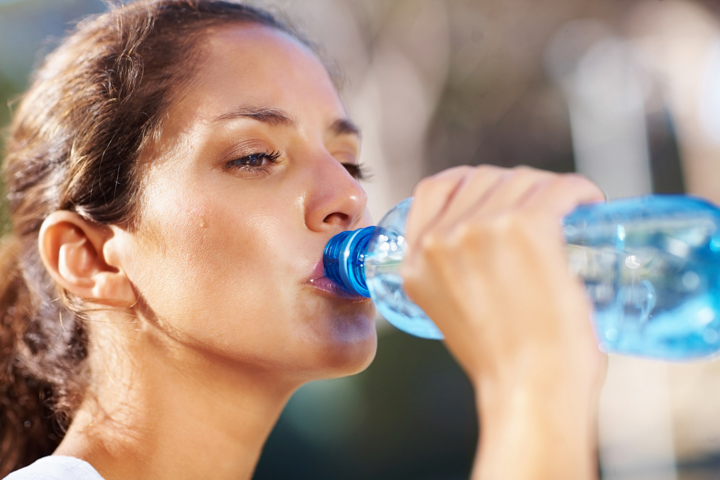
Healthy hydration practices and obesity. the question to ask is what do you drink and does it add value to your life?

Looking at the ever increasing prevalence of different health conditions like overweight, obesity, type 2 diabetes and other weight related conditions across the globe, one would be forgiven to wonder what the matter is really. In spite of the numerous efforts made by various institutions based the guidance from the experts like clinicians, innovative campaigns targeting the general public and widespread government public health initiatives, yet still little is being achieved. In view of this, it is obvious that a time has come for the application of a different approach. Could it be that we are missing or just ignoring something very important? Experts at AWAREmed Health and Wellness Resource Center led by the founder of the facility Doctor Dalal Akoury has been evaluating options. It then became clear that many people are not just keen on healthy hydration practices and obesity implications.

In respect of this we came to realize that the importance of fluid intake and particularly water has been overlooked in campaigns and guidelines and also in the clinical setting, where the question ‘what do you drink?’ has been a constant omission. This is a significant oversight that food pyramids and healthy-eating plates across the world omit fluids from their graphics and advice. While guidelines include recommendations on changes in physical activity and diet, often little or no advice is offered on the importance of healthier hydration practices, ignoring to highlight the contribution of beverages high in sugar, alcohol or additives is one terrible mistake we often make.

Healthy hydration practices and obesity: Is it true that water is life?

It is believed that of all the body organs, the brain is one of the most critical of all. This is so because it controls every other functions of the body. Like for instance when you talk of energy, the brain uses water and food. Water feeds the brain’s hydro-electrical needs and food contains sugar (or its derivatives), which the brain uses for functioning. Doctor Akoury introduces something very interesting that subject to certain situations, the body can go for months without food yet it can only live for a few difficult weeks without water. What does this communicates to you? It simply means that food is a less important energy source in relation to water. In other words when the brain and body run low on energy, we’re not hungry but are thirsty. It is very important that every one of us should pay attention to health hydration and obesity if we are to remain in good health.

Either food or water will be deposited into the stomach, so it produces acid to signal the energy requirement. Unfortunately, we call this alert “hunger pangs” and usually satisfy them by eating. This quiets the stomach momentarily. But there’s still no water input, so the pangs return and we eat again. Still, there is no water for the brain (let alone for the rest of the body). This causes more pangs so we eat again and the consequences of overeating are well known to us. Nonetheless when the stomach becomes full, it stretches, and that tells the brain it has had enough food for now. However when we continue to eat, the brain ignores the stretch signal to stop, thus removing the natural mechanism to prevent excessive food intake. By ignoring the stretch signal to stop, we eat again and again expecting an energy boost. Instead we become obese.

The food that we eat has to be digested and takes a while to become useful, and the excess is stored as fat. Food might be considered a “dirty fuel” because it uses up valuable energy and water in digestion and most of the energy value is stored as body fat. Remember that stuffing your stomach with more food before the previous food has been fully digested may lead to indigestion, gas and bloating. Two glasses of water will have more effect than any antacid or gas-reducing medication by diluting the stomach acid that causes those symptoms. That is why healthy hydration practices and obesity awareness is the way to go because water is clean energy because any excesses or that which may be considered as impurities are passed out through the kidneys as urine, does not need the digestive process, and goes to work immediately.

A glass of water before meals stimulates the sympathetic system to activate lipase to break down fat for energy use. For up to two hours this water also stimulates the intestines to release motilin which informs the brain that water is available; thus quieting the stomach’s “hunger pang” cries for water. This hormone also acts as a laxative, so that with water’s lubricating effects, causes easy bowel movements.

When you give water a chance to fulfill its primary role in energy supply, the natural desire for food will shift from starch to protein and fat, so the craving for sweets will diminish.

If the over-eating and lack of water continue however, the resulting obesity can lead to diabetes. The experts recommends that people should drink water which is equivalent to one half their body weights. It should be noted that this recommendation is to keep us from getting dehydrated. Re-hydrating that same body will require more than ten glasses per day. When salt is also taken during re-hydration, it helps balance the blood sugar levels and reduces the need for insulin injection.

The experts are also explaining why dehydration is detrimental for the diabetic. Drinking gives “the pancreas the fluid it needs to properly produce the insulin that regulates blood sugar levels. In fact the metabolism of sugar is a very fluid-dependent system that quickly suffers if fluid intake is in any way limited.” Fluids require digestion and are not as effective as water. Coffee and tea are diuretics and thus wash out any water contained in them. Only water itself effectively combats dehydration and the need for water.

Healthy hydration practices and obesity: Type II diabetes

When the pancreas does not receive the water it needs, Type II diabetes results when prostaglandin-E 2 inhibits insulin release no matter how much of it is available. The body may also coat the insulin molecules with xanthurenic acid so the insulin receptors no longer recognize it.

When blood glucose levels are higher than they should be for prolonged periods of time, the kidneys remove some of the excess glucose from the blood and deposit it in the urine. Since some water is required to produce that urine, the dehydrated body may steal it from eye tears, saliva, and water stored in body cells. This is why diabetics experience frequent urination, increased thirst, dry mouth and eyes. It is generally accepted that diabetes runs in families and is a genetic problem. It is said you can’t prevent diabetes (unless you stay slim) and may eventually have to cope with the disease. Dr. Akoury maintains that dehydration does indeed mutate our genes.

It could also be noted that our parents teach us how to take care of ourselves. “Eat. Brush your teeth. Be careful crossing streets.” How often were you told, “Drink your water”? Perhaps as children, we don’t learn from our parents how to stay hydrated to prevent obesity and diabetes. And our parents didn’t learn to drink water from their parents; ergo dehydration and its effects runs in families. Finally if this was not done for you, then be the one to bring in the difference. Show your children the best and healthy hydration and obesity preventions today. If you are having any concern to raise with the experts, then you can schedule for an appointment with doctor Akoury today.

Healthy hydration practices and obesity: What do you drink?


Facebooktwitterpinterestlinkedin