Category Archives: Healthy Aging

Weight Loss and Adrenal

Weight Loss and Adrenal-Could it be a hindrance?

Andrenal

Is stress causing you to Gain Weight? your adrenal glands initiated a “fight or flight” response

We go through periods of time in our lives when the demands are greater and the stress load is heavier. Regardless of the reasons – illness, relationship difficulties, work struggles, caring for an aging parent or ailing child – there can be a physical impact. We may turn to food for comfort, or we may not nourish ourselves adequately. During times of stress there are actual physiological changes that happen in our bodies, one of which is weight gain. It may not happen overnight, but if we do not pay attention to our body’s needs, over time we may notice we are putting on the pounds.

Our adrenal glands govern our stress response, by secreting hormones relative to our stress levels. They actually help control many hormonal cycles and functions in our body. When the adrenal glands are overworked, the body prepares for disaster, by storing fat and calories. We crave foods, we lose precious energy, and we gain weight. So how can we keep the heavier stress load from equaling heavier bodies?

Weight Loss and Adrenal-How stress becomes physical

For millions of years, humans were forced to protect themselves from environmental factors. From the earliest days of dinosaurs and cavemen, nature has proven its ability to put fear in human beings. Life and death circumstances have evolved around the ability to understand danger, and seek protection and survival. If you were being chased by a predator, your adrenal glands initiated a “fight or flight” response, releasing adrenaline and cortisol into the body. These hormones provided extra physical energy and strength from stored carbohydrates and fats.

While most of our stressors are not the same our earliest ancestors, the body’s natural course of evolution has maintained this original fight-or-flight stress response. But whether we are being physically threatened or not, with any increased stress our body looks to its stored fuel, and then replenishes it when used. Also, with increased levels of cortisol, our body also does not respond as well to leptin, the hormone that makes us feel full, so we eat more.

Modern-day stress may be more psychological than physiological, but it is also more constant. Many of us face chronic stress as a way of life, which means we have consistently elevated levels of cortisol. Now the body thinks it continually needs extra fuel, and typically stores that as fat around the abdomen, or as it’s commonly referred to, the old “spare tire.”

Belly fat: a common sign of adrenal fatigue

Adrenal imbalance causes a number of issues, including an expanded waistline. The science behind it is quite interesting. Normally when we feel begin to feel hungry, our blood sugar drops and the brain sends a message to the adrenal glands to release cortisol. Cortisol activates glucose, fats, and amino acids to keep our body fueled with energy until we eat. Cortisol maintains blood sugar levels, and insulin helps our cells absorb glucose. When we have long term stress, both insulin and cortisol remain elevated in the blood, and the extra glucose is stored as fat mostly in the abdomen.

Here’s where it gets interesting. Scientists have discovered that fat cells actually have special receptors for the stress hormone cortisol, and there are more of these receptors in our abdominal fat cells than anywhere else in our bodies! In addition, scientists have shown that belly fat is actually an active tissue, acting as an endocrine organ that responds to the stress response by actually welcoming more fat to be deposited! This is an ongoing cycle until we take steps to correct this adrenal imbalance. How do we do that?

Weight Loss and Adrenal-Eat well for healthy adrenal glands

What you eat matters. Although it sounds ironic, if you want your body to believe that it is not in danger of starving to death, you need to eat healthy food at regular intervals. Since cortisol helps regulate blood sugar, keeping glucose levels balanced will take some of the stress off the adrenal glands. Three nutritious meals and two healthy snacks spread out across the day will keep our adrenal glands steady.

When you eat matters. Our natural circadian rhythms can help us know when our bodies need nourishment and fuel. Cortisol’s cycle complements our body’s own rhythms, although is highest in the morning and declines gradually throughout the day. When we eat we elevate our cortisol, so it’s ideal to consume larger meals earlier in the day, which also helps our body prepare itself for restful sleep at night.

Have healthy foods on hand. It may be easy to reach for sweets and caffeine for quick energy, but these actually backfire on us, dropping our blood sugar levels rapidly. Reaching for micronutrient-rich foods, such as lean protein, avocado, fresh fruits and vegetable, garlic, and ginger will more adequately support adrenal functioning.

Supplement your daily diet. Adrenal expert, Shawn Talbot, PhD, says, “When it comes to dietary supplementation for stress adaptation and cortisol control, the first line of defense appears in the form of a comprehensive multivitamin/mineral supplement.” The benefits of a daily multivitamin enhance many of the functions in our body. Consider the high-quality multivitamin mineral complex we have in our Program at Women to Women.

For more information on healthy eating and adrenal glands, see my articles about how to eat for your adrenal health.

Weight Loss and Adrenal-Pace yourself to heal

Our fast-paced world is never unplugged. We rarely have time to disconnect from technology, our cell phones, the Internet, email, and even television. And our adrenal glands notice! Instead of being tired, wired, and overeating, consider slowing down and restoring balance to your adrenal glands, and your life. You may think that by moving fast you will lose weight, but in fact, when stress levels are high and our adrenals are working overtime, we will stay in a perpetuating cycle of adding pounds. Here’s how we can learn to pace ourselves.

Sleep

Many of my patients complain of being tired all day then having trouble sleeping at night. They are in an upside down circadian rhythm, which affects cortisol levels, causing irregular sleep patterns. You can correct these by eating less food late in the day, turning off all technology including television, by 8 p.m., and by trying to be in bed and asleep by 10 p.m. The goal is to have at least eight hours of sleep, so our bodies can rest and regulate our hormonal cycles.

Exercise

Our adrenals respond to stress, even if we think it is positive. Exercise is positive, and can help us reduce stress, but only if it does not make us feel tired. When we are exhausted, our adrenals are already working hard, and exercise can put added strain on them. The goal is to keep your heart rate under 90 beats per minute when working out. If you don’t regularly exercise, walking 15 minutes once or twice a day after meals, outside in fresh air, makes our adrenal glands, and our mind and body, very happy.

Have fun

Don’t forget that having fun, laughing, and enjoying your time is a very important way to relax! We all need to make having fun a priority, the benefits are amazing!

Don’t forget to breathe

Deep breaths in and out of your nose can not only slow your heart rate down, but will calm your entire body. Sometimes when we are under stress our breathing becomes shallow, and fast. It only takes three or four deep breaths to feel better. Try to remember that slowing down our breath, as well as our life, even for a few minutes, can make a big difference in reducing our stress level.

Weight Loss and Adrenal-Just let it all go

It isn’t always easy to let things go. We put pressure on ourselves to meet the demands in our lives, to take care of others, to do well in our endeavors, and to make everyone around us happy. But when we forget about ourselves in that equation, the stress will appear as extra pounds, or other things that impede our health and our functioning. When we live with continually elevated levels of stress, our body adjusts to the “crisis mode” and sometimes needs help learning how to live in a calmer state. The first step is to heal your adrenals. By following some of the tips in this article, giving yourself time, and being patient, you will begin to replenish your energy, lose extra weight, and most importantly, feel better.

Weight Loss and Adrenal-Could it be a hindrance?

Related articles

Enhanced by Zemanta
Facebooktwitterpinterestlinkedin

Treatment Options Available For Heroin Addiction

New Treatment Options Available For Heroin Addiction

Treatment for Heroin Addiction-What is heroin?

Heroine

heroine addiction is oppressive, disastrous and unhealthy. Good news it is treatable.

Heroin is an illegal, highly addictive drug. It is both the most abused and the most rapidly acting of the opiates. Heroin is processed from morphine, a naturally occurring substance extracted from the seed pod of certain varieties of poppy plants. It is typically sold as a white or brownish powder or as the black sticky substance known on the streets as “black tar heroin.” Although purer heroin is becoming more common, most street heroin is “cut” with other drugs or with substances such as sugar, starch, powdered milk, or quinine.

Treatment of Heroin Addiction-Symptoms and Effects

Heroin produces a “downer” effect that rapidly induces a state of relaxation and euphoria (related to chemical changes in the pleasure centers of the brain). Like other opiates, heroin use blocks the brain’s ability to perceive pain. Heroin abusers, particularly those with prior drug abuse history may initially be able to conceal signs and symptoms of their heroin use.

Loved ones or co-workers may notice a number of signs of heroin use, which are visible during and after heroin consumption:

  • Shortness of breath
  • Dry mouth
  • Constricted (small) pupils
  • Sudden changes in behavior or actions
  • Disorientation
  • Cycles of hyper alertness followed by suddenly nodding off
  • Droopy appearance, as if extremities are heavy

Treatment for Heroin Addiction- Buprenorphine

Buprenorphine (byoo-preuh-nor-feen) is a medicine for treating heroin addiction. Buprenorphine works a lot like methadone, but instead of getting it at a special clinic, a doctor prescribes it in the office and you can take it at home – which can make treatment easier for you.

Why Is It Important to Treat Heroin Addiction?

Heroin addiction is a disease. Heroin use can cause many problems:

  • Overdose and even death.
  • If you inject heroin and share needles, you can get HIV, hepatitis B, or hepatitis C, or give these diseases to someone else. Injecting can also cause infections of the skin, muscle, and heart.
  • Because heroin is illegal, you may have to go through a lot of trouble or do something illegal to get it. You can end up in jail if you get caught with even a small amount.

When you use heroin for a long time, your brain and body change and become dependent on it (your body needs the heroin). If this happens, you may need dot take medicine every day for a long time to treat your addiction, just like people take other medicines to treat other health problems, like people who have diabetes and need to take insulin shots.

For many years doctors have used methadone to treat heroin addiction. But people who take methadone have to go to their methadone clinic often their medicine. This may be a help to people who need the supports services at their clinic, but for others it can be a barrier to treatment. Many communities do not have methadone clinics, or their clinics do not have room for new patients.

How Can Buprenorphine Protect You from HIV and Other Sexually Transmitted Diseases (STDs)?

Buprenorphine blocks symptoms of withdrawal and craving and helps you to not use heroin.

If you are in withdrawal or craving heroin, you might share needles or works because taking heroin seems more important than protecing yourself or others from HIV infection.

If you are high on heroin, you may not think straight. There is a better chance that you will not use a condom to protect yourself and others from infection.

Treatment for Heroin Addiction- How Does Buprenorphine Work?

If you are ready to quit, buprenorphine can help you use less heroin, less often until you can stop using altogether.

It blocks the effects of heroin

Buprenorphine stops heroin from getting you “high” and stops withdrawal symptoms and heroin craving (the strong feeling that you need to have it).

It is safe

Buprenorphine does not get you high if you use it the right way and it does not cause strong side effects. It is hard to get sick or overdose from it.

You can take it at home

Doctors prescribe buprenorphine and you can take it at home. It comes in tablets that you put under your tongue and let them melt.

Treatment for Heroin Addiction- How Does Buprenorphine Treatment Work?

There are three steps, or “phases”:

1. Induction phase

This period usually lasts for about one week. The goal is to figure out the dose of buprenorphine that works best to relieve your withdrawal symptoms and craving.

  • You take the first dose when you are in the early stage of withdrawal – about 10 to 24 hours after your last dose of heroin. First you take a test dose, followed by another dose to relieve withdrawal symptoms.
  • Your doctor may ask you to stay in the office for several hours after your first dose to see how the early doses affect you.
  • During the first week, you may have to see your doctor several times. The dose can be raised if you still have withdrawal symptoms.
  • You may not be able to drive or use machines and power tools.

2. Stabilization phase

The goal in this phase is to use less heroin or no heroin and not feel withdrawal symptoms or craving while you keep taking buprenorphine.

  • Usually lasts about 1-2 months
  • You visit your doctor’s office for check-ups regularly.
  • You get a prescription for and take buprenorphine at home. Your doctor may increase your dose so that you do not have to take buprenorphine every day.
  • Doctors may test your urine to make sure you are not taking heroin or other drugs.

3. Maintenance phase

  • You visit the doctor’s office to get a refill of your buprenorphine about once a month.

What Are the Side Effects of Buprenorphine?

  • The most common side effects are constipation and nausea. Usually these are not strong.
  • If you feel light-headed at first, you may not be able to drive or use heavy equipment until you get used to the medicine.
  • You cannot take buprenorphine at the same time as some pain medicines, like morphine and codeine, because buprenorphine will block their effects. Use medicines like Tylenol® or ibuprofen instead. If you need surgery or have a long-term pain problem, you will need to stop buprenorphine for a while.
  • Do not take buprenorphine with sedatives to help you sleep or tranquilizers (like anti-anxiety medicine such as Xanax® or Valium) unless prescribed by your doctor. High doses of these drugs mixed with buprenorphine may cause an overdose.
  • If you have hepatitis or other active liver problems, your doctor may check your liver tests from time to time.
Treatment for Heroin Addiction-Natural way

There are a few highly effective homeopathic ingredients that can be used on a heroin addict to get rid of the addiction in a natural way.

Plantago Major is the first ingredient that has been used for a very long time for treating various ailments, conditions, even as salad dressing, and also for treating heroin addiction; it is a dark green looking weed and it enhances the growth of cells in human body and releases a chemical compound in the body that makes the person stay away from tobacco and heroin. Not only is it effective in overcoming heroin addiction but smoking as well.


Tabacum is a diluted replacement that will work in place of heroin. This is the best way of gradually leaving heroin addiction and taking a step down. If you cannot just leave heroin right away; this treatment will make you gradually leave it.

Abies Nigra also known as Black Spruce; it is a natural relaxant. It’s not easy to coupe with withdrawal symptoms. In order to make these symptoms less pleasant, the patient can make use of Black Spruce. The nerves will calm down and the patient will no longer feel the thirst for heroin.

Natural methods for overcoming heroin addiction are very effective but they should always be combined by other medicinal treatments as well in order to make sure that they results are surely positive.

New Treatment Options Available For Heroin Addiction


Facebooktwitterpinterestlinkedin

Stress and Obesity the Missing Link!!!

Stress and Obesity-Not a Union

Stress

Research has found that stress leads to specific reactions in the body that cause induced cravings and lead to obesity

Obesity is a burgeoning problem in the developed world, and certain behaviors, such as increased portion sizes and reduced physical activity, can help explain why the obesity epidemic is spreading. Job strain might also contribute to the prevalence of obesity, and the current study addresses this issue in a cohort of civil servants followed over time. Obesity continues to be one of the largest public health concerns of the developed world. Analysis of data from the 2001-2002 National Health and Nutrition Examination Survey (NHANES) found that the prevalence rates of overweight and obesity among US adults were 31.5% and 30.5%, respectively. The prevalence of overweight in children was 16.5%. Compared to the previous NHANES survey (1988-1994), the body mass index (BMI) greater than 30 among adults had doubled. (Of note, the prevalence of overweight and obesity were fairly stable between the 1999-2000 and 2001-2002 examination periods.)

Stress and Obesity-Understanding obesity

While the problem of obesity has been well publicized, clinicians should also understand that societal factors play a prominent role in obesity. In research sponsored by the World Health Organization involving 26 different populations worldwide, surveys of over 30,000 subjects found an inverse trend between BMI and highest educational level attained. Women with lower educational attainment were significantly more likely to be obese compared with men with similar educational backgrounds, although lower educational levels in both sexes were associated with higher obesity. Moreover, the negative association between educational attainment and obesity increased over the 10-year study period, indicating that the obesity gap between well-educated and poorly educated individuals was increasing. To reinforce these data, another study limited to developed countries found that increased income disparity was associated with not only higher rates of obesity, but also diabetes mortality as well among subjects at the lower end of the income scale. Other societal trends can affect obesity as well. In the United States, more individuals are choosing to eat at restaurants than at home, and the easiest and least expensive option in dining is often preferred. Such choices can increase the risk of developing obesity. Ecological research from 21 developed countries found that girls who ate fast food at least twice a week were more likely to become obese compared with those who ate fast food less frequently. Unfortunately, the assimilation of other cultures into American society may not help improve the obesity problem. In one study, while regularly eating at fast food restaurants increased the risk of overweight in adults and children in Mexican-American families by a factor of 2.2, the risk of overweight associated with eating at buffet-style restaurants was slightly worse (odds ratio = 2.8). Families who ate food at Mexican restaurants, however, were less likely to be overweight.

Stress and Obesity-The Environment

The work environment can contribute to obesity as well. In a study of 208 male workers in Japan, obesity was associated with psychological tension and anxiety, much of which was derived from high demands and poor decision latitude at work. The authors also found that higher degrees of stress negatively affected subjects’ diets, which contributed to higher rates of obesity. The current study examined the 10,308 civil servants from the Whitehall II study, all of whom were between the ages of 35 and 55. Work stress was assessed by the Job Strain Questionnaire and defined by poor work social support, high job demands, and low job control. Overall, work strain was associated with increased risk of BMI obesity by a maximum odds ratio of 1.73, and of waist obesity by a maximum odds ratio of 1.61. There was a dose-response relationship between the number of reports of stress and obesity. There were some interesting nuances related to the study’s main finding. Men were more likely than women to suffer the negative effects of job strain in terms of obesity, to the point that women did not experience a significant increase in waist obesity with stress. Overall, poor social support at work was the most important singular factor of job strain in increasing the risk of obesity in this study. The study was strengthened by analyzing individuals prospectively over time and employing repeated measures of job stress as participants advanced through their careers. However, the study was limited by examining a very specific group of employees — civil servants — in a first-world country.

Stress and Obesity-Health Risk

Obesity may just be a part of the overall increased health risk associated with work stress, with the sum of these risks being an increased prevalence of cardiovascular disease. In a study of nearly 7000 individuals, the prevalence of smoking was elevated among subjects with greater job strain, while men with low degrees of decision latitude were also more likely to be sedentary. However, no job environment factor in this study was independently related to increase BMI. A case-control analysis of 609 workers in France found that job strain increased the risk of developing hypertension. The odds ratios for hypertension associated with job strain were 3.20 in women and 2.60 in men. Low social support at work was not related to hypertension, and, moreover, higher levels of social support did not mitigate the effects of job strain on hypertension. Another study of female nurses and male factory workers generally corroborated these results. Researchers found that increased duration of shifts during work was associated with increased systolic blood pressure among men over age 30. Both BMI and waist-to-hip ratio increased with increasing shift duration among nurses. The study of nurses and factory workers failed to find an association between blood glucose levels and the duration of shift work. In another analysis of the Nurses’ Health Study II cohort, working overtime was associated with an increased risk of developing type 2 diabetes, while women who worked less than 20 hours per week had a lower risk of diabetes. There is also evidence that serum markers associated with an increased risk of cardiovascular disease may increase with job stress. A study of adults in Sweden found that men reporting high effort and low reward at work had increased levels of total cholesterol and the total cholesterol/high-density lipoprotein cholesterol ratio after adjustment for possible confounders. Women whose jobs required more effort had higher levels of low-density lipoprotein cholesterol. The association between stress at work and cardiovascular risk factors such as BMI, hypertension, and lipid levels points to a possible larger relationship between work stress and cardiovascular disease. The researchers of the Whitehall study have previously examined this issue in their study cohort. They demonstrated that the hazard ratio for coronary heart disease was increased with low decision latitude among men (adjusted hazard ratio 1.43), but low decision latitude did not significantly increase the risk of coronary heart disease among women. However, both men and women experienced increased risks of coronary heart disease with higher demands at work. This increased risk of coronary heart disease was increased with job stress at all employment grades in the organization. This research echoed previous studies in that greater social support at work failed to improve cardiovascular outcomes associated with significant job stress.

Stress and Obesity-Effects
Stress

The harmful health effects of stress-induced obesity.

The effects of stress at work constitute a major public health issue. As clinicians, the best we can do is counsel patients about the potential cardiovascular and metabolic events associated with high levels of stress and encourage healthy life choices for patients at risk. While it may be unrealistic to ask employers to reduce job stress at all levels in our competitive economy, these same employers should understand that their employees’ health is critical to their success. There is a dearth of data regarding stress reduction programs at work and cardiovascular outcomes, and future researchers should address this issue. The phenomenon of obesity being among chronic diseases makes Dr. Akoury of AWAREmed Health and Wellness Resource Center very resourceful for you. She will help you achieve optimal weight loss, the Dr. Focus on Neuroendocrine Restoration (NER) to reinstate normality through realization of the oneness of Spirit, Mind, and Body, Unifying the threesome into ONE. With the help of Dr. Akoury your problem is sorted out for good.

Stress and Obesity-Not a Union

Enhanced by Zemanta
Facebooktwitterpinterestlinkedin

Body inflammation causes obesity

Body inflammation causes obesity-How it happens

Inflammation

When inflammation becomes chronic, as is the case with obesity, chemical mediators, derived from different cellular activities, change in dynamics causing a progressive state of decline

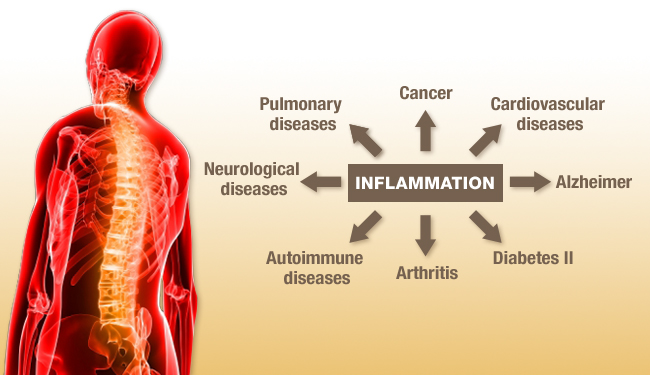
A common theme that links many diseases and chronic illness is uncontrolled cellular inflammation. It is a factor in diseases including cardiovascular disease, diabetes, cancer, arthritis and many autoimmune-related conditions. Obesity has recently been added to this group of diseases as it is now known to present a low grade inflammatory response within many of the body’s tissues, which cause deleterious effects, often leading to the development of cardiovascular and metabolic disease. It is well known that being overweight is detrimental to one’s health, but until recently the known mechanisms were limited. Scientists over the last decade have started to unravel the mystery of why obesity leads to premature death. Although there is still much to learn, it is valuable to comprehend the known effects of chronic inflammation, as the prevalence of obesity continues to be a rising problem among the American population, particularly in children.

Inflammation and obesity-What is the meaning

Inflammation is, by design, a protective response leading to the repair of tissue. When inflammation becomes chronic, as is the case with obesity, chemical mediators, derived from different cellular activities, change in dynamics causing a progressive state of decline. Fat cells are now considered an immune organ that secretes numerous immune modulating chemicals. Visceral fat, in particular, is associated with the low grade inflammation that seems to be a contributing pathologic feature for metabolic disease through insulin resistance and the promotion of atherosclerotic build-up in circulatory vessels. When high levels of visceral fat are combined with physical inactivity, over nutrition, and advancement in age, the effect becomes more pronounced. Visceral fat is highly metabolic and contributes to cytokine hyperactivity. Adipokines secreted from fat tissue influence the metabolic process and contribute to proper function. The consequent low grade inflammation associated with obesity causes disturbance in the secretion and function of adipokines. Research has identified changes in adiponectin, leptin, and resistin that exhibit harmful effects upon the body in obese individuals. Adiponectin is an antiatherogenic agent, meaning it helps prevent the development of atheroschlerotic plaque in blood vessels and slows the progression of atherosclerosis in coronary vessels. It does this by acting directly upon the vessel wall, inhibiting adhesive molecules from contributing to plaque formation and acts as a blocking agent to the formation of foam cells. In the skeletal muscle and the liver, adiponectin serves to promote insulin sensitivity and a positive blood lipid profile. Visceral adiposity reduces adiponectin concentrations. Lowering the adiponectin concentrations lessens the cardio protective effect, leading to increased cardiovascular risk.   Leptin regulates energy metabolism and balance in conjunction with the brain’s hypothalamus. Leptin is currently being touted as having cardioprotective benfits among its others roles in metabolism Leptin concentrations adjust in response to obesity and contribute to insulin resistance. The changes in leptin concentration have also been recognized as a risk factor for coronary heart disease. Likewise increased resistin concentrations correlate with obesity related inflammation and may be associated with the initiation and progression of atherosclerotic lesions. Resistin also promotes insulin resistance, although the actual mechanism is not known. Insulin resistance due to adipokine dysfunction is further influenced by free fatty acids liberated directly into the liver from visceral fat tissue. Visceral fat releases chemicals and fatty acids into the portal system where they act on the connecting organs. The portal circulation system is a specialized network of blood vessels that connect the visceral organs to the liver.   The excess fat in portal circulation has detrimental effects on insulin action, which is worsened by sympathetic hyperactivity in response to obesity. Sympathetic hyperactivity causes heightened lypolytic action resulting in excess free fatty acids in the blood. These actions combined with beta cell hypersecretion and reduced insulin clearance resulting in hyperinsulemia, lead to early stage diabetes.

Inflammation-Interleukin-6

Interleukin-6 (IL-6) is possibly another factor associated with inflammatory detriment within the portal system. High levels of IL-6 are a marker for inflammation and vascular pathology. Obese subjects demonstrated a 50% greater portal vein IL-6 concentration, demonstrating, again, the profound effect visceral fat has on pathogenic indicators. Portal vein IL-6 correlates with systemic C-reactive protein concentrations. C-reactive protein is associated with cardio- and peripheral vascular disease. C-reactive protein and oxidative stress are now presumed to interact in the early inflammatory processes of atherosclerosis. This is significant for young obese individuals. Although more research is necessary for conclusive association, C-reactive protein may be a new risk factor for CAD in individuals under 25 years of age.

Inflammation-imbalances

inflammation

If your immune system and its ability to quell inflammation in your body are impaired, watch out. You are headed toward illness and premature …

The imbalance between increased inflammatory stimuli with a concurrent reduction in anti-inflammatory activity may be the foundation for the accelerated endothelial dysfunction and insulin resistance associated with obesity and the comorbid disorders of metabolic disease.   More research is needed to clearly delineate the particular relationships, but it seems evident that the low grade inflammation caused by obesity and visceral adiposity lead to the premature development of disease. This, more so than ever before, identifies the importance of weight management during the developmental years and ongoing efforts to control weight throughout one’s lifespan.   For individuals that are currently obese, there is still plenty of hope. Weight loss is related to reduction of oxidative stress and inflammation, and these beneficial effects likely translate into reduction of cardiovascular risk in obese individuals.   Likewise, exercise and dietary management, along with pharmacologic intervention can lead to atherosclerotic reversal in the earlier stages of CAD. Individuals with central adiposity, poor blood lipid profiles, hypertension, and/or insulin resistance should seek immediate professional assistance to prevent further health detriment.   The recent inclusion of obesity among chronic diseases makes Dr. Akoury of AWAREmed Health and Wellness Resource Center very resourceful for you. She will help you achieve optimal weight loss, the Dr. focus on Neuroendocrine Restoration (NER) to reinstate normality through realization of the oneness of Spirit, Mind, and Body, Unifying the threesome into ONE. What an opportunity, try and relieve yourself of this problem for good.

Body inflammation causes obesity-How it happens
Facebooktwitterpinterestlinkedin

TOXINS AND NEUROTOXICITY PATHOGENESIS OF OBESITY


TOXINS AND NEUROTOXICITY PATHOGENESIS OF OBESITY-EXPOSED

UNDERLYING MECHANISMS

Toxins

Toxins can alter the hormonal regulation of weight, a process that involves insulin, leptin, thyroid, cortisol, adiponectin, resistin, sex hormones, and gut hormones

The influence of toxins on metabolism occurs through 5 key

  • Mechanisms
  • Hormonal regulation,
  • Neuro-regulatory mechanisms,
  • Immune-regulatory mechanisms,
  • Mitochondrial function, and
  • Oxidative stress.

Toxins can alter the hormonal regulation of weight, a process that involves insulin, leptin, thyroid, cortisol, adiponectin, resistin, sex hormones, and gut hormones, including ghrelin, peptide (PYY), and cholecystokinin (CCK).   Toxins alter thyroid hormone metabolism and receptor function leading to lowered metabolic rate. Important Neuro-regulatory mechanisms affected by toxins include hypothalamic satiety modulation through effects on peripheral and central inhibitors and stimulators of appetite, including leptin, cortisol, melanocyte stimulating hormone (MSH), and neuropeptide (NPY). Stress induced autonomic dysfunction it also alters appetite and weight-control mechanisms.   Toxins can influence weight through toxin mediated increases in inflammatory cytokines (TNF-α, IL-6) on the peroxisome proliferator activated receptor (PPAR) family of nuclear receptors promoting insulin resistance, and on themelanocortin receptor (MCR) system altering central appetite regulation.   Counter regulatory signals triggered by inflammation such as suppressors of cytokine signaling (SOCS) induce leptin resistance. Toxins alter mitochondrial energetics by damaging enzymes involved in fatty acid oxidation and thermogenesis. Oxidative stress influences weight via NFκ B-mediated mechanisms of gene transcription that control insulin resistance and inflammation. Other mechanisms may include direct effects of toxins on hepatic control of lipid and glucose metabolism, and on inflammatory cytokines  

WEIGHT REGULATION AND TOXINS -WHERE DO TOXINS COME FROM?

Exposure to toxins comes from two main sources: the environment (external toxins) and the gut (breakdown products of our metabolism, or internal toxins). Both can overload endogenous detoxification mechanisms.    External Toxins The Dangers from without the external toxins include chemical toxins and heavy metals. The heavy metals that cause the most ill health are lead, mercury, cadmium, arsenic, nickel, and aluminum.   Chemical toxins include volatile organic compounds (VOCs), solvents (cleaning materials, formaldehyde, toluene, and benzene), medications, alcohol, pesticides, herbicides, and food additives.   Infections (hepatitis C virus) and mold toxins (sick building syndrome) are other common sources of toxins. Our modern refined diet can be considered toxic because it places an extra burden on detoxification systems through excessive consumption of sugar, high fructose corn syrup (the two most important causes of elevated liver function tests),trans fatty acids, alcohol, caffeine, aspartame, foods made with genetically modified organisms (GMOs), and the various plastics, pathogens, hormones, and antibiotics found in our food supply. Internal Toxins: Danger from Within Internal toxins include microbial compounds (from bacteria, yeast, or other organisms), and the breakdown products of normal protein metabolism.   Bacteria and yeast in the gut produce waste products, metabolic by-products and cellular debris that can interfere with many body functions and lead to increased inflammation and oxidative stress. These include endotoxins, toxic amines, toxic derivatives of bile, and various carcinogenic substances such as putrescence and cadaverine. Lastly, by-products of normal protein metabolism, including urea and ammonia, require detoxification

WEIGHT REGULATION AND TOXINS-Detoxification Enzyme Polymorphisms and Obesity

The effect of toxins on an individual is determined, in part, by the polymorphisms of phase I and phase II detoxification enzymes. Highly prevalent single nucleotide polymorphisms (SNPs) of glutathione transferase enzymes predispose to increased toxic loads.   Detoxification of heavy metals is an important task for the body. It depends on specific proteins and enzymes that bind the metals and transport them out of the cells. In one recent study, mice bred without the protein (metallothionein) that is necessary for heavy metal detoxification gained more weight over their lifetime than mice that could eliminate the metals. They were more sensitive to the effects of toxic metals and oxidative stress.   Toxins Impair Central Appetite Regulation Toxins have many effects. Besides directly lowering thyroid hormone levels, metabolic rate, and fat burning (fatty acid oxidation), they can damage the mechanisms by which hormonal and Neuro-regulatory signals control our appetite and behavior. These signals are finely choreographed and sensitive to environmental inputs.   To briefly review, the hypothalamic appetite-control system is centered in the acute nucleus. It receives peripheral feedback from leptin, insulin, PYY, and adiponectin. Central inhibition of food intake is regulated by pro-opiomelanocortin (POMC) and cocaine-and amphetamine regulated transcript (CART). Central stimulation of intake is modulated by Neuropeptide Y and agouti related peptide (AgRP).   The melanocortin system and its receptors, MC3R and MC4R, play a crucial role in appetite control. Specifically, MSH binds to MCR, suppresses appetite, stimulates the thyroid axis, and increases energy expenditure, brown fat temperature, and sympathetic activity. It is inhibited by TNF. Other downstream control sites also exist in the related areas of the brain. Reward centers also play a role and are targets for new drug research including the end cannabinoid and serotonin receptors. Leptin resistance is found in obesity.   Leptin’s inhibitory effect on appetite is impaired by toxins, leading to leptin resistance and increased hunger. Hyperleptinemia increases mitochondrial reactive oxygen species monocyte chemo attractant protein-1 (ROS MCP-1). Leptin induces inflammation in a feed-forward cycle. Toxins may inhibit satiety effects of leptin, leading to increasing hyperleptinemia. Researchers treated rats with a neurotoxin that damaged another.

WEIGHT REGULATION AND TOXINS-What Are the Benefits of Detoxing Your Body?

Toxins

Toxins can influence weight through toxin mediated increases in inflammatory cytokines (TNF-α, IL-6) on the peroxisome proliferator activated receptor (PPAR) family of nuclear receptors promoting insulin resistance

Detoxification is the process of removing toxins from the body. The process to detoxify your body involves many different elements such as herbal detoxification regimens, change of diet and vitamin supplements. It is one of the best ways to rid your body of toxins, which can slow it down and make it unhealthy. The process of detoxification requires some discipline. Physical Benefits The most noticeable benefits from detoxification are the physical ones. Since the toxins store up in major organs, detoxification will help these areas the most. The organs which are affected, such as the liver and stomach, will begin to work more effectively. After the detox is completed, you may feel “lighter” and have more energy. Also, since a detox is used to clear away free radicals, your body’s immune system will be stronger and you will have a lower risk of getting cancer. Finally, a detoxification regimen will clear your blood, helping it circulate better.   Mental Benefits Toxins and free radicals that accumulate in the body can also affect brain functions. Before a detox, you may have trouble sleeping, chronic fatigue, and trouble with your concentration. Once you work through this process, many of these issues will gradually disappear. You will be able to sleep better and concentrate more. Lifestyle Changes A benefit which most people don’t think of can be the change to your lifestyle. As you progress through the body detox, you will begin to feel better physically and mentally. This feeling can be addictive and lead to changing your lifestyle to cut out bad elements which give your body those toxins. Quitting smoking, eating better, and getting more exercise are all actions which help protect the body. After a detox is a perfect time to begin these actions.

TOXINS AND NEUROTOXICITY PATHOGENESIS OF OBESITY-EXPOSED

Facebooktwitterpinterestlinkedin