Category Archives: Healthy Aging

Adrenal fatigue and dysfunction

Adrenal fatigue and dysfunction-Addiction

Adrenal fatigue and dysfunction-Definition
Adrenal

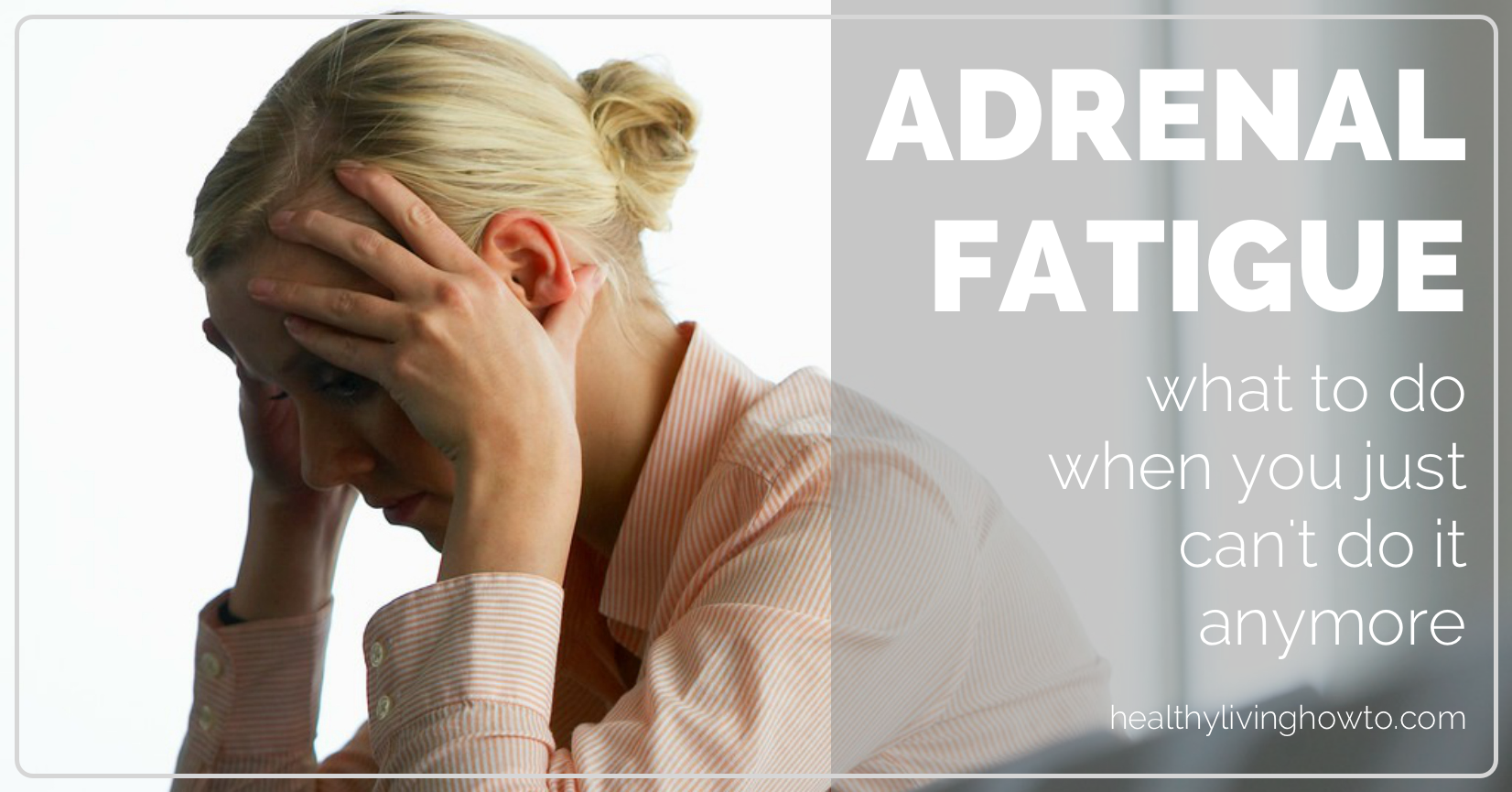
Adrenal fatigue can wreak havoc with your life. In the more serious cases, the activity of the adrenal glands is so diminished that you may have difficulty getting out of bed

Adrenal fatigue is a collection of signs and symptoms, known as a syndrome that results when the adrenal glands function below the required level. Most commonly associated with intense or prolonged stress, it can also arise during or after acute or chronic infections, especially respiratory infections such as influenza, bronchitis or pneumonia. As the name suggests, its paramount symptom is fatigue that is not relieved by sleep but it is not a readily identifiable entity like measles or a growth on the end of your finger. You may look and act relatively normal with adrenal fatigue and may not have any obvious signs of physical illness, yet you live with a general sense of unwellness, tiredness or “gray” feelings. People experiencing adrenal fatigue often have to use coffee, colas and other stimulants to get going in the morning and to prop themselves up during the day.

Adrenal fatigue can wreak havoc with your life. In the more serious cases, the activity of the adrenal glands is so diminished that you may have difficulty getting out of bed for more than a few hours per day. With each increment of reduction in adrenal function, every organ and system in your body is more profoundly affected. Changes occur in your carbohydrate, protein and fat metabolism, fluid and electrolyte balance, heart and cardiovascular system, and even sex drive. Many other alterations take place at the biochemical and cellular levels in response to and to compensate for the decrease in adrenal hormones that occurs with adrenal fatigue. Your body does its best to make up for under-functioning adrenal glands, but it does so at a price.

Some of the personal dramas, poor diet, and physical illness can all contribute to draining the adrenal resources of even the healthiest individual. Those in generally poor health, who often suffer from chronic illness or infections, are more likely to develop the problem. People who endure adverse effects from lifestyle choices such as poor diet, substance abuse, or overwork are just a susceptible.

Despite heavy caffeine intake as a desperate attempt by sufferers to restore their vitality, symptoms of Adrenal Fatigue such as chronic tiredness, depression, and general ill-health are just hard to beat. Though one may appear healthy, the effects of the syndrome may be wreaking havoc on their inner state.

Contrary to common belief, an abundance of sleep does not heal the dysfunction. Often, it only serves to complicate it. Sometimes a sufferer may only be able to be out of bed for a few hours before his dragging state forces him to return.

If the adrenal function is left untreated and continues to falter, even the organs in the body will be negatively affected. Maladies will appear in metabolisms and general body functions. A person’s sex drive will be practically non-existent. At the biochemical and cellular levels, responses to the syndrome are those of compensation. Doing its best to make up for decreases in adrenal hormones and under-functioning adrenal glands, the body is at great risk of over-extending itself. When the output of regulatory hormones has been diminished, optimal homeostasis is lost. If the body’s defenses cannot keep up, a clear case of Adrenal Fatigue will most certainly result.

Obviously, one who suffers from the associated symptoms will find it difficult to become sexually aroused. Sex is often the last thing on their mind. At best, a semi-hard erection can be achieved, often not strong enough for penetration. Besides erectile dysfunction and sexual exhaustion, one may also experience delayed orgasm disorder.

If you are feeling faded or overwhelmed, have difficulty recuperating from stress or illness, experience sexual dysfunction and don’t have energy till you’ve been up most of the day, you may have developed the syndrome. Though adrenal fatigue affects millions of people daily, the specifically-named disorder has yet to be formally recognized by modern medicine. Despite this, remedies and formulas have been developed throughout the years and have proven success in combatting Adrenal Fatigue.

Adrenal fatigue and dysfunction-Alcoholism and Addiction

Adrenal Fatigue can both lead to and result from alcoholism. Adrenal support enhances treatment for alcoholism and other addictions.

For many alcoholics, food and drug addicts, Adrenal Fatigue and the resulting hypoglycemia (low blood sugar) predispose them to a compulsive desire for the abused substance. The adrenals become fatigued by the continual overuse of alcohol, drugs or carbohydrates.

Alcohol is poison for the adrenals that should not be consumed by people suffering from Adrenal Fatigue. It is a naked carbohydrate in an extremely refined form that quickly finds its way into the cells of your body, forcing them to make energy at a rapid rate. This sets off a blood sugar roller coaster and uses a large number of the body’s nutrients that are not replaced by the alcohol.

The craving is driven by the body’s desperate need for quick energy that results from weak adrenals. The alcohol temporarily compensates for the signs and symptoms of hypoadrenia but leads to further Adrenal Fatigue after the effects of the alcohol have worn off, producing a further need for alcohol.

Adrenal fatigue and dysfunction-Allergies

With Adrenal Fatigue there a tendency to experience allergies. People with food and environmental allergies commonly have weak adrenal function. Most allergies involve the release of histamine and other substances that produce inflammation. The more histamine that is released, the more cortisol it takes to control the inflammatory response and the harder the adrenals have to work to produce more cortisol.

Cortisol

It’s one of the primary hormones produced by the adrenal glands, is a strong anti-inflammatory, reducing inflammation. The amount of cortisol circulating in the blood is the key factor in controlling inflammation in the body.

The harder the adrenals have to work, the more fatigued they become and the less cortisol they produce, allowing histamine to inflame the tissues more. The vicious circle leads to progressively deeper Adrenal Fatigue and more allergic reactions.

Eliminating foods from the diet and exposure to substances that cause allergic reactions will help break this cycle and improve adrenal function. Food allergens interfere with daily life and are stress on the adrenals. Eliminate food allergies to restore adrenal health.

Adrenal fatigue and dysfunction-Addiction


Facebooktwitterpinterestlinkedin

Alcohol causes malnutrition and liver toxicity

Alcohol causes malnutrition and liver toxicity-Its Effects

alcohol

alcohol consumption is a great contributor to malnutrition

Whichever way you look at it alcohol is the most abused drug and the most addictive of all known drugs in the world. The most surprising and interesting thing is that as toxic as it is, it is legalized and consumed freely. Its effect is felt in all homes directly and indirectly. Many alcoholics are malnourished, either because they ingest too little of essential nutrients like carbohydrates, proteins, and vitamins or because alcohol and its metabolism prevent their body from properly absorbing, digesting, and using those nutrients. As a result, alcoholics frequently experience deficiencies in proteins and vitamins, particularly vitamin A, which may contribute to liver disease and other serious alcohol–related disorders.

A complex interplay exists between a person’s alcohol consumption and nutritional status. Many people, including light to moderate drinkers who consume one to two glasses or less of an alcoholic beverage per day, consider those beverages a part of their normal diet and acquire a certain number of calories from them. When consumed in excess, however, alcohol can cause diseases by interfering with the nutritional status of the drinker. For example, alcohol can alter the intake, absorption into the body, and utilization of various nutrients. In addition, alcohol exerts some harmful effects through its breakdown (i.e., metabolism) and the resulting toxic compounds, particularly in the liver, where most of the alcohol metabolism occurs.

Alcohol causes malnutrition and liver toxicity-Nutritional Value of Alcohol

Alcoholic beverages primarily consist of water, pure alcohol (chemically known as ethanol), and variable amounts of sugars (i.e., carbohydrates); the content of other nutrients (e.g., proteins, vitamins, or minerals) is usually negligible. Because they provide almost no nutrients, alcoholic beverages are considered “empty calories.”) Therefore, any calories provided by alcoholic beverages are derived from the carbohydrates and alcohol they contain. The carbohydrate content varies greatly among beverage types.

At least under certain conditions, however, alcohol–derived calories when consumed in substantial amounts can have less biologic value than carbohydrate–derived calories, as shown in a study in the weights of two groups of participants who received balanced diets containing equal numbers of calories. In one of the groups, 50 percent of total calories were derived from carbohydrates, whereas in the other group the calories were derived from alcohol. The study participants were observed on the metabolic ward of a hospital during the experiments. The quantity of alcohol administered did not exceed the amount routinely consumed by these volunteers.

Although all participants received the same number of calories, those in the alcohol group exhibited a decline in body weight compared with those in the carbohydrate group. Moreover, when the participants received additional calories in the form of alcohol, they did not experience any corresponding weight gain. This suggests that some of the energy contained in alcohol is “lost” or “wasted” meaning, it is not available to the body for producing or maintaining body mass.

Alcohol causes malnutrition and liver toxicity-Nutritional Status

General observation suggests that many alcoholics do not consume a balanced diet; moreover, as mentioned earlier, excessive alcohol consumption may interfere with these alcoholics’ ability to absorb and use the nutrients they do consume. Accordingly, many alcoholics suffer from various degrees of both primary and secondary malnutrition. Primary malnutrition occurs when alcohol replaces other nutrients in the diet, resulting in overall reduced nutrient intake. Secondary malnutrition occurs when the drinker consumes adequate nutrients but alcohol interferes with the absorption of those nutrients from the intestine so they are not available to the body.

The most severe malnutrition, which is accompanied by a significant reduction in muscle mass, generally is found in those alcoholics who are hospitalized for medical complications of alcoholism (e.g., alcohol–related liver disease or other organ damage). If these patients continue to drink, they will lose additional weight; conversely, if they abstain from drinking, they will gain weight. This pattern applies to patients with and without liver disease.

Alcohol’s Effects on Digestion and Absorption of Essential Nutrients

Alcohol consumption, particularly at heavy drinking levels, not only influences the drinker’s diet but also affects the metabolism of those nutrients that are consumed. Thus, even if the drinker ingests sufficient proteins, fats, vitamins, and minerals, deficiencies may develop if those nutrients are not adequately absorbed from the gastrointestinal tract into the blood, are not broken down properly, and/or are not used effectively by the body’s cells. Two classes of nutrients for which such problems occur are proteins and vitamins.

Alcohol causes malnutrition and liver toxicity-Amino Acids and Proteins

Proteins are essential components of all cells. They help maintain the cell’s structure, transport certain substances in and out of cells, and act as enzymes that mediate almost all biochemical reactions occurring in the cells. Proteins are composed of approximately 20 different building blocks called amino acids. Many of these amino acids can be produced by the body itself from various precursors or are recycled when proteins that are damaged or are no longer needed are broken down or degraded. Other amino acids however, must be acquired through diet. Alcohol can interfere with the uptake of these essential amino acids.

Patients with chronic liver failure also exhibit a number of defects in protein metabolism. These include decreased production of proteins in the liver that are secreted into the blood decreased urea synthesis, and decreased metabolism of a group of amino acids called aromatic amino acids. These defects have important clinical consequences:

Alcohol causes malnutrition and liver toxicity-Vitamins

Vitamins are molecules that are present in small amounts in various foods and are essential for normal metabolism; insufficient vitamin levels in the body can lead to serious diseases. Alcoholics, even without liver disease, tend to have clinical and/or laboratory signs of deficiencies in certain vitamins, particularly vitamins B1 (thiamine), B2 (riboflavin), B6 (pyridoxine), and C (ascorbic acid), as well as folic acid. The severity of these deficiencies correlates with the amount of alcohol consumed and with the corresponding decrease in vitamin intake.

A Person’s Nutrition Affects Liver Function

Malnutrition, regardless of its causes, can lead to liver damage and impaired liver function. For example, children in underdeveloped countries whose diets do not contain enough protein can develop a disease called kwashiorkor. One symptom of this disorder is the accumulation of fat in the liver, a condition known as fatty liver. Studies performed during and after World War II indicated that severe malnutrition also could lead to liver injury in adults. However, in these cases other factors, including exposure to certain toxins or parasites that are prevalent in war–ravaged or underdeveloped countries, may have exacerbated the relationship between liver injury and poor nutrition.

Because malnutrition also is common in alcoholics, clinicians initially thought that malnutrition, rather than alcohol itself, was responsible for alcohol–induced liver injury. Over the past 40 years, however, a more balanced view has evolved. Studies in humans, primates, and rodents have established that alcohol can cause liver damage even in well–nourished people.

It is becoming clear that nutritional effects and the toxic effects of alcohol often are intertwined at the biochemical level. For example, alcohol induces the MEOS to break down alcohol. Similarly, alcohol promotes the breakdown of nutrients such as vitamin A, of which alcoholics may already consume too little with their diet.

Alcohol causes malnutrition and liver toxicity-Its Effects


Facebooktwitterpinterestlinkedin

Addiction causes sexual dysfunction and aggression

Addiction causes sexual dysfunction and aggression-The truth revealed

Consequences of addiction are very traumatic especially if based on sexual abuse

Sexual dysfunction is defined as a disturbance in or pain during, the sexual response. This problem is more difficult to diagnose and treat in women than it is in men because of the intricacy of the female sexual response. The Sexual Function Health Council of the American Foundation of Urologic Disease recently revised the preexisting definitions and classifications of FSD. Medical risk factors, etiologies, and psychological aspects were classified into four categories of FSD: hypoactive sexual desire, arousal, orgasmic disorders, and sexual pain disorders.

  • Hypoactive sexual desire is the persistent or recurrent deficiency (or absence) of sexual fantasies or thoughts and/or the lack of receptivity to sexual activity.
  • Sexual arousal disorder is the persistent or recurrent inability to achieve or maintain sufficient sexual excitement, expressed as a lack of excitement or a lack of genital or other somatic responses.
  • Orgasmic disorder is the persistent or recurrent difficulty, delay, or absence of attaining orgasm after sufficient sexual stimulation and arousal.
  • Sexual pain disorder includes dyspareunia (genital pain associated with sexual intercourse); vaginismus (involuntary spasm of the vaginal musculature that causes interference with vaginal penetration), and noncoital sexual pain disorder (genital pain induced by noncoital sexual stimulation).

Each of these definitions has three additional subtypes: lifelong versus acquired; generalized versus situational; and of organic, psychogenic, mixed, or unknown causative origin. For the purpose of this article we will be discoussing women generally in relation to addiction and sex

Addiction causes sexual dysfunction and aggression-Women and Sexual Addiction

 Characteristics

Before we look into the problem of female sexual addiction it’s important to note that many women are not comfortable with the shame inducing label of being a female sex addict. Believe me if men are apprehensive to seek treatment because of the shame infested label, then women are twice as much less likely. Look at the expression of this woman, “Why is this called sexual addiction. I hate that label. It’s not about the sex at all. Sex is just what I have to give to be loved, touched and nurtured and the assurance that I’m okay.” Many women would like to see the label of sexual addiction changed to a more accurate phraseology such as “Intimacy Disorder”.

Now the rise of sexual addiction in women is evidenced by the following statistics from various researches:

  • About 9.4 million Women check out adult websites every month and some of those sites include child pornography.
  • The ratio of women to men in chat rooms is two to one. Women are converting these conversations into real life affairs at twice the rate of men.
  • About 13% of women (20% of men) admit to accessing porn while at work.

From these finding, women are catching up to men with online porn addiction. There are no signs of slowing down of the pervasiveness of the problem of women struggling with sexual addiction.

Addiction causes sexual dysfunction and aggression-Symptoms

Someone with a high sex drive is satisfied with sex. For them it’s not about getting a temporary fix or temporary relief. For someone who is addicted, immediately following a climax experience they still feel somewhat empty or somewhat depressed that it didn’t really give them what they were ultimately seeking in the first place, which are a fulfilling, completed, and a genuine intimate experience. For an addict, sex is more of a fix for something.

Let us learn from one lady (Anne) for a behavior to qualify as an addiction, the following components are essential:

Addiction causes sexual dysfunction and aggression-Uncontrolladable compulsion

Feelings of “I can’t stop. I keep doing what I don’t want to do,” pervade the mind of a sex addict. They feel powerless to stop and that it is out of their control. According to Anne, you will always hear an addict say, “I know what I’m doing is wrong; I want to stop, but I can’t.” That was certainly true for her. Raised in a pastor’s home she went to church all of her life. She knew that the multiple affairs she engaged in were wrong due to the incredible shame she felt afterwards. She wanted to stop but simply could not.

Obsessive thoughts

Hooking up with someone is all you think about. Experiencing high of skin on skin contact and the illusion that only sex can bring intimacy consume an inordinate amount of your daily thoughts. A person that is sexually addicted spends an abnormal amount of their time on either being sexual, recovering from being sexual, figuring out how to hide that they’ve been sexual, or rummaging through their mind for a plan for their next sexual encounter. As Anne puts it, “It’s like a little bird sitting on your shoulder; it’s always with you, either as guilt and shame or the planning and preparation. Some part is always with you.”

Continuance of immoral sexual behavior despite adverse consequences

Even though Anne was diagnosed with cervical cancer caused by an STD, almost died because of massive hemorrhaging from a resulting surgery, lost her first marriage because of her illicit affairs, endangered a second marriage through her continued struggle with sexual addiction, and having her two children immensely angry with her for making them a part of an addicted family she still could not stop. Even after all these destructive experiences and consequences she still felt powerless over the disease. When a person continues their destructive behavior in spite of adverse consequences, then that is a clear sign of sexual addiction.

Addiction causes sexual dysfunction and aggression-Tolerance

The ability to tolerate higher levels of something we hadn’t originally been accustomed to occur through a process called “The Law of Diminishing Returns.” When a couple first dates they may venture out and hold hands. It provides somewhat of a thrilling and satisfying experience. After a while, a person may become “ho-hum” with holding hands because it doesn’t return the same thrilling effect it once did so they up the ante and progress towards kissing. After a while, this too has its excitement wear off and behaviors such as heavy petting and eventually intercourse will occur in order to experience the initial “high” that comes with a new experience. An alcoholic experienced the same thing at some point drinking a couple bottles of beers eventually doesn’t return the same pleasure that drinking 3 used to so they have to try 6 or more.

Part of the tolerance effect is based in a purely neurochemical change in the brain. We are essentially fighting our own brain chemistry. This is what makes addicts adrenaline junkies. They are addicted to their own brain’s drugs (chemicals released) that are produced through sexual experiences. So if the high of one kind of behavior isn’t enough, then it will either take more and more of that same kind of behavior or it will take going on to other, higher risk behaviors to get the same effect. This is why some people even engage in more licentious behavior such as threesomes, orgies, and even Level II and Level III illegal behaviors.

Addiction causes sexual dysfunction and aggression-The truth revealed


Facebooktwitterpinterestlinkedin

Dopamine and Addiction

Dopamine and Addiction-Their roles

Brain

The brain is affected by both genes and environmental factors

Dopamine is neurotransmitter in the brain that plays vital roles in a variety of different behaviors. The major behaviors dopamine affects are movement, cognition, pleasure, and motivation. Dopamine is an essential component of the basal ganglia motor loop, as well as the neurotransmitter responsible for controlling the exchange of information from one brain area to another. However, it is the role that dopamine plays in pleasure and motivation that attracts the most neurobiologists attention.

In certain areas of the brain when dopamine is released it gives one the feeling of pleasure or satisfaction. These feelings of satisfaction become desired, and the person will grow a desire for the satisfaction. To satisfy that desire the person will repeat behaviors that cause the release of dopamine. For example food and sex release dopamine. That is why people want food even though their body does not need it and why people sometimes need sex. These two behaviors scientifically make sense since the body needs food to survive, and humans need to have sex to allow the race to survive. However, other, less natural behaviors have the same effect on one’s dopamine levels, and at times can even be more powerful. Often these behaviors can result in addiction due their effect on dopamine, and that addiction can have negative effects on a person’s well-being. Two of such behaviors are

Dopamine and Addiction-Cocaine

Cocaine is by far the more severe of the two in terms of addiction. Cocaine chemically inhibits the natural dopamine cycle. Normally, after dopamine is released, it is recycled back into a dopamine transmitting neuron. However, cocaine binds to the dopamine, and does not allow it to be recycled. Thus there is a buildup of dopamine, and it floods certain neural areas. The flood ends after about 30 minutes, and the person is left yearning to feel as he or she once did. That is how the addiction begins. With time adaptation builds up due to the fact that the person is consistently behaving in the same way that he or she had the first time. However, the individual cannot, because dopamine is also released when something pleasurable yet unexpected occurs. During the first time, the person expects the effect, thus less dopamine is released, and the experience is less satisfying. This cause explains why gambling releases dopamine.

Many studies have been done which targeted neural response to rewards. The findings were in agreement that when one performed an action repeatedly, and is given a reward randomly, the dopamine levels rises. If the reward is administered for example every four times the action was performed, the dopamine levels remained constant. Whereas when no reward is given dopamine levels dropped. These random rewards can be seen in gambling and since the outcome is based on chance, one does may not know prior if he or she will win. Therefore, if he or she wins, dopamine levels increases. However, unlike cocaine, gambling causes addiction in relatively low levels of participants. This is because Cocaine’s chemical input is much more influential on dopamine levels than gambling’s behavioral input meaning only people whose dopamine levels are low, become addicted to gambling.

Dopamine and Addiction-Variance in dopamine levels

This is may be due to genetics, environment related or a combination of factors. A study concluded that pathological gamblers most often experienced traumatizing experiences when they were younger. Since most people who became addicted to gambling have low dopamine levels, and also that same group usually has endured a traumatic experience, it was concluded the overall dopamine levels can change due to environmental factors. This supports the opinion that both the mind and the brain can change due to environmental factors.

However, another study has discovered that a gene related to dopamine is sported twice as often in pathological gamblers than non-gamblers. This view supports the observation that dopamine levels are genetic. We can therefore come up with two possible observations. Either both genetics and environmental factors effect ones brain anatomy and mind simultaneously, or that environmental factors can affect genes which in turn affect ones brain and mind.

Dopamine and Addiction-Why is risk and reward a trigger for the release of dopamine?
It’s scientifically logical that sex and food release dopamine, because they are essential for life the life of human beings. Risk and reward are not.  It is believed that everything happens for a reason; meaning, there must be a scientific explanation for the increase of dopamine levels as a result of risk and reward. Let us look at it this way, that the human race is different from other species on this planet not only by its ability to reason, but also its ability to create and be innovative. Therefore nature dictates that humans be creative and innovative, and for this to happen a person should have some level of satisfaction when one accomplishes an innovation.

To accomplish an innovation one has to take risks. It is risky to try to do something that no other being on earth has ever accomplished. Therefore, there must be a reward other than material that one gets when he or she accomplishes the innovation, otherwise that person would not take the risk. The reward here is the release of dopamine and the feeling of satisfaction. The problem with this process is that not only can one be satisfied after a major risk and accomplishment, but that one can also be satisfied through constant minute risks and accomplishments. Gambling is an example of this.

The feeling of satisfaction that dopamine exhibits are so strong that one can often lose his or her ability to reason in order to achieve satisfaction. It is then the unconscious that takes over and begins to make certain decisions. The brain develops neural circuits that unconsciously assess reward. Since dopamine plays an active role in these circuits, people will act in what they think is in their best interest, when in fact the only interest it satisfies is the release of dopamine. This can be exemplified in gambling where one insists on gambling even though he or she knows that the odds are against them.

This is the case in all casino games, where the games are structured for the house to win. Probability and reason no longer are the most important factors in decision making. The unconscious need for the release of dopamine becomes most important. This supports the observation that the unconscious plays a vital role in decision making.

From this article of dopamine and addiction we can make some fair general observations about the brain that:

  • Both a chemical (cocaine) and a behavior (gambling) can have the same effect on the brain.
  • The brain is affected by both genes and environmental factors, and that most likely the environmental factors affect genes which affect the brain.
  • Dopamine makes humans take risks so that they may achieve greater innovations.
  • Through gambling the unconscious is constantly making important decisions.

Dopamine and Addiction-Their roles


Facebooktwitterpinterestlinkedin

Nutrients and addiction recovery is Vital

Food Nutrients and addiction recovery-Natural way

Food

Food Nutrients offers the best natural way for addiction recovery

The life style of the society today is surrounded with different kinds of food which are either beneficial to the body or otherwise. Whereas food is need for the growth of the body some of these are addictive hence the term addiction. It encompasses almost all imbalanced and self-destructive behavior. Substance abuse can create an illusory sense of well-being, but in the end it severely damages physical, psychological, and spiritual health.

There are many degrees of addiction. Some people are mildly addicted to one or two cups of coffee or a few teaspoons of sugar. Others consume two to three quarts of caffeine drinks with more significant amounts of sugar. Then, at the other end of the spectrum, are addicts drinking pints of alcohol daily, shooting heroin, and doing large amounts of other “hard” drugs. This leads us to history.

It has been shown that individuals with substance addictions may very likely be suffering from an assortment of one or more metabolic disorders such as hypoglycemia, hypoadrenia and depression. Serious maladaptive patterns, such as heart disease, cancer, diabetes, hypoglycemia, and candida albicans, have always been common among drug addicts and alcoholics.

Because of this continual nutritional support is instrumental in gaining real and lasting recovery from addiction. It is not uncommon for those who remain drug or alcohol-free to simply substitute their chosen substance with excessive use of another addictive substance, such as sugar, caffeine, or nicotine. This behavior is often indicative of some metabolic disorder that the individual is trying to self-correct.

Food Nutrients and addiction recovery is a reality, check it out!

It is a good idea when beginning a nutritional program to include a clean diet: lean proteins, complex carbohydrates, plenty of vegetables and fruits, low fat, and little or no refined sugars. Here are some nutrients that address common problems from which many recovering addicts may suffer:

Food Nutrients and addiction recovery-Detoxifying and strengthening the liver and digestive tract

  • Vitamin C. Vitamin C is considered to be one of the primary nutrients useful in the treatment of addiction. It helps to eliminate toxins from the body as well as lessen withdrawal symptoms. In 1977 and 1982 Libby and Stone reported that large doses of ascorbic acid combined with B vitamins and protein allowed heroin addicts to quit with minimal withdrawal symptoms. A dose of 10 grams daily prevented cravings from returning. The preferred form of C is buffered with calcium and magnesium or ester C.

    Food Nutrients and addiction recovery means stock up on healthy minerals:

  • Selenium. This important antioxidant plays a role in the body’s utilization of oxygen. Studies have shown that mice live longer without oxygen if they have been previously supplemented with selenium. Alcoholics, as well as patients with candidiasis, chronic fatigue syndrome, and ARC, have all shown low levels of selenium. In addition, heart disease and cancer are higher in people with diminished selenium levels. Selenium also has a role in detoxifying poisonous phenols, formaldehyde, acetaldehyde, hydrocarbons, and chlorine. Many people with allergic reactions to these substances have found relief through the use of selenium. However, selenium can be toxic in large amounts. A safe therapeutic dose is about 100 mcg daily. Green leafy vegetables and several herbs, such as American and Siberian Ginseng, have bio-available forms of selenium.
  • Zinc. The mineral zinc plays an important role in carbohydrate metabolism. If one uses excessive amounts of sugar, caffeine, drugs, or alcohol it is more than likely that a zinc deficiency will develop. Low zinc levels can cause liver deterioration and diminished functioning of the reproductive organs, immune system, and skin. Zinc picolinate is probably the most bio-available form, with a safe therapeutic dose between 15 – 20 mg, once or twice daily.

Food Nutrients and addiction recovery-Relaxing and strengthening the nervous system

  • Calcium. Calcium is one of the most important nutrients for strengthening the nervous system. Caffeine, sugar, alcohol, and other drugs often cause the body to eliminate calcium. Caffeine, for example, has been shown to double the urinary excretion of calcium. Several studies have demonstrated low serum calcium levels in alcoholics. Depressed calcium and magnesium levels are often the root of irritability, muscular spasm, and pain experienced by alcoholics and drug addicts. A recovering addict should consider 1000 mg of elemental calcium per day in divided doses, preferably at the beginning of meals.
  • Magnesium. Magnesium and calcium are partners in keeping the nervous system strong and healthy. Most abused substances contribute to diminished magnesium levels in the blood. A recovering addict should consider taking 500-1000 mg of elemental magnesium daily in divided doses, preferably at the beginning of meals.
  • DL-Phenylalanine (DLPA). DLPA is composed of two amino acids, D-Phenylalanine and L-Phenylalanine. It is the raw material that the nervous system uses to make PEA (Phenylethylamine) which increases the body’s ability to utilize endorphins.

Food Nutrients and addiction recovery-Nutrients associated with enhancing energy

  • B Complex. The B vitamins are usually seriously deficient in people who use excessive amounts of sugar, caffeine, alcohol, or other drugs. It is not even uncommon for these people to have B complex deficiencies prior to establishing their addiction. As a result, it is believed by some that part of the physiological draw to addictive substances has to do with B vitamin deficiencies. A supplement with 25 to 50 mg of the basic B vitamins is usually sufficient, taken one to three times daily.
  • Potassium. A low level of potassium is one of the most common nutritional deficiencies found today. Excessive use of salt, caffeine, alcohol, and sugar, as well as an unbalanced diet, all tend to lower your level of potassium. Even commonly used pharmaceutical drugs such as cortisone and prednisone can create low levels of this important electrolyte. Decreased potassium levels are associated with depression, heart disease, and high blood pressure. Perhaps the best source of potassium can be found in fresh fruits such as oranges and bananas, and in vegetables such as leafy greens and potatoes. Numerous herbal extracts, including Nettle and Alfalfa, can provide bio-available forms of potassium.

Food Nutrients and addiction recovery-Herbs that detoxify the liver and digestive tract

  • Milk Thistle. Milk Thistle has displayed remarkable healing properties for the liver. European research has shown that it is effective in treating cirrhosis, chronic hepatitis, and alcohol induced fatty liver. Milk Thistle extract actually has hepato-protective properties; it protects the liver cells from damage by environmental and internal toxins. This herb can be used as a liquid extract, tablet, or capsule in most cases. However, the more serious recovery case should consider the standardized extract. Milk Thistle use is a proof that Food Nutrients and addiction recovery go hand in hand.
  • Goldenseal. The American herb Goldenseal is a superior liver and blood detoxifier. A natural antibiotic, it is known to help reverse liver damage and effectively treat a variety of infections. It is not a good idea to take this herb by itself in large amounts for an extended period of time.
  • Dandelion. It’s known throughout Europe as an excellent liver detoxifier and mild diuretic. It increases the flow of bile and encourages both the transformation and transportation of nutrients. It has been used historically to treat liver disorders, arthritis and gout.

Food Nutrients and addiction recovery-Herbs relaxing and strengthening the nervous system

  • Scullcap. It’s a broad spectrum nervine tonic. This herb has been used successfully in cases of depression, anxiety, insomnia, and headaches. Scullcap is considered one of the preferred herbs to help ease withdrawal symptoms during recovery. During the first 72 hours of withdrawal, it may be taken every couple of hours. Scullcap contains large amounts of flavonoids which act as natural anti-inflammatory agents.
  • Valerian. This is another strong nervine. Extracts of Valerian have been used for centuries in Europe to resolve cases of insomnia, nervous disorders, anxiety, and depression. It is known to be beneficial for individuals who have a history of cocaine and/or alcohol use and also suffer from nervous disorders.
  • Passion Flower. Passion Flower is another great nervine. Milder than Valerian, it is excellent for relieving tension and for insomnia. Rich in flavonoids, Passion Flower is probably most effective when combined with Valerian and other nervines.

As you can see there are many nutrients and herbs which can assist the recovering addict. It is important to consider carefully which ones are appropriate for any given individual.  At AWAREmed Health and Wellness Resource Center under Doctor Akoury’s  you will be given the most you can ever ask for while focusing on Neuroendocrine Restoration (NER) to reinstate normality through realization of the oneness of Spirit, Mind, and Body, Unifying the threesome into ONE.

Food Nutrients and addiction recovery-Natural way


Enhanced by Zemanta
Facebooktwitterpinterestlinkedin