Category Archives: Men’s Health

Taming food addiction

Food addiction pathways and obesity
Food addiction pathways

Food addiction pathways and obesity are avenues of gaining unhealthy body weight

Food addiction pathways and obesity: The connection of food and weight gain

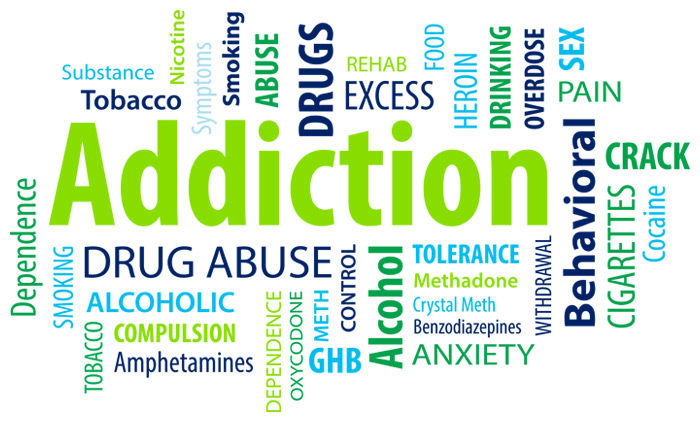
Addiction is dependence on a substance that the affected individual feels powerless to stop. Millions around the world have addictions problems, and food addiction is among one of the most common. Doctor Dalal Akoury MD is addiction veteran and founder of AWAREmed health and wellness resource center agrees with the research findings that nearly 80% of gastric bypass pre-surgical patients suffer from food addiction. Several research experts across the globe, have established that the behavioral biochemical causes and effects underlying food addiction pathways are nearly identical to those of other self-destructive addictions. Food is a basic need, but when we turn to food as a solace to coping with our low feelings of self-worth then there is a problem as we are going to find out following.

Food addiction pathways and obesity: Turning to food to cope with feelings of low self-worth

One of the most common behavioral characteristic of individuals suffering from self-destructive addictions is harboring the feeling of not being good enough. Feelings of low self-worth, may cause a poor self-image, low self-esteem, depression, anxiety, the need to over achieve and an intense and chronic fear of failure. Professionals studying addictions believe that society contributes to the development of addictions by establishing unreasonable or unreachable criteria for worthiness. The “addict” not only have negative feelings regarding self but has also failed to develop appropriate stress coping. Instead of confronting life stressors directly or finding healthier ways to manage emotions such as through exercise, journaling, relaxation, spiritual care, therapy etc., the “addict” seeks to avoid unpleasant feelings by eating, drinking alcohol, smoking, using drugs, gambling and various other ways of escaping from reality.

One collaborative study found that more than 90% of pre-surgical morbidly obese patients use avoidance stress coping behavior to handle emotions, seeking comfort from negative feelings and stressful situations through the use and sometimes the abuse of food. There are strong associations between avoidance coping behavior, food addiction and lack of control over eating. Most food addicts feel that they have no control over their addiction in spite of having complete knowledge of its negative social and health consequences. They recognize the adverse effects the addiction has on friends, family, and self, but feel powerless over such behavior. This generates feelings of guilt and remorse thereby worsening the addictions and setting in motion a vicious cycle of avoidance and abuse.

Finally, doctor Akoury reiterates that, any negative feelings toward self, remorse, guilt and inappropriate stress coping behavior may cause neurochemical changes within the brain that adversely influence mood and cause a physical dependency for the addictive substance. These neurochemical defects occur in the limbic system of the brain, the area of the brain that controls mood and basic functions such as eating. And that explains the passionate reason that made doctor Akoury to create this medical facility to primarily help each individual’s life through increasing awareness about health and wellness and by empowering individuals to find their own inner healing power. Besides, Akoury’s practice focuses on personalized medicine through healthy lifestyle choices that deal with primary prevention and underlying causes instead of patching up symptoms. You can reach her on telephone number 843 213 1480 for further professional guidance.

Food addiction pathways and obesity: The connection of food and weight gain

http://regenerativepotential.com/wp-admin

Facebooktwitterpinterestlinkedin
Obesity and weight lose

Inflammatory detriment and obesity

Inflammatory detriment

Inflammatory detriment and obesity comes mainly from all toxic food elements

Inflammatory detriment and obesity: Interleukin-6 

When addressing the problems that are associated with obesity, it is worth noting that, Interleukin-6 (IL-6) is possibly another factor associated with inflammatory detriment within the portal system. In her decades of practicing, doctor Dalal Akoury MD President and founder of AWAREmed health and wellness resource center reiterates that high levels of IL-6 are a marker for inflammation and vascular pathology. Obese subjects demonstrated a 50% greater portal vein IL-6 concentration, demonstrating, again, the profound effect visceral fat has on pathogenic indicators. Portal vein IL-6 correlates with systemic C-reactive protein concentrations.

C-reactive protein is associated with cardio- and peripheral vascular disease. C-reactive protein and oxidative stress are now presumed to interact in the early inflammatory processes of atherosclerosis. This is significant for young obese individuals. Although more research is necessary for conclusive association, C-reactive protein may be a new risk factor for CAD in individuals under 25 years of age.

Inflammatory detriment and obesity: Inflammation imbalances

The imbalance between increased inflammatory stimuli with a concurrent reduction in anti-inflammatory activity may be the foundation for the accelerated endothelial dysfunction and insulin resistance associated with obesity and the comorbid disorders of metabolic disease. More research is needed to clearly delineate the particular relationships, but it seems evident that the low grade inflammation caused by obesity and visceral adiposity lead to the premature development of disease. This, more so than ever before, identifies the importance of weight management during the developmental years and ongoing efforts to control weight throughout one’s lifespan.

Nonetheless, this must not be seen to have shut the doors for individuals who are obese currently. The good news is that, there is still hope of recovery. This is because weight loss is related to reduction of oxidative stress and inflammation, and these beneficial effects are likely to translate into reduction of cardiovascular risk in obese individuals. Likewise, exercise and dietary management, along with pharmacologic intervention can lead to atherosclerotic reversal in the earlier stages of CAD. Individuals with central adiposity, poor blood lipid profiles, and hypertension or insulin resistance should seek immediate professional assistance to prevent further health detriment.

Finally, in view of professionalism in addressing this problem, it will interest you to note that, because of the passion of helping and eliminating addiction and weight related complications, doctor Akoury founded this facility, primarily to help in transforming each individual’s life through increasing awareness about health and wellness and by empowering individuals to find their own inner healing power. Besides that, it is also important to appreciate that, Akoury’s practice focuses on personalized medicine through healthy lifestyle choices that deal with primary prevention and underlying causes instead of patching up symptoms making her the best for all your treatment needs. You may now want to schedule an appointment with doctor Akoury on telephone number 843 213 1480 for the commencement of your treatment process professionally.

Inflammatory detriment and obesity: Interleukin-6 

http://regenerativepotential.com/wp-admin

Facebooktwitterpinterestlinkedin
weight loss diet

Simple regular exercise benefits

Simple regular exercise

Simple regular exercise benefits motivate even the weak to participate

Simple regular exercise benefits: Overcoming forces of discouragement

Taking simple regular exercise daily has far reaching benefits. These are simples activities that you can do at home. Even though many people enjoy the friendship or group activities that comes with joining an exercise class, the truth is that it can be tasking sometimes to know what type of workout will suit you best. Besides, if you aren’t a fitness professional, the terms used to describe a workout could be more confusing than helpful. As experts from AWAREmed health and wellness resource center under the leadership of doctor Dalal Akoury MD, we are very much alert on issues of healthy living and that is why doctor Akoury founded this facility to primarily help in transforming each individual’s life through increasing awareness about health and wellness and by empowering individuals to find their own inner healing power. It will further interest you to note that doctor Akoury’s practice focuses on personalized medicine through healthy lifestyle choices that deal with primary prevention and underlying causes instead of patching up symptoms. You can schedule an appointment with her for all your concerns on telephone number 843 213 1480 even as we progress with this discussion.

Currently, High Intensity Interval Training (HIIT) has become very popular in across the globe for various reasons. Experts have suggested that more intense workouts done in shorter periods of time may deliver the same results as longer workouts with less intensity. Can we dig deep into this? You and me know that everyone is pressed with time these days and activities which are inconveniencing may not be embraced. The ideal of quick result is luring. However, it come at a price. You must be available on schedule, injuries are likely due to the intensity of training involved and many more. Simple or Variable Intensity Interval Training (VIIT), on the other hand, just might offer the best of both worlds. Under this arrangement, workout rotates is tailored to individual preferences which could either be high, medium and low intensity intervals, incorporating cardio, strength and mind/body activities into one workout. This will allow for everyone’s effort since each individuals has a tailored workout to meet their own needs.

Simple regular exercise benefits: Group exercise activities

The question you may want to ask is what is your style? Sometimes a class or group may not fit your schedule! Does that mean you can’t get the benefits of exercise? Certainly not! We have plenty of individual options to keep you moving. Carry out a small assessment of yourself, do you like being indoors, or would you rather be out enjoying nature? What intensity are you looking for? Do you want a group or individual activity where you work at your own pace? Activities like hot yoga, biking, walking, skiing, swimming, running, are just but among the so many great activities you can reap great benefits from. And did you know that even short, intense surges of climbing stairs has benefits for heart health? Certainly you can do it and there is going to be No more excuses because stairs can be found almost anywhere, and you don’t need to find a spare hour each day. Just a couple of minutes weekly are enough to deliver results. With that we rest our case and through the ball to you for action. We are available and will be willing to help on demand.

Simple regular exercise benefits: Overcoming forces of discouragement

http://www.I-AM-I.com/wp-admin


Facebooktwitterpinterestlinkedin
Obesity an addiction

Adrenaline stress and Obesity

Adrenaline stress

Adrenaline stress and Obesity have their solution in healthy living

Adrenaline stress and Obesity: All you need to know

The prevalence of obesity has increased dramatically in the last several decades. Obesity, particularly upper body obesity (UBO), is associated with type 2 diabetes (T2DM), dyslipidemia, and hypertension. These associations describe the metabolic syndrome, a clustering of symptoms with insulin resistance as a core cause. Currently, adrenaline stress and the prevalence of obesity and metabolic syndrome is above average deeming both conditions important public health issues, requiring immediate efforts to understand these diseases and reduce their occurrences. And therefore, as we progress into the discussion, doctor Dalal Akoury MD President and founder of AWAREmed health and wellness resource center will be helping us to some of these to perspective.

Adrenaline stress and obesity: Stress response

Stress is a challenge to the natural homeostasis of an organism. Animals react to stress by producing a physiological stress response to regain equilibrium lost by the stressor. The stress response is characterized by acute behavioral and physical adaptations, including increased cognition, analgesia, gluconeogenesis, lipolysis, and inhibition of reproduction. There are two major components of the stress response: the autonomic nervous system (ANS), which encompasses the sympathetic and parasympathetic nervous system, and the HPA axis. These systems work centrally and peripherally to produce several responses. The ‘fight or flight response’ is an active reaction to either confront the stressor or escape confrontation. The ‘defeat response’ is when the individual does not engage in either the fight or flight response and ultimately ‘loses’ the confrontation; this is the primary stress response in modern society and is associated with HPA axis changes. Although the ANS is a key element of the stress response, the purpose of this review is to discuss the role of the HPA axis in obesity and metabolic disease.

Stress can be caused by external stressors such as employment or social strains or by intrinsic stressors such as sleep deprivation. Although an acute short-term stress response is necessary for homeostasis recovery, chronic or prolonged stress responses can be harmful and may cause several disease states. A study on women reported that history of depression was associated with hyperactivity of the HPA axis and decreased bone mineral density. In the past three decades, numerous studies has shown that obesity and other metabolic risk factors are associated with lower socioeconomic status, job strain, sleep deprivation, and depression

Hypothalamic–pituitary–adrenal axis

The HPA axis is one of two major neuroendocrine systems associated with the stress response. Corticotrophin-releasing hormone (CRH), secreted from the Para-ventricular nucleus (PVN) of the hypothalamus, stimulates the synthesis of adrenocorticotropic (ACTH) from the anterior pituitary gland. Physical stressors such as hypoglycemia, hemorrhage, and immune stimuli activate PVN neurons expressing arginine vasopressin and CRH. ACTH stimulates cortisol production from the adrenal cortex.

The first evidence that cortisol levels may be related to obesity and metabolic disease was based on clinical observations of Cushing’s syndrome; the pathological hypercortisolemia in Cushing’s syndrome is associated with UBO, glucose intolerance [impaired glucose tolerance (IGT)], and hypertension. Adrenalectomy in Cushing’s syndrome patients reverses IGT and obesity.Studies in the field of obesity research in the past 10 years have demonstrated that obesity and metabolic syndrome are characterized by chronic inflammation. This may sound technical, but you can schedule an appointment with doctor Akoury for more professional clarity.

Adrenaline stress and obesity: All you need to know

http://www.integrativeaddictionconference.com/wp-admin

Facebooktwitterpinterestlinkedin
weight loss

Weight loss pitfalls and dieting

Weight loss pitfalls

Weight loss pitfalls and dieting. Any good success in losing weight will lean more on Organic foods diet

Weight loss pitfalls and dieting: Why dieting is not the answer to losing weight?

Even the most dedicated dieter, one who can battle the desire to go to the drive-thru or deviate from a set eating plan, cannot avoid another common pitfall of trying to lose weight by dieting: a lack of energy from eating too few calories. While reducing calorie intake leads to weight loss, trying to reduce weight more quickly by consuming a much lower number of calories than one is used to does nothing but make one feel groggy, sluggish, and miserable. This lack of energy can make it difficult to get through the day. At times like these, dieters tend to crave high-carbohydrate, high-sugar snacks for a boost of energy, and while eating a chocolate bar or drinking a soda might help one get through a long afternoon; neither will help with long-term weight loss and that explains the basis of our discussion weight loss pitfalls.

Weight loss pitfalls and dieting: Natural options for losing weight

If all of these factors make dieting so fruitless, how is one supposed to lose weight? Fortunately, there are alternative options for cutting back on unhealthy foods and burning extra calories. Making a few lifestyle changes at a time can lead to gradual, sustained weight loss.

Begin each week with a new healthy lifestyle goal like drinking two liters of water each day, eliminating soda, or taking the stairs instead of the elevator. Focus on that one goal for the week, and by Sunday evening, it will have become habit. Hold on to the previous week’s changes in each subsequent week, and before long, healthy habits like drinking water and walking more will have become second nature.

Adding more intense exercise can bolster a weight loss program, too. Walking is the easiest form of exercise for most people to do, and even going for just a ten-minute walk can burn several dozen calories. Building up slowly from ten minutes of walking a few times a day to longer walks or even full-afternoon hikes can support steady, gradual weight loss, and once walking has become easy, fitness jogging or running can provide ways to burn calories even more quickly.

Lifting weights will strengthen and tone a healthy new physique, and getting outside on a nice afternoon will inspire more fun activities like playing games or sports or going for a swim. The combination of lifestyle changes and exercise benefits will support and maintain gradual, healthy weight loss and prevent the problems that cause traditional diets to fail.

Instead of trying to get rid of unhealthy foods all at once, focus on small, maintainable changes and get ready to see big results. Dieting to lose weight does not work in the long run, but picking up healthy habits and exercising can help one to achieve and maintain a healthy weight for years to come.

Weight loss pitfalls and dieting: Why dieting is not the answer to losing weight?

http://regenerativepotential.com/wp-admin

Facebooktwitterpinterestlinkedin