Category Archives: Men’s Health

Who is addicted to drugs

Who is addicted to drugs-Addiction Discussed?
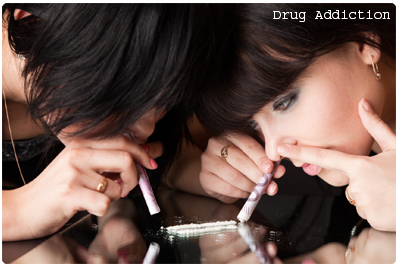
Addiction

It matters most who is addicted to drugs. Today even very young people are addicts

Everyone would want to be free to enjoy all that life can offer without any unjust limits put to them. This is a worthy desire and failure to grant it would only mean that there is a problem somewhere that needs to be solved for people to live and enjoy life to the fullest. Those problems or hindrances can be physical, emotional or mental. One of those life hindrances is addiction. It can come in so many ways but the bottom line is that when it is present the addicted person and the people around him or her are not happy and so the full life enjoyment is affected. We want to understand this problem by discussing and answering the question who is addicted to drugs.

Many people suffering from addiction are always in self-denial making it difficult to help them and so the most important thing is that of recognizing you have an addiction. How then to you get to know that you are addicted to something? Having an addiction means that you are controlled by your need for a particular substance to satisfy cravings and prevent withdrawal symptoms. When things have got to the point that you are unable to get through the day without for example a drink, a cigarette then you have a problem.

Addiction is not about the quantity of drugs you take, it is not about the amount of cigarettes you smoke, the number of drinks you have it is to do with the effects of taking a particular substance. Basically, if your addiction is the focus of your life then you need to seek treatment.

Who is addicted to drugs-Is dependency the same as an addiction?

Differentiating these two is very tricky as some people see the two terminologies as interchangeable whereas others argue that they are separate conditions.

Addiction occurs when something you do on a casual basis becomes a habit which you are unable to break. So if you enjoy going out for a few drinks a couple of nights in the week but this becomes every night then it can be said that you have developed an addiction.

Dependency then occurs if you feel unable to cope without access to a substance or if you suffer from withdrawal symptoms if you do. This is often the case if your addiction has been present for a long period of time.

Some experts argue that you can be dependent on a substance without becoming an addict. But can one become an addict without having a dependency? This can be confusing sometimes, one explanation is that someone can be taking a prescription drug for a long period of time and have developed a dependency on that drug. In this situation they have been taking a legitimate drug but their body has adapted to the dosage and requires higher doses in order to achieve the same effect. But they do not achieve a ‘high’ or a feeling of elation (‘buzz’) or any other extreme reaction.

Dependency can occur with other activities such as shopping, internet use, chocolate, food, gambling etc. Nonetheless if these are withdrawn then the person concerned doesn’t experience any physical withdrawal symptoms. They might feel peeved or frustrated – for example not being able to indulge their taste for retail therapy, but it will not affect their health.

However, an addiction causes physical and psychological changes in the body and removing the source of this or going without results in withdrawal symptoms such as the shakes, nausea, insomnia, irritability and paranoia. Examples of this include cigarettes, drugs and alcohol. Another aspect is that many people consider an ‘addiction’ to be more severe than dependency.  Many people have a mental image of a ‘drug addict’ as someone who leads a sordid lifestyle, injecting themselves with drugs and generally, at rock bottom. They are often seen as a hopeless case and less worthy of help than someone with a dependency.

Who is addicted to drugs-Addiction v dependency?

If you are still confused between the two then consider this:

  • Do you need that substance to relieve pain due to a chronic illness or injury, e.g. painkillers, prescription drugs etc. This will enable you to function as normal but without any changes in mood or behavior. Or
  • Do you experience physical and mental cravings for that substance which you know will give you a ‘buzz?’ This substance will satisfy your cravings and give you that feeling of euphoria that you cannot do without.

If you considered the first then you could be said to have a dependency. But if you answered the second then you may have an addiction. If you are still wondering then have a look at some of the possible signs of addiction to help you have our question who is addicted answered

Who is addicted to drugs-Signs of addiction?

  • Reduced or loss of appetite
  • Weight loss
  • Headaches
  • Dry mouth
  • Nausea and/or vomiting
  • Tiredness
  • Insomnia
  • Mood swings
  • Anger
  • Irritability and frustration
  • Lack of patience with one’s self and others
  • Lack of concentration
  • Paranoia
  • Neglecting your appearance/poor personal hygiene

These are physical and mental signs of an addiction however there are also social changes to consider such as withdrawing from other people, lack of interest in what they do, not wanting to socialize or mixing with people who you might have considered ‘undesirable’ before now.

If you find that you are spending vast amounts of money on your addiction or other people consider you to have become unreliable or untrustworthy then this also indicates a problem.

Have your colleagues at work noticed a difference in you? Is timekeeping a problem? Do you find that you have trouble concentrating at work or are bad tempered or moody?

Finally, do you feel you are losing control? It is often the case that friends or family members will tell you if they think you have an addiction rather than you recognizing this for yourself. But it is important for you to admit that you have a problem and want to give up. This will be difficult but the first and most important step in the treatment process is realizing that you are an addict – whether that is caffeine, tobacco, alcohol or ‘soft/hard’ drugs. With the first step taken the second will be for the expert to take over and at AWAREmed Health and Wellness Resource Center under Doctor Akoury’s care you will meet not just expert but caring ones who will focus on Neuroendocrine Restoration (NER) to reinstate normality through realization of the oneness of Spirit, Mind, and Body, Unifying the threesome into ONE

Who is addicted to drugs-Addiction Discussed?


Facebooktwitterpinterestlinkedin

Treatments for alcohol addiction, abuse and dependency

Treatments for alcohol addiction, abuse and dependency-Part Three

Addiction

Surely our children can not be victims of alcohol abuse we can together do something

As I said in the last post effective treatment of alcoholism or alcohol addiction starts from within the addict. It is the most important step for the healing process to begin and it can only begin with the alcoholic acknowledging and admitting that they have a problem and that they need help. Once this is done then the next step is help and support and in this area we will bring onboard only real and experienced experts in this field of addiction.  Doctor Akoury has been in this field for over three decades and will be very instrumental is helping you get better the natural way. But before that let us get back to alcohol addiction as a medical condition which requires experts’ attention. Defeating an alcohol addiction is not simple as it may appear, it is a long and painful process which require more than sheer willpower of the patient.

When administering treatment to the alcoholic, it requires the patient to make several adjustments in their lives in nearly every aspect which may not be very easy to many addicts. The good news is that even though these adjustments may not be easy but you can be rest assured that help and support is readily available at AWAREmed Health and Wellness Resource Center under Doctor Akoury’s care. We have to appreciate that treatments for alcohol addiction are quite varied because there are multiple perspectives for the condition itself. For instance those who approach alcoholism as a medical condition or disease recommend differing treatments than those who approach the condition as one of social choice.

Because alcoholism involves multiple factors which encourage victims to continue drinking, an all-inclusive approach must be put in place to address all the underlying factors in order to successfully prevent a relapse. For example detoxification is an ideal method of treatment followed by a combination of supportive therapy, attendance at self-help groups, and ongoing development of coping mechanisms. The treatment community for alcoholism typically supports an abstinence-based zero tolerance approach; however, there are some who promote a harm-reduction approach as well.

Treatments for alcohol addiction, abuse and dependency-Detoxification

Detoxification or ’detox’ for alcoholics is an abrupt stop of alcohol drinking coupled with the substitution of drugs that have similar effects to offset the withdrawal symptoms. Benzodiazepines are the most common family of drugs used for this, followed by barbiturates. Detoxes are performed in multiple ways some of which include:

  • The first takes into consideration the varying degrees of tolerance and in it, a standard dose of the benzodiazepine is given to the patient every half hour until light sedation is reached.
  • Once a baseline dose is determined, the medication is tapered over the ensuing 3-10 days.
  • Another option is to give a standard dose of benzodiazepine based on history and adjust based on withdrawal phenomenon.
  • A third option is to defer treatment until symptoms occur, which is safe only with relatively mild alcohol users.

It must be noted that detoxification only treats the physical effects of prolonged use of alcohol, but does not actually treat alcoholism. After the process of detox is complete, relapse is likely without further treatment. However detoxification may or may not be necessary depending on an individual’s age, medical status, and history of alcohol intake. For example, a young man who binge drinks and seeks treatment one week after his last use of alcohol may not require detoxification before beginning treatment for alcoholism.

Treatments for alcohol addiction, abuse and dependency-Group therapy and psychotherapy for alcohol addiction

The moment detoxification is done group therapy or psychotherapy can be used to deal with underlying psychological issues which are related to alcohol addiction, as well as to provide relapse prevention skills. The mutual-help group-counseling approach is one of the most common ways of helping alcoholics maintain sobriety.

Treatments for alcohol addiction, abuse and dependency-Rationing and moderation for alcohol addiction

Rationing and moderation programs do not mandate complete abstinence. Since one of the effects of alcohol is to reduce a person’s judgment, each drink makes it more difficult to decide that the next drink is a bad idea. Additionally, for those who are predisposed towards alcoholism, drinking in moderation can result in the strengthening of the endorphin-based addiction.

While most alcoholics are unable to limit their drinking in this way, moderate drinking works for some people, and it may avoid the physical, financial, and social costs of other treatments – particularly in the early phase of recovery. Professional help can be sought for rationing from AWAREmed Health and Wellness Resource Center under the able leadership of doctor Akoury

Treatments for alcohol addiction, abuse and dependency-Nutritional therapy for alcohol addiction

Preventative treatment of alcohol complications includes long-term use of multivitamin as well as specific vitamins like B12 and folate.

While nutritional therapy is not a treatment of alcoholism itself, it treats the difficulties that can arise after years of heavy alcohol use. Many alcohol dependents have insulin resistance syndrome, a metabolic disorder where the body’s difficulty in processing sugars causes an unsteady supply to the blood stream. While the disorder can be diminished by a hypoglycemic diet, this can affect behavior and emotions, side-effects often seen among alcohol dependents in treatment. The metabolic aspects of such dependence are often overlooked, causing poor treatment outcomes.

So far we have been discussing the various treatments methods of alcohol addiction for a sober society. All that we have mention above are very essential for treating alcoholics however for they to be properly put into use we will need experts with vast experience in handling matters addiction and especially alcohol addiction. As mention in this article doctor Akoury is an expert who has been offering neuroendocrine restoration (NER) to reinstate normality through realization of oneness of spirit, mind and body unifying the threesome into one. This is a working treatment method that has helped many people globally and your appointment with doctor Akoury will be the best you can do to yourself and loved ones because by the time she is done with you, you will be up on your feet again only that this time you will be sober and fully recovered.

Treatments for alcohol addiction, abuse and dependency-Part Three


Facebooktwitterpinterestlinkedin

Effects of Alcohol addition, abuse and dependency

Effects of Alcohol addition, abuse and dependency-Part Two

Alcohol

What alcohol addiction can do to your life and that of others can be very painful if not treated

Having discussed what alcohol is and some of its uses in the previous article, we want to continue with the series of alcohol addiction concentrating on the effects of alcohol and evidences or signs of alcohol addiction. Being the major cause of addiction affecting all people in indiscriminately it is important that we are well informed of the effects and signs of alcohol addiction so that we can take timely precaution and live a healthy life.

Effects of Alcohol addition, abuse and dependency-Effects of alcohol

We actually don’t have a uniform way alcohol affects people, the effects of alcohol vary immensely according to gender, age, weight, height and other similar factors. For instance a state of drunkenness would include one being too talkative and sometimes reckless in speech, staggering or difficulty walking upright, double vision and poor muscle control. However when it becomes extreme, drunkenness will cause vomiting, inability to stand, a state of coma and incapability to communicate well. It is in this case that some people appear to be less affected than others although excessive use can affect anyone. Alcohol will affect you in different ways and these will depend on the following:

  • Ones sensitivity to alcohol
  • Consuming alcohol on an empty stomach
  • The kind of food eaten and to what quantity
  • The quantity of alcohol you drink
  • The intensity and consistency of your drinking
  • How long you have been drinking
  • Your environment at that time
  • Have you been on drugs like cannabis while drinking?

The effects of alcohol may cause you just after taking a few drinks may release your inhibitions making you feel confident and self-assured while on the other hand the same quantity of alcohol may make you feel depressed, angry and possibly suicidal. These effects are very common in than in men though as both sexes grow older they are affected in the same way. Signs of alcohol intoxication include a flushed, reddened face, slower reactions and reduced inhibitions. If a person experiences extreme drunkenness then there is a great risk that they may vomit in their sleep and choke on this vomit. Overindulgence in alcohol creates an unpleasant reminder known as hangover which is the body’s reaction to intoxication and is partly caused by dehydration and the production of a toxic chemical as alcohol is broken down by your liver. Symptoms of a hangover include headaches, nausea and possibly vomiting; shakiness, tiredness and thirst. The effects will have disappeared by either the end of the day or the next. But it is when this crosses the line from an occasional event to a regular event that signals a drinking problem.

Effects of Alcohol addition, abuse and dependency-Alcohol addiction

This comes as a result of the excessive alcohol consumption to point where the drinker becomes unable to control their consumption and they are now driven by the alcohol thirst which leads to alcoholism. Therefore alcoholism is the consumption of or preoccupation with alcoholic beverages to the extent that this behavior interferes with the alcoholic’s normal personal, family, social, or work life. The chronic alcohol consumption caused by alcoholism can result in psychological and physiological disorders.

  • The primary effect of alcoholism is to encourage the alcoholic to drink at times and in amounts that are damaging.
  • The secondary damage caused by an inability to control one’s drinking manifests in many ways.
  • It is common for a person suffering from alcoholism to drink well after physical health effects start to manifest.
  • The physical health effects associated with alcohol consumption include cirrhosis of the liver, pancreatic, polyneuropathy, alcoholic dementia, and heart disease, increased chance of cancer, nutritional deficiencies, sexual dysfunction, and death from many sources.

Effects of Alcohol addition, abuse and dependency-Why do people become alcoholics

Human beings are social beings capable of making decisions and choices on their own because we are different it may not be easy to get a straight answer to this question. However when these choices are made some will be good and productive while others will be bad.

  • The choices are influenced by a variety of factors like our background, family upbringing, lifestyle, genetics, environment etc. if for example a family has history of alcoholism either of your parents or grandparents was an alcoholic then this is a risk factor.
  • If you suffer from a mental illness such as anxiety, depression or manic depression then you may use alcohol as a way of coping with your illness.
  • It can also be a form of escapism.
  • If you work in an environment which has a ‘drinking culture’ then this is another risk factor.
  • Also, stressful life events such as divorce, bereavement or moving house can all trigger alcohol abuse.

It is difficult to say when social drinking becomes a problem which eventually leads to an addiction (alcoholism). However the first step for these people is recognizing that their drinking is out of control.

Effects of Alcohol addition, abuse and dependency-How to know if you have an alcohol addiction

Each person needs to have general knowledge of how alcoholism gets into one’s life. The signs of a drinking problem or ‘alcohol abuse’ may include:

  • Being unable to stick to one drink
  • Guilt or feeling ashamed about your drinking
  • Sudden change of attitude like lying to family or friends about your drinking
  • Having a desire to drink in order to relax or feel confident
  • Finding that you drink more than is good for you
  • Experiencing ‘blackouts’ or forgetting what you did when drunk
  • Your family and friends are getting worried about your drinking
  • Need a drink to get through the day or to cope with your illness

The journey from problem drinking to full blown alcoholism happens over a period of time. However if detected at an early stage then it can be prevented. Having a problem with alcohol doesn’t mean that you will automatically become an alcoholic but it does increase the risk of that happening. What happens is that you develop a tolerance to alcohol over a period of time, which is a sign that your body is becoming used to alcohol and demands it in order for you to function normally. It can start off by a few drinks several times a week, then drinking every day or ‘binge drinking’ which can result in alcoholism.

Alcoholism doesn’t happen overnight: it is a gradual process in which the drinker passes through three stages to get to this point. The three stages of alcoholism are:

  • Stage one: no obvious signs of damage yet. The drinker is still in control but is gradually developing a tolerance to alcohol.
  • Stage two: problems have started to occur. The drinker is experiencing physical and mental effects of their habit and has developed alcohol abuse.
  • Stage three: this is the final stage in the journey. The drinker has become a full blown alcoholic and is unable to stop drinking.

There are warning signs of alcoholism which include an increased tolerance; finding that you can drink more than your friends or colleagues; drinking to ease withdrawal symptoms such as shakiness or anxiety and denying or attempting to justify that you’re drinking to family, friends and colleagues. When this happens to you then you need help which must begin with you acknowledging that you have a problem. Step two would be to seek professional help from experts and this is where doctor Dalal Akoury and her time of experts get involved. Doctor Akoury is the founder of AWAREmed Health and Wellness Resource Center. She is offering exclusive NER Recovery Treatment to other physicians and health care professionals through training, clinical apprenticeships, webinars and seminars. Your addiction problem is well under her vast experience in addiction treatment. With her you will get real time natural treatment that will ensure your life back and be well again to enjoy life to the fullest. Having looked at the effects and bit of signs of alcoholism in this article, I want to invite you to continue staying on the link and get to know the treatment segment in our next article.

Effects of Alcohol addition, abuse and dependency-Part Two


Facebooktwitterpinterestlinkedin

Drug Addiction Crime or Disease , Drug Addiction and Crime

Addiction and Crime- Drug Addiction Crime or disease


Rape is a crime very much associated with drug addiction people under the influence of drugs are mainly rapist

Rape is a crime very much associated with drug addiction people under the influence of drugs are mainly rapist

Discussing this topic can be very tricky owing to the kinds of legal systems we have in different counties. Drug addiction crime or disease the relationship between addiction and crime is very complex and is believed to be very provocative because the law says that law breakers must be brought to book and face the full force of the law in a court of law. Because addiction is a condition that is treatable it becomes difficult to marry the two. While it is true that many addicts engage in criminal activities to finance their habit but there also some many people who are just addicted to the criminal act itself, drug addiction crime or disease is a continuous debate. So we have people who wouldn’t ordinarily commit crime but have only turned to it out of an act of desperation and then there are those people who have already committed crime and then use this to fund their habit bringing us to the question should we punish or offer treatment?

The question is: do we punish people who commit crime to fund their addiction by locking them up in the prisons or do we help them by sending them into rehabilitation centers for treatment?  drug addiction crime or disease this is a subject of debate and people will debate on it differently. Some will the option of offering treatment to the drug addicts as going soft on criminals and for sure they have very good justification to think so however there is a difference between the two and if treatment helps them to kick their bad habit and prevent re-offending the society then it has to be considered as an option.

The grieving society may feel that people who have committed criminal offences be made to pay for their crime irrespective of whether they were under the influence of drugs at the time of crime or not but medically people who have committed crimes in order to pay for their addiction may surely benefit more from help and administered treatment rather than having then locked up in the prisons. The challenge or problem with prison is that while these offenders are confined in it is believed that they should not have any access to the drugs but many at times this is not the case, drugs can be accessed in prison through corrupted officers who smuggle in drugs to the prisoners whilst they are confined which means that they are able to continue with their bad addictive habit. This can only means that they are unlikely to stop their addiction and will likely re-offend once they leave prison after serving their team.

The costs of dealing with this are prohibitively expensive so a better option may be to treat addicts rather than punishing them. There is evidence to show that addicts are less likely to re-offend if they receive proper treatment from addiction experts like doctor Dalal Akoury who is also the founder AWAREmed Health and Wellness Resource Center offering addiction treatment.

Drug Addiction Crime or Disease , Addiction and Crime Legalize drugs

Drug dealing is big business not just in your country but around the world. There are organized drug cartels in many countries that use the proceeds of this to fund criminal activity which means that there is an ongoing battle between them and the authorities which is likely to continue, drug addiction crime or disease is certainly a medical and legal dilemma.

One idea put forward is that of legalizing drugs. Supporters of this argue that it would reduce crime especially drug-dealing as addicts wouldn’t have to resort to criminal behavior to fund their habit. The costs of drugs could be controlled and set a rate which addicts could afford without having to steal in order to do so. Plus these drugs could be taxed and the revenue from these used to fund drug rehabilitation treatment.

There is also the possibility that doing this will lessen the attraction. Many of us enjoy something which is considered to be ‘forbidden fruit’ and part of that attraction is the knowledge that what we are doing has an element of risk.

However, opponents of this claim that it would lead to many more addicts, which would place an extra burden on taxpayers, the authorities and the State as a whole.

What do you do with people who are addicted to committing an offence? They may or may not be addicted to drugs but they still have an addiction, which in this case is to crime. There is no easy answer to this and work is still being undertaken into how this might be solved. The questions raised are very pertinent and cannot just be ignored because it is always said that prevention is better than cure. You do not willfully create a problem because you have the mechanisms of solving it, drug addiction crime or disease will continue to be a hard debate.

Drug Addiction Crime or disease , Addiction and Crime Prevention measures

It has been suggested that unless we can change human nature itself then crime will always be with us. Crime is normally first propagated in the mind before it’s execution and so the wellness of the mind is a perfect remedy for everyone. While we appreciate that drug addiction is well connected with crime, the two can be separated and each is dealt with individually. It will be an uphill task for the authority to ensure that drug barons are arrested because many of them are always walking free while their little clients are the ones being arrested and when they are arrested, the have the resources to buy their way out into the street again. This element of corruption must stop for our society to be safe.

Finally the option of treatment is the best and it will need experts for it to be helpful to addict. Dr. Dalal Akoury is an expert offering her exclusive NER Recovery Treatment to other physicians and health care professionals through training, clinical apprenticeships, webinars and seminars. Your problem can only be safe in her care you lose nothing by calling her to start you full journey of recovery.

Drug Addiction Crime or disease , Addiction and Crime-Drug Addiction


Enhanced by Zemanta
Facebooktwitterpinterestlinkedin

Social Effects of Addiction

Social Effects of Addiction-Drug Addiction

addiction

No matter where you are and what you do addiction is still a threat, alcohol is even worse

Many people are very much conversant with the physical and psychological effects of an addiction but with little or no knowledge of the social effects of addiction. To say the truth social effects in many ways can be more harmful than the other two common ones put together. We by now must appreciate that drug addiction does not just affect the addict and abusers of substances, it’s effects are way beyond the addicts and has a far reaching effect which encompasses all family members, friends, employers, healthcare professionals and society as a whole. If you are addicted for example to alcohol, nicotine, drugs or even caffeine then the effects of this can negatively impact upon the following social categories:

  • Marriage and Relationships
  • Home and family life
  • Education
  • Employment
  • Health and wellbeing
  • Personality
  • Financial issues
  • Law and order

To have a clear understanding of this listed categories let us take a moment and discuss each of them;

Social Effects of Addiction-Marriage and relationships

If you have a situation in which one half of a couple is an addict then this can cause untold hardship for the other half. The person who is addicted may have changed from a previously easy going personality to one who is prone to mood swings, violent outbursts, secrecy and other forms of extreme behavior.

This is difficult for their partner to deal with and is even worse if there are children involved. It is both distressing and confusing for children to see one parent (or even both parents) exhibit signs of their addiction.

The person who is suffering from an addiction may be in financial difficulties which the other person is unaware of. Combine this with their irrational behavior, paranoia and in several cases, criminal behavior and you have a recipe for marital breakdown. In many cases the addict resorts to violence in desperation for their next ‘fix’. If he/she is craving a drink, cigarette or a particular drug but is unable to satisfy that craving – either due to a lack of money or prevented from doing so by their partner then violence is often the result.

Social Effects of Addiction-Home and family

On the subject of home or family life, there is also the possibility that the rest of the family may feel embarrassed or ashamed at this behavior of their loved ones. They will be bothered by the reactions of the society and specifically what others might say or think about their situation. This creates uncertainty to the family causing them to be confused and unsure as to what to do for the best.

If you are suffering from an addiction you may not know when under the influence of the substance but for the short time you will be sober you will definitely find out that your family is very concerned about your condition and are willing to help you realize that you have a problem and are prepared to face up to it. This concern may seems to you as if your family has pushed you out but it could also be the case that they see this as a form of ‘tough love’ in which they are giving you time to reflect upon yourself and your addiction. This they are doing with the hope that you will seek treatment for your addiction. Of cause they will provide support and help as well but you need to take that first step which to acknowledge that you have a problem.

Social Effects of Addiction-Education

If a child or young person is suffering from an addiction then this will impact upon their academics, relationships with other children and their home life. One such effect of this is truanting from school. This can happen if the child is addicted or if they have a parent who is an addict and neglects to care for them.

It is hard for a child or young person to resist the temptation of alcohol, cigarettes or drugs. A desire to be part of the gang or to try ‘forbidden fruit’ as a means of growing up can very quickly lead to addiction. Addiction tends to occur much more quickly in a young person than in an adult. The problem is that they can be hooked from just the first time they try a substance.

Social Effects of Addiction-Employment  

Employers are affected if any of their employees develops an addiction. The employee concerned may have changed from that well behaved and efficient worker to someone who is late and careless at work, has neglected their appearance and personal hygiene and is displaying erratic or unacceptable levels of behavior. They may have started to go absent for no good reason, not completed their duties or stolen from colleagues and/or the company.

This results in that employee losing their job which then impacts upon their home and family life. Loss of their job means a reduction in income – especially if he/she is the main breadwinner, and puts a strain on the relationship. It can then lead to marriage/relationship breakdown and/or divorce.

Social Effects of Addiction-Health and well-being

The body’s well-being is mandatory all the time and anything affecting it must be corrected instantly where possible. Addiction is one element with negative influence in the well-being of the body with the most obvious effect of drug addiction being that on the physical health. Nonetheless there are some substances such as alcohol or caffeine which may be fine on an occasional basis and in moderate amounts however when the consumption become a regular habit then they damage to your health.

For instance couple sticks of cigarettes in a day can also be harmful. You may argue that you are a very light smoker and that this won’t cause a problem but you must also know that nicotine is a powerful stimulant and damage starts early on. Remember that with cigarette smoking you don’t have to physically smoke whatever quantity for you to be affected because you can be affected as a third party smoker that is to say you stay close with smokers when they smoke and inhale the polluted air full of nicotine from the cigarette smoke.

Social Effects of Addiction-Personality

Addiction affects someone’s personality and behavior in a variety of ways although this very much depends upon the type of substance used and the amount; their psychological make-up before the addiction and physical health and their lifestyle.

Some substances have a greater effect than others upon mental health, for example, heroin is stronger than nicotine and will have a bigger impact upon the brain. Added to that is the fact that all of us are different in regard to our psychological make-up which means that at any given time will you find two people affected in the same way. So, one person may experience a greater level of ‘damage’ than another person using the same substance, mainly due to their brain chemistry. Bringing us to the question “what does an addiction do to someone’s mental health and behavior?”

  • Drug addicts will always demonstrate behavior which is completely out of character.
  • They may become secretive or deliberately offensive and harm themselves, lie, cheat or steal.
  • They may also place their addiction needs above the basic needs of their family and friends.

Social Effects of Addiction-Financial issues

The costs of an addiction not only affect the sufferer but can also encompass family, friends and society as a whole. There are the costs of policing, drug addiction help lines, support groups and rehab clinics. Indirectly there is lost revenue in the form of tax and national insurance contributions each time an addict loses their job or is unable to work. This means a drop in revenue for the Treasury and an increase in welfare benefits, e.g. unemployment benefit.

This may sound extreme but if you were to multiply all of this by the number of drug addicts in different countries, then it all adds up to a hefty drain on the country’s purse strings. However on a smaller scale there is the financial damage to family or friends as the addict will resort to theft or other criminal means in order to fund their habit.

Social Effects of Addiction-Law and order  

It is an open truth that people who are addicted to drugs very often turn to crime as a means of paying for their addiction. This is very costly for the economy since it involves stealing or fraud to obtain the funds necessary to bankroll their addiction. The sad part of it is that it normally starts in small scale like stealing from one’s partner, family or friends and the in graduates to include the employer or several organizations and eventually into serious robbery with sophisticated weapons. At AWAREmed Health and Wellness Resource Center under Doctor Akoury’s care, we focus on Neuroendocrine Restoration (NER) to reinstate normality through realization of the oneness of Spirit, Mind, and Body, Unifying the threesome into ONE, you will be safe with this team of experts and your life will never be the same again.

Social Effects of Addiction-Drug Addiction


Facebooktwitterpinterestlinkedin