Category Archives: Alcohol recovery

heroin addiction

Heroin addiction factors associated with depression
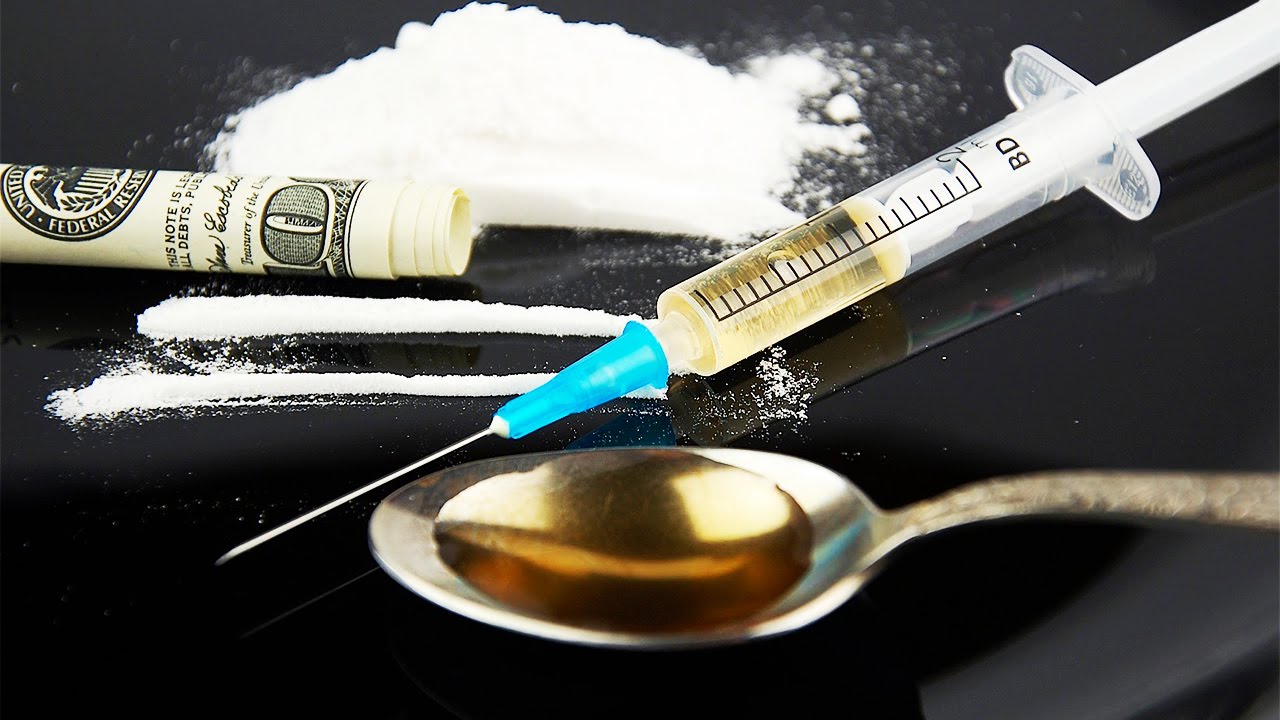
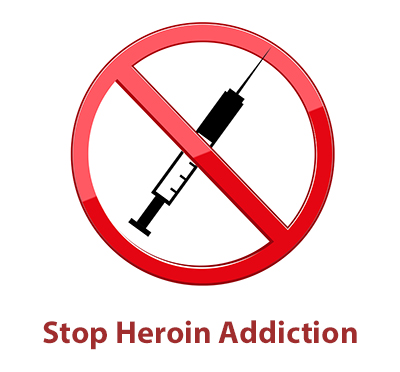
Heroin addiction factors

Heroin addiction factors associated with depression includes all the factors increasing addiction risk on drug users.

Heroin addiction factors associated with depression: Heroin abuse

Uncovering the causes of depression is one of the most challenging aspects of recovery for heroin users. Depression is much more than a low mood. It is a incapacitating mental illness that can lead to isolation, job loss, broken relationships, poor physical health and an increased risk of suicide. Depression can arise from a number of sources, including:

  • Genetic factors
  • Imbalances in brain chemistry
  • A stressful social environment
  • Psychological trauma
  • Physical disability
  • Drug or alcohol abuse

Treating a Dual Diagnosis of heroin addiction and depression is especially difficult if the individual is still under the influence of the drug. Many of the symptoms of opiate addiction fatigue, self-isolation, poor concentration and weight loss can resemble the symptoms of major depressive disorder.

According to a study published in Drug and Alcohol Dependence followed 615 heroin users in various stages of treatment or non-treatment. In the study it was established that a quarter of the subjects were currently experiencing a major depressive episode. While about twenty-six percent of the individuals in treatment had a lifetime history of depression and 16 percent of those who weren’t in treatment had been depressed. In the treatment group, a significant number of clients were also diagnosed with post-traumatic stress disorder, or PTSD. Others were living with a life-altering physical disability. In many of these cases, heroin was used as a maladaptive way to numb physical or psychological pain.

In long-term heroin users, it can be nearly impossible to determine whether depression led to addiction or the other way round. A comprehensive treatment plan must give equal attention to both conditions.

Heroin addiction factors associated with depression: Depression and heroin withdrawals

In the journey to recovery among many addicts, relapse is often very common among many heroin users who try to quit this highly addictive drug. The unpleasant side effects of heroin withdrawal can drive even the most determined individuals back to the drug. Heroin withdrawal usually isn’t life-threatening, however, heavy users may have dangerous seizures if they try to quit without medical supervision.

Finally physical symptoms of heroin withdrawal can feel like a severe case of the flu, but for many users, the psychological side effects are even harder to tolerate. In the first few days, weeks or even months after quitting heroin, users may feel extremely depressed. Once the brain comes to rely on the euphoric rush of a heroin high, the pleasures of everyday life may seem meaningless in comparison. A condition called anhedonia, or lack of pleasure, often develops in recovering heroin addicts. One of the primary goals of treatment is to help the addict find peace, hope and joy in a drug-free life.

Heroin addiction factors associated with depression: Heroin abuse


Facebooktwitterpinterestlinkedin
master cells

Treatment processes for drug addiction

Treatment processes

Treatment processes for drug addiction are essential in delivering a drug free society

Treatment processes for drug addiction: Heroin and other substances

The problem of drug addiction has stolen the dignity of our societies and we are all in one way or another affected or infected by this problem. Most societies are ruin by the use of drugs and families have not known peace because a member is an addict of a given drug. Heroin has become one of the most abused drugs thanks to its easy accessibility and affordability. The enormity of this problem is getting out of hand and prisons blocks alone are not enough to offer the much need solution. Even though this problem is of this magnitude, the good news is that it is treatable. There are very good treatment procedures for drug addiction today and that is going to be our point of focus in this discussion. We spoke to doctor Dalal Akoury who is the MD and founder of AWAREmed Health and Wellness Resource Center and she will be helping us understand the treatment procedures available.

Doctor Akoury says that this problem of drug addiction is a treatable disorder. Prevention would have been the best option but because it is already with us we are going to look at the mechanisms of treating this disorder and consider prevention in the next article. Now because of many different conditions in drug addiction, it is important that the specific treatment must be tailored to suits the individual’s needs. This is necessary because many drug addicts have a compound of other problems that hinders proper treatment like mental health, occupational, health, or social problems.

Treatment processes for drug addiction: Types of treatment for patients

The success of this campaign would be realized when treatment procedures for drug addiction is adhered to. And treatments often include behavioral therapy, mediations and sometimes a combination of both. The most important thing is that when patients are duly treated for their addiction, they will be able to have some control over their lives and be productive to the society. That is why all over the world the campaign is to have as many people as possible for treatment. Therefore if you or anyone you know is suffering from any form of addiction, then you can be of help to them by scheduling for an appointment with the experts at AWAREmed Health and Wellness Resource Center under the able leadership of doctor Dalal Akoury today and you will have your life back in the most professional and dignified way.

One of the biggest hindrances to treatment is that many addicted people often make an assumption that they can quit using drugs all by themselves without treatment. Actually many have tried but they have failed consistently resulting in long term abstinence. And that is why according to the NIDA Research has shown that long-term drug use results in significant changes in brain function that persist long after the individual stops using drugs. These drug-induced changes in brain function may have many behavioral consequences, including the compulsion to use drugs despite adverse consequences which is the defining characteristic of addiction. And that is why achieving abstinence without treatment is so difficult if not impossible.

Treatment processes for drug addiction: Heroin and other substances


Facebooktwitterpinterestlinkedin
addiction-rehab-happy

Successful addiction treatment mechanisms

Successful addiction treatment

Successful addiction treatment mechanisms will include assessment objectives in addiction recovery

Successful addiction treatment mechanisms: Recognition

For any meaningful treatment to yield results, the victim must first come to the point of recognizing and accepting that they have a problem which needs to be fixed. Denial is one of the greatest impediments when it comes to drug abuse treatment. Anyone in denial will not seek for help even if that help is presented to them by their concerned relatives. In many cases patients who are in denial will consent to treatment not because they have accepted but out of pressure from their loved ones

Detoxification – Treatment begins with detoxification, which is the gradual withdrawal of an abused substance under a controlled environment. In some cases a drug that is similar to the abused drug (e.g. methadone for heroin) is substituted during withdrawal to lessen the miserable symptoms and health risks associated with the withdrawal process. Depending on the drug that the person is addicted to, the withdrawal process can be handled through either an inpatient or an outpatient basis.

Rehabilitation – This is necessary to prevent the recurrence of drug abuse.  Rehabilitation involved behavioral therapies such as counseling, psychotherapy, support groups, or family therapy. Behavior therapy helps people to cope with their drug cravings and it teaches them ways to avoid drugs, prevent relapse, and what to do if a relapse occurs.  It has been established that merging a behavior therapy program with treatment medications, such as methadone, helps to suppress the withdrawal syndrome, the drug craving, and in blocking the effects of other drugs (caffeine).  Studies have shown that using methadone at adequate dosage levels in treating heroin addiction along with behavioral therapies reduces death rates and many health problems.

Abstinence – Following rehabilitation, the abuser must have a lifelong abstinence from drug abuse. Relapses from this drug abstinence may occur and lead to recurrent dependence.

Successful addiction treatment mechanisms: Treatment methods

The treatment program duration could either be short term or long term depending on the patient’s condition.

  • Short-term methods – last less than 6 months, include residential therapy, medication therapy, and drug free outpatient therapy
  • Long-term methods – may include medication therapy such as methadone maintenance outpatient treatment for opiate addicts and residential therapeutic treatment

Outpatient and Inpatient

  • Outpatient drug free treatment– does not include medication and encompasses a wide variety of programs for patients that visit a clinic at regular intervals. It actually involves individual or group counseling. Normally patients registering for this type of program do not abuse opiates, or are opiate abusers for whom maintenance therapy is needed. Generally these patients have stable lives and only brief histories of drug dependence
  • Therapeutic Communities – highly structured communities where patients stay for 6-12 months. Patients generally have long histories of drug dependence, involvement in serious criminal activities, and seriously impaired social functioning. This type of program focuses on the re-socialization of the patient to a drug free and crime free lifestyle.
  • Short-term residential programs – chemical dependency units,” based on the “Minnesota Model” of treatment for alcoholism.  Involve 3- to 6-week inpatient treatment phase followed by an extended outpatient therapy in a 12-step self-help group such as Narcotics Anonymous or Cocaine Anonymous.

Finally doctor Akoury recommends that if you are able to avoid using drugs the better. Treatment is more tasking than preventing which is the most ideal for good health. It would be the best thing you can do for yourself and to the whole society. But you are unable to all is not lost you can still get help from the experts up on scheduling for an appointment with doctor Akoury today.


Facebooktwitterpinterestlinkedin
Fitness_03

Defeating stress as a solution to substance abuse

Defeating stress

Defeating stress as a solution to substance abuse involves many activities including exercise

Defeating stress as a solution to substance abuse: Healthy ways of coping with stress

It is true that stress is in evitable in the current lifestyle we are living in however; we can bring stress to manageable levels so that its effects to human life are significantly reduced. Take the endless problem of addiction for example, if this is to be experienced and at the same time the victim is under some stressful situations, the magnitude of the complication may be overwhelming. Addiction on its own is very stressful not just to the victims but also the relatives caring for the addict. Treatment would be very ideal but even once treatment is done, the recovered addict will still have to face the problems that led to their addiction in the first place. This is so because in many instances people get into drugs in an attempt of trying to confuse certain painful emotions, calming themselves after an argument or just to forget that bad day or a problem they are going through. The most painful part of it is that when the effect of the drug is gone and you become sober, that which you were trying to escape from returns in double portions. It is because of this that overcoming stress to solve drug addiction problems become very necessary.

Doctor Dalal Akoury the MD and founder of AWAREmed Health and Wellness Resource Center states that for one to be treated successfully and maintain sobriety for a long time we must individually and collectively resolve these underlying issues of stress and addiction. It is important to note that with the life situations we have today, conditions such as stress, loneliness, frustration, anger, shame, anxiety, and hopelessness will remain in your life even when you’re no longer using drugs to cover them up. Nonetheless, you will be in a healthier position only when you finally address these issues by seeking for help from the experts and professional like those at AWAREmed Health and Wellness Resource Center.

Defeating stress as a solution to substance abuse: Eliminating stress without the use of drugs

Drug abuse often shoots from ill-advised attempts to manage stress. In fact many people turn to alcohol or other drugs to unwind and relax after a stressful day, or to cover up painful memories and emotions that cause us to feel stressed and out of balance. This is what is commonly done by many people, but it is the wrong approach to stress solution. We have much more healthier ways to keep your stress level in check. Such steps may include exercising, meditating, using sensory strategies to relax, practicing simple breathing exercises, and challenging self-defeating thoughts says doctor Akoury.

Defeating stress as a solution to substance abuse: Healthy ways of coping with stress


Facebooktwitterpinterestlinkedin
addicts

Stress reliving strategies without drug use

Stress reliving strategies

Try using stress reliving strategies without drug use and enjoy the fruits

Stress reliving strategies without drug use: Healthy living

A time has come when we must do what it takes to ensure that we eliminate all the stressors out of our lives if we are to keep healthy. For instance you may feel like doing drugs is the only way to handle unpleasant feelings, that feeling is very common and you are not the only one feeling that way. The truth is doing drugs will only land you into being more stressed. Instead you can learn to get through such difficulties without falling back on your addiction. Different quick stress relief strategies work better for some people than others. The secret is to find the one that works best for you, and helps you calm down when you’re feeling stressed and overwhelmed. When you’re confident in your ability to quickly de-stress, facing strong feelings isn’t as intimidating or overwhelming. The following tips can be helpful to you in reducing stress:

  • Exercise releases endorphins, relieves stress, and promotes emotional well-being. Try running in place, jumping rope, or walking around the block.
  • Step outside and savor the warm sun and fresh air. Enjoy a beautiful view or landscape.
  • Yoga and meditation are excellent ways to bust stress and find balance.
  • Play with your dog or cat, enjoying the relaxing touch of your pet’s fur.
  • Put on some calming music.
  • Light a scented candle.
  • Breathe in the scent of fresh flowers or coffee beans, or savor a scent that reminds you of a favorite vacation, such as sunscreen or a seashell.
  • Close your eyes and picture a peaceful place, such as a sandy beach. Or think of a fond memory, such as your child’s first steps or time spent with friends.
  • Make yourself a steaming cup of tea.
  • Look at favorite family photos.
  • Give yourself a neck or shoulder massage.
  • Soak in a hot bath or shower.

Stress reliving strategies without drug use: Keeping triggers and cravings to check

While getting sober from drugs is an important first step, it’s only the beginning of the recovery process. Once sober, the brain needs time to recover and rebuild connections that have changed while addicted. During this time, drug cravings can be intense. You can support your continued sobriety by making a conscious effort to avoid people, places, and situations that trigger the urge to use drugs like for instance:

Make a break from old drug buddies – be careful when choosing friends after healing from drug abuse. Desist from hanging out with old friends who are still doing drugs. Instead chose to surround yourself with people who support your new life of sobriety and not those who tempt you to slip back into old habits.

Avoid bars and clubs – keep distance from all social places like bars and clubs even if you don’t have a problem with alcohol. Remember that drinking lowers inhibitions and impairs judgment, which can easily lead to relapse. Drugs are often readily available and the temptation to use can be overpowering. Also avoid any other environments and situations that you could easily associate with drug use.

Use caution with prescription drugs – Stay away from prescription drugs with the potential for abuse or use only when necessary and with extreme caution. Drugs with a high abuse potential include painkillers, sleeping pills, and anti-anxiety medication.

Finally keep regular visits to your health provider for periodic assessment. This is very important because it help you know if there is any symptom of other infection that needs to be addressed before they escalate into chronic problems. Experts at AWAREmed Health and Wellness Resource Center under the able leadership of doctor Dalal Akoury are very much available to helping you get the best no matter your situation. All you need to do is to schedule for an appointment with doctor Akoury today and you will live to tell the story of great recovery.

Stress reliving strategies without drug use: Healthy living

http://www.awaremednetwork.com/


Save

Facebooktwitterpinterestlinkedin