
Tag Archives: Obesity and health

Obesity and Masculinity difference

Obesity and Masculinity difference – The common Denominator?
Obesity

Obesity and Masculinity difference denotes the effects of obesity in both gender. the bottom line is that both share a lot in common

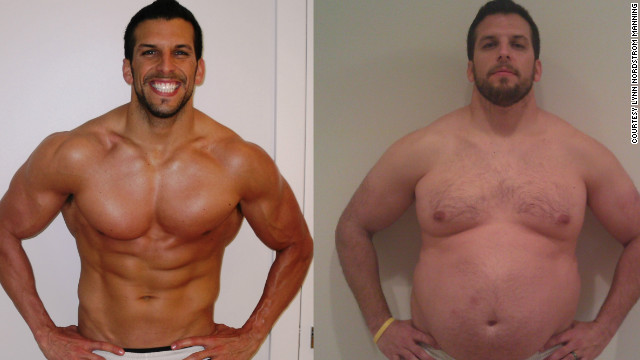
Have you seen well or heavily built men lifting heavy metals, stones or punching sand bags in your environs? Who would you compare them in relation to obesity and weight gain? What about heavy ladies some of whom are even struggling to stand on their two feet are they obese? I want to explain a few things concerning obesity and weight gain to help us understand the clear difference between obesity and masculinity or just obesity and gender difference. Many people think that there is a dramatic difference in how obesity affects both genders. The reality is, we have more in common than not with a few distinguished differences. For instance both genders are equally getting emotional and struggle with their physical look. Their self-esteem and social status are affected in equal measure.

Going by the introductory remarks there is a clear difference between the heavily built men for sure they are not obese since their body fats is constantly being worked on in their session of lifting their heavy objects the opposite is true about the ladies who accumulate lots of fats with very little being burn as cholesterol. Therefore the latter will be obese or overweight depending on their BMI as detailed below:

ü  BMI of 25 to 29.9 means you are considered overweight

ü  BMI of 30 to 39.9 means you are considered obese

ü  BMI of 40 or above means you are considered severely obese

Eating Habits and Gender

Feeding habit is something that is of clear concern when it comes to the behavior of both genders. According to a study conducted by Foodborne Disease Active Surveillance Network (Food Net) it was established that men are heavy consumers of red meat especially when roasted and certain poultry meet while women were likely to feed on fruits and vegetables. In both cases the different gender found comfort in food with each approaching this aspect of food differently. In other studies it has been established that men are likely to be heavy eaters at the celebration events particularly feeding on higher protein food stuff whereas women will take foods to cope with negative experiences and choose higher calorie sweet snack foods such as chocolate or ice cream.

The stereotype of the man going out for a big steak dinner to celebrate a promotion at work and the woman drowning her sorrows for the lost relationship in a half gallon of ice cream actually have scientific merit. What am I trying to explain here, I am not just saying that men do not also deal with negative emotions with food as women do, but that times of celebration are also times of risk for poor eating decisions. It is in these celebratory activities ware men seem to be more unique and choose to feed themselves in discriminatively to crown the event. In so doing they lose track of their diet and gain more pounds. The part where men get lost is that coping occurs not just with negative emotions, but with even the positive ones. We often think about our bad decisions and negative coping, but men are more apt to throw caution to the wind in the efforts of celebration.

Weight Gain and Gender

These differences may well play into how men and women deal with weight gain. There has been a distinct appeal to low carbohydrate approaches to men as they get to keep some of their favorite celebratory foods and are not resigned to salads and raw vegetables. Whereas women may be more likely to struggle with such approaches; or the recommended “protein first” approach to the post-operative diet plans.

Men differ greatly in how they deal with their vanity. Don’t fool yourself – even the manliest of men can be vain. Whether it is coloring our gray or replacing our missing hairs, we want our youthful masculine appearance. Weight issues are no exception.

Men long for the six pack abs and gun show arms which will elude most of us. Some of us struggled with weight issues early in our childhood. The early experience left us scared of ridicule and social exclusion. Others mourn the loss of their physical abilities and looks with the addition of weight later in life.

Male Weight Issues

I have been leading aftercare support groups as part of my work. When starting my work there, we developed a men’s-only group, as men were often the minority in the existing support groups. It appeared as though the men wanted such a venue as they felt that there were significant differences in their experiences from women who had undergone gastric weight-loss surgeries.

The reality was that their experiences were not as different, but the issues that they wanted to work through were often not appropriate for the coed setting. It seems the weight kept the men from feeling as sexual and that many had given up on themselves. Their comfort in being out of any relationship or taking their relationship for granted had caught up with them.

Yes, I am letting the secret out that men are often more motivated to stay healthy to attract the opposite sex, but irony rears its ugly head. With increased weight comes decreased sex drive, not to mention decreased attractiveness.

Reduced sex drive is a prominent theme of the men’s groups; with this comes isolation. Later with their weight-loss well underway they are equally surprised by the return of sex drive and the confusion now how to handle this. With fragile self-esteem damaged by weight and years of social isolation, this sex drive is often an unwelcome surprise.

Finally men struggle emotionally, socially and physically with obesity just as women do, but there may be subtle differences in how that weight evolves and how they deal with the need to reduce the weight. Celebration, isolation, sexuality and self-esteem all can be obstacles as well as incentives to men in their weight-loss efforts. A better insight into the individual’s reasons for eating and the consequences of their weight will lead to better weight-loss efforts and increased self-esteem. Looking at the struggle both gender go through, I want to offer a solution which will be long lasting. If you are struggling with weight gain or obesity gender is of no importance what you need is to get help and a visit to AWAREmed Health and Wellness Resource Center under Doctor Akoury will be the starting point. At this facility you will be cared for professionally and Doctor Dalal Akoury will focus only on Neuroendocrine Restoration (NER) to reinstate normality through realization of the oneness of Spirit, Mind, and Body, Unifying the threesome into ONE and you will live your life to the fullest.

Obesity and Masculinity difference – The common Denominator?


Facebooktwitterpinterestlinkedin

Effects of Obesity before Pregnancy

Effects of Obesity before Pregnancy – What you need to know

Obesity

Effects of obesity before pregnancy is very vital for it goes along way in protecting the good health of both the mother and the baby

The issue of weight gain is developing in a very high speed and it is becoming the concern of all healthcare providers globally. It has in the recent past become the obvious metabolic disease and this has led the World Health Organization (WHO) to consider obesity as one of the most serious global health problems of the 21st century. It is not a simple thing for the WHO to list obesity in this ranking and so we all have a duty to share and make contributions toward bring this condition to some degree of control. Therefore, what is this condition called obesity? By definition obesity is a health condition in which the accumulation of excessive body fat to an extent that is highly likely to impair health and increase morbidity and mortality. The most commonly use method of measuring obesity is body mass index (BMI) where an individual will be considered to be overweight if their BMI is between 25 and 30 kg/m2 while those with more than 30 kg/m2 are considered to be obese. In this article we are going to interrogate the effects of obesity in women who are planning to get pregnant in the future, in other words the focus of this article will be obesity before pregnancy. As we get into this discussion, I want to introduce to you one of my cherished professional dealing with issues of weight gain in the most natural way, I am talking about doctor Dalal Akoury who has been in this practice for well over 20 years and we will be making reference of her practice from time to time so that you can call her to attend to your situation.

According to WHO the prevalence of obesity in pregnancy cut across 1.8 to 25.3% with effects of obesity before and during pregnancy constituting a major risk factor for both maternal and fetal complications. While appreciating that children born of obese mothers may become obese in their childhood and develops metabolic syndrome in their adulthood, it is possible to address some of the issues relating to obesity during pregnancy since at this time mothers will be more willing to accept certain changes in their lifestyle like a well-balanced diet and bit of indulgence in physical activities, practicing this will certainly improve the fetal health. It therefore goes without saying that a well-balanced body weight at this point is very important, we will continue with this in our next article but for now let us get back to the discussion of obesity before pregnancy.

Are you planning to get Pregnant?

It is very essential that women planning to get pregnant make effort to maintain normal body weight because being obese or even being underweight has negative effects on pregnancy, these two conditions can cause a woman to have a reduced fertility in all dynamics that is to say when observed in both natural conception and conception achieved by assisted reproduction techniques (ARTs). In many instances when subfertility is observed in obese women, it is always occasioned partially due to the decrease in frequency or complete absence of ovulation.

The dominant cause of anovulation is polycystic ovary syndrome (PCOS), which is characterized by central visceral obesity in 40% of the cases. Moreover, in a wider context of metabolic disorders,

  • Low concentration of serum
  • High-density lipoprotein (HDL) cholesterol
  • High concentration of triglycerides
  • Low-density lipoprotein (LDL) cholesterol
  • Increased concentrations of plasminogen activator inhibitor-1 (PAI-1) tend to co-exist.

All these metabolic derangements increase the risk of developing:

  • Arterial hypertension
  • Coronary heart disease and
  • Thrombosis

In addition, hyperinsulinemia promotes the production of testosterone and Δ4-androstendione from the theca cells in the ovary and results in a condition of hyperandrogenemic anovulation, with a phenotype characterized by hirsutism, obesity, acne, seborrhoea and hair loss.

Obesity has been observed to exert a negative impact on ARTs. Specifically, obesity may adversely affect the duration of ovarian stimulation, number and quality of oocytes and embryos, fertilization rate, embryo transfer rate as well as implantation and pregnancy rates. In obese women, a longer duration of ovarian stimulation and higher doses of gonadotropins are required. Additionally, higher cancellation rates and higher incidence of follicular asynchrony are often observed. The lower number of oocytes retrieved in overweight and obese as compared to normal weight women may be due to the lower number of follicles, technical difficulties or both.

Moreover, obesity can prevent proper trans-abdominal ultrasonography imaging during embryo transfer. All these mechanisms may be responsible for the decrease in implantation and pregnancy rates in obese women undergoing ART.

What to do before pregnancy?

There are certain important things that you need to consider when you’re planning to get pregnant, for instance emphasis needs to be out in normalizing your weight. You should neither be over or underweight because having normal weight is not only good for conception but also for the outcome of the pregnancy. While appreciating that most pregnancies are not planned it is very important that you consult a specialist on how to lose weight and calling doctor Akoury an expert in matters relating to weight and obesity will be the starting point. Remember that things are changing and the prevalence of obesity is worrying today we have established fact that weight loss before pregnancy results in a better chance for conception and increases the percentage of live births for obese women with or without PCOS.

Obesity is not an easy condition to manage and it even gets more complicated when pregnancy is involved. It is therefore very essential that obese women are fully informed about the risks of obesity and the benefits of weight loss. This valuable information will be available at AWAREmed Health and Wellness Resource Center under Doctor Akoury’s care. At this facility you will meet real expert who will attend to you professionally and help you in the management of your weight by encouraging an improved lifestyle through balanced diet and physical exercise. Besides this doctor Akoury together with her team of her experts will focus on Neuroendocrine Restoration (NER) to reinstate normality through realization of the oneness of Spirit, Mind, and Body, Unifying the threesome into ONE. The sole objective of experts at this facility under the able leadership of doctor Akoury is to restore your self-esteem and face life positively a head of your planned pregnancy. Call now and experience the real life fulfillment thereafter.

Effects of Obesity before Pregnancy – What you need to know


Facebooktwitterpinterestlinkedin

Obesity during Pregnancy

Obesity during Pregnancy – The Risk associated with Weight gain

Obesity

Obesity during Pregnancy can complicate life if not properly addressed. The need for weight lose is a must done for good health of both the mother and the baby

If you have been on the link you must have gone through our previous article when we introduced this discussion of obesity and pregnancy. We stated that before you can get pregnant, it is essential that your weight is normalized. Being obese or underweight is not health for pregnancy you can refer to that article on effects of obesity before pregnancy. In this article our focal point of discussion is going to be based on the obesity during pregnancy in other words you’re already pregnant, how should you live your life in that condition of pregnancy.

Obesity during Pregnancy – Maternal complications

As we have stated that normal weight is essential during pregnancy one would wonder that what this normal weight recommended during pregnancy. The recommended gestational weight gain during the process of pregnancy is 11.5 to 16.0 kg, (0.5 to 2.0 kg for the first pregnancies and 0.35 to 0.50 kg per week for the second and third pregnancies following) therefore it is strictly advisable for overweight and obese pregnant women to put adequate measures in reducing their weight to the desired normal weight level for pregnancy and doctor Dalal Akoury who is an expert in matters relating to weigh and obesity can be of great help for you in achieving this goal. The purpose of this is to attain the appropriate balanced diet full of high nutritional values resulting in both weight control and normal embryo growth.

It is highly recommended that before you get pregnant you should work on your weight if you’re overweight or obese this is so because overweight women before pregnancy are more likely to exceed the weight gain recommendations during pregnancy. This will cause them great risk of adverse complications like:

Miscarriage – Although excess body weight has been correlated with increased risk for first-trimester miscarriage, the results of various studies are controversial and far from being conclusive as for now it remain a hypothesis.

Thrombo-embolism – Pregnancy per se constitutes a prothrombotic state characterized by an increase in the plasma concentration of coagulation factors Ι, VII, VIII and X, a decrease in protein S and inhibition of fibrinolysis.

These changes together with other risk factors like:

  • Advanced maternal age
  • High parity
  • Cesarean section
  • Pre-eclampsia
  • Obesity

All these result in an increased risk for venous thrombosis. It has been established in several studies that obesity will doubles the risk of thrombosis by accelerating the concentration of factors VIII and IX, but not of fibrinogen.

Gestational diabetes – it is estimated that about 3-10% of women will be affected by gestational diabetes. Although many factors contribute to this, such as ethnic origin, age and family history, obesity constitutes an independent risk factor as the incidence of gestational diabetes is 2 – 3 fold higher in obese and overweight as compared to normal weight women. Besides this obesity and diabetes play independent roles in determining fetal size.

Hypertensive disorders and metabolic syndrome – Obesity is associated with insulin resistance. Insulin resistance and consequent hyperinsulinemia can result in such conditions like:

  • Hypertension
  • Hyperlipidemia
  • Degenerative heart disease
  • Hyperuricemia
  • Glucose intolerance or diabetes type 2.

During pregnancy, obese women face increased risk of developing hypertension, pre-eclampsia and gestational diabetes. Specifically, women with a BMI >30 kg/m2 have a two- to three-fold higher risk for developing pre-eclampsia.

Preterm delivery – Current evidence indicates that obesity during pregnancy leads to induced preterm delivery but not spontaneous preterm birth, which is usually encountered in women with low BMI.However this is still a subject of discussion.

Cesarean section – Studies suggest a two-fold3 increase in the risk for cesarean section in obese women even without additional risk factors. Cesarean section in this group is of great concern, as women who are overweight or obese are more susceptible to post-operative complications, such as excessive blood loss, deep venous thrombosis, wound infection and postpartum uterine infection.

Long-term complicationObese women tend to retain gestational weight gain more frequently than women of normal body weight. It is also very important to note that women who developed gestational diabetes have a 50% likelihood of developing type 2 diabetes within the following ten years.
Management of obesity during pregnancy

having known the dangers of excessive weight and obesity in the life of a pregnant mother, we have a duty to keep our women safe from the scourge of obesity. This can be done either at home or in consultation with the experts who understand the dangers better. There are those things you can do on your own like following on a balance diet and indulging on meaningful physical activities however in doing all these it is important that you seek guidance from the experts so that no mistake is done. As had been indicated earlier doctor Dalal Akoury is passionate about her work and helping you recover yourself is what she does best.

Given the fact that obesity or excessive weight gain during pregnancy constitute important risk factors for the mother and the fetus you and I ore each other the duty of care to protect and defend our unborn children to meet the world in good health and without any life threatening condition. If a women who gain excessive weight during pregnancy has up to three times higher risk of becoming overweight in subsequent pregnancy it is an indication that the problem could be long term and so doing solving the problem now is very necessary. Therefore ensuring a balanced diet and physical exercise during, and where necessary before pregnancy are strongly recommended in consultation with doctor Akoury who is also the founder of AWAREmed Health and Wellness Resource Center a medical facility which focuses on Neuroendocrine Restoration (NER) to reinstate normality through realization of the oneness of Spirit, Mind, and Body, Unifying the threesome into ONE. Calling doctor Akoury will be the beginning of your journey to freedom and happy process of recovery from the prevalence of obesity. You owe it to yourself and doctor Akoury will be there for you professionally and get you back to your normal weight that is recommended for pregnancy.

Obesity during Pregnancy – The Risk associated with Weight gain


Facebooktwitterpinterestlinkedin

Depression and Obesity

Depression and Obesity – What you can do

Obesity

Depression and obesity put together can be very dangerous to you in all dimensions.

The rate at which obesity and weight related complications are growing in troubling the healthcare providers globally. Much as it is a health condition that can be avoided our life style has betrayed us in putting proper control to this health condition. If for example you have a considerable high body mass index which is significantly more than what is considered healthy for your body height then you are probably increasing the risk of many serious health conditions in your body. Some of the health conditions associated with obesity and overweight may include:

  • Hypertension
  • Heart disease
  • Stroke
  • Type 2 diabetes
  • Gallbladder disease
  • Chronic fatigue
  • Asthma
  • Sleep apnea and
  • Some forms of cancer.

For women, obesity can lead to problems in the reproductive system. And studies show that severe cases of obesity can reduce your life expectancy, particularly if you are a young adult. The causes of obesity are rarely limited to genetic factors, prolonged overeating or a sedentary lifestyle. What we do and don’t do often results from how we think and feel. For example, feelings of sadness, anxiety or stress often lead people to eat more than usual. Unless you act to address these emotions, however, these short-term coping strategies can lead to long-term problems.

Emotional interactions

In most cases obesity comes a long side depression, when these two conditions are put together, they can influence and trigger each other resulting to further complications. Although women are slightly more at risk for having an unhealthy BMI than men, they are much more vulnerable to the obesity-depression cycle. In one study, obesity in women was associated with a 37 percent increase in major depression. There is also a strong relationship between women with a high BMI and more frequent thoughts of suicide.

Depression is very dangerous because in many cases result in stressful life, and when stress is allowed in one’s life then this may bring alterations in you social life and feeding habits. Many people who have difficulty recovering from sudden or emotionally draining events (like demise of a close friend or family member, relationship difficulties, losing a job or facing a serious medical problem) unknowingly begin eating too much food (normally junk food) and forget about engagement in physical activities. With this kind of change of habit it becomes very difficult to change the new trend and more weight is gained and eventually obesity settles in.

Binge eating, a behavior associated with both obesity and other conditions such as anorexia nervosa, is also a symptom of depression. In a recent study of obese people with binge eating problems it was established that about 51% of the participant in the study had a history of major depression and yet in another study it was evident that obese women with binge eating disorder but who had suffered bullying and discrimination about their body size developed body dissatisfaction and depression.

What you can do

Dealing with obesity and similar weight-control problems requires adopting new habits that foster a healthier lifestyle. It is important that this is done progressively and not in haste. The body needs to systematically adapt to the new changes being introduced to it. For instance if you were to incorporate physical activities it must be done in an orderly manner and failure to do this will result in compounding your already risky health situation. You can train the body in adapting to these new changes by considering a team approach that involves several qualified health professionals. In this case doctor Akoury who is an expert in this line will help you develop a safe plan for losing weight that includes both diet and exercise. Doctor Dalal Akoury is not only experienced in weight loss but she is also a medical professional fellowship trained and certified in anti-aging functional and regenerative medicine, as well as having more than twenty years of accumulated experience in emergency medicine, pediatrics, addiction and a master’s degree in public health. She has also served fellowships in pediatric hematology/oncology and has performed research in leukemia and the effects of smoking and other addictive substances. Your condition will be sorted out professionally if only you can call this great professional today.

In an effort to trying helping yourself be free from being obese, the following are some hints to consider for yourself or your loved ones to take action against obesity:

  • Think about what you eat and why. Track your eating habits by keeping a journal of everything you eat, including time of day and amount of food. Also record what was going through your mind at the time of eating, like were you sad or upset with something? Or, had you just finished a stressful experience and felt the need for “comfort food?” Put such things down.
  • Cut down on portions while eating the same foods.  Along with making dieting feel less depriving, you’ll soon find that the smaller portions are just as satisfying. This will also give you a platform to safely curb your appetite even more.
  • Note that while treating obesity often helps decrease feelings of depression, weight loss is never successful if you remain burdened by stress and other negative feelings. You may have to work to resolve these issues first before beginning a weight-loss program.
  • Losing weight is always easier when you have the support of friends and family. Try to enlist the entire household in eating a healthier diet. Many hospitals and schools also sponsor support groups made up of people who offer each other valuable encouragement and support.
  • Use the “buddy system.” Ask a friend or family member to be “on-call” for moral support when you’re tempted to stray from your new lifestyle. Just be sure you’re not competing with this person to lose weight.
  • Don’t obsess over “bad days” when you can’t help eating more. This is often a problem for women who tend to be overly hard on themselves for losing discipline. Look at what thoughts or feelings caused you to eat more on a particular day, and how you can deal with them in ways other than binge eating.

Finally together we can defeat obesity and kick it out from our societies. With the right thing done and guidance from doctor Akoury the founder of AWAREmed Health and Wellness Resource Center, a facility where treatment is administered by experts using natural means and focusing on Neuroendocrine Restoration (NER) to reinstate normality through realization of the oneness of Spirit, Mind, and Body, Unifying the threesome into ONE nothing will go wrong and you will have your life back living it to the fullest.

Depression and Obesity – What you can do


Facebooktwitterpinterestlinkedin

Discrimination due to Weight Gain

Discrimination due to Weight Gain – How it Affect both Men and Women

Obesity

Discrimination due to Weight Gain is prevalent in many societies. You need to get professional help to get your life back.

It is regrettable that at this point of time people are still living under certain siege of discrimination because of some health conditions that could be avoided like weight gain and obesity. Discrimination of obese people is a common phenomenon the world over with US being extreme. I will be discussing some of the effects of this uncalled for habit and offer you solutions so that you can live your life freely and void of discrimination in anyway. People who are affected by excess weight or obesity experience discrimination across a wide variety of settings, including healthcare, employment, schools, public transport sector, social amenities joints and interpersonal relationships.

Social discrimination

Let us consider the employment settings, job seekers who are affected by excess weight or obesity are often less likely to secure job opportunities or even be recommended for promotion compared to their slimmer colleagues and in the very extreme they are also faced with lower remunerations and increased risk of job insecurity based on their weight alone.

In healthcare settings, patients affected by obesity often experience prejudice, apathy and lower quality of care from medical professionals, which may result in patients choosing to delay or forgo crucial preventative care to avoid additional humiliation.

Students also face weight-based victimization in educational settings from their peers, teachers and even parents, which may interfere with social support and educational achievement.

Weight stigma is even present in interpersonal relationships with friends, family and romantic partners, such that negative judgment invades almost all areas of the lives of people affected by obesity.

Gender Differences in Experiences of Weight Stigma

Although both men and women are vulnerable to weight discrimination, their experiences may differ with respect to how much discrimination they are exposed to and the forms that it takes. Most notably, women seem to experience higher levels of weight stigmatization than men, even at lower levels of excess weight. Research suggests that women, especially those who are middle aged or with lower levels of education, experience weight discrimination at significantly higher rates than male peers. Moreover, women report weight discrimination at lower levels of excess weight than men. For example, men tend to report considerable stigmatization at a Body Mass Index (BMI) of 35 or higher, whereas women report experiencing notable increases in weight discrimination at a lower BMI of only 27.

North American ideals of physical attractiveness, which emphasize thinness as central to feminine beauty, may account for some of these differences. Women whose bodies deviate, even slightly, from physical beauty standards may be vulnerable to weight stigmatization. Given that thinness ideals have become deeply ingrained into our society and are heavily promoted by the mass media, diet industry and fashion industry, it’s not surprising to see widespread weight stigmatization toward women, even if they are not “obese.”

For women, weight discrimination has been associated with poorer body image, low self-esteem, depression, anxiety, and a range of unhealthy eating behaviors, including binge eating.

Gender Differences in Children and Adolescents

Young people are vulnerable to the negative social and emotional consequences of obesity. The magnitude of stigmatization always takes the shape of bullying and victimization which impacts adversely on their relationships, education and occasionally on their physical health. There has been an inconsistency in research findings to gender with some studies establishing that girls experience more weight-based victimization, reporting higher levels of teasing and being assigned more negative characteristics as a result of their weight than boys. Other research, however, has failed to find sex differences in vulnerabilities. It may be that differences are more apparent in the types of stigmatization experienced by boys and girls, rather than the quantity or amount of these experiences.

For instance weight-based bullying may be more predominant among boys who are affected by excess weight while girls may experience more weight-based victimization in the form of social exclusion from their peers.

As I had indicated above boys and girls who experience weight-based victimization are at increased risk for negative social and educational outcomes, however, these risks seem to be even more identical with girls who are overweight, display lower academic self-esteem and are significantly more likely to be held back a grade than boys. Girls are also more likely to experience negative psychological outcomes, like depression in response to experiences of weight victimization, and may endure more pronounced difficulties in interpersonal relationships with peers and dating partners in adolescence.

Research shows that adolescent and young adult women who are affected by excess weight have lower potential for romantic relationships compared to their non-overweight peers. However, for young men, being affected by excess weight may not be detrimental to dating and forming romantic relationships. In fact, it may even be
associated with positive and desirable characteristics like strength and masculinity.

Finally the content of this article is not conclusive and certainly further studies are necessary to unlock and comprehend the nature and extent of gender differences in experiences of weight stigmatization. Even though it may appear for now that some differences may exist and more so ladies may have increased vulnerability in some areas compared to men. These are very useful tips which should be known by the various sector e.g. employers, learning institutions to help them intervene and bring the whole thing of weight stigmatization to a manageable levels. Doing all these may necessitate that you seek well guided professional advice from an experienced expert. This services are available at AWAREmed Health and Wellness Resource Center a facility founded by Doctor Akoury who is an expert in this line of obesity and has been helping people regain their lives back for the last two decades through a painless process by focusing on Neuroendocrine Restoration (NER) to reinstate normality through realization of the oneness of Spirit, Mind, and Body, Unifying the threesome into ONE. Calling doctor Akoury will be very helpful for you to sort out all your questions relating to weight gain and obesity in all aspect.

Discrimination due to Weight Gain – How it Affect both Men and Women


Facebooktwitterpinterestlinkedin
