Tag Archives: Food and Drug Administration

Prefrontal Cortex and Addiction

The Prefrontal Cortex Plays Crucial Role in Addiction

Prefrontal cortexThe prefrontal cortex enables us to make rational, sound decisions. It also helps us to override impulsive urges that may trigger reactions that are not in the best of our interests. If acted upon, these impulses urges can cause us to act without thinking. It is the prefrontal cortex that helps you to even maintain sound relationships around you. Each and every day you may be confronted by this impulsive urge but it is the prefrontal cortex that helps us think rationally and help override the impulsive urges. Obviously, this ability to inhibit impulses is very helpful. It enables us to function well in society. It protects us from harm by allowing us to consider the consequences of our actions. However, when the pre-frontal cortex is not functioning correctly, the opposite occurs. Addiction causes changes to the prefrontal cortex. These changes account for two characteristics of addiction: impulsivity and compulsivity.

In the past years, the loss of control over drug intake that occurs in addiction was initially believed to result from disruption of subcortical reward circuits. However, current studies in addictive behaviors have identified a key involvement of the prefrontal cortex (PFC) both through its regulation of limbic reward regions and its involvement in higher-order executive function such as self-control, salience attribution and awareness.in this article we will try to revisit studies that have been done in the past so as to reach an understanding on how the prefrontal cortex is involved in drug addiction. Most studies have suggested that disruption of the PFC in addiction underlies not only compulsive drug taking but also accounts for the damaging behaviors that are associated with addiction and the loss of free will.

In a study where rats were used, it was found that stimulating a specific part of the brain reduces compulsive cocaine seeking. The finding proposes a potential approach to changing addictive behavior. This study and other studies that have been done show that the prefrontal cortex that is involved in decision-making and inhibitory response control is compromised in addiction. Deficits in the prefrontal cortex are involved in drug addiction The Deep-layer pyramidal pre-limbic cortex neurons; is a layer of cells that reach into areas of the brain that have been implicated in drug-seeking behaviors. Activating the Deep-layer pyramidal pre-limbic cortex neurons might reduce the rats’ cocaine seeking.

Medical experts and researchers agree that compulsive drug taking, which brings a myriad of health and social consequences, is one of the most challenging aspects of human drug addiction. In 2011, an estimated 1.4 million Americans age 12 and older were past-month cocaine users. No medications have been approved by the U.S. Food and Drug Administration for treating cocaine addiction. Obviously, cocaine addiction doesn’t affect America alone but the whole world.

Animal model studies

Drs. Billy Chen and Antonello Bonci at NIH’s National Institute on Drug Abuse (NIDA) have been using an animal model of cocaine addiction in a bid to gain insights into the neurobiology of compulsive drug use, trained rats learned to push levers to receive cocaine. When the cocaine doses were later followed by a mild electric shock to the foot, most rats stopped pushing the levers. Some rats, however, exhibited compulsive cocaine seeking by continuing to push the levers in spite of the foot shocks.

In this research, the researchers compared nerve cell firing patterns in the brains of the shock-sensitive and shock-resistant groups of rats. They studied a region of the prefrontal cortex that, in humans, is involved in decision making and inhibitory response control, which are both compromised in addiction. Their analysis focused on deep-layer pyramidal prelimbic cortex neurons because these cells reach into areas of the brain that have been implicated in drug-seeking behaviors. The study appeared online in Nature on April 3, 2013. The scientists found that almost twice as much current was needed to activate these neurons in compulsive cocaine-seeking rats than in the shock-sensitive rats or rats that hadn’t been exposed to cocaine. If these neurons are behind the rats’ compulsive behavior, the team reasoned, and then activating them might reduce the rats’ cocaine seeking behavior.

Prefrontal cortexFor this study the scientists employed a light-based genetic, or optogenetic, technique to activate or inhibit pyramidal neurons in the prelimbic cortex at will. They injected harmless viruses engineered to deliver genes for producing proteins that, once embedded in the neuron’s surface this could induce or inhibit the cells’ activity in response to light of specific wavelengths. Tiny optic fibers were implanted in the rats’ brains to deliver light pulses to the cells. As predicted, activating these brain cells reduced cocaine seeking in the compulsive, shock-resistant rats. Inhibiting the cells in shock-sensitive rats increased cocaine seeking during foot-shock sessions.

“This exciting study offers a new direction of research for the treatment of cocaine and possibly other addictions,” says NIDA Director Dr. Nora D. Volkow. “We already knew, mainly from human brain emerging studies, that deficits in the prefrontal cortex are involved in drug addiction. Now that we have learned how fundamental these deficits are, we feel more confident than ever about the therapeutic promise of targeting that part of the brain.”, he concluded.

“By targeting a specific portion of the prefrontal cortex, our hope is to reduce compulsive cocaine seeking and craving in patients.” Bonci said as he reiterated that his group is now planning clinical trials to test noninvasive methods for stimulating this brain region in people. Dr. Dalal Akoury of AWAREmed Health and Wellness Center has dedicated her life to helping addicts restore their lives by use of integrative medicine. Call her on (843) 213-1480 for help.

The Prefrontal Cortex Plays Crucial Role in Addiction


Facebooktwitterpinterestlinkedin

Understanding The Cancer Machine

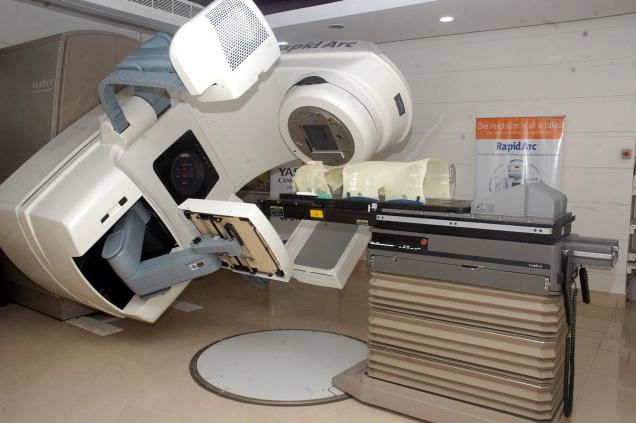
The Cancer Machine

Cancer is a common medical condition that in the years has claimed the lives of not only the old folks but also the young. For years medical practitioners have worked tirelessly to find a breakthrough in the cure for cancer.

Surgery, radiation and chemo therapy are the leading cancer management techniques. Surgery seeks to remove the cancerous tumors from the patient before it spreads to other parts of the body. The other methods aim at killing the cancerous cells to stop their growth.

However, there has been a breakthrough in the medical field that has sent researchers investing greatly in it. This breakthrough has something to do with the Kanzius cancer machine. Researchers are investing in it in order to test its efficiency.

The Kanzius Machine

John Kanzius is a man who proved that cancer could be concurred. With no medical background or knowledge in science, the fellow built a radio wave machine he hoped would cure cancer. This may be hard to believe because he only did this with pie pans belonging to his wife.

Kanzius was diagnosed with leukemia which had cost him a lot through dozens of chemotherapy sessions. This is where the inspiration came from. Having undergone several sessions of chemotherapy he figured out that the medical field could do with something better.

Cancer patients did not have to endure the pain that comes with chemotherapy. Chemo therapy is meant to kill the cancer cells and slow down their multiplication.

The Cancer Machine

One day, he woke up at night and went to the kitchen. He stated assembling his wife’s pie pans to build a radio wave machine to help cure cancer. Later with $200,000 he was able to build a more advanced machine.

The Kanzius cancer machine has today proved to be a breakthrough in medicine. Researchers are now pouring millions of dollars to testing the machine.

The medical trials on the machine have still a long way to go before it becomes applicable. If the machine proves efficient, it will be the answer to millions of cancer patients who have to undergo expensive procedures like chemotherapy, radiation therapy and surgery to kill the cancer cells and remove cancerous tumors.

The cancer machine will destroy the cancer cells without the need for chemo therapy. The main reason Kanzius came up with the machine was to act as an alternative for chemotherapy. He himself having been a cancer patient, he was familiar with the shortcomings that come with chemotherapy.

The machine will work by destroying all cancer cells in the body. This will happen without the need for surgery or drugs. The good news is that, unlike other cancer management techniques, the Kanzius machine will have no side effects.

Cancer patients will be able to go through the cancer process without experiencing side effects that come with cancer, for example hair loss in patients exposed to chemotherapy.

How the Cancer Machine Works

The cancer machine is made up of different radio wave boxes. Radio waves move from one box to another. This creates energy that is enough to activate gas that is contained in a fluorescent light. It is common knowledge among folks that, metal heats up when it is exposed to powered radio waves. A tumor that is injected with some kind of metal will be destroyed when a beam of radio wave is focused on it.

The cancer machine will require doctors to inject metal nanoparticles into the tumor. When this is done the tumor is then exposed to radio wave beams. This creates a process where the tumor is destroyed by killing the cells that make up the tumor. This happens without necessarily destroying the tissues that surrounds the tumor.

Researchers believe that use of molecules that are specially programmed to reach cancer cells and attaching to them nanoparticles, the machine will have the ability of targeting even the microscopic cells in the body.

The Cancer Machine

This cancer machine will prove to be a great relief to cancer patients. It will enable patients to recover from cancer without side effects.

Alternative ways of reducing cancer risks

Meanwhile before scientists can verify the workability of the Kanzius machine here are some ways to reduce your risk of getting cancer:

  • Take regular exercises
  • Reduce your intake of processed sugars, foods and grain carbohydrate.
  • Get sufficient night sleep
  • Reduce exposure to chemicals like pesticides and herbicides.
  • Avoid being overweight as obesity is a risk factor for cancer.
  • Always ensure that you take a balanced diet.

With these healthy procedures you will be able to a large extent reduce your cancer risk. Cancer is a lifestyle disease and your health depends on how you treat your body. You can find out more about this from Dr. Dalal Akoury who has wide experience with cancer patients. Many patients who have recovered bear testimony to her good work and wide knowledge and experience. For more health and wellness tips just visit www.awaremednetwork.com.

Understanding The Cancer Machine


Facebooktwitterpinterestlinkedin

Understanding withdrawal


Neurobiology of withdrawal

WithdrawalThe biggest challenge to all addicts that makes it hard for them to quite using drugs is withdrawal. Most addicts are not using the drugs because the like using the drugs but rather because they are enslaved to the drugs in such a way that whenever they try to boycott the drug the withdrawal symptoms will be too overwhelming to deal with and so they end up succumbing to the intense craving of their drug of abuse, some choose to go back to their old life where drugs matter simply because they want an instant relief from the withdrawal symptoms. The instant relief will be achieved but this will escalate the problem even further as the patient will be following the same tradition.

To walk with everybody, we need to understand this whole topic, the term withdrawal is not new as it has been defined in previous articles. However we need to define neurobiology so that we all are on one ground.

What is Neurobiology?

Neurobiology is the study of cells of the nervous system and how these cells are organized of these cells into functional circuits that process information and influence behavior. Neurobiology is a sub unit of both biology and neuroscience. Neuroscience is much broader as a scientific study of the nervous system than neurobiology.

It is crucial to understand the functions of the neurons. Firstly, the neurons are cells that are specialized to receive, propagate, and transmit electrochemical impulses to initiate certain responses that are critical for proper functioning of the body. The brain of a human being has more than a hundred billion neurons. These neurons however are diverse in morphology and function.

The nervous system is very important owing to its many function, it is therefore good to note that it should be healthy at all times since any slight effect on the neurotransmitters goes a long way in affected not only the health of a person but also his behavior. Illnesses that affect the nervous system are known as neurobiological disorders. These neurobiological disorders are often caused by genetic, metabolic and other biological factors. Most of the illnesses termed as psychiatric disorders are neurobiological. These may include; bipolar disorders, obsessive-compulsive disorders, autism, Tourette syndrome and even schizophrenia. To avoid most of the neurobiological disorders, it is good to maintain a good nutrition and avoid substances that may deplete the neurons and interfere with the proper functioning of the nervous system. In this article we will explore what happens to the nervous system that causes withdrawal.

What causes withdrawal symptoms?

A person using any type of recreational drug risks suffering from its severe withdrawal symptoms and each drug of abuse has its own unique withdrawal symptoms that those who depend on the drug have to suffer. However it is good to note that you cannot suffer any withdrawal symptom however long you use a drug until you become dependent on the drug. You first have to depend on the drug to suffer its withdrawal symptoms. Without dependence there is no withdrawal.

Neurotransmitters are naturally synthesized in the cell body and migrate down the axon to the presynaptic terminals. Here they are stored in little packets called vesicles which fuse with the synaptic membrane. When a depolarizing current is received, these vesicles release their contents into the synaptic cleft. These happen naturally without dependence on any drug.

The neurotransmitters relay signals between nerve cells, called neurons. The brain uses neurotransmitters to tell your heart to beat, your lungs to breathe, and your stomach to digest. They can also affect mood, sleep, concentration, weight, and can cause adverse symptoms when they are out of balance. However neurotransmitter levels can be depleted many ways. One of the biggest contribution to the depletion of the neurotransmitters is the use of drugs both prescription and recreational.

When you use drugs, especially the recreational drugs for a long time there are neurotransmitters that are affected. The neurotransmitters in the brain have specific purposes that together ensure the right balance in the brain for proper functioning of the neurotransmitters. There are both inhibitory and excitatory neurotransmitters in the brain. There must be balance between these neurotransmitters if the brain is to work normally. However when a person has become dependent on drugs, the balance between these neurotransmitters is interfered with. The inhibitory hormones include:


Serotonin- this neurotransmitter is anti-stimulant. It suppresses all the effects of drugs recreation that works to stimulate the brain. It should be available in good levels to ensure balance in moods too. When you become dependent on recreation drugs serotonin becomes depleted and so the ‘highs’ of the brain will be unregulated making the brain dependent on the drugs. Any attempt to stop using the drug will cause withdrawal. Plus it is serotonin that controls cravings for carbohydrates and even responsible for sleep cycles when it’s depleted the withdrawal symptoms become inevitable.

WithdrawalGABA –this also regulates the excitatory neurotransmitter firing to the brain, however when drugs of recreation are used for a long time this neurotransmitter becomes depleted further creating an imbalance in the brain.

Just like inhibitory neurotransmitter excitatory Neurotransmitters are also very important but are also affected by drugs of abuse. These include;

Norepinephrine- is an excitatory neurotransmitter that is responsible for stimulatory processes in the body. Norepinephrine helps to make epinephrine as well. Drugs suppress your brain’s production of neurotransmitters like noradrenaline. When you stop using drugs or alcohol it’s like taking the weight off the brain, and your brain rebounds by producing a surge of adrenaline that causes withdrawal symptoms. Plus when the levels of inhibitory neurotransmitters are low it means the levels of excitatory neurotransmitters are increased and this causes anxiety and low moods which are common symptoms of withdrawal. Other excitatory hormones that are subject to drug abuse include dopamine and epinephrine. The imbalance between the excitatory and inhibitory neurotransmitters is responsible for withdrawal in drug users. We at AWAREmed Health and Wellness Resource Center are committed to availing help to addicts by availing some of the most integrative approaches to healing an addict. We advocate for natural healing to all kinds of addiction. Call on Dr. Dalal Akoury (MD) at Myrtle Beach, South Carolina for help.

Neurobiology of withdrawal


Facebooktwitterpinterestlinkedin

Herbs Associated With Relaxing and Strengthening the Nervous System

Herbs Associated With Relaxing and Strengthening the Nervous System

Herbs Associated With Relaxing and Strengthening the Nervous SystemComposed of the all the nerve tissues in the body the nervous system plays very critical roles in the body. They are composed of the nerve tissues that receive stimuli and transmit stimuli to the nervous systems and to initiate responses. The central nervous system consists of the brain and the spinal cord and functions as the points of collection of all the nerve impulses. This is how the nervous system works; the sensory nervous system receives the stimuli, the central nervous system interprets them while the motor nervous system initiates responses.

The nervous system are very vital in the body and so they ought to be performing at optimum always, however due to some of the substances that a person may use such as drugs and alcohol the communication between these nerve tissues may be tampered with leading to rise of some complications in a person . Therefore there is need for the entire nervous system to replenished, relaxed and strengthened and nothing does that better than the nervines. The nervines are herbs that are specifically for the nervous system. They correct all the defects in the nervous system as well as strengthening the nervous system.

Here are some herbs that can be used to replenish, relax and strengthen the nervous system

Kava– This herb is very potent. It is very effective for intense anxiety, stage fright.  Inability to cope. It is also good for toothache, pain from cystitis, muscle relaxant, insomnia.  Due to its extreme potency it can only be used once in a while

Lavender– this herb is uplifting hence good for low moods. It is good for mild anxiety and improves sleep quality.  For persistent depression use lavender with holy basil and damiana.

Prickly Ash– it is good for depleted nerves.  Prickly ash stimulates nervous system, circulation, and disperses herbs.

Rhodiola– Rhodiola is a powerful antidepressant.  It works to restore inner reserves. It also cures fatigue from heartache.

Lemon Balm– calming and uplifting.  For mild depression and SAD. It can be used with St. John’s wort, vitamin D and fish oils. It also elevates mood.


Linden Blossom– It can be used for mild hypertension and heart palpitations. It can be used with motherwort and hawthorn.

Motherwort– good for hormonal or menopausal anxiety.  It settles chronic anxiety with racing heart.  It can be used with oats and vervain.

Mullein root and leaf – protects myelin sheath- holds moisture around the nerve endings. It can be used with St. John’s Wort.


Skullcap (Scutellaria lateriflora herb). Skullcap is a broad spectrum Nervine tonic. This herb has been used successfully in cases of depression, anxiety, insomnia, and headaches. Skullcap is considered one of the preferred herbs to help ease withdrawal symptoms during recovery. During the first 72 hours of withdrawal, it may be taken every couple of hours. Skullcap contains large amounts of flavonoids which act as natural anti-inflammatory agents.

Valerian (Valeriana officinale root). Valerian is another strong nervine. Extracts of Valerian have been used for centuries in Europe to resolve cases of insomnia, nervous disorders, anxiety, and depression. It is known to be beneficial for individuals who have a history of cocaine and/or alcohol use and also suffer from nervous disorders.

Passion Flower (Passiflora incarnata blossom). Passion Flower is another great nervine. Milder than Valerian, it is excellent for relieving tension and for insomnia. Rich in flavonoids, Passion Flower is probably most effective when combined with Valerian and other nervines.

Herbs Associated With Relaxing and Strengthening the Nervous System

Chamomile (Matricaria recutita blossom). Chamomile is known as a mild relaxant as well as a stomachic used for improving digestion. It contains the two compounds azulene and guaiazulene, which have been shown to stimulate growth of liver tissue in rats. Chamomile may also be helpful when prepared as a homeopathic remedy.

Ginkgo (Ginkgo biloba leaf). Ginkgo is an outstanding herb which has been shown to improve cellular glucose uptake, scavenge free radicals, encourage peripheral circulation, improve short term memory, and enhance energy. For the recovering addict who feels that his memory and circulation have been compromised, Ginkgo is a good place to begin.

Thunbergia laurifolia– This herb is commonly used in Thailand for detoxification. This herb is potent enough to cleanse the body of harmful; effects of the long-term use of drugs and alcohol. It also works well in reducing fevers. In a recovering addict it may help in clearing all the debris of alcohol and drugs.

Dandelion– This herb is widely used in Europe as an excellent liver detoxifier and mild diuretic. It increases the flow of bile and encourages both the transformation and transportation of nutrients. It has been used historically to treat liver disorders, arthritis and gout. In the addict it will ease the transportation of nutrients in the body and restore energy in the cells.

Oats (Avena sativa) – Oats is one of the best remedies for “feeding” the nervous system, especially when under stress. It is specific in cases of nervous debility and exhaustion, especially when associated with depression. Also for shingles and other herpes infections and even degenerative wasting conditions such as multiple sclerosis. Oats may be taken as porridge. Tincture: Extracts of “milky” seed, 2-3 ml up to 4 times daily.

St. John’s wort (Hypericum perforatum) – St. John’s wort has a sedative, restorative and pain-reducing effect. Thus it can be used for the treatment of neuralgia, anxiety and tension. Its tonic action on the entire nervous system makes it useful for nervous debility and stress. Useful for irritability and anxiety due to menopause. Not recommended when there is severe depression.

Finally, Here at AWAREmed Health and Wellness Resource Center we are committed to availing help to addicts by availing some of the most integrative approaches to healing an addict. We advocate for natural healing to all kinds of addiction. In case you are struggling with addiction just call on Dr. Dalal Akoury (MD) at Myrtle Beach, South Carolina for help.

Herbs Associated With Relaxing and Strengthening the Nervous System


Facebooktwitterpinterestlinkedin

Testosterone Replacement Therapy as Part of Addiction Recovery

Testosterone Replacement Therapy as Part of Addiction Recovery

TestosteroneTestosterone replacement therapy involves supplementation of testosterone inform of injections, pellets, patches or gel in order to treat conditions in which the testes do not produce enough testosterone. It is also available in IV forms. Just like the estrogen replacement therapy in women, this ought to be done by an expert as the dosage is important for better results and to mitigate on the side effects. This therefore cannot be done without the help of an expert. This therapy has been found to be effective in fighting hypogonadism. It is also good in improves energy levels, perfect body mass, sex functions and muscle strength among other benefits.

Testosterone replacement therapy has been used for a long time in treatment of men with erectile problems. Hypogonadism is a problem that most men go through and seek treatment from every day. The use of testosterone replacement therapy in hypogonadism is not news, however there is little known about the connection of testosterone replacement therapy and addiction recovery. To any layman there seems to be no connection between these two phenomena. Maybe it is better to know what roles the testosterone hormone plays in the bodies of human beings.

Roles of testosterone hormone

Contrary to what many people think, testosterone plays many roles in our bodies and not only sex roles. Many people think that deficiency in testosterone hormone can only affect your sexual life but the reality is that this hormone very many roles beyond ensuring a healthy sex life. Apart from production of sperms, the testosterone hormone is also crucial in production of red blood cells. This hormone also helps in distribution of fats in the body parts, increasing muscle mass, improving bone mineral density and even regulation of moods in a person. A person with low testosterone levels is often very moody, this explains why men with hypogonadal testosterone levels are mostly in bad moods. It is also this hormone that gives men the physique of man- masculinity.

Several studies have also found out that high levels of testosterone in a person reduce their risks of developing depression. Many researchers have proved that many men who suffer from depression are of low testosterone levels and therefore testosterone replacement therapy may help them to fight depression. After testosterone replacement therapy most depression patients break free from the bonds of depression. Depression is a major problem that men deal with today.

Today, in the United States alone, the number of men who have fallen victims to depression have doubled the number of women suffering from the same. This is because of the many roles that this hormone plays in men. Scientists have proved that maintaining an optimum level of testosterone hormone is an effective way of fighting depression. In a study that was published in 2005 in the Journal of Clinical Psychiatry, a team of researchers from the US Department of Veterans Affairs examined the connection between low testosterone levels and future depression risks in more than 700 men who were at least 50 years old. The report concluded that men aged below 50 years with low testosterone level were more likely to become depressed than men within the same age but have optimum level of testosterone hormone.

This is not the only study that established the connection between testosterone and depression. Another study that was published in 2003 in the American Journal of Psychiatry also examined the connection between these two phenomena.  The research done by Harvard University worked with 56 men who had developed major depression but had failed to respond to antidepressant treatments. The researchers found that 40 percent of the men had low testosterone levels. It is therefore safe to conclude that testosterone replacement therapy can help fight depression.

Depression and Addiction Recovery

TestosteroneDepression seems to be the major link between testosterone replacement therapy and addiction recovery. Addicts have to fight depression even during addiction recovery. Depression should not be mistaken for a mere feeling of being down. Depression takes longer and even drains a person’s energy, in fact it because of depression that addicts are trapped in their use of substances. They take drugs to help them escape depression but use of these drugs will also result in depression as a side effect and so it is a continuous cycle. Depression may cause addiction or exacerbate it. There are also cases where there may be a dual diagnosis of addiction and depression in a patient. Each of these conditions can be cause and result as to some addiction comes first while to others depression is the original disease. It is therefore necessary to fight depression during addiction recovery as it may force the addict to use the drug in a bid to escape the symptoms of depression. Due to poor management of depression addicts have committed suicide as a result of depression. Therefore using testosterone replacement therapy which is known to not only fight addiction but also improving cognitive functions of the brain can help a great deal in fighting addiction.

Here at AWAREmed Health and Wellness Resource Center we encourage addicts to go for addiction recovery in rehabs we have qualified doctors who will see to it that every addict is helped to break the bond of addiction and enjoy life of freedom. Dr. Dalal Akoury (MD) is committed to availing help to every patient. Call on her at Myrtle Beach, South Carolina for help.

Testosterone Replacement Therapy as Part of Addiction Recovery


Facebooktwitterpinterestlinkedin