Category Archives: Insulin Potentiation Therapy

IV NAD in Cancer Treatment

IV NAD as an Alternative cancer treatment

What is NAD?

IV NADNicotinamide Adenamide Dinucleotide (NAD) is an important molecule in the body of humans that is related to the process of production of energy required for all life activities. Basically, the food that we eat is usually broken down through a complex biochemical process to produce this molecule. The NAD molecule that is produced is then used to transport hydrogen at the cellular level. The combination of hydrogen that is carried by this molecule with oxygen within the mitochondria of the cell produces energy and water as byproducts of the reaction. The energy, which is produced in the form of a molecule called ATP, is what drives the processes of life in the body of a normal human being.

For healthy individuals, the importance of NAD cannot be overemphasized. First, availability of the molecule in sufficient amounts is necessary for one to experience a feeling of overall physical energy. Further, having sufficient amounts of NAD in the body is associated with good mental health, increased libido and overall good health. All these are positive attributes that make this molecule an important determinant of how healthy a person is at any given time. The reverse is true; deficiency of NAD in the body often leads to prolonged fatigue and other related illnesses.

Relationship between NAD and Cancer

There is a very complex relationship between the NAD molecule and different types of cancer. To begin with, the molecule is a byproduct of a complicated biochemical process known as the citric acid cycle in the cells. At the start of the citric acid cycle is vitamin B3, an important nutrient that is derived from good nutrition. Therefore, vitamin B3 is an important precursor for the production of NAD in the body.

One of the most important types of vitamin B is Niacin. This is a chemical that is produced in the body of a healthy individual and its function is to produce special enzymes that are required for the proper production and utilization of NAD. The enzymes are also useful in that they ensure that the Kreb’s cycle within the cells progresses without any major interruption. In the event that the cycle is interrupted as a result of lack of coenzymes, which can be traced back to insufficient niacin in the body, the cells of the body get exposed to the possibility of development of cancer.

The link between deficiency of NAD and possible development of cancer can best be understood when one considers what happens to the cells of the body when the normal Kreb’s cycle is interrupted with. Under such conditions, there is increased production of lactic acid and fermentation as the body cells seek to get a new source of energy. With increased fermentation, there is a rise in the level of lactic acid within the cells. It is such anaerobic conditions that precipitate the conversion of somatids into fungi – like microorganisms that have been found to play a key role in inducing changes in otherwise normal and healthy body cells into toxic and cancerous ones.

Therefore, lack of niacin leads to deficiency in NAD which in turn causes a decline in the amount of important enzymes. The end result is that the cell environment becomes toxic, characterized by an increase in lactic acid, conditions that ultimately lead to cancer development.

How IV NAD works as an alternative cancer treatment

There are several specific ways in which IV NAD treatment works as a component of an alternative cancer treatment regimen. What one needs to know, however, is that when administered intravenously, the treatment is quite effective because then NAD is transported to the brain of patient. Since this is where the receptors of the molecule are located, intravenous administration of this treatment produces intense and long standing results in patients. It is here that the effects of the molecule are felt before being replicated in the other parts of the body.

One way in which IV NAD treatment can be useful for cancer patients as part of the alternative treatment therapy being used lies in its characteristic as a strong detoxification agent. Basically, NAD has been known to rid the cells of all manner of toxins that accumulate over the course of time, particularly under conditions of a debilitating condition like cancer. Therefore, when administered to cancer patients, IV NAD treatment enhances the overall health of the patient by cleansing the cells of the body of all manner of toxins.

Another way in which this form of treatment can be useful as an alternative cancer treatment technique lies in its ability to boost the effectiveness of other forms of treatment that are in use. This treatment is effective in enhancing the ability of pharmacological drugs being used as treatment to kill cancerous cells in the body of a patient. The exact mechanism by which the treatment enhances the cancer – killing ability of chemotherapy while preserving normal body cells is a topic of research.
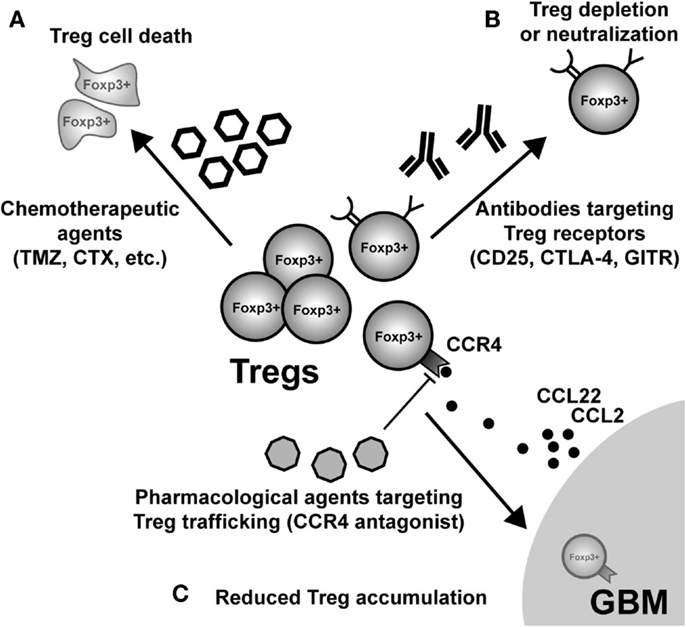
IV NADTherefore, common understanding is that niacin itself shown anti- cancer properties and when used as part of an IV NAD treatment in cancer patients, is able to enhance the effectiveness of other standard therapies being used.

IV NAD is offered at AWAREmed Health and Wellness Resource Center as part of alternative cancer treatment therapy. Dr. Dalal Akoury has won accolades in the practice of alternative treatment for cancer. You can pay her a visit for this service as well as other natural methods of overcoming NAD deficiency in the body. We are located in Myrtle Beach, South Carolina.

IV NAD as an Alternative cancer treatment


Facebooktwitterpinterestlinkedin

Integrative Medicine and Biomedicine

The Difference between Integrative Medicine  and Biomedicine

IntegrativeThere are several differences between integrative medicine and biomedicine. These are discussed in the sections that follow.

Difference in overall purpose

Integrative medicine is an approach to medicine that is focused on combining alternative therapies with the conventional ones as a way of providing complete treatment to patients. Complete treatment in this case represents overall wellbeing in the body, mind and spirit of a patient. On the other hand, biomedicine is a distinct approach in medicine in which overall health of an individual is seen as a state in which the functioning of all the internal systems of the body is at an optimum level. It can be seen that whereas the focus of integrated medicine is on ensuring that a patient is healthy in body, spirit and mind, the focus of biomedicine is to ensure that all the internal systems are working properly. It is only when the internal systems are at their optimum level that an individual can be said to be in perfect health.

Difference in the role that the patient plays during treatment

It can be said that in both approaches, the patient takes the central position in the treatment process. Both forms lay much emphasis on the principle that good treatment should be patient – centered in the first place. It is this approach that differentiates these practices from conventional medicine.

However, the manner in which the patient is expected to play a central role in the course of treatment differs distinctively in both approaches. In biomedicine, the patient is taken to be the master. It is the uniqueness and specific demands of the patient that determine the nature, type and timing of the therapies used. This differs significantly from what takes place during the course of treatment under the integrative medicine approach. Since integrative medicine entails use of conventional and alternative therapies in the course of treatment, the role that the patient plays during this process is likely to vary depending on whether he or she is undergoing conventional therapies or getting complementary ones.

This is so because whereas the role of the patient in course of complementary therapies like nutritional supplements and exercises may remain central, this may not necessarily be the case in the course of undergoing conventional therapies such as chemotherapy in the case of cancer.

Differences in what constitutes the key aspects of a human being

The two approaches, biomedicine and integrative medicine, differ from each other in the way they view what the elements that constitute a whole person are. Although this may be a difference in principle, it does have an influence in practice since the approaches that are used and the way that they are administered really depends on the underlying principles of the practice.

In biomedicine, a whole person is seen as being composed of three key systems: neurological, digestive and immunological. It can be seen that clearly, the emphasis is on the biochemical composition of the body of a person. It then follows that disease, under this approach, is a result of a form of imbalance in any of these systems. Such imbalances may be caused by a buildup of toxins or poor intake of nutrients. Since this is the case, the approach works by seeking to restore balance to the biochemical functioning of a patient. This is done by recommending the kind of nutrients that should be taken to restore the balance in the three systems and ensure that removal of poisonous byproducts is efficient.

In integrative medicine, an individual is viewed as being made up of three aspects: the physical, spiritual and mental. Therefore, the health of an individual depends on how well the three aspects are functioning. It can be seen that the focus for integrative medicine is wider than that of biomedicine which is based on the biochemistry of the body and its related internal systems.

Differences in the kinds of therapies used

There are also fundamental differences between biomedicine and integrative medicine with regard to the kind of therapies that are used during treatment. For the case of integrative medicine, it should be noted that the approach combines conventional and complementary therapies. The conventional therapies that are used in the course of treatment under this approach vary with the disease that is being treated. A common point is that they include use of pharmaceutical drugs, special procedures such as surgery and other methods whose development and use has been based on rigorous scientific research, technological development and clinical trials.

In addition to these therapies, integrative medicine entails the use of other therapies which are derived from a number of different sources. For instance, different types of physical exercises may be used in the course of treatment. Also, practices such as acupuncture, body massage and use of special nutritional supplements may be used in the course of treatment.

The goal of combining these apparently different forms of treatment is that by doing this, the methods complement each other, thus enabling a patient to have full health in body, mind and spirit.

IntegrativeAlthough biomedicine may use some of the alternative methods that are used in integrative medicine like naturopathic medicine, the mode of treatment under this approach remains confined to such methods.

Dr. Dalal Akoury of AWAREmed Health and Wellness Resource Centre has been on the forefront in the use of biomedicine and integrative medicine in the treatment of various diseases and conditions, chief among them being cancer. If you have a chronic disease or any condition that requires the attention of a doctor, do not hesitate to contact us for an engagement. We value our clients; that is why we endeavor to offer the most personalized care to them for any kind of condition.

The Difference between Integrative Medicine  and Biomedicine


Facebooktwitterpinterestlinkedin

Antidepressants and Sexual Desire

Use of Antidepressant Drugs And Decreased Sexual Desire In Men And Women

Introduction

AntidepressantFor years, studies have indicated that the use of different types of antidepressant drugs causes high incidence of decreased sexual desire in both men and women who take them. The incidence, intensity and distribution of this condition vary from place to place and largely depend on the specific drug that is being used. In this article, a number of common antidepressant drugs that are responsible for decreased levels of sexual desire in men and women will be examined. This will be followed by a brief description of how this process actually occurs. Lastly, various solutions that are used to treat the condition will be briefly discussed.

Some common antidepressant drugs that cause decreased sexual desire

Before we look at specific antidepressant drugs that are responsible for decreased sexual desire among men and women, it is perhaps important to point out at this stage that there are many types of drugs that when used have been known to cause decline in sexual desire in individuals. Generally, drugs that are meant to be used to cure psychiatric problems may have an effect on the level, frequency and intensity of sexual desire in men and women who use them. Therefore, drugs such as triazolam and diazepam which are used to treat conditions such as insomnia and excessive anxiety have been found to reduce the level of sexual desire in men and women who use them. The same effect has been found for drugs such as sparine which are used in the treatment of general psychotic conditions.

In the case of antidepressants, many of the drugs that are used as first line of treatment for the condition have been shown to cause decreased sexual desire in both sexes. The Selective Serotonin Reuptake Inhibitors, as they are commonly called, have been found to cause a wide range of problems which generally interfere with the overall sexual desire in men and women who use them. Also, tricyclic antidepressants which are used to treat depression have been found to decrease the level of sexual desire in both sexes.

How use of antidepressant drugs causes decreased sexual desire

The manner in which different antidepressant drugs reduce the level of sexual desire in men and women who are using them is complex and varies with the specific drug that is being used. However, in simple terms, the drugs interfere with the secretion, distribution and effect of special hormones which are associated with sexual drive. The result of this is that a man experiences different sexual issues such as delayed orgasm or failure to initiate an erection. For a woman, the failure to experience orgasm is a common occurrence.

The manner in which Selective Serotonin Reuptake Inhibitors cause decreased sexual desire in men and women is fascinating. First, when used, the drugs cause a sudden rise in the level of serotonin in the body. This leads to a decrease in the level of dopamine, an important neurotransmitter, in the body. Following the decrease of dopamine, the amount of cortico-limbic 5-HT is suddenly increased. This condition is what leads to decreased sexual desire in individuals. Of course the manifestation of decreased sexual desire varies with the sexes. Whereas men may fail to erect or take long to ejaculate, women usually experience it in the form of failing to reach an orgasm

What is important is that many different antidepressant drugs cause a decrease in sexual desire by affecting specific aspects of sex. Depending on the way in which they work, the drugs may inhibit orgasm in men and women, mess up with the erection process in men, inhibit lubrication in women and reduce overall libido in men and women.

Solutions to decreased sexual desire resulting from use of antidepressants

There are several strategies that can be used to treat decreased sexual desire resulting from use of antidepressant drugs in men and women. Each of the strategies, though, presents a number of possible challenges which need to be handled. For instance, decreasing the dosage of the antidepressant drugs will definitely reduce the severity of the side effects in the form of decreased sexual desire. However, this may compromise the outcome of the treatment regime being used.

In the same vein, using alternative drugs may help one overcome the effects of the earlier one at least for a while. But since many antidepressant drugs have been known to have different effects on the sexual drive of men and women who use them, it will only be a matter of time before a different set of problems occurs.

Using drugs that directly combat sexual dysfunction may help. But then interactions have been known to occur between such drugs and active ingredients that are found in a wide range of antidepressant drugs. Further, such drugs do present their own side effects over the long term, thus complicating matters further.

AntidepressantThis leaves natural alternatives as the only viable option of handling the issue of decreased sexual desire arising from the effect of antidepressant drugs. There are a wide range of natural methods that can be used to help one regain sexual desire after suffering from the effects of antidepressant drugs. For instance, use of specific diet as well as natural products can help one regain the lost sexual drive without worrying about possible interactions with the drugs that are being used to treat depression.

Therefore, since decreased sexual desire is a highly sensitive issue, you need to see your doctor immediately the issue is detected. Dr. Dalal Akoury of AWAREmed Health and Wellness Resource Center can help you regain your libido by use of a wide range of safe and effective natural methods. Contact us today or pay us a visit in Myrtle Beach, South Carolina for effective and personalized services.

Use of Antidepressant Drugs And Decreased Sexual Desire In Men And Women


 Related articles

Facebooktwitterpinterestlinkedin

Premature Ejaculation: Causes and Treatments

Premature Ejaculation: Causes and Treatment

Premature ejaculation or PE, as it is commonly known, is one of the most common forms of male sexual problems. Perhaps it would be right to say that every man must have encountered the problem at some point in life. This is so when one considers how common the problem is in men across different ages and cultures. In this article, we shall examine what exactly this condition is, its causes and how it can be treated. We shall examine different classes of factors that are said to be the causes of this condition. With regard to treatment, our focus shall be on different natural methods that can be used to tackle it. But before we get to that, it is important that you understand what exactly premature ejaculation is.

premature ejaculation

premature ejaculation

What is Premature Ejaculation?

It is actually difficult to develop a comprehensive definition of premature ejaculation. This is so, because of several reasons that are obvious. For example, if we base our definition to the time taken for a man to reach orgasm, this may be right but not accurate since cases of men getting sexual satisfaction during intercourse sessions that last very shortly are not rare. It all depends on the conditions that prevail at the time. What is important though, in defining this condition is the fact that a man reaches orgasm not only too soon but also when he does not wish so. What this means is that for a condition to be taken as premature ejaculation three things are important. The first one is that the man gets to orgasm too soon, depending on the conditions at the time. The second thing is that the orgasm occurs when the man does not wish it to be so. The third thing is that orgasm is prompted in the man after minimal exposure to sexual stimulation. This usually happens too soon after penetration for one to successfully enjoy sexual intercourse.

· Causes of Premature Ejaculation

Now that we have understood what exactly premature ejaculation is, it is important that we move on to its causes. There are many different factors that are behind this condition. It is important to point out at this stage that there is hardly any single thing that is a direct cause of premature ejaculation. What happens in real life is that the condition occurs as a result of a complex interaction of factors in one’s life. Whereas some create the right conditions for the situation to set in, others simply aggravate it by ensuring that you do not break from it.

For the purposes of simplicity, we shall examine the different causes of the condition in terms of groups of factors that operate in a more or less similar fashion.

  • Causes of Premature Ejaculation from Physical Factors

Premature ejaculation may be caused purely by physical factors. Although this is uncommon, the presence of particular physical factors is usually enough to cause the condition in some people. There are several of such factors. For example, general body fatigue may be a big cause of premature ejaculation. A man who is physically exhausted may find it difficult to take his time and successfully go through the stages of sexual encounter. The physical state of the body may trigger a quick response in the form of an ejaculation that comes far too early. Apart from overall body fatigue, the manner in which the sexual experience is taking place may trigger premature ejaculation. Although this is not common, a hurried sexual experience that is done under unsuitable conditions may contribute to premature ejaculation.

  • Causes of Premature Ejaculation from Psychological Factors

It is a common saying that the greatest sexual experience is born and nurtured in the mind; the body only experiences a mere sensation. Although this may not be accurate, it underscores the fact that the state of the mind determines how well one enjoys a sexual experience. Since this is so, it then follows that some states of the mind may inhibit one from enjoying a satisfying sexual experience. To men, this inhibition is usually manifested in the form of premature ejaculation. Conditions such as anxiety, depression and overall mental stress are clear causes of premature ejaculation. And such conditions can be caused by different circumstances in one’s life.

premature-ejaculation

premature ejaculation

Treatment of Premature Ejaculation

Essentially, there are different natural methods that one can use to deal with the problem of premature ejaculation. A word of caution here is in order. The methods never work when used once; they rather work well when adopted and used over a long period of time. Therefore, for you to get the best results, you have to make them part of your routine.

At the heart of natural methods of treating premature ejaculation is that early ejaculation is a result of particular sensations that are communicated within the system of a man thus triggering him to get to the point – of- no- return during sex too soon. Therefore, if the man can learn to control the sensations, the process triggering ejaculation would be delayed as long as the man needs it to be. This is best done by practice. One needs to get a partner who is willing to go through the practice sessions as a way of improving his performance. During the practice sessions, the man is sexually stimulated to the point that ejaculation is about to be triggered. The stimulation is stopped and the man is allowed to relax fully before another session. When this is done repeatedly, the man will definitely learn to relax during sexual intercourse and control the sensations that arise from the experience thus being able to control the timing of his ejaculation.

Although these methods have been known to work, they may not be effective to everyone at all time. There are certain cases that are too complex to be handled by natural methods. Such cases may require medical attention. So when such is the case, you may book an appointment with us at AWAREmed and we shall evaluate your condition and get the best remedy for you.

Premature Ejaculation: Causes and Treatment

Related articles

Facebooktwitterpinterestlinkedin

Promoting Medical Tourism Through The Media

The Role Of Media In Promoting Medical Tourism

It used to be that healthcare was delivered in a standardised way in both private and public healthcare. The only difference was in the quality and venues. These days, new forms of media have revolutionised healthcare. The internet, television, direct contact through email, live chat and social media have made healthcare a most confusing field to be in at times! There are now multiple sources of information: some conflicting, some corroborating and it can result in decreasing healthcare standards and the trust we place on professionals. When it comes to medical tourism however, one thing is clear – new media is offering new platforms and giving clients an even bigger say on their healthcare treatment.

medical tourism

Medical tourism is a way of getting high quality medical care away from home. Going to a centre overseas, one might be able to get high quality healthcare for a fraction of the cost one can get in the United States .The advance of Obamacare and universal public healthcare has increased the waiting periods for many intensive treatments. This is particularly the case for diseases and conditions that are expensive to treat and manage like heart surgeries and transplants. Medial tourism might be the answer for people suffering from rare diseases and conditions who would like specialised care. Alternatively, one might go abroad for medical treatment to gain access to cutting edge technology, techniques and innovation. Individuals seeking a way from conventional treatment for long-term illnesses or simply want to make the best of a terminal illness might want to visit an exotic location to live out their last days. Whatever the reason for wanting to go abroad, successfully marketing to the target audience lies in letting them know the benefits of medical tourism. Different strokes for different folk.

  • Television

Medical tourism destinations market themselves through television too. A simple 30 second advert is enough to create curiosity about a medical centre and what they offer. It can be made especially effective when placed close to relevant entertainment and news shows. Showing the benefits of travelling to Myrtle Beach for a holistic treatment to cancer after showing an informative documentary on cancer and increase the odds of the message sticking due its relevance and the audience it is broadcast to. Television has the unique advantage of showing moving media without necessarily choosing a viewing format like the internet does. It just screens to its audience across the airwaves to people from all strata of life. The medium targets the masses and one cannot change the message to its audience which is fantastic if your marketing campaign centres on uniformity.

  • Internet

This medium has the widest scope and is the trickiest of them all. There are many ways to market on the internet. One can have promotions, create publicity on social media, and even have an own website, the opportunities are endless really. The internet is best used to amplify other marketing campaigns. If for example one is creating a martin campaign on the affordably of medical centres in Jakarta, one might need to have a patient who has been there give a tale of their experience. The medical centre could also get a high profile pro bono case and really use existing media attention to draw attention to your facility. The trouble with the internet is that the information that gets there stays there in continuity.

  • Phone calls

Telephone calls are a really personalised way of getting awareness from your target market. Partnering with some local clinics and hospices for  example, one can get contact details of people who have been suffering from specific ailments. That way, even when cold calling clients, it is easy to target your message to their needs and know how your medical facility can be of assistance to them. Such information can also help one do a comparioisn on the costs of treatment in the home hospital vis-a-vis abroad. That marketing information can be of huge advantage especially when selling to clients who are keen on quality as all you have to do is extol the virtues of your hospital.

Medical tourism

  • Social media

This is the latest in the media platforms. It is more personalised yet reaches more of the targeted audience. Working with an online media specialist, foreign medical agencies may use it to really sell the personal experience. With consent from the patient, medical facilities can profile the positive experience including swift treatment and short recovery times to the general public. This will make the whole idea more believable and realistic. More points are earned if you distribute as many stories from as different parts of the world as possible. It makes it seem that almost anyone can go for treatment at the centre unless of course the aim is to target luxury clients who prefer exclusivity.

All in all, there is a variety of platforms to be used in the marketing of medical tourism. Tailoring it to the personalised and very private nature of medical treatment is the catch. All the media can be used for different purposes and reasons all geared towards capturing a share in the lucrative $40 billion market.

The Role Of Media In Promoting Medical Tourism

Related articles

Facebooktwitterpinterestlinkedin