Category Archives: Insulin Potentiation Therapy

Sex And Intimacy After Breast Cancer

Sex And Intimacy After Breast Cancer- Getting the Facts Right

Although breast cancer is one of the most common forms of cancer among women, advances in research have led to the development of therapies that have proven to be quite effective in treating the disease. Use of chemotherapy, surgery and radiotherapy, among other alternative forms of cancer treatments, have been widely used to treat women suffering from breast cancer. However, after successfully undergoing cancer treatment, many women experience drastic changes in their sexual lives in general and intimacy in particular. In this article, the different ways in which breast cancer affects the sexual lives of women, after it has been successfully treated, are examined.
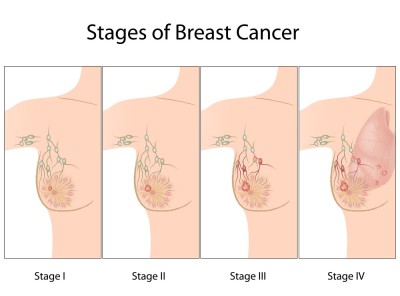
breast cancer

  • Feelings of being unattractive

Usually, many women feel completely unattractive after they have undergone treatment procedures for breast cancer. There are several things that contribute to this feeling among them. First, many of the procedures that are used to treat breast cancer successfully are invasive. For instance, all forms of mastectomy are invasive in that the breast is invaded and tissues removed. Although there are reconstructions procedures that are meant to restore the breast to its natural shape and size, the impact of the procedure affects the sense of being attractive in many women. Secondly, the scars that remain after the procedures make many women to feel completely unattractive.

Furthermore, the majority of women who have undergone treatment for breast cancer tend to feel that they have lost their sense of femininity. Related to feelings of no longer being attractive, a sense of one having lost her femininity is equally devastating and arises from the reality that part or the entire breast has been removed. Also, feelings of unattractiveness in women who have been treated of breast cancer may be influenced by their partners. In cases of women who have lacked support from their partners, the feelings of unattractiveness and loss of femininity are strengthened. On the other hand, availability of support from the partner works to reduce such feelings in the women.

  • Impact on intimacy

For the majority, diagnosis of breast cancer always results into changes to their sex lives. This happens for several reasons and in several ways. For instance, many women tend to experience a decline in their libido after being diagnosed with breast cancer. There are several factors that are responsible for this. The most important one of them is the direct impact of the diagnosis which sets a train of emotional and psychological responses in a patient leading that lead to a decline of sexual desire in them.

With the reduction in the desire for sex, many women feel that they are failing in their duties to their partners. Feelings of guilt, apparent failure and loss usually exacerbate the condition for such women instead of making things better. In all these, the reaction of the partner matters a lot. If the partner behaves in such a manner to suggest that he is not satisfied sexually by the woman, this definitely makes the situation worse because it validates the original feelings of guilt and failure within the woman. This definitely affects the intimacy patterns of the pair.

  • Painful sex

In some cases, women who have been diagnosed with breast cancer and have successfully undergone treatment tend to experience general sexual dysfunction. This is manifested in different ways. For example, some women, as a result of hormonal changes and other psychological factors, tend to experience a decline in the desire for sex. This may be detrimental considering that the feelings of the other partner are most likely to be hurt. Secondly, many women who have suffered from breast cancer may experience painful sex as a result of dryness of the vagina. This makes it practically difficult for them to engage in pleasurable sexual intercourse with their partners, thus putting a strain on their relationships.

Apart from this, breast cancer has been known to result into failure of women to reach orgasm during sex. What usually happens is that such women are worried about their bodies to such an extent that they fail to concentrate on the intercourse. Besides, some women have reported that their breasts become completely insensitive after treatment for breast cancer. The presence of this condition often means that women are not able to fully enjoy themselves during sexual intercourse since the breast is a highly erogenous part of the body of a woman.
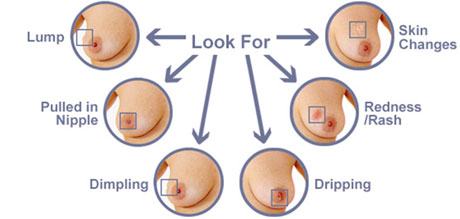
breast cancer

Breast cancer has a number of unpleasant consequences on the sexual and intimate lives of women. From poor self image to overall lack of desire for sex, affected women tend to experience a myriad of problems that arise from the direct effects of the disease (or treatment) as well as their own perceptions about themselves. In all these cases, the perception and behavior of the partners play a major role in shaping how women respond to the challenges that they experience. The way a partner behaves may either strengthen the unpleasant effect of breast cancer on the sexual lives of women or diminish them.

Dr. Dalal Akoury has been working with women who have breast cancer for a long time. It is the desire to provide solutions to such women and other patients in general that led her to establish AWAREmed Health and Wellness Resource Centre in Myrtle Beach, South Carolina. Since its establishment, the facility has been a leading center for cancer patients across the world. Our approach to treating cancer seeks to combine conventional treatment methods with different alternative therapies. The result of this approach is your full recovery within the shortest time possible.

Sex And Intimacy After Breast Cancer

Related articles

Facebooktwitterpinterestlinkedin

Opiates And The Risks of Breast Cancer

The relationship between opiates and breast cancer has been focused on three important aspects. The first aspect has been what the use of opiates is with regard to cancer in general and breast cancer in particular. The second aspect of this relationship has been whether or not the use of opiates for specific functions with regard to cancer treatment endangers the lives of the patients by contributing to recurrence of cancer long after its successful treatment. The third aspect has been the exact mechanisms by which opiates produce the said effect in the body of patients and what should be done about it. All these aspects are addressed in this article in the sections that follow.

Breast Cancer And The Use Of Opiates

Breast cancer is one of the most common forms of cancer among women in the world. Two reasons for this have been advanced. The first one is that breast cancer is generally associated with estrogen, a special type of hormone responsible for femininity. Since this hormone is predominantly found in women (sometimes in high levels), this makes them completely exposed to possible development of breast cancer. The second one arises from the observed trend of an increasing risk of breast cancer and age among women. There are several underlying reasons for this but the fact remains that with people in general living longer they get exposed to certain health conditions. For women, breast cancer is the common health condition that comes with age.

Opiates have been extensively used in the treatment of cancer as part of modern therapies. The use of opiates is in the form of drugs that are derived from morphine, a common type of plant that represents what opiates are, which is used as an extremely powerful painkiller for cancer patients. The exact mechanism by which opiates (in the form of morphine-based pain killers) works to relieve patients of pain is a complex process. But it suffices to say that the active chemical compound in opiates activates special cells within the nervous system of the patient leading to massive decline in pain sensations. This presents great relief to patients, particularly when one considers the intensity of cancer-induced pain which patients do experience.

Breast Cancer

Opiates And Breast Cancer: The Danger Of Recurrence

There has been considerable concern about the relationship between opiates and cancer recurrence in patients. The concern has been based on the growing discovery that some patients who, in the course of their treatment for cancer used morphine-derived drugs as pain killers, showed signs of the disease recurring after some time. The argument has been that the opiates that are found in the drugs must be responsible for this observed phenomenon.

There are two important things that should be understood from this. The first one regards the exact use of opiates in cancer patients. In practice, opiates are used as pain killers on patients before other forms of therapy, such as surgery, are used. During such times, the drugs are usually administered in heavy doses as a way of dealing with the equally intense pain.

The second one regards the use of the drugs during times when the disease is still in its early stages of development. There have been a number of studies that have sought to demonstrate the exact effect of opiates on cancer cells. It has been shown, with mixed reactions, that opiates do show anti-cancer properties at times and that they can actually be used to inhibit the rate of growth of cancer cells. Although this is so, the efficacy, extent and possible mechanism by which this occurs remains a subject of research.

What has caught our attention is the increasing proof that indeed using opiates as pain killers in patients of breast cancer may contribute to the cancer occurring again in them later.

Ways of recurrence as a result of opiate use in breast cancer patients

Breast CancerThere are several ways in which use of opiates as pain killers leads to recurrence of breast cancer in patients. Basically, this ability is understood by the role that the compound plays in the processes of metastasis and angiogenesis. These two processes are critical for the growth and development of cancer. Through angiogenesis, cancer cells are able to derive their own supply of blood from the existing circulatory system, thus fueling their own growth. Similarly, through metastasis, cancer cells are able to spread to other parts of the body via the circulatory system.

Opiates have been found to enhance angiogenesis by their effect on the immune system. Naturally, the body produces special hormones that work to prevent possible development of cancer cells. Use of opiates has been found to suppress the production of the hormones, thus weakening the immune system and exposing a patient to possible recurrence of breast cancer long after treatment.

Further, it has been found that opiates encourage cancer cells to spread through the body long after treatment. What usually happens is that a few cancer cells may be circulating in the body after treatment of breast cancer. Opiates do have a direct effect on these cells in the body. It is this effect that may encourage the cells to spread and redevelop into new cancer growth over eth course of time.

Use of opiates as part of the standard therapies used to treat cancer is set to continue. On the other hand, fears about its association with recurrence of breast cancer will linger. What this calls for is careful and judicious use of the right therapies in treating cancer. AWAREmed Health and Wellness Resource Center has been known as a leading centre for cancer treatment and management for a long time. We run a range of highly specialized services in cancer diagnosis, treatment and overall care of patients. Our focus is on using alternative therapies to boost the effectiveness of other methods used in standard therapies. The result of this is your overall recovery and wellness within the shortest time possible.

Breast Cancer And The Use Of Opiates


Facebooktwitterpinterestlinkedin

Opioids and Cancer

How the use of opioids disturbs the cancer balance

OpioidsWhat are opiods?

There are several important things about opiods that you need to know at this stage. First, it is important to note that strictly speaking, the term ‘opioids’ is used to describe a group of chemical compounds that are defined by two important characteristics: having chemical action that is similar to that of morphine and being made of a distinct chemical structure. For many of the compounds that are categorized under this umbrella, their structures vary. Whereas some have distinct alkaloid structures, others occur in the form of peptides.

The second thing is about the occurrence of opioids. Naturally, opioids are found in two distinctive forms: occurring freely in the environment and within the body of human beings. Although initially the possibility of occurrence of opioids within the body of humans was strongly refuted, rigorous research has indicated that indeed the human brain contains specific endogenous opioids that play important role in different functions.

The third thing regards the interaction of opioids with complementary chemical compounds. Further studies have indicated that there are compounds whose actions contradict that of opioids. Known as antagonists, such compounds play a highly important role in their interaction with opioids in relation to influencing particular processes in the body. We shall examine this subject later.

How are opioids used?

For years, opioids have been used for a range of functions. Basically, the use of opioids has been in the form of morphine, which is a commonly occurring plant. Morphine has been used for medicinal as well as recreational purposes for long. Since the use of the plant for medicinal purposes is what matters with regard to our discussion, we shall focus on it.

At the commercial level, morphine has actually been used to relieve pain in chronically ill patients. Take cancer for example, the disease has been known to produce intense pain in patients. To relieve patients of this, morphine-based painkillers are extensively used. This is one common and formal way in which morphine (a common source of opioids) is used for commercial purposes.

The ability of opioids in general and morphine in particular to act as a strong analgesic has been a subject of research for long. Studies have indicated that the compounds have specific effects on the nervous system which translates to drastic reduction in pain. This explains the popularity of morphine-based painkillers as the standard therapy for cancer patients who have undergone an operation as part of the therapy or simply those in advanced stages of cancer.

Therefore, whether for recreation or medicinal use, opioids, have been extensively used to relieve cancer patients of pain in the course of treatment.

How opioids act

Basically, the action of opioids on the body can best be understood when you understand what opioid receptors are. Your body is made of special compounds which act as receptors for opioids. The receptors are distributed in several parts of your body, with many of them being in the central nervous system. It is this phenomenon that explains why opioids have a very strong effect on the nervous system. Others are distributed in different parts of your body such as the lungs, liver and other internal organs.

There are several types of receptors. It is the interaction between specific opioids and receptors that causes particular feelings in the body. Whereas some receptors are meant to trigger feelings of relief when they come into contact with opioids, others are designed to trigger changes in other physiological processes when opioids are introduced. The interaction between opioids and receptors is an important process when it comes to how opioids may disturb the cancer balance in the body.

How do opioids disturb cancer balance?

Simply put, cancer balance is a situation in which the process of metastasis, angiogenesis and invasion of healthy body cells by cancerous ones is completely inhibited. Research has indicated that use of opioids as painkillers can disturb this balance, thus leading to development of cancer in the body. On the other hand, other studies have indicated that morphine, in particular, may have anti-cancer properties by inhibiting the cancer development process mentioned above.

One way in which opioids used as painkillers can disturb the cancer balance is by altering the normal functioning of the immune system. Since cancer development largely depends on the state of the immune system, any compound that alters the immune system can indirectly influence the possible occurrence, development and spread of cancer. From several studies conducted, it can be concluded that particular opioids are able to alter the normal functioning of the immune system, thus exposing a patient on whom they are used to cancer development.

On the other hand, some studies have indicated that morphine is able to induce natural cell death and, as a result, control the growth of cancer cells in the body. However, this property, which highly depends on a number of different factors such as the concentration of the morphine that is used and the state of the opioid receptors in the body, remains a subject of research. What you need to know is that there has been concrete evidence to the effect that the use of opioids for relief of pain in cancer patients may actually disturb the cancer balance and trigger fresh development of cancer. This happens because of the effect that opioids have on the immune system of the patient in the form of production and inhibition of production of important hormones.

OpioidsConcluding remarks

Here at AWAREmed Health and Wellness Resource Center, we use the best approaches to administer alternative and complementary treatment of cancer to patients. Dr. Dalal Akoury is a specialist in this field. One thing, though, that sets her apart is her devotion to helping cancer patients successfully fight the devastating effects of the disease. Feel free to visit us in Myrtle Beach, South Carolina for a completely personalized administration of alternative and complementary therapies for cancer.

How the use of opioids disturbs the cancer balance


Facebooktwitterpinterestlinkedin

Alternative Cancer Treatments

How alternative cancer medicine offers better ways for cancer treatment

In general, cancer treatment and care takes place in four different approaches. These are outlined as follows.

Cancer Preventive measures

AlternativeThe first approach to cancer management involves primary prevention. In this approach, the main objective is to prevent people from exposure to particular factors that have been found to be the causative agents of cancer. In general, many different types of cancers have been found to be triggered by continuous exposure to particular carcinogens. It then follows that by limiting the intensity of exposure to such factors, individuals will play a key role in preventing the development of cancer. Also, adopting lifestyles that limits the level of exposure to particular factors thought to contribute to cancer development has been touted as a worthy preventive measure against different forms of cancer.

Cancer Detection measures

At the root of effective cancer management is early detection. The primary concern for early detection is that some cancers can be effectively tackled if they are detected at an early stage. Whereas there may be few curative options for tackling highly advanced cancers, several curative measures remain options for cancers that are still in their early stage. By use of effective screening programs, early detection of cancer among populations is carried out as an important part of overall cancer treatment and management programs. After detection programs are used to identify cancer that is still at an early stage of development, effective intervention measures are instituted.

Cancer Diagnosis and treatment

Once a patient has been diagnosed with a particular type of cancer, special treatment therapies are used. The diagnosis is usually carried out in the form of special laboratory procedures and tests to determine the location, actual type and degree of progress of the cancer. Also, in determining what treatment option shall be used on a patient, several factors are taken into consideration. The most important one is the nature of the disease. It is only when the cancer has been fully understood that a particular treatment method can be used.

There are several therapies that are used in cancer treatment. In general terms, conventional therapies include procedures such as chemotherapy, radiotherapy and surgery. These may be used either in isolation or in combination with other forms of treatment. The other forms of treatment include alternative therapies which make use of different forms of methods to complement what is done by conventional treatment.

Alternative cancer medicine and cancer treatment

The problem with cancer treatment arises from the fact that many cancer patients are diagnosed when it is already too late to effectively deal with the disease. This makes it difficult for many of the therapies to be used with positive outcomes. The good news, however, is that alternative cancer medicine has been used to successfully offer better ways of approaching the approaches used in cancer management: prevention, diagnosis, treatment and general care. These are discussed in the sections that follow.

Alternative cancer medicine in cancer prevention

There are several strategies that are used under alternative cancer medicine to help prevent the onset and development of cancer in patients. For instance different kinds of nutritional supplements are used to help the body of patients develop preventive mechanisms against possible development of cancer. The use of such food supplements is based on strong scientific evidence derived from rigorous studies carried out over a considerable length of time. There are several types of supplements that are used in this approach. For example, nutrients such as calcium and carotenoids have been found to be effective in helping the body prevent the development of cancer. Other natural products such as garlic, green tea and folic acid have been successfully used as natural methods of preventing the development of different types of cancers.

Alternative cancer medicine in cancer treatment

The bulk of the importance of alternative cancer medicine in overall cancer management has been on how the approach can be effectively used to enhance the effects of conventional therapies. The growth of alternative cancer medicine has been in this area and has been used to foster the overall effects of conventional treatment methods. It is important to note that it is uncommon to find alternative cancer treatments being used in isolation. What usually happens is that the therapies are used in conjunction with the other conventional therapies such as chemotherapy and surgery. The idea is to have both approaches complementing each other as a way of effectively treating cancer in patients.

One way in which alternative cancer medicine has been effectively used to complement conventional therapies has been in the use of natural supplements as a way of dealing with some of the most unpleasant effects of conventional treatments. Effects such as loss of weight, diarrhea, cell damage and other complications are common effects that patients suffer from when undergoing cancer treatment using conventional therapies. However, research and practice has proven the efficacy of a wide range of natural supplements in treating these effects. Supplements such as vitamins, ginger and other botanicals have been successfully used to counter such unpleasant effects thus boosting the overall outcome of cancer therapies in patients.

Alternative cancer medicine in care of cancer patients

AlternativeAnother area in cancer management in which use of alternative cancer medicine has been instrumental is in general palliative care. In general, after undergoing treatment, cancer patients need a specialized program for rehabilitation or general care. Here is where alternative cancer medicine has been widely used. There are several remedies and methods that have been used to enhance the physical and psychological; comfort of patients in this stage of cancer management. Practices such as yoga, meditation and aromatherapy have been used to provide psychological comfort for patients. On the other hand, acupuncture, message, rehabilitation and hydration have been successfully used to enhance the physical comfort of cancer patients.

Dr. Dalal Akoury of AWAREmed Health and Wellness Resource Centre has been on the forefront of promoting the use of alternative cancer medicine in the prevention, diagnosis, treatment and general care of cancer patients. Her training, experience and devotion have been notable by a wide clientele she has attended to. Regardless of the stage at which the disease is, we are ready to provide safe and effective natural methods to provide effective treatment and complete wellbeing to you.

How alternative cancer medicine offers better ways for cancer treatment


Facebooktwitterpinterestlinkedin

Fever Therapy as Used In Cancer Treatment

Fever Therapy and Cancer

A brief history of fever therapy

The idea of using fever as a curative method for various diseases dates back to thousands of years ago. Essentially, this method was used to treat a number of different diseases that were chronic at the time, like tuberculosis. The idea behind the method is simple. Fever of the body is seen as a natural means that the body uses to fight invading bacteria, fungi and other disease-causing microorganisms. Therefore, by stimulating fever, the body of an individual can manage to fight a number of diseases by simply slowing down the rate of growth of the microorganisms that are causing the disease. Stimulation of fever in patients was by use of special preparations.

Coley’s toxins as Alternative cancer treatment

Currently, fever therapy in cancer treatment is applied in the form of Coley’s Mixed Bacterial Vaccine. This is a form of treatment that is administered to patients intravenously. When administered to a patient, the vaccine causes a number of reactions that are prove to be beneficial after some time. First, a patient experiences high fever in the form a rise in body temperature, feelings of being nauseated and pain in some parts of the body. The symptoms that a patient experiences after it is administered are similar to those experienced in the classical case of a fever.

The most important observation that one makes when this treatment is used against cancer is that the location of the cancer becomes tender suddenly. This tenderness is an indication of the effect that the fever is having on the cancer cells. Usually, cancer cells are easily killed by heat as compared to healthy body cells. Therefore, the high body temperature that arises from fever is an effective means of killing them. This explains the feeling of tenderness at the place where the tumor is located that one experiences after this treatment is administered.

After the softness in the tumor region, a patient usually observes a drastic reduction in the extent of swelling at the area. Tumors are represented by swellings as a result of the uncontrollable division of cancerous cells. Therefore, the heat from the fever is able to kill the majority of cancer cells within the region, thus leading to a reduction in the size of the swelling.

How Coley’s toxins works as an Alternative cancer treatment

The observations that one makes when using this treatment are a reflection of complex biochemical activities that take place within the body of a patient. These are explained as follows. First, the ability of this treatment to reduce the extent of growth of cancer cells has been attributed to its ability to alter the functioning of the immune system. This happens in several interrelated ways. For example, the treatment has been known to stimulate the production of specific hormones that have been known to boost the way the immune system works in general. Since cancer thrives comfortably in an environment that is characterized by a weak immune system, boosting the overall strength of the immune system is an effective means of combating the rate of growth and development of cancer cells. This is one of the things that use of Coley’s Mixed Bacterial Vaccine achieves in the body of a patient.

Secondly, the efficacy of this treatment against cancer cells is as a result of its role in promoting the activities of lymphoid tissues in the body of a patient. The lymphoid tissues play a key role in stimulating the way the immune system works. Therefore, when the vaccine is administered to a cancer patient as part of alternative cancer treatment therapy, it triggers a fever which in turn stimulates the lymphoid glands to produce specific hormones like Interleukin2 that work to undermine progression of cancer in the body.

Lastly, Coley’s Mixed Bacterial Vaccine has been known to combat the growth and progression of cancer by accelerating the processes by which body cells remove toxic waste products. Since cancer develops in an environment in which there is a buildup in toxins such as lactic acid within the cells, this treatment reduces the possibility of further cancer development by ensuring that the cell environment is free of such toxins.

Side effects of Coley’s toxins as Alternative cancer treatment

Although Coley’s Mixed Bacterial Vaccine has been successfully used as part of a standard regimen for the treatment of different types of cancer, its use is not without side effects. There have been cases of patients experiencing headaches and pain in some parts of the body such as the back and chest. Practice however, has indicated that the side effects do clear with time.

FeverAnother important thing to note about this treatment is that it is possible for it to interact with some other forms of therapies that may be used. Therefore, it is important for the person administering it to understand possible interaction between this therapy and other forms of therapy such as use of drugs.

Coley’s toxins therapy as an alternative treatment for cancer is available at AWAREmed Health and Wellness Resource Centre in Myrtle Beach, South Carolina. Together with other forms of therapy, it is used as an alternative treatment for cancer in patients. Dr. Dalal Akoury has been in the practice of treating cancer patients using alternative and complementary therapies for years now. Contact her today for highly personalized and effective care.

Fever Therapy and Cancer


Facebooktwitterpinterestlinkedin