Category Archives: addiction

gut-neurotransmitters

Gut Neurotransmitters Connection and Addiction

Gut Neurotransmitters Connection and Addiction

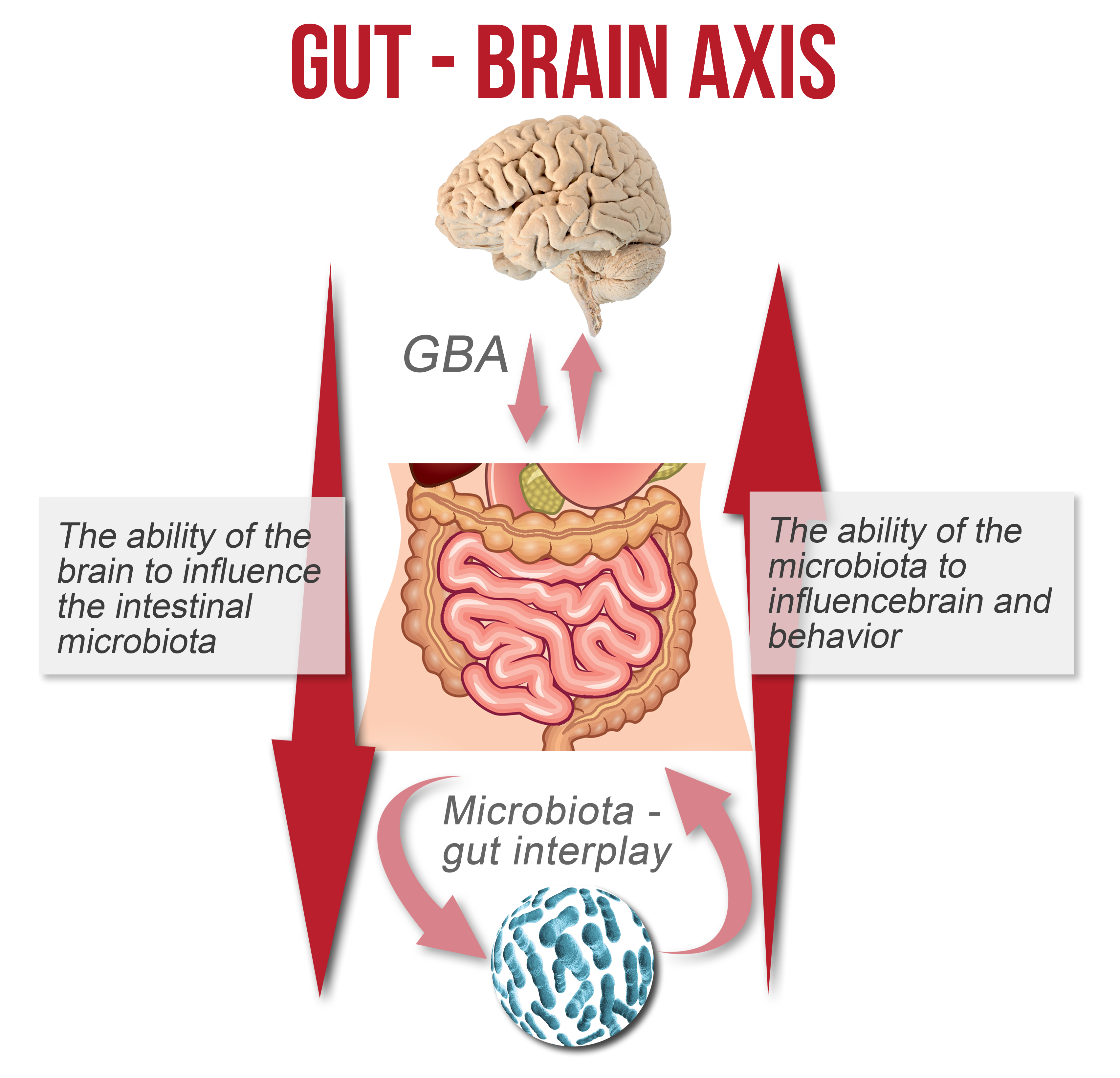
With current and ongoing advancements in genetic testing and scientific knowledge, mankind is discovering more about the inner workings of the human body than ever before. Among the new discoveries and paths of inquiry is the link between gut health and psychological and neurological responses. It has been found that gut flora can have a significant influence on the developing brain chemistry of children, which can have an impact on their behavior as adults.

At the Integrative Addiction Conference 2016, experts on the subjects of addiction and nutrition address the link between gut flora, neurotransmitters, and addiction.

There are over three million bacterial cells inhabiting our bodies, and these bacteria can affect our bodies and minds in ways that we are only just beginning to explore. These bacteria can alter our ability to absorb certain vitamins and other vital nutrients, such as Vitamin B6, which is supposed to promote the health of nerve and muscle cells. Bacteria also affect the body’s immune response, increasing the risk of autoimmune diseases and other illnesses.

gut neurotransmitters However, the body requires certain beneficial bacteria to function correctly. Strains of Bifidobacterium and Lactobacillus have been shown to not only control numbers of pathogenic bacteria, but also to favorably interact with the immune system and endocrinal system with long-term benefits.

Bacteria and other microbes have also been proven to affect brain chemistry and neurotransmitter production and reception. Studies in rats and mice have shown that those without the beneficial bacteria in their guts have impaired production of Brain-derived Neurotrophic Factor or BDNF. This protein is known to be involved in anxiety response in humans, and low levels have been implicated in various psychiatric diseases including depression and chronic anxiety.

The animals which had no beneficial gut flora also displayed changes in the NMDA and 5HT1A neurotransmitter receptors, which are also involved in mood regulation. In schizophrenia and bi-polar disorder, it is known that part of the cause is a faulty NMDA receptor. Production of tryptophan, the precursor to the generation of serotonin, is also adversely affected by the lack of beneficial gut flora.

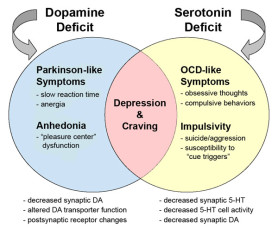
Serotonin is a neurotransmitter which regulates our moods. It is also known as the “happiness molecule” and a deficit in serotonin levels is linked to depression, obsessive-compulsive disorder, anxiety, eating disorders, and insomnia, among others. In men, low serotonin levels are expressed as ADHD, impulsive behavior, and excessive drinking. Women are more likely to experience mood imbalances and food cravings.

Dopamine production and reception are also affected by the imbalance of gut flora. Dopamine is the “motivation molecule” and this is what gives us the ability to see things through, as well as giving us a sense of accomplishment when we achieve our goals. Dopamine deficiency manifests as apathy and lack of motivation, lack of ability to experience pleasure, and low libido. Very often the response to low dopamine levels is over-indulgence in pleasure-inducing substances such as alcohol and recreational drugs, or other self-destructive behaviors.

To function properly and be content, the levels of serotonin and dopamine should remain balanced. If we have too much serotonin and not enough dopamine, we feel unable to do anything and lack energy and drive. If dopamine is dominant over serotonin, we are unable to feel happiness and can only see problems without solutions.

gut neurotransmitters connectionsIf both dopamine and serotonin levels are low, we will have no motivation and no pleasure or contentment, resulting in depression and cravings.


Check out our Integrative Addiction Conference 2016 being held in Austin, Texas


A large proportion of these neurochemicals is produced in the gut and affect appetite. It is only recently that research has been made into the possibility that the microbes in the gut produce the substances. As the production of these neurotransmitters and the anatomy of their receptors becomes affected or damaged by the presence of harmful microbes and the lack of beneficial bacteria in the gut, the symptoms associated with their deficiency or imbalance increase. Sufferers rely on ever-increasing quantities of mood-altering substances to balance the shortfall. But the pleasure granted by these devices and substances becomes more and more fleeting, so more and more has to be taken for the same “high”. Thus, addiction is born.

Colonizing the gut with healthy and beneficial bacteria is a process that has to start in childhood to be fully effective in regulating and maintaining brain chemistry. Once the neurotransmitters have been affected, it is much more difficult to rectify the problem and restore the balance. Understanding the problem informs the solution. Adopt a diet that limits gut damage and prevents the release of harmful bacteria into the blood stream. Nutritional supplements and probiotics can restore the beneficial gut flora to healthy levels. There are also supplements that can increase the production and supply of the neurotransmitters. A holistic and integrated approach to a solution will be more effective than treating only the neurochemical imbalance without addressing the cause, which lies in the gut and the gut flora.

The link between the gut, the brain, and addiction will be explored more fully at the Integrative Addiction Conference in August 2016. For more information and to register, visit the website at http://regenerativepotential.com/integrativeaddictionconference/.


 

Facebooktwitterpinterestlinkedin

Increasing sex performance by treating addiction

Increasing sex performance by treating addiction: Knowing the best action to take

Increasing sex performance

Increasing sex performance will nor be possible if you are lost in drug addiction. If you are an addict, then you need to seek for treatment today.

Sex is not just a tool for procreation. It is a gift to be treasured, respected and enjoyed. Talking about sex can sometimes in most societies be difficult due to the nature of privacy that comes with it. However in this point and time, this should not be the case. We should be free to talk about it and help those who are missing out on the fulfillment of this treasure. We are aware that besides the procreation element, the portion of enjoyment is under serious threat and that is the motivation we have in addressing you on this topic of “increasing sexual performance by treating addiction.” If you have been with us for a while now, the topic addiction is not new to you. But for the avoidance of doubt we are not going to leave any stone unturned if we have to deliver justice to the society. We the experts of addiction at AWAREmed Health and Wellness Resource Center under the leadership doctor Dalal Akoury MD, President and also founder of the facility, we are committed to making a difference in people’s live by posting trustworthy blogs on this link to help people understand and make the right, worthy and productive decisions for themselves about their lives. Therefore, for us to appreciate why increasing sex performance by treating addiction is relevant, we have to first take into consideration a few points as follows.

Increasing sex performance by treating addiction: Substance abuse and promiscuity

Being addicted to alcohol or drugs has serious repercussion when it comes to sexual fulfillment. It brings with it abusive behaviors and carelessness in sexual relationships which those into drugs. Professionally it has been established that many addicts are never intimate in their relationships instead they practice promiscuity. Promiscuous sex is a type of sex which lacks intimacy and it is also abusive and reckless with an individual engaging into sexual relationships with multiple partners. Under the influence of drugs, the addict will in most cases go with anybody in bed and wake up the following day with no memories of the happenings the night before. This is one of the consequences that drug users will have to contend with and that is why for any meaningful sexual relation to take place, addiction must be eliminated. The risks involved are life threatening and while increasing sexual performance is objectively ideal, serious actions must be taken to deal with the scourge of addiction if we have to be safe from there other risks which are associated with having sex under the influence of a substance. Doctor Akoury is emphasizing that normally when people are intoxicated they lose memory and can make poor and dangerous decisions. It is such decisions that endanger themselves and the multiple sex partners thereby increasing the risk of picking up a sexually transmitted disease and unplanned pregnancy.

Increasing sex performance by treating addiction: Impact of addiction on the sex drive

The impact of addiction on sex drive is real and devastating. The illusion that certain drugs like cocaine increases sex drive is one that must not be acceptable to humanity by all means. While there may be some partiality in that, cocaine is a dangerous substance and a killer to sex drive. If one uses cocaine besides becoming addicted to it, they may lose their erection ability completely with time. Doctor Akoury advices alcohol and drug abuse can be the greatest enemies to people’s sexual health (sexual performance) and must be avoided if increasing sexual performance is to be made relevant. Therefore if people abuses drugs further they are likely to lose all interest in sex and intimacy with males suffering the most of sexual dysfunctions consequences while women will suffer from decreased libido as a result of drug abuse.

Increasing sex performance by treating addiction: Overcoming intimacy and sexual issues in recovery

Having known the consequences of addiction in our sexual health, it is only fair that treatment is done in good time. And even as we consider doing this, we must be careful to be alert not to injure intimacy and sexual related issues during the period of recovery. Therefore in order to overcome these problems professionally, doctor Akoury recommends that:

  • During the recovery period, experts advises that new relationships be avoided at least within the first year of recovery. Primarily this is important because at this time the patient already has more than enough to concentrate on and adding another intimate relationship can easily trigger the recovering patient into their old habits.
  • Where the victims are a married couple, it is important that when they get sober, some allowance of time of adjustment becomes necessary. It may not be realistic to expect this relationship to turn to its intimacy immediately as it used to be. The elements like lost trust need to be restored progressively over a period of time.
  • The fall into addiction does not occur overnight and neither does recovery from it. It may take month or even years before the individual is fully able to be intimate with another human being – this is particularly likely if they had intimacy issues before they fell into addiction.
  • When a partner in a relationship is struggling with addiction, the effectiveness of communication will be seriously injured and this will have to be natured back gradually.
  • The partner will have developed certain coping strategies to deal with the behavior of the addict. They may need to abandon these coping strategies before intimacy can be resumed – this will only happen if they can once again feel they trust their partner.
  • If people have persistent problems with intimacy they may benefit from some type of counseling. A therapist will be able to help the individual dig deep to discover any underlying issues and on this you can always contact doctor Dalal Akoury on telephone number 843 213 1480 for further direction.
  • When the damage caused by addiction has reached a point of no return and the partners in that relationship feels that salvaging it is not possible, then the last option would be to end it in the interest of the children and the vulnerable.
  • In all this confusion, it is important that both direct and indirect victims consult with the experts from time to time to detect and correct any underlying medical issues that could be the root course. And experts from AWAREmed Health and Wellness Resource Center would be very resourceful to you if only you can schedule for an appointment with them.
  • Early recovery is often described as an emotional rollercoaster. Things tend to settle down once the individual has established themselves in sobriety, and they will then usually find it easier to manage their intimate relationships.
  • Relationship counseling can be a big help for those who are serious about rebuilding their current partnership. It can be like giving the relationship a clean start.

Increasing sex performance by treating addiction: Knowing the best action to take


Facebooktwitterpinterestlinkedin
gut-brain-axis

How Gut Changes the Brain

How exactly does the Gut affect the Brain?

How the gut changes the brain is a subject under discussion at the Integrative Addiction Conference to be held in Austin, Texas during August 2016.  Other informative subjects will be discussed in a number of areas by highly regarded professionals and will include the following –

  • Restoring the gut heals addiction
  • Obesity is an addiction not a lifestyle
  • Gut neurotransmitters connection and addiction
  • Learn how to establish a profitable addiction clinic
  • And much, much more………..

Should you be interested in finding out more about how the gut changes the brain and other related areas in respect of physical, mental and emotional health and addiction, book your place now at our link – http://regenerativepotential.com/integrativeaddictionconference/.  Take home a wealth of knowledge to use in your own practice and interact with your peers to exchange valuable medical information and grow your network of specialists in this field.

How Gut Changes the BrainAlthough gut-brain health is not a new concept, the depth of the effect of this relationship still does not appear to be particularly widely known at some levels of medicine. With the gut behaving as a second brain and having more neurons than the spine or nervous system, perhaps it is time for the medical profession to take the gut-brain relationship far more seriously in the treatment of physical and mental disease.

How the gut affects the brain is becoming increasingly apparent in recent studies.  One of these has shown a significant connection between the levels of certain gut bacteria and autism for example, with lower levels of Bacteroides fragilis having been found in children with autism.  Bacteroides fragilis was sourced from humans and given to mice that showed similar behavior to that of autism in children.  The results were significant.  The behavior of the mice altered and they became far more sociable, less anxious and exhibited far less repetitive behavior.  Another example of how the gut affects the brain relates to a study involving the common bacteria – Lactobacillus and Bifidobacterium.  These bacteria were found to reduce anxiety and depression levels, again proving a connection between intestinal bacteria and brain function.

Significantly higher levels of 4-ethylphenylsulphate – 4EPS have also been detected in the intestinal environments of mice exhibiting autistic type behavior, having levels of up to 40 times more than their well-adapted counterparts.  Although the link isn’t entirely clear – it does provide supporting evidence that 4EPS and other chemicals yet to be discovered, may play an important role in neurodevelopmental disorders.

Still not convinced that there is a very important link between brain and gut function?  Think again.  A study was conducted of 25 women who received brain scans at the beginning of the study to determine their responses to a series of facial images displaying various emotions such as happiness, anger, sadness and more.  Twelve of the 25 women then at commercially sourced yoghurt, containing live bacteria with four strains of bifidobacterium, streptococcus, lactococcus, and lactobacillus, twice a day for four weeks.  The brain scans conducted at the end of the study showed that the yoghurt eating group reacted far more calmly to the facial images than the non-yoghurt eating control group.  It is thought that bacteria in the yoghurt created chemical changes in the brain that led to the calmer responses, but it is not yet known how exactly these changes occur.

What is known is that “good” bacteria produce neurotransmitters including GABA, dopamine and serotonin that affect mood levels.  Specific organisms also affect how these neurotransmitters are metabolized and the amounts that then circulate in the brain and blood.

Butyrate is another neuroactive chemical produced by gut bacteria that affects anxiety and depression.  These microbes in turn affect the vagus nerve – the main information pathway from the gut to the brain.  The immune system in turn is also impacted, also resulting in behavior and mood changes.  A natural progression from this perspective is that gut microbes may well be used to replace Prozac and valium in the treatment of psychiatric disorders in the future once more is known about the gut-brain-behavior dynamic.

Yet another study shows how myelination – the formation of the fatty sheathing around nerve fibers can also be influenced by intestinal bacteria in a certain part of the brain.  Studies are underway to establish whether a metabolite produced by some intestinal flora may one day be used to treat multiple sclerosis.

Irritable bowel syndrome (IBS) and type II diabetes have also been linked to the gut, with depression and anxiety being caused by an imbalance of intestinal bacteria, rather than the other way around.  Many studies are currently underway linking behavior, brain physiology and neurochemistry to gut health.  Several neurological conditions such as anxiety, autism, schizophrenia and neurodegerative disorders have been linked to intestinal flora and the growing body of evidence is looking more promising with every study.

Join us at our Integrative Addiction Conference in Austin, Texas in August 2016 to learn more about the gut-brain dynamic.

Bookings can be conveniently made online at

http://regenerativepotential.com/integrativeaddictionconference/


Facebooktwitterpinterestlinkedin

Healing Leaky Gut effectively for good health

Healing Leaky Gut effectively for good health: What the body can fight at a time

Healing leaky gut

The time for Healing Leaky Gut effectively for good health is now

From our previous article we noted that Leaky Gut also known as intestinal sponginess has the ability to cause a host of health complications in the life of humans and all these have adverse effects on our wellbeing. We appreciate that the intestines is the engine where a host of activities and systems take place in people’s live including digestive system, nervous system, and immune system. These systems can only function well when they are in perfect health and that is what we want to focus on progressively in this article. We are going to borrow heavily from the expert opinions from AWAREmed Health and Wellness Resource Center under the able leadership of doctor Dalal Akoury who is the MD, President and founder of the same about their understanding of healing Leaky Gut effectively for good health. The question we now want to address is “who well can we keep these systems healthy?” stay with us on the link to get first-hand information on how to keep them healthy.

Looking at the society we live in today, it is very evident that the modern life is not all that friendly to us and more so it is very hard on the gut. This then causes the body and particularly the digestive tract to be vulnerable to varies attacks including being easily affected by stress, processed foods, alcohol, medications, and bacteria. These effects pose serious chronic irritants which can easily lead into inflammation and progressively to so many other leakages in the thin and delicate lining of your intestinal wall.

When addressing this problem (healing Leaky Gut effectively), it is important to remember that even a tiny leak can cause astonishingly big problems. Nonetheless a healthy gut will be very selective about what is passed into your body through the bloodstream. This is in total contrast of what happen with a leaky gut which can release undigested food elements, bacteria and toxins into the bloodstream. Such impurities in the system will cause potentially outsized immune response says doctor Dalal Akoury.

Healing Leaky Gut effectively for good health: The lining of the gut

According to the experts from AWAREmed Health and Wellness Resource Center there are no two ways when it comes to the health of the gut. As a matter of fact if the damage to the lining of one’s gut is that bad such that substances regularly leaks through, it can cause serious health complications to the direct victim. That is why every effort is being made to have the gut kept healthy at all times and in line with that recent discovery indicates that leaky guts can even lead to autoimmune disorders. Therefore the vicious cycle kind of shape this problem is taking must be broken professionally. We appreciate that our bodies can only fight these conditions up to certain limits that is to say “If someone is struggling with chronic conditions like stress, disease, or inflammation, the normal repair and maintenance of the gut gets postponed because of the limitations.” In other words such limitations doesn’t allow for simultaneous operations.

Healing Leaky Gut effectively for good health: What damages the gut?

Several elements can cause damage to the gut however the main culprits may include non-steroidal anti-inflammatory drugs (NSAIDs) like ibuprofen, as well as sugar, alcohol, processed foods, and any food that is likely to trigger an allergic response. Besides those other irritants include chronic stress, toxins, and microbiome imbalances. The greatest challenge currently is how common such irritants have become in our daily lives. Actually professionally nobody will be surprised that intestinal-permeability problems are prevalent. It is no wonder experts are establishing that these days virtually everybody’s gut leaks to some degree.

Healing Leaky Gut effectively for good health: Damage Control

In the past Leaky gut syndrome has been treated by the integrative and functional-medicine community for several decades. However as changes takes shape with new technologies coming in, other new mainstream medicine are being acknowledged to its treatment too. This then ushers us to the next question which is “what has really changed?” The point is that the detection that human health and behavior are deeply influenced by a huge population of microorganisms living primarily in our guts shook up a lot of experts. To that effect, the western medicine’s acceptance of the leaky gut model has been nothing short of a sea change.

Symptoms of a leaky gut vary meaning that if the leakage is negligible, the symptoms will mostly be limited to the gastrointestinal (GI) tract, explains doctor Dalal Akoury, MD, President and founder of AWAREmed Health and Wellness Resource Center. However more significant leaks are most likely to produce body wide symptoms, adds doctor Akoury, including fatigue, joint pain, rashes, respiratory issues, asthma, and autoimmune responses including psoriasis.

Finally as the condition of the gut degrades, the health impacts can be dramatic. Therefore if you think you or anyone you know may be experiencing the symptoms of a leaky gut, it’s prudent that action is taken promptly to have the problem addressed professionally. Even as you are contemplating doing that, remember that the regeneration of cells is one of the good news you have in this process. The fact that the cells of the intestinal lining replace themselves every three to six days is a serious relief meaning that, given the proper support, your gut can repair itself quickly.

Healing Leaky Gut effectively for good health: What the body can fight at a time

Facebooktwitterpinterestlinkedin

Gut health expert treatment recommendations

Gut health expert treatment recommendations: The five R’s application

Gut health

Gut health expert treatment recommendations for wholesome health

In our series of articles addressing the issues surrounding gut health and the brain, we want to further explore this discussion by focusing on what the experts are saying about this condition. This is going to be interactive and informative discussion that you do not want to miss. I want therefore to prevail upon you to keep reading even as we seek the opinion of experts from AWAREmed Health and Wellness Resource Center on this particular agenda. To help us understand better, we want to look at Gut health expert treatment recommendations in a designed formula we are going to baptize the “five R’s” denoted as: remove, replace, reinoculate, repair and rebalance. By the time we will be done with the five R’s, you will be on the know and take appropriate actions to remedy the situations

Gut health expert treatment recommendations: Remove

Suppressing the symptoms with different kinds of medication does not help in cases like this and therefore option would be identifying and removing the source of gut-lining irritation this way you’ll be walking the right path to total eradication. You can also take the following steps into consideration:

Diet elimination d: Eradicating common irritants like sugar, dairy, gluten, soy, and the chemical additives found in many processed foods can provide a remarkably quick relief, who notes that sugar alone is enough to cause gut problems for many. A properly conducted elimination diet can help you pinpoint which foods are causing trouble: you can test this by eliminate a given food stuff for some time maybe two weeks, then reinstating it and observations of the effects.

Keeping of food journal: keeping records of what you feed on how they affect you is very important. Any feeling of bloat, fatigue or gassy would mean that food item must be added to your elimination list. Most likely your gut is telling you what foods it is sensitive to and obedience would be very necessary.

Limit use of alcohol and NSAIDs: Alcohol taxes the liver and steals nutrients from the gut. NSAIDs inhibit the body’s production of prostaglandins, substances needed to rebuild the intestines’ lining. If you use a full therapeutic dose of NSAIDs for two weeks, there is a 75 percent chance you will develop a leaky gut that doesn’t go away when you stop taking the drug.

Root out infections: Leaky gut can be instigated by any number of pathogenic microorganisms and parasites that thrive in the gut’s warm, mucosal environment. If food-level interventions aren’t helping, find a healthcare practitioner to run tests and administer treatment to you. Remember that with the present of parasites in the body, it may not matter the quality and quantity of nutrients you have, they won’t just help you under such circumstances, says doctor Akoury.

Gut health expert treatment recommendations: Replace

The second step is to give your body what it needs to rebuild the gut lining. Experts from AWAREmed Health and Wellness Resource Center have associated the inside of the small intestine to a towel covered with millions of little loops (called villi), which are further covered with millions of little fibers known as microvilli. If the gut is leaky, those fibers get matted thereby hampering regrowth and the absorption of nutrients from food and the vicious cycle continues because the villi need those nutrients to revive. Therefore to solve this riddle Gut health expert recommends:

Take more of whole foods: it is important to note that the body needs the components in their real, fresh food to repair any damage and rebuild healthy new tissue. Whole foods are full of vitamins, minerals, and phytonutrients, plus enzymes the small intestine needs to heal. You can also prioritize non-starchy vegetables and lean proteins by eat plenty of good, whole-food which help strengthen cellular membranes. Therefore as the body heals, it will trigger the elimination of toxins and other byproducts through the large intestine. And for this to happen effectively, the body will need lots of fiber inform of roughages from the food stuff from colorful vegetables, berries, legumes, nuts, seeds, and whole-kernel grains. Doctor Akoury advises that to be safe one should work towards taking at least 30 grams of fiber a day.

Supplement with glutamine: The most plentiful free amino acid in the body; glutamine supports immunity and digestion by fueling the cells that line the small intestine. Glutamine heals the intestinal lining more than any other nutrient and it is recommended that one takes 10 to 20 grams daily.

Consume more of omega-3 fatty acids: These are beneficial to the gut calming inflammation and rebuilding healthy cell walls. In animal studies, adding essential fatty acids improved the tight junctions between the gut lining’s cells and enabled the gut to fend off additional injury.

Gut health expert treatment recommendations: Reinoculate

Once your body has patched up the leaks in the gut, you need to help it grow a healthy layer of good bacteria flora that help protect the GI tract and assist with digestion. These beneficial bacteria strengthen your immune system, improve metabolism, help your body make vitamins, and aid in the absorption of minerals. The two most important groups are lactobacilli and bifidobacteria.

Add a probiotic: High-intensity probiotic support rejuvenates and replenishes a microbiome damaged by antibiotics or a poor diet. Doctor Akoury recommends a high-potency probiotic of at least 50 billion active cultures twice daily. For added insurance, he says, choose one that is enteric-coated, meaning it will ferry the bacteria through the stomach’s acid and release them into the alkaline intestines.

Gut health expert treatment recommendations: Repair and Rebalance

Finally once you’ve got your gut on the road to wellness, it’s time to focus on lasting lifestyle changes. Sliding back into the habits that caused your leaky gut will only invite the return of health problems you want to avoid. Here are two key strategies for supporting ongoing gut health:

Eat mindfully: this may sound off show but nonetheless before taking your first bite, look at your food and take in its aroma. This will trigger the cephalic phase of digestion, an initial release of enzymes that help break down your food. And as you eat, chew thoroughly, paying attention to your food’s flavor and texture. Avoid multitasking or rushing while you eat. Take pauses and breaths between bites, allowing your digestive system to keep pace.

Calm your central nervous system: Under stress, the body’s nervous system kicks into fight-or-flight mode the opposite of its rest-and-digest mode. Recalibrate by cultivating a calmer, more centered state. Consider a daily meditation or yoga practice. Or on a stressful day, swap heavy weightlifting for a tai-chi class. Take note that each time when you change your thoughts you change your physiology as well.

Gut health expert treatment recommendations: The five R’s application


Facebooktwitterpinterestlinkedin