Category Archives: addiction

smoking

Solving addiction worries to know the action point

Solving addiction worries by asking to know action point: The most points of concern for many

Solving addiction worries

Solving addiction worries must be prioritize as failing to do so is causing family disintegration at an alarming rate.

Some of the problems we go through are only affecting us because we often don’t ask about them. Do you know that solving addiction worries is possible just by being aggressive by asking questions and getting answers to them? The holy book records that “my people don’t find because they don’t ask” are you struggling with this addiction problem and you are just quite there? We want to help you find answers to your problems. Talking to us at AWAREmed Health and Wellness Resource Center should be your starting point. This facility take pride in solving problems and your problem is only a problem because you have not shared it. Would you want to get solutions today? Doctor Dalal Akoury MD, President and founder of this facility want to help you and as you continue reading through this content, you will notice that it is about asking and getting answers. Keep reading and make a healthy decision today to live a more robust and healthy life with the experts.

Solving addiction worries by asking to know action point: Is there a difference between physical dependence and addiction?

The answer to this is absolutely yes. It is important to note that besides the chronic and harmful consequences that come with addiction, it is also characterized by the weakness or failure to stop using that particular drug; neglecting or failure to meet work, social, or family obligations; and, occasionally depending on the drug, tolerance and withdrawal. When tolerance sets in, the consequence is that the of physical dependence meaning that the body adapts to the drug, thereby demanding for more of it to achieve a certain effect (tolerance) and eliciting drug-specific physical or mental symptoms especially where there is a sudden stoppage (withdrawal) of the supply/use of the drug in question.

Physical dependence can happen with the chronic use of many drugs—including many prescription drugs, even if taken as instructed. Thus, physical dependence in and of itself does not constitute addiction, but it often accompanies addiction. This distinction can be difficult to discern, particularly with prescribed pain medications, for which the need for increasing dosages can represent tolerance or a worsening underlying problem, as opposed to the beginning of abuse or addiction.

How do other mental disorders coexisting with drug addiction affect drug addiction treatment?

In response to this concern, it is important first to note that drug addiction is not behavior but a disease of the brain commonly coming with other mental disorders. Available statistics indicate that up to 6 in every 10 people struggling with an illicit substance use disorder equally suffer from another mental illness; the same is true with users of licit drugs like tobacco and alcohol. Many of the people struggling with addiction are also suffering from mental disorders what is medically known as co-occurrence condition 9suffering from tow conditions at the same time). Successful treatment for such patients sometimes become very difficult more so if individual conditions are addressed differently. Because of the intertwined condition, both conditions must be assessed and treatment done simultaneously. Experts are in agreement that treating both illnesses simultaneously in an integrated fashion which is generally the best treatment approach for these patients.

Is the use of medications like methadone and buprenorphine simply replacing one addiction with another?

This is a good question but the answer to that is No. these (Buprenorphine and methadone) are prescription drugs only administered under medical experts authorization, they are taken under strict adherence of medical doctors and are safe and effective for treating opioid addiction when used as directed. They are administered orally or sublingually (i.e., under the tongue) in specified doses, and their effects differ from those of heroin and other abused opioids. Like for instance, heroin is administered through injection, snorting or smoked thereby causing an immediate “rush of intense euphoria. The rush is then short lived and in just a little while it wears off and ends in a “crash.” At the point individual will experience an intense craving to use the drug again to stop the crash and reinstate the euphoria. If this is not managed well the cycle of euphoria, crash, and craving may continue repeated several times in a day. This is often the most painful part or stage of addiction which must be addressed in the best and most professional manner.

Solving addiction worries by asking to know action point: Can exercise play a role in the treatment process?

Many people become less active as they approach their sunset days but this is one of the biggest mistakes we often make. And so in response to the question the answer is “Yes.” Exercise should be done regularly and it is increasingly proving to be one of the most attractive components in many treatment programs more so when combined with cognitive-behavioral therapy. Exercise may exert beneficial effects by addressing psychosocial and physiological needs that nicotine replacement alone does not, by reducing negative feelings and stress, and by helping prevent weight gain following cessation.

How does drug addiction treatment help reduce the spread of HIV/AIDS, Hepatitis C (HCV)?

Looking at the mode of administration of most of these drugs, they are mostly administered through injection. And one of the characteristic of drugs is that it causes users to lose focus. It is at this point when the damage is done. When users are drunk the will most likely share the needles they use further putting them at more risk of contracting HIN/AIDS and other STDI. Besides that drug-abusing individuals are likely to engage in risky sexual behavior further subjecting them to the risk of contracting these diseases. Finally by now you must have appreciated why solving addiction worries is very important if we have to live a more healthy life. It is our desire to see you enjoy your life for a very long time. Therefore if you or any one you know is struggling with any kind of addiction, you have an opportunity to redeem yourself by scheduling for an appointment with doctor Dalal Akoury for professional treatment.

http://regenerativepotential.com/integrativeaddictionconference/

Facebooktwitterpinterestlinkedin

Understanding Bulimia in relation to Addiction

What is the relationship between Bulimia and Addiction?

For better understanding bulimia nervosa is an eating disorder that has a lot in common with drug and alcohol addiction. Overlapping behaviors of substance abuse and eating disorders are well-known; according to the National Center on Addiction and Substance Abuse, approximately 35% of all women suffering from alcoholism also suffer from some form of an eating disorder.

There are many factors that can explain the connection between addiction and bulimia.

  • Genetics are one of the factors. The percent of the phenotype connection between bulimia nervosa and substance abuse is very high: 83%. Biology and genetics of a person directly determine their vulnerability to developing drug addiction, an eating disorder, or both.
  • Environmental factors such as childhood abuse, trauma, life transitions (moving to college, the death of a loved one, experiencing a divorce, etc.) or family history can influence the vulnerability of an individual. A person is more likely to abuse drugs or to suffer from eating disorders if a family member had the same problem and similar behaviors.

Therefore understanding bulimia nervosa in relation to addiction lays in common behaviors and characteristics. Compulsivity (purging, excessive exercise, drinking, etc.), obsessive preoccupation (any obsession: with food, activity, or substance), ritualistic behaviors, social isolation and impulsive choices are behaviors connecting bulimia and addictions.

Psychological connection between bulimia and addiction includes low self-esteem, anxiety, and depression. This can be an enchanted circle of co-morbid conditions and suffering from bulimia, and a drug addiction can be devastating and too much to handle. All of the consequences can be destructive to both the individual and those around him who love and care about him/her.

Addictions have much in common. Integrated Addiction Conference has a lot to offer to those who are looking to learn more about different addictions, connections between them and treatments. Visit the official website and register http://regenerativepotential.com/integrativeaddictionconference/

Bulimia and addiction (drug addiction more than others) often have in common the underlying cause and consequences. Researches show that bulimia comes first, and drug addictions follow this eating disorder. Some drugs like methamphetamine reduce hunger while other drugs and alcohol “help” vomiting.  Once again, researchers show that majority of people suffering from bulimia are young women. Why is this so? Bulimia has much to do with self-image and self-esteem. Wrong picture young woman get of their bodies lead them into torturing their body and vomiting after meals, to avoid consuming calories. TV shows, advertisement, social networks and the internet are promoting wrong ideals that people look up to; this leads to various disorders and addictions or a combination of these two.

People suffering from Bulimia nervosa often opt for marijuana to relax and calm down a bit. Their lives are stressful, and their psychical state requires professional help. Instead of admitting they have a problem, people usually turn their head and look for things to ease the pain or to keep their thoughts away from the problem.

Understanding Bulimia

Understanding Bulimia in relation to Addiction paves the way for meaningful treatment

Bulimia and addiction have much in common, and they can be treated at the same time. Like mentioned, there is usually the same cause underlying and by detecting the reason for addiction/bulimia, professionals will be able to help the patient and start the treatment with enough information.

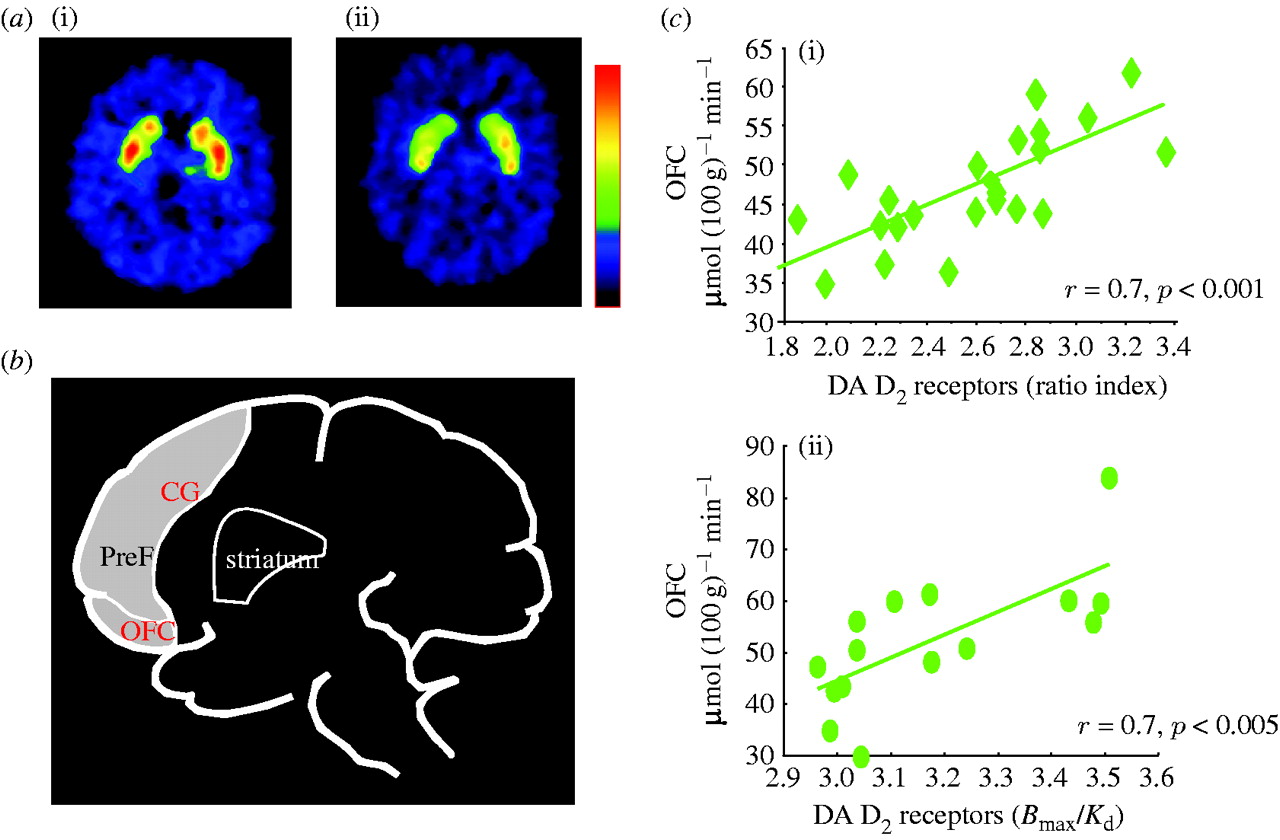
Columbia University conducted a new study that shows the connection between bulimia and addictions from a different, biological angle. The study shows that people suffering from bulimia have similar dopamine hormone abnormalities in their brain, just like cocaine or alcohol addicts have. Also, craving for drugs/alcohol and feeling the urge to activate same parts of the brain. For more information, visit the Integrate Addiction Conference and find out more biological connections between bulimia nervosa and addictions. At the official website of the Conference, you will find more details about registration and speakers who will educate you more on these topics. Visit http://regenerativepotential.com/integrativeaddictionconference/ and learn from experts about the connection between bulimia and addictions and how to treat them.


Check out our Integrative Addiction Conference 2016 being held in Austin, Texas

Understanding Bulimia in relation to Addiction: Therapy

Treating Bulimia Nervosa and addictions (drug addiction or alcohol addiction) can be treated at the same time, due to their similarity. Most common ways are psychotherapy therapies (both group and individual) and cognitive-behavioral therapy. These therapies focus on the psyche of the patient and try to reach deeper to the cause of the problem. Group therapies are a good choice because they show patient they are not the only ones suffering from eating disorder and addictions. They will socialize and see the problem from a different angle, once they hear other people’s stories.

Now that we are understanding bulimia and addiction to have a very strong connection, it is important that we look for lasting solutions to this problem. Usually, there is one place to look at to find out the cause of these disorders. Professional help is required because these states can severely damage individual’s health and life quality, as well as the life of people who love them. Educate yourself more at http://regenerativepotential.com/integrativeaddictionconference/ and explore the connection between bulimia nervosa and addictions at the Conference.


Facebooktwitterpinterestlinkedin
Increasing sex performance

Understanding addiction objectively

Understanding addiction objectively and elaborately: What is Addiction? Perspective

Understanding addiction

Knowing when to seek treatment for alcoholism and other drugs complications will be possible with understanding addiction objectively.

Do we really understand what addiction is? Amides the confusion spread around about this vice are you taking any initiative to be on the know? If you don’t, we are. From the expert point of view, addictive behaviors are characterized confusion and very complex patterns in human daily activity. Talking of the behaviors they may include a collection of drugs and alcohol abuse, eating syndromes or disorders, compulsive and pathological gambling, extreme undesirable sexual behaviors and many other behaviors in the same concept and patterns. According to the experts from AWAREmed Health and Wellness Resource Center under the able leadership of its founder doctor Dalal Akoury MD, These and many other behaviors have totally disregarded explanation from time immemorial. A lot is still being done to bring clarity in this matter but for the purpose of this discussion, doctor Akoury and her team of experts are going to help us in understanding addiction objectively and elaborately for you and the general public to come to the realization of what we are dealing with.

Addiction is quite elaborate and comes in different varieties including medication, psychology and psychiatry all these and many other fields have impacted on our understanding of addictive behaviors. Currently and to help us in understanding addiction objectively, the biological descriptions of addiction has become quite prevalent. Like for instance it is seeking to understand alcoholism by identifying its genetic and neurochemical complications attached. Doctor Akoury explains that as we comprehend the biology approach in handling addiction, the social and cultural influences are also sprouting as a force. For example, not everyone who is inclined genetically to drunkenness ends up with the disorder. Some people who are not susceptible bio-genetically to drunkenness or other addictions but will still acquire the condition. Therefore, the point we are passing across is that both social and psychological elements will remain important factors in ascertaining who does and who does not develop addictive behaviors says doctor Akoury.

Understanding addiction objectively and elaborately: Are drugs addictive?

It is true that every time addiction is mentioned, our minds loop to drugs because that is what we know from the teachings we were brought up with. Every time adverts are made about such substances, we are warned be careful alcohol or cigarette smoking is harmful to your health and so we are made aware of the consequences of using such elements. And because of that we think or do I say that we are sure that heroin and cocaine are addictive but the truth is that addiction is not just a property of drugs, yes it is a fact that drugs are highly connected with addiction, but it is important to note that addiction as a condition results from the relationship between a individual and the substance of their addiction. In understanding addiction objectively, there is no doubt that drugs will definitely have the capacity to introduce physical dependence and an abstinence syndrome in people’s lives like through neuroadaptation. And in fact new research findings has suggested that neuroadaptation also results from addictive behaviors that do not require ingesting psychoactive substances like gambling for instance.

Although neuroadaptation (i.e., tolerance and withdrawal) can result from a variety of repetitive behaviors it is not the same as addiction. It therefore means that if in any case neuroadaptation and its common manifestation of physical dependence were the same as addiction, then it would be improper to reflect pathological gambling as an addictive behavior. In the same way it will be erroneous to contemplate talking about sex and love addiction and their victims. Many people who use narcotics as post-operative pain medications never display addictive behavior even though they have become dependent physically on these psychoactive substances. Stopping drug abuse will not end addiction, since addictive behavior patterns (e.g., gambling) can exist in the absence of drug abuse. Addiction is not simply a qualitative shift in experience it is a quantitative change in behavior patterns: things that once had priority become less important and less frequent behaviors become dominant. Addiction represents an intemperate relationship with an activity that has adverse biological, social, or psychological consequences for the person engaging in these behaviors.

Understanding addiction objectively and elaborately: Integrative Addiction Conference

Because we understand that you are disturbed with this endless addiction condition, we want to help you get the best to solve your problems. Being well informed about addiction is paramount if you are to shed off any attachment that comes with being addicted to any given substance or activity? For that reason doctor Dalal Akoury and AWAREmed Health and Wellness Resource Center, have resolve to hold annual addiction conference workshops that adopt the partnership and dialog among integrative Medical experts in nurturing, empowering, motivating, cozy atmosphere. This year 2016 we are having our second Annual Integrative Addiction Conference Workshops at Austin Texas: Doubletree by Hilton Austin. This conference is an opportunity for you to make a difference in your career and also to rejuvenate your income in your clinic. You can get in touch with us at 6505 Interstate Highway-35 North Austin, TX 78752 telephone number: 512-454-3737 Fax: 512-419-0102.

Finally as an individual it will be very important for you to make a point of attending this conference so that together we can put this problem behind us. And as you consider doing that we appreciate that understanding addiction objectively more so if you are already struggling with it may not be easy and that is why doctor Akoury and her team of experts at AWAREmed Health and Wellness Resource Center have their doors open for you. All you need to do is to pick that phone and call them to schedule for an appointment that will not only make you have your life back but also make you a true ambassador of change in your community. Kindly waste no time and make that life changing phone call now because somebody is on the line waiting to help you right away.

http://regenerativepotential.com/integrativeaddictionconference/
 

Facebooktwitterpinterestlinkedin
Diagnosis-treatment

Sexual Addiction Diagnosis And Treatment

Diagnosis And Treatment Of Sexual Addiction

The human body is amazing, and the human mind is even more fascinating. We can develop feelings of love, hate, envy, fear, and we can also develop various addiction: sugar addiction, smoking addiction, drug addiction and sex addiction just to name a few. Addiction is a special state of body and mind when an individual does things despite negative consequences the activity may have. One of the addictions that have a special place amongst others is a sexual addiction, also known as sex addiction and therefore the sooner we establish the correct sexual addiction diagnosis the better for all relationships.

Sexual Addiction Diagnosis And Treatment: What is sexual addiction?

Sexual addiction is used to describe the behavior of people who are not able to control their sexual thoughts, urges, and behavior. Some of the models that pathological sexual behavior incorporates are erotomania, nymphomania, hypersexuality, satyriasis, Don Juanism and paraphilia-related disorders. If you are a professional looking to upgrade their knowledge about various addictions and treatments, you have to register for http://integrativeaddictionconference.com . This conference will give you all the knowledge you might be lacking, no matter if you are a scientist who’s focus is on addictions, hospital clinicians and practitioner, therapist, addiction prevention practitioner and advocator or a student seeking career orientation.   Check out what this conference has to offer at http://integrativeaddictionconference.com/who-should-attend-the-i-am-i/ .

Can you diagnose sexual addiction?sexual addiction diagnosis

Sex addiction is not formally diagnosable, but there are many changes in behavior that can indicate that a person has a problem with sex addiction. Being unable to think about other things but sex, having sexual thoughts during the whole day at work, at home, in transportation, lacking motivation for anything else but pleasing your sexual urges and decrease in productivity are some of the symptoms that can be alarming and are an indicator you should ask for help.

What are the symptoms of sexual addiction?

Addiction means that actions an individual does have negative consequences on their life and usual daily activities; therefore, if a person has trouble focusing on other segments of their life, or they are unable to control their thoughts and sexual acts, they have developed a sex addiction. Therefore, there are many symptoms you can notice that can indicate one suffers from sexual addiction.

Symptoms can be divided into two groups: emotional and physical symptoms.

  1. Psychological (emotional) symptoms of sex addiction

Usually, who suffer the most are those who are emotionally attached to a person suffering from addiction: family, spouses, girlfriends/boyfriends or friends. An individual who is addicted in most cases doesn’t recognize the problem they have while people in their surrounding have to deal with consequences, and eventually they build emotional boundaries between them. On the other side, sex addicts have problems on their own: most of the sex addicts have the fear of being abandoned and left alone. Because of this fear, sex addicts tend to stay in disastrous relationships, just to avoid being alone. When a sex addict is on their own, they feel empty and incomplete, and they tend to sexualize feelings of guilt, loneliness or fear. Sex addiction leaves emotional scars for life unless the person is willing to accept the fact and start working on dealing with their problem on time.

  1. Physical symptoms of sex addiction

Unlike emotional symptoms and consequences, there are just a few physical symptoms of sexual addiction. There is, however, the feeling of immobilization due to emotional or sexual obsessions.

If a person is addicted to pornography, they may have problems performing in real life; they can suffer from erectile dysfunction, or they can lack sexual desire for their partner. Some studies show that too much pornography builds a surreal image of perfect woman/man and that this fact has much to do with poor performance in reality. Their expectations are much higher, and they lose interest in “real bodies” with flaws.

What are the health consequences of sexual addiction?

Departmental Management of the USDA claims that 45% of women and 38% of men who suffer from sexual addictions have a venereal disease. Another consequence is unwanted pregnancy; statistics say that 70% of women suffering from sex addictions have experienced at least once in their life an unwanted pregnancy.

Physical consequences such as STDs (sexually transmitted diseases) or sexual dysfunction are one of the potential consequences of sex addiction; other emotional and non-physical adverse effects include problems in social life (at work, in personal relationships, in the family) and lack of motivation and focus at work.

Addictions are severe mental problems that can lead to anxiety, depression, substance abuse, obsessive-compulsive type symptoms, etc.

How can you treat sexual addiction?

At the above-mentioned conference, you will learn all the newest methods of treating addictions. See details at http://integrativeaddictionconference.com/integrative-addiction-medicine-speakers/.

Some of the therapies are:

  • Individual therapy with a certified mental health professional. 30-60 minute-therapy is focused on sexually compulsive behaviors and any other following disorders. You will talk it out and see the real cause of your addiction; maybe it has to do with genes, childhood, depression or emotional disorders.
  • Cognitive-behavioral therapy-This therapy puts your behavior, thoughts and emotions in the center. It is a therapy focused on changing negative thoughts to positive and also uses dialogue to find the roots of the problem.
  • The psychodynamic therapy-The focus of this therapy is unconscious memories and conflicts that affect human behavior. Psychodynamic therapy reaches into your deepest childhood memories and explores your current habits that could be a reason you developed sex addiction.
  • Dialectical – Behavioral Therapy-This four-component therapy is designed to teach you four skills. It has skill training group, DBT phone coaching, consultation team and individual treatment. They teach you mindfulness, interpersonal effectiveness, emotion regulation and distress tolerance.
  • Group therapy-Using the power of the group in finding quick sexual addiction diagnosis is being embraced by many this days. This therapy will help a person suffering from sex addiction replace detrimental behavior and negative thoughts with positive ones and pro-social behavior. The power of group helps an individual realize they are not the only ones suffering from this addiction. This helps them stick to the plan of the therapy, and it gives them strength to go on. By sharing experiences, members of the group learn from others’ experience, and they get the bigger picture about their problem.
  • Counseling-Couple’s counseling and marriage counseling are meant not only for the person suffering from sex addiction but for their partner as well this is also one way of establishing sexual addiction diagnosis. It focuses on problems sex addiction has brought and helps the couple improve communication skills, strengthens their trust and improves healthy sexual functioning.
  • Inpatient therapy-A person undergoing this treatment resides at the recovery facility, isolated from the outside so he/she can focus on their healing process without temptations and distractions of everyday life. Inpatient therapy can take some time because the patient has to be sure he/she won’t give up once they leave the facility. It is a challenging psychical task but one which facilitates the sexual addiction diagnosis in good time.


Diagnosis of sexual addictionSexual addiction diagnosis is very vital as it facilitates successful sex addiction treatment. Although it can have severe consequences for individual’s life and to people surrounding him/her, sex addiction can be controlled and healed with the right treatment. The most important are to contact professional help if there are signs of sex addictions, so the person could start the treatment as soon as possible. Visit the conference website ( http://integrativeaddictionconference.com ) and expand your knowledge; hear the world’s leading addiction professionals and learn about treatments and diagnosis of sex addiction.

Facebooktwitterpinterestlinkedin
addiction-overlap

Obesity and Addiction: Food and Drug Reward Overlap in Brain

Obesity and Addiction:  Food and Drug Reward Overlapping Circuits in Human

Obesity can be a consequence of hormone imbalance, genetic mutations, and other diseases, but obesity can also be a direct result of eating disorder – food addiction. What do food and drugs have in common? They can both make you addicted and have adverse effects on your life and do severe damage to your health. Food and drug reward overlapping circuits prove our body is amazing work of art: there are millions and millions of processes going on, and our brain can develop good or bad habits, depending on many different factors. Finding the similarities between obesity and addiction helps treat the disorder more efficiently and proves everything can be normalized once the real cause of the problem is detected.

food and drug reward overlapHow food and drug reward circuits overlap?

The key word to this question is dopamine. This hormone plays an essential role in both food and drug addictions. Overeating is the first signal of addiction. Any other consumption of food other than eating from hunger is driven by reward properties that affect mesolimbic dopamine (DA) pathways. Although food and drugs activate DA pathways differently, the result is the same: our body produces hormone of happiness as if we did something good and got rewarded for it. Just like Pavlov’s dog, our body produces dopamine even before the food is consumed, making changes in our brain and causing the circle of addiction. Our brain tricks us and makes us think this food will do us good and that we need to eat it: we see food, our brain sends the signal of happiness and desire to eat it; we eat it because we want this dopamine hormone to increase; we connect food consumption to the feeling of pleasure, and we practically become addicted to dopamine caused by food consumption. This is the reward cycle which is pretty much similar to drug addiction.

How is addiction born?

If this action of consuming food when not hungry repeats over time, supraphysiological DA is repeatedly stimulated and this causes plastic changes in the brain. This means we will react the same way over and over again because our brain is used to perceiving food as a reward. Vulnerable individuals are more likely to develop food addiction and to have “plastic changes in brain”. If you want to learn more about addictions, how and why they appear and how different addictions are treated, register for Integrative Addiction Conference (http://integrativeaddictionconference.com ). Educated professionals will share their knowledge, latest researches in science and their experience with you.

What kind of cycles exists?

Proper functioning of neuronal circuits is required to gain the ability to resist the urge for drugs or food. Six of those circuits are important for addiction: reward/saliency, inhibitory control/executive function, conditioning/habits, motivation/drive and interoception and aversion avoidance/stress reactivity. What maintains the overconsumption of foods or the taking of drugs is the discrepancy between the blunted neurophysiological effects and the expectation for the food/drug effects (conditioned responses).

Drug addicted and obese individuals have more in common than impairments in dopaminergic pathways. These pathways regulate the neuronal system, which can be associated with more than reward sensitivity. Conditioning (learning/memory), stress reactivity, impulse control and interoceptive awareness are also controlled by the neuronal system and are affected by dopaminergic pathways. Dopamine controls all these and is the key to both drug addiction and obesity.

According to neuroimaging studies, the middle insula plays a critical role in cravings for cocaine, cigarettes and – food. Individuals with damage in this region are more likely to stop with their addictions without experiencing relapse or cravings. The insula has another important role: it is a primary gustatory area. This area participates in many aspects of eating behavior, for example in taste. On the other side, the rostral insula (which is connected to primary taste cortex) processes and represents the pleasantness or reward value of the food one is about to eat. Insular is involved in the interceptive sense of the body, in motivation, in emotion and emotional awareness; therefore, a contribution of insular impairment in obesity is expected.

addiction overlapIntegrative Addiction Conference is the place where you can find much more about the connection between drug addiction and obesity and the way the brain works. Visit our website and register for this incredible educational experience:  http://integrativeaddictionconference.com/

Although obesity and addiction overlap in the brain circuits, there is still a difference: food intake behavior regulation is much more complex than the regulation of drugs. Drug intake is mediated by rewarding effects of drugs while food intake is controlled not only by hedonic factors (rewarding factors) but also by multiple peripheral and central factors; these factors are the so-called homeostatic factors; they sense the nutrient requirements of the body necessary for survival). Science is discovering more and more evidence that homeostatic factors (insulin, leptin, ghrelin…) modulate food intake; homeostatic factors increase and decrease the sensitivity of brain reward circuits to food stimuli.

Overall, the rewarding cycle is present in both food overconsumption and drug abuse; there are many more overlapping points of two circuits. You can find out more at the conference. Professionals will give you any information you need and remove your doubts. Visit the website and register for education: http://integrativeaddictionconference.com/


Facebooktwitterpinterestlinkedin