Category Archives: addiction

Career and drugs

Getting brain health efficiency for addiction treatment
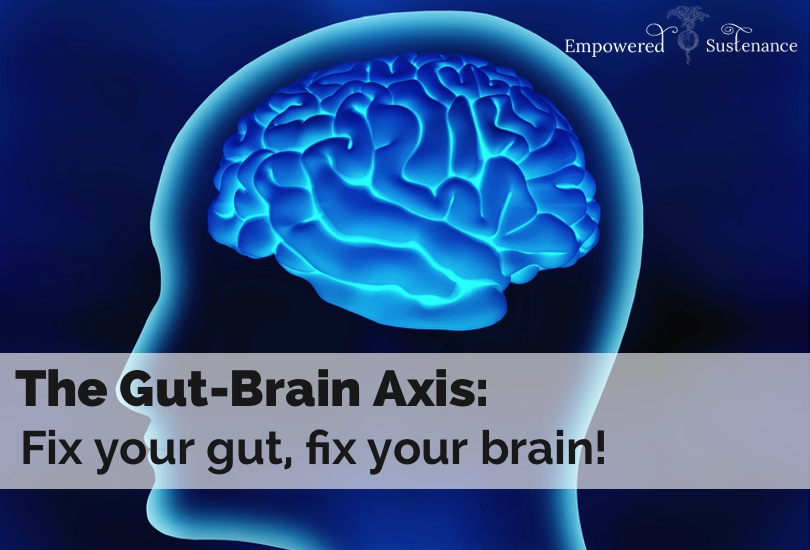
Getting brain health efficiency

Getting brain health efficiency for addiction treatment begins with establishing health brain communication network flows

Getting brain health efficiency for addiction treatment: What to do?

Thinking about change as an addicts begins with getting brain health efficiency before you can start talking about addiction treatment. Doctor Dalal Akoury MD and founder of AWAREmed Health and Wellness Resource Center points out the following;

  • It is important for you to keep track of your drug use, including when and how much you use. This will give you a better sense of the role the addiction is playing in your life.
  • List the merits and the demerits of quitting and not forgetting the costs element and benefits of continuing your drug abuse.
  • Outline all the things that are important to you, such as your partner, your kids, your career, or your health. With that outline, evaluate how drugs affect them?
  • Don’t keep it all to yourself, share it over with someone you trust. Enquire from them how they feel about your drug use.
  • Ask yourself if there’s anything preventing you from changing. What are some of the things that could help you make the change?

Getting brain health efficiency for addiction treatment: Exploring treatment options

Once you’ve made the decision to challenge your drug addiction, it’s time to explore your treatment choices. As you consider the treatment options, have the following at the back of your mind:

There’s no magic bullet or single treatment that works for everyone – When considering a program, remember that everyone’s needs are different and unique. Drug addiction treatment should be customized to your unique problems and situation. It therefore implies that you must only go for that program which will serve your recovery needs.

Treatment should address more than just your drug abuse – The effect of addiction is not limited to your health alone. It cuts across your whole life, including relationships, career, health, and psychological well-being. The success of treatment will depend on changing your general lifestyle and facing head on all the reasons which lead you into drugs in the first place. Like for instance it be due to your inability to manage stress, in which case you’ll need to find healthy ways to handle stressful situations.

Commitment and sticking to the objective – Drug addiction treatment is not a quick and easy process. In general, the longer and more intense the drug use, the longer and more intense the treatment you’ll need. But regardless of the treatment program’s length in weeks or months, long-term follow-up care is crucial to recovery.

There are many places to turn for help – Not everybody requires medically supervised detox or an extended stint in rehab. The level of care you need depends on your age, drug use history, and other medical or psychiatric conditions. In addition to doctors and psychologists, many clergy members, social workers, and counselors can also offer addiction treatment services. Even as you seek help for drug addiction, it’s also important to get treatment for any other medical or psychological issues you’re experiencing. Your best chance of recovery is through integrated treatment for both the substance abuse problem and the mental health problem. This means getting combined mental health and addiction treatment from the same treatment provider or team.

Finally the efficient way of overcoming drug addiction is not all about what we have highlighted in this article. There are so many other directions you can take guided by the healthcare provider. At AWAREmed Health and Wellness Resource Center under the able leadership of doctor Dalal Akoury the MD and also the founder of the facility, all that you may need pertaining treatment of heroin abuse or any other drug addiction are readily a available. Up on scheduling for an appointment with doctor Akoury, you will be evaluated individually and professionally taken through personalized treatment procedure that will deal with the root cause of the problem, thereby addressing the problem as it is, leaving you enjoying your lost times and focusing on a more meaningful life ahead.

Getting brain health efficiency for addiction treatment: What to do?

http://www.integrativeaddictionconference.com/wp-admin


Facebooktwitterpinterestlinkedin
heroin addiction

Heroin addiction factors associated with depression

Heroin addiction factors

Heroin addiction factors associated with depression includes all the factors increasing addiction risk on drug users.

Heroin addiction factors associated with depression: Heroin abuse

Uncovering the causes of depression is one of the most challenging aspects of recovery for heroin users. Depression is much more than a low mood. It is a incapacitating mental illness that can lead to isolation, job loss, broken relationships, poor physical health and an increased risk of suicide. Depression can arise from a number of sources, including:

  • Genetic factors
  • Imbalances in brain chemistry
  • A stressful social environment
  • Psychological trauma
  • Physical disability
  • Drug or alcohol abuse

Treating a Dual Diagnosis of heroin addiction and depression is especially difficult if the individual is still under the influence of the drug. Many of the symptoms of opiate addiction fatigue, self-isolation, poor concentration and weight loss can resemble the symptoms of major depressive disorder.

According to a study published in Drug and Alcohol Dependence followed 615 heroin users in various stages of treatment or non-treatment. In the study it was established that a quarter of the subjects were currently experiencing a major depressive episode. While about twenty-six percent of the individuals in treatment had a lifetime history of depression and 16 percent of those who weren’t in treatment had been depressed. In the treatment group, a significant number of clients were also diagnosed with post-traumatic stress disorder, or PTSD. Others were living with a life-altering physical disability. In many of these cases, heroin was used as a maladaptive way to numb physical or psychological pain.

In long-term heroin users, it can be nearly impossible to determine whether depression led to addiction or the other way round. A comprehensive treatment plan must give equal attention to both conditions.

Heroin addiction factors associated with depression: Depression and heroin withdrawals

In the journey to recovery among many addicts, relapse is often very common among many heroin users who try to quit this highly addictive drug. The unpleasant side effects of heroin withdrawal can drive even the most determined individuals back to the drug. Heroin withdrawal usually isn’t life-threatening, however, heavy users may have dangerous seizures if they try to quit without medical supervision.

Finally physical symptoms of heroin withdrawal can feel like a severe case of the flu, but for many users, the psychological side effects are even harder to tolerate. In the first few days, weeks or even months after quitting heroin, users may feel extremely depressed. Once the brain comes to rely on the euphoric rush of a heroin high, the pleasures of everyday life may seem meaningless in comparison. A condition called anhedonia, or lack of pleasure, often develops in recovering heroin addicts. One of the primary goals of treatment is to help the addict find peace, hope and joy in a drug-free life.

Heroin addiction factors associated with depression: Heroin abuse


Facebooktwitterpinterestlinkedin
drug abuse

Comparing heroin abuse and depression

Comparing heroin abuse

Comparing heroin abuse and depression by first understanding tolerance dependence and addiction

Comparing heroin abuse and depression: The psychological dependence

It is without any doubt that all drug users and not necessarily heroin addicts are all suffering from depression and addiction. These two elements are of the same characteristic when it comes to substance abuse. Our focus in this article is going to be looking at the relationship between heroin abuse and depression.  This drug heroin is a very powerful opiate capable of making alterations to the user’s brain chemistry and thereby causing mood changes, suicidal behavior, psychological dependence and addiction. It is currently estimated that up to half of all opiate users have at one time experienced depression in their lives. Anyone suffering from any kind of addiction heroin included will be going through what is known as dual diagnosis should it be discovered that they are also suffering from depression. With this condition, doctor Akoury says that chances of long term recovery would be very slim.

From her over two decades of experience doctor Akoury says that not unless the user is treated for both conditions, it is likely that he or she will relapse soon after rehab. It is important to note that in numerous instances, majority of depressed heroin user fail to get treatment. Nonetheless, according to findings from the clinical studies depression and substance abuse are treated simultaneously and when this is done, the depressive symptoms often improve. This has further been confirmed by Biological Psychiatry registering that opiate addicts who go through residential rehab or methadone maintenance treatment have significant improvement in their depression.

Therefore the key to treating heroin abuse and depression successfully is to identify both conditions early in the recovery process. Intensive neuropsychological assessment can reveal the signs of co-occurring psychiatric disorders like depression. Once mental illness has been identified, treatment must address both depression and heroin addiction to be successful.

Comparing heroin abuse and depression: Effects of heroin on psyche

You must have known that heroin is a synthetic drug produced from morphine, a potent analgesic that comes from the opium poppy. Heroin exerts its effects by binding with receptor cells in the brain that respond to opiates. When injected, snorted or smoked heroin can converts into morphine in the brain, where it slows down neurological activity and induces a state of sedation.

For many users, a heroin high produces a rush of euphoria and a sense of profound relaxation. But the National Alliance on Mental Illness states that in people with psychiatric disorders, the side effects of heroin are more likely to be negative. For someone with depression, heroin may seem like an antidote to hopelessness, sadness and guilt.

The psychosocial effects of heroin can also contribute to depression. Heroin is highly debilitating, and users often experience job loss, relationship conflicts, legal problems and financial troubles.

The physical consequences of heroin use including respiratory illness, blood-borne diseases, muscular weakness and vascular damage can also cause severe emotional distress.

Because the brain adjusts quickly to the effects of heroin, physical and psychological dependence develop rapidly. The National Institute on Drug Abuse states that nearly one-fourth (23 percent) of individuals who use heroin will eventually reach the point of addiction. Once addiction sets in, use of the drug becomes compulsive and uncontrollable in spite of the devastating effects of abuse. All of these factors can intensify feelings of hopelessness, despair and self-loathing: the hallmarks of depression.

Comparing heroin abuse and depression: The psychological dependence


Facebooktwitterpinterestlinkedin
master cells

Treatment processes for drug addiction

Treatment processes

Treatment processes for drug addiction are essential in delivering a drug free society

Treatment processes for drug addiction: Heroin and other substances

The problem of drug addiction has stolen the dignity of our societies and we are all in one way or another affected or infected by this problem. Most societies are ruin by the use of drugs and families have not known peace because a member is an addict of a given drug. Heroin has become one of the most abused drugs thanks to its easy accessibility and affordability. The enormity of this problem is getting out of hand and prisons blocks alone are not enough to offer the much need solution. Even though this problem is of this magnitude, the good news is that it is treatable. There are very good treatment procedures for drug addiction today and that is going to be our point of focus in this discussion. We spoke to doctor Dalal Akoury who is the MD and founder of AWAREmed Health and Wellness Resource Center and she will be helping us understand the treatment procedures available.

Doctor Akoury says that this problem of drug addiction is a treatable disorder. Prevention would have been the best option but because it is already with us we are going to look at the mechanisms of treating this disorder and consider prevention in the next article. Now because of many different conditions in drug addiction, it is important that the specific treatment must be tailored to suits the individual’s needs. This is necessary because many drug addicts have a compound of other problems that hinders proper treatment like mental health, occupational, health, or social problems.

Treatment processes for drug addiction: Types of treatment for patients

The success of this campaign would be realized when treatment procedures for drug addiction is adhered to. And treatments often include behavioral therapy, mediations and sometimes a combination of both. The most important thing is that when patients are duly treated for their addiction, they will be able to have some control over their lives and be productive to the society. That is why all over the world the campaign is to have as many people as possible for treatment. Therefore if you or anyone you know is suffering from any form of addiction, then you can be of help to them by scheduling for an appointment with the experts at AWAREmed Health and Wellness Resource Center under the able leadership of doctor Dalal Akoury today and you will have your life back in the most professional and dignified way.

One of the biggest hindrances to treatment is that many addicted people often make an assumption that they can quit using drugs all by themselves without treatment. Actually many have tried but they have failed consistently resulting in long term abstinence. And that is why according to the NIDA Research has shown that long-term drug use results in significant changes in brain function that persist long after the individual stops using drugs. These drug-induced changes in brain function may have many behavioral consequences, including the compulsion to use drugs despite adverse consequences which is the defining characteristic of addiction. And that is why achieving abstinence without treatment is so difficult if not impossible.

Treatment processes for drug addiction: Heroin and other substances


Facebooktwitterpinterestlinkedin
addiction-rehab-happy

Successful addiction treatment mechanisms

Successful addiction treatment

Successful addiction treatment mechanisms will include assessment objectives in addiction recovery

Successful addiction treatment mechanisms: Recognition

For any meaningful treatment to yield results, the victim must first come to the point of recognizing and accepting that they have a problem which needs to be fixed. Denial is one of the greatest impediments when it comes to drug abuse treatment. Anyone in denial will not seek for help even if that help is presented to them by their concerned relatives. In many cases patients who are in denial will consent to treatment not because they have accepted but out of pressure from their loved ones

Detoxification – Treatment begins with detoxification, which is the gradual withdrawal of an abused substance under a controlled environment. In some cases a drug that is similar to the abused drug (e.g. methadone for heroin) is substituted during withdrawal to lessen the miserable symptoms and health risks associated with the withdrawal process. Depending on the drug that the person is addicted to, the withdrawal process can be handled through either an inpatient or an outpatient basis.

Rehabilitation – This is necessary to prevent the recurrence of drug abuse.  Rehabilitation involved behavioral therapies such as counseling, psychotherapy, support groups, or family therapy. Behavior therapy helps people to cope with their drug cravings and it teaches them ways to avoid drugs, prevent relapse, and what to do if a relapse occurs.  It has been established that merging a behavior therapy program with treatment medications, such as methadone, helps to suppress the withdrawal syndrome, the drug craving, and in blocking the effects of other drugs (caffeine).  Studies have shown that using methadone at adequate dosage levels in treating heroin addiction along with behavioral therapies reduces death rates and many health problems.

Abstinence – Following rehabilitation, the abuser must have a lifelong abstinence from drug abuse. Relapses from this drug abstinence may occur and lead to recurrent dependence.

Successful addiction treatment mechanisms: Treatment methods

The treatment program duration could either be short term or long term depending on the patient’s condition.

  • Short-term methods – last less than 6 months, include residential therapy, medication therapy, and drug free outpatient therapy
  • Long-term methods – may include medication therapy such as methadone maintenance outpatient treatment for opiate addicts and residential therapeutic treatment

Outpatient and Inpatient

  • Outpatient drug free treatment– does not include medication and encompasses a wide variety of programs for patients that visit a clinic at regular intervals. It actually involves individual or group counseling. Normally patients registering for this type of program do not abuse opiates, or are opiate abusers for whom maintenance therapy is needed. Generally these patients have stable lives and only brief histories of drug dependence
  • Therapeutic Communities – highly structured communities where patients stay for 6-12 months. Patients generally have long histories of drug dependence, involvement in serious criminal activities, and seriously impaired social functioning. This type of program focuses on the re-socialization of the patient to a drug free and crime free lifestyle.
  • Short-term residential programs – chemical dependency units,” based on the “Minnesota Model” of treatment for alcoholism.  Involve 3- to 6-week inpatient treatment phase followed by an extended outpatient therapy in a 12-step self-help group such as Narcotics Anonymous or Cocaine Anonymous.

Finally doctor Akoury recommends that if you are able to avoid using drugs the better. Treatment is more tasking than preventing which is the most ideal for good health. It would be the best thing you can do for yourself and to the whole society. But you are unable to all is not lost you can still get help from the experts up on scheduling for an appointment with doctor Akoury today.


Facebooktwitterpinterestlinkedin