Tag Archives: Wellness Resource Center

Intoxication, Reward and Tolerance

Neurobiology of Intoxication, Reward and Tolerance

RewardAs stated earlier, neurobiology is the study of cells of the nervous system and how these cells are organized of these cells into functional circuits that process information and influence behavior. Neurobiology is a sub unit of both biology and neuroscience. Neuroscience is much broader as a scientific study of the nervous system than neurobiology. Neurobiology helps us to understand how the neurons are affected by whatever we ingest. The neurons as you and me now know are very crucial as they are the chemical messengers that transmit signals to initiate certain crucial responses. However these neurons are often affected by drugs of abuse that in most cases depletes them rendering them incapable to function normally. As studied earlier in our brain there are different neurotransmitters that perform different purposes to ensure that all functions of the brain are well attended to. There are inhibitory neurotransmitters as well as excitatory neurotransmitters and the balance between these neurotransmitters must be achieved for better functioning of the brain but these drugs of abuse interferes with these balance by causing depletion of certain neurotransmitters creating an imbalance between the different categories of the neurotransmitters in the brain. In this article we try to find out how intoxication, reward and tolerance come about to users of alcohol and other drugs.

Intoxication

According to World Health Organization (WHO) intoxication is a condition that follows the administration of a psychoactive substance and results in disturbances in the level of consciousness, cognition, perception, judgment, affect, or behavior, or other psychophysiological functions and responses. The disturbances are related to the acute pharmacological effects of, and learned responses to, the substance and resolve with time, with complete recovery, except where tissue damage or other complications have arisen. They further explain that the term intoxication is a term that is commonly used in alcoholism and is the same in meaning to the common term drunkenness. Alcohol intoxication manifests in such symptoms as slurred speech, unsteady gait, disorderly conduct, impaired judgment, slowed reactions, loss of memory, vomiting, euphoria and insensibility among others. Alcohol has contents of ethanol among other fermented stuff. When taken ethanol will produce its depressive effects on certain areas of the brain resulting in physical and mental impairments. These problems will continue as the level of alcohol consumption is increased, therefore more alcohol means more intoxication.

Here is what happens in the brain

When alcohol is taken it increases the effect of the body’s naturally occurring neurotransmitter gamma amino butyric acid (GABA). As I mentioned earlier neurotransmitters are substances that chemically connect the signals from one nerve to the next allowing a signal to flow along a neural pathway. An inhibitory neurotransmitter (alcohol) reduces this signal flow in the brain. This explains how alcohol depresses both a person’s mental and physical activities. When you take alcohol 20% of ethanol will be absorbed into the bloodstream from the stomach while 80% is absorbed from the small intestines. However the more the ethanol stays in the stomach the slower it is absorbed into the bloodstream and the lower the peak in blood alcohol concentration. This is why when a person takes alcohol with empty stomach he will be intoxicated within such a short time. The food in the stomach normally slows the rate of alcohol absorption lowering the peak in blood alcohol concentration.

The reward system

The reward system is mainly dominated by the excitatory neurotransmitter known as dopamine. This hormone gives the brain its ‘high’, the euphoric feelings that is commonly sought by people who use drugs of recreation. Close to all addictive drugs directly or indirectly target the brain’s reward system by flooding the circuit with dopamine. Dopamine is a neurotransmitter present in regions of the brain that regulate movement, emotion, cognition, motivation, and feelings of pleasure. The overstimulation of this system, which rewards our natural behaviors, produces the euphoric effects sought by people who use drugs and teaches them to repeat the behavior. The persistent release of dopamine during chronic drug use progressively recruits limbic brain regions and the prefrontal cortex, embedding drug cues into the amygdala through glutaminergic mechanisms and involving the amygdala, anterior cingulate, orbitofrontal cortex, and dorsolateral prefrontal cortex in the obsessive craving for drugs Despite dopamine being the dominant neurotransmitter in the reward system there are also other neurotransmitters that work to modulate both the reward system and the psychomotor effects of addictive drugs. However there is still little literature to support this and so dopaminergic system is still the biggest consideration when reward system is to be tamed. Naturally the balance between the excitatory neurotransmitter and the inhibitory neurotransmitters enables proper functioning of the brain but with drugs the drugs will suppress the inhibitory neurotransmitters flooding the brain with dopamine which is the fuel behind reward.

RewardUnderstanding tolerance

Tolerance refers to a situation when a person ceases to react to a drug in initial doses and therefore higher dosage is needed for the effects to be achieved. This normally happens when a person has been using the drugs for a long time. This is common in the use of opioids in pain management, the patient will cease to respond to initial dosages and therefore need higher dosages to calm the pain. For example, morphine is often used for pain. It works by binding to opiate receptors where it triggers the inhibition of an enzyme called adenylate cyclase that orchestrates several chemicals in the cell to maintain the firing of impulses. After repeated activation of the opiate receptor by morphine, the enzyme adapts so that the morphine can no longer cause changes in cell firing. Therefore higher dosages will have to be administered for the pain to be calmed.

Finally, Dr. Dalal Akoury (MD) of AWAREmed Health and Wellness Resource Center is committed to helping all people trapped in drug addiction. Call on her today at Myrtle Beach, South Carolina for help.

Neurobiology of Intoxication, Reward and Tolerance


Facebooktwitterpinterestlinkedin

Shared Medical Appointment: An Innovative Practice Model

Shared Medical Appointment: An Innovative Practice Model

A visit to a physician can always be such a tense moment. This is often characterized with a lot of anxiety and high expectations on the part of the patient. As a patient you want to get well. Yet you are also torn between the desire to get well and the fear of negative outcomes. It is usually worse with chronic conditions such as diabetes, heart conditions, asthma and ulcers.

It is based on such considerations and a hoard of others that it becomes necessary for the medical practitioner to adopt a method or initiate one that is more likely to make the medical appointment a less excruciating experience.

If the practitioner is able to turn the tension of the moment into a fun filled experience then it is a definite straight up success. It is not just the victim who enjoys the benefit of the experience with the medic, rather, the medical expert also stands to derive considerable gratification from handling a satisfied patient. No palm wetting, no forehead sweats; just a cool and non-tense exchange between a medic and his or her patient.

Impetus for the shared medical appointment approach

The shared medical appointment can be said to be resulting from the above line of considerations, to make the experience a natural process.

This shared medical appointment model, also referred to as group visits, cluster visits or problem solving drop-in group medical appointments (DIGMA) has been orchestrated with the core objective of inspiring the medical practitioner to come up with, implement and appraise shared medical appointments chiefly for patients with diabetes.

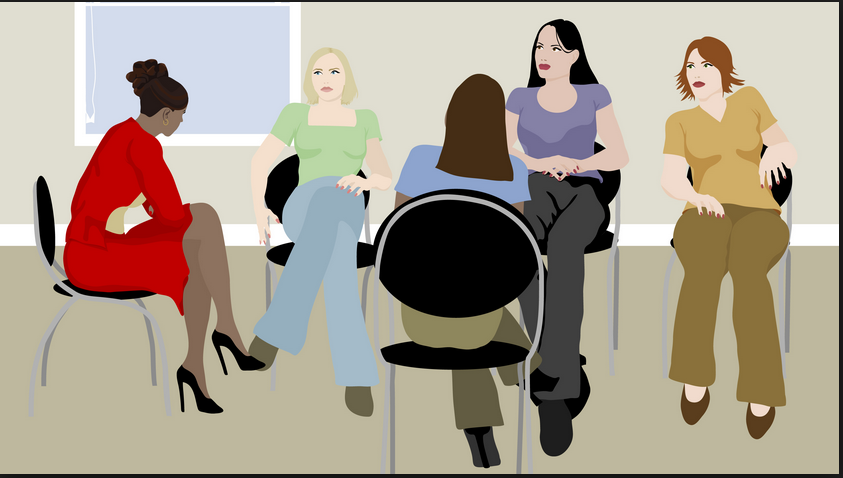
The model is basically an innovative approach that has a distinctly different methodology as opposed to the usual diabetes education classes. It involves a group of 12 to 16 patients meeting up with a doctor, medical assistant, behaviorist, nurse, and dedicated documenter for a time period of one and a half hours.

The traditional diabetic classes on the other hand usually address self-management techniques, the question of exercise and recommended nutrition for these patients. The group visits provide medical evaluation, the coordination and provision of precautionary services, mechanisms of adjusting medication, all which often miss in the ordinary diabetic classes.

The model succeeds in its conception as being innovative since it is found to improve the care offered to conventional patients of chronic disorders which primarily include diabetes as well as asthma, coronary disease, and urological conditions by aiding the use of available resources far more efficiently.

shared-Medical-appointments

The majority of successful shared medical appointment programs have included an element of case management and between-visit care coordination. The program is traditionally headed by a nurse, a physician or nurse practitioner.

If you set up a limited component of care management for group of patients who attend the programs of these cluster visits the program can be quite a useful step toward a wider use of care coordination within your field of practice.

A patient of diabetes may use these shared medical appointment programs in the place of a primary care or they can as well alternate the two sets of care arrangements: group visits and the one-on-one care units.

Other than the group education services typically offered in group visits, collective problem-solving, focused secluded or partially private health evaluations which allow for personalized medication adjustment; the programs may also involve ordering of referrals and preemptive services.

The sessions may always vary. They may go from one hour to even several hours depending with the physician-patient arrangements. Each session may have a varied number of attendees, with the typical maximum being 20 persons.

Benefits of the Group Visits Model

shared-medical-appointment Past medical records have indicated that patients generally enjoy interacting in a shared form of environment. There are less cases of tension associated with medical situations and this can always provide a lot of encouragement to those who attend the sessions while providing them with essential tips that may not be received in a short medical visit.

Physicians also benefit from the change of pace typical of these programs and have a chance to innovatively and much more thoroughly attend to the matters presented by chronic disorders which are common in most of the primary care circumstances.

Evaluations of the shared medical appointments have also reported a general increase in satisfaction levels of the patients and clinicians along with improved quality of care offered in the cluster situations. There have also been a reduction in the aggregate emergency section and specialist visits by these patients. This indicates a general possibility of increased perfection in following the directions provided during the sessions.

What makes the cluster visits even more beneficial is the communal environment created by the group approaches. Patients are able to share experiences freely and feel relieved by the existence of certain critical but shared experiences. It is human nature that you feel better when you know that you are not alone in your situation. Just the environment alone, the sight of many people supposedly in for the same course is enough to relax a patient’s nerves.

The patients attending the sessions are able to share their concerns collectively and get responses. This may help in two different ways. A patient who is either shy or simply unwilling to ask a pressing question may benefit from another patient asking the same. Secondly, a patient may get response to a question that he or she might have forgotten to ask the nurse or the physician in attendance. In general, the patients learn from the healthcare team in session, from one another as well as from the environment itself.

About the doctor

Dr. Dalal Akouri has years or experience attending to patients with various life threatening chronic illnesses and is proud to have improved the lives of such patients. You too can join this vast community of patients who have seen the fruits of her work by contacting het today.

Shared Medical Appointment: An Innovative Practice Model

Related articles

Facebooktwitterpinterestlinkedin

Recovering Addiction; Natural Medicine

 Natural Medicine for the Recovering Addiction

There are problems that we suffer from today that can be easily solved if we leaned on Mother Nature. We however have been blinded and tied to the orthodox treatment standards that do not offer lasting solutions to our diseases. Most if not all of the orthodox medical interventions focus on treating the symptoms of a disease and not on healing the person wholly. Addiction is one problem that many people have suffered from and still many people are stuck to even today. The biggest problem with Recovering Addiction  is that to help the addicts to stop using the drugs other substances are used to help satisfy their cravings these substances may make them dependent, they will not be able to feel normally without using the substances hence giving rise to severe withdrawal symptoms whenever they try to creep out of them.  The addicts therefore need to explore some of the most effective healing approaches that can only be availed by nature. The natural medicine has been used in fighting addiction for a long time. In most Asian countries the natural addiction treatments are used by many are greatly preferred.

People turn to substance of abuse for a momentary salvage from their physical and emotional problems but after along use of such drugs their physical and mental health becomes greatly debilitated. The nervous system becomes affected and the entire body becomes unable to perform most of its functions effectively. To effectively treat an addict a more integrative approach should be used to ensure that not only the symptoms are treated but the entire system that is affected by the use of the drug is rectified and the person can enjoy life without fear of addiction to the substance troubling him in the future.

Recovering Addiction

Recovering Addiction

Natural medicine is focused on the patient, Recovering Addiction

Most of the healers who use natural medicine in curing recovering addicts are integrative in their approach to healing the patient. This focus on healing the patient aims at detoxifying the body and all the affected systems by the long-term drug use, replenishing all the needed nutrients that the use of the drugs had depleted in the body and boosting the immunity of the addict to be able to resist the urge to indulge in drug use. The treatment is therefore focused on whole person healing. The drugs o not only affect the physical being of a person but affects the entire trinity; the body the spirit and the mind. With such a treatment everything about the addict changes including his behavior.

After along use of drugs the body loses some of the most valuable nutrients, therefore it is crucial to have these nutrients replenished during the recovery process. Some of these crucial minerals and vitamins that are depleted after long use of drugs include; calcium, magnesium and even zinc.

Detoxification is a crucial process in addiction recovery, the liver and the digestive system should be cleansed and the nervous system strengthened and restored treating any type of debility in the nervous system. Some of the crucial minerals and vitamins that are available naturally and in bio-friendly forms that can be supplemented to benefit an addict include;

Zinczinc is a mineral that plays an important role in carbohydrate metabolism. As said earlier the use of alcohol and drugs of abuse causes a zinc deficiency. Low zinc levels can cause liver deterioration and diminished functioning of the reproductive organs, immune system, and skin. A recovering addict should supplement zinc using Zinc picolinate which is considered bio-friendly.  Eating foods that are rich in zinc like pumpkin seeds can also help an addict.

Calcium– Calcium is one of the most important nutrients for strengthening the nervous system. Caffeine, sugar, alcohol, and other drugs often cause the body to eliminate calcium. Caffeine, for example, has been shown to double the urinary excretion of calcium. Several studies have demonstrated low serum calcium levels in alcoholics. Low levels of calcium and magnesium levels are often the root of irritability, muscular spasm, and pain experienced by alcoholics and drug addicts. A recovering addict should consider 1000 mg of elemental calcium per day in divided doses, preferably at the beginning of meals. Nutritionists however advocate for green sources of calcium.

Herbs that can be used to promote healing in recovering addiction

Thunbergia laurifolia– This herb is commonly used in Thailand for detoxification. This herb is potent enough to cleanse the body of harmful; effects of the long-term use of drugs and alcohol. It also works well in reducing fevers. In a recovering addiction it may help in clearing all the debris of alcohol and drugs.

Dandelion– This herb is widely used in Europe as an excellent liver detoxifier and mild diuretic. It increases the flow of bile and encourages both the transformation and transportation of nutrients. It has been used historically to treat liver disorders, arthritis and gout. In the Recovering addiction it will ease the transportation of nutrients in the body and restore energy in the cells.

Recovering Addiction

Recovering Addiction

Ginkgo – this herb has many medicinal properties. It is known to increase energy by enhancing cellular glucose uptake. It is also a scavenger of free radicals. Its other benefits include; it encourages peripheral circulation and improves short term memory. It is good for a recovering addict as it’s improves cognitive functions.

Finally, Here at AWAREmed Health and Wellness Resource Center we are committed to availing help to addicts by availing some of the most integrative approaches to healing an addict. We advocate for natural healing to all kinds of addiction. In case you are struggling with addiction just call on Dr. Dalal Akoury (MD) at Myrtle Beach, South Carolina for help.

 Natural Medicine for the Recovering Addiction


Facebooktwitterpinterestlinkedin

Rapid And Safe Drug Detox Using A Crafted Blend of Intravenous Amino Acids and NER

Rapid And Safe Drug Detox Using A Crafted Blend of Intravenous Amino Acids and NER

Many people are trapped in lives that they have never been pleased to live. Addiction has caused lots of problems in our societies today. The problem is that when a person becomes addicted then the problem ceases to be his alone but spreads to the entire society. Today addiction to drugs and substances accounts for more than half of the societal ills that our societies face.  The addicts are facing problems associated with stigmatization and so most of them cannot even work and fend for themselves, this in itself is a source of depression that commands that they use drugs to help them escape and the endless vicious cycle ensues. In such a case an addict will be forced to go against the societal codes of ethics to find his daily dosage of his drugs of abuse like robbery and that will affect the entire society.

The naked truth however is, most addicts have tried to seek help in rehabs but have not succeed this may be the case since in most rehabs the pharmaceutical products are used in trying to help the addicts to overcome addiction. In some cases these drugs may work but in most cases the patient is left to deal with the withdrawal symptoms which may make these pharmaceutical medications ineffective in treatment of addicts. In most cases addiction detoxification is done by use of another substance of substitute. The substance of substitute serves the cravings for the drug.  This may work well but as you have noticed it will take a longer period of time for the patients to be free from dependence on the drug of abuse with a higher risk of becoming dependent on the substance of abuse.  Withdrawal symptoms make it hard for the patients to stop using the substitute substances that are used in detoxification enslaving them to the substances. Unlike pharmaceutical medication, IV amino acids when used in detoxification do not leave the patient with withdrawal symptoms hence the treatment is effective and efficient.

drug detoxification

For emphasis, I repeat. The use intravenous amino acid treatment in fighting addiction is devoid of the withdrawal symptoms and therefore safe and more efficient in fighting addiction as the patients will not take more time fighting withdrawal from the very substitutes used in fighting addiction. The intravenous amino acid serves the brain cells that have become dependent on substance of abuse with the right substitute that eliminates the cravings. It also detoxifies the brain and clears all the residue of the drug of abuse and break its effects on the brain and the entire nervous system and no pharmaceutical medicine can do that. The amino acid therapy is the best for fighting addiction because it gives the brain what it craves in a natural non habit forming way while rebuilding the neurotransmitters which are always destroyed by substance of addiction. It also works within days and improves the body’s own ability to detox. Apart from Intravenous amino acid detox in addiction there is also another effective way of fighting addiction at the root. Neuro Endocrine Restoration. Owing to the effectiveness of these two methods of detox in addiction Dr. Dalal Akoury of AWAREmed has crafted a formula for using both of the methods in healing addiction patients.

Neuro Endocrine Restoration

Neuro Endocrine Restoration (NER) is critical in treatment of addicts. It is one of the best ways of fighting addiction. What happens when a person is addicted to a substance is that the substance of abuse that he uses damages the brain by changing its biochemistry creating an imbalance in the brain and the entire endocrine system. This means that any effective treatment must restore the state of the neurotransmitters as was before addiction. The neuro endocrine restoration is the best at doing this since it cost effective, natural and takes a shorter time.

Detox

In our bodies there are neurotransmitters that help us feel good and at harmony with our surrounding. There are also other neurotransmitters that are responsible for low feelings. The brain needs all these neurotransmitters to work normally. In a normal person’s case the balance between these two neurotransmitters is achieved naturally but in case of an addict this balance ceases to exist as long term use of drugs affects the neurotransmitters. The use of NER in addiction treatment aims at helping the patient to evade the use of the drugs since without restoring the neurotransmitters, anytime an addict will attempt to stop using the drug of abuse his brain will trigger reactions of danger leading to release of adrenaline and endorphins, in such instance the addict will be forced to use the drug to restore calm and this explains why most addicts fail when they try to stop using drugs without restoring the damaged neurotransmitters.

Intravenous amino acids and the NER are natural approaches to treating addicts that have so far bore juicy fruits. They are affordable, effective and are free from withdrawal symptoms that many people suffer after going through addiction treatment with pharmaceutical medicines. We at AWAREmed Health and Wellness Resource Center are committed to availing help to addicts and offering them a place to call home. We advocate for natural healing to all kinds of addiction. In case you are struggling with addiction just call on Dr. Dalal Akoury (MD) at Myrtle Beach, South Carolina for help.

Rapid And Safe Drug Detox Using A Crafted Blend of Intravenous Amino Acids and NER

Related articles

Facebooktwitterpinterestlinkedin

Childhood Obesity

Childhood Obesity – Effects on Physical and Mental Health

Obesity

Childhood obesity if not addressed at the earliest stage can be a recurring problem for many generation to come.

With the escalating obesity epidemic it is no doubt that allowing this to thrive in the life of our children is disastrous to say the least. In fact childhood obesity is a serious medical condition that affects children and adolescents indiscriminately. Ordinarily this occurs when a child is well above the normal weight for his or her age and height what would be measured using the BMI.

Childhood obesity is predominantly worrying because the additional weight often introduces our innocent children on the path to health problems that were once confined to adults, such as diabetes, high blood pressure and high cholesterol. Childhood obesity does not only bring health complications but it can also lead to poor self-esteem and depression conditions which are equally not good for the health of children. It is important to note that one of the best strategies to reduce childhood obesity is to improve the diet and exercise habits of the whole family.

Treating and preventing childhood obesity should be prioritized because it helps protect the health of your child now and in the future. If you are struggling with weight and obesity in your young ones then you need to seek for help from the experts. For instance doctor Dalal Akoury made a decision to create a medical center (AWAREmed Health and Wellness Resource Center) whose main objective is to transform each individual’s life through increasing awareness about health and wellness and by empowering individuals to find their own inner healing power. Her practice focuses on personalized medicine through healthy lifestyle choices that deal with primary prevention and underlying causes instead of patching up symptoms. Calling her for help would be the starting point towards bringing up healthy children and the whole family.

Symptoms

There are certain facts to evaluate because not all children carrying extra pounds are overweight or obese. Some children have larger than average body frames. It is important noting that children normally carry different quantities of body fat at the various stages of development and therefore it may not be practically possible to know just by looking at your child if his or her weight is a health concern. Getting to know this is very important and seeing your child’s doctor would be necessary to help certain any fears of your child possessing any health problems associated with weight. Again in this respect you may also need the services of doctor Akoury who is fellowship trained and certified in anti-aging functional and regenerative medicine, as well as having more than twenty years of accumulated experience in emergency medicine, pediatrics, and a master’s degree in public health. She has also served fellowships in pediatric hematology/oncology and has performed research in leukemia and the effects of smoking. Your children’s health must always come first and only real experts and professionals like Dr. Akoury can be of help to you so call to schedule your appointment today.

Causes Obesity in Children

There are very many reasons that can lead to our children become overweight and obese. Some of the most common causes may include genetic factors, lack of physical activity, unhealthy eating patterns, or a combination of these factors. Even though this can be caused medically, it is important to note that only in very rare cases is being overweight caused by a medical condition such as a hormonal problem. A physical exam and some blood tests can rule out the possibility of a medical condition as the cause for obesity.

Although genetically weight problems run in families, not all children with a family history of obesity will be overweight. Children whose parents or siblings are overweight may be at an increased risk of becoming overweight themselves, but this can be linked to shared family behaviors such as eating and activity habits. Therefore it is necessary that a child’s total diet and activity level play an important role in determining a child’s weight. For instance many children spend a lot time being inactive, the average child today spend approximately four hours each day watching television. As computers and video games become increasingly popular, the number of hours of inactivity may increase.

Health Effects

Overweight children, as compared to children with a healthy weight, are more likely to develop many health problems such as high cholesterol and high blood pressure, which are associated with heart disease in adults. Type 2 diabetes, previously considered an adult disease, has increased dramatically in overweight children and adolescents. Children at a healthy weight are free of these weight-related diseases and less at risk of developing these diseases in adulthood.

Mental Health Effects

The most immediate consequence of being overweight as perceived by children themselves is social discrimination, stigma and low-self-esteem. A 2003 study asked 106 children between ages 5 to 18 to rate their quality of life based on things like their ability to walk more than one block, play sports, sleep well, get along with others and keep up in school. The study found that obese children often rated their quality of life with scores as low as those of young cancer patients on chemotherapy. The results indicated that teasing at school, difficulties playing sports, fatigue, sleep apnea and other obesity-linked problems severely affected the children’s well-being. Interestingly, parents answered the same questionnaires, and their ratings of their children’s well-being were even lower than the children’s self-ratings.

As a Parent what can you to help your child

Children will always learn from what they see in their surroundings meaning that what you do as a parent will impact either positively or negatively on your children. Therefore adopting positive lifestyle and activities is very important. You can choose to do the following:

  • Schedule a thorough medical evaluation of their child by a pediatrician to consider the possibility of a physical cause. If no physical disorder is found, parents should work with their children to reduce the number of calories being eaten and to increase the child’s or adolescent’s level of physical activity.
  • Emphasize healthy eating, keep fatty and sugary snacks to a minimum and keep fruits, vegetables and low-fat snacks available
  • Increase their child’s physical activity, perhaps by taking a few brisk walks with your child each week
  • Let your child know he or she is loved and appreciated whatever his or her weight. An overweight child probably knows better than anyone else that he or she has a weight problem. Overweight children need support, acceptance, and encouragement from their parents.
  • Be a good role model for your child. If your child sees you enjoying healthy foods and physical activity, he or she is more likely to do the same now and rest of his or her life.

Childhood Obesity – Effects on Physical and Mental Health


Facebooktwitterpinterestlinkedin