Tag Archives: Wellness Resource Center

Wrong Food Causes Joint Pain

Wrong Food Causes Joint Pain

Joint pain is a common complaint among many people. It not only slows you down but causes a
lot of discomfort. It can be caused by injury or disease. It is estimated that over 50 million Americans today are affected by joint pain. A joint refers to an area where two bones meet. These bones are separated by cartilages. The fact of the matter is that joint pain is no longer a disease of the old folks.

Joint pain has been linked to conditions such as arthritis, gout especially of the big toe, bursitis, and muscle pain. Other cause of joint pain include viral infections, fractures, overuse or straining of the joints, rheumatoid arthritis, osteomyelitis which is simply bone infections among others. Joint pain can affect more than one joint at a time. The most common complaints of joint pain are within the hip and shoulder region. However, it can affect any part of your body.

Joint pain can range from mild to very severe pain. It can last from a few days or even go on for several months a condition called chronic joint pain. Whether mild or severe the fact is that, joint pain can affect the quality of your life.


The most common cause of joint pain among a given number of populations is arthritis. It is a disorder of the joints that is caused by an inflammation on the joints. Patients with arthritis complain of pain on the affected joint. Other causative factors of arthritis may be straining of the joint, wear and tear of the muscle tendons of the joints, or fatigue.

Apart from the causes mentioned above, eating the wrong foods can also lead to joint pain. Research has shown that certain type of foods contribute to painful joints.

The Diet Question: Gluten

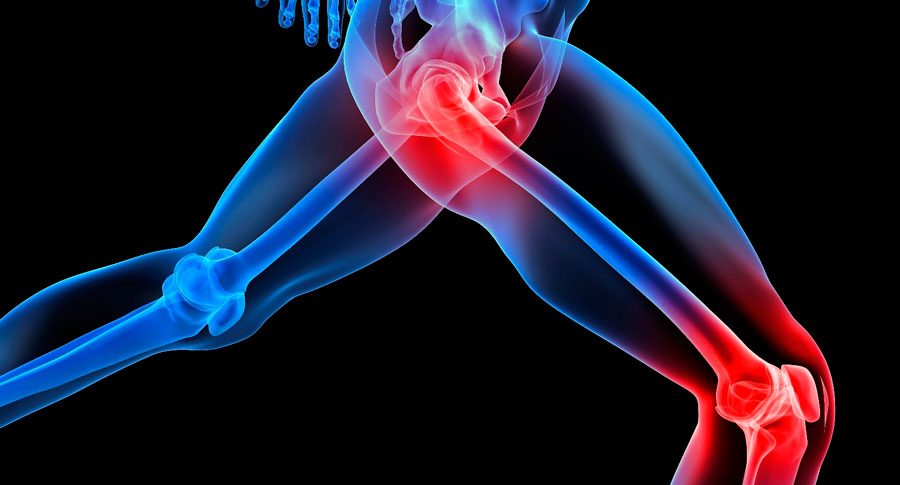
Eating the wrong diet may lead you to develop joint pain. Studies have shown that eating foods rich in gluten can cause inflammation. This inflammation is what causes pain especially on the knees and joints. You may experience actual physical pain in these areas. The joints especially are the ones highly likely to be affected by inflammation.

The most common source of gluten is wheat flour. Others are barley, rye and other foods made with these grains and any foods made with these grains.

Of the available sources of gluten, wheat is the most common that finds it way in most of our diets. Avoiding wheat may prove very difficult to most of us. This is because it would mean avoiding all those delicacies made from wheat flour. Am talking about pasta, bread, cookies, cakes, muffins, pastries, crackers, gravy, sauces, cereal and the list is endless. Beer is also a source of gluten.
joint-pain

You may have experienced pain in the joints at one time. What comes to our minds when that happens is that we are doing too much work or probably taking those many stairs to your office every day may be causing the pain. Well, this may be true since joint strain may eventually lead to joint pain. Past studies have shown that our diet is the main cause of most of the health problems we experience. This is not different from joint pain and the major cause of joint pain has its root with the gluten diet.

Going off gluten may prove next to impossible to most of us. This is because it is in all the good foods out there. But if something affects your health the best thing to do is cut it out.

Additional Facts about Joint Pain: Leaky Gut Syndrome

Digestive problems affect a number of people. Ever heard of leaky gut syndrome? The gut plays a major role in your overall health and well-being. When food is not being digested properly, it can lead to all kinds of unimaginable problems. For one, foods may fail to be properly digested. This would mean that little or no nutrients will be absorbed into the blood stream. When this happens, the body is derived of the essential nutrients it requires to stay healthy.

Leaky gut syndrome is a medical condition that affects the intestinal linings. It occurs when the permeability of the intestinal walls is increased. Due to this increased permeability, large molecules, antigens and toxins are allowed into the blood stream. These lead to inflammation.

The inflammation of the lining of the intestines leads to destruction of microvilli. Microvilli serve a critical role of absorption and controlling what is absorbed by the blood and what will become waste. The damage of the microvilli prevent them from generating enzymes and other gut secretions which are required for the overall health of the digestive system and efficient absorption of nutrients.joint-pain

When this happens bacterial imbalance occurs in the gut. Normally our bodies have bacteria, some useful others harmful. Proper functioning of the digestive system creates a symbiotic relationship between these bacteria. When the permeability of the intestinal wall is destroyed this balance is offset. Pathogenic bacteria increase in the gut and it renders the useful bacteria completely useless. This imbalance is what leads to leaky gut syndrome.

Antibiotics, herbicides, insecticides, fungicides and pesticides are the major causes of leaky gut syndrome. A lot of foods that we take are grown with artificial fertilizers. These harbor a lot of toxins in the foods which are later taken in our body system. These toxins when they reach the gut end up destroying the lining of the gut leading to leaky gut syndrome.

Leaky gut syndrome has been associated with diseases such as arthritis, chronic fatigue, rheumatoid arthritis, acne, eczema, liver dysfunctions among others.

Just like gluten can cause inflammation leading to joint pain, leaky gut syndrome can also be a causative factor for aching joints. The best way to prevent leaky gut syndrome is by properly washing all fresh vegetables and food before cooking and eating.

At AwareMed we not only inform you about the causes of joint pain but we tell how you need to live in order to avoid it!

Wrong Food Causes Joint Pain


Facebooktwitterpinterestlinkedin

Workaholism-An Addiction Or A Quality To Be Appreciated?

Is Workaholism An Addiction Or A Quality To Be Appreciated?

workaholismNo company would be willing to employ a lazy bone, someone who will not take his work seriously, takes the least time at work and yields too little, very social but not very committed to the staff goals and objectives. Such a person has no place in the employment world. Every company would be willing to employ people who are committed to the company goals and can go an extra mile like working overtime when need be for the benefit of the company, somebody whose work helps the company to achieve great milestones and increases the output of the company. However we need to know where the boundary lies as there are people who will spend all their time in the workplace ignoring the other facets of life, they are engraved in the jobs they do so much that they become synonymous to their offices, they spend most of their lifetime working and they seem not know when to stop working and attend to their other facets of life- the workaholics.

What is Workaholism?

This refers to compulsiveness about working; a person who is subject to workaholism is referred to a workaholic. He cares more for work than any other thing to him he will work even if what he is doing is unnecessary, life without work means no sense to him. Workaholism is something that has not been addressed well and so many people who are suffering from this situation may be blinded by mere congratulations that they receive by bosses who might be aware these people’s relationship with work is abnormal. In fact the workaholics are exploited at the expense of their own social lives, they suffer broken families and some do not even marry as they are always at work and do not even attend social events where they could meet their potential spouses. Workaholics can only be good employees but are very poor in parenting and so are mostly involved in family feuds. Workaholism involves excessive time spent working, preoccupation with work to the exclusion of other life facets, loss of control over the parameters of one’s work and disenchantment with work, and negative social, emotional, and health consequences. The etiology of workaholism is not clear but may pertain to persons with compulsive personality traits, who are driven to work harder than that demanded from work contexts, and who have learned to place work as a main means of gratification compared to other lifestyle alternatives. As they spend most of their time occupied with work seeking gratification through work they may become affected health wise and so there is need for workaholics to professional help.

Is it an Addiction or a Quality to be appreciated?

Work addiction unlike other addictive life practices like sex, drug use and even gambling is little understood. There is scarcity of literature on the issue of work addiction and therefore a gap for those seeking to know more about workaholism. The subject of workaholism or addiction to work has been debated and still is being debated as to whether it is a quality to be appreciated or a serious problem that needs professional help. While many employers have viewed workaholics as a productive people workaholism has been linked to some issues both socially and as a family. In one study it was found that workaholics burden their children with roles as they are mostly away working and cannot accomplish most of their responsibilities, their children therefore begin their parental roles much younger and when they are still incapable to handle such stuff. Some of the problems that are associated with work addiction include the following.

Frustration and agitation

Just like any other person chained to other addictive behaviors a person who is addicted to work will suffer when they are forced to stop working even for just a day. They will be agitated and frustrated as work has become their only source of measuring success. It is therefore clear that workaholism is just another addiction that should be addressed just as much as drug addiction and other addictive behaviors like gambling. The fact that there is no law that workaholics break by overworking has only made matters worse for families of these people.

Low energy levels

Workaholics suffer  low energy levels as they always have work that never stops spilling over to other aspects of their lives, workaholics can stop doing other healthy practices like exercise and good nutrition just to continue working and can lead to other health issues like obesity and even increased risk to other diseases some symptoms that have been seen in workaholic include; sleep disorders, weight gain , role conflicts with fellow workers , taking sick-leave , high blood pressure, anxiety and depression and physical pain that may be caused by strain in the body muscles. These people lack control of their work and are overcommitted therefore leading to emotional exhaustion.

Workaholism

Conflict both at work and home

Workaholics are not very social people. They do not value relationships and hence spend most of their time away from their families therefore they create a gap that they ought to fill as parents- spending time with those who depend on them. This often results in conflict that may even cause a breakup between a man and his wife. Needless to mention children of workaholics grow up craving for parental love as most of the time their workaholic parent will be away from them. At work their over commitment nature will always create a gap between him and other employees as he is always in a hurry trying to accomplish a lot therefore will not have time for lunch break charts and grapevine engagements that work well in creating a bonded work family.

Finally, the topic of work addiction has attracted lots of debate but still there is little literature on this issue but from the negative aspects associated with it, it is clear that it is not really profitable to a worker. Dr. Dalal Akoury (MD) of AWAREmed Health and Wellness Resource Center is committed to availing help to addicts by availing some of the most integrative approaches to healing an addict chained to any behavior. Call on Dr. Dalal Akoury (MD) at Myrtle Beach, South Carolina for help.

Is Workaholism An Addiction Or A Quality To Be Appreciated?


Facebooktwitterpinterestlinkedin

Kidney Health and Blood Sugar

Kidney Health and Blood Sugar

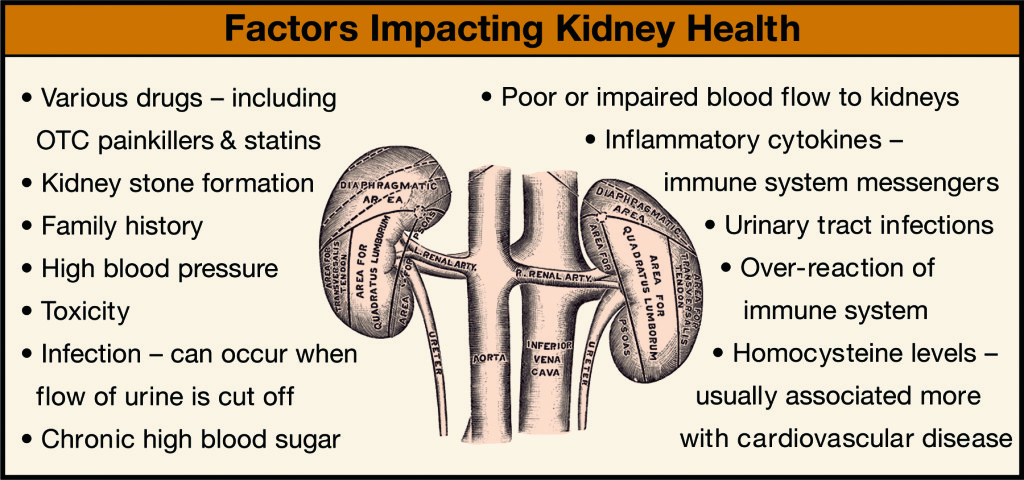
The connection between hypertension and blood glucose is even more insidious than it seems. When you think of hypertension the organs that come into your mind are probably the kidney, then the heart. The kidney refused to regulate the amount of blood sugar. A lot of it got deposited on the walls of blood tissue resulting in some unregulated pressure for this life fluid.

Hypertension often accompanies diabetes in the event of chronic hyperglycemia. Clearly then, the relationship between elevated blood glucose, hyperinsulinemia and kidney health is a complicated one. You probably understand how crucial the kidneys are in maintaining the balance in the body system. The organ plays an essential regulatory role in creating the body’s equilibrium through osmoregulation.

With diabetes, the kidneys are at risk. Yes they often help in releasing of glucose into the blood circulation via a process known as gluconeogenesis, lead the uptake of glucose from the circulation to satisfy the body’s energy needs, and then help reabsorb blood sugar at the point of the proximal tubule. But diabetes can often cause this vital osmoregulatory system to break down.

This happens when the high levels of blood sugar damages the kidneys rendering them dysfunctional. When the kidneys fail they are not able to filter out waste from the blood any more. This may often lead to kidney disease (nephropathy) with time.

Kidney-Health

Where does the sugar come from?

The diet! Organ failure. Related disorders. Genetics. Lifestyle choices such as exercise and lack of it. All these factors bring the excess sugar into your blood. Any of these factors may be responsible for a diabetic condition. This path is however a long one. One does not simply wake up one morning and have diabetes.

Of all these factors, the diet is the major root cause of diabetes. Statistics show that the contemporary world populations take a lot of sugar in their diet. Try to imagine how much soda you take in a week, how much peanut butter you consume, yoghurt, crackers, ketchup…and the list may go on and on.

America alone was last estimated to have its population consume 156 pounds of sugar every year each person. Among these ponds of sugar consumed, soft drinks alone was found to take up 33 percent of the total sugar intake.

Depending with which type of diabetes is in question, the causes are different. Diabetes type 1, for instance is caused by the presence of insufficient insulin in the victim’s body. This involves a condition where for some reason the pancreas failed to produce insulin. Most likely this is caused by some hereditary condition. It may be a case of autoimmunity.

Insulin resistance on the other hand results into the diabetes type 2. This takes time. You take that sugar of yours over time. You are warned about it. Even the doctor tries to prescribe for you a healthier alternative but you remain adamant on the soda and ice-cream routine. So as time goes by, you develop an addiction to sugar. You sometimes see the syndromes coming but you just cannot quit the wrong path.

What happens in the end is the presence of too much sugar in your blood that the organs responsible for its regulation can no longer control it for you. Your kidneys’ nephrons get overworked by having to filter too much blood due to the presence of excess glucose in the bloodstream. So with time, this added work exerts a lot of pressure on these kidney tubules forcing them to lose that filtering ability. As a result, no reabsorption of glucose takes place at the proximal tubule resulting in a very high blood sugar level.

The endocrine mechanism

This blood sugar regulation process involves a complex system of hormone balance. Insulin and Glucagon are the two major hormones involved here. In fact diabetes can more accurately be viewed not as a sugar disease, but rather an insulin disorder. Insulin is responsible for promoting the absorption of glucose from the blood to skeletal muscles and fat tissue. The hormone also causes the fat to be stored in that form instead of being hydrolyzed for energy production. This way hormone insulin regulates the metabolism of carbohydrates and fats.

Insulin is a peptide hormone made by the pancreatic beta cells. It allows the body therefore to use sugar/glucose contained in carbohydrates in the diet to synthesize energy. Alternatively it helps to store glucose for future use in inert form. As such, Insulin helps keep the blood sugar levels from getting too high, a condition referred to as hyperglycemia, or low; a condition known as hypoglycemia.

Diabetes-AwarenessBlood sugar is root-controlled by 3 major organs; pancreas, liver and the adrenal glands, given the fact that adrenaline, thyroxin and cortisol are also involved.

Hypoglycemic conditions stimulate the adrenals and the liver to produce a counter effect with the help of their respective hormones. The adrenal glands increase the production of hormone cortisol which prompts the liver to raise blood sugar levels. In this process of trying to arrest the situation, the increased cortisol eventually leads to weight gain by cortisol mobilizing fat in the body. This causes the fat to settle in the abdomen making it fatter.

Problems posed by the sugar

With the increased sugar levels, diabetes is not the only adversary you are facing. There is more than just the diabetes. Rather, you are faced with an increased cardiovascular disease, obesity, nutrient deficiencies including a reduced level of the essential B vitamins. Dysfunctions related to blood sugar dysregulation are also common. You may also encounter strokes, metabolic syndrome, oxidative stress and a possible adrenal or pancreatic dysfunction.

Physical signs for the blood sugar issue?

Rising blood pressure may be a sign of a cardiovascular problem. You may also experience adult acne, slow healing of wounds, white patches on inside of your cheek, cataracts and sometimes chronic bladder infections.

The good news is that there is a relatively simple way of improving all these conditions at the same time. AwareMed recommends that you follow a reduced-carbohydrate diet that includes plenty of fresh, potassium-rich vegetables, low-glycemic fruits and healthy fats—the latter of which have virtually no effect on glucose and insulin levels.

Kidney Health and Blood Sugar


Facebooktwitterpinterestlinkedin

Easing Menopause Naturally

Natural ways to ease Menopause

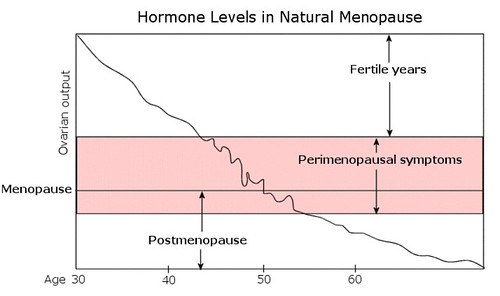
Any changes involving the reproductive cycle of a woman will always send gut wrecking feelings inside her. This is not different with menopause. A woman will naturally start experiencing menopause at the age of 45-55. Menopause is naturally that period when a woman stops receiving her monthly periods. It is characterized with symptoms such as hot flashes, mood swings, weight gain, depression, joint and muscle pains, loss of libido and insomnia.

For some women these symptoms can be a real issue to deal with. In others these symptoms appear even before the menopause, a stage called perimenopause. It is actually the time up to when you receive your last period. However not all women experience these symptoms during perimenopause or menopause.

What you need to understand is that menopause is just a natural stage of life that every woman must experience. It is not an illness that you have to be put on medication for. I have heard of women talking about their experiences when they hit menopause. Some of them are extremely severe while others are just mild. In few cases, some women do not even experience these symptoms except for the fact that they stop receiving their periods. Severe symptoms which may be a real issue may include things like; depression, insomnia, hot flashes and mood swings.

Some of you may be already experiencing these while others are heading there. If you are in the former category probably wondering whether or not you will experience severe symptoms or your transition will be normal. Whatever the case, the thought of heading to menopause is scary. That is normal. After all a woman’s body is prone to many physical changes which are always a little bit scary. It could be confusing to think about how to go about them. Be it pregnancy, menstrual cycle and so on. Approaching menopause is no different.

menopause-natural

Menopause symptoms can last longer that you think. In some women it can last for months while in others these symptoms go on for years. So is there a way out? I know if you are already experiencing menopause you are curious to know what you can do to ease these symptoms which are slowly taking control of you and driving you to the edge.

As you search the internet, you will find so much about how to ease menopause. Some are expensive and very hard to manage. There are however simple and natural ways through which you can handle this transition:

What’s the solution to menopause then?

  • Exercise

A lot has been said about exercise. You have heard that you cannot do without exercise if you want to live a healthy life. Most women forget exercise when they hit menopause. They tend to have this perception that they are growing old and do not therefore need to exercise.  Don’t let this transition stop you. After all it’s just a stage in life not the end of it. Go to that gym. Do yoga if you have to. Run for about 45 minutes in the morning. In short what I am trying to say is do all the exercises you used to do. If you were not exercising before, trust me when you hit menopause this is the time you need that exercise the most.  Research shows that exercise helps ease some of the symptoms of menopause such as weight gain, insomnia, depression, stress and anxiety.  Women in their menopause who exercise regularly do not gain weight unnecessarily. They tend to sleep well and it is also a remedy for depression and stress as it keeps all your senses alert.

Eating a healthy diet is one way of ensuring that you always live a healthy life. For women approaching menopause, eating a healthy diet is one way of balancing the hormones in your body. A healthy diet containing all the nutrients your body requires to remain healthy is recommended. Research has it that, taking a healthy diet for women experiencing or approaching menopause is a good way of easing hot flushes that emerge once in a while.  In regard to this always opt for a diet that is rich in vegetables, essential fats, proteins and carbohydrates. Most importantly don’t forget to include fruits in your diet. Avoid eating polished carbohydrates but always go for the whole grain. In order to keep your blood glucose balanced, ensure that you take one or two snacks a day. The secret here is to eat a balanced diet with the right nutrients. Oh, and don’t forget to take lots of water.  Water is a natural remedy for a healthy individual. It keeps you rejuvenated and youthful.

Stress is a great enemy to good health in women approaching menopause. The moment you start getting stressed, you are inviting depression to creep in. Stress has been noted to start in most women during the menopause transition. The minute you get stressed you cause an imbalance in your body hormones. This can lead to mood swings, emotional imbalance, and digestive problems. Stress has also been linked to menopause symptoms such as loss of libido and flash swings. As a woman always avoid stress. Remember that menopause is just a natural phase of life which you must go through. It does not mean that your life should now come to a halt just because you have hit menopause. No. Take it easy and enjoy all the little things life has to offer.

menopause

  • Emotional Wellness

I have heard of a story of a woman who thought her life was worth nothing because she had lost her house. She ended up suffering from chronic depression because of this. Why would you allow negative thoughts to cloud your mind? Does it mean that now, that you are approaching menopause that it’s the end of your existence?  Most women, who are in menopause or approaching menopause, end up in depression and swallowing antidepressant pills. Some women have had successful transition because they decided to take life easy. Menopause should not mean a pause on all the other aspects of your life. It does not mean that you should now cower in bed thinking life is done.  Think about all the positive things in life. Avoid living in the negative. Always keep track of all the good things in your life and start each day on a positive note. Also avoid anything that you feel only affects you negatively. Some for instance may feel that watching certain programs don’t go well with them but only leaves them feeling dejected.

  • Herbal Remedies

Some herbs have been known to ease menopause symptoms such as hot flushes. These remedies include:


  1. Black Cohosh: studies have shown that this herb helps reduce hot flushes.  Many women who have used it report to have been helped by it during menopause. This herb works by maintaining a balance in the hormonal levels thereby reducing the chances of getting hot flushes.
  2. Dong Quai: the herb is well known for its ability to balance the female hormones. It does not however contain estrogen and in this case it is not recommended for women who are experiencing heavy bleeding.
  • Flaxseed: it contains lignin substances. These substances are known to be effective in balancing hormonal metabolism in females. It is therefore necessary in reducing hot flashes during menopause.
  1. Ginseng: ginseng has been proved to reduce menopause symptoms such as mood swings and inability to sleep. It is also a great remedy for hot flushes.
  2. Evening Primrose Oil: this herb helps in balancing hormones thereby reducing hot flushes during menopause.

AwareMed empowers you with alternative methods to see you through a healthy menopause. Our experts will also recommend for you the best therapies in the event of a severe situation.

Natural ways to ease Menopause

Facebooktwitterpinterestlinkedin

Long-term Effects of Toxicity

Toxicity and Its Long Term Effects

ToxicityToxicity- this refers to a degree to which a substance can be poisonous to anybody who uses it. Most of the drugs of recreation are toxic or are high in toxicity and using them for a long time results in damaged neurotransmitters among other problems. The degrees of toxicity can be categorized as acute, Sub-chronic and chronic. Acute toxicity involves harmful effects in an organism through a single or short-term exposure. Sub-chronic toxicity is the ability of a toxic substance to cause effects for more than one year but less than the lifetime of the exposed organism. Chronic toxicity is the ability of a substance or mixture of substances to cause harmful effects over an extended period, usually upon repeated or continuous exposure, sometimes lasting for the entire life of the exposed organism. This explains why those addicted to drugs are severely affected. The more you expose yourself to the substance the more the toxicity you are subjecting yourself to. Toxicity is not only a worry when dealing with recreational drugs, there are also other substances of high toxicity that you need to avoid. These may include pesticides, some window cleaners and other inhalants. With that said it is crucial to mention that in most cases we get these toxic substances by our own intervention especially through the use of drugs of recreation. Even some drugs that are used in hospitals may be toxic when recommended dosages are surpassed. For example benzodiazepines are very effective drugs when used within the specified dosages but are high in toxicity when used beyond the recommended dosages.

Long-term medical consequences of toxicity

Since exposure to different substances will result in different symptoms of toxicity in the long-term, I suggest we focus on one type of drug and for this purpose we will work with benzodiazepines. Benzodiazepines are also good in this case as they drugs that are used clinically hence the result of their misuse can be of help to many.

Depression and anxiety

Using benzodiazepine for a long time results in depression. It has been found that alcoholics who use benzodiazepines for a long time become depressed. It is possible that benzodiazepines cause or aggravate depression, perhaps by reducing central monoamine activity. However, anxiety and depression often coexist, and benzodiazepines are often prescribed for mixed anxiety/depression. Sometimes, the drugs seem to precipitate suicidal tendencies in such patients. It also causes Emotional anesthesia which is the inability to feel pleasure or pain. It is therefore recommended that benzodiazepines should not be used alone in treating depression.

Dependence

Due to high toxicity of some drugs they will affect the brain causing dependence on these drugs. The long term effect use of benzodiazepines for example can lead to both psychological and pharmacological dependence. After getting dependent on drugs other problems like tolerance and other withdrawal symptoms sets in whenever the person tries to stop using the drug.

Structural Brain Damage

There is insufficient to support the fact that long term use of benzodiazepines can cause structural brain damage. However some drugs have high toxicity and continued exposure to such drugs can cause structural brain damage.

Hemorrhoids – this is not limited to benzodiazepines alone. Long term use of other drugs with high toxicity can cause hemorrhoids where the varicose veins of the anus become painful, swell and itch. This is often caused by constipation and lack of dietary fiber.

Tolerance- long term use of certain drugs results in tolerance where a person will have to use more of a drug to feel the effect. This is a common problem that most people on long term use benzodiazepines go through.

Autopsy findings for inhalants

Inhalants are chemical vapors or gases that affect how the mind works when abused or misused by concentrating and intentionally inhaling these fumes. The inhalants may include volatile organic solvents, fuel gases, nitrites, and anesthetic gases. These inhalants may cause death when a person is exposed to them for a long time. Some of the common inhalants include;

ToxicityAmyl nitrites (poppers) – poopers are normally sold under such names as ram, rush, thunderbolt among other names. They are mostly used by gay men to prolong orgasm and enhance the sensation. Over a time the person will be dependent on these poppers so much that he can’t have sex without them. These poppers have been found to be responsible for many deaths especially through increased risk of HIV. However giving up on poppers isn’t easy since some people depend on it entirely for their sexual purpose. There is insufficient information on the number of deaths that have been caused by use of poppers however in one study it was found that 96% of gays who were HIV positive were using poppers.

Benzenes (gasoline) – CDC defines benzene as a chemical that is a colorless or light yellow liquid at room temperature. It has a sweet odor and is highly flammable. It is one of the inhalants that are greatly abused. When inhaled it alters the way the body cells work for example it can cause bone marrow not to produce enough red blood cells, which can lead to anemia. Also, it can damage the immune system by changing blood levels of antibodies and causing the loss of white blood cells. At extreme intoxication it causes death.

Finally, We at AWAREmed Health and Wellness Resource Center are committed to availing help to addicts by availing some of the most integrative approaches to healing an addict. We advocate for natural healing to all kinds of addiction. Call on Dr. Dalal Akoury (MD) at Myrtle Beach, South Carolina for help.

Toxicity and Its Long Term Effects


Facebooktwitterpinterestlinkedin