Tag Archives: Substance abuse

Types of Addictions

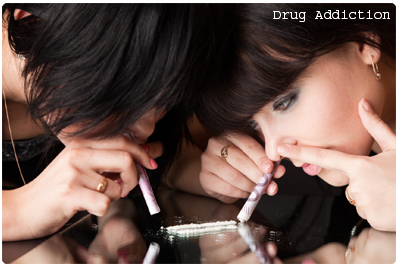
Types of Addictions-Drug Addiction

Addiction

Because addiction is not a respecter of anyone you must take the bold step of getting help.

When you mention the word addiction to anyone they will probably and definitely think of drugs abuse because addiction has been time immemorial been associated with drug abuse. This notion is well guided due to the fact that abused drug may lead to addiction and so this theory is just right. However it is not just the drugs that one can be addicted to there are a whole range of things that we can become addicted to as a society. Some of these may include gambling, exercise, ‘retail therapy’ (shopping), sex, food, alcohol, the Internet, and the list goes on and on. Those many elements of addiction will form our discussion in the coming articles but for the purposes of this article we are focusing the obvious one in many people’s mind that is drug addiction which majorly includes the following:

  • Alcohol
  • Nicotine (smoking)
  • Drugs (cocaine, heroin, amphetamines etc.)
  • Caffeine (coffee, chocolate etc.)

Addiction has been associated with crime, untidiness and reckless behavior among many other behaviors. This school of thought portray drug addicts as people with mental problems and a picture of a pale, skinny individual with needle marks down their arms who lives in the streets and commits crime to feed their habit. This description may be a stereotype but like all stereotypes, it contains an element of truth because for sure there are addicts who look and behave in this way, but then a gain there are also a great many addicts who do not. There are good populations of people who hide their addiction signs so well that no one would notice or detect that they have addiction problem. In our previous postings we have repeatedly stated that addiction is respecter of person. It doesn’t matter who you are or what you do whether you are working class or middle class; young or old; male or female, or married or single, rich or poor addiction can affect anyone of us and the way they do varies between individuals.

Types of Addictions-Alcohol addiction

The substance alcohol is one which legally allowed in the society and besides its addictive nature it is majorly used socially. Many people enjoy a drink and are able to control how much they consume. These are the group that may be referred to as responsible alcohol consumers but the opposite of this are those who will find that alcohol become more than a pleasant social activity and take it excessively these are the group we call addicts who suffer alcoholism and are addicted to alcohol.

Types of Addictions-Nicotine addiction

Nicotine which is present in cigarette smoke is a highly addictive substance and is very difficult to break away from. There are many people who have confessed that they became addicted after their first cigarette puff although smoking experts tend to disprove this. It may take only a few cigarettes for someone to become addicted to the ‘high’ experienced as nicotine affects every area of your body and brain.

The moment you are addicted automatically your body will craves more and more nicotine and that is why there is no such thing as ‘social smoking’. Your body adjusts to a certain level but then requires ever increasing amounts of this to satisfy the urges which mean that you smoke more and more cigarettes.

Types of Addictions-Drug addiction

This includes addiction of both ‘hard’ and ‘soft’ drugs, and examples of these include marijuana, ecstasy, crack cocaine and heroin. There are also hallucinogenic drugs such as LSD, solvents such as glue or ‘poppers’ and prescription drugs such as anti-depressants or tranquillisers.

Another category of drugs are those which are often used to improve athletic performance anabolic steroids. Dear reader this is a wide ranging subject so in order to help our understanding we will have discussions of the individual drugs in our subsequent postings so you don’t want to miss this stay tuned for more information on these drugs on an individual basis.

Types of Addictions-Caffeine addiction

This is very interesting because many of us are ignorant of its effects on our life. I can almost be sure that this morning you took a quick cup of coffee before you left for work and since we are almost using it daily you may be surprise to know that it causing an addiction, caffeine is a powerful stimulant and can cause more problems than you can ever imagine. We know that caffeine is commonly present in tea and coffee but it is also found in cola, chocolate and some types of medication. Caffeine is useful a ‘pick me up’ but like many things in life, if used to excess then it can damage your health.

In conclusion as I said in the introduction of this article addiction is wide and covers a lot but we only dwelt on the drug addiction as a segment and the four forms the greater titles in drug addiction. It is the nature of addiction to negatively re-arrange one’s life, adequate information about addiction is very necessary for you to help you make informed decisions and timely. If you ever notice any of these types of addiction in your life, family member, friend or colleague then you can be of help to them by referring them to doctor Dalal Akoury who is an expert on this and has administered treatment for over two decades now. She is also the founder and the chief executive of AWAREmed Health and Wellness Resource Center. Visiting this facility will be the best thing you can do for yourself when in problems of addiction, her team of experts will focus on Neuroendocrine Restoration (NER) to reinstate normality through realization of the oneness of Spirit, Mind, and Body, Unifying the threesome into ONE and your life will positively change forever.

Types of Addictions-Drug Addiction


Facebooktwitterpinterestlinkedin

Risk Factors for an Addiction

Risk Factors for an Addiction-Drug Addiction

Addiction

The risk for drug addiction are many and known to many, precaution must be taken early

We all live in an environment where nearly everything is addictive and knowing the root causes and the risk factors that can lead to drug addiction so that we can take early precaution. Nonetheless it is also important to clarify that a risk factor is just an indicator for an addiction and not an actual cause of addiction.

Risk factors are contributors to the likelihood of someone developing an addiction. This doesn’t mean that they will become an addict rather that they are susceptible to doing so. These are used by rehabilitation centers, clinics and online sources as a means of determining the causes of a person’s addiction and planning their treatment.

Risk factors include:

  • Environment
  • Genetics
  • Personality
  • Social isolation
  • Injury, illness or disease
  • Type of substance

Environment

This includes family life, surroundings, friends, education and employment.

Risk Factors for Addiction-Family life/surroundings

If you come from a stable family background then there is probably less chance of you developing an addiction although drug addiction can affect any background. However, if you live in a place where drug addiction is seen as acceptable or happens on a regular basis then this can be a risk factor. Being brought up in a house in which drug addiction is prevalent and seen as the norm may encourage you to think the same.

Risk Factors for Addiction-Friends

Your friends often have a major influence over what you say and do and if they engage in drug taking then there is strong chance that you will do the same. Peer group pressure is difficult to resist and many people find themselves undertaking activities they may never have contemplated in order to be part of the group.

Smoking, drinking or taking drugs are often seen as forms of rebellion, growing up or as means of ‘proving’ yourself. This may be more of an issue for young men who traditionally have consumed large amounts of alcohol as a statement of masculinity. In other words, you are more of a man if you can hold your drink.

However, ‘binge drinking’ has become more of a problem amongst young women with the rise of the ‘ladette’ and the resulting behavior that goes with this tag. Young women are consuming more alcohol than before which may be storing up problems in the future.

Risk Factors for Addiction-Education

Young people like to experiment with drink, drugs or cigarettes but they may also feel compelled to do so especially if their group of friends already does so. Smoking behind the bike sheds was something that many people tried when they were at school but nowadays it is not uncommon for drugs or alcohol to be consumed on school premises. Many pupils will openly smoke on their way to and from school as well as during the day.

Risk Factors for Addiction-Employment

If you are employed in a company where drug use is common amongst employees or the nature of the job results in people using drugs or alcohol as a means of coping then it can be hard to resist. People under extreme stress or who work in physically and emotionally challenging roles can turn to alcohol or drugs as a way of relieving their stress. Ironically, doctors have some of the highest rates of alcohol and drug abuse.

Risk Factors for Addiction-Genetics

It has been suggested that our genetics play in part in whether we will become addicts or not. Experts claim that some people inherit genes which increase their vulnerability to drug addiction or their brain chemistry functions in such a way that they are drawn towards certain substances.

Risk Factors for Addiction-Personality

There are people with a particular type of personality who are more susceptible to addiction than others. This includes people who have a nervous or anxious disposition, lack confidence or find it difficult to control their temper. If you have low self-esteem, find it difficult to make friends or say no then you may be at greater risk.

Social isolation

An addiction such as alcohol or drugs can help someone who is lonely, feels isolated or who has withdrawn themselves from society. In this sense their addiction is seen as a ‘comforter’ or a ‘coping mechanism’ and in their own minds enables them to cope.

Injury, illness or disease

An addiction can develop from legitimate substances such as prescription drugs. These are prescribed to treat an illness or injury but people can become dependent upon these. It is only when the drug is withdrawn or the dose reduced that a problem comes to light.

Risk Factors for Addiction-Type of substance

Some drugs are more addictive than others. Drugs such as cocaine, heroin or nicotine can cause an addiction the first time they are used whereas others will lead to a dependency over a period of time, e.g. prescription drugs. Addiction is often the result of more than one factor. These risk factors plus a vulnerable personality can lead to an addiction. Having known these risk factors we as a society and as a nation extending to the world over must take appropriate measures to ensure that we stop this menace permanently. To effectively do this we need the professional opinion of expert. For instance doctor Dalal Akoury the chief executive and Founder of AWAREmed Health and Wellness Resource Center is one of the best practicing doctor globally that has offered addiction treatment naturally offering her exclusive NER Recovery Treatment to other physicians and health care professionals through training, clinical apprenticeships, webinars and seminars. Anyone suffering for from whatever kind of addiction at whatever stage will get real professional touch from the expert and within no time you will be back on track living your life to the fullest.

Risk Factors for an Addiction-Drug Addiction


Facebooktwitterpinterestlinkedin

Who is addicted to drugs

Who is addicted to drugs-Addiction Discussed?

Addiction

It matters most who is addicted to drugs. Today even very young people are addicts

Everyone would want to be free to enjoy all that life can offer without any unjust limits put to them. This is a worthy desire and failure to grant it would only mean that there is a problem somewhere that needs to be solved for people to live and enjoy life to the fullest. Those problems or hindrances can be physical, emotional or mental. One of those life hindrances is addiction. It can come in so many ways but the bottom line is that when it is present the addicted person and the people around him or her are not happy and so the full life enjoyment is affected. We want to understand this problem by discussing and answering the question who is addicted to drugs.

Many people suffering from addiction are always in self-denial making it difficult to help them and so the most important thing is that of recognizing you have an addiction. How then to you get to know that you are addicted to something? Having an addiction means that you are controlled by your need for a particular substance to satisfy cravings and prevent withdrawal symptoms. When things have got to the point that you are unable to get through the day without for example a drink, a cigarette then you have a problem.

Addiction is not about the quantity of drugs you take, it is not about the amount of cigarettes you smoke, the number of drinks you have it is to do with the effects of taking a particular substance. Basically, if your addiction is the focus of your life then you need to seek treatment.

Who is addicted to drugs-Is dependency the same as an addiction?

Differentiating these two is very tricky as some people see the two terminologies as interchangeable whereas others argue that they are separate conditions.

Addiction occurs when something you do on a casual basis becomes a habit which you are unable to break. So if you enjoy going out for a few drinks a couple of nights in the week but this becomes every night then it can be said that you have developed an addiction.

Dependency then occurs if you feel unable to cope without access to a substance or if you suffer from withdrawal symptoms if you do. This is often the case if your addiction has been present for a long period of time.

Some experts argue that you can be dependent on a substance without becoming an addict. But can one become an addict without having a dependency? This can be confusing sometimes, one explanation is that someone can be taking a prescription drug for a long period of time and have developed a dependency on that drug. In this situation they have been taking a legitimate drug but their body has adapted to the dosage and requires higher doses in order to achieve the same effect. But they do not achieve a ‘high’ or a feeling of elation (‘buzz’) or any other extreme reaction.

Dependency can occur with other activities such as shopping, internet use, chocolate, food, gambling etc. Nonetheless if these are withdrawn then the person concerned doesn’t experience any physical withdrawal symptoms. They might feel peeved or frustrated – for example not being able to indulge their taste for retail therapy, but it will not affect their health.

However, an addiction causes physical and psychological changes in the body and removing the source of this or going without results in withdrawal symptoms such as the shakes, nausea, insomnia, irritability and paranoia. Examples of this include cigarettes, drugs and alcohol. Another aspect is that many people consider an ‘addiction’ to be more severe than dependency.  Many people have a mental image of a ‘drug addict’ as someone who leads a sordid lifestyle, injecting themselves with drugs and generally, at rock bottom. They are often seen as a hopeless case and less worthy of help than someone with a dependency.

Who is addicted to drugs-Addiction v dependency?

If you are still confused between the two then consider this:

  • Do you need that substance to relieve pain due to a chronic illness or injury, e.g. painkillers, prescription drugs etc. This will enable you to function as normal but without any changes in mood or behavior. Or
  • Do you experience physical and mental cravings for that substance which you know will give you a ‘buzz?’ This substance will satisfy your cravings and give you that feeling of euphoria that you cannot do without.

If you considered the first then you could be said to have a dependency. But if you answered the second then you may have an addiction. If you are still wondering then have a look at some of the possible signs of addiction to help you have our question who is addicted answered

Who is addicted to drugs-Signs of addiction?

  • Reduced or loss of appetite
  • Weight loss
  • Headaches
  • Dry mouth
  • Nausea and/or vomiting
  • Tiredness
  • Insomnia
  • Mood swings
  • Anger
  • Irritability and frustration
  • Lack of patience with one’s self and others
  • Lack of concentration
  • Paranoia
  • Neglecting your appearance/poor personal hygiene

These are physical and mental signs of an addiction however there are also social changes to consider such as withdrawing from other people, lack of interest in what they do, not wanting to socialize or mixing with people who you might have considered ‘undesirable’ before now.

If you find that you are spending vast amounts of money on your addiction or other people consider you to have become unreliable or untrustworthy then this also indicates a problem.

Have your colleagues at work noticed a difference in you? Is timekeeping a problem? Do you find that you have trouble concentrating at work or are bad tempered or moody?

Finally, do you feel you are losing control? It is often the case that friends or family members will tell you if they think you have an addiction rather than you recognizing this for yourself. But it is important for you to admit that you have a problem and want to give up. This will be difficult but the first and most important step in the treatment process is realizing that you are an addict – whether that is caffeine, tobacco, alcohol or ‘soft/hard’ drugs. With the first step taken the second will be for the expert to take over and at AWAREmed Health and Wellness Resource Center under Doctor Akoury’s care you will meet not just expert but caring ones who will focus on Neuroendocrine Restoration (NER) to reinstate normality through realization of the oneness of Spirit, Mind, and Body, Unifying the threesome into ONE

Who is addicted to drugs-Addiction Discussed?


Facebooktwitterpinterestlinkedin
64142166_9d8ec6b065

Heroin Addiction, Creating Understanding for Treatment and Recovery

Exploring Heroin Addiction: Basic information and history

heroin Addiction

Victim of heroin addiction abusing the drug

Heroin addiction is on the rise. Heroin can be found as a white or brown powder, or as a black sticky substance. It is classified as an opiate, which stands for drugs that are naturally or synthetically derived from the flowers of the poppy plant. Heroin is synthetically extracted from Morphine, a naturally occurring substance derived from the seedpod of the Asian opium poppy plant.

The street heroin, also known as “black tar heroin”, appears black because of the impurities added to it during its production, known as “cuts”. These are mostly sugar, powdered milk and even poisons such as strychnine. Most of these do not fully dissolve and can cause a clogging of the blood vessels that supply blood to the vital body organs when injected.

Heroin was synthesized to assist the addicts recovering from Morphine, it being a “non-addictive” substance. Unfortunately, it proved to be even more addictive than Morphine.

Heroin has various street names which include; H, Horse, Smack, Brown Sugar, Dope, Skunk, Skag, White Horse, China White, Mexican Black Tar, White Horse, Nose Drops, Hell Dust, Thunder and Junk.

What is Heroin addiction? How Heroin is consumed?

Heroin is normally injected, inhaled by sniffing or snorting and smoked. All of these methods ensure that the Heroin is absorbed into the brain at a very high rate. It is this high rate of absorption by the brain that causes Heroin to make changes in the brain that later result in addiction. The Mexican Black Tar kind of Heroin is mostly injected because of its consistency.

How Heroin addiction affects the Brain

In its independent state, Heroin is a harmless drug. But when it reaches the brain, it is converted back to Morphine. It is then bonded to the molecules in the brain known as opioid receptors. These receptors are normally located in the part of the body involved with pain. This, combined with its analgesic nature, result in the user feeling emotional and physical pain and aches reducing. Also because it is sedative in nature, the users have reported experiencing feeling a warmth, relaxing feeling of detachment and less anxiety. These effects appear very quickly and that is why the users describe feeling a “rush” of euphoria suddenly engulfing them, making them feel “high” and relaxed.

After these initial feelings, the users feel drowsy and experience a clouded brain. These feelings can last for a very long time. Also because opioid receptors are located in the brain stem, which controls the critical processes of life like blood pressure and respiration, users experience a slowing down of the basic body functions like breathing and heartbeat.

Heroin Effects and Heroin Addiction

After the user has experienced the initial surge of emotions, there follows a wide range of body reactions. These include; shortness of breath, constricted of pupils, dry mouth, sudden changes in behavior or actions, droopy appearance, hyperthermia, vomiting, nausea and sedation.

Within hours of these effects fading, the user will crave for more Heroin and if they fail to administer it into their system, they will enter a state known as withdrawal. This state is characterized by symptoms such as restlessness, muscle and bone pain, diarrhea and vomiting, cold flashes with goose bumps known as “cold turkey” and kicking movements known also as “kicking the habit”.

Pregnant Heroin users risk spontaneous abortion, low birth weight and eventually the infant may be born with physically dependent on heroine, suffering from neonatal abstinence syndrome (NAS). This is a disease that infants get infected with, making them withdraw from medicine. Though recent studies have shown treating opioid addicted expectant mothers with buprenorphine which is a medication for opiod dependence can reduce NAS symptoms.

As a result of heroin addiction, a state in which the body cannot function without the drug in its system, and tolerance- a state in which the body requires a higher dosage of the drug in order to function, heroin addicts may develop certain behavioral and physical changes. These include; infection of the heat valve and heart lining, disease of the kidneys, abscesses and skin infections, liver disease, a risk of contracting HIV, constant runny nose, lying among others.

Treatment of a heroin addiction

Heroin addiction can be treated through various ways including therapy and medicinal. In medicinal use, the inpatient program is recommended compared to the outpatient program which should be applied after a patient has completed the inpatient program. Example of medicinal is by use of buprenorphine and methadone. These work by binding to the receptors as heroin though weakly, so a user can slowly reduce dependence on the drug. There is also the use of naltrexone. This blocks the opioid receptors so the drug cannot reach, though patients normally have a hard time using this drug. There is also the use of naloxone albeit during emergency treatment of heroin use.

Where therapy is applied, contingency management is often encouraged and patients can earn voucher points for each negative drug test. These points can be later exchanged for goods.

In cognitive-behavior therapy, the patients are taught stress coping skills and learn to modify addiction.

Getting the right Treatment through experts: Dr. Dalal Akroury

Heroin Addiction expert

Best Addiction Treatment Education – Helping Addicts Recover

Due to the seriousness of heroin addiction cases as a threat to life, it’s of great essence to only choose qualified addiction experts and professionals like Dr, Dalal Akoury of Awaremed Wellness and Resource Center. When all the aspects of addiction is addressed and proper treatment employed, success is eminent. Dr, Dalal’s treatment focuses on the restoration of the body, the mind and the spirit to bring a wholesome transformation of life of the addiction victims.

If you need addiction training that touches on all the genetics and epigenetics of addiction, then Dr. Dalal is the right expert to offer this. Their addiction training also focuses on physicians wanting to become addiction experts.

Exploring Heroin Addiction: Basic information and history

Enhanced by Zemanta
Facebooktwitterpinterestlinkedin

The Addicted Brain

The addicted brain-How Drugs Affect the whole system

Brain

Your brain is all you need to be of sound mind protecting it from drug addiction is a step in the right direction

Generally drug addiction and all kind of addiction for that matter have been consistent problems for a long time. It is so because of its lasting effect in the brain functions which are not easy to correct. Take for example in the US where the scourge is prevalent how many brains are addicted to drugs, statistics has it that about 2 million are heroin and cocaine addicts, 15 million alcoholics and several millions are cigarette smokers. Several decades ago this was a disaster because little was known about addiction but today a lot has been established and that knowledge is beginning to influence addiction treatment and prevention. This therefore brings us to the question why opium?

The addicted brain-Why does the brain prefer opium to broccoli

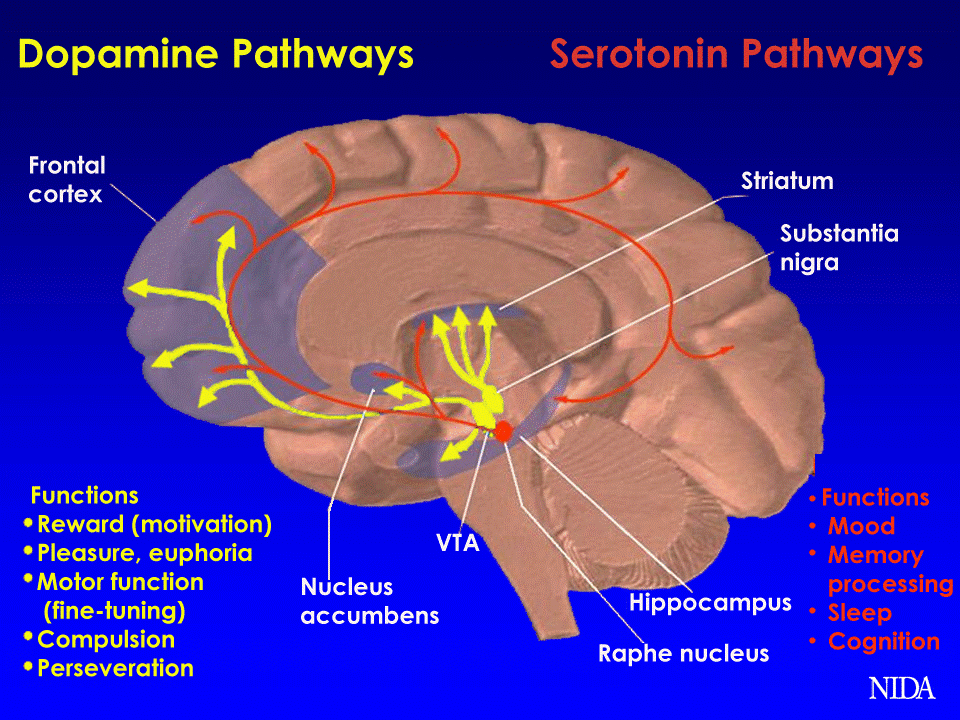
This is very interesting and the answer involves the nucleus accumbens a group of nerve cells located under the cerebral hemispheres. When one execute an action which satisfactorily fulfills ones desire the neurotransmitter dopamine is released into the nucleus accumbens and produces pleasure. This communicates that the action facilitates survival or reproduction, directly or indirectly. This system is refferd to us the reward pathway. Undertaking an activity which provides this reward enables the brain to register the experience and we are likely to repeat the same thing again. The damage to the nucleus accumbens and drugs that block dopamine release in the region make everything less rewarding. Naturally rewards usually come only with an effort and after some interruptions and addictive drugs normally provide a shortcut each in its own way sets in motion a biological process which result in flooding the nucleus accumbens with dopamine. The pleasure is not helping the existence or reproduction and evolution has not provided our brains with an easy way to withstand the onslaught. If one becomes addicted through consistent use of a given drug, then the overwhelmed receptor cells will call for a shutdown reducing the natural capacity to produce dopamine in the reward system. This will make the brain to lose its access to other less immediate powerful sources of rewards. This may require the addicts to constantly use higher doses and quicker passage into the brain. This is seen as though the machinery of motivation is not functioning anymore and so they want to use the drug even when it has ceased giving pleasure to them.

The addicted brain-Compelling memories

The change in the reward system alone does not necessarily denote the persistence of addiction as many addiction victims may admit that stopping may be easy because they have probably done it often. They (the addicts) go through long periods without taking the drug, but they risk relapse even after years of abstinence, when the dopamine reward circuit has had plenty of time to recuperate. They are victims of conditioned learning, which creates habitual responses. Drug-induced changes in the links between brain cells establish associations between the drug experience and the circumstances in which it occurred. These implied memories can be recovered when addicts are subjected to any reminder of those circumstances like moods, situations, people, places, or the substance itself. For example heroin addict may be in danger of relapse when they see a hypodermic needle, an alcoholic when they walk pass a bar where they used to drink or when they meet a former drinking companion. Most addicts may restart the habit on falling into a mood in which they used to turn to the drug. It must be noted that a single small dose of the drug itself can be one of the most powerful reminders.

The addicted brain-Stress

Internal or external stress is another cause of relapse. The nucleus accumbens will direct signals to the amygdala and hippocampus, which record and amalgamate memories that evoke strong feelings. When you asked the addicts why they relapse they are likely to make references as “my job was not going well,” or even, “The traffic was frustratingly so heavy that day.” These responses can only suggest that they are hypersensitive to stress, either congenitally or as a result of past addiction. Stages of corticotrophin releasing hormone (CRH), the brain chemical that regulates the stress hormone system, often rise in addicts just before a relapse, while the amygdala becomes more active. Findings from the resent research established that addiction involves many of the same brain pathways that govern learning and memory. Addictions can changer the strength of connections at the synapses (junctions) of nerve cells, especially those that use the excitatory neurotransmitter glutamate. Underlying these changes are drug-induced activation and suppression of genes within nerve cells, another process scientists are beginning to explore.

The addicted brain-Why we are not all addicted

The reward system may be more vulnerable, responses to stress more intense, or the formation of addictive habits quicker in some people, especially those suffering from depression, anxiety, or schizophrenia, and those with disorders like antisocial and borderline personality. It has been established that almost 50% of individual disparities in susceptibility to addiction is hereditary and according to a recent report, one gene variant diminishes the quantity of dopamine release caused by cocaine in human beings a genetic defense against at least one type of addiction. Individuals also differ in their ability to workout judgment and inhibit impulses. The brain’s prefrontal cortex aids to establish the adaptive value of pleasure recorded by the nucleus accumbens and checks the urge to take the drug when it would be unwise. If the prefrontal cortex is not working correctly, an addictive drug has more power to dominate the reward circuit. Research shows that the prefrontal cortex is not completely established in adolescence, which could elucidate why we often develop addictions at that stage of life. In other words if one does not indulge in smoking before  age 21that person is likely not to become addicted to nicotine

The addicted brain-Implications for prevention and treatment

Although findings on the addicted brain are suggesting new approaches to treatment, progress has been limited so far. Researchers have tested dopamine receptor antagonists, drugs that bind to receptors for dopamine and prevent addictive drugs from acting. But these substances usually have too many side effects because they also interfere with the motivation for natural and adaptive rewards. One way to avoid side effects is to disrupt the mechanisms by which individual drugs start the process that culminates in dopamine release; for example, the opiate antagonist naltrexone is now used to treat both heroin addicts and alcoholics. The biggest problem is preventing relapse. Neutralizing the pleasurable effect of the drug is not enough because reminders of the drug experience perpetuate the longing and cause addicts to stop taking the counteracting medication. Glutamate has been the main target of research on relapse prevention. In one experiment, formerly addicted rats returned to using cocaine when their hippocampi the brain region where memories of the drug experience are likely stored were electrically stimulated. A drug that blocked glutamate activity prevented this re-addiction. An all-out assault on glutamate is impossible. Half the neurons in the cerebral cortex use this transmitter, and a major reduction in its activity would be toxic. Instead, researchers are trying to target specific types of glutamate nerve receptors in specific parts of the brain. Acamprosate used in the treatment of alcoholism, acts at the NMDA receptor, a type of glutamate receptor. The anticonvulsant topiramate (Topamax), another proposed medication for alcoholics, may also act at that receptor. Memantine a relatively new drug that blocks NMDA receptors has proved promising in one small study of heroin addicts. Researchers are working on other approaches to medication for addictive disorders. Some are looking into the possibility of preventing stress-induced relapse by blocking the activity of CRH. Others are experimenting with immunization for cocaine and nicotine training the immune system to recognize the drug by injecting a molecule that simulates its effect, creating antibodies with the capacity to break the drug down before it reaches the brain. The addicted brain-The old and the new Finding new things is a continuous process and as scientists dig into addiction it is being revealed that chemical solutions may not be found anytime soon. Therefore in future treatments will only help to psychosocial treatment. This can only mean that we will still embrace 12-step self-help groups, behavioral therapies, and exploration of traumatic and everyday proficiencies which are likely to have distressed the balance of the reward and inhibition system. Behavior therapy offers the bases of reward and punishment that contest with the drug, such as payment for clean urine in the form of vouchers, or contingency contracts (in which addicts consent to forgo their cherished item if they go back to drug consumption). Motivation or will can be regarded as a brain function that is damaged by addiction, just as language or movement can be damaged by a stroke. In successful treatment of a stroke, other parts of the brain assume the functions of the injured region. In the same way, treatment for addiction may be able to make use of the remaining healthy parts of the motivation system to repair the damage. Twelve-step groups and motivational enhancement therapy could be seen as ways of accomplishing that. Administering treatment is often subject to the type of addiction and the addict. Novelty seekers and risk takers with inadequate reserve and conclusion may not respond to the same methods applicable to persons aggrieved by traumatic stress or hypersensitivity to daily stress. The great lesson we can get from this is that addictions are treatable chronic conditions but stretch longer to cures. When we know the nerve receptors targeted by the addictive drugs we get to learn more about their separate and common effects. However there is still a lot to be achieved about:

  • How changes in reward circuits results to addiction
  • How the brain creates the unconscious memories that make addicts susceptible to relapse
  • Why some people are especially vulnerable to addiction
  • How to translate the knowledge we have into more effective treatments.

New brain research proposes that addiction is not just a property of certain drugs but a characteristic of certain human activities and relationships. Experts have established that there are similarities between the brain scan images of compulsive gamblers and drug addicts. The impression of addiction to television, video games, overeating, or sexual behavior may be more than a comparison. Discovering the biology of addiction could lead to a profound understanding of the sources of all human motivation and habit formation and this can only be done by the involvement of experts like doctor Dalal Akoury who has been of great help to many people the world over for over two decades now.

The addicted brain-How Drugs Affect the whole system


Facebooktwitterpinterestlinkedin