Tag Archives: Overweight children

Understanding weight gain and cancer risk

Understanding weight gain and cancer risk: Why this is very necessary
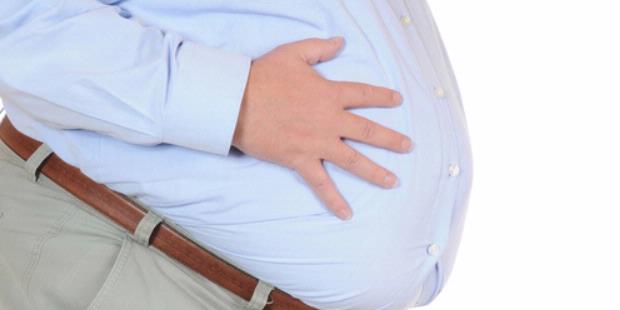
Understanding weight gain and cancer risk

Understanding weight gain and cancer risk is the starting point for total elimination of both obesity and cancer in our lives

For a while now we have been in serious discussion about effects of being overweight to our general health.  It was very evident that being overweight and obese are not friendly at all to human health. For the purpose of this article we want to progress with that but on specific diseases. Therefore our focus is going to be focusing on the understanding weight gain and cancer risk in our lives. Doctor Dalal Akoury who has been very helpful to us is taking us through this discussion and if you have any disturbing concerns, then you can schedule for an appointment with her today for professional guidance about all your weight related concerns as well as those touching on cancer as a disease. The truth is being overweight or obese is a risk factor for several types of cancer (check on types of cancer segment). Although a higher weight may not necessarily cause cancer, the associated problem is maintaining a healthy weight is thought to be connected with a lower risk of many chronic diseases and cancer is one of the chronic diseases known. Doctor Akoury says that there are so many resources out there which can be very useful in helping you keep and maintain a healthy weight. You can talk to your doctor or dietitian to help you develop an appropriate weight loss program that can be friendly to you. In the meantime if you are with reach then you can easily call doctor Akoury for assistance. All that you need is well packaged at AWAREmed Health and Wellness Resource Center a facility founded by this great professional (doctor Akoury) to impact positively on people’s lives. The magnitude of the problem can be seen from the available statistics which indicate that more than two-thirds of American adults are overweight or obese which can either be substantial or extreme overweight. Just for purposes of jogging up your mind, when a person is overweight or obese, it means that they have too much body fat in relation to lean body tissue, such as muscle. Being overweight or obese are conditions caused by several factors including:

People who are overweight or obese have a higher risk of many serious health conditions, including type II diabetes, high blood pressure, and heart disease. Being overweight or obese is also associated with an increased risk of cancer which is our point of focus in this discussion.

The need of Understanding weight gain and cancer risk

Several studies have been conducted and an overwhelming number have actually established that being overweight or obese may increase cancer risk and growth. Like for instance, people who are obese have more fat tissue that can produce hormones, such as insulin or estrogen, which may cause cancer cells to grow. How your weight changes throughout your life may also affect your risk for cancer. Although more research is needed, studies have shown that the following factors can affect your cancer risk of cancer:

  • High birth weight is associated with higher cancer risk.
  • Weight gain during adulthood is consistently associated with an increased risk for several types of cancer.
  • Weight cycling (losing and regaining weight repeatedly) may also be a risk factor.

Research suggests that maintaining a healthy weight is associated with a lower risk of cancer and a lower risk of cancer recurrence (when cancer comes back after treatment) in cancer survivors.

Understanding weight gain and cancer risk: Types of cancer linked to overweight or obesity

We have probably discussed this before but all the same, some types of cancer appear to be closely linked to weight, although this relationship has not been proven for all cancers. Some cancers in which overweight has been found to be consistently associated with increased risk are:

Take note that even though further evidence is needed, being overweight has been associated with other cancers like:

  • Prostate
  • Ovarian
  • Multiple myeloma
  • Liver
  • Cervical
  • Non-Hodgkin lymphoma

Understanding weight gain and cancer risk: Weight loss and weight management tips

To control weight gain, it is first very important to get the professional information about what you eat, how much you exercise and to make healthy choices about what you eat and drink. This may not be easy and can be quite challenging because eating a high-calorie diet is typical in most nations including the United States today. The reasons for this include a plentiful, relatively low-cost food supply and large portions. The following are some of the guidelines that can be very helpful:

  • Eat more vegetables, fruits, lean protein, and whole grains. Some types of food, such as broth-based soups, also help a person feel full faster.
  • Limit foods and beverages that are high in sugar, such as juice and soda.
  • Eat and drink only as many calories as you need to maintain a healthy weight and support your level of physical activity.
  • Increase levels of physical activity. Most people should aim for 30 to 60 minutes per day of moderate-to-intense exercise on most days. However, even a small increase in physical activity has benefits.
Understanding weight gain and cancer risk: Suggestions for people who are overweight or obese

If you are currently overweight or obese, it is best to start by taking steps to lose weight through nutrition and exercise. Aim to lose 5% to 10% of your body weight as your first goal. Most hospitals and health-care organizations have professionals on staff that can provide weight management treatment. For instance, individualized counseling provided by a dietitian can help people lose weight and provide support. If nutritional changes and increasing physical activity aren’t enough, there are other steps you can take. In the event that you are facing difficulties in managing your weight effectively in spite following the professional guidelines given then you may want to seek for a one on one appointment with the experts at AWAREmed Health and Wellness Resource Center. Up on the receipt of your appointment, doctor Akoury will evaluate your individual conditions and administer treatment as is professionally require. Meanwhile the following are some of the options you will have at your disposal: A change in lifestyle behaviors – Behaviors that both reduce the amount of food eaten and increase physical activity should be changed before other weight loss treatments are considered. A registered dietitian, exercise physiologist, clinical psychologist, or doctor who specializes in weight loss can help. Medications – The use of drugs can help a person lose weight if changing diet and increasing exercise do not work.

Understanding weight gain and cancer risk: Why this is very necessary


Facebooktwitterpinterestlinkedin

Weight Loss Recommendations for Children

Weight Loss Recommendations for Children: Do you have an Obese Child?

Weight Loss Recommendations for Children

Weight loss recommendations for children are not the same as those of adults. Children are still in the process of growth and development.

To begin with losing weight is healthy for everybody irrespective of the age or status. However, the approach given is completely different when it comes to adults and children. Like for instance, the weight loss recommendations for children are not the same with those of adults. Why is this so? Doctor Dalal Akoury explains that children are still in the process of growth and development unlike adults and therefore they need calories to achieve this besides the calories that their body requires for daily metabolism and physical activity. It is believed that children who eat too little may not have enough calories to grow in height. Guided by these reasons, it is only fair that a child’s calories should not be interfered with too much and weight loss recommendations for children should be quite modest. In view of this the current recommendations for weight loss in children have two main objectives:

  • To ensure that the child grows and develops normally and
  • To help the child reach a healthy weight

Experts in the field of pediatric weight management have developed broad treatment recommendations with these two objectives as the guiding factors.

Weight Loss Recommendations for Children: When to Maintain Weight

Maintaining weight allows children to “grow into” a healthy weight as they get taller. Children who are encouraged to develop healthy eating and activity patterns without “dieting” can stop excess weight gain and maintain their weight while growing taller. Specific recommendations for maintaining weight in a healthy range include:

  • Eating at least five daily servings of vegetables and fruits
  • Eating breakfast daily
  • Limiting portion sizes
  • Minimizing or eliminating sugar-sweetened beverages
  • Limiting screen time to no more than two hours per day
  • Not putting a television in the child’s bedroom and
  • Getting at least one hour of daily physical activity.

Weight maintenance strategies can be used with children as young as two years of age. For children whose height is increasing, weight should be held steady as the child grows and until the child’s Body Mass Index (BMI) drops down into the normal range, that is, below the 85th percentile. Under these circumstances you can choose to maintain the weight

Weight Loss Recommendations for Children: When to Lose Weight

Weight loss may be recommended for children over two years of age if their BMI progressively continues to increase after three to six months of weight maintenance efforts and if medical conditions associated with weight gain like hypertension, high blood cholesterol, or high blood glucose, as well as sleep apnea, asthma, and gastrointestinal problems, persist. Children at or above the 99th percentile for weight may require a comprehensive, multidisciplinary weight management program that is designed specifically for children and has a track record of lasting results. Emphasis should be made that children will always be children and adult-based weight-loss programs are not appropriate for them.

It is important to appreciate that before a child is 12 years, children’s weight loss should be at an average of 1 pound per month. This gradual weight gain will allow them (the children) to continue growing in height (taller) and building their muscle. Children can be successful at losing weight gradually, a goal that rewards parents and children with a sense of accomplishment. In addition, the type of healthy eating that promotes slow weight loss is easy to sustain over time.

Weight Loss Recommendations for Children: Weight loss options

Parents have a seemingly endless number of options when it comes to deciding their child’s summer plans. With so many traditional summer camps and “fat camps” to choose from (not to mention the temptation of simply hoping your child’s weight issue will resolve itself, continuing along the same path of diets, gyms and personal trainers), it’s important to choose your child’s summer plans carefully. And because of the many options at your disposal, you are likely to get confused in the process. Just for the avoidance of doubt, seeking for professional help will not harm in anyway. The good health of our children should come first and therefore, we must not gamble with the lives of our children. I want to encourage you to schedule for an appointment with the experts at AWAREmed Health and Wellness Resource Center under Doctor Akoury’s care. Up on doing so, doctor Akoury who is also the founder of the facility will help you shed off any doubt or concerns you may be having.

“Fat camp” is a term used in popular culture to describe a camp where a child is sent to lose weight. The term ‘fat camp’ is one that we don’t use at AWAREmed Health and Wellness Resource Center because it is the antithesis of what we represent. In fact, we wish the term ‘fat camp’ would go away altogether from the vocabularies of weight and weight related concerns. But given the popularity of ‘fat camps’ as a descriptor, and the reality that there are many traditional fat camps in existence still, we want you to understand what makes AWAREmed Health and Wellness Resource Center different.

Weight Loss Recommendations for Children: Fat Camps Do Not Promote Long Term Weight Loss

AWAREmed Health and Wellness Resource Center is renowned for equipping both young and old clients with the skills they need to make healthy choices for the rest of their lives. Unlike fat camps which restrict food, boot camps that demand activity, or diet camps which simply put clients on a short-term diet, AWAREmed Health and Wellness Resource Center exposes clients to a range of exciting activities and provides them with a safe environment in which to learn to regulate their food intake and activity levels. This is actually guided by the vision of Dr. Akoury which made her to create this medical center whose main objective is to transform each individual’s life through increasing awareness about health and wellness and by empowering individuals to find their own inner healing power. The motivation of Dr. Akoury is seeing people both young and old have their lives back. That is why her practice focuses on personalized medicine through healthy lifestyle choices that deal with primary prevention and underlying causes instead of patching up symptoms. The health of your children will be safe with her and all you need to do on your part is to schedule for an appointment with her today and start the worthy journey of hoe and good healthy weight for you and your children.

Weight Loss Recommendations for Children: Do you have an Obese Child?


Facebooktwitterpinterestlinkedin

Overweight children and advice for parents

Overweight children and advice for the parents: Parent Ore their children the duty of care

Overweight children and advice for parents

Overweight children and advice for parents. Parents have a duty to give feeding guidance to their children if obesity and overweight war is to be worn

For those who are religious the holy book states that teach a child the way he should go and when he grows up he will not depart from it. That is not just a motivating statement but it is loaded with a lot of truth. Children are very observant; more than 80% of what the children learn is out of observation. We are focusing on the overweight children and advice for the parents who bring up these children. If your child is overweight dear reader, there are lots of things you can do to help them become a healthy weight as they grow. Doctor Akoury says that, as parents we ore our children the duty of care to protect them from all kinds of harms. Weight gain is one of the dangers that we must shield our children from. While appreciating that at times it may be difficult to tell whether your child is overweight because it is not only about the appearance. The child may not appear to be heavy, but he is still overweight. Coupled with the fact that many children are today being born heavy, we are probably a custom to seeing bigger children yes, but this doesn’t absolve us from playing our role as the care giver to our children.

There is a lot you can now do to help your child reach a healthy weight. Research has established that children who achieve a healthy weight tend to be fitter, healthier, better able to learn, and more self-confident. They’re also less likely to have low self-esteem and be bullied by their mates in their environs. And most importantly is that they’re much less likely to have health problems associated with weight gain in their adulthood. Therefore as parents we must take our rightful positions to help our children become a healthier weight. This can be done by making them to be more active and eat well balance diet. Nevertheless the following are some of the practical suggestions that can help you bring up healthy children.

Overweight children and advice for parents: Steps for success

To be successful in anything, you must work towards it. In our case we want health weigh children and the following are some of the works you need to do, first:

  • Be a good role model
  • Encourage at least one hour of physical activity on a daily basis
  • Keep to child-size portions consistently
  • Eat healthy meals, drinks and snacks
  • Less screen time and more sleep

Let us now consider each of them briefly as we progress into the discussion.

Overweight children and advice for parents: Be a good role model

One of the best ways to instill good habits in your child is for you to be a good role model. Like I have mentioned above children learn by example. One of the most powerful ways to encourage your child to be active and eat well is to do so yourself. Set a good example by going for a walk or bike ride instead of watching TV, or surfing the internet. Playing in the park or swimming with your children shows them that being active is fun, and it’s a great way for you all to spend time together.

  • Any changes you make to your child’s diet and lifestyle are much more likely to be accepted if the changes are small and involve the whole family.
  • Physical activity may be more appealing for your child if you do something as a family.
  • Get Ideas tailored for getting children involved in switching to a healthier lifestyle.

Overweight children and advice for parents: Get active

As you get into the business of being active, remember that overweight children don’t need to do more exercise than slimmer children. Their extra body weight means they will naturally burn more calories for the same activity. But all the same all children needs at least one hour daily of exercise for good health. This minimum of 60 minutes can be done in portions say in bits of 10minutes through the day. However for younger children, it can take the form of active play, such as ball games, chasing games, riding a scooter, and using playground swings, climbing frames and see-saws. But as for older children it could include riding a bike, skateboarding, walking to school, skipping, swimming, dancing and martial arts.

Walking or cycling short distances instead of using the car or bus is a great way to be active together as a family. This mode of transport causes you money so if you drop then you will be saving money too.

Overweight children and advice for parents: Child size portions

Try to avoid feeding your child over-sized portions. In this practice, we have very little official guidance on precisely how much food children require. Therefore using your discretion, you need to be consistent with whatever the portion you are going to be allowing to be consumed. Remember not to starve your child in the pretext of losing weight. A good rule of thumb is to start meals with small servings and let your child ask for more if they are still hungry.

Try not to make your child finish everything on the plate or eat more than they want to. And avoid using adult-size plates for younger children as it encourages them to eat oversized portions. It may also help if you encourage your child to eat slowly and have set mealtimes. You can use mealtimes as an opportunity to catch up on what’s happened during the day.

Overweight children and advice for parents: Eat healthy meals

Children, just like adults, should aim to eat five or more portions of fruit and vegetables every day. These are a great source of vitamins, minerals and fiber. Discourage your child from having too many sugary or high-fat foods like sweets, cakes, biscuits, some sugary cereals and soft drinks. These foods and drinks tend to be high in calories and low in nutrients. Instead aim for your child to get most of their calories from healthier foods such as fruit and vegetables, and starchy foods such as bread, potatoes, pasta and rice (preferably whole meal). And switch sweet drinks for water.

Overweight children and advice for parents: Less screen time and more sleep

  • Alongside the advice to get them moving more is the need to reduce the time they spend sitting or lying down in the day.
  • Engage the children in different house duties. This will be helpful for then as sitting and lying around too much may cause them to put on weight.
  • Limit the time your child spends on inactive pastimes like watching TV, playing video games and playing on electronic devices.
  • There’s no hard and fast advice on how much is too much, but experts advise that children should watch no more than two hours of television each day. And remove all screens (including mobile phones) from their bedroom at night.
  • It also helps children stay trim if they sleep well. It’s been shown that children who don’t have the recommended amount of sleep are more likely to be overweight. The less children sleep, the greater the risk of them becoming obese. Lack of sleep can also affect their mood and behavior.

But in all these remember to consult with the experts consistently whenever you notice any difficulties. Doctor Akoury will be there for you on a phone call and handle your case in the best and most efficient manner.

Overweight children and advice for parents: Parent Ore their children the duty of care


Facebooktwitterpinterestlinkedin

The Relationship between Obesity and Cancer

The Relationship between Obesity and Cancer: Different types of Cancers Discussed

The Relationship between Obesity and Cancer

The Relationship between Obesity and Cancer can not be taken for granted. Both are chronic in nature and can do great harm if not addressed timely

Even though overweight or obesity doesn’t cause cancer, it is one of the major risks factors of various types of cancers. We talked with experts at AWAREmed Health and Wellness Resource Center to help us understand the relationship between obesity and cancer and that is what we want to discuss in this article. we may not exhaust all the types of cancers but we are going to share with you as much as we can and request you to schedule for an appointment with doctor Dalal Akoury who is also the founder of this facility and she will be able to take you through all your concerns. The following are some of the types of cancers we want to look at:

  • Breast cancer
  • Endometrial cancer
  • Colorectal cancer
  • Kidney cancer
  • Esophageal cancer
  • Pancreatic cancer
  • Thyroid cancer
  • Gallbladder cancer

The Relationship between Obesity and Cancer: Breast cancer

In the recent past several research findings have established that overweight and obesity are closely associated with a modest increase in risk of postmenopausal breast cancer. This higher risk is projected mainly in women who are yet to use menopausal hormone therapy (MHT) and for tumors that express both estrogen and progesterone receptors. And on the other hand overweight and obesity have, by contrast, been found to be associated with a reduced risk of premenopausal breast cancer in some research findings.

Ideally the connection between obesity and breast cancer is likely to be affected by the stage of life in which a woman gains weight and becomes obese. Efforts are being made by the epidemiologists to address this question. The victim age bracket that is mostly affected includes adults of between 18 and 60 years. The increased risk of postmenopausal breast cancer is however thought to be due to increased levels of estrogen in obese women. After menopause, when the ovaries stop producing hormones, fat tissue becomes the most important source of estrogen. Because obese women have more fat tissue, their estrogen levels are higher, potentially leading to more rapid growth of estrogen-responsive breast tumors.

The Relationship between Obesity and Cancer: Endometrial cancer

Overweight and obesity have been constantly associated with endometrial cancer. This is that type of cancer that affects the lining of the uterus. Indications are that obese and overweight women have two to four times the risk of developing this disease than women of a normal weight, regardless of menopausal status. The experts have also established that the risk of endometrial cancer goes up with weight gain increase in adulthood and more so in women who have never used MHT.

The Relationship between Obesity and Cancer: Colorectal cancer

This is particularly significant in the male gender. It has been found that being obese increases the risk of colorectal cancer. The distribution of body fat appears to be an important factor, with abdominal obesity, which can be measured by waist circumference, showing the strongest association with colon cancer risk.

An association between BMI and waist circumference with colon cancer risk is also seen in women however in relation to men, the relationship is a bit weaker. Nevertheless the use of MHT may modify the association in postmenopausal women. High BMI is also associated with rectal cancer risk, but the increase in risk is more modest.

The Relationship between Obesity and Cancer: Kidney cancer

Periodically obesity has been in many ways associated with renal cell cancer, which is the most common form of kidney cancer, in both men and women. The mechanisms by which obesity may increase renal cell cancer risk are not well understood. High blood pressure is a known risk factor for renal cell cancer, but the relationship between obesity and kidney cancer is independent of blood pressure status. However the high levels of insulin may play a role in the development of the disease.

The Relationship between Obesity and Cancer: Esophageal cancer

Overweight and obese people are about twice as likely as people of healthy weight to develop a type of esophageal cancer called esophageal adenocarcinoma. Most research findings have observed no increased risk, or even a decline in risk, with obesity for the other major type of esophageal cancer, squamous cell cancer. It must be made clear that at the moment the mechanisms by which obesity may increase risk of esophageal adenocarcinoma are not well understood. However, overweight and obese people are more likely than people of normal weight to have a history of gastroesophageal reflux disease or Barrett esophagus, which are associated with an increased risk of esophageal adenocarcinoma. It is possible that obesity exacerbates the esophageal inflammation that is associated with these conditions.

Pancreatic cancer – Many studies have reported a slight increase in risk of pancreatic cancer among overweight and obese individuals. Waist circumference may be a particularly important factor in the association of overweight and obesity with pancreatic cancer.

Thyroid cancer – Increasing weight has been found to be associated with an increase in the risk of thyroid cancer. It is unclear what the mechanism might be.

Gallbladder cancer – The risk of gallbladder cancer increases with increasing BMI. The increase in risk may be due to the higher frequency of gallstones, a strong risk factor for gallbladder cancer, in obese individuals.

The Relationship between Obesity and Cancer: Does avoiding weight gain or losing weight decrease the risk of cancer?

The most conclusive way to test whether avoiding weight gain or losing weight will decrease the risk of cancer is through a controlled clinical trial. A number of NIH-funded weight loss trials have demonstrated that people can lose weight and that losing weight reduces their risk of developing chronic diseases, such as diabetes, while improving their risk factors for cardiovascular disease.

However, previous trials and the results of an NCI workshop have demonstrated that it would not be feasible to conduct a weight loss trial of cancer prevention. The reason is that the effect of weight loss on the prevention of other chronic diseases would be demonstrated and the trial consequently stopped so that the public could be informed of the benefits before the effect on the prevention of cancer would become evident. Nevertheless, many observational studies have shown that people who have a lower weight gain during adulthood have a lower risk of:

  • Colon cancer
  • Breast cancer (after menopause)
  • Endometrial cancer

Finally dear reader, from the discussion it is obvious that there are some great truth about the relationship between obesity and cancer. If you understand the tow conditions, then you will want to distances your life with these chronic conditions. We have a duty as experts at AWAREmed Health and Wellness Resource Center to help you get out of this problem in the most professional way. This facility is under the able leadership of doctor Dalal Akoury’s care and talking to her will be the starting point towards your total recovery from all these unpleasant chronic conditions. You can schedule for that very important appointment with her today for the commencement of your journey to total recovery.

The Relationship between Obesity and Cancer: Different types of Cancers Discussed


Facebooktwitterpinterestlinkedin