Tag Archives: Nucleus accumbens

Can Dopamine Depletion Cause Cocaine Addiction

Research Shows Dopamine Depletion Causes Cocaine Addiction

Dopamine depletionThe importance of dopamine in our bodies can never be underestimated. This is one of the most crucial neurotransmitters in the body. Dopamine has very many functions in the body but to many people it is famous for its good feeling effects that it is always identified with but this should not be the case as it has functions beyond the mesolimbic pathway. In the brain dopamine plays such roles as: It plays a big role in starting movement, and the destruction of dopamine neurons in an area of the brain called the substantia nigra is what produces the symptoms of Parkinson’s disease. Dopamine also plays an important role as a hormone acting to inhibit prolactin to stop the release of breast milk. Back in the mesolimbic pathway, dopamine can play a role in psychosis, and many antipsychotics for treatment of schizophrenia target dopamine. Dopamine is involved in the frontal cortex in executive functions like attention. In the rest of the body, dopamine is involved in nausea, in kidney function, and in heart function.

For emphasis, dopamine isn’t only associated with good feelings but in itself has many functions. This neurotransmitter is involved in many different important pathways. However, most people can only identify dopamine with such aspects as motivation, addiction, attention, or lust, their knowledge of dopamine is limited to the mesolimbic pathway. It is a pathway which starts with cells in the ventral tegmental area, buried deep in the middle of the brain, which send their projections out to places like the nucleus accumbens and the cortex.

Whenever a person engages in any pleasurable activity like sex, use of drugs or partying the brain will respond by increasing the levels of dopamine released in the nucleus accumbens .However during addiction the dopamine signaling in this area is changed. For any drug to have any pleasurable feeling to the user then the level of dopamine must be increased and this is what causes euphoric feelings that drug users will do anything to achieve.

Cocaine abuse and dopamine surges

Cocaine is one of the drugs of pleasure that are largely used even today despite its unpleasant effects on the user. Cocaine abuse is known to trigger large surges of dopamine extracellular in limbic areas, specifically, nucleus accumbens. Researchers have shown that human imaging studies correlate descriptors of reward, for instance, the “high” and euphoria with cocaine induced increases in dopamine nucleus accumbens. There is also the issue of saliency of the reward, which seems to be driven by the novelty or unexpectedness of the activity. It is the euphoric properties of cocaine that lead to the development of chronic abuse, and appear to involve the acute activation of central dopamine neuronal systems. This is based upon known effects of cocaine on dopamine neurons, and the role played by dopamine in reward states and self-stimulation behavior. When a person uses cocaine for a long time his neurotransmitter and neuroendocrine alterations will eventually occur. Dopamine depletion is hypothesized to result from overstimulation of these neurons and excessive synaptic metabolism of the neurotransmitter. It is this depletion of dopamine that may underlie dysphoric aspects of cocaine abstinence, and cocaine cravings.

Some scientists have opined neurochemical disruptions caused by cocaine are consistent with the concept of physical rather than psychological addiction. Possible pharmacological interventions in cocaine addiction are outlined and the psychological approach to these patients is discussed. With many research findings on cocaine relations with dopamine, it is clear that cocaine addiction stems from the depletion of synaptic dopamine in the mesolimbic dopamine reward system, leading to a dysphoric withdrawal state that drives cocaine seeking to restore dopamine to normal, drug-naïve level.

Owing to its euphoric feelings, people who use cocaine find it hard to quit. When your brain has been conditioned to produce high levels of dopamine only when you are using cocaine then it will be hard for you to quit using this drug as every time you try to quit all the withdrawal symptoms, some of which may be too severe sets in and that ties a person to cocaine abuse thereby causing addiction and dependence thereafter. These cravings contribute not only to addiction but to relapse after a hard-won sobriety. A person addicted to cocaine may be in danger of relapse when he interacts with the people he used to take it with. These triggers do something to his brain that awakens his cravings for cocaine.

Dopamine depletionUsing dopamine antagonists to treat cocaine addiction

Today there is evidence that cocaine exerts its rewarding effects through the acute activation of dopamine pathways in the brain. Chronic cocaine administration is hypothesized to lead to dopamine depletion, which results in cocaine craving and cocaine abstinence states. This is a condition that has chained many to cocaine use but there is hope as treatment of cocaine addiction with bromocriptine which is a dopamine antagonist has been found to be effective in quelling all the cravings associated with cocaine addiction.

Drug addiction is a vice that should be fought by all means that is why we at AWAREmed Health and Wellness Resource Center are committed to availing help to addicts and offering them a place to call home. We offer NER Treatment and Amino acid therapy that are the most effective approaches to addiction treatment and recovery. You call on Dr. Dalal Akoury (MD) today and begin your journey to victory against addiction.

Dopamine Depletion Causes Cocaine Addiction


Facebooktwitterpinterestlinkedin

Drugs Can Behave Like Neurotransmitters

Drugs Can Mimic Neurotransmitters

neurotransmittersDrugs will automatically interfere with the bodily functions. That is guaranteed. But some drugs do not only alter minor body functions but go a step further in inhibiting the functions of neurotransmitters.  Most of the drugs that can mimic or interfere with the functions of the neurotransmitters in any way are mostly hard and are hence illegal in many parts of the world. The brain is the engine that drives all the body functions. Even as you are reading this article you do not see with your eyes but you see with your brain. It has various mechanisms through which it accomplishes all the functions of the body. Before we learn how the drugs can affect the neuron transmitters it is good to know how they work.

Neurotransmitters are very crucial in the system. They are the chemicals that transmit messages from one nerve cell to another. Nerve cells are known as neurons. The nerve impulse travels from the first nerve cell through the axon, a single smooth body arising from the nerve cell to the axon terminal and the synaptic knobs. Each synaptic knob communicates with a dendrite or cell body of another neuron, and the synaptic knobs contain neurovesicles that store and release neurotransmitters. The synapse lies between the synaptic knob and the next cell. For the impulse to continue traveling across the synapse to reach the next cell, the synaptic knobs release the neurotransmitter into that space, and the next nerve cell is stimulated to pick up the impulse and continue it. An interference with the neurotransmitters can adversely affect the flow of message within the nervous system.

A point to note is that there is neurotransmitter compatibility, that is every transmitter is designed to be bound by a specific receptor. Some drugs are structurally similar to neurotransmitters and hence may be bound by the receptors and hence mimic the functions of the neurotransmitters. The drug will therefore disrupt the functions of the neurotransmitters adversely affecting the whole neuron system. Typically, this is like having an intruder into your personal computer- he will definitely interfere with your programs.

Here are some of the ways through which a drug can interfere with the neurotransmitters functions.

  • Stop the chemical reactions that create neurotransmitters.
  • Empty neurotransmitters from the vesicles where they’re normally stored and protected from breakdown by enzymes.
  • Block neurotransmitters from entering or leaving vesicles.
  • Bind to receptors in place of neurotransmitters.
  • Prevent neurotransmitters from returning to their sending neuron (the reuptake system).
  • Interfere with second messengers, the chemical and electrical changes that take place in a receiving neuron.

Marijuana for example has a compound known as THC which is known to mimic the functions of various neurotransmitters. It mimics the activities of a natural neurotransmitter called anandamide.  Anandamide is an important neurotransmitter as it is charged with the role of boosting memory and learning, reducing pain, and stimulating the appetite.  Anandamide normally works in conjunction with dopamine, and together these neurotransmitters turn on and turn off different chemical pathways as required so as to accomplish certain functions.

The fact THC mimics the Anandamide does not mean that it will work as that natural neural transmitter would. When a person takes marijuana THC binds to cannabinoid CB1 and CB2 receptors, which are located in several parts of the brain namely, the hippocampus, cerebral cortex, cerebellum, and basal ganglia. These brain areas are responsible for short-term memory, coordination, learning, problem solving, and unconscious muscle movements. When THC gets itself bound in the cannabinoid receptors, it blocks natural neurotransmitters like anandamide that need to bind to those sites to achieve all their functions. This therefore makes the functions of these neurotransmitters unaccomplished. When THC prevents anadamide from doing its job, the delicate balance between anadamide and dopamine is thrown off and suddenly a person will feel euphoric, off-balance, hyperactive, senseless to pain and unable to retain information.

Nucleus accumbens Reward Mechanism (addiction)

neurotransmitterThe core structures of the brain reward pathway are located in the limbic system. These are a set of primitive structures in the human brain. Typically, the function of the limbic system is to monitor internal homeostasis, mediate memory, mediate learning, and experience emotion.  It also enables important aspects of sexual behavior, motivation, and feeding behaviors. The primary parts of the limbic system include the hypothalamus, amygdala, hippocampus, septal nuclei, and anterior cingulate gyrus.  Also important in the function of the limbic system is the limbic striatum, which includes the nucleus accumbens, ventral caudate nucleus and the putamen. The nucleus accumbens, often abbreviated as (NA) has been implicated as an especially important structure of the brain reward pathway because it is targeted by drugs of abuse.

When the brain becomes exposed to a certain drug, it begins relying on self stimulation as opposed to the natural neurotransmitter induced stimulation and this is what causes addiction. Several experiments have been done on animal models by use of electrodes that are placed into the nucleus accumbens under conditions of imposed environmental stress. Through these experiments the dependence on drugs for stimulation in brains exposed to these drugs is seen.

Dr. Dalal Akoury (MD) is an experienced doctor that has helped many cancer patients in their fight against the disease. She is also dedicated to offer help to addiction patients. She founded AWAREmed Health and Wellness Resource Center which is home to many people seeking health breakthrough. Call on her now and learn more on how to fight drug addiction.

Drugs Can Mimic Neurotransmitters

Related articles

Facebooktwitterpinterestlinkedin

The Human Brain

The Human Brain – Human Operation Manager

Brain

The Human brain. Being the nerve center and regulator of all body functions, drugs must not be allowed to get into the brain

Have you ever considered how the brain works, the a mount of information being processed by this organ is huge and what is surprising is how orderly and efficient hey are being processed. Take for example one of the life practical example like driving a car. A lot of multi-tasking will be taking place like you position yourself well on the steering wheel, focused on the road and not sleeping, communicate with your feet, leg, hands and arms, knowing where the brakes are  among very many things like listening to the radio, talking to your passengers. Can you imagine the kind of speed involved in processing such an amount of data all at the same time! While you look at these tasks as simple either because of your driving experience it may not be so if you bring the nerve center in the picture. In fact all these you are able to do them because of the proper functionality of your brain and so how does the brain work all these efficiently and perfectly?

Different Brain Regions Contribute to the Regulation of Different Functions

Taking our example of driving as the bigger task, the brain will break it into smaller units like communicating, hearing, seeing etc. for them to be processed. A section of the brain will analyze movement of objects we see, the other part will be organizing the tasks in other words each part of the brain carry out specific task meaning that whenever a given task is to be done the right information is processed by that specific part of the brain. The other aspect of the brain is that in the event that a section of the brain is damaged then all the functions done by that section will not be done and that is why in an accident if the occipital lobe at the back of the brain is damaged then blindness occurs but other unaffected areas like seeing and movement continues to function normally because the job of seeing is highly compartmentalized, individuals who have lost one aspect of sight like the ability to see colors or to recognize faces, may still be able to do other visual tasks can you imagine being able to recognize people by hearing their voices but not being able to recognize them by their faces when you see them?

The advantage of this localization of function is when larger jobs are parceled out throughout the brain they all can be done at once. This decentralization of labor adds great speed to our ability to understand what is happening in the world around us, to analyze it, and then to generate appropriate responses. Dealing with information in this way is called parallel processing and it has been used by the computer scientists in the development of computers.

The human brain consists of several large regions, each of which is responsible for some of the activities necessary for life. These include the brainstem, cerebellum, limbic system, diencephalon, and cerebral cortex.

The brainstem is that part of the brain which connects the brain and spinal cord. This part of the brain is involved in coordinating many basic functions such as heart rate, breathing, eating, and sleeping.

The cerebellum coordinates the brain’s instructions for skilled repetitive movements and for keeping balance and posture.

The limbic system is involved in regulating emotions, motivations, and movement. It includes the amygdala and hippocampus, which is important for memory formation.

The diencephalon contains the thalamus and hypothalamus. The thalamus is involved in sensory perception and regulating movement. The hypothalamus is an important regulator of the pituitary gland, which directs the release of hormones throughout the body.

The cerebral cortex makes up the largest part of the brain mass and lies over and around most of the other brain structures. It is the part of the brain accountable for thinking, perceiving, and producing and understanding language. The cortex can be divided into areas that are involved in vision, hearing, touch, movement, smell, and thinking and reasoning.

Drugs on the Reward System in the Brain

The same ways specific areas of the brain control seeing and hearing, specific brain areas also control emotions, motivations, and movement. These functions are carried out by a part of the brain called the limbic system. The limbic system prevails on how we react to the world around us. Imagine a cool sunny day. You finish your work early and head to your favorite park for a leisurely walk with your dog. You are feeling so mellow that when the dog slobbers on your clean shirt, you merely scratch him behind the ears. Nonetheless on another day you have a completely different experience when you have to work late, traffic is up, and the dog runs away instead of coming to welcome you home. This time when the dog slobbers on you (after he finds his way home again) you shove him away and scold him.

The feelings you have in those two different situations are a result of your limbic system at work. The limbic system uses memories, information about how your body is working, and current sensory input to generate your emotional responses to current situations.

The limbic system is involved in many of our emotions and motivations, particularly those related to survival, such as fear and anger. The system is also involved in pleasurable activities necessary for survival, such as eating and sex. If something is pleasurable, or rewarding, you want to do it repeatedly. Pleasurable activities engage the reward circuit (or system), so the brain notes that something important is happening that needs to be remembered and repeated. The reward system includes several interconnected structures the ventral tegmental area (VTA), located at the top of the brain stem; the nucleus accumbens; and the prefrontal cortex). Neurons from the VTA relay messages to the nucleus accumbens and the prefrontal cortex. Information is also relayed back from the cortex to the nucleus accumbens and the VTA.

Most drugs of abuse activate the same VTA and nucleus accumbens neurons and that is why drugs produce pleasurable feelings to the drug user. And, because the feelings are pleasurable, the user wants to continue to experience the pleasure which they felt during previous drug use.

One of the reasons that drugs of abuse can exert such powerful control over our behavior is that they act directly on the more evolutionarily primitive brainstem and limbic structures, which can override the cortex in controlling our behavior.

The Human Brain – Human Operation Manager


Facebooktwitterpinterestlinkedin

When the brain is addicted

When the brain is Addicted-How Drugs Affect the whole system

the brain

No matter what you do you need your brain free from addiction to live a life to the fullest

Generally drug addiction and all kind of addiction for that matter have been consistent problems for a long time. It is so because of its lasting effect in the brain functions which are not easy to correct. Take for example in the US where the scourge is prevalent how many brains are addicted to drugs, statistics has it that about 2 million are heroin and cocaine addicts, 15 million alcoholics and several millions are cigarette smokers. Several decades ago this was a disaster because little was known about addiction but today a lot has been established and that knowledge is beginning to influence addiction treatment and prevention. This therefore brings us to the question why opium?

When the brain is addicted-Why does the brain prefer opium to broccoli

This is very interesting and the answer involves the nucleus accumbens a group of nerve cells located under the cerebral hemispheres. When one execute an action which satisfactorily fulfills ones desire the neurotransmitter dopamine is released into the nucleus accumbens and produces pleasure. This communicates that the action facilitates survival or reproduction, directly or indirectly. This system is refferd to us the reward pathway. Undertaking an activity which provides this reward enables the brain to register the experience and we are likely to repeat the same thing again. The damage to the nucleus accumbens and drugs that block dopamine release in the region make everything less rewarding.

Naturally rewards usually come only with an effort and after some interruptions and addictive drugs normally provide a shortcut each in its own way sets in motion a biological process which result in flooding the nucleus accumbens with dopamine. The pleasure is not helping the existence or reproduction and evolution has not provided our brains with an easy way to withstand the onslaught. If one becomes addicted through consistent use of a given drug, then the overwhelmed receptor cells will call for a shutdown reducing the natural capacity to produce dopamine in the reward system. This will make the brain to lose its access to other less immediate powerful sources of rewards. This may require the addicts to constantly use higher doses and quicker passage into the brain. This is seen as though the machinery of motivation is not functioning anymore and so they want to use the drug even when it has ceased giving pleasure to them.

When the brain is addicted-Compelling memories

The change in the reward system alone does not necessarily denote the persistence of addiction as many addiction victims may admit that stopping may be easy because they have probably done it often. They (the addicts) go through long periods without taking the drug, but they risk relapse even after years of abstinence, when the dopamine reward circuit has had plenty of time to recuperate. They are victims of conditioned learning, which creates habitual responses.

Drug-induced changes in the links between brain cells establish associations between the drug experience and the circumstances in which it occurred. These implied memories can be recovered when addicts are subjected to any reminder of those circumstances like moods, situations, people, places, or the substance itself. For example heroin addict may be in danger of relapse when they see a hypodermic needle, an alcoholic when they walk pass a bar where they used to drink or when they meet a former drinking companion. Most addicts may restart the habit on falling into a mood in which they used to turn to the drug. It must be noted that a single small dose of the drug itself can be one of the most powerful reminders.

When the brain is addicted-Stress

Internal or external stress is another cause of relapse. The nucleus accumbens will direct signals to the amygdala and hippocampus, which record and amalgamate memories that evoke strong feelings. When you asked the addicts why they relapse they are likely to make references as “my job was not going well,” or even, “The traffic was frustratingly so heavy that day.” These responses can only suggest that they are hypersensitive to stress, either congenitally or as a result of past addiction. Stages of corticotrophin releasing hormone (CRH), the brain chemical that regulates the stress hormone system, often rise in addicts just before a relapse, while the amygdala becomes more active.

Findings from the resent research established that addiction involves many of the same brain pathways that govern learning and memory. Addictions can changer the strength of connections at the synapses (junctions) of nerve cells, especially those that use the excitatory neurotransmitter glutamate. Underlying these changes are drug-induced activation and suppression of genes within nerve cells, another process scientists are beginning to explore.

When the brain is addicted-Why we are not all addicted

The reward system may be more vulnerable, responses to stress more intense, or the formation of addictive habits quicker in some people, especially those suffering from depression, anxiety, or schizophrenia, and those with disorders like antisocial and borderline personality. It has been established that almost 50% of individual disparities in susceptibility to addiction is hereditary and according to a recent report, one gene variant diminishes the quantity of dopamine release caused by cocaine in human beings a genetic defense against at least one type of addiction.

Individuals also differ in their ability to workout judgment and inhibit impulses. The brain’s prefrontal cortex aids to establish the adaptive value of pleasure recorded by the nucleus accumbens and checks the urge to take the drug when it would be unwise. If the prefrontal cortex is not working correctly, an addictive drug has more power to dominate the reward circuit. Research shows that the prefrontal cortex is not completely established in adolescence, which could elucidate why we often develop addictions at that stage of life. In other words if one does not indulge in smoking before  age 21that person is likely not to become addicted to nicotine

When the brain is addicted –Implications for prevention and treatment

Although findings on the addicted brain are suggesting new approaches to treatment, progress has been limited so far. Researchers have tested dopamine receptor antagonists, drugs that bind to receptors for dopamine and prevent addictive drugs from acting. But these substances usually have too many side effects because they also interfere with the motivation for natural and adaptive rewards. One way to avoid side effects is to disrupt the mechanisms by which individual drugs start the process that culminates in dopamine release; for example, the opiate antagonist naltrexone is now used to treat both heroin addicts and alcoholics.

The biggest problem is preventing relapse. Neutralizing the pleasurable effect of the drug is not enough because reminders of the drug experience perpetuate the longing and cause addicts to stop taking the counteracting medication. Glutamate has been the main target of research on relapse prevention. In one experiment, formerly addicted rats returned to using cocaine when their hippocampi the brain region where memories of the drug experience are likely stored were electrically stimulated. A drug that blocked glutamate activity prevented this re-addiction.

An all-out assault on glutamate is impossible. Half the neurons in the cerebral cortex use this transmitter, and a major reduction in its activity would be toxic. Instead, researchers are trying to target specific types of glutamate nerve receptors in specific parts of the brain. Acamprosate used in the treatment of alcoholism, acts at the NMDA receptor, a type of glutamate receptor. The anticonvulsant topiramate (Topamax), another proposed medication for alcoholics, may also act at that receptor. Memantine a relatively new drug that blocks NMDA receptors has proved promising in one small study of heroin addicts.

Researchers are working on other approaches to medication for addictive disorders. Some are looking into the possibility of preventing stress-induced relapse by blocking the activity of CRH. Others are experimenting with immunization for cocaine and nicotine training the immune system to recognize the drug by injecting a molecule that simulates its effect, creating antibodies with the capacity to break the drug down before it reaches the brain.

When the brain is addicted-The old and the new

Finding new things is a continuous process and as scientists dig into addiction it is being revealed that chemical solutions may not be found anytime soon. Therefore in future treatments will only help to psychosocial treatment. This can only mean that we will still embrace 12-step self-help groups, behavioral therapies, and exploration of traumatic and everyday proficiencies which are likely to have distressed the balance of the reward and inhibition system.

Behavior therapy offers the bases of reward and punishment that contest with the drug, such as payment for clean urine in the form of vouchers, or contingency contracts (in which addicts consent to forgo their cherished item if they go back to drug consumption).

Motivation or will can be regarded as a brain function that is damaged by addiction, just as language or movement can be damaged by a stroke. In successful treatment of a stroke, other parts of the brain assume the functions of the injured region. In the same way, treatment for addiction may be able to make use of the remaining healthy parts of the motivation system to repair the damage. Twelve-step groups and motivational enhancement therapy could be seen as ways of accomplishing that.

Administering treatment is often subject to the type of addiction and the addict. Novelty seekers and risk takers with inadequate reserve and conclusion may not respond to the same methods applicable to persons aggrieved by traumatic stress or hypersensitivity to daily stress. The great lesson we can get from this is that addictions are treatable chronic conditions but stretch longer to cures.

When we know the nerve receptors targeted by the addictive drugs we get to learn more about their separate and common effects. However there is still a lot to be achieved about:

  • How changes in reward circuits results to addiction
  • How the brain creates the unconscious memories that make addicts susceptible to relapse
  • Why some people are especially vulnerable to addiction
  • How to translate the knowledge we have into more effective treatments.

New brain research proposes that addiction is not just a property of certain drugs but a characteristic of certain human activities and relationships. Experts have established that there are similarities between the brain scan images of compulsive gamblers and drug addicts. The impression of addiction to television, video games, overeating, or sexual behavior may be more than a comparison. Discovering the biology of addiction could lead to a profound understanding of the sources of all human motivation and habit formation and this can only be done by the involvement of experts like doctor Dalal Akoury who has been of great help to many people the world over for over two decades now.

When the brain is addicted-How Drugs Affect the whole system


Facebooktwitterpinterestlinkedin

Epigenetic Mechanisms of Addiction

Epigenetic mechanisms of addiction-What is Epigenetic

Epigenetic

Epigenetic is used to denote the heritable alterations in gene expression which are not associated to the fundamental of DNA series

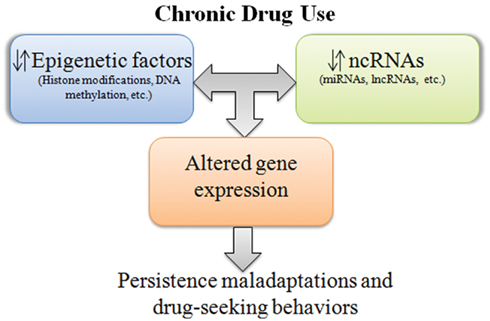
Epigenetic is a phrase used to denote the heritable alterations in gene expression which are not associated to the fundamental of DNA series; the alteration in phenotype without the alteration in genotype. Epigenetic alteration is a common and authentic happening though it may also be influenced by other factors like age, the surrounding or lifestyle, and the condition of illness. Epigenetic improvement can appear significantly like the way cells are terminally distinguish to end up as skin, liver, brain cells etc. or epigenetic alteration have more serious effects which can result in complications like cancer. By the way, we have about three systems include:

  • DNA methylation
  • Histone modification
  • Non-coding RNA (ncRNA)

These systems are related gene silencing and are currently believed to pioneer and a withstand epigenetic alteration. This is an area that needs further studies and research to uncover the role of epigenetic in variety of human disorders and lethal diseases. Because a lot more research needs to be done let us use the introduction we have given in a bid to discussing the epigenetic mechanisms of addiction to better understand how it affects substance abuser health.

Epigenetic mechanisms of addiction-Drug addiction

The scourge of drug addiction demands massive medical, economical and emotional clung on the society in the form of excess and health complications, family crumbling, loss of income and crime. The estimates according to NIDA (National Institute on Drug Abuse) indicate that in US alone the total cost of drug abuse is beyond US$600 billion yearly. The greatest concern is that of the steady increase in drug abuse by the young people and the consistent abuse of prescription drugs. It goes without saying that these statistics confirms the serious need of more research into the neuronal effects of substance abuse and the mechanisms of addiction with a view of finding the original targets for administering treatment and thwarting the addictive ailments.

Even though we are all faced with great risk of substance abuse, a hand full of us will not be strong enough to resist the temptation of drug use and coercion for pursuing drugs and eventually suffers an addiction. Being in this category is majorly swayed by ones genetic composition and the mental and communal background in which drug coverage occurs. Even though the genetic involvement to risk for addiction is approximately 50%, the precise genes which are intricate remain virtually unidentified. The addictive phenotype can continue in one’s life like forever with drug craving and relapse taking place even after decades of self-discipline signifying that drugs prompt lasting alterations in the brain fundamental addiction behaviors.

The many cells of specific organism, even though they encompass basically identical complements of DNA, differentiate to form different tissues and organs through controlled variations in the transcriptional potential of each gene, based on environmental cues, cell-to-cell signals and probably other random factors. It is becoming indistinct that many of the same processes of gene regulation which are intricate in the usual differentiation of cells and tissues during development are also tied up in the adult organism to mediate cellular adaptation to environmental stimuli.

The procedures involved in the instruction of transcriptional potential are diverse and highly complex, and include activation and inhibition of transcription factors, alteration of chromatin and DNA structure, and initiation of non-coding RNAs. Increasing evidence which supports the hypothesis that each of these mechanisms of epigenetic regulation is directly affected by substance abuse and that such adaptation is one of the main processes by which drugs bring highly stable variations in the brain that mediate the addicted phenotype. This Review summarizes the findings that support this hypothesis, and highlights areas in which future research will extend this fundamental knowledge of addiction and exploit it for new therapeutics.

Epigenetic mechanisms of addiction-Drug action and gene transcription

Apparently similar syndrome of addiction may result from acquaintance to a wide variety of chemical substances or even rewarding activities, from cocaine to gambling to sex. One collective mechanism in these various forms of addiction is thought to be activation of the brain’s reward circuitry, which centers on dopaminergic neurons in the ventral tegmental area (VTA) of the midbrain and their projections to the limbic system in particular, the nucleus accumbens (NAc; also known as the ventral striatum), dorsal striatum, amygdala, hippocampus and regions of prefrontal cortex. This reward circuitry is activated by stimuli or pursuits that encourage evolutionary fitness of the organism, such as nutrient-rich foods, sex and social stimulation. As drugs of abuse activate this circuitry far more strongly and persistently than natural rewards, and without being associated with productive behavioral results, chronic exposure to drugs modulates brain reward regions partly through a homeostatic desensitization that renders the individual unable to attain sufficient feelings of reward in the absence of drug. An alternative, but not mutually exclusive, hypothesis of addiction focuses on incentive sensitization, whereby drugs alter the reward circuitry to cause increased assignment of incentive salience to drug cues, effectively making drug-associated environmental stimuli more difficult to ignore and leading to intense drug craving and relapse. Pathological drug-induced alterations in the reward circuitry further impair behavioral control over drug taking.

Essentially all rewarding drugs escalates dopaminergic transmission from the VTA to the NAc and other target limbic regions, even though they both employ partially distinct mechanisms and in some cases involve other neurotransmitter systems as well. The activities of drugs on the NAc are further complicated by the cellular heterogeneity of this brain region. Although drugs differ in their acute mechanisms of action, the common syndrome of addiction suggests that chronic activation of these distinct, acute mechanisms induces some shared molecular adaptations in brain reward regions that mediate the lasting nature of the addictive phenotype.

Transcriptional and epigenetic mechanisms of addiction

Having discussed the dynamics of epigenetic mechanism of addiction you must have noted that it is such an interesting medical application in the effort of solving the problem of addiction. Now let us bring the whole article down a summery form and expand your desired scope of research on this particular topic of epigenetic.

  • I will suggest that alterations in the transcriptional potential of genes, through the actions of drug-regulated transcription factors, chromatin modifications and non-coding RNAs, contribute substantially to the neuroadaptations that motivate addiction. This Evaluation is to highlights key examples of such transcriptional and epigenetic mechanisms of addiction, and identifies some of the novel potential targets for therapeutic intervention during the addiction process.
  • The nucleus accumbens a region which is central to the dispensation of reward and the addicting actions of nearly all substance abuse contains a difficult milieu of cell types. It receives input from and sends signals to several brain sections. Chronic revelation to drugs of abuse alters gene expression patterns, as well as the morphology (and ultimately the functional activity) of nucleus accumbens neurons neuroadaptations which pay significantly to the addiction process.
  • Epigenetic regulation causes many adaptations of an adult organism to environmental stimuli similar to those seen in drug addiction. Post-translational improvement of histone tails and direct modification of DNA, as well as transformed levels or activity of a host of other chromatin remodeling proteins, mediate the ability of drugs of abuse, after chronic exposure, to change the expression of precise genes in the brain’s reward circuitry.
  • The current study of chromatin regulation in addiction models backs the view that epigenetic changes at individual genes do not only change the steady-state levels of their expression but also their inducibility in response to a subsequent stimulus. I will suggest that these latent epigenetic changes, termed gene ‘priming’ and ‘desensitization’, alter an individual’s adaptability and contribute substantially to the addicted state.

In conclusion because a lot of further research needs to be done I will make suggestions about some of the possible areas that need to be researched on and they include the following:

  • What controls the recruitment or expulsion of individual transcriptional and chromatin-regulatory proteins to a particular target gene?
  • What controls the formation and maintenance of distinct epigenetic states at particular genes?
  • How are the actions of drugs of abuse, all of which initially target the synapse, transduced to the neuronal nucleus to regulate the epigenetic state and transcriptional potential of individual genes?

Epigenetic mechanisms of addiction-What is Epigenetic


Facebooktwitterpinterestlinkedin