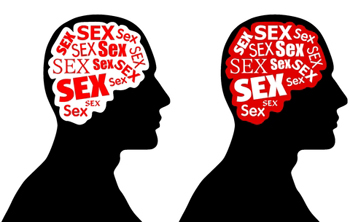
Tag Archives: Hypersexuality

Neural circuits of preoccupation/ anticipation “craving” stage

Addiction and It Stages

Drug addiction is a slow developing disorder that is long lasting characterized mainly by the urge to seek and take the drug, loss of control in limiting intake and development of a negative emotional state of anxiety and irritability. When the drug is prevented, the user exhibits withdrawal symptoms. Drug addiction has been viewed as a condition that involves element of both impulsive and compulsive behavior that is brought about by the addiction circle. The circle is made up of three stages: the intoxication stage the negative or the withdrawal effect, and the anticipation stage/ preoccupation which is the craving stage.

The neural circuits of the brain affected

Study on human behavior has revealed discrete circuits that play a major role in binding a major stage of the addiction circle. The ventral tegmental area and ventral striatum is the main focal point for the intoxication stage. The extended amygdala plays the role in the withdrawal while the  orbitofrontal cortex–dorsal striatum, prefrontal cortex, basolateral amygdala, hippocampus, and insula are involved in craving and the cingulate gyrus, dorsolateral prefrontal, and inferior frontal cortices in disrupted inhibitory control which is the preoccupation/anticipation stage. Drug addiction therefore alters the normal functioning of the neural circuits which may begin with changes in the mesolimbic doper mine system and the process of neural adaptations from the ventral striatum to dorsal striatum of the frontal cortex and eventually deregulates the prefrontal cortex and extended amygdala.

neural circuits

Of late there have been studies aimed at understanding the genetic cellular and molecular mechanisms that mediate the transitions from once-in-a-while drug use to the loss of a person’s control of a drug abuse and to the final stage of a relapse even after trying to abstain. Drug addiction has aspects of both impulsivity and compulsivity disorders. Impulse control disorder is precisely an increased sense of tension before engaging in an impulsive act and a feeling relieved at the time of committing the act. They are categorized as the positive and strengthening mechanisms. On the other hand compulsive disorders are characterized by anxiety and stress before taking part in a compulsive redundant behavior and relieve from the stress by carrying out the compulsive behavior. The compulsive disorders are greatly associated with negative reinforcement’s mechanisms.

Impulsivity and compulsivity.

As the stage of addiction moves from one cycle to the other, the user moves from a stage of impulsivity to a stage of impulsivity and compulsivity. As a result, they are no longer positively reinforced by the drug but negatively influenced. These three stages of addiction are attributed to interacting with each other getting more intense and finally leading to the pathological stage called addiction.  The brain neural circuitry system is engaged at each stage of the addiction cycle and changes with increased intake of the drugs of abuse hence producing the disorder known as addiction. Since the brain responds to stimulus the entire system becomes oriented specifically toward drug related stimuli leading to an increased drive for seeking and taking drugs.

Executive dysfunction

Executive dysfunction is a range of cognitive, emotional and behavioral difficulties which occur after the frontal lobe of the brain is injured. The executive function include abilities such as: planning and organization, social behavior, controlling emotions, safe awareness among others. Drug abuse alters the normal functioning of the frontal lobe of the brain and leads to executive dysfunction. This leads to deficits in cognitive skills which involves thinking, personality and social behavior. Executive dysfunction also makes it difficult to solve problems and as a result drug addicts do not make accurate judgments or find solutions if things are going wrong. They are also irritable find it hard to concentrate lose their r memory and do not get enough sleep. It is very hard for people with this this problem to get along with others as they appear antisocial and can be misunderstood as depression lack of motivation, selfishness and aggression.

Future treatment targets.

neural circuitsGABA receptor substance that does not act as agonist or antagonist but affects the gamma-amino butyric acid receptor-ionophore complex. The GABA receptors play a role in almost every single activity of the brain. Ultimately glutamate and GABA do the information processing; they’re the ones that encode sensory inputs and thoughts (GABA directly modulates the effect of glutamate). There is the cognitive enhancement which requires the knowledge of cognition and what it involves. This cognitive enhancement could be aimed at improving short-term memory, improving information processing improving recall, or enhancing long-term potentiation. Each of this involves different circuits that involve multiple neurotransmitter systems.

Homeostatic resetters refers to the process of removal of toxic substances from the body of an individual through a process called detoxification in that at the end of the process the body returns to homeostasis after a long term use of an addictive substance.

CRF is brain stress systems that is engaged during the withdrawal/negative affect stage. This will reduce the dopamine activity and also help in restoring the frontal lobe of the brain. Therefore, the CRF increases in the effects that occur with sudden withdrawal from drugs and have motivational significance not only for the anxiety effects of acute withdrawal but also for the increased drug intake associated with dependence.

Glutamate modulators are used to reduce the habits of addiction by greatly improving the mood of the user and treating major depressive disorder. Glutamate is the most abundant excitatory neurotransmitter in the brain. There has been studies carried out which have shown altered glutamate levels in serum and cerebrospinal fluid from patients with mood disorders. Administering glutamate to this patients will therefore greatly improve their mood.

Neural Circuits Of Preoccupation/ Anticipation “Craving” Stage

Related articles

Facebooktwitterpinterestlinkedin

Finding Help For Sex addiction Victims

Sex addiction and how to find help

What is sex addiction?

sex-addictionSex addiction or ‘hyper sexuality disorder’ as some experts refer to it, is a subject that has elicited a lot of debate in the recent times. Arguments about the issue have not only been confined to medical journals and publications but have also found their way to popular media. In general, the big question about the issue has been whether or not it is actually a form of disorder and if so, what kind of treatment should be used on individuals who have been diagnosed with it. Of course there are many other questions with regard to how the diagnosis can be done and other related issues, but what is clear is the fact that there are millions of individuals who report that they are affected by this condition and are in need of help. Since such individual do seek help, get it and end up reporting overall improvements in their lives, it can be said that indeed sexual addition is a disorder that affects many people in the world today. The good news is that there are specific methods that can be used to handle it.

It is not easy for one to diagnose themselves as having this problem. In most cases, individuals who show the clearest signs of sexual addition tend to deny that they are affected. Some even go to the extent of denying the very existence of such a problem in the first place. This is not an issue to worry about since as it is known, sexual addiction is actually a type of obsessive compulsive disorder. Its manner of operation makes it very difficult, if not completely impossible, for an infected person to point it out. However, when you generally find it impossible to control your sexual drive to such extent that daily life activities are interfered with, chances are that you are in need of help. On most occasions, affected individuals are so consumed with sexual acts to the extent that they engage in what can be described as risky sexual behaviors. Such behaviors are done with total disregard for the social, economic and even health risks that are associated with them.  This may be evident in excessive sexual stimulation, obsession with sexual imagery and one having an unusually high number of sexual affairs.

There is still an important aspect to this condition. Although sexual addiction is seen as a disorder in itself, the role that other emotional sates such as anxiety, depression and other forms of emotional disturbances play in its development cannot be ruled out. What this means is that many individuals who are affected by this disorder usually have experience feelings of loneliness, the desire to experiment with new things and general emotional difficulties. These feelings precede excessive sexual fantasies which culminate to actual hyper sexuality disorder.

How can Sex Addiction be treated?

There are different forms of treatment that have been developed to help individuals caught up in this form of addition overcome it. Unlike the past, increase in knowledge, development  of new therapies and increased awareness has made it relatively easy and fast for one to have access to any form of treatment desired. Here is a brief overview of some of the methods and how to access them.

The first common method of treating sexual addiction entails use of psychotherapeutic techniques to help one break the thought patterns that are known to trigger such kind of behavior. The idea behind this form of treatment is that sexual addition, like many other forms of addiction, has a basis in the psychological processes of the individual. Therefore, if an individual is able to recognize what these thought patterns are, what triggers them and how they lead to the compulsive disorder, it will actually be possible to control them. For this process to be effective, you first have to get a properly qualified therapist. Working with such a specialist, you will have a chance to map your past life. It is through this process that specific experiences in the past that give rise to the current thought patterns will be identified, special methods of dealing with them developed and a sound plan of how to go about it adopted.

sex-addictionAnother common form of treatment for sexual addiction that is gaining currency in the current times entails counseling sessions. This may take many different formats. For instance, family counseling sessions may be effectively used for families that one of the members is affected. This form of counseling is effective in that it helps not only the individual who is affected but also those other members of the family who may not be having the disorder but are affected by it by virtue of being family to the affected individual.

Further, many individuals who are affected by this disorder find it useful to use group counseling as a form of therapy. The popularity of seeking group counseling for dealing with difficult conditions is not confined to sexual addition. From addiction to alcohol, drugs and other forms of socially undesirable behaviors, group counseling sessions have been used quite effectively to help affected individuals.  There are several reasons for this trend. The most common one is the anonymity that one is usually accorded when joining such a group. The second one is the friendly atmosphere that is usually created during such group counseling sessions. Since all the members have gone through similar experiences, it becomes easy for one to open up and share past experiences, present challenges and future aspirations within such an environment.

Lastly, the good thing about such support groups is that occasionally, expert help from doctors and other professionals is provided. This, which may be in the form of medication or other intervention measures, boosts the overall chances of one completely breaking free from the addiction.

Sex addiction and how to find help

Related articles

Facebooktwitterpinterestlinkedin

Explaining Process Addiction

Does Process addiction Exist?

What is process addiction? This refers to a compulsive behavior that involves an action which on its own is not physically addictive but the person becomes dependent upon it. These behaviors may include: – love, sex, gambling, shopping, internet etc. This is a behavioral addiction and it doesn’t include alcohol or drug addiction.

Process addiction is mostly overlooked but it can be destructive to the victim. When a person is a victim of a process addiction, he/she feels severe coercion to engage in the activity repeatedly, sometimes even at the expense of their own physical, mental, relational or financial wellbeing.

Process Addiction

Which are some examples of these process addiction activities?

The list of activities which result into process addiction is very long since it is normally based on the activities that the individual regularly undertakes. When the activities are done repeatedly for a long period of time, there develops what can be called a habit in doing the activity. The person then becomes addicted with the activity over time and it becomes almost impossible to do without the activity. Some of the common ones are: – love, sexual activity, eating, shopping, gambling, watching pornography, mention them.

From this list though there are two behaviors which have proven to be outstanding. These are sexual addiction and pathological gambling.

·         Sex addiction

Sex addiction comes with recurring obsession to engage in sexual activity. A victim of this kind of addiction may end up sleeping with multiple partners over a short period of time and sometimes even forego personal duties in favor of sexual indulgence.

What are the symptoms of sex addiction?

Some of the indicator of a person addicted with sex may include excessive engagement in sexual acuities such as, pornography, masturbation and also behaviors like fetishism, exhibitionism and prurience.

  • Pathological gambling

Gambling is an activity that many of us engage into in variety of ways. This refers to any activity that someone engages with an expectation of monetary or material gain. The activity normally has probabilities and the person gambling accepts chances of losing or winning. An example of such events is a gamble on the results of a given football match e.g. World cup finals. The persons gambling predicts the result and places a valued item or some amount of money which is supposed to gain profit in the event of a win and in the opposite, it is lost altogether.

Even though these events we sometimes to for fun or looking for gain, when done for a long period they may turn out addictive. The person may increase the habit to a point of financial distress and often sacrificing belongings and time trying to get more money and consequently gamble it.

Which are the symptoms of behavioral addiction?

Process AddictionAddiction is usually difficult to spot. This is because different people engage into different activities during their free time in the form of hobbies. This makes it difficult to tell who is an addict of a given activity. However, people who are addicted to an activity will want to do it repeatedly, despite the damaging consequences which may come with the event.

The following are some of indicators of a behavioral addicted person:-

  • The person exhibits repetitive habits which persist or are continued despite their significant negative consequences.
  • The person experiences a feeling of loneliness, depression, anxiety and even sometimes highly stressed.
  • Another indicator of a behavioral addict is taking of increasingly big risks. For instance, the person may bet on the result of an event at 5dollars, the results goes contrary and the person bet again and again without a win but not seeming to give up even when the current bet is the only amount the person has as balance at that given time. This kind of addiction makes the person think of gambling without the losses that it comes with while the person unsuccessfully betting.
  • The addicts of behavioral addiction face difficulty in controlling impulses in general. These people follow their urge without having to reason out.
  • The victims of behavioral addiction have difficulty in sustaining relationships. This is particularly the case with the sex addicts. These people cannot control their sexual urges and thus they end up in uncontrolled sexual activities and normally with many different people. This makes it difficult for them to have a long term relationship due to un-trustworthiness (though they cannot control it) or in the event that the partner cannot withstand the frequent sex requirements of such persons.
  • Finally, the behavioral addicts will always want to hide or lie about their impulsive habits.

Treatment of behavioral addiction

In most cases, due to the nature of behavioral addiction the appropriate treatment is psychotherapy. Some times this therapy may need to be accompanied by some medication. It is common that the occurrence of behavioral addiction may be accompanied by likes of mood loss, anxiety or sometimes impulse control disorders. In such cases, treating all these conditions concurrently can relieve the symptoms of both.

Now we have seen the various symptoms of behavioral addiction. Are you in the category of victims of the same or do you of a person suffering from behavioral addiction like gambling and sex addiction? Meet professionals who will solve your problem at AWAREmed.

Does Process addiction Exist?


Facebooktwitterpinterestlinkedin

SEX ADDICTION

What’s SEX ADDICTION?

sex addictionWhat is sex addiction? One might ask. Sex addiction is a habitual sexual thoughts and actions which is better described as a progressive intimacy disorder. It’s an impact that progresses as the disorder increase. Usually the victim of addiction intensifies the behavior to get the same result. Addiction varies with each and every addict. Mostly the behavior will not progress beyond things like pornography, internet sex services or just masturbation. Other addictions will involve illicit activities such as rape, obscene calls and even child molestations. Most sexual addiction will however not end in sex offenses and not all people who rape or molest sexually are addicts either. Slightly above 50 percent of people accused or convicted of sexual offenses are sex addicts.

Sexual addiction has also been described as an engagement in persistent and escalating ways of sexual behavior mostly carried out despite increasing negative repercussion to one’s self or to other people. In short, this is an activity that they will engage in not caring whether they will face health risks, being neglected by family and community. They will not even care if they are arrested or not. The issue is not the same with child molestation as this is usually rated as a sexual addiction. Over 70 percent of people who engage in the act of child molestation are sex addicts and it’s always so brutal that serving a jail term is the only way to keep the society safe and free from them.

Society is slowly coming to terms with the fact that people who commit this sexual offenses are not looking for sexual gratification but they are doing it rather for some kind of attention that is always related to power and control. Some even do it for revenge or to convey anger towards a certain towards a certain situation they had faced earlier in life or are facing in their current lives. Not long ago, research showed different reasons for sex addiction. This were related to an awareness of brain changes or brain reward that was associated with sexual behavior that led to an understanding that there is also a prevailing sexual drive that motivates the sex offenses.

Sex addiction is described in the diagnostic and statistical manual of psychiatric disorders in volume four and in the category of sexual disorders as a certain agony over a sample of frequent with lovers who are experienced b the personage only as things to be used. Sexual addiction also involves searching for many partners and masturbation among others. Unlike eating, sexual activity is considered to be necessary for human survival and happiness though some people completely abstain or are celibate. Some will choose to abstain from sexual activities due to different kinds of reason like religion and culture but for a completely healthy human being without these boundaries, it’s completely normal to have feelings for sex. In most cases, lack of interest can mean a very big problem or even a mental disorder.

            Symptoms of sexual addiction

Sexual addiction diagnosis has been described as a disorder where a criteria based on chemical dependency was used. The symptoms mostly include:

–          Too much thought of sex till it affects ones other activities even they really want to stop. For instance, if you love football, your minds starts deviating towards sex more.

–          Sleeping with more than one partners have also been attributed to sex addiction.

–          Watching too much pornography or spending most of one’s time in activities that involve or relate to sex.

If you find yourself battling with the above symptoms then you may be heading for sexual addiction. If you feel like your world mostly revolves around thinking about sex even when you are not supposed to then you are probably an addict that definitely requires treatment fast.

            Treating sexual addictions

Thereare several programs available for people who are looking for help for sex addiction. There is sierra Tucson in Arizona in the United States of America among others. These programs have the same approach and strategy towards sex addiction and they have proven effects in treating chemical dependency but first, did you know that sexual addiction is the most common addiction compared to other addictions? And what are the questions that one should ask themselves when looking for a good program for sex addiction treatment. Well for starters you should ask if there are groups that deal with these issues. If there is any then it’s the place for you to look for your treatment.

You should also ask yourself whether the program is based on a 12 step philosophy and if it’s ok to attend the meetings while on treatment. It’s always not easy for a sexual addict to know between a healthy and a not so healthy sexual acts. These programs will usually encourage abstinence in the early stages of treatment. Residential treatment maybe also be required for a few weeks to protect the addict from sexual exposure and relapse. It is also important to know that in order for one to heal quickly, one has to get rid of the guilt and the stresses associated with this kind of addiction


What’s SEX ADDICTION?

Facebooktwitterpinterestlinkedin