Tag Archives: Health complications associated to overweight

The risks causes and prevention of Obesity

The risks causes and prevention of Obesity: Why Obesity is still a threat

The risks causes and prevention of Obesity

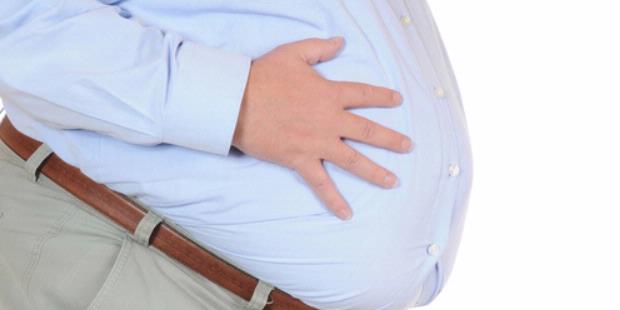
The risks causes and prevention of obesity are very realistic. Obesity can be prevented and weight loss is also very possible.

This are not new thing to you about obesity. We have made effort to talk about the risks causes and prevention of obesity nearly in all the weight related articles we have posted in this link. And despite the efforts we are making together with many other weight concern institutions, the reported statistics is very worrying. American being one of the biggest casualties several reports have indicated that overweight and obesity are becoming epidemic. Not once but may times we have posted useful information that being overweight or obese puts you at risk for various chronic diseases including heart disease, diabetes, high blood pressure, cancer, stroke, gallbladder disease, osteoarthritis, and respiratory disorders. I believe that at the mention of these diseases your eye brows rises in amazement. I can tell that am being honest with you on this because the risk of developing these diseases is even higher when weight is concentrated near and around the waist line (the belly fat). If this describes your situation, I want to encourage you to talk to the experts at AWAREmed Health and Wellness Resource Center and doctor Dalal Akoury who is also the MD and founder of the facility, will be able to address all your concerns diligently and professionally.

In the meantime let me take a moment to draw to your attention to some of the available statistics about obesity and more so in America. Obesity is a growing problem. In view of the National Institutes of Health report, 60% of American adults are overweight and 35% are considered obese, while about 25% of American children are overweight or obese. The sad news is that the escalation of the problem is on a fast high way late at an abnormal high speed. There is great fear that if current trends continue, more than half of American adult population are likely to be confirmed obese inside the next 15 years. We appreciate that taking weight off and keeping it off, is difficult and despite the difficulties, many people who have made effort to lose weight, later relapse and gain it back either in small portion or in its entirety.

Despite continuing research on obesity, there are no medications, herbs, or supplements that can help you lose a significant amount of weight, and all have some side effects. The only way to lose weight is to reduce the amount of calories you eat and increase your activity level. These actions improve your health in many ways in addition to helping you lose weight.

The risks causes and prevention of Obesity: Signs and Symptoms

The most immediate indicator of the presence of obesity is usually determined by body mass index, or BMI. If your BMI is 25 or 30 or 40 then you are overweight, obese and extremely obese respectively. Doctor Akoury states that a high waist-to-hip ratio increases the risk for developing serious, even life threatening conditions associated with obesity. Some of the conditions that may accompany obesity include:

  • High cholesterol
  • Diabetes
  • High blood pressure
  • Heart disease
  • Stroke
  • Sleep apnea
  • Osteoarthritis
  • Gallstones
  • Cognitive dysfunction
  • Depression
  • Cancer
  • Asthma

The risks causes and prevention of Obesity: What Causes It?

Researchers know that obesity is the result of eating more calories than we burn off through activity, but a number of factors contribute to obesity some of which are listed below:

  • Diet and good nutrition – I will pose this question to you, what do you eat? If your food is rich in high-fat, high-calorie foods causes weight gain.
  • Living an inactive life without exercise – I would say that don’t try this at home because it has been established that sedentary people don’t burn as many calories as active people.
  • Genetics and relationships – Your genes may influence how much fat your body stores and where it is stored. However this alone may not mean that you will be obese.
  • Age particularly the old age – As we get closer to our sunset days, our rate of being active in life goes down gradually because at this stage, we often ignore physical activities and eventually lose muscle mass.
  • Psychological issues – Food is very interesting and how people behave with it. Did you know that some people overeat when they are upset or stressed? And you can imagine the consequences of stress and over eating put together.
  • Medications – Some drugs, such as corticosteroids, blood pressure medication, and tricyclic antidepressants, can cause you to gain weight.
  • Medical problems – Hardly will you find that people are becoming overweight or obese and in the contrary obesity is as a result of a medical conditions like Cushing syndrome (where the adrenal glands produce too much hormone) or hypothyroidism (where the thyroid gland doesn’t produce enough hormone). Conditions such as osteoarthritis cause people to be less active, which can lead to weight gain.
  • Prenatal environmental factors – Several studies show that adult men and women who were born small for their gestational age are more likely to be overweight or obese than those who were of normal size at birth. Maternal smoking and excess weight gain is also associated with offspring obesity.

The risks causes and prevention of Obesity: Risk Factors

The kind of lifestyle we live can impact on us either positively or negatively. For us to be on the safe side of life free from all weight related issues, we all have a duty to shun away from the following factors may increase your risk for becoming obese:

  • Living in an industrialized country, especially the United States where natural activities like walking has been taken over by escalators and high locomotives among many others
  • Genetically having family members who are overweight or obese
  • Not being physically active
  • Overeating
  • Eating a high-fat diet
  • Taking certain prescription medications
  • Having a hormone disorder, such as Cushing syndrome or hypothyroidism (underactive thyroid)
  • Being emotionally stressed (from the death of a loved one, for example), which may cause overeating
  • Prenatal exposures, such as smoking
  • Low-income individuals the most inexpensive foods tend to be high in fat and sugar
  • Early sexual or physical abuse
The risks causes and prevention of Obesity: Preventive Care

The best way to prevent weight gain is to eat a healthy diet and exercise daily. Keeping a food and exercise journal, where you record what you eat and how long you exercise, is an excellent way to get started. This is one of the best preventive measures we can easily adapt. And of course this will go hand in hand with good nutrition and a well-balanced diet. We advocate for prevention because it is easier to prevent than to treat the weight related complications. Therefore we would want to encourage you to schedule for an appointment with doctor Dalal Akoury for more professional insight.

The risks causes and prevention of Obesity: Why Obesity is still a threat


Facebooktwitterpinterestlinkedin

The relationship between obesity and Binge Eating

The relationship between obesity and Binge Eating: The New Eating Disorder

The relationship between obesity and Binge Eating

The relationship between obesity and binge eating affects the mind and remember that Obesity is a medical illness, not a psychiatric disorder.

Overweight and obesity have been characterized with poor and unhealthy feeding habits among other factors. We have in the past dwelt much on the effects of obesity and overweight because of the dangers surrounding the two conditions. For the purpose of this article we want to look at the relationship between obesity and binge eating. We will be exploring the possibilities of binge eating facilitating being obese or overweight. And as professionals we are determined to informing the public of all they need to know to be safe and have a healthy life. We spoke to doctor Dalal Akoury the founder of AWAREmed Health and Wellness Resource Center about this and she will be helping us unlock certain facts about the relationship between obesity and binge eating. But before we get there, let us try to understand more about this eating disorder. Experts are warning that if nothing is not done soon, then Top of Form Binge Eating Disorder (BED) will soon join in the ranks of Anorexia Nervosa (AN) and Bulimia Nervosa (BN) as official eating disorders. It must be appreciated that Binge Eating Disorder is a distinct entity and not just the extreme overeating that plagues many societies. Even though its cause is unclear, it is similar to Anorexia Nervosa or Bulimia Nervosa, whose treatment methodology is always bio-psycho-social.

As a society we have a duty on our part to increase awareness and understanding of the severity of this disorder. The danger looms over us with close association of BED and obesity, the sooner we address it the better because very soon this disorder is becoming a major public health issue that presents both medical and psychiatric issues that impair the quality of life. Even though binge eating is characterized by insatiable cravings that can occur any time of the day or night, usually secretive, and filled with shame. It is important to note that bingeing is often rooted in poor body image, use of food to deal with stress, low self-esteem and tied to dysfunctional thoughts. BED does not exist in the presence of Anorexia Nervosa or Bulimia Nervosa. Although there are similar characteristics between those with BN and BED, those with BED do not purge. There are no compensatory mechanisms associated with the binge to get rid of the calories, so individuals with BED are more likely to be overweight or obese, while patients with BN may be under weight, normal weight or overweight.

The relationship between obesity and Binge Eating: Does this describe you?

It is in the middle of the night and you this ice cream carton in hand, and you can’t just stop eating, you continue until every drop is gone. Or you are in the car you’re anxiously looking for that bag of pretzels you hid in the back seat. You know you will have to finish the entire bag, even though you don’t want to. And as if this is not enough, you’re planning your next stop at the local convenient store to load up on a dozen doughnuts which is your favorite binge food. Doctor Akoury is trying to make you understand what binge eating is all about. She give one of the best illustration that it is as addictive as alcohol drinking or cigarette smoking. Those who use there drugs wouldn’t just stop even if they want to. It is in the same way that binge eaters can’t stop at one cookie or ice cream.

The relationship between obesity and Binge Eating: What does BED look like?

This vicious cycle of recurrent bingeing without purging brings feelings of despair, disgust, and a sense of loss of control. As a consequence of the binge, fears become reality and weight gain follows. As a result, emotional and physical distress can become so severe that work, school and even social relationships begin to be impaired.

Differentiating between overeating and binge eating is sometimes difficult, even for the eating disorder professionals. Compulsive eating, emotional eating are terms that have been around for years. BED is a distinct entity and not merely the occasional craving, over-eating when you are hungry, or the overindulgence during the holidays. It is important to appreciate that each binge is different, just as every craving is different, and every binge eater is different but the scenario is the same.

The relationship between obesity and Binge Eating: Criteria for Diagnosis of BED

You can carry out your own self-assessment while considering the following to certain your position in terms of BED:

  • Loss of control over amount of eating
  • Marked distress over binge episode
  • Occurs at least 1x per week for 3 month
  • Eating more rapidly than normal (i.e. 2 hrs. period
  • Eating until feeling uncomfortably full
  • Eating large amounts of food when not feeling physically hungry
  • Eating alone because of being embarrassed by how much one is eating
  • Feeling disgusted with oneself, depressed or very guilty over after overeating

If this suits your description, then you need to seek for further and more professional help from the experts at AWAREmed Health and Wellness Resource Center.

The relationship between obesity and Binge Eating: Biological Issues Related to BED

Now that we are well conversant with what binge eating is let us get back to our topic of discussion which is the relationship between obesity and binge eating. You should be very watchful of the following:

Genetics – Although genes can make it harder to make healthy choices and make fighting weight and BED an uphill battle, genes alone do not totally determine a person’s physical or emotional destiny. Environment, ability to rework thoughts, make other decisions, etc. are also factors.

Depression – The incidence of depression is very high in individuals with BED and may need to be further evaluated.

Restrictive dieting – If you have BED, sticking to a traditional weight loss program may be difficult.

The relationship between obesity and Binge Eating: BED is a treatable disorder

Here are some basic goals for a successful outcome:

  • Decrease or better still stop binging episodes. It is possible and with determination, you do it.
  • With the help of weight loss experts you can be assisted to attain and maintain a healthy weight
  • Treat any co-existing psychiatric disorders
  • Correct any self-defeating thoughts, feelings, behaviors or situations that trigger a binge.

What is the relationship between BED and being obese or over-weight?

Obesity is a medical illness, not a psychiatric disorder – It is important to understand that if you are healthy (no medical problems), have a healthy attitude (realistic about weight , body image) and have healthy behaviors (healthy eating habits, moderate exercise) then for the most part, whatever weight you are and can sustain is a healthy weight for you. Wellness not weight should be the determining factor. Body mass index (BMI), which defines overweight and obesity, is just one factor, not the sole determining factor for wellness.

Being overweight or obese does NOT mean you have BED – Not everyone who is overweight binges or has BED. Considering what is normal in most culture, giant portion size, sedentary life style and high caloric fast foods, a person doesn’t have to binge to be overweight. And that is why you need to get professional help from the experts. What is normal could be a serious factor in the whole equation. Therefore make appoint of scheduling for an appointment with doctor Akoury for further deliberation about binge eating and overweight or obesity.

The relationship between obesity and Binge Eating: The New Eating Disorder


Facebooktwitterpinterestlinkedin

The link between Obesity and Cancer Risk

The link between Obesity and Cancer Risk: What is obesity?

The link between Obesity and Cancer Risk

The link between Obesity and Cancer Risk. Obesity in itself does not cause cancer but the presence of obesity subjects the individual to higher risk of cancer disease

This is not going to be the first time we are telling you something about obesity.  Obesity is a condition in which a person has an abnormally high and unhealthy proportion of body fat. Take note of high and unhealthy proportion. That means that one can have high fats in the body but they are still not obese. For one to be obese the fats must be high and in unhealthy proportions. The body mass index (BMI) is the most commonly used tool for measuring whether one is obese or overweight. Some little training is necessary before you can effectively understand how to calculate your position using BMI. This is just one of the many ways of establishing whether one is obese or not. However this is not our focus in this article. We want to explore on the link between obesity and cancer risk. We are by now all aware of what being obese can do to your health. Now what would be the impact if you are cancerous and at the same time obese? Keen reading and get what the experts at AWAREmed Health and Wellness Resource Center say about this unique association.

The link between Obesity and Cancer Risk: How common is overweight or obesity?

How common being overweight or obese is today is no secret. Even though you cannot conclude whether one is obese or overweight just by looking at them, the evidence on observation from the streets in overwhelmingly pointing to the fact that overweight and obesity is on the rise. Now let us get to the available statistics, results from the 2007-2008 National Health and Nutrition Examination Survey (NHANES) indicates that 68 percent of U.S. adults age 20 years and older are overweight or obese. This is in contrast with the same findings done between 1988-1994 which revealed that only 56 percent of adults age 20 and older were overweight or obese. While the in children, the findings of those who were overweight or obese also indicated an increase. In both cases there was considerable increase an indication that obesity and over weight are very common.

The link between Obesity and Cancer Risk: Facts about the relationship between obesity and cancer

Obesity is associated closely with several chronic diseases including cancer. The questions we want to answer are what family of cancer is obesity associated with? There are very many types of different cancers and each has its own way with which they are linked to the problems of overweight or obesity. The following are some of the types of cancers we want to look at and establish their relationship with this chronic disease called cancer:

  • Esophagus
  • Pancreas
  • Colon and rectum
  • Breast (after menopause)
  • Endometrium (lining of the uterus)
  • Kidney
  • Thyroid
  • Gallbladder

I want to take you through the findings of one study conducted using NCI Surveillance, Epidemiology, and End Results (SEER) data. In this study, it was estimated that in 2007 about 34,000 new cases of cancer in men and 50,500 in women were due to obesity representing 4% and 7% for men and women respectively in America alone. The percentage of cases attributed to obesity varied widely for different cancer types but was as high as 40 percent for some cancers, particularly endometrial cancer and esophageal adenocarcinoma.

Using these findings to make a future projection of health and economic burden of obesity if this trend continues, then it is estimated that in the next 15 years (2030) about half million additional cases of cancer will be recorded in the United States by that time. However using the same finding, if every adult is to focus on losing 1% of their BIM which is equivalent to 1Kg of weight loss then together we will succeed in preventing the number of cancer cases. And as if that is not enough, just by this single act we will not only reduce increase but also prevent up to 100,000 new cases of cancer. How does that single act communicate to you the link between obesity and cancer risks? If you are struggling with your weight, and all the effort you’re making seems to be yielding less and you’re about to give up, I have good news for you. Talk to doctor Dalal Akoury today, in fact schedule for an appointment with her now and experience the great difference of your life time. This is the right professional you need not just to lose weight but also to prevent cancer from visiting your life and that of your family. In the meantime let us consider the following mechanisms which have been suggested to explain the association of obesity with increased risk of certain cancers:

  • Fat tissue produces excess amounts of estrogen, high levels of which have been associated with the risk of breast, endometrial, and some other cancers.
  • Obese people often have increased levels of insulin and insulin-like growth factor-1 (IGF-1) in their blood (a condition known as hyperinsulinemia or insulin resistance), which may promote the development of certain tumors.
  • Fat cells produce hormones, called adipokines that may stimulate or inhibit cell growth. For example, leptin, which is more abundant in obese people, seems to promote cell proliferation, whereas adiponectin, which is less abundant in obese people, may have anti-proliferative effects.
  • Fat cells may also have direct and indirect effects on other tumor growth regulators, including mammalian target of rapamycin (mTOR) and AMP-activated protein kinase.
  • Obese people often have chronic low-level, or “subacute,” inflammation, which has been associated with increased cancer risk.

Other possible mechanisms include altered immune responses, effects on the nuclear factor kappa beta system, and oxidative stress.

Finally your life and that of people coming behind you cannot be compared with any amount of money in the world. If there is something you can do to be healthy then it must be done at all cost. On her part Dr. Akoury made a decision in view of the escalating links between obesity and cancer to create a medical center (AWAREmed Health and Wellness Resource Center) whose main objective is to transform each individual’s life through increasing awareness about health and wellness and by empowering individuals to find their own inner healing power. Dr. Akoury’s practice focuses on personalized medicine through healthy lifestyle choices that deal with primary prevention and underlying causes instead of patching up symptoms. Like I had said if you have any concern relating to weight gain or cancer and even other chronic illnesses, you can schedule for an appointment with doctor Akoury today for lasting solutions to all your concerns.

The link between Obesity and Cancer Risk: What is obesity?


Facebooktwitterpinterestlinkedin

Understanding weight gain and cancer risk

Understanding weight gain and cancer risk: Why this is very necessary

Understanding weight gain and cancer risk

Understanding weight gain and cancer risk is the starting point for total elimination of both obesity and cancer in our lives

For a while now we have been in serious discussion about effects of being overweight to our general health.  It was very evident that being overweight and obese are not friendly at all to human health. For the purpose of this article we want to progress with that but on specific diseases. Therefore our focus is going to be focusing on the understanding weight gain and cancer risk in our lives. Doctor Dalal Akoury who has been very helpful to us is taking us through this discussion and if you have any disturbing concerns, then you can schedule for an appointment with her today for professional guidance about all your weight related concerns as well as those touching on cancer as a disease. The truth is being overweight or obese is a risk factor for several types of cancer (check on types of cancer segment). Although a higher weight may not necessarily cause cancer, the associated problem is maintaining a healthy weight is thought to be connected with a lower risk of many chronic diseases and cancer is one of the chronic diseases known. Doctor Akoury says that there are so many resources out there which can be very useful in helping you keep and maintain a healthy weight. You can talk to your doctor or dietitian to help you develop an appropriate weight loss program that can be friendly to you. In the meantime if you are with reach then you can easily call doctor Akoury for assistance. All that you need is well packaged at AWAREmed Health and Wellness Resource Center a facility founded by this great professional (doctor Akoury) to impact positively on people’s lives. The magnitude of the problem can be seen from the available statistics which indicate that more than two-thirds of American adults are overweight or obese which can either be substantial or extreme overweight. Just for purposes of jogging up your mind, when a person is overweight or obese, it means that they have too much body fat in relation to lean body tissue, such as muscle. Being overweight or obese are conditions caused by several factors including:

People who are overweight or obese have a higher risk of many serious health conditions, including type II diabetes, high blood pressure, and heart disease. Being overweight or obese is also associated with an increased risk of cancer which is our point of focus in this discussion.

The need of Understanding weight gain and cancer risk

Several studies have been conducted and an overwhelming number have actually established that being overweight or obese may increase cancer risk and growth. Like for instance, people who are obese have more fat tissue that can produce hormones, such as insulin or estrogen, which may cause cancer cells to grow. How your weight changes throughout your life may also affect your risk for cancer. Although more research is needed, studies have shown that the following factors can affect your cancer risk of cancer:

  • High birth weight is associated with higher cancer risk.
  • Weight gain during adulthood is consistently associated with an increased risk for several types of cancer.
  • Weight cycling (losing and regaining weight repeatedly) may also be a risk factor.

Research suggests that maintaining a healthy weight is associated with a lower risk of cancer and a lower risk of cancer recurrence (when cancer comes back after treatment) in cancer survivors.

Understanding weight gain and cancer risk: Types of cancer linked to overweight or obesity

We have probably discussed this before but all the same, some types of cancer appear to be closely linked to weight, although this relationship has not been proven for all cancers. Some cancers in which overweight has been found to be consistently associated with increased risk are:

Take note that even though further evidence is needed, being overweight has been associated with other cancers like:

  • Prostate
  • Ovarian
  • Multiple myeloma
  • Liver
  • Cervical
  • Non-Hodgkin lymphoma

Understanding weight gain and cancer risk: Weight loss and weight management tips

To control weight gain, it is first very important to get the professional information about what you eat, how much you exercise and to make healthy choices about what you eat and drink. This may not be easy and can be quite challenging because eating a high-calorie diet is typical in most nations including the United States today. The reasons for this include a plentiful, relatively low-cost food supply and large portions. The following are some of the guidelines that can be very helpful:

  • Eat more vegetables, fruits, lean protein, and whole grains. Some types of food, such as broth-based soups, also help a person feel full faster.
  • Limit foods and beverages that are high in sugar, such as juice and soda.
  • Eat and drink only as many calories as you need to maintain a healthy weight and support your level of physical activity.
  • Increase levels of physical activity. Most people should aim for 30 to 60 minutes per day of moderate-to-intense exercise on most days. However, even a small increase in physical activity has benefits.
Understanding weight gain and cancer risk: Suggestions for people who are overweight or obese

If you are currently overweight or obese, it is best to start by taking steps to lose weight through nutrition and exercise. Aim to lose 5% to 10% of your body weight as your first goal. Most hospitals and health-care organizations have professionals on staff that can provide weight management treatment. For instance, individualized counseling provided by a dietitian can help people lose weight and provide support. If nutritional changes and increasing physical activity aren’t enough, there are other steps you can take. In the event that you are facing difficulties in managing your weight effectively in spite following the professional guidelines given then you may want to seek for a one on one appointment with the experts at AWAREmed Health and Wellness Resource Center. Up on the receipt of your appointment, doctor Akoury will evaluate your individual conditions and administer treatment as is professionally require. Meanwhile the following are some of the options you will have at your disposal: A change in lifestyle behaviors – Behaviors that both reduce the amount of food eaten and increase physical activity should be changed before other weight loss treatments are considered. A registered dietitian, exercise physiologist, clinical psychologist, or doctor who specializes in weight loss can help. Medications – The use of drugs can help a person lose weight if changing diet and increasing exercise do not work.

Understanding weight gain and cancer risk: Why this is very necessary


Facebooktwitterpinterestlinkedin

A good Meal Policy for healthy weight loss in our life time


A good Meal Policy for healthy weight loss in our life time: The strategies That Help to Save Money & Eat Healthier

A good Meal Policy for healthy weight loss in our life time

A good Meal Policy for healthy weight loss in our life time. This needs to be embraced by every household if we want to lose weight effectively.

As families we need to change our strategies about our kitchen affairs. A lot of wrongs are done in the kitchen which impact negatively to our general health. When the kitchen activities are well planned, we will certainly eat the right kinds of foods. The result of feeding on good food items is good health and how best can we sustain the most precious human asset? By nursing it well with the right ingredients. For a couple of months we have been discussing about being obese and overweight. We have stated in many of our writings the consequences of these conditions and we are not about to stop any time soon. Obesity and overweight are becoming increasingly threatening to humanity and we must keep you informed of the prevention modalities. This is what we want to progress on but in a different way today. Our focus in this article is going to be assessing how a good meal policy would benefit our families. Therefore our article title is “a good meal policy for healthy weight loss in our life time”. Take keen interest in the last part of the title “in our life time”. What we are saying is that when you chose to feed well, it should not be done in seasons but always for the rest of your life. The same practice should be passed to the next generation. In other words, our children must be brought on board so that they can carry the good feeding habits into their families when there time comes.

If you want to be smart in this discipline, then as an individual you must develop your own food or meal policy. Yes we all know that the body needs to be fed on a daily basis, but we must have guidelines on how to approach our meals if effects of weight gain are to be eradicated. I have been consulting immensely with the experts from AWAREmed Health and Wellness Resource Center under Doctor Akoury’s care. And I am of the opinion that this is the true home of weight loss professionals based on what I am about to share with us shortly. Doctor Akoury is one of the best and experienced weight loss experts and has impacted positively in the lives of many people globally and therefore if you have any concern relating to weight gain then this is the right professional to reach out to for help. As we progress with the discussion you can schedule for an appointment with her and she will professionally help you get back on truck to the healthy life free from all elements of weight related complications.

Now to the meal policy for healthy weight loss in our life time, I am going to share with you some of my personal experience and lessons learnt from this facility (AWAREmed Health and Wellness Resource Center under Doctor Akoury’s care). A good meal policy would necessitate that you work on a weekly plan. And as for me I usually make food choices just one time during the week.  Sunday is my day of running the errands of the kitchen going to the grocery shopping. This is actually the starting point and also the single most important activity in any given week when it comes to staying on track with a healthy eating plan. Therefore after getting the professional input from the experts (doctor Akoury) I conduct a brief strategy or brain storming session to come up with a working plan which begins with producing a shopping list for my kitchen. To carry you on board, lets discuss the following steps that guides me when making my weekly meal plan:

A good Meal Policy for healthy weight loss in our life time: The Strategies of a good Weekly Meal Plan

  • Reviewing the contents of the fridge, freezer, and pantry – making a mental note of anything that ought to be used up in the next couple days. Note what leftovers or ingredients we have stashed away that could be the basis of dinners next week.
  • Take a peek at my “recipe inspiration” Pinterest board – and any recipes I’ve ripped out of magazines and stuck to the fridge. Is there any new recipe I want to try this week? Do I have time any day to take a kitchen project on?
  • Flip through my meals calendar – which I keep on Google calendars, to see if there’s anything I made a while back that I’d like to make again.
  • Negotiate with my spouse – about what sounds good we try as best we can to anticipate cravings. Is it too cold to have salad for dinner? Are we sick of chicken? What irrational whims or aversions can we foresee this week?
  • Fill out the calendar – labeling each day with its dinner, stacking more perishable stuff toward the beginning of the week and freezer fodder at the end.
  • Compare recipe ingredients’ list to our inventory – and make a shopping list.
  • Shop – buying only what is on the list. No impulse buys.

That’s it and I hope it can give you some insight to develop your own. With a well-documented menu plan like this, it becomes easy to take control of all elements of weight gain triggers.

A good Meal Policy for healthy weight loss in our life time: Why I Make a Meal Plan

Like many mothers and wives out there, we all have a common denominator of an anxiety that sets in early evening particularly when you don’t have a meal plan and you have no idea of what your family is going to take for dinner. As for me in my marriage, getting dinner together is usually my job and I know the great danger of leaving dinner unplanned. Ordinarily if there is no plan, every time when the dinner time is approaching you are likely to get angry and frustrated. Situations like this can easily introduce stress in your life and even that of your family and you know the consequences of stress. Therefore keep to the plan it will help you when cornered after all you did enough shopping on Sunday and each day is taken care of. When you fail to have this meal policy in your house, chances are that most of your dinners will be done in the restaurants and having taken away junk food. This will betray the spirit of having a good meal policy for healthy weight loss in our life time.

A good Meal Policy for healthy weight loss in our life time: The Importance of Great Recipes

Finally when planning for a good meal policy, doctor Akoury says that more emphasis should be put on the ingredients to be used. There are so many unhealthy ingredients that can ruin your meals. Consult with the professional nutritionist on this so that you don’t plan to fail even before you begin.

A good Meal Policy for healthy weight loss in our life time: The strategies That Help to Save Money & Eat Healthier


Facebooktwitterpinterestlinkedin