Tag Archives: Dual diagnosis

stem cells

Simultaneous treatment of addiction and mental health

Simultaneous treatment

Simultaneous treatment of addiction and mental health problems can be very dangerous and the sooner you let it go the better

Simultaneous treatment of addiction and mental health problems

When we are faced with challenges of substance abuse and mental health problems it is only prudent that we seek for help immediately. It is important that treatment for substance abuse and mental health problems are done professionally and without any hesitation. Experts at AWAREmed Health and Wellness Resource Center recommend that the tow conditions be addressed together. As a matter of fact the best treatment for co-occurring disorders is an integrated approach, and that further explains what we have just mentioned that it is treatment where both the substance abuse problem and the mental disorder are treated simultaneously. According to these experts your full recovery will depend on the simultaneous treatment of both conditions.

Simultaneous treatment of addiction and mental health problems: Recovery is anchored on both treatment

When treating these conditions, it may not matter the order in which they appear. Whether your mental health or substance abuse problem came first is not a factor of consideration. However, it is important to note that recovery will depend on the simultaneous treatment of both disorders (drug addiction and mental health problem). I know that many patients may be wondering that these two conditions are too huge for them and that they cannot cope, such worries are justified however; if you are in such a situation then I want to encourage you as follows:

All is not lost there is hope – All is not lost and there is lots of hope. It is true that recovering from co-occurring disorders takes time, commitment, and courage. It may take months or even years but people with substance abuse and mental health problems can do better and recover fully from both conditions.

Combined treatment is best – Just like we have mentioned that your best chance of recovery is through integrated treatment for both the substance abuse problem and the mental health problem. This means that getting a combination of mental health and addiction treatment from the same treatment provider or team for the two conditions to be properly and timely addressed.

Relapses are part of the recovery process – This is where most people do wrong. In this journey of recovery there will be moments of discouragements like when you have been doing very well and just one afternoon you relapsed. These moments will always be there so don’t get too discouraged if you relapse. Slips and setbacks happen, but, with hard work, most people can recover from their relapses and move on with recovery. You too can and should be among the people making it to full recovery.

Peer support can help – You may benefit from joining a self-help support group like Alcoholics Anonymous or Narcotics Anonymous. They give you a chance to lean on others who know what you’re going through and learn from their experiences.

Simultaneous treatment of addiction and mental health problems


Facebooktwitterpinterestlinkedin
stem cells

Dual diagnosis treatment program

Dual diagnosis treatment

Dual diagnosis treatment program. Life coaching skills and training enables everybody to understanding drugs risks and mental disorders as risk factors which needs to be addressed professionally

Dual diagnosis treatment program: Co-occurring disorders

Dual diagnosis treatment programs is very important for patients more so those that are struggling with both mental health problems and substance abuse. In fact before you settle on which health facility to associate with, you need to carry out good research about their experience, qualification and availability to attend to your problem. No mistakes should be made from the word go and therefore we advise that just as with a substance abuse program, patients must make sure that the program is appropriately licensed and accredited, the treatment methods are backed by research, and most importantly there must be some kinds of aftercare program to prevent further relapse. Besides that, you should also make sure that the program has experience with your particular mental health issue. Some programs, for example, may have experience treating depression or anxiety, but not schizophrenia or bipolar disorder.

There are a variety of approaches that treatment programs may take, but there are some basics of effective treatment that you should look for including:

  • Treatment addresses both the substance abuse problem and your mental health problem.
  • You share in the decision-making process and are you actively involved in setting goals and developing strategies for change.
  • Does treatment includes basic education about your disorder and related problems.
  • You are taught healthy coping skills and strategies to minimize substance abuse, cope with upset, and strengthen your relationships.

Dual diagnosis treatment program: Treatment programs for veterans with dual diagnosis

Veterans deal with additional challenges when it comes to co-occurring disorders. The pressures of deployment or combat can exacerbate underlying mental disorders, and substance abuse is a common way of coping with unpleasant feelings or memories. Often, these problems take a while to show up after a vet returns home, and may be initially mistaken for readjustment. We all have a role to play in helping solve this problem of substance abuse and mental health problems. It is important to note that treatment should be done in good time and no amount of time should be wasted even if the patient is in denial. Treatment can commence while in cooperating his denial in the treatment program. Remember that any untreated co-occurring disorders can lead to major problems which will have great impact not just to the family but also at home and work and in your daily life, so it’s important to seek help immediately.

Finally it is common knowledge that veterans often benefit from treatment and support from specialized programs that address the unique stresses veterans face. However this must also be followed up professionally so that nothing is left to chance. In the meantime as we conclude on this discussion, professionalism is very important in addressing these conditions and that is why Dr. Akoury made a decision to create a medical center whose main objective is to transform each individual’s life through increasing awareness about health and wellness and by empowering individuals to find their own inner healing power. Dr. Akoury’s practice focuses on personalized medicine through healthy lifestyle choices that deal with primary prevention and underlying causes instead of patching up symptoms. This way you and your loved ones can be rest assured of total recovery. Now that you know, you can schedule for an appointment with doctor Akoury today for the commencement of your treatment.

Dual diagnosis treatment program: Co-occurring disorders


Facebooktwitterpinterestlinkedin

The effects of drugs on clinical depression

The effects of drugs on clinical depression: Depression and addiction

The effects of drugs on clinical depression

The effects of drugs on clinical depression is almost getting out of hand in the current life set up.

The complications of drug addiction and misuse of alcohol will continue to be with us thanks to the life demands in the twenty first century. Everybody is having their own share of life demands and expectations which in many times we often fail to meet. Those failures always form the biggest reasons why people feel depressed and stressed. When these two (depression and stress) are present in ones’ life there will be high chances that some of those people may resort to using drugs to minimize their depressed and stressed situation. And with that in mind, we want to discuss through this article the effects of drugs on clinical depression and stress. Our objective is to inform you of their interrelationship and the best possible means of eliminating them from your life. Meanwhile in one of our discussion forums a question was asked to the experts’ at AWAREmed Health and Wellness Resource Center under the leadership of doctor Dalal Akoury that “does depression cause addiction by triggering a need for intoxication? Or does substance abuse cause depression by changing the way the brain functions?” In response to that, doctor Akoury said that it is important to note that depression and substance abuse intertwine on several levels including the following:

  • Under normal circumstances depression can trigger drug or alcohol use as a form of self-medication.
  • Drugs or alcohol can also precipitate depression by altering the brain chemistry.
  • The effects of intoxication or withdrawal can resemble the signs of a depressive disorder.
  • The neurological factors that cause depression may predispose the individual to alcohol or drug addiction.

One very challenging thing about depression and drugs is that a lot has been and is still being done to conclusively establish the difference between the two but as things stand now, even to the most experienced clinicians, it can be difficult to tell the difference between clinical depression and the effects of drugs or alcohol. Many of the most widely abused substances are central nervous system depressants, including:

  • Alcohol: Includes beer and wine as well as hard liquor and spirits
  • Benzodiazepines: Includes sedative/muscle relaxants like Valium (diazepam), Ativan (lorazepam) and Xanax (alprazolam)
  • Cannabis: Includes smokable and edible forms of marijuana
  • Opiates: Includes illicit and prescription drugs derived from opium, such as heroin, morphine, codeine, hydrocodone and oxycodone
  • Barbiturates: Includes powerful sedatives like Seconal (secobarbital) and Nembutal (pentobarbital)

From the expert’s point of view, doctor Akoury says that substance induced mood disorders occur when the psychological effects of drug intoxication or withdrawal cause abnormal emotional states. Withdrawing from cocaine, meth or other stimulants can cause changes in brain chemistry that lead to severe depression. Depression may also be a side effect of withdrawal from heroin or other opium-based drugs.

The effects of drugs on clinical depression: Symptoms of substance-induced depression

Symptoms of substance-induced depression include: fatigue, poor appetite, lack of concentration, tearfulness, suicidal ideation and they resemble the symptoms of major depressive disorder. And besides that, according to the U.S. Department of Health and Human Services, the symptoms of substance-induced depression usually does not take long and normally resolve within a few days after the drug is cleared from the patient’s system. However when depression is not diagnosed in good time, getting clean or sober can actually make the symptoms worse. Further to that it is important to appreciate that when alcohol or drugs have been used as a form of self-medication, the depressive symptoms may come to the forefront once the individual has been through detox. Nonetheless in the event that depression is treated in a mental health setting without addressing the problem of substance abuse, the patient may never be motivated to stop abusing drugs or alcohol, and depressive symptoms may never really be resolved.

The effects of drugs on clinical depression: Treatment of depression

First of all it is important to appreciate that depression is a chronic condition that in many instances may never be completely cured. However, its symptoms can be managed effectively through a combination of psychotherapy, behavioral modification training and participation in support groups. Doctor Akoury adds that in the event that talk therapy alone can’t resolve the symptoms of depression, then the application of antidepressant medication can be a valuable addition to the treatment plan. Besides that cognitive behavioral therapy (CBT) has also been proven to be a highly effective method for changing the negative thought patterns associated with depression.

Feelings of hopelessness, low self-worth, and despair are treated as learned thought patterns that can be replaced with positive, self-affirming beliefs. According to JAMA Psychiatry, CBT is an effective therapy for depressed individuals within all age groups, and positive results continue over time. The therapeutic strategies learned in CBT can be applied to co-occurring disorders like anxiety, personality disorders or substance use disorders.

Alongside that doctor Akoury alludes that with consistent, medically supervised use, antidepressant medications can improve symptoms in a matter of weeks. Antidepressants in the SSRI category (selective serotonin reuptake inhibitors that is considered to be in the first line pharmaceutical treatment for depression, these medications include popular drugs like Prozac (fluoxetine), paroxetine (Paxil) and citalopram (Celexa). When SSRIs are not effective, older antidepressants in the tricyclic or MAOI (monoamine oxidase inhibitors) may be prescribed instead. And according to the Depression and Bipolar Support Alliance, depressive symptoms improve with treatment in up to 80 percent of cases. Unfortunately, nearly two-thirds of depressed individuals either do not seek or do not receive treatment for this serious, disabling disorder. Out of those individuals who struggle with both depression and substance abuse, only a small percentage receives research-based, dual diagnosis treatment for both conditions. It therefore means that we still have a lot to do in order to bring these chronic conditions to manageable levels. Finally if you or anyone you know is struggling with addiction, depression or even stress, your help is now within reach just by making a phone call on Tel:  843 213 1480 to schedule for your appointment with the experts at AWAREmed Health and Wellness Resource Center today and all your concerns will be professionally addressed.

The effects of drugs on clinical depression: Depression and addiction


Facebooktwitterpinterestlinkedin

ADDICTION and INTIMACY!

 Addiction and Intimacy the Relationships

Isn’t it common knowledge excessive consumption of alcohol has more often than not been a major reason behind many family; scandals, fights, separations, divorce or worse deaths? Well finding the golden balance between drug abuse, addiction and intimacy is tricky. Even though supposed to avoid the prejudice to say it is one of the most difficult things to balance between addiction and intimacy, it is tempting to assert this is the truth. These require commitment that is terms of time and finances. It is more difficult to manage an intimate relationship while deep into addiction. The following is an account of addiction triggers and how they influence intimacy.

Elements of Addiction and Intimacy

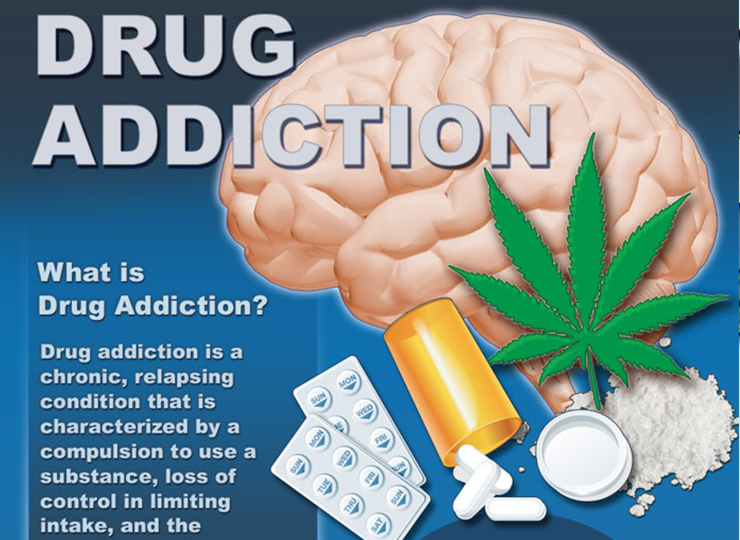
Addiction is an intricate condition of the brain, usually categorized as a disease that involves reward and motivation cerebral systems structurally and chemically altered. The condition involves a number of behavioral and substance related things an individual finds difficult to control. It is a chronic brain disorder that despite several attempts to leave, one constantly finds him/herself falling back to. Usually, addiction manifests itself in various forms. This is dependent on a wide range of behavioral and substance related triggers among them: gambling, sex, food, work, alcohol, caffeine, tobacco, bhang, and the latest one, computer and the internet.

Intimacy on the other hand is an interpersonal relationship between two individuals. It involves both emotional and physical engagements. Whereas emotional intimacy refers to how a person’s being feels closer to the other, physical intimacy essentially is about sexual involvement. An intimate relationship requires a good balance of various dear elements among them: trust, care, affection, expectations, beliefs, cognitive perceptions, opinions, experience, and commitment. Intimacy comes along with a number of human benefits that all together show its significance in our lives. These incudes: a deeper understanding of self, spiritual growth, feelings of completion, and sexual reward.

Addiction and Intimacy

Substance Addiction and Intimacy  

Excessive use of drugs often leaves one obsessed. Excessive substance abuse often takes control of one’s body. The result of such addiction literally is little or no space for other commitments. Further drug abuse often drives one into a state of illusion and selfishness. Drug abuse is also said to reduce feelings of true affection and love. With time drug addicts are said to think not beyond their own needs, to satisfy their addiction. Sometimes they spend most if not all their money drinking alcohol and or taking drugs, forgetting the simple things that once mattered in their relationships and the needs of their partners.

Addiction and Intimacy explains that sometimes, drug addicts wake besides strange sexual partners. Often it starts as a simple one time occurrence which the victim feels remorseful but soon it becomes a habit. Of course you can imagine effects of the same including unplanned pregnancies and possible infection with sexually transmitted diseases (STIs) or HIV-AIDS. In extreme situations, substance abuse may generally lead to loss of sexual interest and ability to perform well at it.

 Behavioral Addiction and Intimacy

Relationships bring people of different backgrounds together. It may be difficult to know from the start everything about one’s partner. However at times it is easier. One may not accept some behavior exhibited by the other. But still they agree to get into relationships with expectations to influence one another to change. At times they achieve desired behavioral attributes in the said partners, but at times they seem to do the same things repeatedly it becomes difficult to control. One great hindrance to behavior change is addiction. When a person is addicted to gambling for instance, they will always want to do that. They will do whatever it takes, including keeping it a secret from their partners. In the end the partner who expected change may become wary hence confrontation, separation or divorce. Once a relationship reaches such levels, intimacy is lost.

Intimacy and Addiction Recovery

In order to maintain intimacy, an addict may have to take the bold step of recovery. Once the victim gives up addiction, they begin to restore their life. Intimacy therefore becomes one area they work on seriously. It is actually one of the toughest to fix. However with a good recovery plan coupled with the right forums such as the upcoming August integrative addiction medicine conferences, they may as well be able to meet various professionals who will help them fix their intimacy, their partner’s, or that of their friends or neighbors. One expert sure to attend the conference is Dr Dalal Akoury of Integrative Addiction Institute and International Organization of Integrative Cancer Physicians.

Addiction and Intimacy

Intimacy and Addiction Recovery Tips

Other than recovery, following are tips on addiction and intimacy that would be very useful in learning how to overcome.

  1. Avoid getting into a relationship within the first year of recovery. Simple, you have enough to deal with yet another sexual relationship may do the honors to destroy it all.
  2. It is important to have realistic expectations. During recovery or even immediately after, it is important to know the relation will not be back on its knees in a fortnight.
  3. Effective communication between the partners is essentially also an important part of recovery.
  4. As earlier stated, counseling is a good way to recover. Only this time it is recommended both partners attend the sessions as directed by the doctor.
  5. Loss of sexual libido might as well be caused by another thing all together. It is therefore important talk to a specialist.
  6. In some cases the situation may be so bad, it would be best to end the relationship all together, however caution has to be taken especially if children are involved.

For more information on the above, click http://www.integrativeaddiction2015.com. The link will be your guide to sign up for the conference as well give you a backgrounder about speakers lined up for the mega integrative addiction conference.

Addiction and Intimacy, the Relationship?

Facebooktwitterpinterestlinkedin

Choosing the Best Dual Diagnosis Recovery Programs

Choosing the Best Dual Diagnosis Recovery Programs: The double tragedy

Choosing the Best Dual Diagnosis Recovery Programs

Choosing the Best Dual Diagnosis Recovery Programs will enable you to break the chains of addiction completely

Knowing what drug addiction is on just a single substance, one would not wish to be associated with dual diagnosis of the same. However much as this wish is one that we wish to distance ourselves with, we often fall victims to this kind of addiction to the dismay of our loved ones. When one family member is down with addiction, endless problems follow unless immediate remedial action is taken. But even if we are faced with the dual diagnosis it is important to appreciate that this is not the end of the road. We can still get treatment and live a sober and drug free life by choosing the best dual diagnosis recovery programs that will necessitate this delivery. Therefore for a better understanding of the truth out this problem, we want to focus on the topic of choosing the best dual diagnosis recovery programs while relaying on the expertise of doctor Dalal Akoury to help us in unlocking the facts behind this kind of discussion.

Doctor Akoury says that dual diagnosis is a condition in which an individual would be suffering from two sets of addiction or more all at the same time. When on suffers from drug or alcohol addiction in concert with other behavioral or mental health disorders all at the same time can also be referred to us as dual diagnosis. This condition is also known as co-occurring disorders. Now that you know what dual diagnosis is, it is important that you are not ignorant of what you need to do should you notice signs of such addiction in your life. Doctor Akoury says that with such problems in one’s life, choosing the best dual diagnosis recovery programs becomes the starting point. This is because at the dual diagnosis recovery center you will be able to get proper treatment for you and your loved ones who may be struggling with such disorders. And while choosing the right program for your treatment, it is equally important to note that alcohol and drug problems can co-exist with mental health disorders further complicating your recovery program. And that is why good information on identifying the best dual diagnosis recovery center becomes very necessary.

Choosing the Best Dual Diagnosis Recovery Programs: Understanding the need for dual diagnosis

According to the National Institute on Drug Abuse, substance abuse and mental health disorders frequently occur together. In particular, substance abuse problems may often occur with the following types of mental health disorders:

  • Post-traumatic stress disorder
  • Anxiety
  • Schizophrenia
  • Depression
  • Personality disorders

Experts at AWAREmed Health and Wellness Resource Center a facility established by doctor Dalal Akoury says that the wrong things people do can be very costly on their health. Like for instance when an individual suffers from one of these disorders, he or she may attempt to self-medicate through the use of alcohol or other drugs, this is very suicidal and must be discouraged by all means. It is important to note that in order to have an absolute chance of successful recovery, further indulgence to alcohol or drugs is fatal but instead immediate seeking out a behavior addiction recovery facility that is capable of handling a dual diagnosis treatment should be the way to go. This is because in this type of facility, an all-encompassing treatment approach is often used to meet all of the patient’s needs. Although the mental health disorder may develop first, in other instances, the substance abuse may be the trigger for the mental health disorder. Regardless of which condition occurred first, an individual with a dual diagnosis will need to receive treatment for both. It therefore means that in order for treatment to be effective, it will also be very necessary for you or your loved one to stop using drugs or alcohol. A variety of different types of treatments may be provided in a behavior addiction recovery program, including support groups, medicines and behavioral therapy.

Substance abuse and mental health disorders can interact with, and even lead to, the presence of other disorders. The substance abuse and mental health services administration reports that approximately 53 percent of individuals who use drugs have at least one mental health disorder. Because the two illnesses can aggravate one another, it can sometimes be difficult to determine which symptoms are caused by which problem. This is why it is essential that you seek out an experienced behavior addiction recovery program says doctor Akoury.

Choosing the Best Dual Diagnosis Recovery Programs: Choosing an Appropriate Treatment Facility

Many options are available for behavior addiction recovery facilities. One of those options is a residential facility. A live-in center can provide you or your loved one with numerous benefits including the following:

One of the most important of those advantages is the fact that you will be provided with a safe environment in which you can undergo a detoxification process that is medically supervised.

A residential impulse control treatment center can also provide you with treatment for both your mental health disorder and your addiction. By ensuring that all of your healthcare professionals are working together, you will be able to benefit from a cohesive treatment plan.

A residential treatment facility will also allow you to take some time away from unhealthy environments that may have contributed to your addiction and other disorders in the past. This will also make it possible for you to focus on your complete recovery without any distractions.

In finding an impulse control treatment program to meet all of your needs, it is important to ensure the facility you choose will be able to provide psychiatric evaluation that can help to uncover the root of your underlying symptoms.

Medication management is also often important in cases of dual diagnosis in order to address both your mental health concerns and any possible withdrawal symptoms you may experience.

You may also find that group therapy sessions can be beneficial. Many people often feel alone when they first enter treatment. By speaking with others who are suffering from similar psychiatric symptoms and addictions, you may feel less isolated.

Incorporating your family in your treatment plan and path to recovery can also be helpful, as it can provide you with the emotional support you need to continue your recovery in the future.

Finally in this journey you’ve got to be determined to succeed. Things may not be as you expected currently but be encouraged that help is on the way for both your addiction and any mental health disorders that may be causing you endless pain. All that you need to do is to schedule for an appointment with doctor Dalal Akoury today for a more professional input that will not only address the root causes but also deliver total healing you desperately need.

Choosing the Best Dual Diagnosis Recovery Programs: The double tragedy


Facebooktwitterpinterestlinkedin