Tag Archives: Drug addiction and stress

Injected drugs

Moral failing has no link with drug addiction

Why drug addiction is not a moral failing: Addiction medicine, new medical specialty
Why drug addiction is not a moral failing

Why drug addiction is not a moral failing? Research has established that drug addiction is a disease like any other and must be addressed medically without any form of victimization morally or otherwise.

Traditionally if you had problem with drugs and alcohol, the society would see you as one who is not morally upright. We are also told that old is gold but is this perception productive in anyway? And would you consider it as gold in the present generation? Those are some of the points we want to consider in this discussion and that is why we are choosing the topic “why drug addiction is not a moral failing by all standards? To be more specific with this tradition doctor Dalal Akoury MD, founder and also the President of AWAREmed Health and Wellness Resource Center is a veteran addiction expert who has helped in the transformation of millions of people across the globe with their addiction complication is going to help us understand the variance between the old perception and the new scientific understanding of the complications relating to misuse of alcohol and drug addiction. She says that up until the early twentieth century it was common to view addiction as a moral failing. It is regrettable that those individuals who fell into cage of such behaviors were viewed as bad people who were willfully doing wrong. As time goes by and with new research studies revelations, this view begun to change in the early 1940s with the arrival of groups like Alcoholics Anonymous. This brought a new dispensation and people began to look upon addiction as a disease that could be treated if the right professionals are engaged. And according to the available statics we can now confirm that over the last few decades the medical professionals’ establishment has further endorsed the idea that such behaviors are a brain disease by creating a new specialty to treatment of addiction.

Moral failing has no link with drug addiction : Relationship between medicine and addiction is not a new one

We are all aware that western medication has been predominantly involved in the treatment of addiction for many years with some little restrictions in the applications. The explanation to this is that many alcoholics have traditionally sought their physician expert’s opinion from time to time when they decided to get help for their addiction and the complications that come with it. Under normal circumstance during such visits, the physician would in most cases refer them to other specific professionals such as psychiatrist, addiction therapist, or self-help group. Things are changing and now the medical establishment is viewing addiction as a disease that they can treat. This has led to the rise of a new specialty of addiction medicine. And according to the experts at AWAREmed Health and Wellness Resource Center, doctor Akoury is registering that in the past it was not unknown for physicians to be highly knowledgeable about addiction. As a matter of fact, those who are regularly dealing with such patients may decide to do additional courses so as to increase their ability to help. The American Society of Addiction Medicine has been on the leading front in providing this training to those who willing to benefit from it. It is therefore important to appreciate that those groups that have also been the driving force for ensuring that addiction medicine became a recognized specialty had their dreams realized in 1988.

Why drug addiction is not a moral failing: Need for addiction to be a medical specialty

One clear fact that needs to be understood is that addiction has consequences that cut’s on both sides of the divide. That is to say that everybody has his or her portion of pain whether you are a direct or indirect victim. And remember that at the moment there are many different professionals involved in providing care for addicts and some of those professionals may include:

  • Addiction therapists
  • Addiction counselors
  • Psychiatrists
  • Psychologists
  • Social workers
  • Psychiatric nurses
  • Public health professionals

Even though a lot of progress has been made with the treatment of addiction patients, much more is still need to be done because of the following reasons:

  • There is increasing evidence that alcoholism is a physical disease – a primary, chronic disease of brain reward, motivation, memory and related circuitry. If it is a medical condition then it is only natural that there should be a medical specialty that is focused on offering the most effective possible treatment.
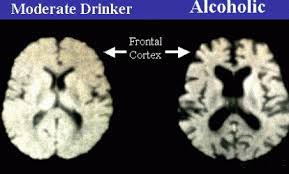
  • High resonance imaging shows that addiction does actually cause damage to the brain meaning that it is a medical problem.
  • There are now a number of medical institutions across the globe including in the US offering accredited one year programs where doctors can gain the knowledge they need for the treatment of addiction – in the past such courses were not accredited. This means that these physicians will be in a much better position to offer the help their patients need.
  • Information is power and the lack of it about addiction is certainly going to be a gap that needs to be filled and this can be done by creating an addiction specialty in medicine to help in breaching the gap.
  • Addiction is viewed as similar to other chronic conditions such as diabetes. When it is not possible to offer a cure the focus should be on medical management of the symptoms.
  • The medical management of addiction can focus on relapse prevention. By getting somebody to stop abusing alcohol or drugs. This must be appreciated that this is just half the battle and the real task is to help them stay stopped.
  • There are a number of pharmaceutical drugs that people can use to overcome their addictions and of particular interest are drugs that may reduce the intensity of cravings or help the individual pass through withdrawals easier.
  • Sending addicts to psychiatrists might not always be the best course of action because many of these individuals do not have psychiatric problems although a high percentage of them do.
  • Physicians often feel helpless to help addicts. The growth of the specialty of addiction medicine means that they can do more than merely patch them up and send them back out to the world.
  • The physician is often in a good position to recognize the symptoms of an addiction.

Moral failing has no link with drug addiction: Future of addiction treatment

Finally with this fact that addiction has become a bona fide medical specialty out of the box, we need to start seeing real time improvements in the care of addicts such including the following says doctor Akoury:

  • There will be an increasing number of physicians who have a good understanding of addiction and treatment. These professionals will be able to help ensure that addicts who pass through the medical system receive adequate treatment.
  • It is likely to mean that there will be increased research into pharmaceutical and other treatments that may be of value to those struggling with addiction.
  • It should mean that physicians can do more than just pass the addict onto another specialty.
  • Physicians will be able to play a key role in relapse prevention.

All these are tailored towards ensuring that addiction victims get the best and this best can only be realized when you as a victim of an addiction schedule for an appointment with doctor Dalal Akoury today for further professional guidance.

Moral failing has no link with drug addiction: Addiction medicine, new medical specialty


Facebooktwitterpinterestlinkedin
Withdrawal

Post acute withdrawal complicates recovery process

Post acute withdrawal complicates recovery process: The variances with individuals

post acute withdrawal

The knowledge and patterns of post acute withdrawal will go a long way in solving the problem and fear of enrolling for addiction treatment to avoid instances of intoxication.

Over the past few days we have been focusing on the significance of Post acute withdrawal symptoms (PAWS) in the life of many addicts which are not really the same in everyone. We can confidently say that the variation is very evident and that is why we want to focus our discussion on this article about understanding how post acute withdrawal complicates recovery and how best it can be managed. To do this effectively, we are going to relay on the experts experience of experts from AWAREmed Health and Wellness Resource Center. This is a health facility that was established by doctor Dalal Akoury who is a medical and also a veteran addiction expert for several decades now. Her passionate decision to formulate this facility was motivated by the desire of making a difference in people’s lives especially those who are struggling with any kind of addiction whether directly or indirectly. With her input we are going to have the clear understanding of the patterns of post acute withdrawal. This is therefore very important and I want to request you to stay with us on the link and together get the vital information we all need to be on the safer side of any complications that are associated with drug addiction. Now back to the understanding the patterns of post-acute withdrawal, the variation can be categorized in various ways including how severe they are, how often they occur and how long they last. In the same breath some people will often experience certain symptoms while some will also have other symptoms and yet again some people will have none at all says doctor Akoury.

From the expert’s point of view, it is important to note that over a period of time PAWS may get better, it may get worse it may stay the same, or it may come and go. Now take note of this:

  • That every time it gets better we call it regenerative
  • If it gets worse it is known as degenerative
  • If it stays the same we call it stable and
  • If it comes and goes we call it intermittent.

We all need to be informed of the functionalities of each of these stages. Information is power and the more you know about post-acute withdrawal symptoms the better since you will not make certain mistakes that are predominantly being made by many uninformed people across the globe. Now take a moment and listen to the following facts as we progress into the discussion.

Post acute withdrawal complicates recovery process: Regenerative

Addiction is not a respecter of anybody and we must do all it takes to bring it to manageable levels. Doctor Dalal Akoury says that at this stage the good news about it is that the regenerative PAWS gradually improves over time. She adds that the reason why sobriety is very important is because the longer period of time a person stays sober the less severe the symptoms become. It therefore means that it become much easier for people with regenerative PAWS to recover because the brain rapidly returns to normal and that explains why we must all take the front lane in eliminating misuse of alcohol and all other substances of abuse says doctor Dalal Akoury.

Post acute withdrawal complicates recovery process: Degenerative

Having understood how regenerative PAWS works, the degenerative PAWS is the direct opposite. In this case the symptoms get worse the longer a person is sober. This may happen even when a person is going through rehabilitation to AA/NA or even when following some type of recovery program. It is regrettable to note that in many cases the people with degenerative PAWS often become relapse prone. The most devastating part of this is that at this point sobriety becomes so painful to the victims that they feel they must take it up on themselves by self-medicating the pain with the wrong substances including alcohol or drugs. The consequences of this may include the collapse physically or emotionally, or commit suicide to end the pain.

Post acute withdrawal complicates recovery process: Stability

Doctor Dalal is registering that under normal circumstances a person with stable PAWS experiences the same level of symptoms for a long period of time into recovery. There may be days when the symptoms are a little better or a little worse, but essentially the symptoms remain unchanged. Most recovering people find this very frustrating because they believe that they should be feeling better the longer they are sober. With sufficient sober time many people learn to manage these symptoms.

Post-acute withdrawal complicates recovery process: Intermittent

Finally with intermittent PAWS the symptoms come and go. At the initial stages, people with intermittent symptoms will appear to experience a regenerative pattern. That is to say that their symptoms will get better rapidly. But then they begin to experience periodic PAWS episodes that can be quite severe. It is equally important to note that for some people the episodes get shorter, less severe, and farther apart until they stop altogether while in others they occur periodically throughout life.

According to the experts at AWAREmed Health and Wellness Resource Center these patterns actually describes people who have not had treatment for PAWS and who do not know how to manage or prevent the symptoms. It is also necessary to mentioned that the traditional treatment does not address these symptoms because until recently they were unrecognized. If you know what to do and you are willing to do it, degenerative PAWS can be changed into stable, stable into regenerative, and regenerative into intermittent PAWS.

Doctor Akoury is making emphasis that the most common pattern of PAWS is regenerative and over time it becomes intermittent. From there it gradually gets better until the symptoms disappear and then it comes and goes. It therefore means that the first step is to bring PAWS symptoms into remission. This means bringing them under control so that you are not experiencing them at the present time and the ultimate goal is:

  • To reduce how often they occur
  • How long the episode lasts and
  • How bad the symptoms are.

In all these you must always remember that even when you are not experiencing them there is always the tendency for them to recur. It is therefore necessary to build a resistance against them and you can always consult with the experts from AWAREmed Health and Wellness Resource Center under the able leadership of doctor Akoury for further professional guidance.

Post acute withdrawal complicates recovery process: The variances with individuals


Facebooktwitterpinterestlinkedin
treament using therapy

Dialectical Behavior Therapy and teenage addiction

Understanding Dialectical Behavior Therapy and teenage addiction: Are you sending the wrong message?

Understanding Dialectical Behavior Therapy and teenage addiction

Understanding Dialectical Behavior Therapy and teenage addiction is very necessary in the fight against teenage addiction.

For a very long time now we have indicated openly that with addiction there are no boundaries. Everyone is at a risk of being addicted to any drug depending on several factors which we have repeatedly discussed in our previous postings. Nonetheless with the rampant increase of the number of people being addicted to drugs every passing day, it has become necessary for us to marry facts and discuss them as they are for our timely consumption and taking appropriate action plan. In view of that, we want to focus this discussion on the understanding Dialectical Behavior Therapy and teenage addiction as components addiction and how they complement one another in the fight against substance abuse. The use for chemical dependency is another element that requires Dialectical Behavior Therapy (DBT) for solutions says doctor Dalal Akoury who is an addiction expert, MD, Founder and President of AWAREmed Health and Wellness Resource Center.

From her over two decades of working experience in this discipline, doctor Akoury defines Dialectical Behavior Therapy (DBT) as a modified form of Cognitive Behavioral Therapy for those with severe psychosocial disorders. According to the recent work at the University of Washington suggests its effectiveness with chemical dependency, in particular, and some addiction specialists are incorporating DBT into rehab treatment plans. It is however important to appreciate that this form of therapy concentrates on skill development, coping strategies, and the individual’s strengths. Through a focus on positive reinforcement, Dialectical Behavior Therapy can decrease the number of self-destructive episodes an individual might experience, as well as their severity. The basic assumption of DBT is that people are doing the best they can but are lacking the skills necessary to function appropriately in any given environment.

Understanding Dialectical Behavior Therapy and teenage addiction: How does DBT works

When you choose this mode of addiction treatment for your specific condition, it will be very important to be informed of how DBT works. Doctor Akoury registers that basically there are about four components of DBT and they may include the following:

  • Individual therapy
  • Group therapy
  • Therapist Consultation Team
  • Phone Coaching

Now for better understanding, let us seek the expert’s opinion from AWAREmed Health and Wellness Resource Center which is the home of solution founded by doctor Dalal Akoury, MD and President of the facility (AWAREmed Health and Wellness) as follows:

Individual therapy

Professionally, this is where the client records issues that come up during the week on diary cards and discusses them with a therapist. During these sessions, the therapy focuses on developing or improving skills that will diminish self-destructive behaviors, sabotage to therapy, and improve overall quality of life. This is actually very important especially to the teenagers who are struggling with the various forms of addiction. With the administration of DBT there will be both physical and psychological empowerment which is very instrumental in the fight against addiction.

Group therapy

Doctor Akoury reiterates that when group therapy is done at least once week and sessions that will last for up to two and a half hours, focusing on the use of four specific skills: mindfulness, interpersonal effectiveness, emotion regulation and distress tolerance, the result will be overwhelmingly productive to everyone whether you are the direct victim or indirect victim. Many people often feel intimidated when they are alone with the specialist but with the group therapy some ray of comfort and confidence is possible since one will be able to ride on the experiences of other people who have been there. Moral support is one of the strengths realized in such an arrangement. Therefore if you or any one you know is struggling with an addiction of any kind, then you may want to be the bridge through which they will get the much needed help they need by scheduling for an appointment with the experts at AWAREmed Health and Wellness Resource Center. On receipt of your appointment, doctor Dalal Akoury and her team of experts will attend to you humanly and with a lot of confidence. Patient doctor trust and confidentiality is one virtue we uphold in this facility to perfection.

Understanding Dialectical Behavior Therapy and teenage addiction: Therapist Consultation Team

This includes therapists who are using Dialectical Behavior Therapy and provides weekly support for the therapist.

Understanding Dialectical Behavior Therapy and teenage addiction: Phone Coaching

This is designed to help incorporate skills into an individual’s daily life. The coaching sessions are generally brief, informative and to the point. It is however very important to take note that mindfulness is the foundation for the other skills taught in DBT, because it helps individuals accept the powerful emotions they may feel when exposed to difficult situations. Buddhist practice for instance informs the mindfulness exercises used in DBT, though the version used does not contain religious concepts. DBT helps develop the capacity to be present, to pay attention without judgment, and helps individuals develop perspective on their emotional states. Doctor Akoury is further registering that since the use of Dialectical Behavior Therapy in substance abuse is comparatively new, it is yet to be considered as an evidence-based therapy. However, the increased use of DBT in the treatment of chemical dependency will likely yield statistical evidence to prove or discount its effectiveness.

Finally understanding dialectical behavior therapy and teenage addiction is just but one out of the many options available for the treatment of drug addiction and not just in the teens, but also with other different age groups. It is therefore very necessary that when considering any method of application, expert opinion would be very important. And for that reason, we want to advice that you consult with your physician for further professional advice and if you are within reach, then you may want to consider scheduling for an appointment with doctor Dalal Akoury today for a one on one discussion with her and you will not regret having done so.

Understanding Dialectical Behavior Therapy and teenage addiction: Are you sending the wrong message?


Facebooktwitterpinterestlinkedin
Misuse of alcohol

Using aromatherapy in drug addiction recovery

Using aromatherapy in drug addiction recovery: Alternative therapies for people in recovery

Using aromatherapy

Using aromatherapy in addiction recovery can bring very tangible difference in the lives of young and old people doing drugs.

It is an open secret that alcohol or drug addiction is posing serious threat to human life and health. A lot is being done to find user friendly application that will the victims comfort during and after recovery. And even as this is everybody concern, it has not deleted the fact that recovering from the various kinds of addiction can be very challenging. Speaking to the experts at AWAREmed Health and Wellness Resource Center, we are able to share with you a variety of great resources available that can make the healing and reconstruction process much easier. According to doctor Dalal Akoury MD who is the founder and president of AWAREmed Health and Wellness Resource Center, any minor discomforts that an individual experiences during the initial settling in period to sobriety will be worth it because of the benefits to be gained by this new way of living after the absolute recovery process is completed. We appreciate that the healing process will often come with some elements of discomforts like the withdrawal symptoms, but nonetheless it is important to note that there are possibilities of reducing these discomforts to a minimum and manageable levels. One of the ways of achieving this is to make use of alternative therapies such as using aromatherapy, and that brings us to our topic of discussion today which is “using aromatherapy in addiction recovery.” This will be very interesting and productive not only to the direct victims, but also to the indirect victims. We therefore want to kindly request you to stay with us on the link to get that facts right so that together we can make not just a difference, but a significant one.

Using aromatherapy in drug addiction recovery: Elucidation of aromatherapy

It is good that we understand what aromatherapy is and more so in relation to our subject of discussion. From the expert’s point of view, aromatherapy has been practiced for centuries by different cultures across the globe and the benefits have spoken for themselves. Anciently it is believed to date back to several generations and it is one of the oldest applications to date. It is no wonder that today it is classified as one of the types of alternative medicine or holistic treatment. It involves using various plant materials and aromatic ingredients in order to produce scents that are believed to benefit mental, physical, and spiritual health. The individual benefits from the properties of these mixtures through inhalation.

For better understanding, it is important to note that there are varieties of essential Oils which comes in liquid form and are used in aromatherapy. They are made up from the oils of plants or other compounds and in many instances they (oils) are often extracted through the process of distillation which is a method of separating solutions that involves boiling. The different essential oils that are created by this process are not only used for aromatherapy, but can also be applicable in a number of ways including being found in cosmetics and sometimes even food. Currently we do have many different types of essential oils that are used for a multitude of purposes with just one single essential oil can contain up to a hundred different compounds inside of it.

Using aromatherapy in drug addiction recovery: How aromatherapy works

When it comes to usage, many people are often perplexed of various things including cost and the duration of recovery. These are among the concerns that we will all have but one very important element that we must have is that despite such concerns, it is still possible to begin benefiting from aromatherapy without spending heavily. Doctor Akoury is advising that, all that is really needed is some essential oil and a diffuser. By now we all understand the use of essential oils however the purpose of the diffuser is to heat the essential oil so that it can diffuse into the air as a vapor. And besides this there are also some aromatherapy products that can be directly inhaled or applied to the body. Careful consideration should be taken so that this is only done with products designed for this purpose.

The other concern we noted is that of the cost element. I deadly doctor Akoury says that these products (essential oils) will definitely vary in price with smaller quantities of about 15 ml costing approximately $5 to $50. These figures may still be high for some client but the good news we have now is that these days it is possible to find things even cheaper online but even as you go online it is still very important to only deal with a reliable suppliers. The other point is that there are different types of diffuser available with some using candles while others will use a special electrical light bulb to heat the essential oil. It is usual to mix the oil with water in the diffuser. It is also suggested that people investigate the different types of products available to decide which ones will most benefit them, and this will depend on what function they wish the essential oil to perform for them.

Using aromatherapy in drug addiction recovery: Aromatherapy for people in recovery

One ultimate fact that we must not forget is that while aromatherapy is essential for people recovering from addiction and alcoholism, it is important to note that on its own, it cannot cure addiction, but these compounds can be of great importance to people recovering from any kind of addiction. For better understanding, the following are some of the benefits one would get when using these products:

  • Some essential oils can be effective at helping people relax. This can be particularly important for people in early recovery who can find adjusting to their new life a bit overwhelming at times.
  • It is fairly common for people in the first year of recovery to complain of a fuzzy brain – this can occur as a result of the initial withdrawals or post-acute withdrawal symptoms (PAWS). There are some essential oils that can increase mental clarity.
  • Many people complain of difficulties sleeping during the early days of recovery. Essential oils in evening will be able to relax them and put them in the mood for sleep.
  • Meditation can be of great benefit to those who are recovering from an addiction. Some people find that essential oils help them fall more easily into a meditative state – although people need to be careful because if the aroma is too noticeable it will act as a distraction.
  • Some of these products can be good at lifting people’s mood.
  • There are oils that can help people reduce their anxiety levels.
  • They can help lessen the impact of withdrawal symptoms such as body discomfort and nausea.

Finally the use of aromatherapy in addiction recovery is very essential in helping addicts stay comfortable even when the effects of withdrawal symptoms occur making them very effective in controlling instances of relapse. We are going to continue with this discussion progressively in our subsequent article and we want to invite you to continue being with us for more information about the efficiency of aromatherapy. In the meantime if you have any concern that you need to be addressed, you can schedule for an appointment with doctor Akoury today and you will be attended to professionally.

Using aromatherapy in drug addiction recovery: Alternative therapies for people in recovery

Facebooktwitterpinterestlinkedin
Crashing addiction

Aromatherapy effectiveness in addiction recovery process

Aromatherapy effectiveness of in addiction recovery process: What role can aromatherapy play during rehabilitation?

 Aromatherapy effectiveness

Aromatherapy effectiveness in addiction recovery is a powerful tool for crushing drug addiction to its knees.

When we talk of the effectiveness of aromatherapy in addiction recovery, we must ask certain question and get straight answers to them. Like for instance we may want to know what role can aromatherapy play during addiction recovery in a rehabilitation facility? Doctor Dalal Akoury the MD and president of AWAREmed Health and Wellness Resource Center is registering that recovery and rehabilitation are holistic processes in which an individual physical, mental, emotional and spiritual dimensions can all be considered. This consideration can be done in several ways and aromatherapy effectiveness in addiction recovery has proven to be a successful ingredient in offering solutions for many people. Which then brings us to the question once again that “what role can aromatherapy play in your rehabilitation and efforts to stay clean and sober?” with the help of doctor Dalal Akoury a veteran addiction expert of several decades we are going to discuss with you a simple rehabilitation guide of the effectiveness of aromatherapy and how it can help you during rehabilitation. But first thing first let us define aromatherapy.

It is important to note that aromatherapy stimulates the central function of your brain where the sense of smell originates. In other words we can say that anytime you are enjoying any smell that you find pleasant or relaxing, you are actually engaging in a form of aromatherapy. Besides essential oils and aromatic plant substances are typically used in successful aromatherapy. And like we had mentioned before, it is widely believed that the more natural the ingredients are, the healthier the therapy will be and the better the results achieved will be. Inhaling safe, organic aromas that you find enjoyable is the essence of aromatherapy which is very essential for soothing addiction and minimizing chances of relapse. It is believed that the inhaling of these aromas stimulates the brain to release chemicals that make you feel relaxed, calm, happy or positively stimulated to achieve what you desire in life. With this achievement, one is able to contain and cope effectively with all the withdrawal symptoms and live a normal and happy life says doctor Akoury.

Aromatherapy effectiveness of in addiction recovery process: Aromatherapy and recovery from alcohol and drugs

Following the achievements listed above, it is evident that aromatherapy is a fine tool for minimizing most triggers of addiction and alcoholism. Such triggers may include anxiety, apprehension, pain, stress, hurtful memories, fear, depression and insomnia. As a matter of fact many studies while applying large sample groups have demonstrated quite clearly that aromatherapy alleviates all of these triggers. Like for instance in one of the studies where women were involved, it was demonstrated that depression reduces the ability to smell. Aromatherapy increases olfactory functioning and alleviated symptoms of depression.

Aromatherapy effectiveness of in addiction recovery process: Essential oils effective in recovery and rehabilitation

There are many oils that can be used in aromatherapy to alleviate the triggers to drinking and drug use. When this occurs, you will be able to stay sober and drug-free more easily. Some of the more common essential oils used in aromatherapy may include:

Lavender oil – this is sometimes is also known as the oil of peace due to its ability to help people become calm and relaxed. It is a good option for people who want to be comfortable and in good mood for a peaceful sleep time or just want to peace of mind after a busy day.

Ylang Ylang – this is another essential oil that is believed to be good for relaxation in many ways.

Lemon oil – this is believed to enhance mood and trigger the feelings of sufficiency of energy to face the day’s challenges. Besides that there are is also some evidence to suggest that it can help people deal better with stress.

Peppermint oil – this is said to be good for helping people deal with minor body discomforts including mild headaches. It is also good for relieving nausea which is often a problem for people going through withdrawals.

The smell of Sandalwood – it is commonly found in Buddhist and Hindu temples where it is used in incense. It can be good for putting people in the mood for contemplation.

Bergamot oil – this is believed to help alleviate mild symptoms of depression.

Eucalyptus oil – is actually good for opening up the airways and it can make people feel like they have more energy.

Chamomile oil – this is another essential oil that is good for promoting relaxation and sleep.

Clary Sage – this is said to be good for reducing levels of anxiety and promoting sleep.

Dill oil – this is said to help people deal with feelings of being overwhelmed, and it is also good for general relaxation.

Ginger oil – this is said to be a mild stimulant. This means that it may lift mood and increase mental clarity.

Jasmine – this is said to lift the mood and can be used as a mild antidepressant.

Aromatherapy effectiveness of in addiction recovery process: Things to consider with aromatherapy

Even though aromatherapy is generally considered safe, the following elements are worth considering before using any of these products:

  • Take note never to ingest any essential oil unless it has been specifically designed for that purpose.
  • Aromatherapy is like most things in life – best in moderation.
  • Always follow the instructions for the use of the different products keenly.
  • If you have any type of respiratory problems such as asthma you will need to be very careful when opting for these oils. It is advised that they avoid them completely unless given the ok by their physician.
  • It is important to be aware of any potential side effects related to these products – for example, rosemary can sometimes lead to a rise in blood pressure and should be avoided by people who have hypertension.
  • Hyssop oil may trigger seizures in those people who have a history of convulsions.
  • Pregnant women are usually advised to avoid aromatherapy.
  • These products can be dangerous if they get into the eyes. People need to be careful to wash their hands if any of the oil has gotten onto their skin – otherwise they could accidentally rub the oil into the skin.
  • It is advised that those people who have any type of estrogen dependent cancers should avoid oils such as aniseed, fennel, and sage which are estrogen like compounds. This would include breast and ovarian cancer.
  • The cost of essential oils can vary a great deal so it is advisable to shop around. Some products cost far more than others, but the only real difference will be the brand name.

Finally these are points not to ignore if you want to get the best out of aromatherapy. And in case you have any further concern that you need to be addressed, you can use this opportunity to call the experts at AWAREmed Health and Wellness Resource Center and all your concerns will not only be addressed, but they will be handled professionally.

Aromatherapy effectiveness of in addiction recovery process: What role can aromatherapy play during rehabilitation?


Facebooktwitterpinterestlinkedin