Tag Archives: Disease

DRUG INDUCED LIVER DISEASE

The cases of liver diseases have recently recorded an acute rise. A recent study in
London found that hospital admission for liver disease as a result of
drinking has risen an alarming 112 percent in the past decade among
women under thirty. The question is, “why is it on a rise for women especially?” one of the possible reason and what the researchers have pointed out is the denial
about their drinking habits.

What Is Drug Induced Liver Disease?

This refers to the diseases of the liver, which unlike the naturally occurring ones, they are caused by drugs. These drugs can be prescribed medication, over the counter medication, vitamins, hormones, herbs, illicit drugs or environmental toxins.

Why is denial being associated with the increase in drug induced liver diseases in women?

Drug Induced Liver DiseaseBefore we answer this question, we need to understand the meaning of denial first. What is denial in relation to drugs/ addiction? Denial is a defense mechanism in which a person doesn’t want to admit to a problem. In this case for example, admitting to the problem of drug taking would force an individual to handle his/her drug addiction and this would have to make significant changes and admit wrongdoing.

Addiction to alcohol and related drug substances has been on a rise. Women have also been involved in drug taking (especially alcohol) in the recent past. Alcohol which is among the highly addictive drug substances is known to cause liver diseases. This addiction poses one to high chances of getting these diseases since the rates of consumption of alcohol rises. Admitting to addiction can be too difficult especially to women and hence seeking recovery assistance becomes paralyzed. In this respect, women will deny the fact that they are taking drugs which are usually followed by effects, one of which is drug-induced liver disease. This means the chances of women who are addicts of alcohol remaining in the situation are higher above those of men. This could be a good explanation of why many women are now reported to be admitted of liver drug induced diseases.

Which are the symptoms of liver disease?

Liver diseases will rarely have symptoms which are observable immediately after one has a liver disease. For patients with mild liver disease may have a few or no symptoms at all. For the case of patients with severe liver disease, symptoms develop which may or not be specific.

  • Non-specific symptoms – there are symptoms that even after seeing them depicted on a given person we cannot conclude that the person has a liver disease. These are the symptoms we term as non-specific symptoms since they can be seen in many other disorder or diseases. These non-specific symptoms may include:- Abdominal pains, loss of appetite, fatigue and weakness of the body.
  • Specific symptoms – this refers to symptoms which will specifically indicate that a person is a victim of liver disease. These symptoms may include;
    • Yellowing of the skin – this is normally as a result of the accumulation of bilirubin in the blood.
    • Itching associated with liver disease may be evident
    • Easy bruising may occur due to the decreased production of the blood clotting agents by the diseased liver.
    • Others may include:- fever, joint pains, sore muscles, nausea, vomiting etc.

Note that in severe case such as in advanced liver disease with cirrhosis can depict symptoms that are related to cirrhosis such as:-

  • Accumulation of fluid in the legs and abdomen. This is due to the increased pressure in the blood vessels that goes to the liver.
  • Another symptom that may occur is mental confusion or coma. This is from hepatic encephalopathy due to the increase in ammonia.
  • The patient of liver disease will be highly vulnerable to bacterial infections and gastrointestinal bleeding.

How is drug-induced liver disease diagnosed?

Drug Induced Liver DiseaseThe process of diagnosis of drug induced liver disease will always begin with examination of the complete history and physical wellbeing. On top of that examination, other diagnostic procedures will follow. These procedures inclue;

  • Specific blood testing in the lab such as:-

o   Study of liver functioning

o   Cellular blood count

o   Determination of bleeding times

o   Electrolyte tests

o   Chemical substances presence in the body tests

o   And finally drug screening tests.

  • Liver biopsy – this refers to the procedure in which blood samples are removed from the liver from the body for examination.
  • Ultrasound diagnostic methods – this involves use of a diagnostic imaging technique which uses high frequency sound waves to create images of internal organs in the body.

Is there treatment for liver disease?

Yes, liver disease is curable. The procedure of treatment will differ from one person to the other. The specific treatment for the patient of drug induced liver disease will be determined by the physician based on the following:-

  • The physician will enquire about your age, overall health and medical history.
  • Another concern will be your tolerance on specific medications
  • Expectations for the course of the disease will also be another factor to be considered.
  • Your opinion or preference may sometimes form part of things to be considered by the physician but this will in most cases be a rare case.

What Is Drug Induced Liver Disease?

Facebooktwitterpinterestlinkedin

Understanding Depression

What is depression?

Depression is one of the common symptoms of addiction from drugs. It refers to a condition or illness that causes a constant feeling of sadness and lack of interest. The depressed person will in most cases stay isolated and doesn’t like talking to other people around. Although it is common that any human being will at one time feel moody and not willing to talk with people around, this happens for some time then it disappears. In the case of depressed persons this state doesn’t seem to go away.

What causes this depression?

depressionDepression mostly is caused by chemical compounds which lower neurotransmission levels, which in turn depresses or reduces arousal or simulation in various areas of the brain. These drugs which contain this compound known to cause depression are widely being used all over the world either as prescription medicines or illicit substances. These drugs are used for their effects which are initially friendly e.g. pain relief, sedation etc. but in the long run or abuse, they result into depression.

Which are the indicators of depression?

Depression symptoms can be identified through behavior of the depressed person, or through the feeling of the depressed. Some of the common symptoms of depression may include;

  • Concentration difficulties, difficulties in remembering details of something and even decision making difficulties. The depressed person can be observed to possess at least one all even all of these challenges.
  • Loss of interest in activities. The person may loss interest in activities that he/she liked previously. For instance, a person who liked playing chess, may no longer show any interest in playing it and his/her friends may be able to observe this abrupt change in taste.
  • The depressed person may show signs of chronic headaches, cramps, pains etc.
  • Sometimes the depressed person will possess intense sadness, anxiety and “feeling” towards the people around.
  • The person may look restless. In many cases, a depressed person will not seem to settle and often he/she looks disturbed by something unknown.
  • Some victims of depression are faced with fatigue and decrease in energy that they initially possessed.
  • A depressed person may feel worthless and helpless. This can be observed when the person possessed indicators of low esteem.
  • A depressed person will either miss sleep or oversleep. In terms of sleeping they do it to the extremes.
  • Another symptom worthy mentioning is that a depressed person possesses thoughts of suicide or sometimes attempt to commit suicide.

Note: The depressed person may possess several of these symptoms at the same time and thus, do not over rely on one indicator to judgment. Also note that sometimes, what you see as a symptom may actually not be. For instance, not all the times being moody will be considered a symptom of depression!

Diagnosis of depression

The detection of depression and determination of its type and intensity requires a professional person. Are you wondering where you will get these professionals? Then you don’t have to worry anymore! At AWAREmed, we have professionals who will diagnose you and if diagnosed with depression, you will be given the appropriate treatment for you to recover completely.

How we diagnose

It is a fact that we had for long been accustomed to doctors using specialized blood tests or some other expensive lab tests which helped them in making a conclusive diagnosis. This is no longer helpful when it comes to depression. One of the most powerful tool which has been proven effective is talking to the patient, as you try to analyze the situation and identify symptoms. This is the tool that we mainly use to ensure that we give you the most appropriate and effective treatment which will lead you to a very fast recovery from depression. The importance of it is to give you a sustained recovery. It has been common that depression as a mental problem in many cases may have some other underlying factors, which not unless they are addressed, the result may not be sustained for long and thus lapse may occur.

depression

How do we treat depression?

Just like any other disease, treatment of depression begins with diagnosis. Once you have been diagnosed with depression, you can now proceed to the step of treatment. Here, the doctor will discuss various depression options with you. The appropriate treatment for depression will depend on the type of depression you have. For example, based on the type of depression that you have, the doctor will decide which of either antidepressants, psychotherapy or both will work best for you. The appropriate treatment will then be administered.

Sometimes, a person may be subjected to a given treatment and then he/she doesn’t respond to the standard depression treatment. In this case, the doctor may opt you train your brain via simulation techniques. Whatever treatment the doctor prescribes to you, it is importat to note that there is no instant solution. You must be patient to heal slowly and finally be fully depression free. You must remember that you should not give up in the race of addiction recovery.

What is depression?

Facebooktwitterpinterestlinkedin

Liver Detoxification and Cancer Treatment

Importance of Liver Detoxification in the Fight against Cancer

Liver DetoxificationYou may now understand how important detoxification is in cancer treatment as I have written about that earlier. The toxins that get into our bodies are a host to many diseases and cancer is not excluded. Cancer is a disease that we acquire from our interactions with environment. The toxins that we acquire from the air we breathe, the foods we eat among other things do us more harm. However today I am exploring on the importance of detoxification of liver to cancer treatment. Welcome aboard and together let’s know how important liver cleansing is in the fight against cancer.

Why the liver?

The liver is a vital organ in the body without which normal bodily functions will not be accomplished. The liver is the second largest organ after the skin weighing about 3 pounds and plays a vital role in such important bodily processes such as digestion, excretion, metabolism, storage, immunity and production.

The liver plays an important role in monitoring the amount of glucose that is in circulation.  The carbohydrates we eat get broken down into glucose which is vital source of energy for the cells. The blood that enters the liver is always very high in glucose content which has to be put in control. The liver by the help of its hepatocytes absorbs the excess glucose and stores it in the form of glycogen. It has the ability of storing large quantities of glucose and releasing it in good quantities to provide energy. This helps protect the body from dangerously containing high levels of glucose in circulation. As most of you know by now, cancerous cells rely heavily on glucose for their energy supply, they are more responsive to the glucose in the bloods stream than the healthy cells so incase the glucose content is high in the blood, a conducive environment is created for the survival of the cancer cells but a healthy liver helps in controlling the glucose circulation in the blood.

Liver as a detoxification organ

The liver is a very important detoxification organ, the hepatocytes of the liver purifies the blood as it passes through the hepatic portal circulation. The hepatocytes is charged with getting rid of any toxins from the blood before the toxins are transferred to other parts of the body. Hepatocytes has enzymes that help in deactivating the toxins especially alcohol and drugs. The liver also plays an important role in keeping the levels of hormones at the optimum by removing hormones that are produced in excess by the respective glands.

Liver Detoxification

Importance of detoxifying the liver

It is important to detoxify the body organs during cancer treatment or even as a way to keep away from cancer. Liver is one of the most important organs that need to be detoxified to make the fight against cancer more effective. As mentioned earlier the liver influences the amount of glucose in circulation, helps in digestion and production of some proteins. The liver is also an important immune organ that needs to be healthy at all times to ensure safety of the body from diseases invasion.

Here are some of the reasons why liver detoxification is important in cancer treatment.

When the immune system is weak, which is especially caused by high level of stress hormone; cortisol, the body becomes a good environment for the formation of cancer cells. The high cortisol levels forces somatids which are necessary for life in the blood to turn into harmful pathogens. This pathogen finds entry into the healthy body cells to feed on the stress-induced glucose reserves affecting the supply of oxygen to the cells and causing cell mutations. The pathogenic bacteria also go to the liver to feed on the large amount of glucose stored in there. After feeding on the glucose, it excretes highly acidic wastes into the liver damaging the liver’s ability to repair and strengthen the immune system. The liver also becomes over burdened with the high toxic content in it.

The damage that is caused to the liver in case of cancer explains why most cancer patients suffer liver dysfunction. When the liver is diseased the immune system becomes weaker and weaker. When lots of somatids are turned into the cancer causing bacteria and it spreads to the rest of the body it becomes rather hard to treat the disease as the cancer cell formation cycle will still continue.  It is therefore very important to get rid of the toxins in the liver and restore its functions so as to hasten cancer recovery.

Liver detoxification can be done naturally by eating foods that are high in antioxidants hence can help in detoxifying the liver. Some of these foods that foster liver detoxification includes: Garlic, green tea, green leafy vegetables, Avocados, apples, olive oil, walnuts, lemons, cruciferous vegetables, turmeric, asparagus, Artichokes and coffee enemas.

In conclusion

The liver is a vital organ that ensures that all the bodily functions are accomplished, it also functions as a defense organ since it has great impact on the strength of the immune system. When it is heavily laden with toxins it loses its ability to purify the blood and control the amount of glucose in circulation which escalates cancer risk. Therefore liver detoxification is an important process in cancer treatment and recovery. Eating right foods can help you to detoxify your liver. You need reliable information that can help you stay cancer free. Dr. Dalal Akoury (MD) avails helpful information on cancer and other diseases contact her and learn how better you can take care of your health.

Importance of Liver Detoxification in the Fight against Cancer


Facebooktwitterpinterestlinkedin

Stigmatization of Addiction

Stigmatization of Addiction-Find out more

Stigma

Addiction is a disease like any other victims of addiction needs your support and care stop discrimination and stigma towards them.

I strongly believe that where you are in your neighborhood or in your family you have come across someone suffering from a given illness. Depending on the magnitude of the problem at hand special considerations will be taken to help ease the pain and suffering of the patient. This is normally a common and positive gesture that we extend to sick people. To be more specific let us take cancer as an example. It will not go unnoticed the great concern people will have if one of their friends or relative has been diagnosed with cancer. All the family members will express their sympathetic gasps of concern and be around the patient trying to find out the treatment options and the very detail information related to the significance of the diagnosis. Alongside all this special dedication to prayers, get well cards flowers will be sent to the patient all too express sympathy and concern.

Stigmatization of Addiction-Drug addiction

Addiction, just like cancer, is a fatal disease the only difference is how it has been stigmatized and this is a huge source of hindrance for many to understand it and give the victims the kind of support they may need.
Unfortunately addiction being a mental illness, garnering the support of others can be taxing and difficult. Majority do not understand mental illness to the degree that they understand and relate to illnesses based in physiological malfunctions. Mental illness does not come in a package seared with scars, a cast on a leg, or intravenous feeding tubes protruding from the victim’s wrists and to the nose. People suffering from this problem normally tends to be secretive and make all efforts to hide the true diagnosis from everyone and more so to their employers. Because emotions couple with mismanagement of a mental illness or lack of proper treatment put together necessitate that the patient be a way from the employment environment. In some cases, the need to be away may present itself with greater urgency than the individual’s physically ill appears due to the stigma surrounding addiction.

In recent years, negative ideas and connotations surrounding addiction have definitely improved, particularly since the earlier part of the century. Alcoholics are no longer sent off to psychiatric wards and mental institutions; a breadth of knowledge on the subject is readily available. Scientific and psychiatric communities alike recognize alcoholism as a legitimate disease. Treatment methods include regular attendance at 12-step meetings, forming a relationship with a higher power, reaching out to others in a support network, and staying active in one’s recovery. The biggest success stories boast stories of a renowned sense of spirituality. In terms of addiction, the plight is the same. Drug addicts recover from a debilitating addiction through spiritual means; by reaching out for help; and by being accountable to a group of individuals who have trudged the same road. However, knowledge based in the recovery process from both addiction and alcoholism is often limited to specialists in the relevant fields or family members of addicts and alcoholics only.
One of the barriers preventing afflicted individuals from seeking addiction treatment lies in the stigma surrounding addiction. Addiction stigma is directly correlated with the language frequently used to describe addiction-related topics. Addicts suffer from low self-esteem. They become withdrawn and isolate in their bedrooms anything to avoid being out in public or immersed in social situations. They want to stop, but find they cannot. Terminology that perpetuates the stigma of addiction only serves to intensify these deep-seated negative feelings. For example, the following list is inclusive of terminology that exacerbates an addict’s sense of guilt, shame, and isolation:

  • Calling an addict a “junkie” or an “abuser” doing so leaves no discrepancy between the human being and their disease; implies a lack of will power or character.
  • Drug Abuse in general, addicts abuse drugs; but using the term “abuse” can have long-term negative effects, due to the connotation of the term. It attributes the disease of addiction solely to the individual, ignoring environmental and genetic predispositions.
  • Referring to an addict’s test results as “dirty” causes the addict to feel filthy; unclean; undeserving of love and support.
  • Claiming that an addict “has a drug habit” doing so evades the medical assessment of addiction; negates the fact that addiction is characterized by a physical allergen, a mental preoccupation, and a spiritual sickness.
  • Labeling an addict a “user” leaves the addict feeling shameful, alone and a supposed drain on society’s resources; can also be misleading due to its part in describing individuals who have experimented with drugs but not necessarily suffered from a full-blown addiction.
  • Over time, we encourage the general public to conduct further research on the disease of addiction. Through increased access to addiction information, and factual awareness on the subject, individuals will learn to replace terms like “junkie” in describing an addict seeking recovery services with “a patient undergoing treatment for a substance misuse disorder”.

Stigmatization of Addiction-Media influence

The media is not doing much to help solve the problem of addiction stigmatization either. Today nearly all the different forms of media outlets are full of negativities in relation to addiction, the kind of movies, television shows etc. does not highlight the effects of addiction in a dignified way as they do to other illnesses like cancer which we looked earlier. This is one campaign that the civil society and all likeminded people should involve in to bring about the much needed change of attitude towards addiction as a disease.

Learning institutions is another avenue which can be very helpful in the fight against stigma and to recognize addiction as a serious disease of which like any other disease needs professional care and treatment. This can be done by incorporating the use of non-stigmatizing terms such as:

  • Harmful use of drugs and not “reckless use of drugs”
  • Hazardous drug use
  • Risky drug use
  • Substance free rather than “dirty” when referring to drug-free screening results
  • Replacing “user” with “person involved in risky substance used”
  • Medically monitored treatment regimen as an alternative to the term “substitution therapy” which refers to the addicts receiving counter-indicative drugs throughout the detoxification process; inaccurately describes addicts prescribed antidepressants in early sobriety
  • Instead of “drug habit” use terms such as “an individual engaged in active addiction”, or an individual suffering from “a substance misuse disorder”

In all this experiences we as a society have a duty to offer care and support to those suffering from addiction. In bid to offer the much needed care and support doctor Akoury founded AWAREmed Health and Wellness Resource Center a facility which is fully dedicated on offering solution while focusing on Neuroendocrine Restoration (NER) to reinstate normality through realization of the oneness of Spirit, Mind, and Body, Unifying the threesome into ONE. These are the kind of people we need to fight and eradicate stigma completely. If you ask me to recommend for you someone with great experience on addiction and much more I would not hesitate to recommend doctor Dalal Akoury, oh wait a minute I just did. Go for it friend and live your life to the fullest.

Stigmatization of Addiction-Find out more


Facebooktwitterpinterestlinkedin

Leaky Gut Syndrome

Leaky gut syndrome-Alcohol abuse and Drug addiction

Leaky gut syndrome

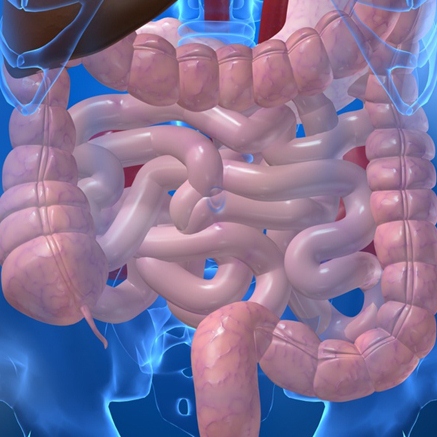
Leaky gut syndrome is term used to describe a collection of symptoms that center on damage in the lining of the large intestine.

Leaky gut syndrome is an unofficial term used to describe a collection of symptoms that center on damage in the lining of the large intestine. This damage apparently gives undigested food particles and toxins access to the bloodstream by producing minute gaps in the intestinal wall. While there is controversy regarding some of the purported effects of leaky gut syndrome, most doctors believe that unusual permeability in the large intestine can cause real health problems. People who abuse alcohol commonly experience significant changes in their intestinal function. These changes can potentially support the onset of leaky gut syndrome, or worsen its effects once it appears.

Leaky Gut Syndrome Basics

When looking at these terms medically there is great difference between syndromes and diseases. The difference is that diseases portray specific collections of symptoms with unique and distinguishable underlying causes while syndromes portrays symptoms which normally appears at the same time and have a number of potential known or unknown underlying causes. The symptoms associated with the presence of leaky gut syndrome include:

  • Diarrhea
  • Excessive flatulence
  • Unexplained fatigue
  • Unexplained fever
  • Heartburn
  • Ongoing or recurrent abdominal pain
  • Recurrent bladder infections
  • Hemorrhoids, food allergies
  • Frequent hunger
  • Joint pain
  • Muscle cramps
  • Lymph gland swelling
  • Psychological problems such as memory impairment and depression.

Normally, the bowel wall is sealed tight with the help of cell structures called desmosomes, which overlap the cells in the wall and stop them from tearing. Under certain circumstances, irritation or damage in the desmosomes can loosen their grip on the bowel wall and lead to the formation of tiny gaps that make the wall abnormally porous or permeable. The development of leaky gut syndrome begins when materials pass through these gaps and enter the bloodstream. Since these materials don’t belong in the bloodstream, immune system cells identify them as invaders and attack them. In turn, this immune response can produce increasing levels of inflammation that further damage the bowel wall, and thereby provide passage for larger molecules of undigested food and various toxins.

Leaky gut syndrome-Alcohol’s Effects

Alcohol consumption damages normal function in the intestinal tract in one of two ways:

  • The presence of alcohol appears to reduce the level of activity in key substances in the body called prostaglandins. Among their many functions, these substances help the body control the amount of inflammation that occurs at the site of any injury. Alcohol-related suppression of prostaglandins essentially allows inflammation to increase in an uncontrolled manner. While the effects of any single drinking session will produce only a temporary suppressing effect on prostaglandin levels, the type of habitual, heavy drinking commonly associated with alcohol abuse can produce ongoing prostaglandin suppression that contributes significantly to inflammation in the large intestine (and other areas of the body). In turn, this inflammation can trigger or support the development of leaky gut syndrome.
  • Heavy alcohol consumption also damages the body’s ability to pull nutrients from food and digest them in the small intestine. Ways in which this damage occurs include a reduction in the output of substances, called enzymes, required for digestion of certain types of nutrients; direct impairment of the cells in the small intestine responsible for absorbing nutrients into the bloodstream; and the creation of nutritional deficiencies that further disrupt the absorption of important nutrients. In people with preexisting cases of leaky gut syndrome, nutritional deficiencies and lack of effective nutrient processing can contribute to a worsening of the syndrome’s symptoms.

Leaky gut syndrome-More Women Affected

Women who abuse alcohol may develop more leaky gut-related problems than men. Part of this disparity stems from the fact that, compared to men, women have relatively small amounts of an enzyme called alcohol dehydrogenase, which is required for the breakdown and elimination of alcohol. This means that alcohol tends to stay in women’s bodies longer because of this deficiency. Women also have a reduced ability to effectively process alcohol during certain portions of the menstrual cycle.

Leaky gut syndrome may play a role in the onset or worsening of recognized gastrointestinal ailments such as irritable bowel syndrome, Crohn’s disease, and celiac disease, as well as a number of other ailments. Some alternative medical practitioners make unsubstantiated claims for the syndrome’s role in illnesses such as autism and multiple sclerosis. Since leaky gut syndrome is not a distinct, recognized medical disorder, physicians don’t diagnose the condition in their patients; instead, they usually consider its symptoms in a larger medical context as they work toward diagnosis of a recognized disorder.

Finally leaky gut syndrome has a way of making one’s life uncomfortable irrespective of gender. It is everyone’s desire to be healthy and be comfortable this is the reason why Dr. Dalal Akoury founded AWAREmed Health and Wellness Resource Center, is offering exclusive NER Recovery Treatment to other physicians and health care professionals through training, clinical apprenticeships, webinars and seminars.  This program is also open to any other qualified professional nonetheless individual are also not left out if you or any of your friends or colleague is suffering from any kind of addiction or you just want to get the detailed information about addiction treatment, preventions and control then this is the place to be. You will be attended to by a team of experts lead by doctor Dalal Akoury in administering treatment to your condition in a more natural way with majorly natural means to get you recovered completely and have your life back and live it to the fullest.

Leaky gut syndrome-Alcohol abuse and Drug addiction


Facebooktwitterpinterestlinkedin