Tag Archives: Disease

Healthy Sleep Habits

Healthy Sleep Habits

Sleep is one aspect of life whose essence is often easily overlooked. You think about a ball game that you simply cannot miss. Yet it is taking place from midnight. You say, “Anything else counts not, but the game.” So you stay up late into the night watching it. 4.00 AM and you are not yet asleep, and it is the eve of a Monday!

You are in the news industry. As the editor, you have to leave the newsroom after everything newsworthy has been captured in the day’s paper. Or, you are sitting for your end semester exams that begin in the morning. You do not feel well backed so you stay up late going through your notes.

The list of reasons we give for not sleeping is long. Apparently when daytime comes you often feel that grumpiness and wish to lock yourself up in the office. If you are a student you always doze off in front of the computer or your books.

In other words, the lack of sleep takes away your productivity. Bad mood; you will not be the smiling face that draws even the most uninterested customer, no! Fatigued, you will not pay attention to details at all. You may easily miss out a very important detail. In that state your mind is always foggy and if it was an exam you were staying up late for, chances are that you might end up not producing much after all because you just cannot think that well.

Good thing, you can always catch a bed and compensate for the lost sleep so that you feel better again. At certain instances, you can always rush for a cup of coffee and keep up with the prevailing circumstance. But, have you ever asked yourself what that behavior of keeping sleep a distance away have on your health?

Quality-Sleep

After missing sleep for some time, the mental effects of this sleeplessness become more serious. The fogging of your brain will become more pronounced, rendering it difficult for it to concentrate and make needed decisions. You will probably begin feeling down and may drop off at daytime. You also risk getting injuries and causing accidents at work or at home. If you drive, it is catastrophic!

Yet that is not it all! The range of health problems related to sleeplessness may surprise you if you realize them. You may probably not want to ever miss a night of sleep ever again over some series of night vigils or ball games, whatever your convincing reason is.

Health Implications

Poor Sleep patterns increase the risk for Ulcerative Colitis and Crohn’s Disease. Ulcerative colitis is a chronic autoimmune disease of the large intestine in which the gastrointestinal lining becomes inflamed and develops ulcers.

This is caused by an abnormal response by the body’s immune system. In patients with inflammatory bowel diseases, the immune system mistakes food, bacteria and other substances in the intestine for foreign or invading substances.

Ulcerative colitis only affects the large intestine whereas Crohn’s disease can affect any part of the GI tract. In addition, both short and long durations of sleep have important health implications and are associated with increased overall mortality. You have probably experienced the bad mood thing, fatigue and tiredness associated with lack of sleep. But what you might have never realized is the long-term health consequences which include chronic health conditions such as diabetes, cardiovascular disease, high blood pressure, and obesity. And now you know that these conditions may lead to some really shortened life expectancy!

  1. Weight gain and obesity

Studies have found a link between no-sleep and weight problems. These people who deny themselves the essential requirement- sleep, are more likely to have a higher body mass index (BMI) than normal. Such people are susceptible to obesity. But, how does this happen?

When you sleep less, it all begins with your appetite. It goes up! You may begin to eat uncontrollably, not because you want to or because your stomach becomes larger, no. This is something to do with the hormonal behavior in your system.

Leptin is the hormone that usually notifies the brain that you have eaten enough food and it is time to put food aside. This hormone apparently is secreted when we are asleep. Deny yourself the sleep and your appetite will have nothing to control it. Instead, you face the risk of higher levels of the hormone responsible for appetite stimulation: ghrelin.

Poor sleep therefore leads to uncontrolled food cravings that may eventually cause overweight as your body gains too much calories but is too tired to burn them off through exercise.

The little sleep may also upset the balance of other related hormones, for instance, little sleep will result in an increased production of cortisol. Hormone cortisol is normally referred to as the stress hormone. The secretion of insulin hormone may also increase following a poor sleep. Insulin which regulates glucose processing while promoting fat storage will therefore exist in large quantities, a condition that is associated with weight gain. This is a risk factor for diabetes.

  1. Immunity failure

With the altered behavior of the endocrine system, the body’s defense mechanism against infections is likely to be highly affected. This augments to the reason why doctors recommend bed rest for people who are sick. When you sleep, your body’s immunity has the advantage over invading microbes.

How do you identify a disturbed sleep then?

The signs and symptoms of a disturbed sleep include constantly feeling tired ranging from mild to severe cases, an irritable temper and feelings of moodiness, you could lose concentration and at times feel hallucinations and even memory loss, loss of coordination is common; and in severe cases the individual may encounter auto accidents. Other symptoms and signs include relationship problems, loss of appetite, absenteeism or tiredness at work and use of stimulants.

sleeping

How do you build good sleeping habit?

You could improve your sleep hygiene by establishing a regular bed time. You constantly retire to bed when that time reaches. It involves going to bet a specific time and waking up at an established regular time. For adults this interval should be about 7 to 9 hours of sleep.

You may also get rid of stimulants in your routine. Do not go for caffeine to boost your level of alertness. If you feel drowsy, just get yourself a nap. The rest will come later. In addition, you need a regular exercise schedule to get you tired so you can get some deep sleep.

When you are ready to go to bed, avoid computer games, TV or watching movies. These will rip you of your sleep. Other healthy steps include an improved diet and a cool sleep environment.

AwareMed uses the cognitive behavioral therapy as one of the principal treatments for insomnia and sleep disorders for our patients. This treatment is non-pharmacologic and addresses the sleep problems at the psychological and behavioral levels. Part of these include the above mentioned behaviors.

Healthy Sleep Habits


Facebooktwitterpinterestlinkedin

Dark Chocolate May Reduce a Person’s Risk of Diabetes

Dark Chocolate May Reduce a Person’s Risk of Diabetes

It is general knowledge that diabetes is a sugar disease. Today, this sugar disease is a worldwide epidemic, mostly because of the increased sugar consumption among world populations. It is no longer accurate to categorize diabetes as a disease of the old folks. Everyone can be a victim of the same irrespective of your age.

You do not have to take tea with double the number of spoons of sugar recommended to be exposed to the risks of high sugar consumption. You get the sugar in your Coke, yoghurt, soda, fruit juice, corn syrup; you name them.

Your system then absorbs these sugars into your bloodstream where hormone insulin is expected to promote the subsequent absorption of that sugar from the bloodstream. A number of processes are then involved in the balance of the amounts of sugar in the gut, bloodstream and the nervous system in the form of an end product.

Dark Chocolate

Several organs of the endocrine system, the digestion system and the circulatory system all play interrelated roles in maintaining this body sugar equilibrium. It is in the event of failure of some of these processes that diabetes of either type 1 or type 2 is likely to occur.

Pancreas for instance may fail to secrete insulin responsible for the sugar regulation in the blood. The kidney too may be affected and subsequently fail to perform its osmoregulation function resulting with little or no reabsorption of blood sugars. All these conditions may result to diabetes.

The Diet Equation

The diet is the largest contributor of the sugars in the body that may be causative to high levels of blood glucose. Among these dietary contributors is chocolate. There is need however to understand that not all types of chocolate are poisonous to your body sugar equation. What you might have not known is that the dark sugar is quite the opposite. It may be an antidote to the sugar disease.

So how can the same cause of the disease be the same one to reduce the risks of getting it? Point is, the milk chocolate for instance will give you diabetes. Yet the dark chocolate whose main ingredient is cocoa will treat it. How many times have you put about two bars of chocolate in your shopping trolley? Chocolate has been associated with very many health related conditions. Among these, is causing diabetes by raising the sugar levels; so to most people it is better to avoid the chocolate. Others are weight gain and cardiovascular conditions such as cardiac arrest.

In as much as chocolate may not go down well with everyone due to this, the dark chocolate has its good side. It drastically reduces your chances of getting diabetes and earns you freedom from a life of constant dose of insulin supplements. Studies have shown that taking just the right amount of this chocolate option could do the trick very well. I am not talking about stacking yourself with bars and bars of chocolate every day.  Neither am I talking about craving the sweet thing every single hour. No. I am talking about a calculated dark chocolate containing 43 mg of magnesium per ounce.

How the magnesium in dark chocolate helps with diabetes

The fourth most abundant mineral in your body, magnesium plays key roles in a number of essential processes in your body. As such, if you happen to have less of it, your body is not likely to function at its best. Insufficient amounts of cellular magnesium lay the ground for deterioration of appropriate metabolic function. This is what may typically melt down to serious health related problems.

dark chocolate

For diabetic conditions, the mineral plays a key role in preventing insulin dysregulation as well as type 2 diabetes. This is according to different recent studies on the causes and behavior of diabetes. Among the findings of these studies was that the people who take highest amounts of magnesium whether through supplements or natural sources reduced their risk of suffering metabolic problems by about 71 percent. This in essence decreases your chances of having a diabetic condition resulting from gut disorders. A study thus has concluded that this metal is essential for the protection of type 2 diabetes

Taking the dark chocolate guarantees your intake of this essential mineral in nice alternative: a sweet dark chocolate. As mentioned earlier, it is necessary to take caution not to get addicted to the chocolate and only stick to the recommended amounts. A doctor’s input would be highly valuable for a type 2 diabetic who wishes to go for this alternative remedy.

AwareMed is the best place to purchase magnesium. Here you will also have the merit of getting the health information from Dr. Dalal Akoury who has been in the practice for several years.

Dark Chocolate May Reduce a Person’s Risk of Diabetes


Facebooktwitterpinterestlinkedin

Wrong Food Causes Joint Pain

Wrong Food Causes Joint Pain

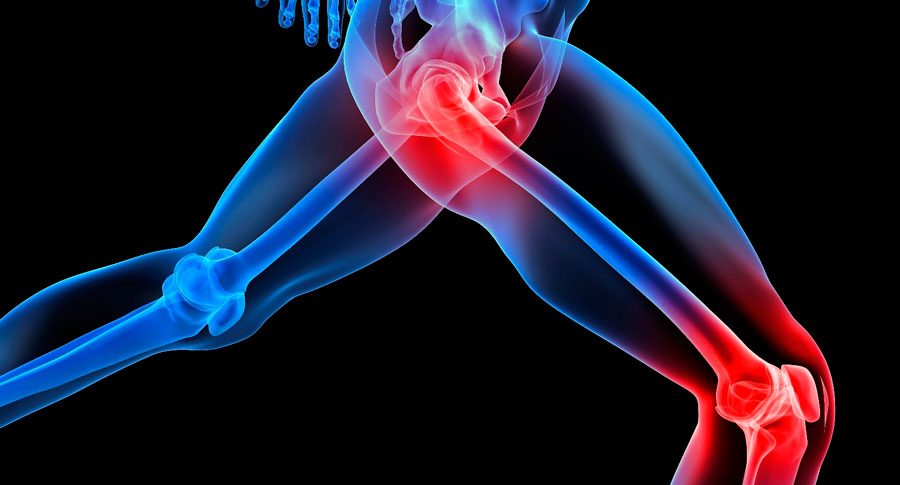
Joint pain is a common complaint among many people. It not only slows you down but causes a
lot of discomfort. It can be caused by injury or disease. It is estimated that over 50 million Americans today are affected by joint pain. A joint refers to an area where two bones meet. These bones are separated by cartilages. The fact of the matter is that joint pain is no longer a disease of the old folks.

Joint pain has been linked to conditions such as arthritis, gout especially of the big toe, bursitis, and muscle pain. Other cause of joint pain include viral infections, fractures, overuse or straining of the joints, rheumatoid arthritis, osteomyelitis which is simply bone infections among others. Joint pain can affect more than one joint at a time. The most common complaints of joint pain are within the hip and shoulder region. However, it can affect any part of your body.

Joint pain can range from mild to very severe pain. It can last from a few days or even go on for several months a condition called chronic joint pain. Whether mild or severe the fact is that, joint pain can affect the quality of your life.


The most common cause of joint pain among a given number of populations is arthritis. It is a disorder of the joints that is caused by an inflammation on the joints. Patients with arthritis complain of pain on the affected joint. Other causative factors of arthritis may be straining of the joint, wear and tear of the muscle tendons of the joints, or fatigue.

Apart from the causes mentioned above, eating the wrong foods can also lead to joint pain. Research has shown that certain type of foods contribute to painful joints.

The Diet Question: Gluten

Eating the wrong diet may lead you to develop joint pain. Studies have shown that eating foods rich in gluten can cause inflammation. This inflammation is what causes pain especially on the knees and joints. You may experience actual physical pain in these areas. The joints especially are the ones highly likely to be affected by inflammation.

The most common source of gluten is wheat flour. Others are barley, rye and other foods made with these grains and any foods made with these grains.

Of the available sources of gluten, wheat is the most common that finds it way in most of our diets. Avoiding wheat may prove very difficult to most of us. This is because it would mean avoiding all those delicacies made from wheat flour. Am talking about pasta, bread, cookies, cakes, muffins, pastries, crackers, gravy, sauces, cereal and the list is endless. Beer is also a source of gluten.

joint-pain

You may have experienced pain in the joints at one time. What comes to our minds when that happens is that we are doing too much work or probably taking those many stairs to your office every day may be causing the pain. Well, this may be true since joint strain may eventually lead to joint pain. Past studies have shown that our diet is the main cause of most of the health problems we experience. This is not different from joint pain and the major cause of joint pain has its root with the gluten diet.

Going off gluten may prove next to impossible to most of us. This is because it is in all the good foods out there. But if something affects your health the best thing to do is cut it out.

Additional Facts about Joint Pain: Leaky Gut Syndrome

Digestive problems affect a number of people. Ever heard of leaky gut syndrome? The gut plays a major role in your overall health and well-being. When food is not being digested properly, it can lead to all kinds of unimaginable problems. For one, foods may fail to be properly digested. This would mean that little or no nutrients will be absorbed into the blood stream. When this happens, the body is derived of the essential nutrients it requires to stay healthy.

Leaky gut syndrome is a medical condition that affects the intestinal linings. It occurs when the permeability of the intestinal walls is increased. Due to this increased permeability, large molecules, antigens and toxins are allowed into the blood stream. These lead to inflammation.

The inflammation of the lining of the intestines leads to destruction of microvilli. Microvilli serve a critical role of absorption and controlling what is absorbed by the blood and what will become waste. The damage of the microvilli prevent them from generating enzymes and other gut secretions which are required for the overall health of the digestive system and efficient absorption of nutrients.joint-pain

When this happens bacterial imbalance occurs in the gut. Normally our bodies have bacteria, some useful others harmful. Proper functioning of the digestive system creates a symbiotic relationship between these bacteria. When the permeability of the intestinal wall is destroyed this balance is offset. Pathogenic bacteria increase in the gut and it renders the useful bacteria completely useless. This imbalance is what leads to leaky gut syndrome.

Antibiotics, herbicides, insecticides, fungicides and pesticides are the major causes of leaky gut syndrome. A lot of foods that we take are grown with artificial fertilizers. These harbor a lot of toxins in the foods which are later taken in our body system. These toxins when they reach the gut end up destroying the lining of the gut leading to leaky gut syndrome.

Leaky gut syndrome has been associated with diseases such as arthritis, chronic fatigue, rheumatoid arthritis, acne, eczema, liver dysfunctions among others.

Just like gluten can cause inflammation leading to joint pain, leaky gut syndrome can also be a causative factor for aching joints. The best way to prevent leaky gut syndrome is by properly washing all fresh vegetables and food before cooking and eating.

At AwareMed we not only inform you about the causes of joint pain but we tell how you need to live in order to avoid it!

Wrong Food Causes Joint Pain


Facebooktwitterpinterestlinkedin

Severe Mental Illness and Substance Abuse

Persons with Severe Mental Illness Are Prone To Substance Use

Severe Mental illnessPeople with severe mental illness (SMI) are more prone to substance abuse than those who are not suffering from severe mental illness. Both epidemiological and clinical studies that have been done on this have attested to this fact. The findings of these researches have also pointed out that Individuals diagnosed with SMI are also at greater risk of hospitalization, homelessness and suicide and experience more difficulty in different spheres of their lives. Most studies have shown that individuals with SMI are more prone to substance abuse. However other studies that have been done on the same issue have not linked the two phenomena. The substances used most frequently by persons with SMI are alcohol, followed by cannabis and stimulants. Sedatives and hallucinogens are used less frequently by those with SMI. Amphetamine use is greater in persons with psychotic disorders compared with the general population. Studies have shown that both cannabis and, to a greater extent, amphetamines can provoke psychosis. Because individuals do not use cannabis or amphetamines alone, but use them in combination with several other substances, examining the effects of the use of a specific substance on mental illness is particularly challenging. A review showed that substance use has adverse long-term effects on cognitive functions in persons with SMI. The substance that has been found to affect the individuals most negatively is alcohol while cannabis use has little influence on the cognitive functions of the individuals.

Several studies have shown that many people with SMI tend to achieve full remission of their substance use while others relapse frequently. Research from different treatment settings indicate that 30 per cent of those with less severe mental illness and heavy substance use attain sustained remission, while up to 60 per cent of those with SMI and less severe substance use attain sustained remission.

There is however a lack of studies on how persons with SMI experience abstaining from substance use. Nevertheless, research on substance use by clients without the comorbidity of mental illness indicates that social support is important to successful change in behavior of these people. Clients claim that they benefit from interventions that address their multiple recovery issues as opposed to ones that emphasize recovery strictly in sobriety terms. Another qualitative study has noted the participants’ view that highly structured programs and cognitive behavioral techniques are crucial to achieving abstinence. Not only is sobriety a lifelong struggle for many clients, but also is perceived as a challenging state because of the risk that the person becomes complacent after achieving sobriety. This may indicate a need for substitute dependency to maintain the abstinence.

It is of importance to examine how individuals with a psychotic disorder experience quitting substance use and to investigate reported experiences of former abstinence periods by participants still using substances. Two qualitative studies with a primary focus on how persons with SMI experience abstaining from substance use have reported that clients view substance use as one of many sources of difficulty over a troubled life course and that social support is critical to staying clean, lack of support in most cases makes it difficult for these individuals to quit using these drugs. One ethnographic study of clients’ perspectives showed that giving up substances was seen as a source of both pleasure and pain, and presupposed a certain level of rationality.

Study findings

In a study done by Henning Pettersen, Torleif Ruud, Edle Ravndal and Anne Landheim with an objective to find out experiences of abstaining from substances of persons diagnosed with SMI. They examined both the reasons given and the requirements and strategies used when abstaining. The main reasons for quitting substance use were social relationships and meaningful activities. It was found that the stated requirements and strategies used in the search for sobriety were detachment towards people and places, positive thinking, controlling feelings and emotions, and fear of dependency. A qualitative study with semi-structured interviews was conducted, and a descriptive and explorative design was applied. This study included a purposeful sample of 11 patients with SMI and substance use being treated by assertive community treatment teams. Henning et al concluded that the results from this study are consistent with those from other qualitative studies on the importance of social relationships and meaningful activities as expressed reasons for abstaining. The strategy of actively avoiding a former adverse milieu to reach sobriety is consistent with findings from one similar study. The strategies of fear of adverse consequences, positive thinking, and controlling feelings and emotions found in the present study have not been reported by other qualitative studies.

The study had eleven participants of which nine were men and two were women. The ages of the participants were between 27-63 years. Most of the participants had a diagnosis of schizophrenia or schizoaffective disorder, but persons diagnosed with bipolar disorder or an unspecified psychotic disorder also participated. For most participants, SMI had preceded their substance use. The treatment of the participants took duration of between 14-30 months after the first interview.

Severe Mental illnessCannabis and amphetamine were the main substances used in the study but alcohol and other prescription drugs were also used to a lesser extent. However most of the participants used a combination of the substances. At the time of the study four of the participants were abstaining from substance use. Their abstinence periods ranged from 3 to 18 month. At the time of the first interview seven of the participants were still using substances. By the second interview, the abstainers were still abstinent and the users had continued their use. The abstaining group and the group of users did not differ significantly in their psychiatric diagnosis or history of substance use. The 11 participants shared their experiences of shorter and longer periods of abstaining from substances. Some of them talked of their abstaining periods retrospectively, and some were abstaining at the time of the interview. From the findings of this study it is therefore safe to conclude that people suffering from SMI are more prone to substance abuse than people who don’t.

Finally, We at AWAREmed Health and Wellness Resource Center are committed to availing help to addicts by availing some of the most integrative approaches to healing an addict. We advocate for natural healing to all kinds of addiction. Call on Dr. Dalal Akoury (MD) at Myrtle Beach, South Carolina for help.

Persons with Severe Mental Illness Are Prone To Substance Use


Facebooktwitterpinterestlinkedin

Healing Addictions, Depression, Anxiety and Insomnia with Nervine Herbs

Healing Addictions, Depression, Anxiety and Insomnia with Nervine Herbs

Some of the ills that have hurt society for a long time are addiction, depression, anxiety and insomnia. Today these ills have crippled our society and endangered people’s lives and to be honest these are diseases that many are struggling with even now but have proved to be a hard nut to crack. Even the standard pharmaceutical drugs have not been very successful in dealing with all these ills. Despite the gap that exists many people are still stuck in the use of standard medications that do not offer much relief in the end of it all. I have written a lot about addiction and so most of my readers are well aware of what it entails but the rest of these ills on our topic today need a definition so we may begin on right foot.

Definition of terms

Nervine Depression- This is a mood disorder that causes endless feelings of sadness and loss of interest in any kind of activity. This disorder affects how you relate to everything around you and in the end of it all you will fail to attend to your normal duties as it causes emotional and physical problems, it will control your thoughts and your behavior. It’s accompanied by a feeling of worthlessness and this explains why most people who commit suicide do so because of depression. Contrary to what people think depression is more than just a feeling of ‘lows’ that you can easily escape from. It requires long term treatment to be fought effectively.

Anxiety- this is an emotional disorder that is characterized by feelings of tension, worried thoughts and physical changes like increased blood pressure. People who suffer anxiety do have intrusive thoughts, nagging thoughts that may lead them to avoid accomplishing other things because of worry. They will also show physical symptoms that may include but not limited to rapid heartbeat, trembling and even sweating. Just like depression it needs to be attended to medically failure to which it may culminate into other more severe health problems.

Insomnia- this is a sleeping disorder that is characterized by difficulty in falling asleep and maintaining a sound sleep long enough to refresh a person’s mind. The body and mind needs a rest from all activities and sleep is the perfect avenue for that to be achieved without which may lead to variety of health problems. Chronic insomnia needs medical intervention to be cured.

These three disorders closely related to addiction since most people in their bid to self-medicate turn to drugs of abuse that eventually they become addicted to. An addict will also suffer from these disorders, depression, anxiety and insomnia are either a cause or an effect of addiction and it is continuous cycle that needs healing to be broken.

What are Nervine herbs?

Nervine herbs are herbs for the nervous system. The nervous system is composed of all nerve tissues in the body.  The nerve tissues are responsible for receipt and transmission of stimuli to nerves centers to initiate specific responses. The central nervous system (CNS) is composed of the brain and the spinal cord serves a great role coordination of all the nerve impulses unfortunately use of certain drugs of addiction may interfere with the way the nervous system works hence maim the receipt and transmission of nerve signals to initiate desired responses.

The nervine herbs can be divided into three categories: nervine relaxants, nervine stimulants, and nervine tonics. Each of these categories serves a crucial purpose as they facilitate whole person healing and not just treating the symptoms. The nervine tonics serve to strengthen and feed the nervous system. In case of any debility it corrects and restores the normal functioning of the nervous system. The nervine relaxants work as the natural nerve tranquilizers and be used instead of the orthodox tranquilizers while the nervine stimulants work as direct stimulants to the nervous system and they unlike the common stimulants are free from any side effects and offer longer lasting effects. They can be very effective in managing stress, depression and fatigue.

Nervine herbs effective in treating addiction, insomnia, anxiety and depression

Nervine The nervine herbs have been used for a long time in healing of addiction, insomnia, anxiety and depression traditionally and are safe and effective. Despite their effectiveness there is little scientific literature about the nervine herbs and hence of scientific research ought to be done to verify how effective they really are. Few researches have been done but in most of them the findings were very positive. In one research that was done by the French the effectiveness of the nervine herbs in healing conditions that affect the nervous system was applauded. In the French study where 264 patients suffering from either of the above disorders participated 50% showed positive results on the Hamilton anxiety scale. The reduction shown on the HAM-A scale showed how these herbs are effective. The study used a nervine herb known as hawthorn scientifically known as crataegus oxyacantha.

The problem that most people suffering from these disorders face with the standard pharmaceutical products is that none of the pharmaceutical products focus on repairing and restoring the functions of the damaged nervous system. When the nervous system has become dependent on drugs of addiction to be able to send signals and initiate responses any treatment that fails to rectify this will fail in healing the person. The nervine herbs therefore work as a whole person healing approach that uproots the disorder from its roots. Dr. Dalal Akoury (MD) of AWAREmed Health and Wellness Resource Center is committed to availing integrative care to all addicts and victims of nervous system debility disorders call on her at Myrtle beach, South Carolina for help.

Healing Addictions, Depression, Anxiety and Insomnia with Nervine Herbs

Related articles

Facebooktwitterpinterestlinkedin