Tag Archives: Disease

Food Allergies Causing Weight Gain?

Food Allergies and Weight Gain

The digestive system plays an important role in our bodies. When something goes wrong with the digestive system, the whole body is seizes to function normally. When food is digested well, it gives you the energy to continue with day to day activities.

The digestive system and weight gain go hand in hand. Your digestion might be responsible for that additional weight you are experiencing. This is hard to believe but it is true. Food allergies affect your digestive system and this may be causing you to gain extra pounds.

Food allergies vary form one person to another. Some people are allergic to proteins like peanuts or meat. Weight gain comes in when the digestive system is dysfunctional. How? You may wonder.

Normally what you eat determines how your body reacts to it. It is common belief that only fats, sugars and carbohydrates contribute to excessive weight gain. So what do people do? They cut out their intake of these foods.

What you don’t know is maybe your gaining weight is not associated with your intake of carbohydrates or fats. If you have food allergies and you are noticing a change in your weight that may be the cause. Weight gain just like food allergies is very frustrating to live with.

Food Allergies

The Food Allergies Question

The connection between food allergies and weight gain is associated with the functioning of different systems in the body. I am talking about an association of the gut, detoxification system, immune system and hormones. All these are connected and work together for normal body functioning. When it comes to allergies they all play a part in enhancing weight gain.

Food allergies are causatives for inflammation. The relationship between inflammation, food allergies and weight gain is indispensable. Inflammation leads to the hormone that controls weight becoming less effective. This is what causes weight gain.

Not all people with food allergies will become fat. Others tend to lose weight because their food allergies mess up their digestive systems. This has impact on nutrition.

On the other hand people whose food allergies impact on their organs and not the digestive system are likely to be candidates of weight gain as a result of inflammation.

Sometimes inflammation manifests itself clearly. In this case you will experience signs such as pain, redness, sudden warmth among others. Like those people who experience soreness when they eat certain foods such as peanuts. Chronic inflammation on the other hand occurs silently and you can’t notice inflammation.

In case you are already obese, you may not realize that you are having silent inflammation. As we continue adding weight, the body does not reciprocate by adding more fat cells. This is because the fat cells in the body have already increased in size due to deposit of fat in them. The fat then leaks out due to too much stretching.

The body then produces macrophages which are immune related cells to clean up the fat that has leaked out. These cells produce inflammatory chemical substances which have an impact on overweight.

The food you eat may be the source of these inflammations leading to allergic reactions. The inflammation leads to weight gain. Some foods may cause bloating which is also a cause of weight gain. This is caused by the thriving of bad bacteria in the gut which could cause the good bacteria not to function properly to cater for nutrition functions and optimum body functioning.
Food Allergies

The Diet Question

The diet you are taking may contains some food which cause allergies. Silent allergies occur without you knowing. This means you might be taking foods which are causing an allergic reaction in your body but you don’t know. On the other hand some allergic reactions may manifest themselves openly. So what do you do to deal with weight loss when having food allergies?

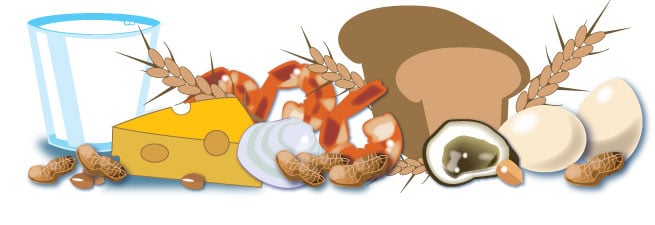
Cut out the suspects: Some foods automatically cause allergic reactions. Some people react in a certain way to some foods. Health experts advise on cutting out your intake of such foods for at least six weeks. Some common food allergens include peanuts, gluten, eggs, yeast, dairy and corn. Try cutting these out from your diet for some time. Studies show that weight loss will occur if you cut out these foods.

Avoid intake of polished foods: some bacteria survive in the gut. Both good and bad bacteria can affect the gut causing bloating. Eating whole meals and a diet rich in fiber will ensure the good bacteria are able to carry out their functions as they should.

Take a daily dose of probiotics: the work of probiotics is to boost the healthy bacteria thriving in the gut. When this happens they are able to boost nutrition.

At AwareMed we believe that healthy is wealth. The expertise of Dr. Dalal Akouri has led to many patients finding home and consolation in her health and awareness tips that she provides them. She has wide experience on this topic and more. To get her advice just visit www.awaremednetwork.com.

Food Allergies and Weight Gain


Facebooktwitterpinterestlinkedin

Skin Irritants: How to Get that Glowing Look

Fighting Common Skin Irritants for a Glowing Look – Prevention & Treatment of Irritants

Fighting Common Skin Irritants

Fighting common skin Irritants for a glowing facial look. And once you’re no longer exposed to the irritant or allergen, redness usually vanishes.

The beauty of the skin can easily be affected by a simple skin irritation and the sooner we get to serious business of fighting common skin irritants the better for a glowing and radiant looking skin. It is important to note that individuals with sensitive skin can easily trigger an irritation even by changing the kind of soap they use leading to an outbreak of redness, stinging and itching. Things that cause skin irritations are all around us even in our homes. In fact our homes harbor most of these common skin irritants including triple-antibiotic ointments, bandage adhesives, and jewelry that contains metals such as nickel. When your skin becomes inflamed after coming in contact with one of these substances or many more the condition is called contact dermatitis. People with sensitive skin can get two types of this condition:

Irrespective of the kind of dermatitis you’re suffering from doctor Akoury will be there to help you get well as well as fighting other common skin irritants for a glowing look.

Fighting Common Skin Irritants for a Glowing Look: Irritant Contact Dermatitis

This form of skin irritants is the most common one affecting about 80% of all reported cases. Like for instance when your skin get into contact with an irritating substance, you’ll often get a reaction that resembles a burn with red, chapped, and dry skin. This skin reaction tends to be more painful than itchy. Skin irritants contact dermatitis is naturally triggered by common substances we are exposed to in our day today life like:

  • Strong soaps
  • Acetone in nail polish removers
  • Drain cleaners
  • Acids
  • Detergents
  • Plants

How this affects vary depending on the sensitivity of individual patients skin. Individuals with high skin sensitivity can develop irritation from even mild soaps and detergents they use regularly. Besides that doing house activities where your skin can be exposed to cleaning products like detergents and waxes, this can wear down the protective barriers of your skin making your skin to be vulnerable for an attack by all these irritants. Typical irritant contact dermatitis symptoms include:

  • Dry, cracked skin
  • Mild skin swelling
  • Blisters or painful ulcers on the skin
  • Stiff, tight-feeling skin

Fighting Common Skin Irritants for a Glowing Look: Allergic Contact Dermatitis

This less common form is a true allergic reaction. In allergic contact dermatitis, the immune system responds to a substance that touches the skin. You can become allergic to the substance after one exposure or many. In fact, people can be exposed to a substance for long periods, even years, before developing an allergy. Common sources of allergic contact dermatitis include:

  • Fragrances
  • Preservatives
  • Cosmetics
  • Poison ivy
  • Topical antibiotics
  • Rubber or latex
  • Metals in jewelry, such as nickel

Some people are also allergic to over-the-counter topical triple-antibiotic ointments. All told, thousands of substances can cause allergic dermatitis. When a person who has become sensitized to an allergen becomes exposed by touching the substance, symptoms, such as itching and skin inflammation, are often delayed. They can show up anywhere from a few hours to as many as four days after contact. Symptoms of allergic contact dermatitis include:

  • Reddened skin
  • Darkened, leathery, cracked skin
  • Dry, scaly patches of skin
  • Burning or intense itching
  • Blisters that ooze
  • Hives
  • Sun sensitivity
  • Swelling in the eyes, face or genital area

In addition, some people get a form called photo allergic contact dermatitis. This type happens only after the skin touches certain substances and then comes in contact with sunlight. These substances may include:

Fighting Common Skin Irritants for a Glowing Look: Finding the Source of Skin Irritnts

If you suspect that a certain product or substance is causing your dermatitis, avoid it and watch whether your rash improves.

But it’s not always easy to pinpoint a specific cause. For example, your eyelids may be chronically dry, red and flaky, but what’s to blame: your eye shadow, eyeliner, makeup remover, or overnight eye cream?

Sometimes, people have no clue at all — they get a rash, but they can’t recall the substances that have touched their skin. Or their facial skin becomes inflamed, leading them to suspect a face product. In fact, they might have unwittingly transferred a substance from their hands to their face. The substance doesn’t affect the hands, but the more sensitive facial skin will react.

If you can’t figure out the source of irritation, see a dermatologist. He or she will quiz you about your job, household chores, hobbies, drug and cosmetics use, and other factors in order to gain clues about the root of the problem.

Your doctor may also do testing. No test can be performed for irritant contact dermatitis. But your doctor may do patch testing to see if you’re sensitive to various types of allergens that are known to cause dermatitis. Small patches of these substances are placed on your skin for one to two days so that your doctor can check if a rash develops.

Fighting Common Skin Irritants for a Glowing Look: Prevention & Treating Contact Dermatitis

To relieve itching, contact dermatitis is commonly treated with:

  • Oral or topical steroids
  • Oral antihistamines
  • Skin emollients
  • Oatmeal baths

Once you’re no longer exposed to the irritant or allergen, redness usually vanishes after a week. But itching, scaling, and temporary skin thickening may go on for days or weeks. You can also take steps to protect your sensitive skin from developing contact dermatitis. For example:

  • Once you’ve identified an offending substance, avoid it. Wear gloves or protective clothing to prevent exposing your skin to cleansers, weeds, and other substances during housework or yard work. If your skin makes contact, wash the substance off right away with soap and water.
  • Learn to recognize poison ivy and poison oak.
  • Use mild, unscented laundry detergent.
  • If you have sensitive facial skin, consider using gentle, soap-free, liquid cleansers. Or use a moisturizing soap that’s free of fragrance and dyes.
  • Don’t scrub your face vigorously with a rough washcloth or buff puff. Instead, cleanse gently and pat dry.
  • Avoid deodorant or antibacterial soaps.
  • Choose moisturizers, sunscreens, and cosmetics that are fragrance-free and don’t contain acids or botanical ingredients. Physical sun blocks that contain zinc oxide or titanium oxide are less likely to cause skin problems than chemical sunscreens.
  • Test cosmetics and personal care products before using. Apply a small amount of the new product twice a day to a small patch of skin near the inside of your elbow. If no irritation occurs in that spot after a week, you can try using the product.

Protect your skin by applying petroleum jelly or a thick, moisturizing cream two or three times a day. The objective of fighting common skin irritants may not be realized if the experts are not adequately involved. Therefore scheduling for an appointment with doctor Dalal Akoury an expert in skincare with over two decades experience of practice would be the starting point. The beauty of your skin is and must be your number one priority. Call doctor Akoury today for that very important appointment.

Fighting Common Skin Irritants for a Glowing Look – Prevention & Treatment of Irritants


Facebooktwitterpinterestlinkedin

Stem Cell for ADHD Treatment

Stem Cell Transplant May Help Patients with ADHD

ADHDNew medical advances have made it possible to offer treatments for various diseases in myriad ways. Everyday researchers come up with discoveries that are making treatment easier, safer, convenient and even whole. Treating the symptoms of a disease while leaving its roots to sprout again is not very appropriate in this century. One of the treatment methods that have been found to be very effective in tackling the diseases at cell level is the stem cell therapy or other stem cell transplant.

As I have already stated in previous articles stem cells are very important in our body’s defense against infections as they are the precursors of all cells in the human body. They are more special than other cells since they are regenerative and malleable. They have the ability to replicate themselves and to repair and replace other tissues in the human body. The stem cells are needed in the body to ensure constant renewal of some tissues such as the skin. They are also very important in repairing damaged tissues in the body. In spite of their ability to repair damaged tissues, it is also important that the stem cells be in good health. When the stem cells are damaged they can lead to myriads of complications. Studies have shown that among diseases that can be healed by stem cell transplant is ADHD.

What is ADHD?

ADHD is an abbreviation that stands for Attention Deficit /Hyperactivity Disorder. ADHD is a mental health condition that causes inattention, hyperactivity and impulsive behavior. ADHD symptoms can lead to a number of problems, including unstable relationships, poor work or school performance, and low self-esteem. Typically, ADHD always starts in early childhood, however in rare cases it’s not diagnosed until later in life. It was once thought that ADHD was limited to childhood. However this perception of the disorder is passed with time as it has been found that these symptoms can persist into adulthood. When these symptoms are found in an adult, the disease is often referred to as adult ADHD. This disease causes many problems to both children and adults but it is treatable.

This disease may be referred to by different names depending on the age of the patient i.e. childhood ADHD and adult ADHD. However the treatment for ADHD is the same be it for adults or for children. Traditionally the treatment involved stimulant drugs or other medications, psychological counseling and treatment for any mental health conditions that occur along with adult ADHD.

Symptoms of ADHD

  • Procrastination
  • Disorganized work habits
  • Forgetfulness in daily activities. Such as forgetting to carry office keys, to meet appointments and daily schedules.
  • Failure to complete tasks such as homework or chores
  • Frequent shifts in conversation, not listening to others, not keeping one’s mind on conversations, and not following details or rules of activities in social situations
  • Difficulty paying attention to details and tendency to make careless mistakes in school or at work.
  • Easily distracted by irrelevant stimuli and frequently interrupting ongoing tasks to attend to trivial noises or events that are usually ignored by others
  • Inability to sustain attention on tasks or activities
  • Difficulty finishing schoolwork or paperwork or performing tasks that require concentration
  • Frequent shifts from one uncompleted activity to another
  • Hot temper
  • Restlessness
  • Impulsivity
  • Unstable relationships

Causes of ADHD

ADHD is still a mysterious disorder. Its exact cause isn’t known yet. However medical experts have proposed structural changes in the brain to be a main cause of the disorder. Some of the factors that have been proposed by the medical experts to be linked to ADHD include the following;

Altered brain function and anatomy- Brain scans have revealed important differences in the structure and brain activity of people with ADHD. It has been found that people with ADHD apparently have less activity in the area of the brain that controls attention than people who don’t have ADHD.

Inherited from parents– ADHD can run in families.

Smoking and drug use by mother during pregnancy– Children whose parents smoked and used other drugs of abuse are at a higher risk of being ADHD positive as they grow up. Some industrial toxins may also lead to the same if a pregnant woman is exposed to them.

Early age exposure to toxins– Babies who are exposed to environmental toxins are at high risk of suffering from the symptoms of ADHD. Such toxins include lead which is a component of many paints. When a child is exposed to lead it will disrupt his attention and behavior.

Stem cell transplant for ADHD treatment

ADHDStem cell transplant is a new intervention in the medical field. It works by replacing the damaged stem cells with healthy ones. The ability of the stem cells to multiply rapidly and give rise to millions of other healthy cells is an interesting phenomenon that the medical experts are taking full advantage of in treating diseases that have caused suffering to humans. In treating ADHD having the damaged stem cells replaced by healthy ones through stem cell transplant, the implanted stem cells with capability of giving rise to many other stem cells with higher degrees of differentiation helps in treating this disease.

Embryonic stem cells transplant have been found to be effective in treating cancer, Type 1 diabetes mellitus, Parkinson’s disease, Huntington’s disease, Celiac Disease, cardiac failure, muscle damage and ADHD is no exception. It is a treatment that tackles diseases at their roots and it also has no side effects. Dr. Dalal Akoury (MD) of AWAREmed Health and Wellness Center is an experienced doctor in the use of integrative medicine in healing diseases. Call her on (843) 213-1480 for help.

Stem Cell Transplant May Help Patients with ADHD


Facebooktwitterpinterestlinkedin

Coffee Enema and It’s Role in Cancer Treatment

Coffee Enema’s Role in Cancer

The liver is an essential body part that aids in body detoxification. Through this process the liver gets rid of toxins in the body. This in turn enables the body to normally perform essential internal functions. In the case of cancer, the liver loses it functioning. For this reason, detoxification does not occur.

It is common knowledge that cancer is characterized by an over growth of cells. The body loses its control functions and the cells begin to grow uncontrollably. This leads to the formation of cancerous tumors. The cells forming the tumor end up releasing toxins into the host tissues mass. These toxins are associated with cancer pains.

In a cancer patient, the liver does not perform its detoxification functions. Toxins end up accumulating in the body and this causes a lot of pain. Cancer cells continue to multiply and more toxins are released in the body. The patient is therefore in a lot of pain.

The main treatment for cancer is removal of the cancerous tumor through surgery. Other methods such as chemo therapy and radiation therapy are applied to kill the cancerous cells and prevent them from multiplying. Others include such things as immune therapy, stem cell transplant e.g. bone marrow transplant, gene therapy among others.

Coffee Enema

Coffee Enema’s Role in Detoxification

Coffee enema is an internal cleansing purification of the liver that involves the detoxification of the liver. It also involves the cleansing of blood in general. This allows the liver to go back to its initial function of detoxifying the body. When the liver is healthy then the whole body is healthy.

Coffee enema has been used for years as an alternative for not only cancer therapy but also constipation. It works in cancer patients by detoxifying the liver by aiding the removal of wastes. This activates the cancer reversing process.

Most people feel indifferent about coffee enema process because it involves the anus. Many individuals prefer sipping their coffee than taking it through the rectum. What you did not know is that you might reap maximum benefits from the rectum process. The benefits of this process are high and complications area very rare. So why not go with it?

It is applied in the Gerson therapy where cancer patients are given about five coffee enemas in a day. Coffee enema assists the liver in detoxification process. Coffee Enema assists it in the removal of toxic substances to enable the body go back to its normal functioning.

When toxins accumulate in the body, to some of us our bodies are unable to fight these toxins. The liver is bombarded with so many functions that its effectiveness goes down drastically. It is unable to remove toxics and this translates to a lot of pain especially in cancer patients.

When a patient is put on the coffee enema therapy, juices, food and medication combine to form an effective fighting mechanism. This strengthens the immune system to be able to attack the tumor. The cancer cells surrounding the tumor are killed in the process. The process also flushes out the toxins that have accumulated in the body tissues. If the detoxification does not take place, the liver stands the risk of being overburdened and this could lead to its poisoning. This is extremely dangerous as it means a complete failure of the body processes. The liver is an important organ for detoxification. If it is poisoned it means that the toxins in the body accumulate and poison other organs. This could lead to a complete shutdown of the body leading to death.

The coffee enema is an important therapy as it ensures that the liver remains in top gear. It is able to detoxify the body and rid it of toxic substances that could poison it. In a cancer patient the liver is already damaged and is unable to carry out its functions. This therapy detoxifies the liver and it is able to go back to its functions.

Coffee Enema

Coffee Enema for cancer cure

The therapy works by opening up bile ducts and this helps the liver to release the accumulated waste products. Waste product accumulate for years from taking in of bad water, food additives and chemicals, poor air, viruses, toxic substances and germs. When they accumulate they form toxics in the body. In the case of cancer, the liver in itself is not able to detoxify the body and this therapy helps in getting rid of some toxins. The liver is thereby not overloaded with toxics and pain is reduced.


The Coffee Enema Therapy

The coffee enema therapy is cheap and can be done at home. All you need is to prepare the coffee just like you do with the one you drink. Pour the coffee in a bucket when it has cooled at room temperature. When done insert the tube into the bucket clamp it until the solution begins to fill up. Then insert it into the anus when lying down, open the clamp to allow the solution to flow and monitor the amount of coffee that goes in.

The bucket should be placed in a higher place to ensure the solution flows under pressure. In order to retain the coffee inside remain in that lying position for about 15 minutes. This will ensure that the solution is retained for long inside in order to reap maximum benefits. This therapy may be difficult for a first timer so ensure you consult with your medical practitioner before doing anything.

At AWAREmed Health and Wellness Resource Center we provide you with the necessary health and wellness tips. Dr. Dalal Akoury is experienced in cancer matters. She will provide more expert opinion about coffee enema and cancer treatment.

Curing Cancer: Coffee Enema’s Role in Cancer


Facebooktwitterpinterestlinkedin

Understanding Hot Flashes And It’s Treatment

Understanding Hot Flashes And It’s Treatment

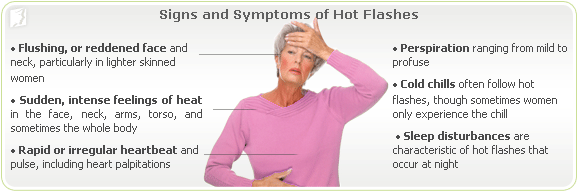
hot-flashesHot flushes sometimes called hot flushes refer to a quick sensation of heat and sometimes a red, flushed face and sweating.  This is a common problem, however the exact cause of hot flashes is not known, but may be related to changes in circulation that take place during menopause. Hot flashes happen when the blood vessels near the skin’s surface dilate to cool. A woman may also sweat to cool down her body. And some women have a rapid heart rate or chills. Hot flashes with sweating can also happen at night. These are called night sweats and may make it harder to sleep. Hot flushes may also be accompanied by a red neck. When affected the period that it takes to ease vary among women who are going through menopause. In some women the hot flashes may disappear after a week while in other women it will affect them for life. Hot flashes become less severe as time goes on.

 Symptoms of Hot Flashes in Women

Women may suffer the following symptoms when hit by hot flashes

The frequency of hot flashes varies; sometimes you may have many hot flushes in a day while in other times you will have few hot flashes that may subside after few minutes. Though they can affect you during the day, they are more common in the night. When a person is affected by a hot flush it may take more than a year but most hot flashes will stop on their own within five years. Though hot flashes can subside on their own it is important to seek medical help if the symptoms become too severe.

Causes of Hot Flashes in Women

The exact cause of hot flashes in women has never been known. Not every decline in hormones results in hot flashes. It is also true that some women can go through menopause without suffering from hot flashes. However here are some factors that have been thought to have a great bearing on the cause of hot flashes.

Medications and Foods

When a drug or a type of food is introduced to the body the body will react to it in a way. There are some drugs and foods that are thought to induce hot flashes. These medications may include raloxifene (Evista) and tamoxifen (Tamoxifen and Nolvadex). There are some drugs that may also produce effects that mimic hot flashes. Spices used in preparing foods like peppers can also induce feelings similar to menopause induce hot flashes.

Stress and Anxiety

Stress and anxiety are some of the emotional causes of hot flashes. In reaction to external stimuli the body may release the stress hormones epinephrine and norepinephrine, which pump up blood flow and produce a warming sensation throughout the body. External stimuli such as migraine may cause heat that spreads all over your face.

Changes in hormonal balance

A change in hormonal surroundings may cause hot flashes even if it is not related to menopause. It is believed that hypothalamus plays a bigger role in occurrence of hot flashes. This is because it is the part of brain that deals with the body temperatures therefore any conditions that affects the hypothalamus can result in abnormal rise in temperatures such as hot flashes.

hot-flashes-symptoms

Other risks associated with hot flashes include;

  • Women who smoke are more likely to get hot flashes.
  • A high body mass index (BMI) is associated with a higher frequency of hot flashes.
  • Physical inactivity. If you don’t exercise, you may be more likely to have hot flashes during menopause.
  • More African-American women report menopausal hot flashes than do women of European descent. Hot flashes are less common in women of Japanese and Chinese descent than in white European women.
  • Alcohol- Alcohol may induce hot flashes in some people. Generally it is thought that using drugs of reaction may escalate the probability of hot flashes occurring.

Treatments for Hot Flashes in Women

There both orthodox as well as natural treatments for hot flashes. The natural treatment for hot flashes may include;

  • Evening primrose oil is a botanical herb that is often used to treat hot flashes, although there is no scientific evidence to support this. Side effects include nausea and diarrhea. Women taking certain medications, such as blood thinners, should not take evening primrose oil.
  • Although there is no scientific evidence to support using flaxseed, it is thought to decrease the symptoms of menopause, particularly hot flashes. It’s also known as linseed.
  • Soy products. Plant estrogens, found in soy products, are thought to have weak estrogen-like effects that may reduce hot flashes. Soy foods, not supplements, are recommended.
  • Black cohosh. Some studies suggest that black cohosh may be helpful in the very short term (6 months or less) for treating hot flashes and night sweats. Side effects include gastrointestinal upset.

Hot flashes are just some of the known symptoms that may trouble your life during menopause. Just like any other serious disease, it is necessary that you seek medical help. Contact Dr. Dalal Akoury an expert in natural therapies on (843) 213-1480 for help.

Understanding Hot Flashes And It’s Treatment


Facebooktwitterpinterestlinkedin