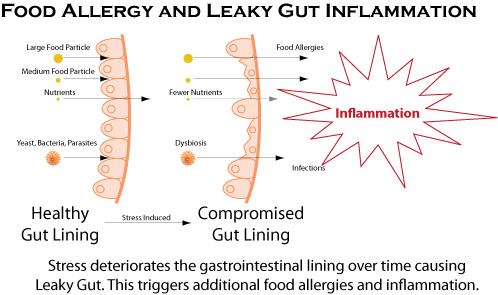
Cortisol and Adrenal Fatigue
Cortisol and Adrenal Fatigue
Adrenal fatigue is a common health problem that affects many Americans today. It often occurs when you undergo some stressful situation that you can’t bounce out of. If you feel tired all the time or don’t feel like your body is functioning as it would, you are probably a victim of adrenal fatigue. When it occurs, it affects the quality of your life to a great extent. All of a sudden you face difficulties when trying to exercise and an attempt to just sit down and relax proves quite hard. There is more. If you suffer from adrenal fatigue you tend to fall ill more often than you are used to and the healing process is a long one.
The condition is not a new one. It has affected people for year. Physician awareness of the disease is on the increase although many doctors are not conversant with it as a syndrome. Patients thereby end up suffering because the symptoms are not well diagnosed and therefore the treatment they are given is wrong.
What is adrenal fatigue?
First of all adrenal glands refer to glands that are located in the kidneys perform the function of secreting a number of hormones. Such hormones include; cortisol, DHEA, progesterone, testosterone and estrogen among others. Adrenal fatigue thereby occurs as a result of the adrenal glands not operating normally. This dysfunction is often brought about by pressure, stress or an illness the person may be going through. In the case of adrenal fatigue, the adrenal glands function at a lower level when the patient is under stress, rest or illness.

Role of Cortisol in the Body
It is one of the hormones produced by the adrenaline glands. Cortisol is a stress hormone that is produced when we are under stress of tension in order to cool us down. Some situations are often stressful and no matter how much we try to avoid them, we find that at one point in our lives stress must be a part of us. It may be stress due to loss of property or relative, financial pressures, drugs or any other major event in our lives that takes a toll on us.
This is where the adrenal glands come in. They play a major role in the body and none of us can do without them. The hormones produced by the adrenaline glands are useful to us in one way or another. Adrenaline keeps you relaxed and in control of the situation.
 So when do things start going bad? It is common knowledge that too much or too little of something can wreak havoc in our bodies. In as much as adrenal glands are important especially during stress, too much pressure on then may lead to them wearing out. Cortisol as a stress hormone is produced by the adrenal glands. When you are constantly under pressure stress for a long time, the adrenal glands are under pressure to produce more cortisol. When this happens, hey become worn and therefore not able to function efficiently. What happens after that is that the production of the stress hormone reduces. This means that the body is not in the position of handling subsequent stress, pressure or illnesses as they occur. This is the point when you begin to feel tired even after doing so little. Furthermore, you find it difficult to recover after exercises. Al of a sudden, you frequently fall ill and take long to recover.
Signs and Symptoms of Adrenal Fatigue
People with adrenal fatigue will often experience the following symptoms:
- Feeling tired for no particular reason.
- Constantly feeling overwhelmed
- You find it hard to recover from illnesses or stress
- Difficulties waking up in the morning.
- You feel more energetic after 6PM
- Abnormal sugar and salt craving
Treatment for Adrenal Fatigue
Lifestyle Adjustment: the best way to treat the condition is by adjusting your routine for example encourage happy thoughts to avoid stress. You can also ensure maximum time to rest and relax as well as regular exercise.
Diet: avoid polished carbohydrates instead combine whole grain carbs with a good quantity of proteins and vitamins, fiber and essential oils. Also if you are suffering from adrenal fatigue ensure you eat regularly say at 10 AM and lunch time.
Supplements: supplements like vitamin C, E, B, B-6, niacin, pantothenic acid, magnesium citrate and minerals like zinc are essential in treatment of adrenal fatigue.
Dr. Dalal Akoury will provide treatment for adrenal fatigue. She has many years of experience in this and other medical conditions. To learn more about this topic visit www.awaremednetwork.com today.
Cortisol and Adrenal Fatigue
Related articles





 Interfax: Russian officials deny transgender driving ban


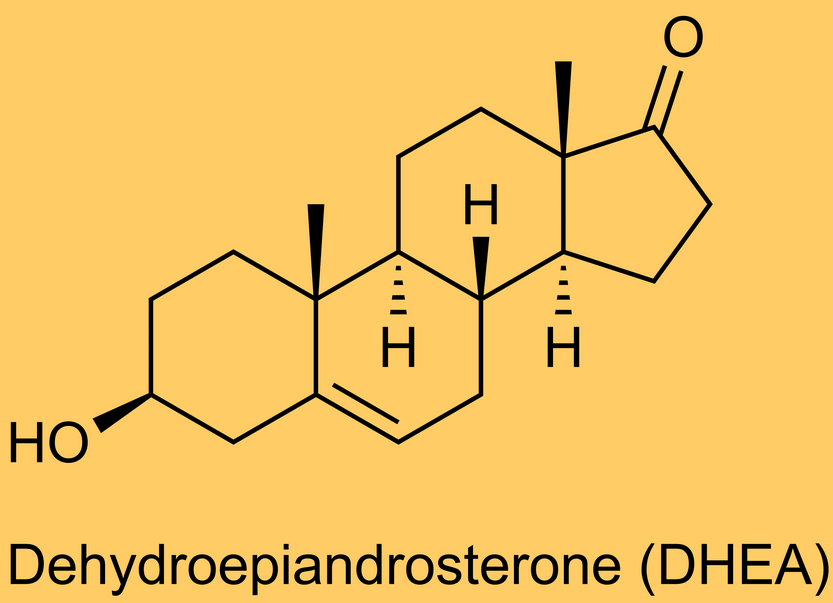
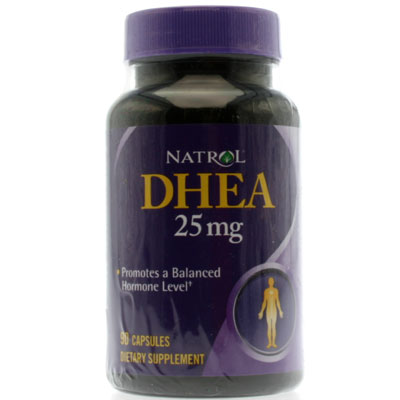 DHEA replacement therapy is performed on patients with low levels of the hormone. When this level declines as we have seen the balance of other hormones is offset. Mostly patients will come in with symptoms of hormonal imbalances. The test is performed by an expert who runs a couple of tests to find out the level of DHEA. When done correctly, the replacement therapy helps restore the


 Just like any other addiction, nicotine addiction is a grave health problem. It is a problem that has affected the whole world. About 35 million people in the
  Progesterone being a hormone that is mostly dominant in women, most researchers having linked it to nicotine addiction worked mostly with women. However bearing the understanding that men also have estrogen and progesterone as well as other hormones it is evident that progesterone might have similar effects on them. As a man ages the production of hormone progesterone becomes slowed or stops, the main function of hormone progesterone in the body of a man is to check on the activities of the estrogen hormone. Estrogen dominance is a problem that not only women grapple but men also are tied to it. in few research findings that have been published, it has been found that progesterone may help men who are fighting nicotine addiction but this hormone decreases as a man grows and so to help it can be supplemented. Clinical research studies in this area have many challenges including the difficulty of conducting the study during a certain phase of the hormonal transition. In addition, men of reproductive age have multiple commitments and participation in a research study with a demanding schedule is not an easy task. Nevertheless, clinical research in this area is crucial to develop more effective treatments for nicotine addiction that will tailor to the needs of women.