
Tag Archives: Diet (nutrition)

Weight Gain From Poor Digestion And Mal-absorption

Weight Gain: A Symptom of Poor Digestion and Mal-Absorption

When you start adding extra pounds, there are several things that come to your mind. Besides thinking about what could be causing the sudden weight gain, you will also be wondering about ways to facilitate weight loss. The first thing that comes to our mind when faced with this situation is that our diet is the source of the extra ponds.

We therefore cut out foods we suspect could be causing the weight gain. Most of the time these foods include; sugars, carbohydrates and fats. To most of us these are the main causatives of weight gain.

In cutting out these foods, we deprive our body of essential nutrients that can only come from such foods.

However there are other factors that cause weight gain. Lack of exercise is one of them. When you eat without exercising, then you will certainly add weight.

Some health conditions such as allergies, bacteria over growth, yeast infections, thyroid disease and insulin resistance among others can also cause weight gain. Mal-absorption and poor digestion can as well contribute to weight gain.
fat-malabsorption

Absorption disorders

They are also referred to as mal-absorption syndromes. It occurs when food is not properly digested and nutrients from the diet are not absorbed into the blood stream as they should. These nutrients include among others, minerals, proteins, vitamins, fats and carbohydrates in form of starch and sugars.

Mal-absorption syndrome is not in particular a disease but it results from other health conditions. Digestion involves the breakdown of food so that it can be in a form that can easily be absorbed into the blood for the overall wellness of the body. It takes place in the gastrointestinal tract.

During the break down of food, the nutrients are absorbed in the small bowel. The mucosa, which is the small intestine lining, facilitates absorption of nutrients due to the villi and micro villi that provide a large surface area for this absorption. There are also specialized cells that are used to enhance this absorption of nutrients.

Mal-Absorption and Digestive Disorders and Weight Gain

It is common knowledge that if you want to lose weight, then you have to burn more calories than what you take in your diet. One of the main reasons why weight gain is common among a number of folks is the fact that people eat a lot and refuse to exercise. Your diet contributes to most of the weight you add. Following that up with exercises will ensure that the more calories you eat the more are lost. Due to this, adding weight will not be a part of you.

As seen however, conditions such as poor digestion and mal-absorption can lead to weight gain. How does this happen?

Poor digestion means that food is not being digested properly. This is followed by poor absorption of nutrients from the food into the blood.

Body wellness depends on the general condition of the body. Nutrients are essential for the health of a person. You have heard that lack of nutrients can lead to weight gain. What most people believe is that lack of nutrients will make you thin. This is not the case.

Nutrients such as carbohydrates, proteins, fats and vitamins are necessary in the body. If there is poor absorption of these nutrients, they end up accumulating in the body and this causes you to gain weight.

Carbohydrates in particular are converted into fats which are deposited in the tissues. When combined with fats in the body, they end up causing immense weight gain. So as you see, mal-absorption will not necessarily make you lose weight.

weight gain

Poor Digestion and Mal-Absorption Natural Treatment for Weight Loss

When food is not properly being digested, it means that it will not be broken down into essential nutrients. This means that the body will not get the necessary nutrients form the diet. This results in weight gain.

In the same way mal-absorption disorders results in malnutrition and the result is weight gain. So how do you manage this?

The best way to induce weight loss is to do lots and lots of exercise. Don’t just eat. Eat and engage in plenty of exercises.

Also reduce your intake of carbohydrates and fats. Normally carbohydrates are broken down into sugars. When there is poor digestion and absorption, carbohydrates are converted into fats and these are deposited in the body. This leads to weight gain. So therefore why don’t you reduce the amount of carbs and fats you take into the diet?

This information can be found at www.awaremednetwork.com for free. Dr. Dalal Akoury will provide more information about absorption and digestive disorders and how they contribute to weight gain. She has for many years provided wise counsel to patients who bear testimony to her amazing works. Just visit AwareMed for more wellness and awareness tips.

Weight Gain: A Symptom of Poor Digestion and Mal-Absorption


Facebooktwitterpinterestlinkedin

Teenagers and Insufficient Sleep: The Obesity risk

Teenagers and Insufficient Sleep: The Obesity risk

Most people understand the causes of obesity as related to overeating. Well that is true. Men and women, boys and girls; all suffer this excessive weight disorder.

At other instances you will often meet in books, e-books and health records that stress is causative to obesity. So you are requested to avoid anything that may cause a build-up of the hormone cortisol, the hormone responsible for the stress response in our bodies. Just for the sake of your own health and for the sake of all those who depend on you.

But, have you ever thought about sleep? What effects it may have on an individual’s weight gain pattern? Yes you know that stress may act either  way; make you lose your appetite and lose weight in the process or increase your appetite to an extent that you eat but do not feel where the food is going, so you eat again…and again. Then you become FAT!

But, what about sleep?

In case you have a child who experience recurrent health related problems or emotional glitches, then you should as well begin considering the possibility of a lack of sleep being involved. Yes there could be other problems involved too, but it would be highly prudent to bring a lack of sleep into the picture

Studies have indicated that each and every function in our bodies is affected by the element of sleep. Imagine that day when you remained up so late and had to wake up so early. How did the day go?

obesity and Insufficient Sleep

Chances are that your day was dragging by. The mood was somber and you did not feel like laughing much. If your job requires it, then you must laugh. Yu must smile, especially when you are a front-line office staff. You do not want to be the cause of really scared customers. You do not want to send them away by a cold face.

The truth is that with insufficient sleep, your mood is highly affected that even though you keep a smile every after a few minutes to keep up with prevailing situations, inside you know just how sickening that faking game is.

In fact most men are not good at this. Women are. So as a man you risk jeopardizing your very job when you miss a sleep.

Focus on teens

You are grown up and you feel that way when you miss your sleep. Now, for a moment try to imagine how the same manifests itself in teenagers. To them, the risks associated with the lack of sleep are far more severe and not just a mere temporary gloom.

Studies in this area have indicated that young persons with sleep problems suffer a lot of medical mal-conditions. They may experience frequent allergies, hearing problems and infections of the ear. And just like you the adult, they too will likely suffer emotional and social problems.

Among these teens, there is a close relationship between sleep loss and diabetes, but most seriously, obesity.

This happens in a number of ways. It can trigger unregulated production of hormones responsible for hunger and appetite. The kids begin to eat without limit and before you know it, their weight explode beyond the accepted limits.

Obesity can also be as a result of irregular behavior of the growth hormone. This hormone is usually produced in high levels during deep sleep. This implies that if the child fails to attain such a level of sleep then chances are that his or her growth may be affected.

The substance responsible for boosting of one’s immunity, interleukin-1, is usually released during sleep. Take away that sleep and you are working against the child’s immunity.  This way chances of them getting depressed or stressed are high. As has been noted before, stress and depression are some of the severe causes of obesity.

Teenagers and Insufficient Sleep: The Obesity risk

Facebooktwitterpinterestlinkedin

How Chemotherapy Contributes To The Need For Detoxification

Detoxifying Diet After Chemotherapy

What is detoxification?

detoxificationNaturally, the body functions by producing chemical compounds. The chemical compounds produced are as a result of the biochemical activities which take place at the cellular level. The result of the biochemical activities is that compounds which are required by the body are produced. In addition to this, some compounds which are not required by the body are produced as byproducts of the reactions. It is such biochemical compounds, which are usually toxic in nature, that require to be removed from the body through a process called detoxification. If not removed, the toxins tend to accumulate in the body, thus forming a good breeding ground for many other forms of diseases and illnesses.

Why is detoxification necessary?

Naturally, the body has its own detoxification mechanism. This happens principally through two organs: the liver and the kidney. The liver is able to purify blood of all manner of impurities and channel them out of the body through complex physiological processes. In the same manner, the kidneys are collect and dispose toxins from the body using appropriate mechanisms.

There are certain times when the natural detoxification process of the body is overwhelmed by the amount of toxins present. At such times, the body requires support for it to be able to remove all the accumulated waste products. A common scenario occurs when is undergoing chemotherapy, a form of cancer treatment that makes use of pharmacological drugs to kill the cancer cells.

How Chemotherapy Contributes To The Need For Detoxification

The chemical compounds that are used in the drugs present a serious problem to the body. Normally, after the compounds have performed their function of killing cancer cells in the body, it is up to the liver and the kidney to eliminate them. In most cases, the drugs are broken down and eliminated via the liver. However, in the course of treatment, the overload of chemical compounds that need to be broken down and eliminated makes the natural detoxification mechanism to be overstretched. This leads to a buildup of toxins in the body of a patient who has just undergone chemotherapy.

The buildup in toxins is manifested in different ways. For instance, one may complain of inexplicable fatigue, stomach and headache. In other cases the presence of toxins in the body may compromise the functioning of the immune system. This makes a patient quite vulnerable to a number of ailments. It is, therefore, necessary for one to detoxify the body immediately after undergoing chemotherapy.

How to eat right for your body during detoxification

detoxifying your bodyThe overall goal of detoxification after undergoing chemotherapy is to cleanse the body of all toxic products that are produced from the drugs used in the treatment. For this to be achieved, there are several things that need to be done in the course of the process. These are outlined as follows.

  • Preparing for detoxification

First, there is the need for a patient to be strong enough to go through the detoxification process successfully. Usually, detoxification is a long process that involves adopting specific eating habits, exercising and taking plenty of water. As such, a patient who has undergone chemotherapy is usually too weak to start the process immediately. Therefore, there is need for one to take time and build physical strength before starting the process. Strength can be easily built by doing light exercises and taking plenty of fluids to start with.

Second, water plays a very important role in the detoxification process. Even at times when your body is perfectly normal, you need water to help you remain healthy. Water not only helps your body function properly but also plays a leading role in removing waste products from it. Therefore, during detoxification after chemotherapy, one needs to increase the amount of water taken every day.

  • Fiber and detoxification

Third, one needs to increase the amount of fiber that is taken in the diet. Normally, fiber plays an important role in the process of digestion. A certain amount of fiber in the diet is necessary to make the process of digestion complete. When one has undergone chemotherapy, the presence of fiber in the diet is even more important. Therefore, one needs to increase its amount by eating whole fruits and vegetables in plenty. A good amount of fiber in the diet speeds up the elimination process of toxins from the body, thus helping one to recover from the effects of chemotherapy quite fast.

  • Use of antioxidants when detoxifying

Fourth, one needs to increase the intake of antioxidants. Usually, antioxidants are contained in vitamins A, B, C and E. when one eats fruits and vegetables as well as special supplements that contain these minerals; the detoxification process is dramatically sped up. Antioxidants have been known to help the body cells recover from the toxic effects of drugs that are used in chemotherapy. Therefore, by increasing the amount of food that contains antioxidants, one can speed up the detoxification process following chemotherapy. However, when buying such supplements, it is important to read the labels carefully before buying.

Dr. Dalal Akoury started AWAREmed Health and Wellness Resource Centre as a leading place for the treatment and management of cancer using alternative and complementary therapies. We use this approach when treating our cancer patients because we believe that is the best way of helping them overcome the toxic effects of conventional treatment methods such as chemotherapy and radiotherapy. This helps our patients attain overall wellness and health within the shortest time possible; a great achievement to us.

How Chemotherapy Contributes To The Need For Detoxification


Facebooktwitterpinterestlinkedin

The Metabolic Basis of Cancer


The Metabolic Basis of Cancer Explained

Symptoms_of_cancerThere is a complex interaction among the factors of diet, lifestyle and pharmacology in determining how well cancer is managed in patients. The effect of this interaction is seen not only when managing cancer in its early stages but also in cases where patients are in an advanced state of the disease. One way in which this occurs is seen in the importance of metabolic imbalances in managing cancer in patients. The metabolic status of an individual patient is an important aspect of the overall disease management program being pursued. This is why care is always taken to ensure that the shifts in metabolic balance are well taken care of as a way of ensuring that the treatment plan that is being pursued works effectively. Yet metabolic imbalances are closely linked to dietary and general lifestyle conditions. This, therefore, explains the importance of diet, lifestyle and pharmacology in the management of early and advanced cancer in patients. These are discussed in the sections that follow.
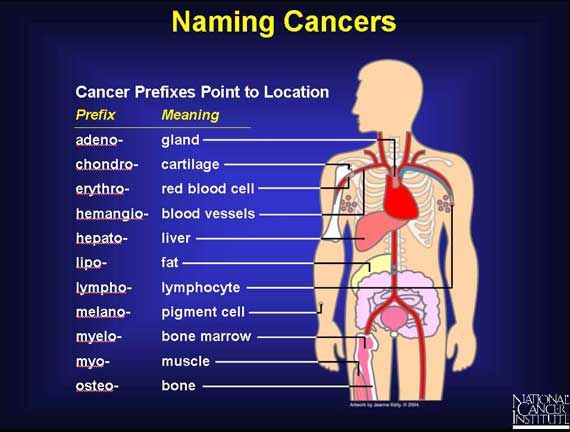
The role of diet

Diet plays a key role in the process of managing cancer; during the early and advanced stages. This happens in several ways. To begin with, a good diet is essential for one to effectively go through a particular cancer treatment program. This is so because cancer, in its early and even advanced stages, has been known to affect one’s eating habits. The result of this effect is that many cancer patients end up losing their body weight drastically as the impact of the disease takes its toll on their metabolism. On the other hand is the effect that the different forms of therapy have on the eating habits of the patient. Regardless of the form of treatment in use, it is common in cancer patients that their eating habits and overall appetite are heavily affected during the course of treatment. The effect of these two factors; the impact of the disease and the type of treatment a patient is subjected to; may result into sudden and drastic loss of body weight as well as changes in the status of metabolism in a patient. This is so if the factors are not put under control. Therefore, it is of great importance that this issue be put under complete control during the process of administering a particular treatment plan to a cancer patient.

There are several ways that one can use to manage this condition. Basically, the idea behind successfully integrating diet with the treatment plan for cancer that is being used is that it is necessary to control the rate of loss of weight that a patient is experiencing in the course of the disease. For instance, it may be necessary to use specific food supplements as a way of ensuring that the nutritional needs of the patient are well taken care of. Further, the use of different liquids other than water can be an effective way of making up for the possible deficit that usually results from the low desire for water intake that many cancer patients exhibit. So, in general, all these methods are meant to work with the treatment plan being used to ensure that specific goals with regard to the nutritional needs of the patient are achieved.

Symptoms of cancer

The role of lifestyle

Lifestyle plays a key role as part of the overall treatment plan that can be used on cancer patients. This happens in several ways. One, it is highly recommended that cancer patients adopt an appropriate exercising regime. This is important because of the many physical benefits they are they are likely to get from such a program. From improving the overall flow of blood in the body, lessening the risk of developing some new undesirable conditions to boosting the overall level of self esteem, physical exercises are important as part of any treatment plan for cancer that is adopted.

The importance of adopting an appropriate lifestyle during the course of cancer treatment is seen not only in adults but also in children. A good training regime and taking the recommended foods every day in the right amount are important things which every cancer patient should be made to pay attention to without failure. Regardless of the treatment plan that is in use, a good lifestyle has been proven to be an effective way of helping cancer patients go through the process with relative ease.

The role of pharmacology

In general, drugs play a central role in any cancer treatment plan that is used. Different types of drugs are used for different purposes during the course of treatment. What is important is the different ways in which such drugs interact with the other factors, diet and lifestyle, to determine how well a patient responds to the treatment. Furthermore, drugs have been known to cause specific problems to the metabolic balance of patients, thus posing a bigger danger to them. It is, therefore important that the specific ways in which some drugs interact with particular foods are well understood and documented. This will definitely go a long way in ensuring that the metabolic status of a patient is well understood and maintained at acceptable levels throughout the course of the treatment.

The Metabolic Basis of Cancer Explained

Facebooktwitterpinterestlinkedin

Weight Loss and Adrenal

Weight Loss and Adrenal-Could it be a hindrance?

Andrenal

Is stress causing you to Gain Weight? your adrenal glands initiated a “fight or flight” response

We go through periods of time in our lives when the demands are greater and the stress load is heavier. Regardless of the reasons – illness, relationship difficulties, work struggles, caring for an aging parent or ailing child – there can be a physical impact. We may turn to food for comfort, or we may not nourish ourselves adequately. During times of stress there are actual physiological changes that happen in our bodies, one of which is weight gain. It may not happen overnight, but if we do not pay attention to our body’s needs, over time we may notice we are putting on the pounds.

Our adrenal glands govern our stress response, by secreting hormones relative to our stress levels. They actually help control many hormonal cycles and functions in our body. When the adrenal glands are overworked, the body prepares for disaster, by storing fat and calories. We crave foods, we lose precious energy, and we gain weight. So how can we keep the heavier stress load from equaling heavier bodies?

Weight Loss and Adrenal-How stress becomes physical

For millions of years, humans were forced to protect themselves from environmental factors. From the earliest days of dinosaurs and cavemen, nature has proven its ability to put fear in human beings. Life and death circumstances have evolved around the ability to understand danger, and seek protection and survival. If you were being chased by a predator, your adrenal glands initiated a “fight or flight” response, releasing adrenaline and cortisol into the body. These hormones provided extra physical energy and strength from stored carbohydrates and fats.

While most of our stressors are not the same our earliest ancestors, the body’s natural course of evolution has maintained this original fight-or-flight stress response. But whether we are being physically threatened or not, with any increased stress our body looks to its stored fuel, and then replenishes it when used. Also, with increased levels of cortisol, our body also does not respond as well to leptin, the hormone that makes us feel full, so we eat more.

Modern-day stress may be more psychological than physiological, but it is also more constant. Many of us face chronic stress as a way of life, which means we have consistently elevated levels of cortisol. Now the body thinks it continually needs extra fuel, and typically stores that as fat around the abdomen, or as it’s commonly referred to, the old “spare tire.”

Belly fat: a common sign of adrenal fatigue

Adrenal imbalance causes a number of issues, including an expanded waistline. The science behind it is quite interesting. Normally when we feel begin to feel hungry, our blood sugar drops and the brain sends a message to the adrenal glands to release cortisol. Cortisol activates glucose, fats, and amino acids to keep our body fueled with energy until we eat. Cortisol maintains blood sugar levels, and insulin helps our cells absorb glucose. When we have long term stress, both insulin and cortisol remain elevated in the blood, and the extra glucose is stored as fat mostly in the abdomen.

Here’s where it gets interesting. Scientists have discovered that fat cells actually have special receptors for the stress hormone cortisol, and there are more of these receptors in our abdominal fat cells than anywhere else in our bodies! In addition, scientists have shown that belly fat is actually an active tissue, acting as an endocrine organ that responds to the stress response by actually welcoming more fat to be deposited! This is an ongoing cycle until we take steps to correct this adrenal imbalance. How do we do that?

Weight Loss and Adrenal-Eat well for healthy adrenal glands

What you eat matters. Although it sounds ironic, if you want your body to believe that it is not in danger of starving to death, you need to eat healthy food at regular intervals. Since cortisol helps regulate blood sugar, keeping glucose levels balanced will take some of the stress off the adrenal glands. Three nutritious meals and two healthy snacks spread out across the day will keep our adrenal glands steady.

When you eat matters. Our natural circadian rhythms can help us know when our bodies need nourishment and fuel. Cortisol’s cycle complements our body’s own rhythms, although is highest in the morning and declines gradually throughout the day. When we eat we elevate our cortisol, so it’s ideal to consume larger meals earlier in the day, which also helps our body prepare itself for restful sleep at night.

Have healthy foods on hand. It may be easy to reach for sweets and caffeine for quick energy, but these actually backfire on us, dropping our blood sugar levels rapidly. Reaching for micronutrient-rich foods, such as lean protein, avocado, fresh fruits and vegetable, garlic, and ginger will more adequately support adrenal functioning.

Supplement your daily diet. Adrenal expert, Shawn Talbot, PhD, says, “When it comes to dietary supplementation for stress adaptation and cortisol control, the first line of defense appears in the form of a comprehensive multivitamin/mineral supplement.” The benefits of a daily multivitamin enhance many of the functions in our body. Consider the high-quality multivitamin mineral complex we have in our Program at Women to Women.

For more information on healthy eating and adrenal glands, see my articles about how to eat for your adrenal health.

Weight Loss and Adrenal-Pace yourself to heal

Our fast-paced world is never unplugged. We rarely have time to disconnect from technology, our cell phones, the Internet, email, and even television. And our adrenal glands notice! Instead of being tired, wired, and overeating, consider slowing down and restoring balance to your adrenal glands, and your life. You may think that by moving fast you will lose weight, but in fact, when stress levels are high and our adrenals are working overtime, we will stay in a perpetuating cycle of adding pounds. Here’s how we can learn to pace ourselves.

Sleep

Many of my patients complain of being tired all day then having trouble sleeping at night. They are in an upside down circadian rhythm, which affects cortisol levels, causing irregular sleep patterns. You can correct these by eating less food late in the day, turning off all technology including television, by 8 p.m., and by trying to be in bed and asleep by 10 p.m. The goal is to have at least eight hours of sleep, so our bodies can rest and regulate our hormonal cycles.

Exercise

Our adrenals respond to stress, even if we think it is positive. Exercise is positive, and can help us reduce stress, but only if it does not make us feel tired. When we are exhausted, our adrenals are already working hard, and exercise can put added strain on them. The goal is to keep your heart rate under 90 beats per minute when working out. If you don’t regularly exercise, walking 15 minutes once or twice a day after meals, outside in fresh air, makes our adrenal glands, and our mind and body, very happy.

Have fun

Don’t forget that having fun, laughing, and enjoying your time is a very important way to relax! We all need to make having fun a priority, the benefits are amazing!

Don’t forget to breathe

Deep breaths in and out of your nose can not only slow your heart rate down, but will calm your entire body. Sometimes when we are under stress our breathing becomes shallow, and fast. It only takes three or four deep breaths to feel better. Try to remember that slowing down our breath, as well as our life, even for a few minutes, can make a big difference in reducing our stress level.

Weight Loss and Adrenal-Just let it all go

It isn’t always easy to let things go. We put pressure on ourselves to meet the demands in our lives, to take care of others, to do well in our endeavors, and to make everyone around us happy. But when we forget about ourselves in that equation, the stress will appear as extra pounds, or other things that impede our health and our functioning. When we live with continually elevated levels of stress, our body adjusts to the “crisis mode” and sometimes needs help learning how to live in a calmer state. The first step is to heal your adrenals. By following some of the tips in this article, giving yourself time, and being patient, you will begin to replenish your energy, lose extra weight, and most importantly, feel better.

Weight Loss and Adrenal-Could it be a hindrance?

Related articles

Enhanced by Zemanta
Facebooktwitterpinterestlinkedin
