Tag Archives: Dealing With Stress

Obesity an addiction

Adrenaline stress and Obesity
Adrenaline stress

Adrenaline stress and Obesity have their solution in healthy living

Adrenaline stress and Obesity: All you need to know

The prevalence of obesity has increased dramatically in the last several decades. Obesity, particularly upper body obesity (UBO), is associated with type 2 diabetes (T2DM), dyslipidemia, and hypertension. These associations describe the metabolic syndrome, a clustering of symptoms with insulin resistance as a core cause. Currently, adrenaline stress and the prevalence of obesity and metabolic syndrome is above average deeming both conditions important public health issues, requiring immediate efforts to understand these diseases and reduce their occurrences. And therefore, as we progress into the discussion, doctor Dalal Akoury MD President and founder of AWAREmed health and wellness resource center will be helping us to some of these to perspective.

Adrenaline stress and obesity: Stress response

Stress is a challenge to the natural homeostasis of an organism. Animals react to stress by producing a physiological stress response to regain equilibrium lost by the stressor. The stress response is characterized by acute behavioral and physical adaptations, including increased cognition, analgesia, gluconeogenesis, lipolysis, and inhibition of reproduction. There are two major components of the stress response: the autonomic nervous system (ANS), which encompasses the sympathetic and parasympathetic nervous system, and the HPA axis. These systems work centrally and peripherally to produce several responses. The ‘fight or flight response’ is an active reaction to either confront the stressor or escape confrontation. The ‘defeat response’ is when the individual does not engage in either the fight or flight response and ultimately ‘loses’ the confrontation; this is the primary stress response in modern society and is associated with HPA axis changes. Although the ANS is a key element of the stress response, the purpose of this review is to discuss the role of the HPA axis in obesity and metabolic disease.

Stress can be caused by external stressors such as employment or social strains or by intrinsic stressors such as sleep deprivation. Although an acute short-term stress response is necessary for homeostasis recovery, chronic or prolonged stress responses can be harmful and may cause several disease states. A study on women reported that history of depression was associated with hyperactivity of the HPA axis and decreased bone mineral density. In the past three decades, numerous studies has shown that obesity and other metabolic risk factors are associated with lower socioeconomic status, job strain, sleep deprivation, and depression

Hypothalamic–pituitary–adrenal axis

The HPA axis is one of two major neuroendocrine systems associated with the stress response. Corticotrophin-releasing hormone (CRH), secreted from the Para-ventricular nucleus (PVN) of the hypothalamus, stimulates the synthesis of adrenocorticotropic (ACTH) from the anterior pituitary gland. Physical stressors such as hypoglycemia, hemorrhage, and immune stimuli activate PVN neurons expressing arginine vasopressin and CRH. ACTH stimulates cortisol production from the adrenal cortex.

The first evidence that cortisol levels may be related to obesity and metabolic disease was based on clinical observations of Cushing’s syndrome; the pathological hypercortisolemia in Cushing’s syndrome is associated with UBO, glucose intolerance [impaired glucose tolerance (IGT)], and hypertension. Adrenalectomy in Cushing’s syndrome patients reverses IGT and obesity.Studies in the field of obesity research in the past 10 years have demonstrated that obesity and metabolic syndrome are characterized by chronic inflammation. This may sound technical, but you can schedule an appointment with doctor Akoury for more professional clarity.

Adrenaline stress and obesity: All you need to know

http://www.integrativeaddictionconference.com/wp-admin

Facebooktwitterpinterestlinkedin
HORMONES AND WEIGHT GAIN

Healthy adrenal glands and healthy feeding

Healthy adrenal glands

Healthy adrenal glands and healthy feeding a perfect avenue for losing weight objectively

Healthy adrenal glands and healthy feeding: Taking stress off adrenal gland

In all my decades of practicing, I have never seen any sane person who does not want to be healthy. Good health is the most valuable yet priceless asset one can ever have. And that explains why it is only through healthy feeding culture that we can also have healthy adrenal glands explains doctor Dalal Akoury MD President and founder of AWAREmed health and wellness resource center. As we continue with our discussion of healthy adrenal glands, we are going to consider certain facts that support this which includes:

  • What you eat
  • When you eat
  • Having healthy foods on hand and
  • Supplementing your daily diet

What you eat mattersThis may sound quite ironical, but if you want your body to acknowledge its safety and that it is not in danger of starving to death, you need to eat healthy food at regular intervals. Since cortisol helps regulate blood sugar, keeping glucose levels balanced will take some of the stress off the adrenal glands. Three nutritious meals and two healthy snacks spread out across the day will keep our adrenal glands steady.

When you eat matters Our natural circadian rhythms can help us know when our bodies need nourishment and fuel. Cortisol’s cycle complements our body’s own rhythms, although this is highest in the morning and declines gradually throughout the day. When we eat we elevate our cortisol, and that explains why it’s ideal to consume larger meals earlier in the day, which also helps our body prepare itself for restful sleep at night.

Have healthy foods on hand It may be easy to reach for sweets and caffeine for quick energy, but these actually backfire on us, dropping our blood sugar levels rapidly. Reaching for micronutrient-rich foods, such as lean protein, avocado, fresh fruits and vegetable, garlic, and ginger will more adequately support adrenal functioning.

Healthy adrenal glands and healthy feeding: Supplement your daily diet

Finally, as many adrenal experts puts it, when it comes to dietary supplementation for stress adaptation and cortisol control, the first line of defense appears in the form of a comprehensive multivitamin and mineral supplement. The benefits of a daily multivitamin enhance many of the functions in our body. For more information on healthy eating and adrenal glands, it will be prudent for you to seek professional advice from the experts at AWAREmed health and wellness resource center led by doctor Dalal Akoury.

And as you consider that, it will interest you to note that doctor Akoury made a decision to create a medical center whose main objective is to transform each individual’s life through increasing awareness about health and wellness and by empowering individuals to find their own inner healing power. And besides that her practice focuses on personalized medicine through healthy lifestyle choices that deal with primary prevention and underlying causes instead of patching up symptoms. You can reach her on telephone number 843 213 1480 for a one on one professional undertakings about all your concerns on healthy adrenal glands and healthy feeding habits.

Healthy adrenal glands and healthy feeding: Taking stress off adrenal gland

http://www.integrativeaddictionconference.com/wp-admin

Facebooktwitterpinterestlinkedin
How-Drug-Addiction-Affects-Serotonin-And-Dopamine

Biochemical changes and health matters

Biochemical changes

Biochemical changes and health matters a lot in the establishment of a health weight

Biochemical changes and health matters: Linking stress and obesity

Over the past decades, many people have alleged without any scientific evidence that stress and obesity are linked together closely. This has been the running hypothesis for a very long time but, now scientific research is confirming by bringing forth proofs and evidence supporting this connection. Explicit biochemical changes appear to help in explaining this link and, the medical professionals understands these reasons better and are in a better position to address the prevalence of obesity epidemic facing U.S and beyond in the global space. However, doctor Dalal Akoury MD who is also the founder of AWAREmed health and wellness resource center agrees that the most disturbing aspect of the link between stress and obesity is that, it tends to be self-reinforcing. That is to say, very often, when people are stressed they may eat improperly and that may cause them to gain weight which can cause more stress thereby leading to even weight gain which you’re trying to fight off.

Biochemical changes and health matters: The biological connections

If you have been keen you must have realized that each time you’re stressed it is always a common practice that you will tend to crave comfort foods which are high in fat or sugar and researchers have established that specific hormones may play a role in this process.

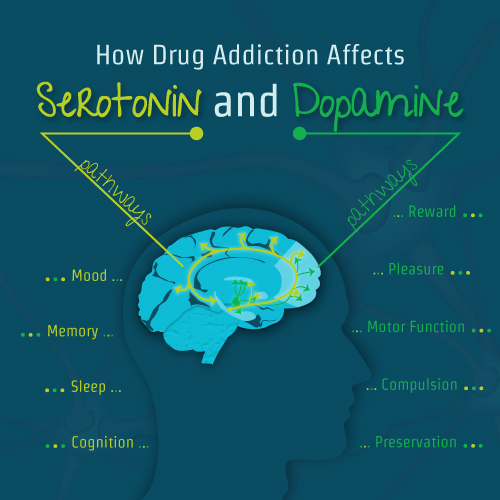
Serotonin – reaching for fattening comfort foods during stressful times may be an attempt to offer self-medication. Consuming carbohydrates raises the body’s serotonin level and serotonin is the body’s feel-good chemical. It makes you feel better. Under normal circumstances, people under stress don’t make smart or healthy food choices. Very often their choices of carbohydrates are rich in fat, like muffins, pastries, doughnuts, and cookies which are not necessarily healthy foods.

Cortisolresearchers have also discovered that chronic stress can cause the body to release excess cortisol, a hormone critical in managing fat storage and energy use in the human body. Cortisol is known to increase appetite and may encourage cravings for sugary or fatty foods.

Neuropeptide Y.recent studies also have established that the human body processes food differently when under stress. One study established that lab mice fed a diet high in fat and sugar added significant amounts of body fat when placed under stressful conditions while those mice fed a normal diet didn’t add as much weight despite the stress. This finding has been linked the phenomenon to a molecule called neuropeptide Y which is released from nerve cells during stress and encourages fat accumulation. A diet high in fat and sugar appears to further promote the release of neuropeptide Y.

Finally, from the facts listed above, there is no doubt that all the biochemical changes matter a lot in weight management and as a society, we have a duty to bring some serenity in the weight loss management. To that effect, doctor Akoury made a decision of establishing this medical center to help in transforming each individual’s life through increasing awareness about health and wellness and by empowering individuals to find their own inner healing power. Efforts like this are essential in containing weight gain prevalence and you can benefit from it by scheduling an appointment with her today for the commencement of your recovery program.

Biochemical changes and health matters: Linking stress and obesity

http://www.integrativeaddictionconference.com/wp-admin

Facebooktwitterpinterestlinkedin
Stress

Obesity spreading epidemic and stress

Obesity spreading epidemic

Obesity spreading epidemic and stress is a phenomenon in all ages

Obesity spreading epidemic and stress: The developed world statistics

Obesity is a burgeoning problem in the developed world, and certain behaviors, such as increased portion sizes and reduced physical activity, can help explain why the obesity epidemic is spreading. Job strain might also contribute to the prevalence of obesity, and the current study addresses this issue in a cohort of civil servants followed over time. From the AWAREmed health and wellness resource center professional desk, this problem has continued to be one of the largest public health concerns of the developed world. Analysis of data from 2000-2002 National Health and Nutrition Examination Survey (NHANES) has established that the prevalence rates of overweight and obesity among US adults is 31.5% and 30.5%, respectively, while the prevalence of overweight in children was 16.5%. Compared to the previous NHANES survey (1988-1994), the body mass index (BMI) greater than 30 among adults had doubled. (Of note, the prevalence of overweight and obesity were fairly stable between the 1999-2000 and 2001-2002 examination periods.)

While the problem of obesity has been well publicized, clinicians should also understand that societal factors play a prominent role in obesity. In research sponsored by the World Health Organization involving 26 different populations worldwide, surveys of over 30,000 subjects found an inverse trend between BMI and highest educational level attained.

Obesity spreading epidemic and stress: Social trends and weight gain

Women with lower educational attainment were significantly more likely to be obese compared with men with similar educational backgrounds, although lower educational levels in both sexes were associated with higher obesity. Moreover, the negative association between educational attainment and obesity increased over the 10-year study period, indicating that the obesity gap between well-educated and poorly educated individuals was increasing. To reinforce these data, another study limited to developed countries found that increased income disparity was associated with not only higher rates of obesity, but also diabetes mortality as well among subjects at the lower end of the income scale.

Finally, other societal trends can also affect obesity as well. In the United States, more people are choosing to eat at restaurants than at home, and the easiest and least expensive option in dining is often preferred. Such choices can increase the risk of developing obesity. Ecological research from 21 developed countries found that girls who ate fast food at least twice a week were more likely to become obese compared with those who ate fast food less frequently. Unfortunately, the assimilation of other cultures into American society may not help improve the obesity problem. In one study, while regularly eating at fast food restaurants increased the risk of overweight in adults and children in Mexican-American families by a factor of 2.2, the risk of overweight associated with eating at buffet-style restaurants was slightly worse (odds ratio = 2.8). Families who ate food at Mexican restaurants, however, were less likely to be overweight. Looking at all these facts from the various studies, we cannot pretend that everything is alright in relation to weight management. This, therefore, will require the contribution of all of us to bring this problem to an end. On our part as AWAREmed health center, together with doctor Dalal Akoury MD, President and founder of the facility, we are transforming each individual’s life through increasing awareness about health and wellness and by empowering individuals to find their own inner healing power and we urge you to speak to us today and we will address all your concerns professionally.

Obesity spreading epidemic and stress: The developed world statistics

http://www.integrativeaddictionconference.com/wp-admin


Facebooktwitterpinterestlinkedin
Why medical detox is necessary to addicts

Self destructive addiction and obesity

Self destructive addiction

Self destructive addiction and obesity can be installed in the life of children without them knowing the consequences ahead.

Self destructive addiction and obesity: Turning to food to cope with low self-worth

Addiction is a dependence on a substance that the affected individual feels powerless to stop. Millions around the world have addictions problems, and food addiction is among one of the most common. From the expert’s desk at AWAREmed health and wellness resource center under the able leadership of doctor Dalal Akoury MD, research has over the years established that nearly 80% of gastric bypass pre-surgical patients suffer from food addiction. These studies, along with those of other investigators, have also found that the behavioral biochemical causes and effects underlying food addiction are nearly identical to those of other self-destructive addictions. One of the most common behavioral characteristics of individuals suffering from self-destructive addictions is a feeling of not being good enough. Feelings of low self-worth may cause a poor self-image, low self-esteem, depression, anxiety, a need to overachieve and an intense and chronic fear of failure.

Professionals who study addictions believe that society contributes to the development of addictions by establishing unreasonable or unreachable criteria for worthiness. The “addict” not only has negative feelings regarding self but also has failed to develop appropriate stress coping strategies. Instead of confronting life stressors directly or finding healthier ways to manage emotions such as through exercise, journaling, relaxation, spiritual care, therapy etc., the “addict” seeks to avoid unpleasant feelings by eating, drinking alcohol, smoking, using drugs, gambling and various other ways of escaping from reality.

One collaborative study found that more than 90% of pre-surgical morbidly obese patients use avoidance stress coping behavior to handle emotions, seeking comfort from negative feelings and stressful situations through the use and sometimes the abuse of food. There are strong associations between avoidance coping behavior, food addiction and lack of control over eating. With most food addicts feeling that they have no control over their addiction in spite of having complete knowledge of its negative social and health consequences. They recognize the adverse effects addiction has on friends, family, and self, but feel powerless over such behavior. This generates feelings of guilt and remorse thereby worsening the addictions and setting in motion a vicious cycle of avoidance and abuse.

Self destructive addiction and obesity: The body’s stress response

When individuals are confronted with stressful situations, specific hormones are produced, which help the body to cope with the situation. One of the body’s stress response pathways, known as the limbic-hypothalamic-pituitary-adrenal (LHPA) axis, generates a series of brain hormones that eventually lead to the production of cortisol by the adrenal gland. Cortisol helps to make available more sugar to the brain and other parts of the body to help cope with the stressful event. And remember that elevated cortisol levels on an ongoing basis are not only harmful to health but also harmful to mood. It can cause depression, affects mood by interfering with the actions of one of the brain’s major messengers, serotonin. Serotonin defects cause depression and anxiety. Many drug addicts and obese individuals suffer from depression and anxiety. Finally, all these addictions and weight related problems are never friendly for your health. Nonetheless, we have good news for you that doctor Akoury and her team of experts at AWAREmed health center are experienced professionals whose treatment focuses on personalized medicine through healthy lifestyle choices that deal with primary prevention and underlying causes instead of patching up symptoms making them the best to address all your addiction and weight-related concerns.

Self destructive addiction and obesity: Turning to food to cope with low self-worth

http://www.integrativeaddictionconference.com/wp-admin

Facebooktwitterpinterestlinkedin