Tag Archives: Cholestral lowering drugs

High Cholesterol and Cardiovascular diseases

High Cholesterol and Cardiovascular diseases: Causes of Heart Complications
High Cholesterol and Cardiovascular diseases

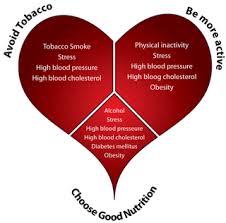
High Cholesterol and Cardiovascular diseases. The cardiovascular diseases could be prevented with proper control of cholesterol intake

Cholesterol is a fatty substance normally found in the blood. Whereas cholesterol is useful in human life, when it is in excess, it becomes chronic and can cause very devastating health conditions. Therefore if you have too much cholesterol in your blood, you stand a greater risk of contracting heart diseases and other cardiovascular diseases. To help us understand better the impact of high cholesterol and cardiovascular diseases, we spoke to doctor Dalal Akoury the MD and founder of AWAREmed Health and Wellness Resource Center and she is going to help us bring certain health matters into perspective. To begin with, let us first of all understand what cholesterol is in human life. Cholesterol is a fatty substance carried around the body by proteins. A combination of cholesterol and proteins will make a substance known as lipoproteins. With this combination come two types of lipoproteins:

  • Low-density lipoproteins (LDL) are known as the bad type of cholesterol. LDL carries cholesterol from your liver to the cells that need it.
  • High-density lipoprotein (HDL) is known as the good type of cholesterol. HDL carry cholesterol away from the cells and back to the liver to be broken down.

Doctor Akoury says that too much bad cholesterol (LDL) in your blood can cause fatty material to build up in your artery walls. This becomes even more risky if the concentration of bad of bad cholesterol is higher than that of the good cholesterol. It must be noted that cholesterol is measured in millimols per liter of blood (mmol/l) and the recommended levels is always under 4mmol/l, this is particularly necessary if you are at risk of or even if you already have heart and circulatory disease. With that done, it is also important that you aim to have your LDL under 2mmol/l and your HDL above 1 mmol/l.

High Cholesterol and Cardiovascular diseases: What are triglycerides?

Triglycerides are another type of fatty substance in the blood. Like LDL cholesterol (the bad type), triglycerides are also bad. They’re found in foods such as dairy products, meat and cooking oils. They can also be produced in the body, either by the body’s fat stores or in the liver. Ideally, your triglyceride level should be less than 1.7mmol/l. If you have high triglyceride levels, you may have a greater risk of developing cardiovascular disease than people with lower levels. If you are very overweight, eat a lot of fatty and sugary foods, or drink too much alcohol, you are more likely to have a high triglyceride level.

High Cholesterol and Cardiovascular diseases: Causes high Cholesterol

There is no one single cause for high cholesterol. Many different factors can contribute to high cholesterol such as:

Having an inherited condition known as familial hyper-cholesterolaemia (FH) can also cause exceptionally high cholesterol even if you have a healthy lifestyle.

High Cholesterol and Cardiovascular diseases: What works in the reduction of cholesterol level?

Eat a healthy balanced diet Eating lots of fruit, vegetables, and wholegrain is better than eating foods high in saturated or Tran’s fats. You can replace saturated fats with the healthy monounsaturated and polyunsaturated fats such as olive, rapeseed or sunflower oils and spreads. It is interesting to note that food stuff that people often ignore is actually the best in keeping the good health we all desire. Therefore only settle for foods that are high in soluble fiber like the beans, oats, lentils, nuts, fruits and vegetables. Soluble fibers are very effective and can help in lowering the levels of cholesterol.

Regular exercise – Regular physical activity can help increase your HDL cholesterol (the good type of cholesterol). Staying active is great way to keep your heart healthy. While this can be very simple to do, many have failed in maintaining the consistency of exercise. If you too is a candidate of inconsistency, then scheduling for an appointment with the experts at AWAREmed Health and Wellness Resource Center will be very helpful to you. This facility was established by doctor Dalal Akoury primarily to help people with such difficulties.

Quit smoking – Quitting smoking can help to lower your cholesterol and improve your heart health. Actually there is nothing good about smoking when it comes to your health. Even if it was not about cholesterol smoking generally is harmful and life threatening in all dimensions.

Patients who visit my office in relation to cholesterol often ask this question, “Will I need to take medication?” medication is necessary; however whether yes or no taking cholesterol medication is not a matter to decide on the street. It will depend on your overall risk of cardiovascular disease. Like for instance, cholesterol medications like statins are only prescribed to patients who are at greatest overall risk of cardiovascular disease.

When it comes to the roles of sterol-enriched foods in helping in the reduction of cholesterol level the effect varies between individuals, there is evidence to show that plant sterols and stanols can help to reduce LDL cholesterol by levels up to 10-15% when 2g per day is regularly consumed as part of a healthy balanced diet. It must be noted that even though there is an expectation that this would lead to fewer heart attacks, scientifically no clinical trials have been undertaken to show this. Nonetheless sterols and stanols is a common ingredients in several food products we use some of which may include margarines, spreads, soft cheeses and yoghurts.

High Cholesterol and Cardiovascular diseases: Will eating too many eggs raise my cholesterol?

For most people, the amount of saturated fat they eat has much more of an impact on their cholesterol than eating foods that contain cholesterol, like eggs, liver, kidneys and shellfish. Unless you have been told otherwise by your doctor or dietician, if you like eggs, they can be included as part of a balanced and varied diet. Finally in whatever you chose to do always make wide consultations with the experts before you proceed with the action. The experts opinion will help you avoid mistakes before they happen. Remember that with health there is no trial and error, everything has to be done well to perfection. This perfection you can only get at AWAREmed Health and Wellness Resource Center only if you can make that very important call today.

High Cholesterol and Cardiovascular diseases: Causes of Heart Complications


Facebooktwitterpinterestlinkedin

Understanding the History of Gotu Kola

Understanding the History of Gotu Kola: The Magic of Gotu Kola

Understanding the History of Gotu Kola

Understanding the History of Gotu Kola as it was used then and the today’s application

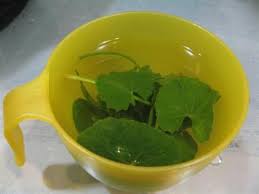
Gotu kola is a kind of vegetation which has been instrumental in the traditional treatment of various diseases in most countries including India, China, and Indonesia. Scientifically it is known as Centella asiatica. Some of the major areas of applications included healing of wounds, improvement of mental clarity as well as treating skin conditions such as leprosy and psoriasis. This plant has been singled out to one of the most used herbs in providing alterative treatment for so many health complications. There is a lot being said about this herb and we want to get the clear understanding of the history of gotu kola as it was then and how it is beneficial currently. The roles of this herb are endless. Some people use it to treat respiratory infections such as colds and in the past China used it primarily for that among many other ways. And because of its ability to offer treatment solutions, it was nick named “the fountain of life”. The motivation of this nick name was because legend has it that an ancient Chinese herbalist lived for more than two centuries (200 years) and his long life was credited to gotu kola.

Archaeologically, gotu kola has also been used to treat some STI including syphilis, hepatitis, stomach ulcers, mental fatigue, epilepsy, diarrhea, fever, and asthma. Currently this herb is penetrating in to the American and Europe market where it is being used to treat varicose veins and chronic venous insufficiency. This is a health condition where blood pools in the legs. Besides that it’s also used in ointments to treat psoriasis and help heal minor wounds thereby keeping the good health of the skin. Experts at AWAREmed Health and Wellness Resource Center under Doctor Akoury’s care are reiterating that gotu kola should not be mistaken for kola nut (Cola nitida) because they are not the same. Doctor Akoury explains that unlike kola nut, gotu kola does not have caffeine and is not a stimulant.

Understanding the History of Gotu Kola: Plant Description

  • Gotu kola is a perpetual plant native to India, Japan, China, Indonesia, South Africa, Sri Lanka, and the South Pacific.
  • It is member of the parsley family it has no taste or smell.
  • It thrives in and around water.
  • It has small fan shaped green leaves with white or light purple-to-pink flowers, and small oval fruit.
  • The leaves and stems of the gotu kola plant are used as medicine.

Understanding the History of Gotu Kola: Medicinal Uses and Treatment Indications

Gotu kola has very good medicinal characteristics and can be very useful in treatment of so many health complications including the following:

Venous insufficiency and varicose veins – When blood vessels lose their elasticity, blood pools in the legs and fluid leaks out of the blood vessels. That causes the legs to swell (venous insufficiency). Several small studies suggest gotu kola may help reduce swelling and improve blood flow. In a study of 94 people with venous insufficiency, those who took gotu kola saw their symptoms improve compared to those who took placebo. In another study of people with varicose veins, ultrasound tests showed that people who took gotu kola has less leakage of fluid.

Wound healing and skin lesions – Gotu kola has chemicals called triterpenoids. In animal and lab studies, these compounds seem to help heal wounds. For example, some studies suggest that triterpenoids strengthen the skin, boost antioxidants in wounds, and increase blood supply to the area. Based on these findings, gotu kola has been applied to the skin, or used topically, for minor burns, psoriasis, preventing scars after surgery, and preventing or reducing stretch marks.

Anxiety – These same chemicals triterpenoids seem to decrease anxiety and increase mental function in mice. One human study found that people who took gotu kola were less likely to be startled by a new noise than those who took placebo. Since the “startle noise” response can be a way to tell if someone is anxious, researchers think that gotu kola might help reduce anxiety symptoms. However the dose applied for this study was very high making it impossible to say how gotu kola might be used to treat anxiety.

Scleroderma – A single study of 13 women with scleroderma found that gotu kola decreased joint pain and skin hardening, and improved finger movement.

Insomnia – Gotu kola acts as a sedative when given to animals in tests. Because of that, it is sometimes suggested to help people with insomnia. But no human studies have been done to see whether it works and whether it’s safe.

Understanding the History of Gotu Kola: Dosage and Administration

Gotu kola is available in teas and as dried herbs, tinctures, capsules, tablets, and ointments. Products should be stored in a cool, dry place and used before the expiration date on the label. At no given time should gotu kola be used for patients under the age of 18 years old. Nonetheless as for the adults, the standard dose of gotu kola (Centella asiatica) will fluctuate depending on what kind you use and what you use it for. Getting your doctor’s opinion would be highly recommended in choosing the right dose for you.

Understanding the History of Gotu Kola: Side Effects

Side effects are rare but may include skin allergy and burning sensations with external use, headache, stomach upset, nausea, dizziness, and extreme drowsiness. These tend to happen with high doses of gotu kola.

Pediatric use – Gotu kola is not recommended for children.

Geriatric Use – The dosage of 65 years old and above should take a lower dose of gotu kola. Your health care provider can help you determine the right dose for you, which can be increased slowly over time.

Understanding the History of Gotu Kola: Interactions and Depletions

Gotu kola may interact with the following medications:

Drugs that affect the liver – Gotu kola contain elements which are likely to injure the liver of the patient. It must therefore be noted that taking it along with some other medications that also can harm the liver may cause liver damage.

Cholesterol-lowering drugs (including statins) – In some studies where animal were involved it was established that gotu kola raised cholesterol levels of those animals. Therefore it can may also do the same (raise cholesterol levels) in humans. However this is still a hypothesis since it is yet to be confirmed.

Diabetes medications – While carrying out a study in animal it was established that, gotu kola seems to increase blood sugar levels. Individuals with diabetes should not take gotu kola without first talking to their doctor.

Diuretics (water pills) – Gotu kola seems to act like a diuretic, meaning it helps the body get of excess fluid. Taking diuretic medications and gotu kola could cause your body to lose too much fluid, upsetting the balance of electrolytes you need. The same is true of taking gotu kola with herbs that have diuretic effects, such as green tea, astragalus or gingko.

Sedatives – Because gotu kola acts like a sedative, it might make some drugs taken for anxiety or insomnia stronger. The same is true for herbs taken for anxiety or insomnia, such as valerian.

Understanding the History of Gotu Kola: The Magic of Gotu Kola


Facebooktwitterpinterestlinkedin