Tag Archives: cancer

The link between Obesity and Cancer Risk

The link between Obesity and Cancer Risk: What is obesity?

The link between Obesity and Cancer Risk

The link between Obesity and Cancer Risk. Obesity in itself does not cause cancer but the presence of obesity subjects the individual to higher risk of cancer disease

This is not going to be the first time we are telling you something about obesity.  Obesity is a condition in which a person has an abnormally high and unhealthy proportion of body fat. Take note of high and unhealthy proportion. That means that one can have high fats in the body but they are still not obese. For one to be obese the fats must be high and in unhealthy proportions. The body mass index (BMI) is the most commonly used tool for measuring whether one is obese or overweight. Some little training is necessary before you can effectively understand how to calculate your position using BMI. This is just one of the many ways of establishing whether one is obese or not. However this is not our focus in this article. We want to explore on the link between obesity and cancer risk. We are by now all aware of what being obese can do to your health. Now what would be the impact if you are cancerous and at the same time obese? Keen reading and get what the experts at AWAREmed Health and Wellness Resource Center say about this unique association.

The link between Obesity and Cancer Risk: How common is overweight or obesity?

How common being overweight or obese is today is no secret. Even though you cannot conclude whether one is obese or overweight just by looking at them, the evidence on observation from the streets in overwhelmingly pointing to the fact that overweight and obesity is on the rise. Now let us get to the available statistics, results from the 2007-2008 National Health and Nutrition Examination Survey (NHANES) indicates that 68 percent of U.S. adults age 20 years and older are overweight or obese. This is in contrast with the same findings done between 1988-1994 which revealed that only 56 percent of adults age 20 and older were overweight or obese. While the in children, the findings of those who were overweight or obese also indicated an increase. In both cases there was considerable increase an indication that obesity and over weight are very common.

The link between Obesity and Cancer Risk: Facts about the relationship between obesity and cancer

Obesity is associated closely with several chronic diseases including cancer. The questions we want to answer are what family of cancer is obesity associated with? There are very many types of different cancers and each has its own way with which they are linked to the problems of overweight or obesity. The following are some of the types of cancers we want to look at and establish their relationship with this chronic disease called cancer:

  • Esophagus
  • Pancreas
  • Colon and rectum
  • Breast (after menopause)
  • Endometrium (lining of the uterus)
  • Kidney
  • Thyroid
  • Gallbladder

I want to take you through the findings of one study conducted using NCI Surveillance, Epidemiology, and End Results (SEER) data. In this study, it was estimated that in 2007 about 34,000 new cases of cancer in men and 50,500 in women were due to obesity representing 4% and 7% for men and women respectively in America alone. The percentage of cases attributed to obesity varied widely for different cancer types but was as high as 40 percent for some cancers, particularly endometrial cancer and esophageal adenocarcinoma.

Using these findings to make a future projection of health and economic burden of obesity if this trend continues, then it is estimated that in the next 15 years (2030) about half million additional cases of cancer will be recorded in the United States by that time. However using the same finding, if every adult is to focus on losing 1% of their BIM which is equivalent to 1Kg of weight loss then together we will succeed in preventing the number of cancer cases. And as if that is not enough, just by this single act we will not only reduce increase but also prevent up to 100,000 new cases of cancer. How does that single act communicate to you the link between obesity and cancer risks? If you are struggling with your weight, and all the effort you’re making seems to be yielding less and you’re about to give up, I have good news for you. Talk to doctor Dalal Akoury today, in fact schedule for an appointment with her now and experience the great difference of your life time. This is the right professional you need not just to lose weight but also to prevent cancer from visiting your life and that of your family. In the meantime let us consider the following mechanisms which have been suggested to explain the association of obesity with increased risk of certain cancers:

  • Fat tissue produces excess amounts of estrogen, high levels of which have been associated with the risk of breast, endometrial, and some other cancers.
  • Obese people often have increased levels of insulin and insulin-like growth factor-1 (IGF-1) in their blood (a condition known as hyperinsulinemia or insulin resistance), which may promote the development of certain tumors.
  • Fat cells produce hormones, called adipokines that may stimulate or inhibit cell growth. For example, leptin, which is more abundant in obese people, seems to promote cell proliferation, whereas adiponectin, which is less abundant in obese people, may have anti-proliferative effects.
  • Fat cells may also have direct and indirect effects on other tumor growth regulators, including mammalian target of rapamycin (mTOR) and AMP-activated protein kinase.
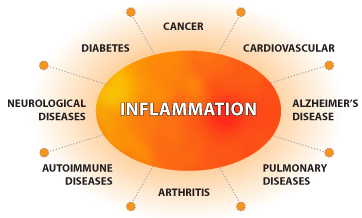
  • Obese people often have chronic low-level, or “subacute,” inflammation, which has been associated with increased cancer risk.

Other possible mechanisms include altered immune responses, effects on the nuclear factor kappa beta system, and oxidative stress.

Finally your life and that of people coming behind you cannot be compared with any amount of money in the world. If there is something you can do to be healthy then it must be done at all cost. On her part Dr. Akoury made a decision in view of the escalating links between obesity and cancer to create a medical center (AWAREmed Health and Wellness Resource Center) whose main objective is to transform each individual’s life through increasing awareness about health and wellness and by empowering individuals to find their own inner healing power. Dr. Akoury’s practice focuses on personalized medicine through healthy lifestyle choices that deal with primary prevention and underlying causes instead of patching up symptoms. Like I had said if you have any concern relating to weight gain or cancer and even other chronic illnesses, you can schedule for an appointment with doctor Akoury today for lasting solutions to all your concerns.

The link between Obesity and Cancer Risk: What is obesity?


Facebooktwitterpinterestlinkedin

Understanding the Different Types of Skin Cancer

Understanding the Different Types of Skin Cancer: Why prevention is the best

Understanding the Different Types of Skin Cancer

Meet the professional who knows it all. Understanding the Different Types of Skin Cancer and offering real time solution

Over the past we have been posting informative articles about beauty and good health of your skin. In those articles we mention several elements that affect the skin negatively and those that support the good health of your skin. However in this article we want to look at one of the most chronic skin conditions that is threatening beauty and general health of humans. We want to explore the disease called cancer and in particular with a view of understanding the different types of skin cancer in our societies today. To help us get through this, doctor Dalal Akoury who is the CEO and founder of AWAREmed Health and Wellness Resource Center. Dr. Akoury made a decision to create a medical facility to primarily offer her professional skills to people with a view of transform each people’s lives through creating awareness about health and wellness and by empowering individuals through education into to finding their potential inner healing power.

By understanding the different types of skin cancer she will be able to pass the much needed information to the societies to take all precautions to be safe from the various attacks of cancerous conditions. Meanwhile in her leadership at this facility, Dr. Akoury’s practice focuses on tailored medication by way of encouraging patients to making healthy lifestyle choices that deal with the underlying primary prevention and root causes of such diseases as skin cancer instead of patching up symptoms. By reading through this article, you will not only get the valuable information about skin cancer, but also have an opportunity to seek for the direct professional help from the experts. This you can do by scheduling for an appointment with doctor Akoury today.

Nonetheless in view of our topic of discussion, the overview of common forms of skin cancer may include basal cell and squamous cell carcinoma alongside the potentially more deadly melanoma. It will interest you to know that the reason for understanding the different types of skin cancer is because even though many people know that skin cancer is something they should be concerned about, especially as it’s becoming increasingly common, little concern is actually shown. But while most have probably heard about the dangers of skin melanoma, they may not be as aware of the other skin cancer types, which can also be harmful and require prevention, screening, and treatment.

Understanding the Different Types of Skin Cancer: Skin Cancer Types

There are many different types of skin cancers however the most common forms of skin cancer may include the following:

  • Basal cell carcinoma
  • Squamous cell carcinoma
  • Melanoma

Understanding the Different Types of Skin Cancer: Basal cell carcinoma

This is the most common type of skin cancer, affecting about a million new people each year in the United States.

  • Is caused by too much exposure to the sun
  • Look like an open, oozing sore; a scar; shiny bump; or a red patch of skin.
  • Is easy to treat and is rarely fatal.
  • May cause significant scarring
  • Occurs most often in fair-skinned people whose skin is not likely to tan

Basal cell carcinoma is characterized by a chronic sore that doesn’t heal or a rapidly growing lesion.

Understanding the Different Types of Skin Cancer: Squamous cell carcinoma

This is the second most frequently diagnosed type of skin cancer, with 250,000 Americans being diagnosed each year. Squamous cell carcinoma affects the very top layer of the skin. Squamous cell carcinoma:

  • Is caused by too much exposure to the sun
  • May look like thick bumps in the skin, which may be open, lumpy, or crusty. They usually have elevated edges.
  • Is easy to treat and is not usually serious, but should be caught and treated early to prevent the spread to other organs.
  • Most often occurs on the head, shoulders and arms, but also on the edge of the ear and the lower lip.

Squamous cell carcinoma, like basal cell carcinoma, is characterized by sores that won’t heal or quickly growing lesions on the skin.

Understanding the Different Types of Skin Cancer: Melanoma

This is the least common of the three main skin cancer types, but it can be the most deadly. When skin melanoma goes untreated and spreads beyond the skin and into other parts of the body, the condition can become very serious. Melanoma:

  • Is caused by too much exposure to the sun
  • Is more common in people who have had bad (blistering) sunburns, have a lot of moles, have fair skin, and have a family history of melanoma
  • May look like an irregular mole (asymmetrical, irregular borders, different colors, large in diameter, evolving), or a mole that bleeds
  • May feel sore, hard, swollen, or itchy
  • Can appear anywhere on the body
  • May be cured when caught early, but could be fatal if caught in the advanced stages

Malignant skin melanoma is characterized by a rapidly growing lesion that is multi-colored, often with black and pink.

Understanding the Different Types of Skin Cancer: How to Help Prevent All Skin Cancer Types

They may all look a little different, but you can help to reduce your risk of all skin cancer types the same way: By reducing your exposure to the sun’s harmful rays using a high SPF sunscreen, wearing hats and long sleeves, and limiting how much time you spend out in the direct sun.

Besides that doctor Akoury says, it is important that you make effort to know your skin very well. Regular check of your skin is very important. Just by making keen observation of your skin and engaging a friend to help you look at those areas your eyes can not see properly. This should be done periodically and preferably every month. Remember also to always involve your doctor by visiting for regular checkups. This will enable you to make quick notice of any changes that may appear on your skin and corrective measures taken in good time. The good news is that as with other types of cancer, skin cancer has the best healing process that leaves the best outcome when early diagnosis is done followed by immediate treatment.

Understanding the Different Types of Skin Cancer: Why prevention is the best


Facebooktwitterpinterestlinkedin

Human Adipose-Derived Mesenchymal Stem Cells Reduce Inflammation

Human Adipose-Derived Mesenchymal Stem Cells Reduce Inflammation modulates Regulatory T Cells in Rheumatoid Arthritis

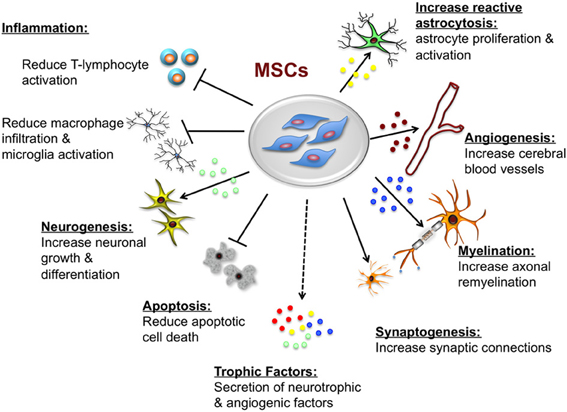
Mesenchymal stem cells are a rare type of cells that are multi-potent and can be isolated from the adipose tissues, bone marrow among other crucial sources.  These cells have very unique properties that have seen them become targets of very many medical therapies especially in treating degenerative diseases like aging and even joint diseases like arthritis. These cells have been found to be also very effective in modulating the functions of immune cells, including T cells, B cells, natural killer cells, monocyte or macrophages, dendritic cells, and neutrophils. T cells, activated to perform a range of different effector functions, are the primary mediators of many autoimmune and inflammatory diseases as well as of transplant rejection and graft-versus-host disease. Some of the well-defined T-Cell effector cells include; CD4+ (T helper cell) subsets Th1, Th2, and Th17 cells and cytotoxic T lymphocytes which are derived from antigen-specific activation of simple CD8+ precursors. In addition, naturally occurring and induced regulatory T cells represent CD4+ and CD8+ T-cell phenotypes that potently suppress effector T cells to prevent autoimmunity, maintain self-tolerance, and limit inflammatory tissue injury. The ability of adipose-derived mesenchymal stem cells to suppress the effector T-Cells and limit inflammation has made them very effective in treating rheumatoid arthritis which is characterized with inflammations around the joints. Typically, many immune-mediated diseases entail an imbalance between regulatory T cells and effector T cells of one or more phenotypes. Mesenchymal Stem Cells broadly suppress T-cell activation and proliferation in a controlled environment outside of a living organism via (Vitro) a plethora of soluble and cell contact-dependent mediators.  These mediators may work in two ways; first they can work directly on T cells or indirectly via modulation of antigen-presenting cells and other accessory cells. Mesenchymal Stem Cells administration has also been shown to be variably associated with beneficial effects in autoimmune and transplant models as well as in several human clinical trials. However, in a small number of studies Mesenchymal Stem Cells administration has been found to heighten T cell-mediated tissue injury. The multiple effects of Mesenchymal Stem Cells on cellular immunity may reflect their diverse influences on the different T-cell effector subpopulations and their capacity to specifically protect or induce regulatory T-cell populations.

Mesenchymal Stem Cells

 Mesenchymal stem cell modulation of T cell-mediated immune responses

To repeat for emphasis, the T cells are the primary cellular effectors of the adaptive immune system and their functional properties are central to antigen specificity and memory associated with cognate immunity, this therefore means that to a greater extent they are responsible for rejection of implanted cells of varied specificity.  Antigen-specific activation and differentiation of naïve T cells result in the generation of a range of T-cell phenotypes that may be defined by the acquisition of characteristic cytokine secretion profiles, cytolytic mechanisms, or counter-regulatory properties.

Following antigen-specific adaptive immune responses, a small proportion of activated T cells persist as memory cells and have the capacity to respond more rapidly and potently to secondary encounters with the same antigen. These memory cells may retain the effector phenotype imprinted upon them during primary activation. When these memory cells are appropriately coordinated and regulated, the diversity of T-cell effector phenotypes allows immune protection against a multitude of pathogenic microorganisms while maintaining self-tolerance and homeostasis. On the other hand, over exuberant pro-inflammatory T-cell responses may lead to auto-immune and allergic diseases, including multiple sclerosis, inflammatory bowel disease, type 1 diabetes mellitus, and asthma. Therefore it is crucial to have a modulatory strategy on the effector T-cells. Furthermore, life-saving treatments such as allogeneic bone marrow and solid organ transplantation may be complicated by alloantigen-specific T-cell immune responses, resulting in graft-versus-host disease (GvHD) or transplant rejection.

Study finding

Mesenchymal Stem Cells and InflammationIn a research study done at School of Medicine, University of Seville, Seville, Spain by Gonzalez-Rey E, Gonzalez MA, Varela N, O’Valle F, Hernandez-Cortes P, Rico L, Büscher D,  and Delgado M  it was found that human adipose-derived mesenchymal stem cells suppressed the antigen-specific response of T cells from patients with rheumatoid arthritis. Human adipose-derived mesenchymal stem cells inhibited the proliferative response and the production of inflammatory cytokines by collagen-activated CD4 and CD8 T cells. On the contrary, the numbers of IL10-producing T cells and monocytes were significantly augmented upon human adipose stem cell treatment. The suppressive activity of human adipose-derived mesenchymal stem cells was cell-to-cell contact dependent and independent. Human adipose-derived mesenchymal stem cells also stimulated the generation of FoxP3 protein-expressing CD4 (+) CD25 (+) regulatory T cells, with the capacity to suppress collagen-specific T cell responses. Lastly, human adipose-derived mesenchymal stem cells down regulated the inflammatory response and the production of matrix-degrading enzymes by synovial cells isolated from patients with rheumatoid arthritis.

The study had sought to find out the immunosuppressive activity of human adipose-derived mesenchymal stem cells on collagen-reactive T cells from patients with rheumatoid arthritis.  The method used involved investigating the effects of human adipose-derived mesenchymal stem cells on collagen-reactive RA human T cell proliferation and cytokine production as well as effects on the production of inflammatory mediators by monocytes and fibroblast-like synoviocytes from patients with rheumatoid arthritis. Stem cell therapy is a promising approach to treatment of degenerative diseases like arthritis but still you will need an expert in degenerative medicine. Dr. Dalal Akoury (MD) an expert in integrative and regenerative medicine will be able to help. Visit us at AWAREmed Health and Wellness Resource Centre at Myrtle Beach, South Carolina

Human Adipose-Derived Mesenchymal Stem Cells Reduce Inflammation modulates Regulatory T Cells in Rheumatoid Arthritis

Facebooktwitterpinterestlinkedin

Caring for Cancer Patients for their Comfort

Caring for Cancer Patients for their Comfort: Owing each other the duty of Care

Caring for Cancer Patients for their Comfort

Caring for Cancer Patients for their Comfort is every ones responsibility. To relieve them of certain burden giving a helping hand is necessary.

Some body once told me that love and kindness are the only language that everybody can see and hear. There is no boundary for this tow because they are the only languages that even blind and deaf can hear and see. What an opportunity we both have in caring for cancer patients for their comfort! The available statistics is worrying take for example medics estimates that about 3,400 people are diagnosed with cancer daily in the United States alone. Can you imagine what that would translate in one year? Do your mathematics. You may not be a medical doctor to give a helping hand to the many patients that come on board on a daily basis. The majority of these patients besides their cancerous condition must still cope with the demands of daily life while treating their illness. The home of solutions (AWAREmed Health and Wellness Resource Center under Doctor Akoury’s care) is very concern about this. We believe that this also concerns you as we do. Therefore if we share the same opinion and you are wondering what you can do to help a friend or relative who has become a cancer patient, doctor Akoury says that there are many ways you can lend a helping hand. Remember I begun that love and kindness can be seen by the blind and can also be heard by the deaf, in other words, we ore our friends the duty of care in this situation. As professionals in our undertakings at AWAREmed Health and Wellness Resource Center a medical facility founded by Doctor Dalal Akoury who is also the CEO of the establishment we suggest the following tips for providing medical, emotional, and practical support. The objective of these supports is to at least ease a loved one’s burden and show them some care.

Caring for Cancer Patients for their Comfort: Running Errands

You will agree with me that cancer patients need to preserve their strength and focus it on recovery yet the daily life contains so many chores that must be done. This is where you come in. you can actually help out by bearing some of your loved one’s daily responsibilities, like for instance you may:

  • Walk her dog
  • Refill her prescriptions
  • Pick up her kids after school
  • When you buy your groceries, offer to do her shopping as well
  • Suggest making phone calls for her or
  • Set up an online page if she’s overwhelmed by people concerned about her cancer condition.

These may look nothing of value but you will be surprised how helpful they will be if they are taken off their shoulders.

Caring for Cancer Patients for their Comfort: Doctor’s Appointments

Keeping one company is very healthy just by offering to drive someone to the doctor’s office is helpful, but it’s always good to have a second set of eyes and ears at doctor visits. You can provide invaluable caregiving assistance by accompanying your loved one to these appointments. Before the visit, write down all of his questions and concerns to discuss with the doctor, and while you are there make sure all of them are addressed. Take detailed notes so you have an accurate record of what was said, including any specific directions or recommendations.

Caring for Cancer Patients for their Comfort: Helping Hands

If you look at your own daily chores you will realize that the cancer patients also do have the same and maybe more. Therefore you can help them conserve the energy by doings some household duties like:

  • Doing there load of laundry
  • Cooking a nutritious meal
  • Washing the pots and pans
  • Run a vacuum cleaner and dust
  • Take out the garbage
  • Mow the lawn
  • Rake up fallen leaves and clean up the backyard

I appreciate that this may be too much for you alone and so the task can be shared. You can come with a schedule where you and your friends can take the duties in portions by creating a schedule to divide the tasks.

Caring for Cancer Patients for their Comfort: Lending an Ear

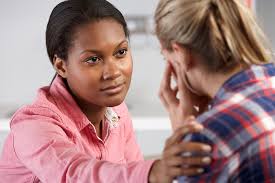
Some of the best care giving you can provide involves just sitting and listening to your loved one. That’s not as simple as it sounds. Let him open up about his emotions, fears, and concerns, but try not to automatically interject reassuring words or dole out advice. If you do that, you might interrupt his thought process or cause him to shut down. The best encouragement comes from reminding him of his special qualities or of other challenges he has bested. Rather than offer advice, discuss choices and allow the cancer patient to talk them through to reach the best decision.

Caring for Cancer Patients for their Comfort: Bookkeeping Services

Cancer is an expensive disease to treat, and an exhausting stack of bills will grow over time. You can help by organizing these bills and figuring out what is due when. You also can review the patient’s health insurance and make sure that she is getting all of the coverage she is entitled to. If she is behind on payments, you might call hospital administrators on her behalf to work out a payment plan. You also can help your loved one apply for financial assistance.

Caring for Cancer Patients for their Comfort: Keeping Up Morale

Loneliness and isolation is a common occurrence with cancer patients. Even though this is true cancer patients can also get exhausted with many visiting’s. feel isolated and lonely. You can help by coordinating visits of groups of friends or family, so the patient can remain connected without becoming overwhelmed. You also can arrange for people to write cards and letters of support or send flowers.

Caring for Cancer Patients for their Comfort: Finding More Educative Support

There are many forms of emotional support within your rich for cancer patients, some of this may not be known to by your loved ones. You can solicit them from by asking hospital social workers about cancer support groups in the area, or look for online support. If more help is needed, suggest an oncology social worker or counselor to help the patient cope with feelings and emotions. You may not personally be able to provide all the assistance the cancer patient needs, but you can help find additional resources by scheduling for an appointment on their behalf to doctor Akoury today for clarity where it is needed.

Caring for Cancer Patients for their Comfort: Owing each other the duty of Care


Facebooktwitterpinterestlinkedin

Effects of breast cancer on your beauty

Effects of breast cancer on your beauty: Why Radiation is the major problem?

Effects of breast cancer on your beauty

Effects of breast cancer on your beauty can be very fatal if treatment is not done in good time.

When we talk of being beautiful all round it means that every part of your body is appealing. It also means that you have the emotional certification that you are internally beautiful. That is to say your self-esteem is super and consistent. The problem we have is often associated of keeping that beauty for a long time. It may be easy to initiate the process of being beautiful, but keeping that beauty may be challenging. In that respect, we want to explore for the purpose of this article, the effects of breast cancer on your beauty. Breast cancer is ideally one of the most fatal ailments threatening the lives of very many women. And to add salt into injury treatments for breast cancer also can affect your skin at times, leaving it unpleasantly dry or flaky and more sensitive to exposure to sun, wind, and other elements. To help us understand how cancer treatment can cause damage to your skin, doctor Dalal Akoury an expert in beauty care and also the founder of AWAREmed Health and Wellness Resource Center is sharing with us some insight to be weary of if we have to keep our skin glowing.

Effects of breast cancer on your beauty: Chemotherapy and skin care

The reason why we all need to be very concern with the chemotherapy treatment is because while the skin needs to be well hydrated, it frustrates skin hydration by reducing the amounts of oil produced by your glands. The solution to this would be using moisturizers more periodically. It is important that you use quality products to defend your skin from the effects of the sun by blocking UVA and UVB rays. In addition to these gentle moisturizing soaps particularly those of children are very good since they are mild and are deodorant free.

Effects of breast cancer on your beauty: Radiation and skin care

Radiation to the breast impacts negatively to the skin causing changes which really make you look bad and tattered. Therefore, the following are some of the effects which may be associated with radiation:

  • Irrespective of where you come from, tribe or otherwise, radiation will change your skin color. For example those who are light in color and dark in color will turn red and darker respectively. Even though the affected areas may be limited to some small patches, there can be some itching, burning, and tenderness of the skin. You may have some dry peeling, like old sunburn, as the skin rubs off.
  • If you are big-breasted, or if your doctor is treating the area after a mastectomy, there is a greater chance for “wet” peeling, like a blister. This is usually limited to specific spots.
  • The skin generally heals quickly and completely with the red reaction going away fastest. The change-over to tan shading, if you have light skin, can take a few weeks to go away. However in women of color, the darkening of the skin can be more significant and may also take longer to disappear.
  • Ordinary freckles and moles can become much darker within the treatment field. These spots are almost always benign, but they will darken because of the treatment. After you finish radiation, they usually return to their normal color, and some eventually disappear.

With all these complications, doctor Akoury says that there are very many products in the market which can help ease your way through treatment. The products may include aloe and aquaporin, which can be found in some drugstores and large convenience stores. And besides occasionally you may need to use some type of steroid cream, such as a 1% hydrocortisone cream. Some women also benefit from a prescription-strength steroid cream. Your physician will be able to advice if you need a referral to a dermatologist for more care.

Effects of breast cancer on your beauty: Radiation and sun

Skin that receives radiation treatment has an increased risk of developing skin cancer in the future. This is why it is so important to take extra precautions to protect the skin within the radiation treatment field from the sun. Take note that the part of the breast near your cleavage will probably be in the treatment field, and that’s also the area exposed to the sun when wearing a bathing suit or tank top. It is therefore advisable that you use a moisturizer or body lotion with sun protection factor (SPF) of at least 30.

Effects of breast cancer on your beauty: Skin and sun precautions

Excessive exposure to the sun is responsible for much of the skin damage associated with aging. It’s also the leading cause of skin cancer by far the most common form of cancer diagnosed today. Even though it may take up to 12 hours for you to see the effects of the sun burn, ordinarily it takes as little as 15minutes for the sun’s ultraviolet rays to harm the skin. In severe sunburns particularly during childhood and adolescence can increase the chances of developing the more serious form of skin cancer malignant melanoma later in life. However, it is important to note that the development of breast cancer does not necessarily make you vulnerable to the risk of contracting skin cancer.

Doctor Akoury says that because of these, you need to protect your skin every time you go outside irrespective of whether it is cloudy or not. Ensure that you only use those products rich in the proper SPF, or sun protection factor. While doing all these remember not to forget the treatment of your lips. The lips contain few oil and sweat glands and no melanin (a protective chemical in the rest of your skin). So they are not protected from moisture-robbing ultraviolet rays. Instead of using lip balms which contain camphor, menthol, or phenol, use products with moisture-sealing ingredients and SPF protection.

Effects of breast cancer on your beauty: What to do for healthy looking skin
  • Sleeping on your back is very helpful more so with your head elevated. This reduces the puffiness we often observe in the mirror each morning. You might want to invest in a buckwheat or form-fitting pillow that will help keep your head upright.
  • Smoking is definitely not advisable. The heat and smoke of the cigarette itself will constrict your blood vessels and cause wrinkles. And overuse of the muscles used to draw in the smoke can cause just as many wrinkles. Take note that tobacco smoking is a major risk factor for lung cancer.
  • Avoid applying products with alcohol content on your face. Such products will cause skin dehydration even for oily skin.
  • Don’t wash your face more than twice a day, unless you exercise. In that case, be sure to wash away any sweat that could be drying to your face as it evaporates. You might also consider a non-soap skin cleanser.
  • Remember that skin cleansing; exfoliation and moisturizing are all helpful in protecting the skin against the sun rays and other elements.

Finally cancer is not any kind of disease you can easily wish away. If this causes you skin damage in any way, then you need to consult with doctor Akoury and seek for an appointment with her for more professional assistance today.

Effects of breast cancer on your beauty: Why Radiation are the major problem?


Facebooktwitterpinterestlinkedin