Tag Archives: cancer

Reviving Beauty Through Healthy Eating

Reviving Beauty Through Healthy Eating – Essentials of Good Skin Complexion

Healthy eating

Reviving beautiful skin through healthy eating is very economical and pocket friendly therefore be mindful of what you eat

Many times in our daily activities we often spend a lot of money in trying to make our skin complexion took nice, appealing and attractive. We are commanded from the holy book to love one another as we love ourselves, meaning that before we get out showing our appreciation to others, it must have started with us. This article is going to explore on certain food stuff which are very beneficial in nourishing our skin complexion and the general health of our bodies. Feeding well on healthy food is becoming very difficult to many people and this becomes even worse when we let loose during holidays when we would want to adventure into new experiences that we have not came across before. Even as you let loose in your merry making during the holidays, you must not forget that your actions can negatively affect your years of effort working on your good look by maintain desired weight, healthy eating habits and lifestyle.

Let me therefore bring to your attention that what you may be ignoring healthy eating habits are actually the elements you need not just during holidays but always to keep your good looking beautiful youthful skin. These healthy foods will not just help keep the desired weight and healthy looking skin but will also save you a great deal from extravagant spending in various weight lose facilities and application of very expensive yet toxic beauty products like creams and various body and facial make ups. While exploring the use of healthy foods it is important that you involve the experts who are well vast in healthy weight loss, healthy eating habits and natural body skin care. I want to therefore bring to your attention to the founder of AWAREmed Health and Wellness Resource Center, doctor Dalal Akoury who is fellowship trained and certified in anti-aging functional and regenerative medicine, as well as having more than twenty years of accumulated experience in emergency medicine, pediatrics, and a master’s degree in public health.

Doctor Akoury founded this facility to help you keep your skin healthy and beautiful protecting it from the outside in as well as inside out through various natural means like feeding on certain foods which can shield your skin from damage from the inside out. It will be very advisable that if you or anyone you know is either struggling with his or her skin quality, weight or is planning for a vacation and is worried of adding more weight during the holiday season, you should schedule for an appointment with doctor Akoury for not just her professional advice but also affordable treatment that is necessary. Having been introduced to the expert, let us now consider some of the healthy eating which may be essential for smooth and maintenance of a youthful skin.

Soy Milk

The goodness of soy milk is that it helps to preserve the skin-firming collagen due to its richness in isoflavones.

Coffee

Did you know that just by drinking a cup of coffee daily you may be lowering your risk of developing skin cancer? Several studies have established those who drink at least one cup of caffeinated coffee daily stand a chance of reducing their risk of developing non-melanoma skin cancer by about 10 percent. And the more they drink say up to about 6 cups or more daily they lower their risk even further.

Tomatoes

Consuming more lycopene (the carotenoid that makes tomatoes red) may protect your skin from sunburn.

Salmon

The omega-3 fatty acids DHA and EPA (docosahexaenoic and eicosapentaenoic acids, respectively) found in salmon may shield cell walls from free-radical damage caused by UV Rays and for better results it is advisable that you eat two servings of fatty fish each week. Remember that not only are the omega-3s good for your skin but they’re also good for your heart too.

Egg Yolk

The yolk part of eggs comprises of carotenoid lutein, which like lycopene protects skin from UV damage. Lutein also helps to keep eyes healthy. Multiple studies have associated lutein with reduced risk for age-related macular degeneration which is the leading cause of blindness in people over 50.

Strawberries

Vitamin C is very essential for warding off wrinkles and age-related dryness. Foods like strawberries which are rich in vitamin C skin smoothing effects may be due to its ability to mop up free radicals produced from ultraviolet rays and also its role in collagen synthesis. Collagen is fibrous protein which keeps the skin firm and Vitamin C is essential for collagen production.

Papaya

Papaya is an excellent source of vitamin C and research suggests that Vitamin C may help protect skin cells against sun damage by promoting the repair of DNA which has been harmed by UV rays. UV rays break the chemical bonds of skin cells, killing them and damaging their DNA which may eventually cause cancerous growth. You can find vitamin C in a multitude of cosmetics—of which some have been shown to be effective in protecting skin—but why not go straight to the source for a tasty boost of vitamin C.

Pumpkin

Like lycopene, beta carotene the compound that makes pumpkins orange protects your skin from UV damage. Beta carotene is also converted to vitamin A in the body, which helps to keep your eyes, bones and immune system healthy.

Spinach

Spinach boasts lutein, a carotenoid that protects your skin from UV damage. When buying spinach, pick the one right up in the light, new studies have established that spinach stored continuously under the light for as little as three days boasted higher levels of vitamin C and preserved levels of K, E, folate and the carotenoids lutein and zeaxanthin.

Corn

Corn is an excellent source of lutein, a type of carotenoid. Just like lycopene, lutein also shields your skin from UV damage therefore, in the event that corns are off season then you may opt for alternatives like frozen vegetables which are equally full of health compared to some of the fresh produce available groceries. This is because fruits and vegetables chosen for freezing tend to be processed at their peak ripeness, a time when as a general rule they are most nutrient-packed.

Finally as I had indicated in the introduction of this article that the common food stuff we often ignore are very essential for the perfection of your skin quality, remember that what you eat contributes significantly to your general well-being and that includes your facial look and general skin quality. It is however very important that even as you follow a healthy eating diet you will still need to consult periodically with the experts who are experienced and has track records of their performance. Scheduling for an appointment with doctor Akoury today is all you need to da and all your concerns will be professionally addressed.

Reviving Beauty Through Healthy Eating – Essentials of Good Skin Complexion


Facebooktwitterpinterestlinkedin

How does a ketogenic diet work?

Choosing The Right Type Of Diet For Cancer (Ketogenic Diet)

What is ketogenic diet?

A ketogenic diet is a special form of diet in which a particular balance between proteins, carbohydrates and vitamins is used to help an individual achieve specific health objectives. In the case of cancer, such a diet is used to help a patient retain the body in a state that is appropriate to minimize the impact of the disease and enhance the overall outcome of treatment.

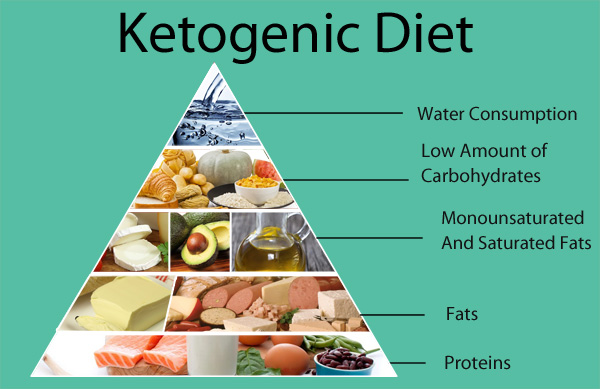
The uniqueness of the diet is that it is designed in such a manner that an individual consumes a high amount of required fats, an adequate amount of proteins and a low amount of carbohydrates. When such an approach is used in a person’s diet, the overall way in which the body makes energy is changed completely. Focus now shifts from breaking down carbohydrates to fats. The process by which fats are broken down to produce energy leads to the formation of ketones.  These are important compounds in the body of an individual.

How does a ketogenic diet work?

The process by which a ketogenic diet works in the human body is best understood when one considers what happens to carbohydrates that we eat as part of our diet. Basically, our bodies have been conditioned to derive their energy by breaking down carbohydrates into glucose. This conditioning has been a result of our eating habits where carbohydrates form the largest part of our meals.

However, there is an alternative way by which our bodies can get the energy required to power our daily activities: breaking down of fats that are stored in them. This is what happens when one goes without food for some time, the body automatically resorts to the stored fats for its own energy supply.

Therefore, when we change our eating habits by drastically cutting down on the amount of carbohydrates, we change the way the body gets its energy. When this type of diet is used, the body begins to break down fats into ketones in the process of getting energy.

The presence of ketones in the body offers a number of advantages.  For example, ketones have been associated with good management of the weight of one’s body. This implies that using a ketogenic diet can help one to manage the body weight. Besides, ketones have been associated with enhancing the ability of the body to combat different forms of chronic diseases, cancer being one of them. Therefore, a ketogenic diet can be useful in helping one to overcome the effect of chronic diseases.

How to choose the right ketogenic diet for cancer

There are several things that one should consider when choosing the right ketogenic diet for cancer. This is so because although ketogenic diet has been known to help the body to fight different types of chronic diseases, when it comes to cancer, there are special things that should be taken into consideration.

First, the basic principle of using a ketogenic diet to help the process of treatment against cancer arises from the fact that cancer cells largely depend on glucose for their survival. Right from the process of angiogenesis to metastasis, cancer cells require a heavy supply of glucose. Therefore, by reducing the amount of glucose in the body, this diet directly inhibits the growth of cancer cells while ensuring that normal body cells have an alternative source of energy.

Second, with regard to cancer, choosing a ketogenic diet takes into consideration the level of ketones and sugar that are required by the body. This is so because the body needs a particular amount of the nutrients so as the overall aim of the diet of killing cancer cells while nourishing normal body cells is achieved.

Third, choosing the right ketogenic diet to help one overcome the effects of cancer requires a careful selection of the kinds of foods that shall be used. This is so because some foods are not recommended for use by a person who is using this form of diet. Therefore, one has to select only the types of foods that are required for a cancer patient. This can be easily done with the help of a physician.

Choosing The Right Type Of Diet For Cancer

What are the benefits of a ketogenic diet?

There are several benefits that one gets by choosing the right type of ketogenic diet. First of all, a ketogenic diet has a direct effect on cancer cells. This is so because when one takes the diet, the amount of sugar in the body is greatly reduced. Yet cancer cells thrive on body sugars. Therefore, by inducing a state of ketosis in the body, one is able to inhibit the growth and development of cancer cells within it.

The second benefit that one gets from a ketogenic diet is that it helps the body eliminate cholesterol successfully. Cholesterol may cause a number of health complications when it is left to accumulate in the body. However, when one uses a ketogenic diet, a special form of lipoproteins that carries cholesterol to the liver for excretion is produced. The ability of the body to excrete excess cholesterol and other unwanted compounds is beneficial to an individual since it reduces the overall level of toxicity.

AWAREmed Health and Wellness Resource Centre is a leading destination for cancer treatment and management. Dr. Dalal Akoury is highly experienced in helping cancer patients choose the right kind of ketogenic diet for their overall wellbeing. You can visit us in Myrtle Beach, South Carolina for professional help on how you can develop a ketogenic diet that is appropriate for your condition.

Choosing The Right Type Of Diet For Cancer (Ketogenic Diet)


Facebooktwitterpinterestlinkedin

Understanding Pancreatic Cancer

Understanding Pancreatic Cancer

Causes of pancreatic cancer

Just like all the other types of cancers, there is no a single cause of pancreatic cancer. What usually happens is that a person who is inherently predisposed to the development of this disease gets exposed to any of the many different forms of risk factors. This sets the stage for the development of the disease.

Therefore there are several factors that can predispose one to the disease. For instance, research has indicated that pancreatic cancer is common in people who smoke than in those who do not. Therefore, smoking is one of the predisposing factors to pancreatic cancer. Also, it has been shown that the disease is common in people of advanced age. So, with an increase in age, the possibility that one will develop this disease increases dramatically, if other contributing factors are present.

Lastly, the presence of particular medical conditions may contribute to the possibility of one developing pancreatic cancer. One common disease that acts as a predisposing factor to pancreatic cancer is diabetes. Patients who have diabetes usually face a higher risk of developing pancreatic cancer than those who do not.

Pancreatic Cancer

Signs and symptoms of pancreatic cancer

The signs and symptoms that patients of pancreatic cancer show may be a result of different types of diseases. Besides, signs of pancreatic cancer usually appear long after the disease has developed within a patient. However, there are common signs which pancreatic cancer patients do show at times. One of them is persistent pain in the back and the stomach as well as sudden loss of weight. All these, combined with jaundice, are signs that a person may be having pancreatic cancer.

How pancreatic cancer is detected

One common problem that makes the detection of pancreatic cancer a difficult process is that the disease rarely shows symptoms during its early stage of development. What usually happens is that the disease develops silently within the body of an individual. It is only when it is really late that the signs and symptoms begin to appear.

However, doctors are able to detect the presence of the disease relatively fast. This is usually done using a general procedure which is carried out as follows. First, a general medical examination is done on a patient. The aim of this is to quickly detect any abnormal condition in the patient before further tests are carried out. Secondly, a thorough medical history of the patient is revisited. The aim of doing this is to get an insight into the medical history of a patient so as to determine whether the current situation has a historical basis. Lastly, a thorough examination is done to determine whether or not a patient has pancreatic cancer.

The diagnostics is usually carried out using one of the many different forms. For instance, use of CT scans may be used to determine whether there are cancer cells in the pancreas of a patient. It is after the presence of cancer cells in the pancreas of a patient has been detected and confirmed that a specific treatment method is recommended.

Different treatment options for pancreatic cancer

There are different methods that can be used to treat pancreatic cancer. However, before a particular option is chosen, there are several factors that are taken into consideration. The first one is the degree to which the disease has advanced. Usually, when pancreatic cancer has advanced so much, it may be difficult to use certain therapies. The second one is the overall health of the patient. To some patients, overall weakness of the body may make it inappropriate for a doctor to recommend specific causes of treatment for pancreatic cancer.

All these factors are taken into consideration when one is undergoing treatment for this type of cancer. Usually, the treatment seeks to achieve two main objectives: completely remove all the cancer cells in the pancreas and restore the patient to stable health.

It may be difficult to achieve both objectives in cases where the cancer has really progressed. However, in most case, ordinary treatment methods are used to remove the tumor and help the patient recover from the effects of the disease. For instance, special chemotherapy treatment may be used on a patient. This usually involves the use of different types of drugs over a course of time. Also, radiation treatment may be used to directly kill the cancer cells in the patient. Lastly, surgical procedures may be used to remove the tumor from the pancreas of the patient.

Integrative treatment methods for pancreatic cancer

What is important to note is that no single method has been proven to be effective in treating pancreatic cancer. This is because the disease usually develops without showing clear symptoms and by the time the symptoms begin to appear, the disease is usually at an advanced stage of development.

It is this situation that has made the use of alternative treatment methods quite popular. At AWAREmed Health and Wellness Resource Centre, we believe in the use of alternative treatment methods as an adjunct to the conventional treatment methods such as chemotherapy, surgery and radiotherapy. You will find our therapies and services in general quite convenient. Our use of alternative treatment methods for pancreatic cancer is to enhance the efficacy of the conventional therapies used and ensure that you get over the effects of the treatment and the disease quite fast.

Understanding Pancreatic Cancer

Just like all the other types of cancers, there is no a single cause of pancreatic cancer. What usually happens is that a person who is inherently predisposed to the development of this disease gets exposed to any of the many different forms of risk factors.

Facebooktwitterpinterestlinkedin

How Chemotherapy Contributes To The Need For Detoxification

Detoxifying Diet After Chemotherapy

What is detoxification?

detoxificationNaturally, the body functions by producing chemical compounds. The chemical compounds produced are as a result of the biochemical activities which take place at the cellular level. The result of the biochemical activities is that compounds which are required by the body are produced. In addition to this, some compounds which are not required by the body are produced as byproducts of the reactions. It is such biochemical compounds, which are usually toxic in nature, that require to be removed from the body through a process called detoxification. If not removed, the toxins tend to accumulate in the body, thus forming a good breeding ground for many other forms of diseases and illnesses.
Why is detoxification necessary?

Naturally, the body has its own detoxification mechanism. This happens principally through two organs: the liver and the kidney. The liver is able to purify blood of all manner of impurities and channel them out of the body through complex physiological processes. In the same manner, the kidneys are collect and dispose toxins from the body using appropriate mechanisms.

There are certain times when the natural detoxification process of the body is overwhelmed by the amount of toxins present. At such times, the body requires support for it to be able to remove all the accumulated waste products. A common scenario occurs when is undergoing chemotherapy, a form of cancer treatment that makes use of pharmacological drugs to kill the cancer cells.

How Chemotherapy Contributes To The Need For Detoxification

The chemical compounds that are used in the drugs present a serious problem to the body. Normally, after the compounds have performed their function of killing cancer cells in the body, it is up to the liver and the kidney to eliminate them. In most cases, the drugs are broken down and eliminated via the liver. However, in the course of treatment, the overload of chemical compounds that need to be broken down and eliminated makes the natural detoxification mechanism to be overstretched. This leads to a buildup of toxins in the body of a patient who has just undergone chemotherapy.

The buildup in toxins is manifested in different ways. For instance, one may complain of inexplicable fatigue, stomach and headache. In other cases the presence of toxins in the body may compromise the functioning of the immune system. This makes a patient quite vulnerable to a number of ailments. It is, therefore, necessary for one to detoxify the body immediately after undergoing chemotherapy.

How to eat right for your body during detoxification

detoxifying your bodyThe overall goal of detoxification after undergoing chemotherapy is to cleanse the body of all toxic products that are produced from the drugs used in the treatment. For this to be achieved, there are several things that need to be done in the course of the process. These are outlined as follows.

  • Preparing for detoxification

First, there is the need for a patient to be strong enough to go through the detoxification process successfully. Usually, detoxification is a long process that involves adopting specific eating habits, exercising and taking plenty of water. As such, a patient who has undergone chemotherapy is usually too weak to start the process immediately. Therefore, there is need for one to take time and build physical strength before starting the process. Strength can be easily built by doing light exercises and taking plenty of fluids to start with.

Second, water plays a very important role in the detoxification process. Even at times when your body is perfectly normal, you need water to help you remain healthy. Water not only helps your body function properly but also plays a leading role in removing waste products from it. Therefore, during detoxification after chemotherapy, one needs to increase the amount of water taken every day.

  • Fiber and detoxification

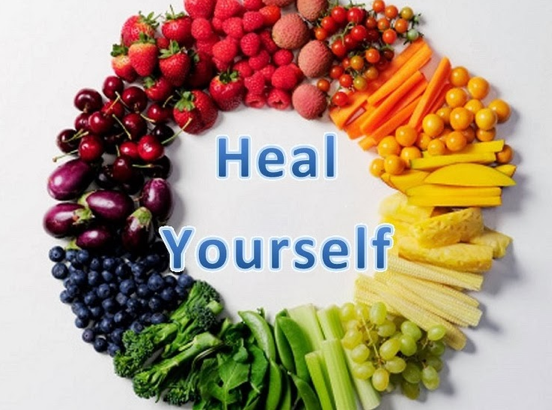
Third, one needs to increase the amount of fiber that is taken in the diet. Normally, fiber plays an important role in the process of digestion. A certain amount of fiber in the diet is necessary to make the process of digestion complete. When one has undergone chemotherapy, the presence of fiber in the diet is even more important. Therefore, one needs to increase its amount by eating whole fruits and vegetables in plenty. A good amount of fiber in the diet speeds up the elimination process of toxins from the body, thus helping one to recover from the effects of chemotherapy quite fast.

  • Use of antioxidants when detoxifying

Fourth, one needs to increase the intake of antioxidants. Usually, antioxidants are contained in vitamins A, B, C and E. when one eats fruits and vegetables as well as special supplements that contain these minerals; the detoxification process is dramatically sped up. Antioxidants have been known to help the body cells recover from the toxic effects of drugs that are used in chemotherapy. Therefore, by increasing the amount of food that contains antioxidants, one can speed up the detoxification process following chemotherapy. However, when buying such supplements, it is important to read the labels carefully before buying.

Dr. Dalal Akoury started AWAREmed Health and Wellness Resource Centre as a leading place for the treatment and management of cancer using alternative and complementary therapies. We use this approach when treating our cancer patients because we believe that is the best way of helping them overcome the toxic effects of conventional treatment methods such as chemotherapy and radiotherapy. This helps our patients attain overall wellness and health within the shortest time possible; a great achievement to us.

How Chemotherapy Contributes To The Need For Detoxification


Facebooktwitterpinterestlinkedin

Medicare Law and The Cost Of Chemotherapy

Medicare Law Has Little Impact On The Cost Of Chemotherapy

Chemotherapy in general

Chemotherapy is one of the many types of methods that are used to treat cancer. Depending on the particular type of cancer, its level of progression and other factors, this method has proven to be one of the most effective ones in reversing the effects of a tumor in the body by killing the cancer cells directly.

Although effective, chemotherapy has been described as one of the most expensive forms of treatment for cancer. The type and amount of drugs that are used in the course of the treatment usually amount to a substantial amount. Yet cancer is a disease whose adverse effect on the population is well documented.

Therefore, the need to develop programs that reduce the cost of undergoing chemotherapy has dominated academic and public debate for long. That is why the government developed a comprehensive medical law to help in bringing down the costs of chemotherapy.

How the chemotherapy costs are covered in the Medicare law

Generally, the law seeks to reduce the financial burden of undergoing chemotherapy by following four main strategies designated as plan A, B, C and D. every one of these plans covers different aspects of the overall cost and vary from the rest in terms of the amounts that are covered for every component of the treatment.

Chemotherapy

For Plan A, cover for the costs of chemotherapy is extended to patients who are admitted to a hospital. The hospitals that are taken into consideration when this plan is applied are the usual public ones as well as the specialized medical facilities that offer cancer treatment and care to patients. This plan is different from Plan C under which care is extended to outpatient clients only.

For Plan C, all the provisions under plan A and B are included but there are other additional advantages that are provided to individuals. What this implies is that a person who is subscribed to Plan C of the Medicare policy is able to enjoy a range of advantages in terms of reduced costs for undergoing chemotherapy. The advantages apply to any hospital or cancer treatment facility.

Then there is the last plan which is referred to as Plan D. under this plan, an individual is able to enjoy reductions in the cost of buying the drugs that are used for chemotherapy. Although this plan covers all the prescription drugs that one may use in the course of undergoing chemotherapy, it is worth noting that the plan only covers outpatient services. This implies that it is not applicable to the drugs used by inpatients.

How the Medicare law sought to reduce the cost of chemotherapy

Passed back in 2003 and 2005, the Medicare law sought to help reduce the costs of chemotherapy for cancer patients. Generally, the law pursued several approaches. The first one was reducing the usage of highly priced drugs for treating cancer. since a large portion of the costs of undergoing chemotherapy are consumed by buying highly priced drugs, the law sought to reverse this by introducing special reimbursements to clinics that charge clients a fee for their service. The idea was that by reimbursing such service providers, the manner in which they recommend drugs for cancer treatment would be controlled.

Therefore, under the legislation, different types of drugs were accorded different levels of reimbursements to the service providers. The law sought to reduce the high dependence that service providers show on such expensive drugs by reducing the amount of reimbursements that is offered to them. This way, it was thought that service providers would find selling such drugs not as profitable as it was before and consequently reduce the frequency with which they prescribe them to their patients.

Impact of the Medicare law on the cost of chemotherapy

Although the Medicare law that was developed and passed sought to bring down the costs of chemotherapy to individuals who are registered in the plan, this has not been the case. So far, things have turned out quite differently from what the drafters of the policy and laws intended. Increasing academic opinion indicates that the policy itself has failed, apart from the relevant legislations that were passed as a way of implementing it. There are several ways in which this failure in the law and policy has been seen. These are described in the sections that follow.

First, it has now become obvious that the law has failed to limit the extent to which doctors prescribe the most expensive drugs to patients. When developed, the law sought to limit the number of highly expensive drugs that doctors recommend to their patients by reducing the amount of reimbursements that are offered to doctors on such drugs. The idea was that by reducing the amount of reimbursement that is offered to doctors on such drugs, doctors would definitely avoid recommending them to their patients because of the financial implications involved.

However, this has not been the case. Over the course of time, doctors have continued to prescribe to their patients the most expensive drugs. This only means one thing; that the policy has failed to achieve this objective.

Another way that the Medicare law can be said to have failed in achieving its objectives can be seen in the relationship between the overall cost and rate of cancer. Research studies have indicated that cancer rates have fallen slightly over the years. However, the overall cost of cancer has been rising over the years. Yet the overriding objective of the Medicare law was to reduce the costs of chemotherapy. What this implies is that the law has failed to curb the rising costs of chemotherapy for patients and other stakeholders in the healthcare industry.

It is because of this situation that the need for comprehensive cancer treatment and management is on the rise. AWAREmed Health and Wellness Resource Center in Myrtle Beach, South Carolina is a leading institution in provision of integrated cancer treatment therapies. We believe that an integrated approach has an important role to play in overall cancer treatment and management practices.

Medicare Law Has Little Impact On The Cost Of Chemotherapy


Facebooktwitterpinterestlinkedin