Tag Archives: Bleeding

Human Adipose-Derived Mesenchymal Stem Cells Reduce Inflammation

Human Adipose-Derived Mesenchymal Stem Cells Reduce Inflammation modulates Regulatory T Cells in Rheumatoid Arthritis

Mesenchymal stem cells are a rare type of cells that are multi-potent and can be isolated from the adipose tissues, bone marrow among other crucial sources.  These cells have very unique properties that have seen them become targets of very many medical therapies especially in treating degenerative diseases like aging and even joint diseases like arthritis. These cells have been found to be also very effective in modulating the functions of immune cells, including T cells, B cells, natural killer cells, monocyte or macrophages, dendritic cells, and neutrophils. T cells, activated to perform a range of different effector functions, are the primary mediators of many autoimmune and inflammatory diseases as well as of transplant rejection and graft-versus-host disease. Some of the well-defined T-Cell effector cells include; CD4+ (T helper cell) subsets Th1, Th2, and Th17 cells and cytotoxic T lymphocytes which are derived from antigen-specific activation of simple CD8+ precursors. In addition, naturally occurring and induced regulatory T cells represent CD4+ and CD8+ T-cell phenotypes that potently suppress effector T cells to prevent autoimmunity, maintain self-tolerance, and limit inflammatory tissue injury. The ability of adipose-derived mesenchymal stem cells to suppress the effector T-Cells and limit inflammation has made them very effective in treating rheumatoid arthritis which is characterized with inflammations around the joints. Typically, many immune-mediated diseases entail an imbalance between regulatory T cells and effector T cells of one or more phenotypes. Mesenchymal Stem Cells broadly suppress T-cell activation and proliferation in a controlled environment outside of a living organism via (Vitro) a plethora of soluble and cell contact-dependent mediators.  These mediators may work in two ways; first they can work directly on T cells or indirectly via modulation of antigen-presenting cells and other accessory cells. Mesenchymal Stem Cells administration has also been shown to be variably associated with beneficial effects in autoimmune and transplant models as well as in several human clinical trials. However, in a small number of studies Mesenchymal Stem Cells administration has been found to heighten T cell-mediated tissue injury. The multiple effects of Mesenchymal Stem Cells on cellular immunity may reflect their diverse influences on the different T-cell effector subpopulations and their capacity to specifically protect or induce regulatory T-cell populations.
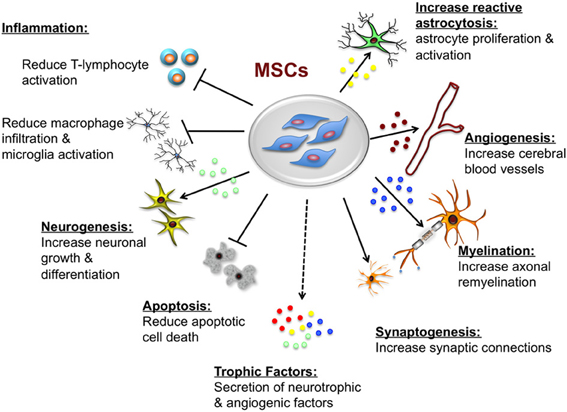
Mesenchymal Stem Cells

 Mesenchymal stem cell modulation of T cell-mediated immune responses

To repeat for emphasis, the T cells are the primary cellular effectors of the adaptive immune system and their functional properties are central to antigen specificity and memory associated with cognate immunity, this therefore means that to a greater extent they are responsible for rejection of implanted cells of varied specificity.  Antigen-specific activation and differentiation of naïve T cells result in the generation of a range of T-cell phenotypes that may be defined by the acquisition of characteristic cytokine secretion profiles, cytolytic mechanisms, or counter-regulatory properties.

Following antigen-specific adaptive immune responses, a small proportion of activated T cells persist as memory cells and have the capacity to respond more rapidly and potently to secondary encounters with the same antigen. These memory cells may retain the effector phenotype imprinted upon them during primary activation. When these memory cells are appropriately coordinated and regulated, the diversity of T-cell effector phenotypes allows immune protection against a multitude of pathogenic microorganisms while maintaining self-tolerance and homeostasis. On the other hand, over exuberant pro-inflammatory T-cell responses may lead to auto-immune and allergic diseases, including multiple sclerosis, inflammatory bowel disease, type 1 diabetes mellitus, and asthma. Therefore it is crucial to have a modulatory strategy on the effector T-cells. Furthermore, life-saving treatments such as allogeneic bone marrow and solid organ transplantation may be complicated by alloantigen-specific T-cell immune responses, resulting in graft-versus-host disease (GvHD) or transplant rejection.

Study finding
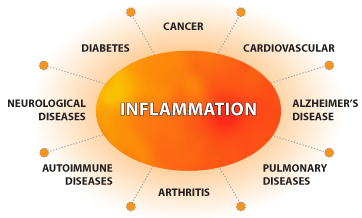
Mesenchymal Stem Cells and InflammationIn a research study done at School of Medicine, University of Seville, Seville, Spain by Gonzalez-Rey E, Gonzalez MA, Varela N, O’Valle F, Hernandez-Cortes P, Rico L, Büscher D,  and Delgado M  it was found that human adipose-derived mesenchymal stem cells suppressed the antigen-specific response of T cells from patients with rheumatoid arthritis. Human adipose-derived mesenchymal stem cells inhibited the proliferative response and the production of inflammatory cytokines by collagen-activated CD4 and CD8 T cells. On the contrary, the numbers of IL10-producing T cells and monocytes were significantly augmented upon human adipose stem cell treatment. The suppressive activity of human adipose-derived mesenchymal stem cells was cell-to-cell contact dependent and independent. Human adipose-derived mesenchymal stem cells also stimulated the generation of FoxP3 protein-expressing CD4 (+) CD25 (+) regulatory T cells, with the capacity to suppress collagen-specific T cell responses. Lastly, human adipose-derived mesenchymal stem cells down regulated the inflammatory response and the production of matrix-degrading enzymes by synovial cells isolated from patients with rheumatoid arthritis.

The study had sought to find out the immunosuppressive activity of human adipose-derived mesenchymal stem cells on collagen-reactive T cells from patients with rheumatoid arthritis.  The method used involved investigating the effects of human adipose-derived mesenchymal stem cells on collagen-reactive RA human T cell proliferation and cytokine production as well as effects on the production of inflammatory mediators by monocytes and fibroblast-like synoviocytes from patients with rheumatoid arthritis. Stem cell therapy is a promising approach to treatment of degenerative diseases like arthritis but still you will need an expert in degenerative medicine. Dr. Dalal Akoury (MD) an expert in integrative and regenerative medicine will be able to help. Visit us at AWAREmed Health and Wellness Resource Centre at Myrtle Beach, South Carolina

Human Adipose-Derived Mesenchymal Stem Cells Reduce Inflammation modulates Regulatory T Cells in Rheumatoid Arthritis

Facebooktwitterpinterestlinkedin

All About Menopause Symptoms, Diagnosis & Treatment

Menopause Symptoms, Diagnosis & Treatment

Menopause is a stage in life. That said when it occurs at the right time it is normal and hence not a disease. Menopause refers to the time when a woman’s menstrual periods stop and her ovaries stop releasing ova. A woman is considered to have hit menopause once she has gone a year without having a menstrual period.  The normal menopause should be happening between 40-60 years of age. However most women hit menopause at 50 years of age. As menopause approaches the menstrual periods become irregular and the flow may either become thicker or lighter however it is not mandatory that these changes must accompany menopause.

Menopause is a normal process that should not cause any reason to worry, however there is also premature menopause. Premature menopause occurs before the age of 40 and can be caused by a variety of things, such as removal of the ovaries, autoimmune disorders, endocrinological reasons, or cancer therapy. Medical interventions, such as a hysterectomy –removal of the uterus may also prevent menstruation. If the ovaries are removed as well, production of the hormones estrogen and progesterone are stopped, causing the symptoms of menopause. Premature menopause should be treated as soon as possible as it may affect negatively the health of a woman.

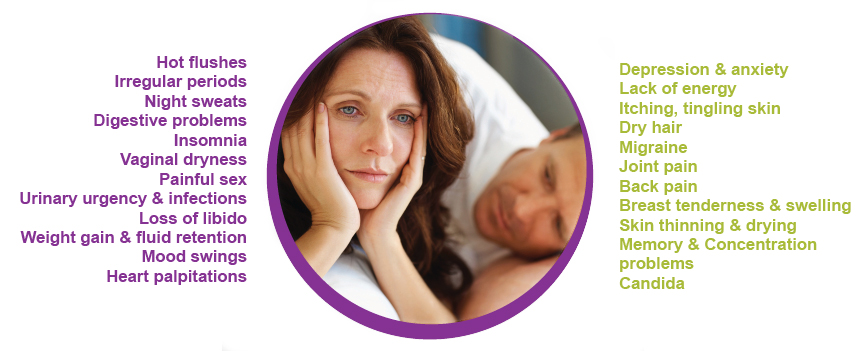
menopause symptoms

Signs and symptoms of menopause

In most cases when a woman is approaching menopause her bleeding patterns will change. The flow may become lighter or heavier, longer or shorter, the time between periods may increase and there may be occasional missed periods. These changes may occur gradually in some women, but in other women they occur more abruptly. Apart from this change in bleeding patterns, there are also other physical and psychological signs and symptoms associated with menopause. In some women they are very mild while in others they are more severe. The symptoms may last for only a few months, or may continue for several years. The average length of time for menopausal symptoms to be experienced is three to five years.

Physical signs and symptoms may include:

  • Headaches
  • Joint and bone pain
  • Palpitations
  • Unusual skin sensations
  • Hot flushes
  • Sweating at night
  • Tiredness
  • Vaginal dryness. Note that during menopause there might be occurrence infections of the urinary tract and vagina due to the thinning of the vagina and bladder walls.

 Psychological signs and symptoms may include:

  • Loss of confidence
  • Forgetfulness
  • Difficulty sleeping
  • Anxiety
  • Reduced interest in sex
  • Irritability and mood swings
  • Difficulty concentrating

Causes of Menopause

Menopause is a very normal process that marks an end of a given lifestyle of a woman. When born a woman has ovaries that are to produce ovum when the right time comes. The release of these ova however has to be controlled by some hormones such as the Follicle stimulating hormone (FSH) and luteinizing hormone (LH) which are secreted by the pituitary gland as part of the normal menstrual cycle. The main work of these hormones is to stimulate the ovary to produce estrogen and progesterone and to release an ovum. As a woman ages, her ovaries don’t respond to FSH or LH as strongly as they used to. Over time, less and less estrogen and progesterone are produced and the woman stops releasing ovum hence the menstrual cycle ceases.

Premature menopause however is a cause for concern. If a woman cannot go through her periods before 40 then she needs to be helped. Premature menopause can be genetic or it can be caused by autoimmune diseases. These diseases produce antibodies that can damage the ovaries. Surgical removal of the ovaries causes artificial menopause, as can chemotherapy or radiation therapy to the pelvis to treat cancer. Different diseases may cause menopause in relation to the way they are treated for example in a case where an ovary is to be surgically removed the woman may become menopausal at an age below 40 which is considered premature menopause.

menopause  symptoms

Menopause Treatment

Menopause is a natural process that should not be treated, however it comes with certain symptoms that must be addressed medically to calm. One of the popular ways of fighting symptoms associated with menopause is the menopause hormonal therapy (MHT). MHT was initially known as hormone replacement therapy (HRT). It involves taking the hormones estrogen and progesterone. MHT can be very good at relieving moderate to severe menopausal symptoms and preventing bone loss. But MHT also has some risks, especially if used for a long time. MHT has been found to be very effective in reducing hot flashes and night sweats, poor sleep, irritability, treating vaginal symptoms, such as dryness and discomfort and pain during sex. Menopause hormonal therapy also helps in slowing bone loss and easing mood swings and depression that are common to women who have hit menopause.

As said earlier MHT has some risks too. It may cause the following;

  • Blood clots
  • Heart attack
  • Stroke
  • Breast cancer
  • Gall bladder disease

A woman’s health is controlled by the hormones, any decline in the levels of estrogen hormones may cause undesired effects on the health of a woman. To be safe from severe symptoms of menopause you need to Request Menopause Treatment Information Today. Contact Dr. Dalal Akoury by calling her on (843) 213-1480. She will surely be able to give a helping hand.

All about Menopause Symptoms, Diagnosis & Treatment


Facebooktwitterpinterestlinkedin

Kidney Health and Blood Sugar

Kidney Health and Blood Sugar

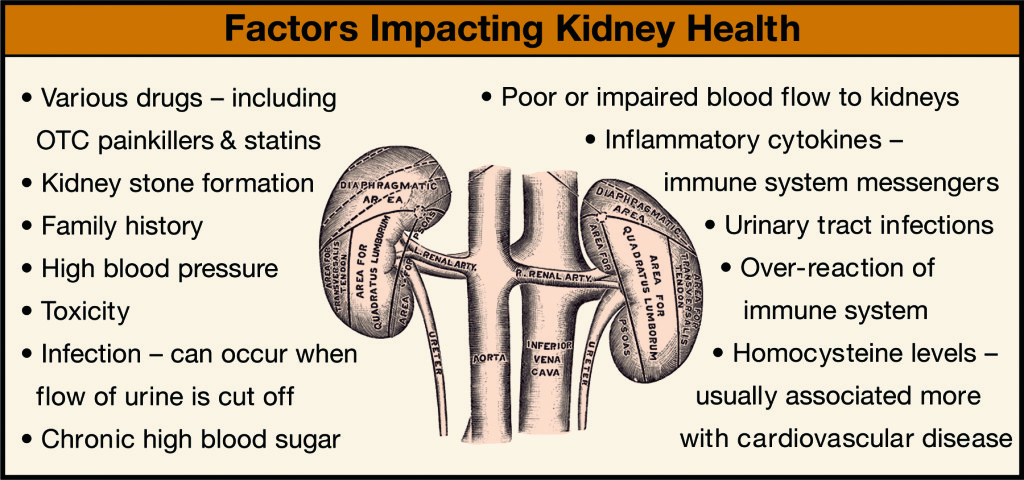
The connection between hypertension and blood glucose is even more insidious than it seems. When you think of hypertension the organs that come into your mind are probably the kidney, then the heart. The kidney refused to regulate the amount of blood sugar. A lot of it got deposited on the walls of blood tissue resulting in some unregulated pressure for this life fluid.

Hypertension often accompanies diabetes in the event of chronic hyperglycemia. Clearly then, the relationship between elevated blood glucose, hyperinsulinemia and kidney health is a complicated one. You probably understand how crucial the kidneys are in maintaining the balance in the body system. The organ plays an essential regulatory role in creating the body’s equilibrium through osmoregulation.

With diabetes, the kidneys are at risk. Yes they often help in releasing of glucose into the blood circulation via a process known as gluconeogenesis, lead the uptake of glucose from the circulation to satisfy the body’s energy needs, and then help reabsorb blood sugar at the point of the proximal tubule. But diabetes can often cause this vital osmoregulatory system to break down.

This happens when the high levels of blood sugar damages the kidneys rendering them dysfunctional. When the kidneys fail they are not able to filter out waste from the blood any more. This may often lead to kidney disease (nephropathy) with time.

Kidney-Health

Where does the sugar come from?

The diet! Organ failure. Related disorders. Genetics. Lifestyle choices such as exercise and lack of it. All these factors bring the excess sugar into your blood. Any of these factors may be responsible for a diabetic condition. This path is however a long one. One does not simply wake up one morning and have diabetes.

Of all these factors, the diet is the major root cause of diabetes. Statistics show that the contemporary world populations take a lot of sugar in their diet. Try to imagine how much soda you take in a week, how much peanut butter you consume, yoghurt, crackers, ketchup…and the list may go on and on.

America alone was last estimated to have its population consume 156 pounds of sugar every year each person. Among these ponds of sugar consumed, soft drinks alone was found to take up 33 percent of the total sugar intake.

Depending with which type of diabetes is in question, the causes are different. Diabetes type 1, for instance is caused by the presence of insufficient insulin in the victim’s body. This involves a condition where for some reason the pancreas failed to produce insulin. Most likely this is caused by some hereditary condition. It may be a case of autoimmunity.

Insulin resistance on the other hand results into the diabetes type 2. This takes time. You take that sugar of yours over time. You are warned about it. Even the doctor tries to prescribe for you a healthier alternative but you remain adamant on the soda and ice-cream routine. So as time goes by, you develop an addiction to sugar. You sometimes see the syndromes coming but you just cannot quit the wrong path.

What happens in the end is the presence of too much sugar in your blood that the organs responsible for its regulation can no longer control it for you. Your kidneys’ nephrons get overworked by having to filter too much blood due to the presence of excess glucose in the bloodstream. So with time, this added work exerts a lot of pressure on these kidney tubules forcing them to lose that filtering ability. As a result, no reabsorption of glucose takes place at the proximal tubule resulting in a very high blood sugar level.

The endocrine mechanism

This blood sugar regulation process involves a complex system of hormone balance. Insulin and Glucagon are the two major hormones involved here. In fact diabetes can more accurately be viewed not as a sugar disease, but rather an insulin disorder. Insulin is responsible for promoting the absorption of glucose from the blood to skeletal muscles and fat tissue. The hormone also causes the fat to be stored in that form instead of being hydrolyzed for energy production. This way hormone insulin regulates the metabolism of carbohydrates and fats.

Insulin is a peptide hormone made by the pancreatic beta cells. It allows the body therefore to use sugar/glucose contained in carbohydrates in the diet to synthesize energy. Alternatively it helps to store glucose for future use in inert form. As such, Insulin helps keep the blood sugar levels from getting too high, a condition referred to as hyperglycemia, or low; a condition known as hypoglycemia.

Diabetes-AwarenessBlood sugar is root-controlled by 3 major organs; pancreas, liver and the adrenal glands, given the fact that adrenaline, thyroxin and cortisol are also involved.

Hypoglycemic conditions stimulate the adrenals and the liver to produce a counter effect with the help of their respective hormones. The adrenal glands increase the production of hormone cortisol which prompts the liver to raise blood sugar levels. In this process of trying to arrest the situation, the increased cortisol eventually leads to weight gain by cortisol mobilizing fat in the body. This causes the fat to settle in the abdomen making it fatter.

Problems posed by the sugar

With the increased sugar levels, diabetes is not the only adversary you are facing. There is more than just the diabetes. Rather, you are faced with an increased cardiovascular disease, obesity, nutrient deficiencies including a reduced level of the essential B vitamins. Dysfunctions related to blood sugar dysregulation are also common. You may also encounter strokes, metabolic syndrome, oxidative stress and a possible adrenal or pancreatic dysfunction.

Physical signs for the blood sugar issue?

Rising blood pressure may be a sign of a cardiovascular problem. You may also experience adult acne, slow healing of wounds, white patches on inside of your cheek, cataracts and sometimes chronic bladder infections.

The good news is that there is a relatively simple way of improving all these conditions at the same time. AwareMed recommends that you follow a reduced-carbohydrate diet that includes plenty of fresh, potassium-rich vegetables, low-glycemic fruits and healthy fats—the latter of which have virtually no effect on glucose and insulin levels.

Kidney Health and Blood Sugar


Facebooktwitterpinterestlinkedin