Tag Archives: Being overweight and obese

Healthy foods

The Impact of Obesity and Overweight in Intimacy

The Impact of Obesity and Overweight in Intimacy: Erectile Dysfunction
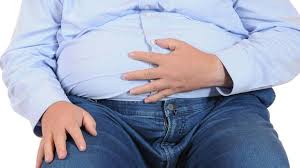
Obesity and sexOne of the most effects of obesity and overweight in families is the impact they have in sexual life of couples. And owing to the nature of the problem, most people often chose to suffer the burden quietly for fear of being ridicule. The impact of obesity and overweight in intimacy is a reality and the sooner we face it as any other problem the better for all of us. If we don’t then we shall be propagating a lot of discomfort in most relationships. At AWAREmed Health and Wellness Resource Center we have noticed this challenge people are having and that among many other reasons is the motivation doctor Dalal Akoury made an informed decision to form a medical center whose main objective is to transform each individual’s life through increasing awareness about health and wellness and by empowering individuals to find their own inner healing power. Yes it is true that sex is a very private matter, but when it comes to a point where it is causing your relation problems, then the affected individuals needs to seek for help where their problem would be fixed with a lot of confidentiality. It is because of that reason that Dr. Akoury’s practice focuses on personalized medicine through healthy lifestyle choices that deal with primary prevention and underlying causes instead of patching up symptoms. Therefore if you want to know more about the impact of obesity and overweight in intimacy, then you may want to schedule for an appointment with the experts at AWAREmed Health and Wellness Resource Center and doctor Akoury will be there to attend to all your issues professionally.

Erection is one key element that is commonly affected by being overweight and obesity. When one is not able to sustain an erection for sexual performance, medically that act is known as erectile dysfunction (ED). Even though ED is directly affecting men, but its effects are felt seriously by their sexual partners. There are several reasons why ED can happen including diseases which affect the vascular functions like hypertension, heart disease and diabetes. It has been established from various research findings that majority of obese men are vulnerable to these health conditions and in return they become easy targets of these diseases and thereby suffer erectile dysfunction.  It must however be noted that by being just slightly overweight or carrying around just a few extra pounds will not necessarily cause erectile dysfunction, but nevertheless being overweight can pave the way to obesity. Obesity or just excess body fat and a BMI over 30 can cause significant health problems and directly contributes to erectile dysfunction.

The Impact of Obesity and Overweight in intimacy: Effects of Obesity to the Body

  • From a metabolic standpoint, obesity contributes to diabetes by affecting the way the body processes sugar.
  • Additionally, obese people tend to have high cholesterol and are more vulnerable to hypertension and heart disease as had been indicated above.
  • From a quality-of-life standpoint, obesity contributes to sleep disturbances, snoring and, in severe cases, sleep apnea, all of which can lead to daytime fatigue and depression.
  • Obese people may also experience excessive sweating, overheating and frequent rashes in the folds of the skin.
  • Excess weight also puts strain on the joints and may lead to knee, ankle and back pain.
  • Obesity also increases the risk of some cancers, gall bladder disease and stroke.

Overweight solution

The Impact of Obesity and Overweight in intimacy: How Obesity Affects Erectile Dysfunction

Obesity can directly affect erectile dysfunction by lowering testosterone levels. It is important noting that Testosterone is the primary sex hormone in men which plays an important and vital role in both libido and sexual function. Indirectly, obesity contributes to other diseases, such as hypertension, that are known factors in erectile dysfunction. The penis needs a sufficient supply of blood in order to become erect. Once engorged, the vessels need to close in order to maintain the erection.

Hypertension, diabetes, high cholesterol and heart disease all contribute to erectile dysfunction by adversely damaging and constricting blood vessels and affecting the way blood flows in and out of the penis. It is possible to reverse the effects of obesity and obesity-related diseases with diet, exercise and in some cases, drug intervention. Besides these obese men with health issues should consult with their physicians before attempting any diet, exercise or weight-loss program. This is doctor Akoury founded this facility (AWAREmed Health and Wellness Resource Center) to offer the much needed help. If you have been to this link you probably know doctor Akoury as a professional in weight loss. She is not just a weight lose expert but also vastly experienced in sexual dysfunction treatment. In both practices she has had an accumulation of experience of over two decades attending to all patients from all walks of life globally and your condition will be handled best in her care with great professionalism and confidentiality.

The Impact of Obesity and Overweight in intimacy: The Mechanics and Causes of ED

An erection occurs when blood fills two chambers known as the corpora cavernosa. This causes the penis to expand and stiffen, much like a balloon as it is filled with air. The process is triggered by impulses from the brain and genital nerves. Anything that blocks these impulses or restricts blood flow to the penis can result in ED some of which may include:

The Impact of Obesity and Overweight in intimacy: Chronic Disease

The link between chronic disease and ED is most striking for diabetes. Men who have diabetes are two to three times more likely to have erectile dysfunction than men who do not have diabetes. Among men with erectile dysfunction, those with diabetes may experience the problem as much as 10 to 15 years earlier than men without diabetes. Yet evidence shows that good blood sugar control can minimize this risk. Other conditions that may cause ED include cardiovascular disease, atherosclerosis (hardening of the arteries), kidney disease, and multiple sclerosis. These illnesses can impair blood flow or nerve impulses throughout the body.

The Impact of Obesity and Overweight in intimacy: Lifestyle

Lifestyle choices that impair blood circulation can contribute to ED. Smoking, excessive drinking, and drug abuse may damage the blood vessels and reduce blood flow to the penis. Smoking makes men with atherosclerosis particularly vulnerable to ED. Being overweight and getting too little exercise also contributes to ED.  Studies indicate that men who exercise regularly have a lower risk of ED.
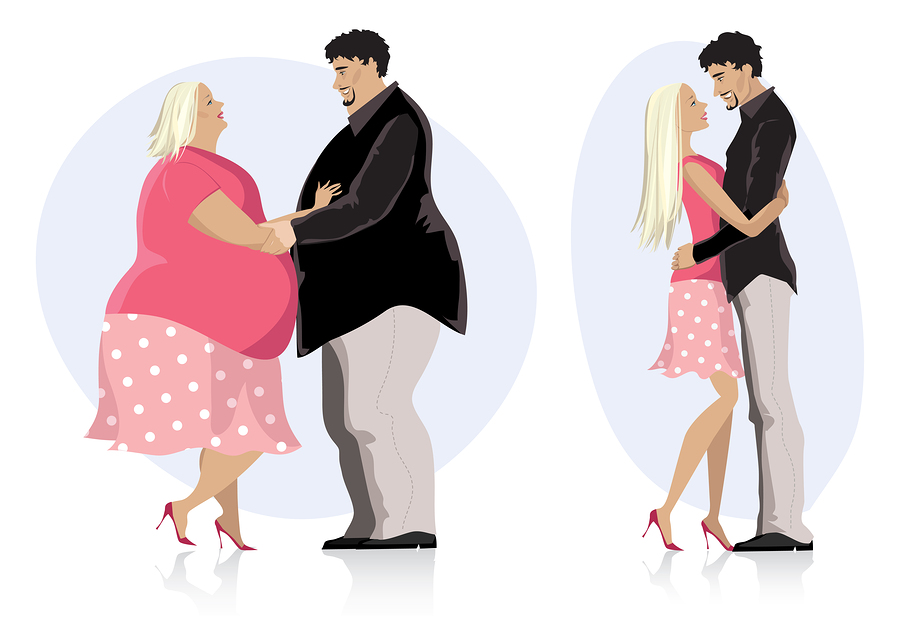
Dieting couple in love

The Impact of Obesity and overweight in intimacy: Psychological

ED usually has something physical behind it, particularly in older men. But psychological factors can be a factor in many cases of ED. Doctor Akoury registers that stress, depression, poor self-esteem and performance anxiety can short circuit the process and leads to an erection. These factors can also worsen the problem in men whose ED stems from something physical. Finally the impact of obesity and overweight in intimacy is real and when it happen, we must not shy away from it. The sooner we are able to face it the better for everyone whether in marriage or in active relationship. When you visit AWAREmed Health and Wellness Resource Center, doctor Dalal Akoury will be there to help you get out of the twin conditions of being obese and erectile dysfunction in the most efficient and professional way. Remember that confidentiality is one of our strength so you need not to worry for anything.

The Impact of Obesity and Overweight in Intimacy: Erectile Dysfunction


Facebooktwitterpinterestlinkedin

Prevention of Cancer using Nutrition and Exercise

Prevention of Cancer using Nutrition and Exercise: The Experts opinion about Prevention

Prevention of Cancer using Nutrition and Exercise

Prevention of Cancer using Nutrition and Exercise is very essential if we are to stop the vicious circle of transferring cancer from one generation to another.

It is estimated that a third of all cancer patients’ deaths are associated with diet and physical activity not just in the US but also globally. This is not a small number to be overlooked. The need to reduce the risk of development of certain types of cancers becomes very necessary. And because the association is majorly on the physical activities and diet, we must as well start the corrective measures from there. It is therefore very important that we get down to the business of addressing the prevention of cancer using nutrition and exercise professionally and immediately. Cancer is one of the most traumatizing diseases and having to go through the treatment procedures would be very difficult both physically and psychologically. We can avoid all this by doing all it takes to keep this disease away from our live. Owing to the nature of the disease, we may not be able to understand better what must be done as laymen. Therefore we are going to engage doctor Dalal Akoury who been in the medical practice for over two decades in the same discipline. Doctor Akoury is the MD and founder of AWAREmed Health and Wellness Resource Center and she has been instrumental in helping many people overcome their weight problems and you too can benefit from her expertise by scheduling for an appointment with her today.

Prevention of Cancer using Nutrition and Exercise: Body weight and cancer

Women who are overweight may have a greater risk for cancers of the breast (after menopause), endometrium, cervix and ovaries. The weight that is gained during adulthood may also increase the risk for cancer of the endometrium, and breast in postmenopausal women. Women who gain weight around their waistline are at great risk for these cancers. The body mass index (BMI) can indicate if a weight is healthy. The BMI is calculated using a person’s weight in relation to their height. A BMI chart is an easy way to look this up. A BMI between 18.5 and 24.9 is healthy, BMI between 25 and 29.9 is overweight, and BMI of 30 and above is obese. Women should aim for a healthy BMI.

Prevention of Cancer using Nutrition and Exercise: Physical activity and cancer

From the various studies it has been established that physical activities whether moderate or vigorous are essential in lowering certain diseases including breast cancer risk. Being active is also capable of protecting women against post-menopausal breast cancer. Besides that physical activity may also help reduce the risk of heart disease, high blood pressure, osteoporosis and diabetes. Doctor Akoury encourages that people need not to get scared of registering for exercise. She says that it is not all about working out that delivers result. In fact even that little that could easily go unnoticed is good enough to make a difference. Therefore for starters, it would be appropriate that they start slowly by going at least 30 minutes of moderate physical activity every day. Moderate activities include dancing, brisk walking, and cycling. To help prevent excessive weight gain, 60 minutes or more of moderate activity every day, or 30 minutes or more of vigorous activity is suggested. Vigorous activities include jogging, running and tennis. However, as for much older women of over 50 years of age, with serious medical problems, it would be most appropriate for them to consult with their doctor before commencement of any intense physical activity program.

Prevention of Cancer using Nutrition and Exercise: Diet and cancer

When planning a healthy diet with cancer in mind, it is different from when you are doing the same for your daily feeding practice. For that kind of program to work effectively, it would be very important that you seek for the expert’s opinion. Doctor Dalal Akoury suggests the following guidelines:

Shun from taking foods and drinks rich in sugar – Food elements like sodas, sports drinks, fruit drinks, cakes, pies, and cookies are very high in empty calories and fat and low in important nutrients like vitamins, minerals, and fiber. They are not the type to go for under these circumstances.

Go for more of fresh produced foods of a variety of vegetables, fruits, whole grains, peas, beans, lentils – A plant-based diet is made up of foods that come mostly from plants. Plant-foods are more wholesome and are rich in fiber, vitamins, minerals, antioxidants and phytonutrients (plant nutrients). Phytonutrients help to protect the cells in the body from damage and help boost the immune system.

Limit processed meats and red meats – Processed meats are generally smoked, cured or salted. Processing of cold cuts, sausage, bacon, ham and hot dogs adds cancer-causing substances like salt or sodium nitrite. Studies have linked eating large amounts of processed meats with an increased risk of colorectal cancer. Health experts recommend that red meats like beef, lamb, and pork should be limited to no more than 18 ounces a week. If meat is part of the diet, it is better to eat lean meats, fish, poultry, or beans. Cook by baking broiling, poaching or steaming, instead of frying.

Avoid alcohol – Women who drink alcohol should drink no more than one drink a day (no more than two per day for men). One drink of alcohol is 12 ounces of beer, 5 ounces of wine, or 1½ ounces 80-proof distilled spirits. Drinking alcohol can cause cancers of the breast, mouth, throat, esophagus, liver, colon and rectum. Studies show that the risk for breast cancer increases, when the drinking of alcohol increases.

Limit the use of salty foods and foods processed with salt (sodium) – Too much salty may increase the risk of stomach cancer as well as high blood pressure. Salt in the diet should be less than 2,400 milligrams a day; about one teaspoon. Cut back on the added in cooking, and avoid salty foods and snacks.

Avoid using supplements for cancer prevention – Taking large doses of supplements may have serious side effects, especially if taken with certain medications. Women should also avoid taking soy pills, unless a doctor approves. In certain cases, a woman may need calcium or vitamin D supplements to prevent osteoporosis (brittle bones), but this should be prescribed by a doctor.

Phytonutrients and antioxidants – Studies have shown that food items from the vegetation (plants) contain thousands of phytonutrients that may have cancer fighting benefits. Plant foods are rich in antioxidants like vitamin A, C, E and beta carotene. These include cruciferous vegetables like broccoli, cabbage, collard greens, kale, cauliflower and Brussels sprouts. Other excellent sources of phytonutrients are: Green tea, grapes, wine, berries, citrus fruits, apples, whole grains, soy, and nuts. Brightly colored vegetables and fruits are the best sources of phytonutrients. Since no single food can provide all of the health benefits to reduce cancer risk, it is best to eat a variety of vegetables, fruits, whole grains and beans.

Prevention of Cancer using Nutrition and Exercise: The Experts opinion about Prevention


Facebooktwitterpinterestlinkedin

Natural Weight Loss for Good Health and Well Being

Natural Weight Loss for Good Health and Well Being: Improvement of our physical and emotional health

Natural Weight Loss for Good Health and Well Being

Natural Weight Loss for Good Health and Well Being however sitting before the screen for long hours while eating will not be helpful

Everybody wants to lose weight for different reasons but whatever the reason the spirit is good. Owing to the known health implications associated with overweight, it is encouraging seeing more people are coming out in search of physical fitness. Nonetheless when weight loss is occasioned by healthy eating, exercising and use of natural weight loss supplements in contrast to synthetic prescription drugs with the risk of harmful side effects, weight loss can be effective, rewarding, and greatly improve the overall health of an individual. That is why we want to focus on the natural weight loss for good health and wellbeing primarily to be on top of everything that can cause health complications. Doctor Dalal Akoury a weight loss specialist and the founder of AWAREmed Health and Wellness Resource Center says that extra weight particularly that emanating from excess body fats can exact undue pressure and stress on the vital organs like the heart and other body parts like the joints and the back.

These stresses can be enormously disadvantageous to one’s health in many ways. However the application of healthy weight loss is good for the general health of the body and can reduce the risk of chronic conditions like diabetes, cardiovascular disease, hypertension, arthritis and other health problems, as well as increasing once life span which ordinarily could have been cut short by the introduction of these diseases. Experts are in agreement that obesity part and parcel of once physiology. Doctor Akoury explains that the internal functions of an obese person are not the same in relation to those of a healthy person in the sense that in the obese people they often cause intense hunger pains and food desires.

Natural Weight Loss for Good Health and Well Being: Natural weight loss supplements

From the introduction the problem of food cravings needs to be addressed if the problem of obesity is to be minimized. Doctor Akoury advice that there are good natural weight loss supplements which can be very help in neutralizing this continue desire for food. This is very important because when not stopped the overeating will continue thereby facilitating overweight and obesity.  Remember that unbalanced hormones are a common cause of weight gain too and therefore taking natural hormone balancers and herbal supplements would go a long way in creating a healthy weight loss program. When you have good health losing weight becomes natural and easy from the inside out minimal frustration and effort. The bottom line is that when losing weight, it must be form both inside out.

Natural Weight Loss for Good Health and Well Being: Psychological issues

This is very important as emotional issues has a way of accompanying certain changes more so those that in our bodies e.g. natural weight loss. Weight loss affects our perception body image, our sense of identity and how we feel about ourselves in general.

Weight loss also effects our social relationships in that there may be people in our family or social contacts that are emotionally invested in our remaining the same i.e. overweight with all that it symbolizes e.g. friendliness, non-threatening, protective, jovial, helpful, etc. Beyond our physical health, it can be said that size matters cognitively and emotionally to us and others. Eating and food have come to symbolize being accepted, being cared for and comfort. Having the support of others in our efforts to naturally lose weight and regain our health is a huge advantage.

The emotions of fear, anger, anxiety and depression affect our weight. In response to these emotions we often numb these emotional feelings or stress by overeating. We may even overeat, thinking that will ease the physical discomfort caused by excess weight e.g. physical pain, lack of sleep, and lack of energy caused by moderate depression. To improve our overall health and support us through the process of natural weight loss and the emotional dynamics around it, we can take advantage of natural sleep aids, natural depression relief and natural pain relief health care products.

Natural Weight Loss for Good Health and Well Being: Digestive System

Our weight and health is greatly dependent upon our having a healthy digestive system or metabolism. Our digestive system converts, on a cellular and muscular level, the foods we eat, eliminates toxins, and uses and stores glucose for energy. Natural enzymes trigger hunger signals and facilitate absorption of nutrition. Good digestion with the help of natural enzymes aids in the conversion of fat to muscle.

Allergy and sensitivity to food, parasites, yeast overgrowth and emotional stress are signals of digestive disruption and inflammation. Natural essential fatty acids work to reduce intestinal inflammation, decrease harmful acids, helps the liver process proteins that grow muscle, balance hormones and facilitate the elimination of toxins. Natural essential fatty acids help clear our digestive system of heavy metals, harmful bacteria, pesticides that we are increasingly encountering in our environment. Essential fatty acids along with natural fiber help us clean out the intestinal debris that harm our health and often lead to weight gain. Essential fatty acids also help our brain’s neurotransmitters to function properly in order to deal with stress, emotions, and cravings that can lead to overeating and weight gain.

Natural amino acids are the building blocks that make up proteins. Next to water, protein makes up the greatest part of our body weight. Amino acids help increase metabolism, build muscle, ease moderate depression, and help burn fat. Natural antioxidants help carry more oxygen to cells and muscles to help increase energy, burn fat, build muscle and process the foods we eat.

Hormone balance is essential for natural weight loss. Our metabolism slows as we get older because of the decrease or imbalance of hormones. This contributes to weight gain. Hormone balance also helps us deal with stress that leads to weight gain. Proper hormone balance helps to decrease cravings and binge eating.

Our metabolism’s primary task is to nourish our brains. We need healthy neurotransmitters to help us curb craving, ease depression, and deal with stress that lead to weight gain. Balancing our natural brain chemistry has a calming effect and allows us to feel a sense of wellbeing and safety. There are many natural health care products to help balance brain chemistry, e.g. essential fatty acids, natural depression relief products, natural products to increase serotonin, and more. When our brain feels well and safe, it is prone to change our metabolism from calorie saving to calorie burning.

In conclusion, it is important to remember that the first objective, accomplished through natural weight loss, is to improve our physical and emotional health. This involves having a healthy digestive system, a healthy emotional system and a healthy nutritional system. We can build these healthy systems with natural vitamins, amino acids, antioxidants, natural digestive aid, pain relief aid, natural sleep aids, natural emotional and mood aids, essential fatty acids and many more helpful natural health care products.

Natural Weight Loss for Good Health and Well Being: Improvement of our physical and emotional health


Facebooktwitterpinterestlinkedin

The Physical Factors of obesity and Overweight

The Physical Factors of obesity and Overweight: Interesting things to watch out for

The Physical Factors of obesity and Overweight

The Physical Factors of obesity and Overweight. The prevalence of obesity and overweight could be avoided if we change our lifestyle.

In the prevalence of obesity and overweight, it is only prudent that everyone is aware of the factor that causes this problem which is quickly turning into pandemic. A lot of postings and books are available about eradication of obesity and overweight. But with the varieties of materials so is the vigorous campaign aired in the both the print and electronic media. These campaigners are simply marketing their products for sale. They can be very enticing because they have a mission to achieve. To be direct these people are in business and their main objective is to make profit even if it would mean danger to their consumers. That statement sounded a bit heard on the spirit of entrepreneurship. I agree with you but it is the truth as painful as it may appear. Take for example the cigarettes manufacturers or alcohol brewers; are you now changing your mind? Anyway our focus is on the physical factors of obesity and overweighs bearing in mind of what I have just mentioned in the introduction.

The Physical Factors of obesity and Overweight: Television watching

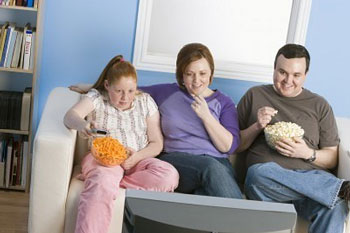
Obesity is a state of being heavy beyond being overweight according to the BMI formula where overweight is of 25 and obesity is 30 BMI and above. this is necessitated by several factors among them the enjoyment of television programs, playing video games and endless conversation on the online plat forms using the modern handsets like the iPads. It is no wonder that Television watching has been closely associated to the onset of obesity. The fact is that, the more time one spend watching TV or enjoying the usage of these of these other gadgets, the greater the degree of obesity. TV watching has led to childhood obesity, and excess weight in adults. According to one clinical study where some 4,771 adult women were examined to determine the relationship between time spent watching television per week and obesity, it was established that twice as many women who reported watching three or more hours of TV per day were obese, compared to the reference group of women who watched less than one hour of television per day.

Experts at AWAREmed Health and Wellness Resource Center under the able leadership of Doctor Dalal Akoury points out several physiological effects of taking too much time in watching TV that promotes obesity. Doctor Akoury says that too much time taken on watching TV impacts negatively on the effort of eliminating overweight and obesity as it reduces physical activity. Besides that it also lowers the resting (basal) metabolic rate to a level similar to that experienced during trancelike states. It is in the culture of human being to respond to external stimuli such as the sight, smell, and taste of food, which can trigger almost addictive tendencies to eating. And like I had indicated our TV channels are not just full of entertainment, but by constant advertisement of very unhealthy luring food stuff. It is no surprise that such advertisement are mostly aired around meal times, primarily to promote their fast food products, which trigger memories of sweet, fat, and other stimulatory tastes. Trance-like effect that is created by watching TV influences the brain into thinking that it needs something and because of not knowing exactly what it needs, the very first decision becomes food, and of course food is the easiest answer. In that way people are often motivated to eat even when it is not necessary. And besides that people who watch a lot of TV are also very inactive. They tend to do the least amount of exercise. All these factors put together contribute to obesity and weight gain.

The Physical Factors of obesity and Overweight: An excess-starch diet

In an effort to controlling obesity and overweight, it is important that foods which are rich in fats are consumed proportionately. Starch is the most fattening food. That explain why people who eat excessive amounts of starch are prone to gain weight. Some of the foods which are rich in starch may include bread, pasta, rice, and beans. Therefore a healthy diet should include thyroid-stimulating foods such as adequate protein, sea salt, fruit, and coconut oil, in addition to organic vegetables.

The Physical Factors of obesity and Overweight: Low metabolism

Metabolism is deficient in many overweight people for genetic reasons and lack of physical exercise. The metabolism of stored fat in the body is considerably below that of lean tissue. So the metabolic rate of obese people is well below that of lean people, reduced by the sluggish metabolism of fat. To break this vicious cycle doctor Akoury says, individuals must be active physically. There is no two ways about it. It would be very difficult to break the routine without vigorous physical activity. Therefore it is important that when you are considering working out and somehow there is push and pull of discouragement, you may need to consult with the experts at AWAREmed Health and Wellness Resource Center. This is a medical facility established by doctor Dalal Akoury to meet your individual weight loss needs. Up on scheduling for an appointment with her, she will be able to evaluate your individual conditions and naturally put you in a weight loss program tailored to meet your specific needs.

Certain disease states are also associated with a greater likelihood of obesity, including diabetes, hypothyroidism, hypertension, hypopituitarism, and hyperlipidemias. For example, an underactive thyroid gland can slow down metabolism and lead to weight gain. Hypoglycemia (low blood sugar) is caused not only by the inability to digest sugar (sucrose, lactose, and maltose) but also protein, because 56% of digested protein is converted to glucose (blood sugar) as needed by the body. People in this category can be either heavy or lean depending on how much what they feed on is digested. Besides that is how the body uses insulin is also another factor. If your body lacks the ability to clear insulin from the bloodstream quickly, you may feel hungry even when you have eaten enough.

Finally the physical factors of obesity and overweight are not just about exercise and feeding habits. It is a collection of several elements which we may have not discussed in this article. Nonetheless you can be able to get them straight from the experts up on scheduling for an appointment with doctor Akoury for all your concerns and you will be attended to professionally and in confidence.

The Physical Factors of obesity and Overweight: Interesting things to watch out for


Facebooktwitterpinterestlinkedin

Are Medical professionals setting a Good Example to Patients

Are Medical professionals setting a Good Example to Patients: Walk the Talk?

Are Medical professionals setting a Good Example to Patients

Are Medical professionals setting a Good Example to Patients. This is the biggest question everyone is asking especially when it comes to addiction and weight management

In my several decades of offering medical services to people across the globe, I have been disturbed immensely with what we do in relation to what we say in the line of duty. Medics all over the world are not just employees of the institutions they are working for but their profession is a calling. In other wards professionalism and integrity are supposed to be part of life in this profession. On various occasions I have come across people wasting their lives in drugs and other unhealthy activities. Up to that point let me call them people but being more specific. I often walk on my way to and from work and one of the spot along the way to my work station is a small section set aside for smokers. It is often referred to us smokers zone or corner. Every time I pass through that place it will be very unusual to find it empty. It is always full with people smoking and the smoke billow from that zone is so huge that you will wonder if the small booth is on fire. Before I continue with the story allow ne to ask “are medical professionals setting a good example to their patients?” now back to the story over the years I see several medical doctors, nurses and hospital support staff and administrators enjoying (or do I say smoking their lives out) their cigarette in unison.

The amazing point is that this is a public smoking place and because of its promiscuity to the health facility more than half of people I often see there are either doctors or nurses and other hospital stuff. In my observation, it occurred to me that in broad day light we preach water and we are comfortably taking wine. Let me pose another question “for how long are we going to be encouraging patient and other people to make healthy lifestyle choices as part of our responsibilities when we are doing exactly the opposite? Yes we are humans but what morals do we have to give this advice if we are equally subject to the temptations of drug use, smoking, alcohol abuse and overeating? My fellow colleagues don’t miss understand me. This article is not targeting the professionals or being judgmental or a sermon to the few who engages in such habits. Certainly not, we are all grown-ups and are equally enjoying the freedom to making choices as we may wish. But allow me to pose and say that there are certain special cases in which we do need to view our actions through the eyes of our patients. Help me in considering these pertinent questions with a view of understanding the magnitude of the matter:

  • Can overweight nurses’ advice patients about weight loss?
  • How is stress affecting nurses and their patients?
  • Will patients listen to advice on smoking cessation when you smell like an ashtray?

Are Medical professionals setting a Good Example to Patients: Can overweight nurses’ advice patients about weight loss?

This is very interesting and I can imagine of what is going on in your mind. However a number of studies have been done in the past which examine the health habits of nurses all round whether good or bad and the impact of the outcome to the patients they attend to. Like for instance the prevalence of obesity across the globe is steadily increasing even as we speak right now it is becoming to an epidemic level. And the consequences of the same are risks of development of several chronic health complications. With these concerns about whether overweight nurses can advise patients about weight loss I suggest that patient’s education about the risks of obesity and the importance of proper weight management and exercise must remain continuous responsibilities of the nurses irrespective of their condition and sizes.

In fact, studies have generally shown that although the vast majority of nurses concede that obesity is a diagnosis which requires intervention, majority of the nurses do not pursue this issue with obese patients. The reason for this isn’t exactly clear. But it is perceived that the reasons could include:

  • That the nurses are uncomfortable discussing this with their patients
  • Overweight nurses may be feeling that they lack the credibility to have that conversation due to their own appearance.
  • Another possibility is that the nurses themselves need more education and validation of the health risks that obesity can cause.

Are Medical professionals setting a Good Example to Patients: How is stress affecting nurses and their patients?

Another condition of concern in the nursing population includes the physical and emotional complications from stress. Many nurses work in stressful environments, taking care of everyone else before taking care of themselves. We know that the physical effects of stress can include insomnia, gastric ulcers, heart disease, headaches, fertility problems, and eating disorders. Other negative effects include disruption of family life, anxiety, and a reduction in the quality of life.

We know that it is important to advise our patients that they should listen to their own bodies with regards to stress management and relaxation therapies, yet we typically do not take our own advice in this area. We teach the concepts of holistic care to students, yet we do not always lead by example when it comes to our own health. Perhaps we need to be better role models for our patients, students and new nurses with regards to how we acknowledge and manage stress in our lives.

Are Medical professionals setting a Good Example to Patients: Will patients listen to advice on smoking cessation when you smell like an ashtray?

Smoking I actually addictive and nurses being human can also be addicted just like anybody else. We also know that stress may be a factor in the prevalence of smoking. However it is unethical and unhealthy to take care of patient under the influence of a drug. It is absolutely wrong for nurse’s to resume duty after a smoking break the stench of cigarettes. Surely it isn’t a good idea, no matter what the patient’s diagnosis. Nurses are on the front lines of patient care. They spend more time with patients than any other category of health care provider. But even in all these nurses must know that they are not immune to diseases caused by their own unhealthy habits like smoking. If the patients they are caring for are down with cigarette smoking then they too can be down and it will be prudent that they too lead by example. Finally doctor Akoury reaffirms that one of the basic doctrines of an effective nurse-patient relationship is TRUST. These are all part of nurses responsibility and so nurses must take the challenge of leading from the front by setting a good example for patients.

Are Medical professionals setting a Good Example to Patients: Walk the Talk?


Facebooktwitterpinterestlinkedin